
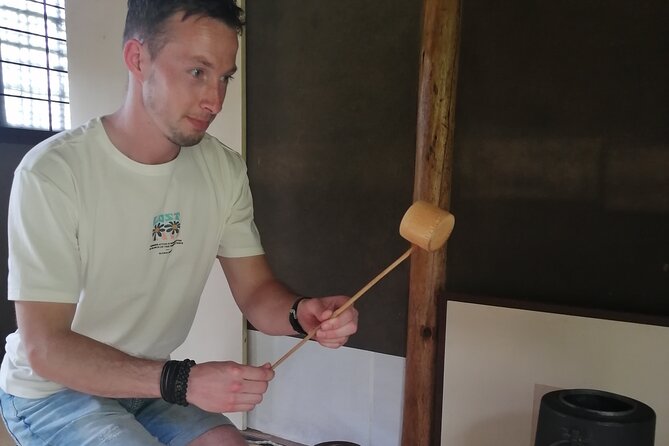
Reviewed · TEA CEREMONY EXPERIENCES
The Art of Mindful Living: Tea Ceremony in Kyoto
A tea ceremony in a traditional Kyoto home gives you more than a cup of matcha. In about an hour, Naomi introduces the customs, serves tea and sweets, and lets you whisk your own matcha in a room overlooking a Japanese garden. It is a small, calm cultural experience rather than a grand stage show.
I like the hands-on format and the use of organic Uji matcha from Kyoto. I also like the quiet garden, the choice of traditional bean-paste sweets or fruit daifuku, and the effort made for vegans and people with food allergies. The main drawback is location: this home is in Ukyo Ward, toward the Kinkakuji and Arashiyama side of Kyoto, so it takes planning and is not near the downtown core.
Key points to know before booking
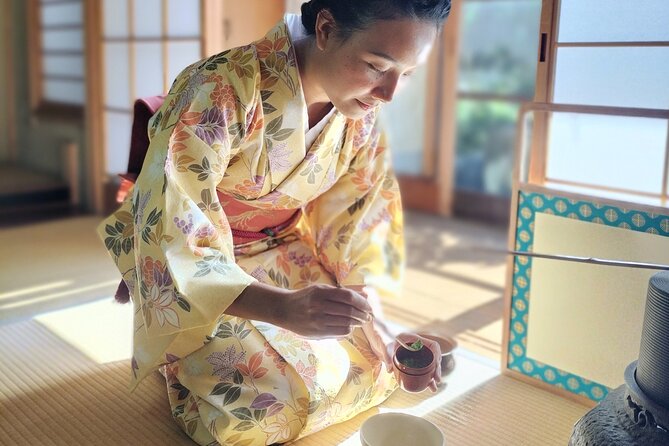
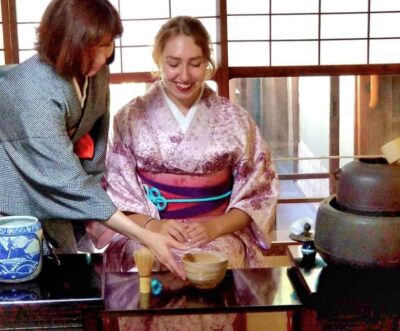
- You make your own matcha: Naomi first demonstrates the process, then helps you prepare the tea yourself.
- The setting is a traditional Japanese home: The tea room and garden provide a more personal backdrop than a busy commercial venue.
- Organic Kyoto Uji matcha is served: You also receive one Japanese sweet, with bean paste and fruit daifuku options.
- The standard group size is small: Sessions are capped at six people, while larger groups may be possible by arrangement.
- Kimono rental is available: A kimono costs ¥4,000, a hakama costs ¥8,000, and a baby romper-style kimono costs ¥600.
- The experience works for different diets and ages: Vegan and allergy needs can be accommodated, and children may have cocoa instead of matcha.
Entering a Kyoto home in Ukyo Ward
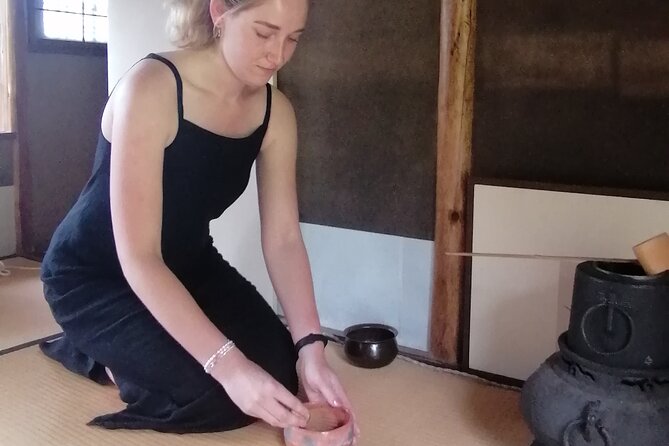
Kaze no Waon is at 14 Utanokitanoinchō in Kyoto’s Ukyo Ward, in the direction of Kinkakuji Temple and Arashiyama. The location is near public transportation, but it is not a convenient downtown stop. I would allow extra time to reach the house, especially if you are fitting the ceremony between major sights.
That distance is part of the tradeoff. You do not get a central Kyoto activity that you can squeeze in between Nishiki Market and Gion. Instead, you visit a quieter residential setting with a traditional room and a garden. If your day already includes Kinkakuji or Arashiyama, the ceremony can fit more naturally into your route.
The activity ends back at the meeting point. It lasts about one hour, so it is easy to schedule, but the optional kimono changes the timing. Putting on a kimono takes additional time, and you should not treat the one-hour estimate as a full kimono photography session.
Other tea ceremonies in Kyoto people book:
- Kyoto: Tea Ceremony in a Traditional Tea House in Kiyomizu
★ 4.9 · 3,519 reviews - Kyoto: Tea Ceremony Ju-An at Jotokuji Temple
★ 4.9 · 3,207 reviews - Kyoto: 45-Minute Tea Ceremony Lesson Experience
★ 4.3 · 2,378 reviews
What happens during the one-hour ceremony
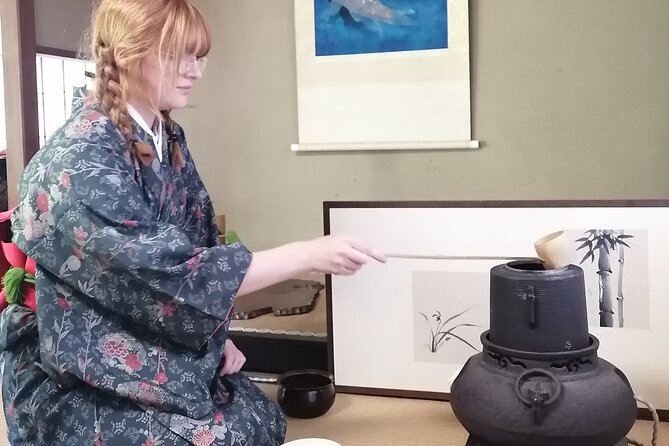
The session begins with an explanation of Japanese tea ceremony. Naomi covers the history and purpose of the practice, the effects and varieties of matcha, different types of Japanese tea, and the basics of how to drink matcha.
This introduction matters because the ceremony can seem formal if you do not know what you are seeing. The movements, utensils, sweets, and order of service all have meaning. Naomi presents the ideas in an accessible way, so you can follow along instead of simply watching a series of unfamiliar gestures.
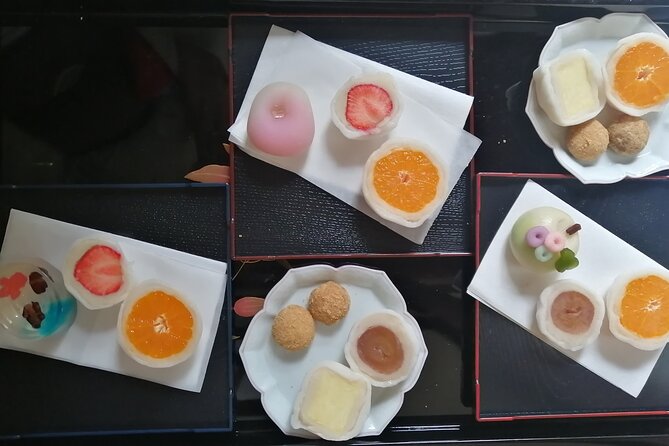
Next, Naomi prepares and serves matcha with a Japanese sweet. One sweet is included in the price. You can choose between a traditional sweet made with bean paste and a fresh fruit daifuku, a soft rice-flour confection with fruit inside.
The tea is made with organic Uji matcha from Kyoto. Uji is one of Japan’s best-known tea-growing areas, and using local matcha gives the tasting a clear connection to the region. This is not just a photo opportunity with a green drink. You get a short explanation of what you are drinking and how it fits into Japanese culture.
The final stage is the practical one. You whisk your own bowl of matcha under Naomi’s guidance. That simple act changes the mood of the session. You are no longer only observing a ceremony. You are learning one small part of it and seeing how much care goes into producing the foam and texture of the tea.
Chairs are provided, which is useful if sitting on the floor is difficult. The information does not say that the entire ceremony takes place in chairs, so you should ask ahead if you have specific mobility needs.
Why the garden adds real value
The Japanese garden is an important part of this experience. You can take photographs in the garden before the ceremony, and photography is also allowed during the session. The setting gives you time to slow down before the tea begins, rather than rushing straight into a lesson.
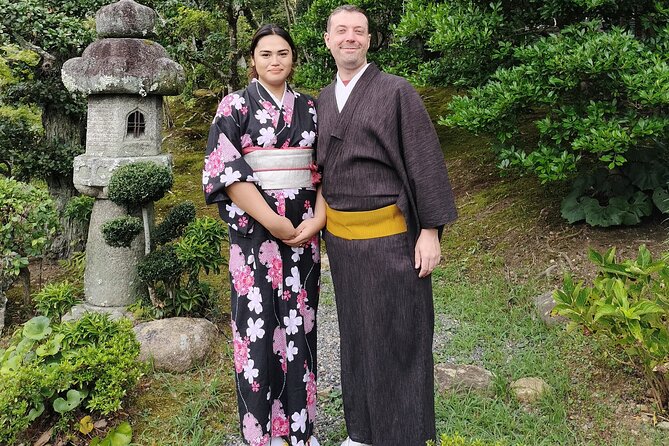
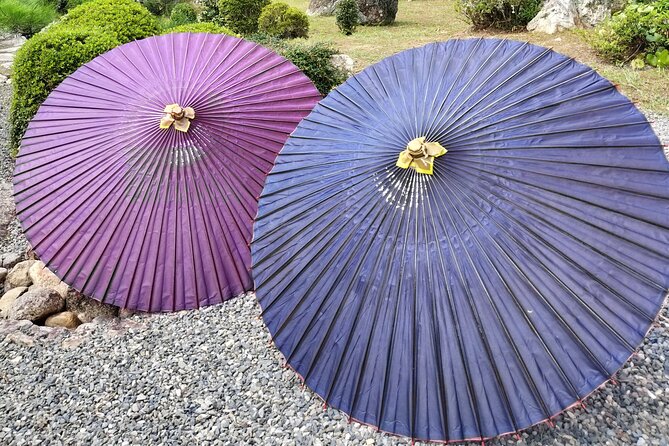
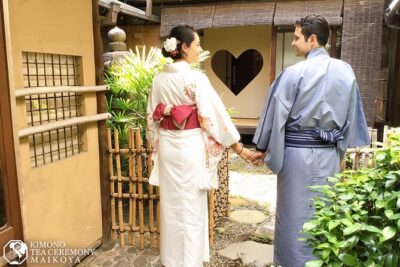
The garden is especially useful if you rent a kimono. You can take pictures in traditional clothing, using the house and garden as a natural backdrop. A special private-session option also allows the use of a Japanese traditional umbrella and an imitation sword for photographs only.
Weather matters here. If it rains, you can take pictures while holding an umbrella. You cannot take outdoor kimono photographs without an umbrella while getting wet. The activity requires good weather, so a cancellation caused by poor conditions may lead to another date or a full refund.
I would think of the photographs as a pleasant extra, not the central product. The heart of the session is the explanation, tea service, and hands-on preparation. If your main goal is an elaborate costume shoot, the short duration may feel limiting.
Naomi’s teaching style and the tone of the visit
Naomi leads the experience, sometimes with help from her niece or another assistant. She speaks English well and communicates with participants before and after booking. The tone is serious enough to explain the customs, but light enough for families and first-time visitors.
That balance is one of the strongest reasons to choose this activity. A strict ceremony can feel intimidating if you are worried about making a mistake. Here, you are given context and then invited to try. You can ask questions, watch the demonstration, and take part without needing prior knowledge of tea ceremony.
The experience also has a quiet, reflective side. Matcha is the focus, but the larger lesson is attention: how you sit, how you receive a bowl, how you look at the tea, and how you take a pause in the middle of a busy trip. You do not need to approach it as meditation, but the calm setting makes that possible.
Families can take part as well. Children may have cocoa instead of matcha, which gives younger participants a drink suited to them while keeping them involved in the ceremony. The information provided does not specify a child age range, so confirm details if you are booking for very young children.
Other tea rooms and ceremonies in Kyoto:
- Kyoto: Table-Style Tea Ceremony at a Kyo-Machiya
★ 4.9 · 1,211 reviews - Kimono Tea Ceremony at Kyoto Maikoya, NISHIKI
★ 5.0 · 911 reviews - Kyoto: Arashiyama Bamboo Forest, Monkeys, Matcha & Temple Tour
★ 5.0 · 759 reviews - Kyoto: Tea Museum Tickets and Matcha Grinding Experience
★ 4.9 · 739 reviews
Matcha, sweets, and dietary choices
One sweet is included, and you can select either a traditional bean-paste cake or fresh fruit daifuku. If you want to try both, the additional charge is ¥500 per person.
Vegan choices and food allergies can be accommodated. Tell the provider about your needs before the visit, rather than waiting until you arrive. This is a meaningful advantage for a small food-and-culture activity, where the included snack is part of the lesson and not an afterthought.
Alcoholic drinks are not included. That will not surprise anyone booking a tea ceremony, but it is worth noting if you are comparing this with a broader food experience. The focus stays on tea, sweets, manners, and setting.
Kimono rental and photo options
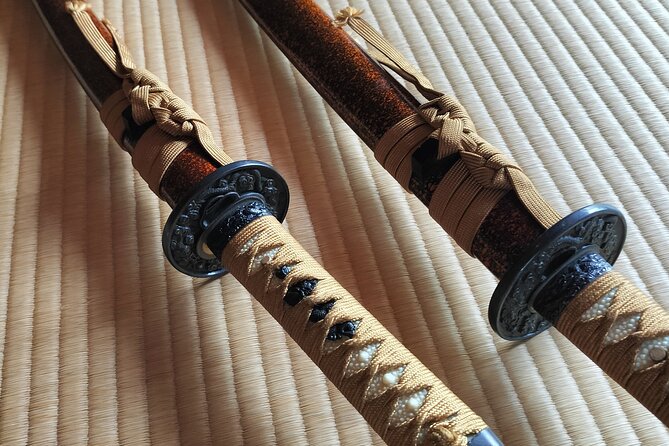
Kimono rental costs ¥4,000 while the tea ceremony takes place. A rental hakama costs ¥8,000. For babies, a romper-style kimono costs ¥600, and an undershirt rental costs ¥200.
Hair styling and makeup are not provided. Hair accessories are available for people renting kimono, and you may use them freely. I would plan your expectations accordingly: this is a tea ceremony with a clothing option, not a full salon or professional styling package.
The kimono can make the visit feel more special, particularly for couples, families, or anyone marking a first trip to Kyoto. Still, it adds cost and takes time to put on. If you are mainly interested in learning about tea, skip the upgrade. If photographs and traditional dress are a major part of your Kyoto plans, the extra ¥4,000 may be a fair addition.
Private sessions are available, but you must contact the provider before booking. Do not assume that a standard reservation will automatically become private or that an upgrade discussed after booking is already included in the original price. Confirm the price and arrangements clearly in advance.
Group size and the feel of the room
The normal maximum is six people. That is a useful size for a demonstration because you should be close enough to see the preparation and receive help when making your own tea.
A group of six still feels different from a private ceremony. You may have less time for individual questions or photographs, and the room will not be as quiet as it would be with only your own party. For couples or families looking for a personal occasion, a private session may be worth asking about.
Larger groups may be accommodated by arrangement, despite the standard six-person limit. Contact the provider before booking rather than arriving with an oversized party and hoping space will be available.
Strollers can enter the premises but cannot be taken inside the building. That detail matters for families with babies or toddlers. You will need to leave the stroller outside the interior room, so bring only what you can manage during the ceremony.
Is $44.42 good value?
At about $44.42 per person, this is not the cheapest way to sample matcha in Kyoto. You can buy a bowl of tea and a sweet for much less. The price makes more sense when you count the setting, the explanation, the demonstration, the chance to prepare your own tea, and the garden access.
I see the value in the combination. You are not paying only for a drink. You are paying for a guided cultural lesson in a traditional home, with a host who explains what the gestures and ingredients mean. The experience is also short enough to fit into a day of sightseeing.
The kimono, hakama, second sweet, private session, and baby clothing are extra. Add those costs before you book if you are building a fixed budget. The basic price includes snacks, but not alcoholic beverages.
Free cancellation is available until 24 hours before the start time. Changes or cancellations made within 24 hours are not accepted for a refund. Since the activity depends on good weather and a minimum number of participants, a provider cancellation may result in another date or a full refund.
Who will enjoy this tea ceremony most?
I would recommend it to you if you want a calm cultural activity with real participation. It suits first-time visitors who want a clear introduction to Japanese tea ceremony without committing to a long formal program.
It also works well for families. The cocoa option for children, chairs, garden, and small group size make it more flexible than a ceremony designed only for adults. Food allergies and vegan requirements can be handled if you communicate them ahead of time.
This is a good fit for anyone already visiting the western or northwestern side of Kyoto. Pairing it with nearby sightseeing can reduce the inconvenience of the location. If you are staying in central Kyoto and have only a short stop, travel time may make the activity less appealing.
You may want to choose another option if your priority is a grand, highly formal ceremony, a professional photo shoot, or a full-day tea workshop. This session is friendly, compact, and practical. Its strength is that it lets you watch, learn, taste, and try.
Should you book The Art of Mindful Living?
Book it if you want a personal introduction to matcha in a traditional home, especially if you value a garden setting and the chance to make your own tea. Naomi’s clear explanations, organic Uji matcha, sweet choices, and flexible options give the one-hour visit more substance than a simple tasting.
Think carefully about the location and extras. The house is away from central Kyoto, the kimono costs more, and bad weather can affect outdoor photographs or the session itself. For a quiet break near the Kinkakuji and Arashiyama side of town, it is a worthwhile choice. For a quick downtown activity, the travel may outweigh the benefits.
FAQ
How long does the tea ceremony last?
The experience lasts approximately one hour.
Where does the tea ceremony take place?
It takes place at Kaze no Waon, 14 Utanokitanoinchō, Ukyo Ward, Kyoto, 616-8201, Japan.
Is matcha included in the price?
Yes. The session includes matcha and one Japanese sweet, along with the guided tea ceremony and hands-on preparation.
Can children take part?
Yes. Children can have cocoa instead of matcha. The provided information does not specify a minimum age.
Is kimono rental available?
Yes. Kimono rental costs ¥4,000. Hakama rental costs ¥8,000, baby romper-style kimono rental costs ¥600, and undershirt rental costs ¥200. Hair styling and makeup are not included.
Can I cancel for a full refund?
You can cancel at least 24 hours before the start time for a full refund. Cancellations or changes made less than 24 hours before the experience are not accepted for a refund.
Just added in Kyoto
- Private Cooking Class Udon in Kyoto Japan★ 5.0 · 23 reviews
- Your Private Vacation Photography Session In Kyoto★ 5.0 · 110 reviews
- Kyoto: Zen Meditation at a Private Temple with a Monk★ 5.0 · 25 reviews
- Private Pewter Sake Cup Experience with a Kyoto Artisan★ 5.0 · 31 reviews
- Kyoto Wagashi(Japanese sweets) Cooking Class near Fushimiinari★ 5.0 · 60 reviews
- Kyoto:Family-Friendly Kimono & Yukata Experience at WARGO★ 5.0 · 147 reviews
- Private Guided Traditional Buddhist Cooking in Japan★ 5.0 · 16 reviews
- Kyoto: Gion Geisha District & Sake-in-Hand Walking Tour★ 5.0 · 37 reviews
Tea Ceremony Experiences, compared.
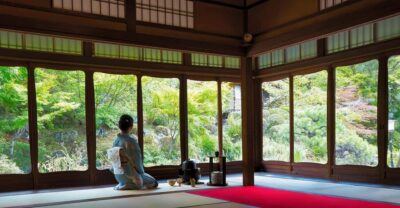
Tea Ceremony in a Traditional Tea House in Kiyomizu
Read our review →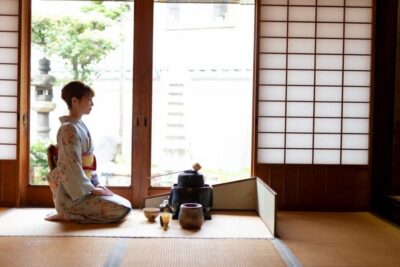
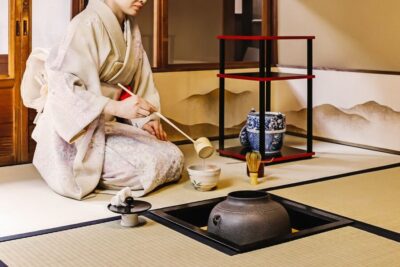
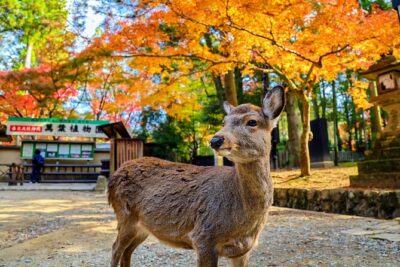
World Heritage Kyoto & Nara Uji Authentic Matcha Experience
Read our review →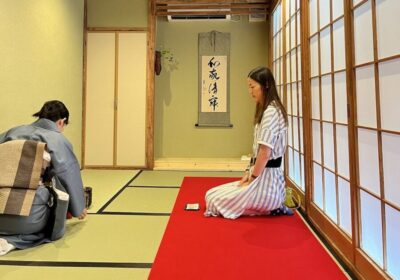
Arashiyama Bamboo Forest, Monkeys, Matcha & Temple Tour
Read our review →Browse the lists this tour appears in