
Reviewed · FOOD TOURS
Tokyo: Best of Shibuya Food Tour
Shibuya’s best food is not always found beside the famous Scramble Crossing. This three-hour small-group walk takes you into side streets, compact restaurants, and local food counters for five stops, with sushi, izakaya fare, okonomiyaki, ramen, drinks, and dessert. I especially like the mix of eating and explanation, plus the chance to see a less obvious side of Shibuya.
I also like the maximum group size of 10 and the guides, who have earned warm praise for their English, humor, food advice, and cultural stories. The main drawback is practical: you walk and often stand for much of the tour, and $170 is a serious price for three hours. Come hungry, and be ready to eat full portions rather than tiny samples.
Key points at a glance
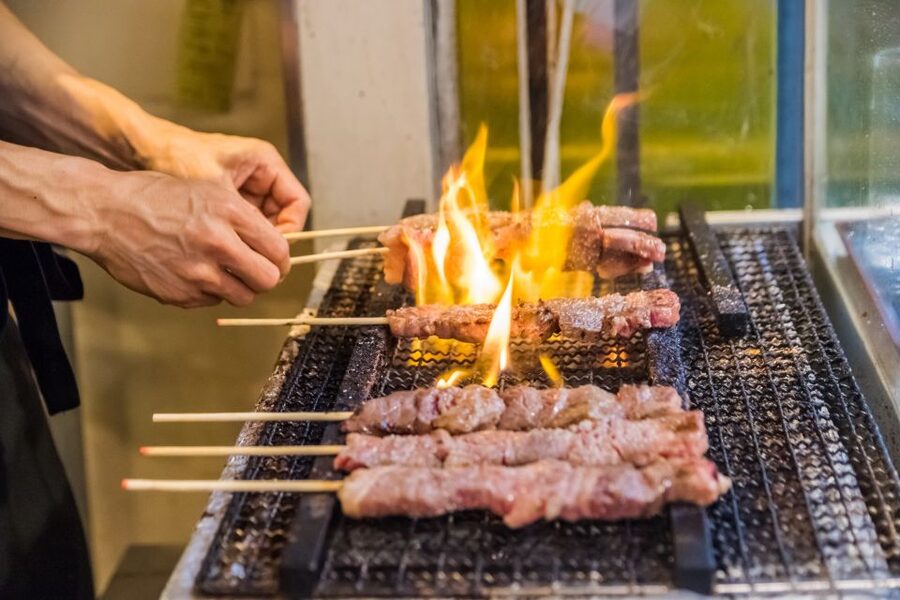
- Five food stops: The route can include sushi, an izakaya, okonomiyaki, ramen, and a traditional dessert.
- Backstreet Shibuya: You move beyond the main crossing and see small restaurants, narrow lanes, food counters, and a department-store food floor.
- Two drinks included: Additional food and drinks cost extra.
- Guides add real value: Alex, Jane, Maya, Saika, Kumie, and other English-speaking guides have been praised for food knowledge, history, humor, and family-friendly help.
- Small group format: The advertised limit is 10 people, a useful improvement over the larger groups reported in older feedback.
- Strict meeting rule: Meet at the colorful Hachiko wall mural, not at the crowded Hachiko statue. The guide waits only five extra minutes.
Starting at the Hachiko mural, not the statue
Your meeting point is directly outside Shibuya Station at the Hachiko Exit, in front of the colorful wall mural of Hachiko. This detail matters. The famous statue nearby is crowded and easy to mistake for the meeting point, so do not wait there.
When you come out of the station, face the large intersection with the mural behind you. Arrive early enough to find your bearings. The tour can wait only five minutes after the scheduled start, and the guide cannot give directions or phone help once the walk has begun. In a packed district like Shibuya, arriving at the last second is asking for trouble.
The station area gives you a quick introduction to the neighborhood’s scale. Neon, traffic, department stores, young fashion shoppers, office workers, and the steady flow across the crossing all compete for attention. The walk’s purpose is to move past that first impression and show you where local eating fits into the district.
You will need comfortable shoes. A passport is also required, and a copy of passport information is required for every participant aged 10 and older. That paperwork is easy to overlook, so handle it before meeting the guide.
Other food tours in Tokyo people book:
- Tokyo: Shinjuku Food Tour (13 Dishes at 4 Local Eateries)
★ 5.0 · 6,603 reviews - Tokyo: Shinjuku Food Tour (15 Dishes and 4 Eateries)
★ 4.9 · 2,033 reviews - Best of Shinjuku: Izakaya Food Tour (4 Stops, 14+ Tastings)
★ 5.0 · 1,863 reviews
Five stops that cover more than sushi
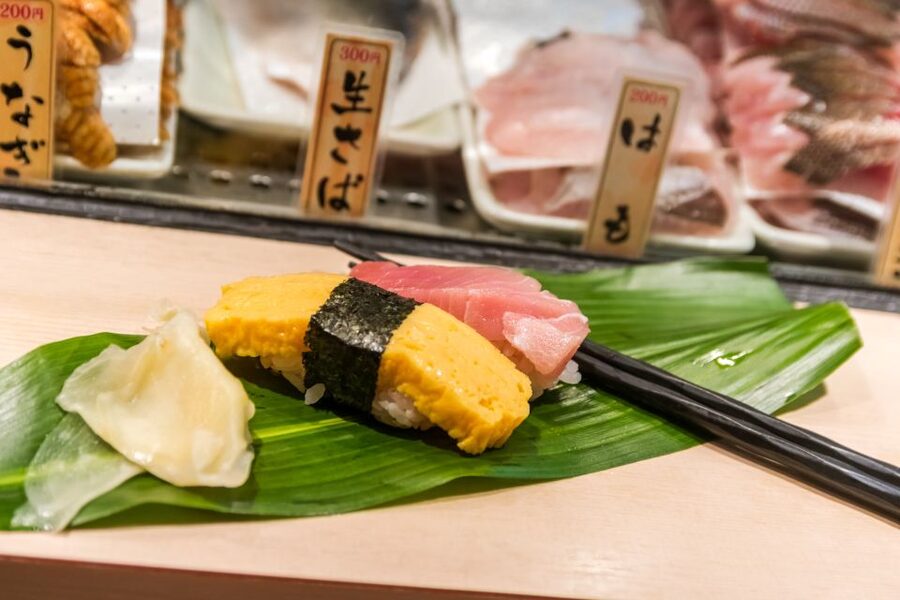
The exact restaurants may change, but the food pattern is clear: five stops, different styles of Japanese eating, two drinks, and dessert. One particularly useful route described by the company included a standing sushi restaurant, an izakaya, an okonomiyaki restaurant, a ramen stop, and a local dessert.
That lineup works well because it avoids making the tour a parade of similar dishes. You get a look at several ways Japanese people eat, from quick counter food to a more social shared meal. The stops also give you a practical list of dishes to order again during the rest of your Japan trip.
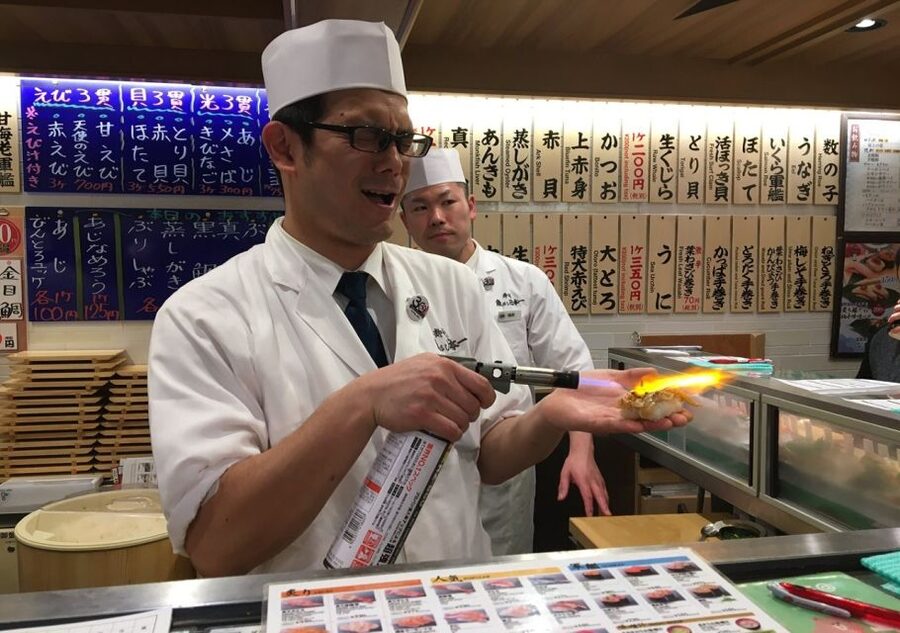
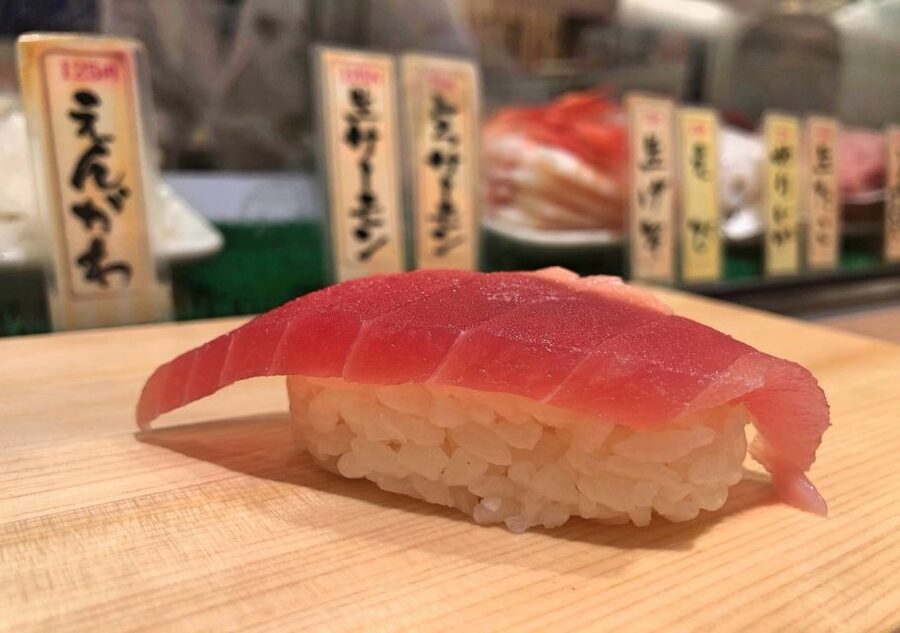
Sushi at a standing restaurant
A standing sushi stop offers a very different feel from a formal sushi counter. The setting is quick, compact, and tied to the rhythm of city eating. It also helps you understand why small Japanese restaurants can work in very limited spaces.
The value here is not only the fish. Your guide can explain how to approach the menu, what you are eating, and how the restaurant fits into everyday dining. Saika’s route, for example, included sushi that one couple considered the best they had eaten up to that point, but your particular menu and restaurant may differ.
Standing for food can be fun for adults and less appealing for young children or anyone who needs regular seating. Keep that in mind before booking. This is a food walk, not a sit-down tasting menu.
Izakaya dishes and the social side of eating
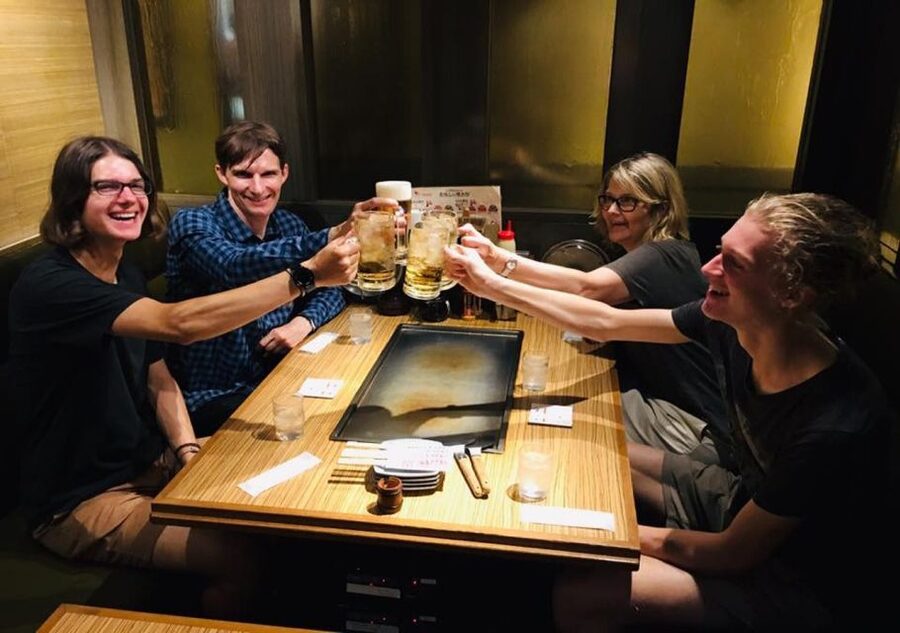
An izakaya is a Japanese drinking-and-dining place, usually built around several shared dishes rather than one large entrée. It is an excellent stop for learning how small plates, drinks, and conversation work together.
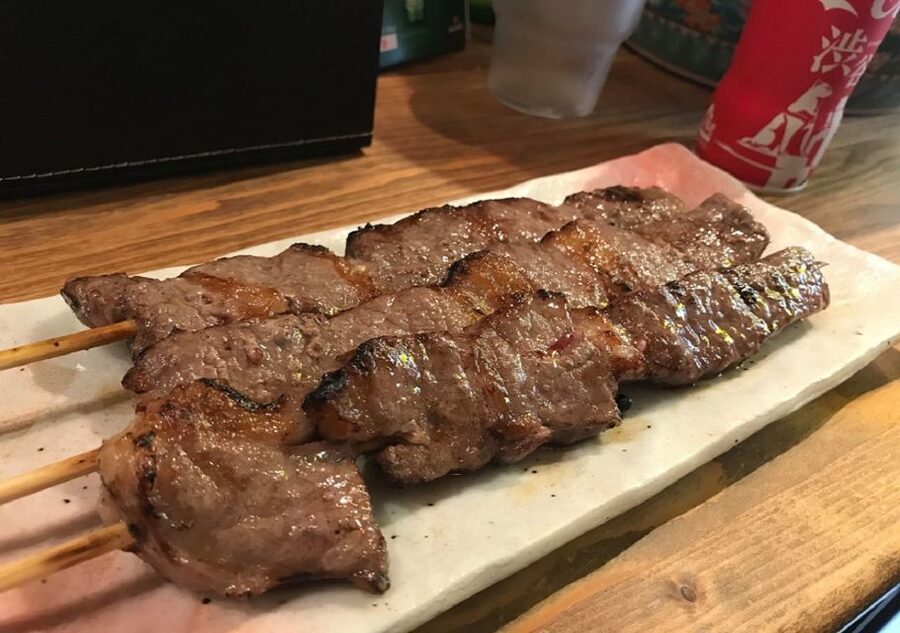
You may find grilled items, seasonal dishes, or other local specialties, but the supplied information does not promise a fixed menu. That flexibility is normal for a food walk. The guide helps you understand what arrives and how it is commonly enjoyed.
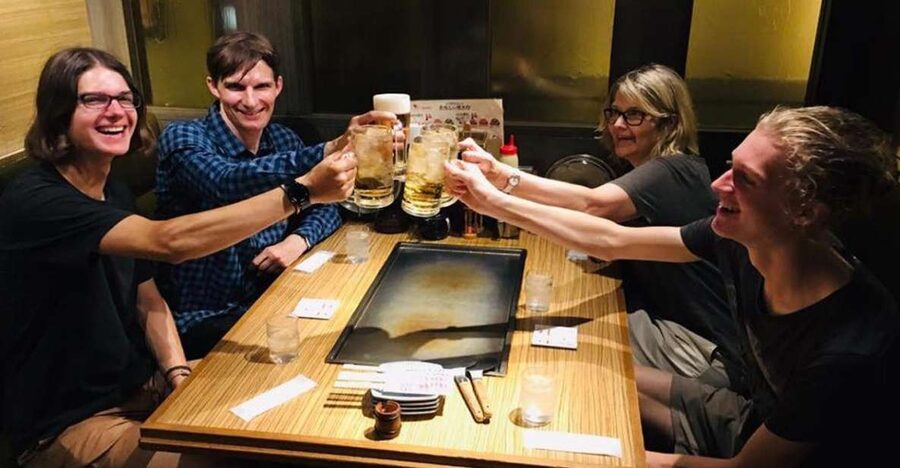
Two drinks are included in the price. That may mean alcoholic or nonalcoholic options depending on the arrangement and your preference, so ask the guide early if you have restrictions. Extra drinks are possible at your own cost.
More eating your way round Tokyo:
- Tokyo Night Foodie Tour in Shinjuku – Seasonal Sushi, Wagyu Beef
★ 5.0 · 1,161 reviews - Eat and Drink Like a Local: Tokyo Ueno Food Tour-Taverns&Ramen
★ 5.0 · 957 reviews - Tokyo: Shibuya Food Tour (13 dishes and 4 Eateries)
★ 5.0 · 770 reviews - Tsukiji Fish Market: Street Food & Culture Walking Tour
★ 5.0 · 669 reviews
Okonomiyaki with a regional angle
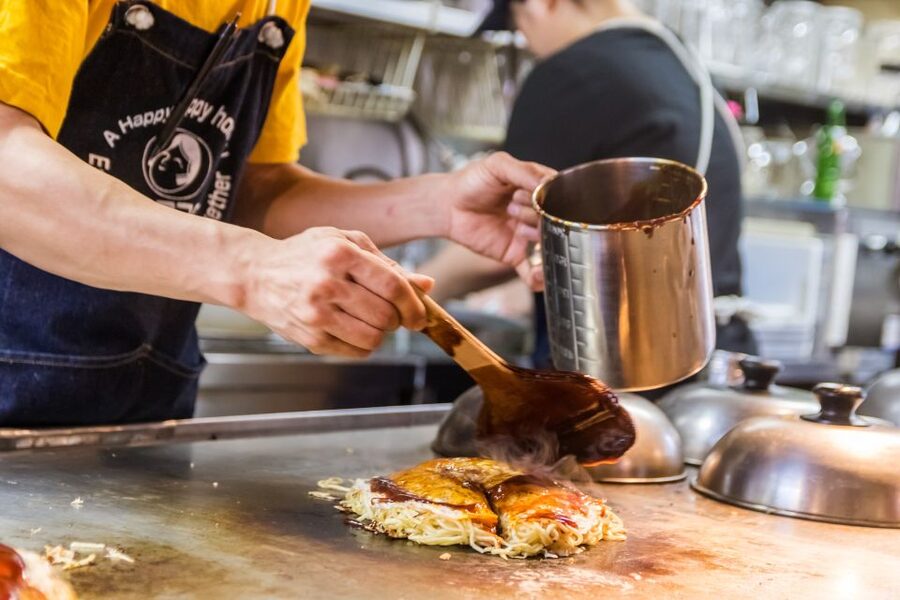
Okonomiyaki is often translated as a savory Japanese pancake, but that simple description does not tell you much about its character. It is a filling, cooked-to-order dish with regional variations, and the restaurant stop gives the guide a natural opening to explain those differences.
A past route included a restaurant serving regional versions of okonomiyaki, and this was one of the stronger food stops for some participants. The dish is also useful for first-time visitors because it is hearty, recognizable, and very different from sushi.
This is one of the places where the tour can help you order with confidence later. You learn a dish name, see the setting where it is served, and gain a sense of how regional Japanese food appears in Tokyo.
Ramen in a compact street restaurant
Ramen brings the tour back to quick, casual eating. A ramen street restaurant has a different pace from the other stops, and the warmth of a noodle bowl can be welcome if the weather is cold.
Do not expect every stop to be a full meal in a comfortable seat. Older feedback describes a route where only one food place had seating, so the experience can involve standing and moving between small venues. That is part of the appeal, but it is also the clearest physical limitation.
If you are already full by the ramen stop, pace yourself from the beginning. Several participants have described the portions as generous, and one person specifically advised arriving very hungry.
Dessert and the Shibuya Depachika
The tour ends with dessert and a visit to a Shibuya Depachika, the food floor found in the basement of a Japanese department store. This is a smart final stop because it shows a side of Tokyo food culture that many people miss while chasing restaurants.
Depachika counters display carefully presented sweets, prepared foods, gifts, and regional specialties. The tour does not just finish with something sugary. It gives you a chance to see how department-store food functions as part of daily life, shopping, and gift giving.
The dessert itself can vary, but the aim is a traditional Japanese sweet rather than a generic snack. This closing section is also a useful place to ask the guide what to buy for later, what travels well, and which foods are worth seeking in other parts of Japan.
The guides are a major part of the value
The company uses different English-speaking guides, so you cannot count on one specific person unless the booking system allows a request. Names praised in past bookings include Alex, Jane, Maya, Saika, Kumie, Ryan, Michie, Sakura, Shion, and others.
Alex appears repeatedly in the feedback, with praise for his humor, cultural explanations, food suggestions, and ability to make first-time visitors comfortable. Jane was praised for taking people to small independent restaurants they would not have found alone. Saika provided photos, cultural facts, strong English, and extra time for one small group.
The guide’s personality will shape your evening. That is not a flaw, but it is worth understanding. You are not booking a fixed restaurant list with a scripted lecture. You are booking a local interpreter who connects the dishes, streets, customs, and practical advice.
That personal element can be especially helpful on a first night in Tokyo. Guides have given advice on food to try elsewhere, phrases to use, and places to visit in other cities. Some have also shared personal cultural connections, such as Alex’s comparison of Japanese and Mexican food traditions.
A small group helps, but check the actual size
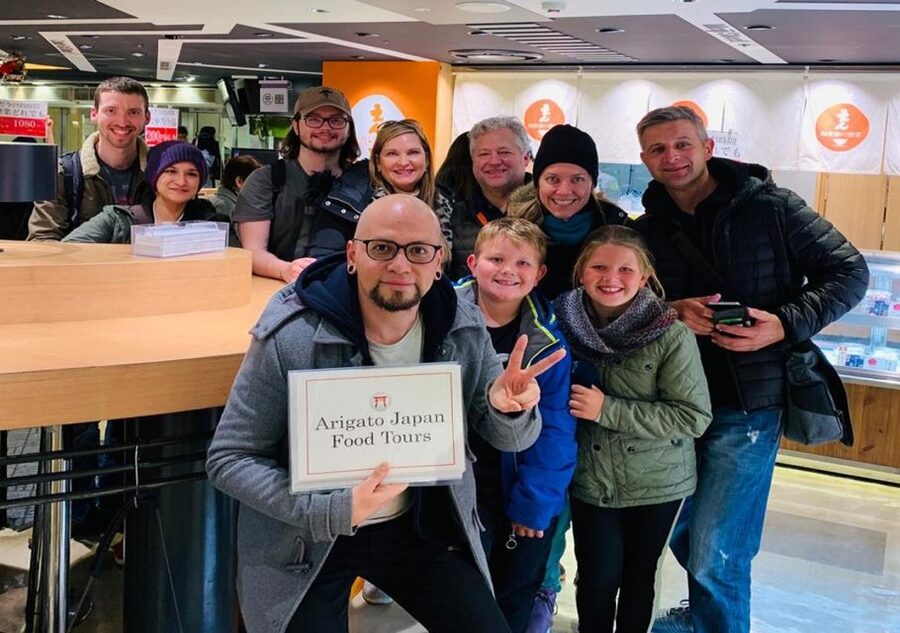
The current format limits the group to 10 participants. That is a reasonable number for narrow streets and small restaurants, though it is not the same as a private tour.
Older feedback described a group of 12, with the complaint that a few venues felt crowded. The advertised limit of 10 should reduce that problem, but restaurant space in Shibuya is still tight. A small Japanese eatery can feel full with far fewer than 10 people.
If you are traveling as a couple and the tour does not fill, you might receive very personal attention. One couple had a private-style outing because they were the only people in their group. You should not book on the assumption that this will happen, but the possibility is a pleasant benefit of a limited-capacity walk.
Families can also enjoy the tour. Parents have taken children as young as six, eight, nine, and 10, with good results. The catch is stamina. Kids need to be willing to walk, stand, taste unfamiliar dishes, and manage a three-hour schedule.
What $170 means in practical terms
At $170 per person, this is not a bargain meal. You are paying for more than the food: an English-speaking guide, five stops, two drinks, dessert, restaurant coordination, translation, and a planned route through a difficult district.
The price makes more sense if you are new to Tokyo, uneasy about ordering in small restaurants, or eager to try dishes you would skip alone. It also has value early in a Japan trip because the guide can help you build confidence for later meals.
The value is weaker if you already know Japanese food, prefer to choose every restaurant yourself, or want a seated dinner. You may spend less by eating independently, but you will also lose the explanations, guided access, and local context.
There are extra costs to remember. Hotel pickup is not included, transportation is not included, gratuity is not included, and extra food or drinks cost more. The price includes the listed food, two drinks, dessert, and the guide, not every purchase you might make along the way.
Walking, standing, and portion size
Plan for three hours on foot. The route uses busy streets and backstreets, and some food stops may have limited or no seating. Comfortable shoes are essential, especially if you have already spent the day touring Tokyo.
The bigger issue is appetite. This is not a nibble-at-five-counters format. Portions have been described as generous, and several dishes together can become a very substantial meal.
I would schedule this tour instead of dinner, not before dinner. Eat a light breakfast or lunch if your start time is later in the day, and avoid booking another major meal immediately afterward.
Cold weather can make the walking and standing harder. One guide once handed out hand warmers and adjusted the pace for a family with tired children, but you should still dress sensibly and avoid assuming every guide can make the same changes.
Who will enjoy this Shibuya food walk
This tour suits you if you want food to explain the city. It is especially useful for:
- First-time visitors who want help ordering Japanese dishes
- Couples and small groups seeking a social evening
- Families with adventurous children who can walk for three hours
- People who enjoy local stories along with meals
- Anyone interested in small restaurants, izakaya culture, and department-store food floors
- Visitors who want practical food suggestions for the rest of a Japan trip
It may not suit you if you need guaranteed seating, have strict dietary needs that have not been cleared in advance, dislike shared or unfamiliar dishes, or prefer a quiet private meal. Food restrictions have been accommodated successfully in the past, but tell the operator before booking rather than relying on a last-minute change.
The tour is also a poor fit if you are likely to arrive late. The five-minute grace period is firm, and once the group leaves, the guide cannot stop to give directions by phone.
My verdict on the Shibuya route
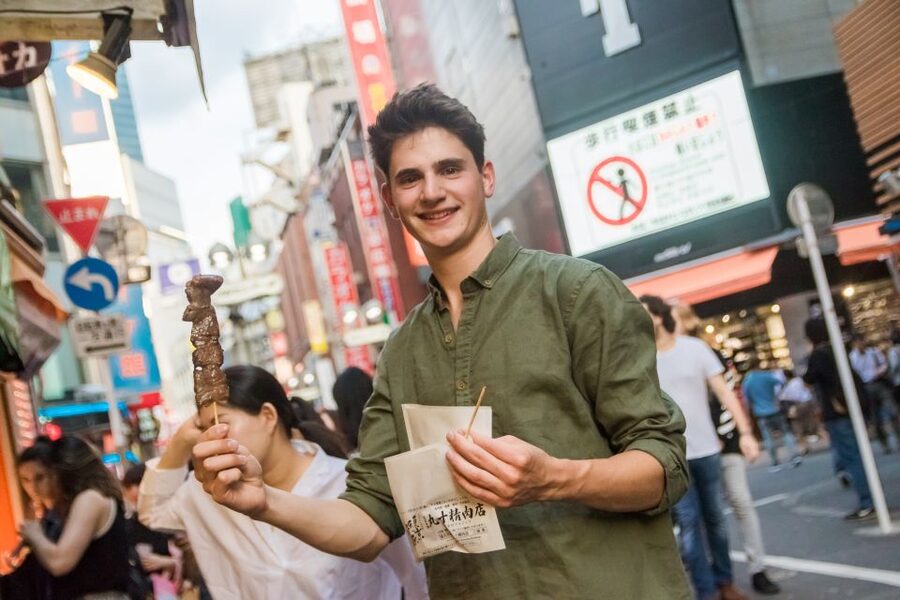
I like this tour because it gives Shibuya a human scale. The famous crossing is worth seeing, but the better memory may be a tiny restaurant, a dish you could not have ordered alone, or a guide explaining why a regional specialty appears in the middle of Tokyo.
The strongest features are the variety of food, the small-group format, and the guides’ practical help. The main cautions are price, standing, walking, and the possibility of filling up before dessert.
Book it if you want a guided introduction to Japanese food and would rather spend one evening learning by eating than choosing restaurants at random. Skip it if you are already comfortable navigating Tokyo’s dining scene or want a leisurely seated dinner. For a first or second day in the city, it can be a useful and tasty way to get oriented.
FAQ
How long does the Shibuya food tour last?
The tour lasts three hours.
How many food stops are included?
The experience includes five food stops, along with two drinks and dessert.
What foods might be included?
A route may include sushi, izakaya dishes, okonomiyaki, ramen, and a traditional Japanese dessert. The exact food selection can vary.
Is the tour conducted in English?
Yes. The tour has a live English-speaking guide.
How many people are in the group?
The small group is limited to 10 participants.
Where is the meeting point?
Meet outside Shibuya Station at the Hachiko Exit, in front of the colorful Hachiko wall mural. Do not meet at the Hachiko statue.
How late can I arrive?
The guide can wait only five additional minutes after the scheduled start time. After that, the tour departs and the guide cannot provide directions or phone assistance.
What should I bring?
Bring your passport and wear comfortable shoes. A copy of passport information is required for all participants aged 10 and older.
Are hotel pickup, transportation, and extra drinks included?
No. Hotel pickup may be arranged for an additional charge. Transportation, gratuity, and any extra food or drinks are not included.
Just added in Tokyo
- The 10 Tastings of Tokyo With Locals: Private Street Food Tour★ 5.0 · 48 reviews
- Small Town in the Big City: Tasting Tokyo’s Kichijoji★ 5.0 · 195 reviews
- Small Town in the Big City: Tasting Tokyo’s Kichijoji★ 5.0 · 16 reviews
- EXCLUSIVE Tokyo Secret: Kichijoji Small-Group Food & Bar Hopping★ 5.0 · 29 reviews
- Explore Kichijoji: Walk Through One of Tokyo’s Beloved Districts★ 5.0 · 21 reviews
- :Tokyo,Shibuya/ Pro Photography in Kimono / English-Friendly★ 5.0 · 26 reviews
- 【R34】Tokyo:Private Daikoku tour in Modified R34★ 4.9 · 92 reviews
- Tokyo:Calligraphy &Make your original folding fan in Asakusa★ 5.0 · 62 reviews
Food Tours, compared.
Shinjuku Food Tour (13 Dishes at 4 Local Eateries)
Read our review →
Osaka Food Tour: 13 Dishes at 5 Local Eateries
Read our review →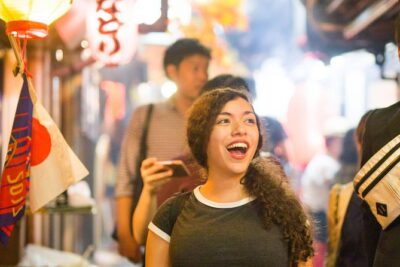
Best of Shinjuku: Izakaya Food Tour (4 Stops, 14+ Tastings)
Read our review →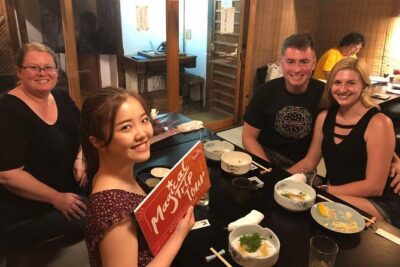
Kyoto Night Foodie Tour in Gion (9+ dishes + 6 Sake tastings)
Read our review →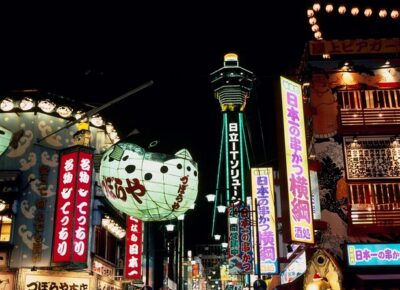
Hungry Osaka Street Food Tour:15 Tastings & 3 Drinks with a Local
Read our review →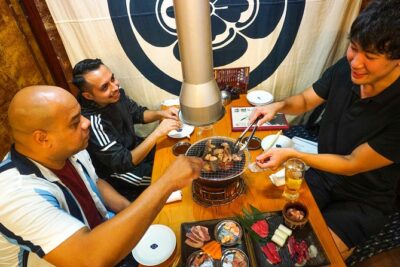
Tokyo Night Foodie Tour in Shinjuku – Seasonal Sushi, Wagyu Beef
Read our review →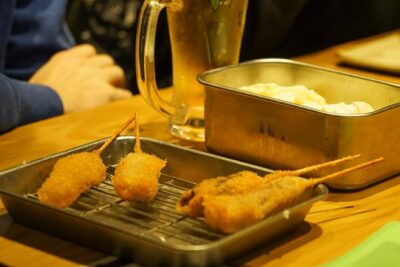
Osaka Local Foodie Walking Tour in Dotonbori and Shinsekai
Read our review →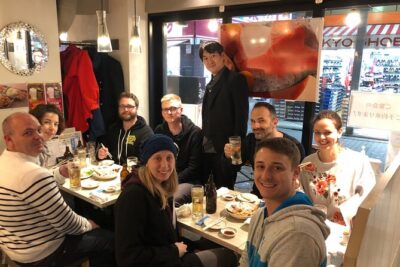
Eat and Drink Like a Local: Tokyo Ueno Food Tour-Taverns&Ramen
Read our review →Browse the lists this tour appears in