
Reviewed · JAPANESE GARDEN TOURS
Tokyo: Full-Day Japanese Garden Private Guided Tour
Tokyo’s best gardens are spread across a huge city, so this private six-hour tour gives you a useful local advantage: someone can link several very different green spaces into one day. You might begin with the Imperial Palace Garden, pause at Meiji-Jingu Shrine, eat lunch in Harajuku, then finish among the Japanese, French, and English-style sections of Shinjuku Gyoen.
I like the flexible itinerary, and I like having a guide who can explain Japanese customs, garden design, transport, restaurants, and nearby sights as you go. The main drawback is that this is a walking and public-transport day, so you can spend a fair amount of time moving between gardens. One poor itinerary choice, or a garden closure, can also affect the day.
Key points to know
- Your route is personal: Choose gardens based on your interests, or let your guide plan the day.
- The gardens are varied: See formal Japanese ponds, shrine grounds, French rose beds, and English-style park sections.
- Guides shape the pace: Yoshi, Hiro, Kumi, Tachi, and Yoko have all received praise for communication and adapting plans.
- Expect a full day on foot: The six hours can include train rides, walking, sightseeing, and lunch time.
- Costs add up separately: The $151 price covers the private guide and tour, but not food, entry fees, or transport.
- The tour runs in all weather: Plan for rain, and confirm the final route after your guide contacts you.
Why a private garden tour works well in Tokyo
Tokyo’s gardens are not gathered in one easy-to-cover district. One may sit beside the Imperial Palace, another near Harajuku, and another several train stops away in Shinjuku or eastern Tokyo.
That makes a private guide useful. You do not have to build the route, work out every transfer, or decide which garden deserves your limited time. You can tell the guide that you want classic Japanese design, seasonal flowers, quiet ponds, shrine architecture, or a mix of famous parks and less familiar stops.
This is not a fixed bus tour with a guide leading a large group from point to point. Your guide meets you at your accommodation, if it is within a reasonable walking distance, or at a station you request. The tour is private, and the route can be adjusted to your pace and interests.
You should still understand what private means here. It does not mean a private vehicle or door-to-door transport between every garden. The standard plan uses walking and public transportation. You can arrange taxis or other transport at extra cost.
Other gardens to walk in Tokyo:
- Imperial Palace East Garden and Edo Castle Walking Tour in Tokyo
★ 5.0 · 510 reviews - Tokyo: Imperial Palace East Gardens Walking Tour
★ 4.8 · 353 reviews - Tokyo Castle, Imperial Palace, Shogun & Garden Walking Tour
★ 5.0 · 211 reviews
Imperial Palace Garden: a grand opening to the day
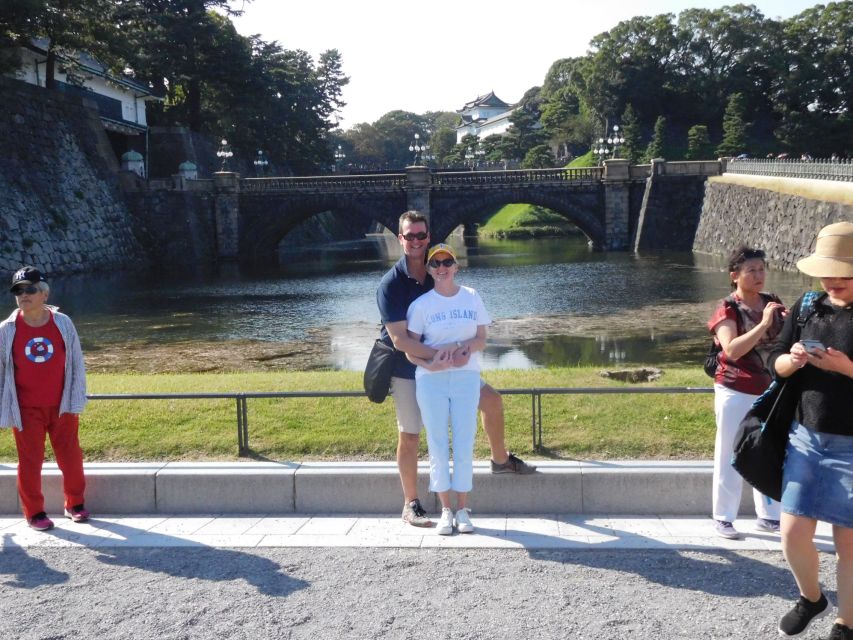
A sample route begins at the garden of the Imperial Palace. This is a good first stop because it introduces the formal side of Tokyo. You can stroll through a stately Japanese-style garden while your guide explains the setting, layout, and cultural background.
The palace area gives you a sense of scale that smaller gardens cannot. Wide spaces, carefully arranged plantings, and historic surroundings make this more than a simple park visit. Your guide can help you notice the choices that might pass you by when you walk alone, from the placement of water and trees to the way paths frame views.
The drawback is that the palace garden may feel less intimate than some of the smaller gardens on the list. If you prefer quiet teahouses, narrow paths, and enclosed pond views, tell your guide early. The route can then give more time to places such as Rikugien or Kiyosumi Teien.
Meiji-Jingu Shrine and a quiet teahouse garden
The next suggested stop is Meiji-Jingu Shrine. This adds a religious and cultural layer to a day otherwise focused on gardens. The shrine grounds offer a contrast to the palace area, and your guide can explain what you are seeing and how shrine visits fit into Japanese life.
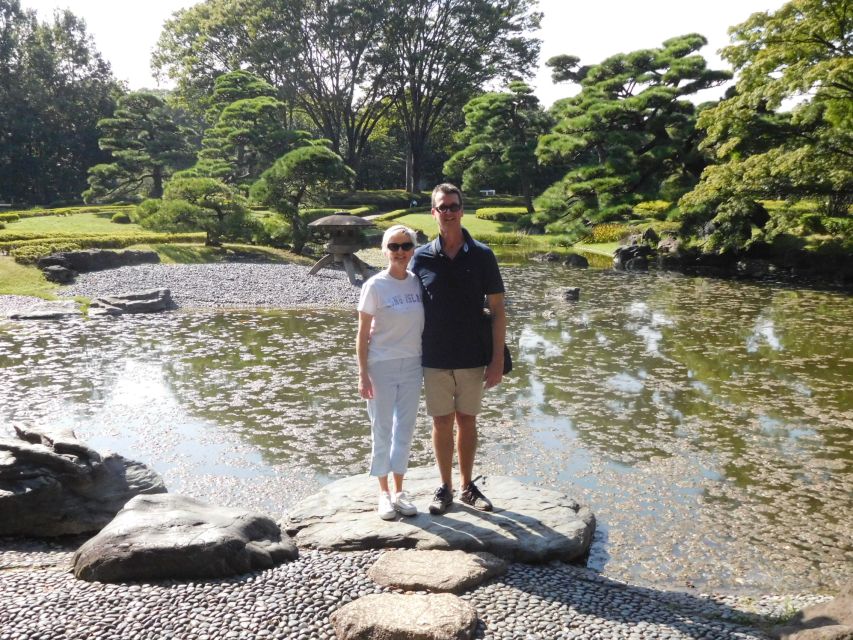
Afterward, the sample itinerary includes a quieter garden with a pond and a charming teahouse. The exact choice can depend on your preferences and the route your guide creates. This is where the private format earns its keep. You can ask for a slower walk, more time around water, or a garden that feels removed from the city streets.
I would tell your guide what kind of garden experience you want before the tour begins. The phrase Japanese garden covers many styles. Some emphasize ponds and islands, some use clipped shrubs and stones, and others offer wide lawns or seasonal flowers.
Harajuku lunch gives the day a needed pause
Lunch is not included, but the sample route stops in Harajuku, where you have many food choices. This is practical planning. Six hours of walking, photography, and train rides can wear you down, and a meal gives you time to rest before the afternoon gardens.
Your guide can offer restaurant suggestions, and one guide, Kumi, took guests to a favorite Roman restaurant. That detail points to one of the useful extras of a private tour: the day can include local food advice, not just garden facts.
Still, budget for lunch separately. You are paying $151 per person for the private six-hour experience, not for meals, admission, or transport. If you want a long restaurant meal, tell your guide, since it will reduce the time available for gardens.
Same base, a different sort of day:
- Mt Fuji and Hakone 1-Day Bus Tour Return by Bullet Train
★ 5.0 · 26,383 reviews - 1-Day Tokyo Bus Tour
★ 5.0 · 14,250 reviews - Tokyo: TOKYO SKYTREE® Admission ticket
★ 4.5 · 11,192 reviews - Tokyo: teamLab Planets TOKYO Digital Art Museum Entry Ticket
★ 4.6 · 9,779 reviews
Shinjuku Gyoen combines three garden styles
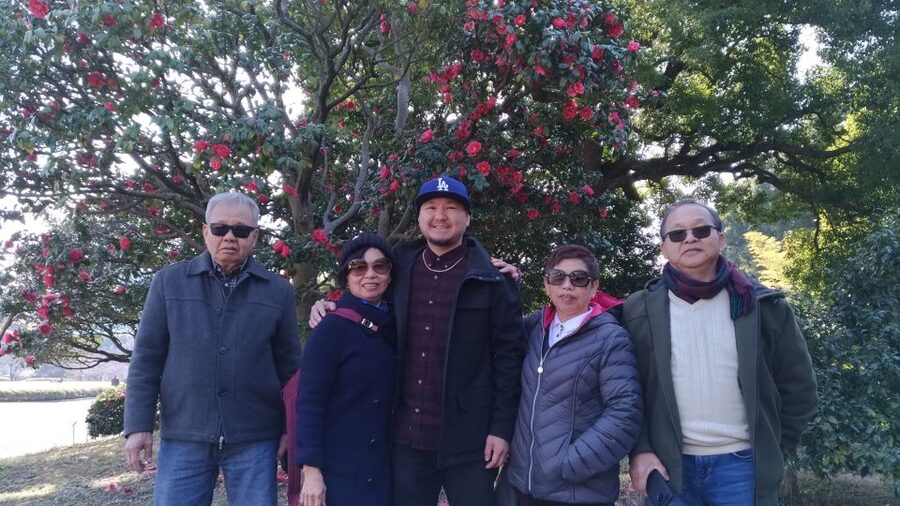
Shinjuku Gyoen is the strongest single stop in the sample itinerary because it offers several styles in one large park. You can see a traditional Japanese garden, a formal French garden with large rose plantings, and an English-style garden with open lawns and broad views.
That variety helps you understand how Japanese public gardens can incorporate both native traditions and outside influences. You are not looking at the same pond-and-bridge design for six hours. The changes in layout keep the afternoon fresh and give your guide plenty to explain.
Shinjuku Gyoen can be especially appealing during cherry blossom season. Hiro helped guests reach the best sakura areas efficiently during a crowded spring visit. That kind of timing matters in Tokyo, where popular parks can become slow and packed during peak blossom days.
The tradeoff is simple: popular gardens can be busy. You may spend less time in quiet reflection than you expected, especially during cherry blossom season. A guide can help you move efficiently, but cannot remove the crowds.
Other gardens you can request
The tour can include different gardens from the sample route. Each one offers a different reason to choose it.
Koishikawa Korakuen Garden is a strong choice if you want a traditional Japanese garden with a carefully arranged path and changing views. It suits visitors who prefer classic design over broad open parkland.
Hama Rikyu Gardens gives you a garden experience near Tokyo’s modern waterfront districts. Its historic garden setting makes an interesting contrast with the high-rise city around it.
Rikugien Garden is worth considering if your priority is a refined Japanese garden with ponds, paths, and scenic viewpoints. Ask your guide how much walking the route requires and how it fits with the other stops.
Kiyosumi Teien Garden is another option for pond views and carefully placed stones. It can work well for visitors who want a calmer, more focused garden visit rather than a large city park.
Former Shiba Rikyu Gardens offers another traditional garden option. It is useful for a route built around several smaller gardens rather than one large park.
Yoyogi Park is more open and casual than a formal garden. Pairing it with Meiji-Jingu Shrine lets you compare a broad city park with a wooded religious setting.
Ueno Park gives the day a wider cultural setting, with access to one of Tokyo’s major park areas. It may suit you if you want to combine gardens with museums or other sights, though the six-hour limit means you should set priorities.
Koishikawa Botanical Garden is a good request if plants matter more to you than famous landmarks. The experience may feel more focused on plant collections and garden spaces.
Nezu Museum combines art and a garden setting. Ask about opening times and entry arrangements before choosing it, since the tour does not include admission fees.
Happo-en Garden is another recommended option for a traditional garden atmosphere. Your guide can explain whether it fits your preferred route and the day’s transport plan.
You do not need to select from this list in advance, but doing some homework helps. A six-hour tour cannot reasonably cover every garden. Choose two or three priorities, then let the guide build around them.
The guide makes the biggest difference
The guide is the heart of this experience. Several guides have shown the qualities you want most: clear planning before the day, punctual pickup, good route knowledge, and an ability to match your walking pace.
Yoshi has been praised for discussing plans in advance, fitting the route to the group’s wishes, and offering practical suggestions for transport and restaurants. Hiro arranged the schedule before pickup and helped make a crowded blossom day more efficient. Kumi combined garden visits with a restaurant recommendation, while Tachi and Yoko were noted for creating personal, flexible days.
Your experience will depend on which guide accepts the booking. The tour is not fully confirmed until the guide contacts you. Most guides make contact within seven days, but the local partner may continue looking for someone until 24 hours before the tour if the first guide is unavailable.
That uncertainty is important. If you need a guaranteed schedule far ahead of time, this arrangement may feel less reassuring. Once the guide is confirmed, use the pre-tour conversation well. Explain your walking pace, favorite garden styles, food needs, interest in flowers, and must-see locations.
Walking, trains, and the true cost
The listed price is $151 per person. For a private six-hour tour with a licensed local guide, that can be fair value if you are traveling as a small private group and want help with planning. You are paying for personal attention, not just entry into a garden.
The price does not include admission fees, lunch, drinks, or public transportation. Taxi or private transport costs extra. The total cost can therefore rise, especially if you choose several paid gardens or use taxis to save time.
Public transportation is part of the experience, but it also takes time. One disappointing day involved two gardens, a third garden that was closed, and a large share of the tour spent in transit. The guide was courteous but moved too quickly for that group.
That example gives you two practical lessons. First, confirm garden opening days and closures with your guide before setting the route. Second, avoid choosing distant gardens simply because they appear on a long wish list. Two well-matched gardens can be better than four stops linked by long train rides.
Is six hours enough for a garden day?
Six hours gives you a useful introduction, but it is not enough for every garden listed. The sample day includes several stops, lunch, a short train ride, and walking. You should expect a brisk schedule if you want both the Imperial Palace area and Shinjuku Gyoen.
A slower plan might include two major gardens and one short cultural stop. A faster plan can connect more places, but you may spend less time sitting by a pond, studying flowers, or asking questions.
Tell your guide if you want photography time. Garden visits can feel rushed when every stop is treated as a checklist. I would rather see two gardens properly than hurry through five.
The tour is wheelchair accessible, but the route should be discussed in advance because it combines walking, gardens, and public transportation. Ask the local partner and guide to confirm the most suitable plan for your needs.
Weather, clothing, and planning advice
The tour operates rain or shine. Bring suitable clothing and shoes for a full day outdoors, and be ready for wet weather if the forecast is poor. Since the experience includes walking between stations and garden paths, comfort matters more than dressing up.
Meet your guide in the hotel lobby or at your requested train station. The guide waits on foot about 10 minutes before the scheduled pickup time. If your accommodation is not within a reasonable walking distance, confirm the meeting point ahead of time.
The tour is available in English and Japanese. If you want detailed cultural explanations in English, state that clearly when the guide contacts you. Also confirm which gardens are open on your date, especially if you are building the day around a particular seasonal display.
Who should book this tour?
I would recommend this tour to first-time Tokyo visitors who want gardens but do not want to manage a complicated route alone. It also suits repeat visitors who have already seen the main sights and want a more focused day.
Families and private groups may appreciate the ability to adjust the pace. So will anyone who wants to combine gardens with a shrine, lunch, shopping area, or restaurant suggestion.
I would be more cautious if you want a fixed, guaranteed itinerary, a private car, or a slow stay in one garden. I would also avoid packing too many distant stops into the day. The value depends on good planning and a guide who listens.
FAQ
How long is the Tokyo Japanese garden tour?
The tour lasts six hours.
Is the tour private?
Yes. All bookings are for a private group.
What languages are available?
The live tour guide is available in English or Japanese.
Where does the tour begin?
Your guide can meet you at your accommodation on foot if it is within a reasonable distance, or at a train station you request.
Is pickup included?
Pickup is included on foot from suitable accommodation or a requested station. The guide waits in the hotel lobby or station about 10 minutes before the scheduled pickup time.
Are transportation costs included?
No. Public or private transportation during the tour is not included. Taxis and other transport can be arranged at additional cost.
Are entrance fees included?
No. Garden and attraction entrance fees are paid separately.
Is lunch included?
No. Food and drinks are not included. The sample route allows time for lunch in Harajuku, where you can choose from many restaurants.
Can I choose the gardens?
Yes. The experience can be personalized. You can request gardens such as Koishikawa Korakuen, Hama Rikyu, Rikugien, Shinjuku Gyoen, or Kiyosumi Teien, or let your guide plan the route.
Does the tour operate in bad weather?
Yes. The experience takes place rain or shine.
Should you book it?
Book this tour if you want a private guide to connect Tokyo’s gardens, explain Japanese culture, and adjust the day to your pace. The strongest reasons are the personal route planning and the chance to combine major gardens with practical help on food and transport.
Before paying, decide which two or three gardens matter most, ask about closures, and accept that transport costs are extra. If you do that planning, the $151 price can buy a useful, personal day. If you want a fixed schedule with no transit or extra expenses, choose a different format.
Just added in Tokyo
- The 10 Tastings of Tokyo With Locals: Private Street Food Tour★ 5.0 · 48 reviews
- Small Town in the Big City: Tasting Tokyo’s Kichijoji★ 5.0 · 195 reviews
- Small Town in the Big City: Tasting Tokyo’s Kichijoji★ 5.0 · 16 reviews
- EXCLUSIVE Tokyo Secret: Kichijoji Small-Group Food & Bar Hopping★ 5.0 · 29 reviews
- Explore Kichijoji: Walk Through One of Tokyo’s Beloved Districts★ 5.0 · 21 reviews
- :Tokyo,Shibuya/ Pro Photography in Kimono / English-Friendly★ 5.0 · 26 reviews
- 【R34】Tokyo:Private Daikoku tour in Modified R34★ 4.9 · 92 reviews
- Tokyo:Calligraphy &Make your original folding fan in Asakusa★ 5.0 · 62 reviews
Japanese Garden Tours, compared.
Kyoto Arashiyama Walking Tour: Bamboo, Monkeys, Gardens & Secrets
Read our review →
Imperial Palace East Garden and Edo Castle Walking Tour in Tokyo
Read our review →
Kyoto Zen Meditation & Garden Tour at a Zen Temple with Lunch
Read our review →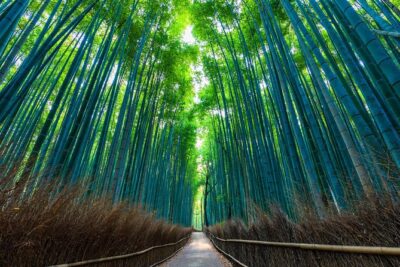
Kyoto Arashiyama Bamboo forest & Garden Half-Day Walking Tour
Read our review →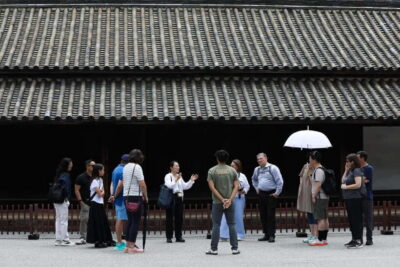

Tokyo Castle, Imperial Palace, Shogun & Garden Walking Tour
Read our review →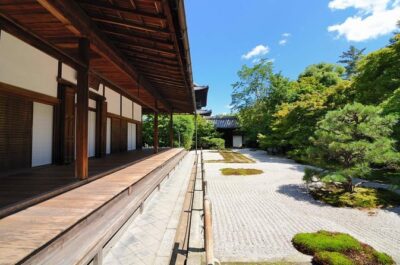
Browse the lists this tour appears in