
Reviewed · KIMONO DRESSING & PHOTOSHOOTS
Tokyo: Kimono Rental inside Shinjuku Gyoen National Garden
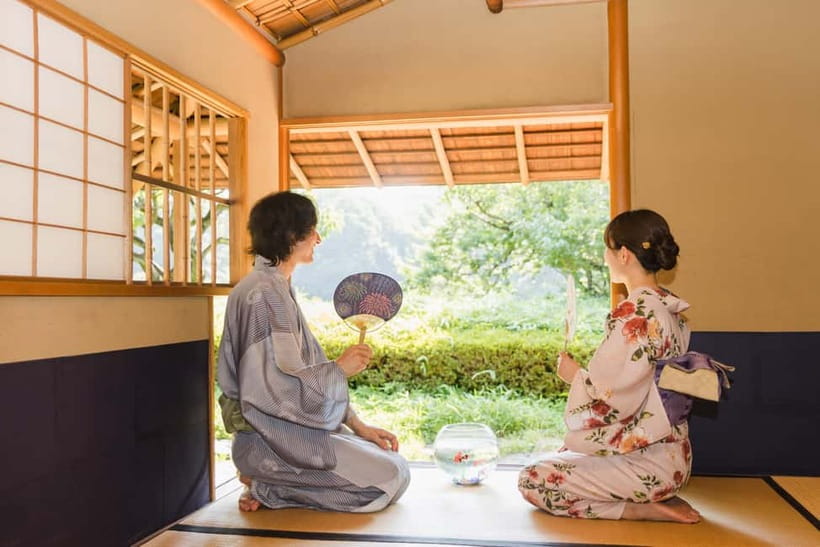
Shinjuku Gyoen’s only in-park kimono rental lets you turn a garden visit into a small cultural event. At the traditional tea room Rakuu-tei, you choose from seasonal designs, receive professional dressing, and then walk through the garden in clothing made for the occasion. It is a more focused experience than simply renting a costume near a station.
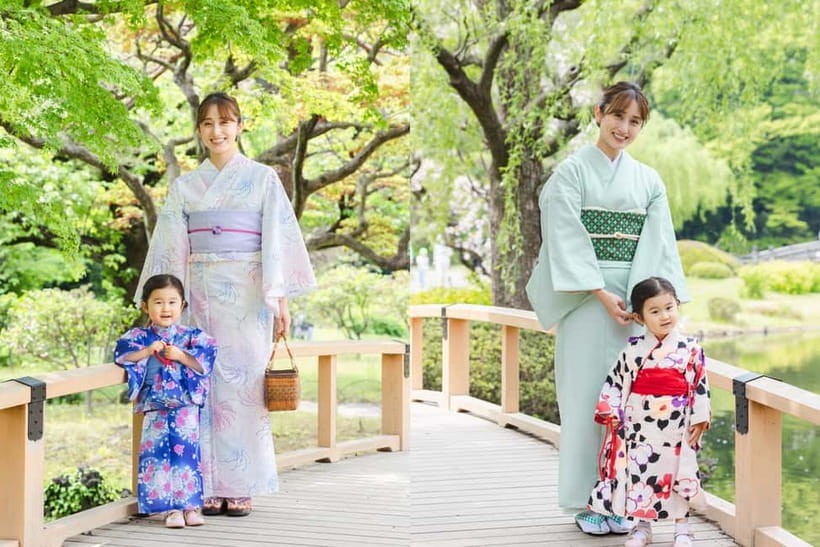
I like two things here: the setting inside Shinjuku Gyoen and the fact that the outfit is complete, with an obi, tabi socks, sandals, handbag, and a haori jacket for men. The staff are repeatedly praised for being gentle and helpful, especially during kimono selection and dressing. Women also receive basic hairstyling.
The main catch is timing. Dressing can take 60 to 90 minutes, the kimono must stay inside the garden, and everything must be returned by 4:00 PM. Winter can also be very cold in the garden, so choose your clothing and booking time with care.
Key points to know before booking
- The rental is inside Shinjuku Gyoen: You do not need to carry the kimono through Tokyo streets, but you cannot leave the garden while wearing it.
- Rakuu-tei handles the full dressing: Your outfit includes the kimono, obi, tabi socks, sandals, and a Japanese-style handbag.
- Basic hairstyling is included for women: More elaborate styling costs extra.
- Allow 10 to 15 minutes from Shinjuku Gate: The tea room is not right beside the entrance.
- The final return time is 4:00 PM: A late return costs ¥1,100.
- The $45 price covers the main service, but not garden admission: You need to buy the Shinjuku Gyoen entrance ticket separately.
A kimono rental with the garden as your backdrop
Many kimono rentals in Tokyo begin in a shop near a station, followed by a walk through ordinary streets. This one starts inside Shinjuku Gyoen National Garden, which changes the mood right away. You are not dressing up for a quick studio portrait. You are preparing for a slow walk through a large, peaceful Japanese garden.
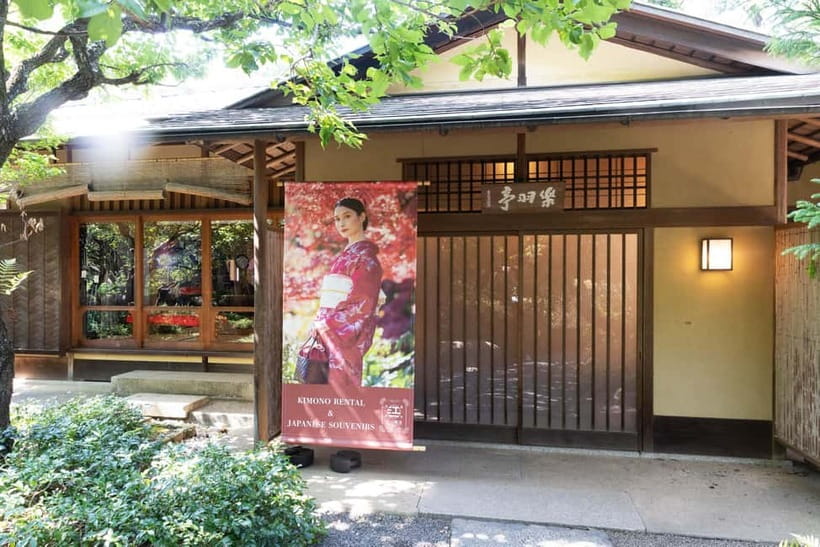
The rental takes place at Rakuu-tei Kouichi Store, a traditional tea room and souvenir shop. Kouichi Store is a long-established kimono maker with 174 years of experience in Japanese textile traditions. That background gives the activity more substance than a simple costume rental, although the visit remains easy and tourist-friendly.
Your booking includes a small group of no more than five people. That matters because kimono fitting works better when the staff can give each person individual attention. The service is not described as a formal lecture about textile history, so you should book it for the dressing, the clothing, and the garden walk rather than for a long cultural presentation.
Other dressing and photo sessions in Tokyo:
- Let’s make kimono !(Kimono is a gift for you
★ 5.0 · 252 reviews - Tokyo: Matcha and Kimono Experience
★ 4.7 · 219 reviews - Tokyo: Asakusa Kimono Dressing and Matcha Experience
★ 4.9 · 173 reviews
Finding Rakuu-tei inside Shinjuku Gyoen
Your meeting point can vary by the option you book, so check the reservation details before setting out. Once you enter through Shinjuku Gate, allow 10 to 15 minutes on foot to reach the tea room. This is an important detail. Arriving at the park entrance exactly at your booking time will leave you rushing.
You also need to pay the park entrance fee separately. The kimono price does not include admission to Shinjuku Gyoen, so add that cost to your planning. Since you must enter the garden to reach Rakuu-tei, you cannot treat the rental and park ticket as separate visits.
There is no restroom inside the shop building. Use one outside before you arrive, especially if you plan to spend a long time in the outfit. Oversize luggage is not allowed, and smoking, alcohol, drugs, pets, and party groups are not permitted. Assistance dogs are allowed.
At check-in, every person must show a valid passport or government-issued photo ID. This is required for reservation verification and park security. Do not assume a photo on your phone will be accepted. Bring the physical document requested in the instructions.
Choosing a seasonal kimono
The first part of the visit is choosing your clothing. Staff guide you through a selection of seasonal kimono designs, then help match the pieces into a finished outfit. The selection is one of the more personal parts of the activity, since the color and pattern you choose will shape your photographs and your time in the garden.
The staff’s role is practical as well as aesthetic. You do not need to know how an obi works or how the layers should sit. The dressing team takes care of that. This is a good choice if you want the traditional look without spending time learning the process yourself.
Size limits apply. If you have concerns about your height, build, or clothing size, send your measurements and body type when you reserve. It is better to settle this in advance than to discover a fitting problem at the tea room.
The outfit includes:
- A kimono
- An obi belt
- Tabi socks
- Traditional Japanese sandals
- A Japanese-style handbag
- A haori jacket for men
Small extras, such as a traditional umbrella, are not included. They may be available for an added charge. A professional photography package is not currently offered, so plan on taking your own pictures rather than booking a dedicated photo session.
What the 60 to 90 minute preparation involves
Reception, kimono selection, dressing, and basic hairstyling for women take about one hour, though the full preparation can run 60 to 90 minutes. The pace depends on the booking and the people in your group, so do not schedule a tight restaurant reservation immediately afterward.
The dressing itself is the heart of the service. The staff arrange the kimono, secure the obi, provide the socks and sandals, and finish the outfit with the handbag. For women, basic hair styling is included. If you want a more detailed hairstyle, that is an optional paid extra.
You may find the sandals unfamiliar. If they are uncomfortable or difficult to walk in, you are allowed to wear your own shoes. That practical option is worth remembering because Shinjuku Gyoen is a garden made for walking, not standing in one spot for five minutes.
The clothing is traditional, but the activity is not meant to be stiff. Once you are dressed, the staff send you out to enjoy the garden at your own pace. The calm atmosphere at Rakuu-tei and the kind handling during the fitting are among the strongest reasons to choose this particular rental.
Other gardens to walk in Tokyo:
- Imperial Palace East Garden and Edo Castle Walking Tour in Tokyo
★ 5.0 · 510 reviews - Tokyo: Imperial Palace East Gardens Walking Tour
★ 4.8 · 353 reviews - Tokyo Castle, Imperial Palace, Shogun & Garden Walking Tour
★ 5.0 · 211 reviews - Tokyo: Edo Castle & East Garden of the Imperial Palace Tour
★ 4.7 · 112 reviews
Walking through Shinjuku Gyoen in traditional dress
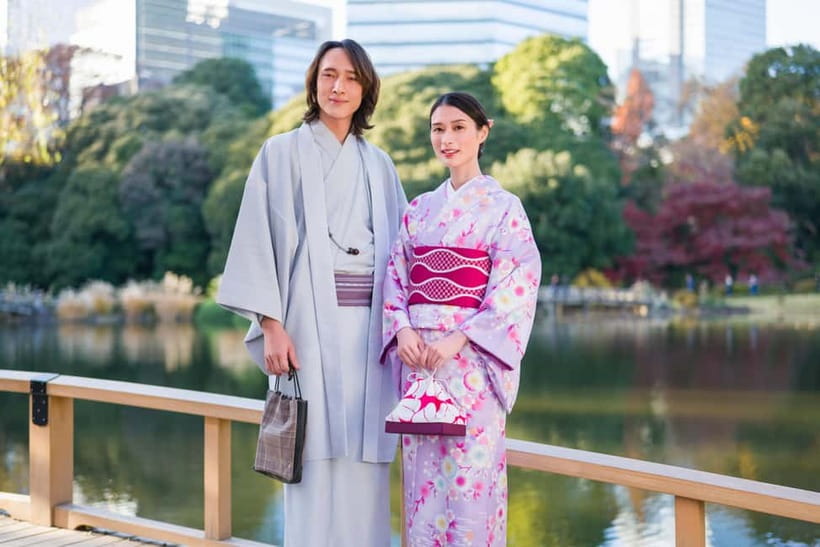
After dressing, you are free to explore Shinjuku Gyoen within the time available. The garden gives you a quieter setting for photographs than a crowded shopping street. You can stroll, pause for pictures, and enjoy the contrast between formal clothing and open garden paths.
The key restriction is simple: you cannot leave Shinjuku Gyoen while wearing the kimono. This is not a rental for wearing through Shinjuku, taking the train, or visiting a second part of Tokyo. Think of it as a garden-based cultural activity.
The time available for your walk depends on when you book and how long preparation takes. The final return time is 4:00 PM. An early appointment makes the most sense if you want to spend a relaxed amount of time outdoors. The activity is listed as 90 minutes, but the instructions also allow free garden time before the final return, so read the selected time slot carefully.
Weather matters more here than it would for an indoor kimono photo session. In cold weather, the garden can feel uncomfortable even with several layers. One winter visitor left early because the cold reduced the enjoyment of the walk. In rain or other poor weather, the activity may be changed or canceled.
On a mild day, the garden setting is the real reward. On a cold or wet day, you may spend most of your energy protecting the clothing and keeping warm. Check the forecast and bring suitable layers that will not interfere with the fitting.
Returning the outfit and browsing the shop
When your garden walk is over, return to Rakuu-tei for kimono removal. The same staff who dressed you handle the process, so you do not need to work out how to untie the obi or remove the layers yourself.
Keep an eye on the clock. Returning after 4:00 PM costs an additional ¥1,100. Since the walk back to the tea room takes time, do not wait until the last minute to leave the far side of the garden.
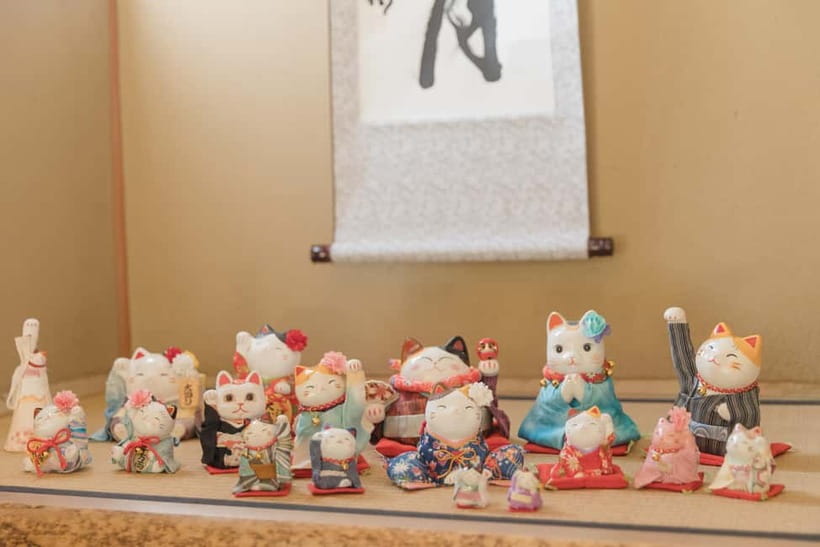
Afterward, you can browse the shop’s selection of Japanese souvenirs and gifts. This is a useful final stop if you want a small memento but do not want to spend time searching through a large department store. The shop connects the rental to Japanese craft and textile traditions, rather than treating the outfit as a one-off photo prop.
Is $45 a fair price?
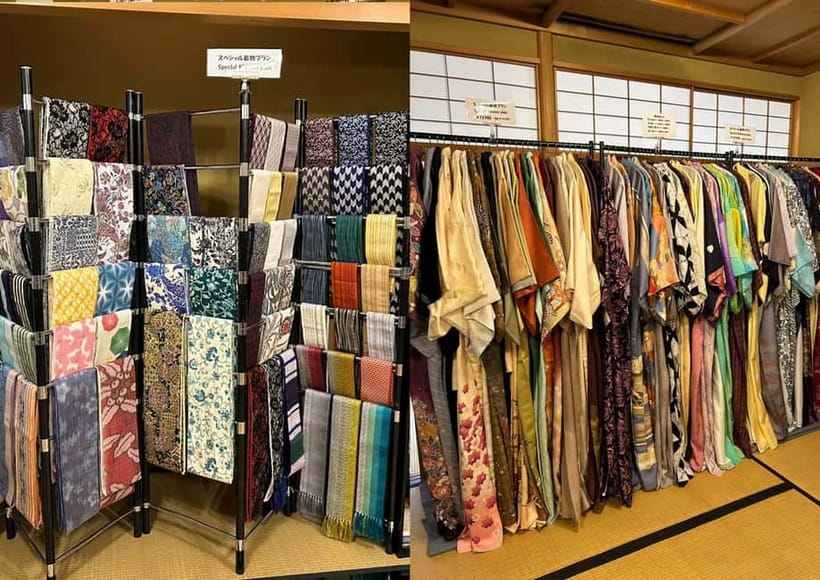
At $45 per person, the price includes more than the kimono itself. You receive the outfit, professional dressing, basic hairstyling for women, socks, sandals, handbag, and access to a distinctive garden setting during the rental period. For a first kimono experience, that package is reasonably strong.
You do need to add the Shinjuku Gyoen entrance fee. Optional extras, such as a traditional umbrella or upgraded hairstyling, cost more. There is no photography plan included, so anyone wanting posed professional portraits will need to make separate arrangements, if available.
I see the value in the location. A cheaper rental outside the park might give you more freedom to walk around Tokyo, but this option saves you from transporting the outfit through the city and places the entire activity in one attractive setting. You are paying for convenience, dressing help, and the chance to enjoy the garden in traditional clothing.
The value is weaker if you want a full-day rental or citywide freedom. You cannot wear the kimono outside Shinjuku Gyoen, and the 4:00 PM return rule limits the day. You should also consider the extra park admission when comparing prices.
Who will enjoy this most?
This activity suits you if you want a short, polished cultural activity during a Shinjuku sightseeing day. It works well for couples, friends, parents with older children, and solo visitors who want help with the entire dressing process. The small group limit gives the appointment a more personal feel.
It is also a good choice if you care more about setting than about a long rental period. The garden provides natural surroundings and room to walk, rather than requiring you to pose in a small studio.
You may want another option if you have limited mobility, need a wheelchair-friendly experience, or are pregnant. Pregnant women are specifically listed as unsuitable for this activity. You should also ask about sizing before booking if you have concerns about fit.
This is not the right pick for a large celebration or party group. The activity is limited to small groups, and party groups are not allowed. It also may not suit anyone who dislikes traditional sandals, though wearing your own shoes is permitted if the provided pair is hard to walk in.
Small details that can make the visit easier
Book an earlier time slot if you want a longer, calmer garden walk before the 4:00 PM deadline. Arrive at Shinjuku Gate early, then allow the full 10 to 15 minutes to reach Rakuu-tei.
Use the restroom before entering the shop and carry only what you need. Large luggage is not allowed, and a bulky bag will be awkward with the kimono and handbag.
Bring your passport or government-issued photo ID. Without identification, you may not be able to take part.
If you are visiting in winter, dress warmly underneath clothing that can work with the kimono fitting. The garden can be cold, and the outfit does not guarantee a comfortable outdoor temperature.
Finally, think about footwear before you arrive. The traditional sandals complete the look, but your own shoes are acceptable if walking in them is difficult.
Should you book this kimono experience?
Book it if you want the easiest way to wear a complete kimono inside a beautiful Tokyo garden. The friendly dressing service, seasonal clothing, included accessories, and Rakuu-tei setting make this more meaningful than a quick rental with no help.
Skip it if you need to wear the outfit around Shinjuku, want professional photography, or prefer a full-day rental. Also avoid booking a late slot if you want plenty of time outdoors.
For most first-time visitors, the strongest plan is an early booking, a restroom stop before arrival, comfortable layers, and a passport in hand. With those details handled, $45 buys a focused and memorable garden visit, not just a costume change.
FAQ
Is the Shinjuku Gyoen entrance fee included?
No. You must purchase admission to Shinjuku Gyoen separately.
How long does the kimono preparation take?
Reception, kimono selection, dressing, and basic hairstyling for women take about 60 to 90 minutes.
What does the rental include?
It includes the kimono, obi belt, tabi socks, traditional sandals, and a Japanese-style handbag. Men also receive a haori jacket.
Is hairstyling included?
Basic hairstyling for women is included. Additional hairstyles are available as paid extras.
Can I leave Shinjuku Gyoen while wearing the kimono?
No. The kimono rental is limited to the inside of Shinjuku Gyoen.
When must I return the kimono?
The final return time is 4:00 PM. Returns after that time incur an additional fee of ¥1,100.
What identification do I need at check-in?
Every person must present a valid passport or government-issued photo ID. Without identification, participation may not be possible.
Just added in Tokyo
- The 10 Tastings of Tokyo With Locals: Private Street Food Tour★ 5.0 · 48 reviews
- Small Town in the Big City: Tasting Tokyo’s Kichijoji★ 5.0 · 195 reviews
- Small Town in the Big City: Tasting Tokyo’s Kichijoji★ 5.0 · 16 reviews
- EXCLUSIVE Tokyo Secret: Kichijoji Small-Group Food & Bar Hopping★ 5.0 · 29 reviews
- Explore Kichijoji: Walk Through One of Tokyo’s Beloved Districts★ 5.0 · 21 reviews
- :Tokyo,Shibuya/ Pro Photography in Kimono / English-Friendly★ 5.0 · 26 reviews
- 【R34】Tokyo:Private Daikoku tour in Modified R34★ 4.9 · 92 reviews
- Tokyo:Calligraphy &Make your original folding fan in Asakusa★ 5.0 · 62 reviews
Kimono Dressing & Photoshoots, compared.
Sumo Show & Experience w/ Optional Kimono & Hot Pot
Read our review →
KYOTO Tea Ceremony with kimono near by Imamiya Jinjya Shrine
Read our review →
Kimono and Tea Ceremony Experience at Cultural Asset
Read our review →

Browse the lists this tour appears in