
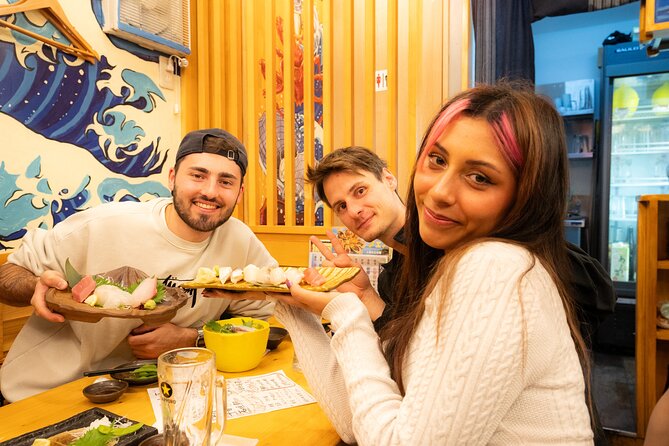
Reviewed · FOOD TOURS
Tokyo: Shibuya Authentic Food Tour & Local Delights
The best part of this Shibuya evening is the shift from the famous Scramble Crossing to the narrow restaurant lanes just beyond it. You’ll eat yakitori, tonkatsu, and sushi, then walk through Center-gai and Dogenzaka with a local guide who explains what you’re seeing.
I like the four food stops and the fact that two drinks are included, since that turns the outing into a proper dinner rather than a quick tasting. I also like the evening timing: at 6:00 pm, you can spend the day sightseeing and finish with Shibuya after dark.
The main consideration is that this is not strictly a street-food crawl. Some stops are sit-down izakayas, and one account describes the organization as loose at a takeaway stop. English ability may also vary by guide, so conversation could be less smooth on some departures.
Key points to know before booking
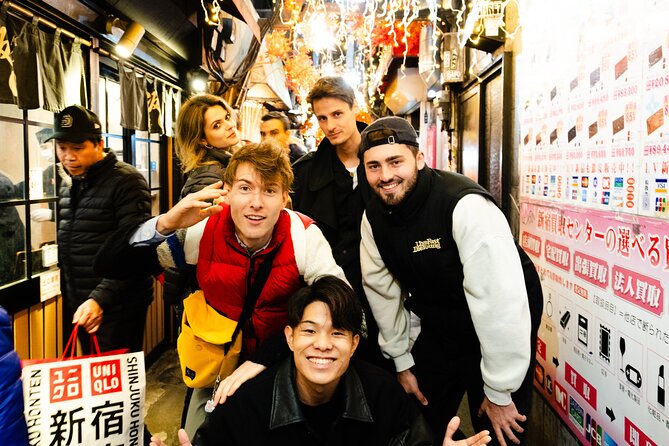
- Four food stops cover Center-gai and Dogenzaka, two busy Shibuya dining areas with plenty of small restaurants and izakayas.
- Yakitori, tonkatsu, and sushi are part of the food mix, with enough included for a satisfying dinner.
- Two drinks are included, and you can choose alcoholic or non-alcoholic options.
- The 6:00 pm start works well after sightseeing, though you should allow three hours for the meal and walking.
- Ryo, Guru, Haru, and Yo are among the guides named by past participants, each bringing a different style to the evening.
- The group can reach 15 people, so this feels more social than private.
Why this food walk works in Shibuya
Shibuya is easy to reduce to one image: people crossing a giant intersection beneath glowing signs. That is worth seeing, but it tells you little about how the neighborhood eats.
This tour uses the Scramble Crossing as a starting point, then moves into Center-gai and Dogenzaka. Those streets contain the smaller dining rooms, izakayas, and local restaurants that can be hard to choose on your own. You get a meal and a sense of place at the same time.
I like this format because the food is not separated from the neighborhood. You are not simply seated in one restaurant for three hours. You walk between stops, see the streets fill up for the evening, and get some context from your guide along the way.
The tour lasts about three hours and begins at 6:00 pm. That makes it a practical choice for your first or second evening in Tokyo, especially if you want a planned dinner without using your whole day. It also gives you a local point of reference for returning to Shibuya later.
The experience is described as a small-group walk, with a maximum of 15 people. That is not an intimate private tour, but it is still manageable for moving through crowded streets and sharing tables. Expect a social meal rather than a quiet, personal food lesson.
Other food tours in Tokyo people book:
- Tokyo: Shinjuku Food Tour (13 Dishes at 4 Local Eateries)
★ 5.0 · 6,603 reviews - Tokyo: Shinjuku Food Tour (15 Dishes and 4 Eateries)
★ 4.9 · 2,033 reviews - Best of Shinjuku: Izakaya Food Tour (4 Stops, 14+ Tastings)
★ 5.0 · 1,863 reviews
Starting at Shibuya Tsutaya and crossing Scramble
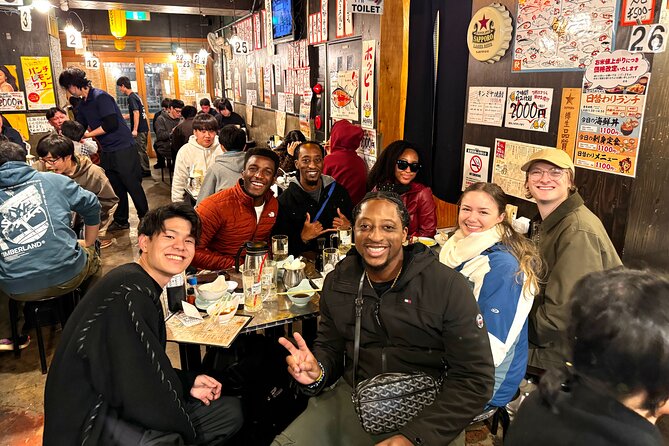
The meeting point is Shibuya Tsutaya, at Q Front near the Scramble Crossing. The exact meeting location is listed in the basement level area, so arrive with enough time to find the right spot. Your mobile ticket is accepted, and the tour begins at 6:00 pm.
The first visual treat comes quickly. You cross the famous intersection and head toward Center-gai, where the mood changes from a wide city junction to a tighter collection of shops, restaurants, and izakayas.
Your guide’s commentary matters here. Shibuya can feel like a wall of signs and people when you first arrive. A guide helps you read the neighborhood at a human scale, pointing out the kind of restaurants local diners use and explaining some of the customs around Japanese food and drinking.
This opening walk is also useful if you are new to Japan. You can ask about dishes, ordering habits, and places to return to later. Guides named Ryo, Guru, Haru, and Yo have each been praised for friendliness, cultural explanation, or simply making the group feel at ease. The actual guide depends on your departure.
Center-gai: izakaya food in the narrow lanes
The first main area is Shibuya Center-gai. This is where the tour moves away from the large crossing and into restaurant streets filled with izakayas. An izakaya is a casual Japanese drinking and dining place, usually built around small plates meant to share.
The food here may include smoky yakitori, the grilled chicken skewers that are ideal for a group meal. Yakitori is simple food, but the quality depends on grilling and seasoning. It is also a good introduction to the relaxed, order-several-things style of Japanese dining.
The attraction of this stop is not just the skewer itself. You get to see how an evening meal can unfold across several small dishes rather than one large entrée. If you are used to ordering a single plate at a time, your guide can help make sense of the rhythm.
The listing describes local izakaya visits rather than a fixed public menu. That means the exact dishes can vary. You should expect a range of Japanese foods, not a guaranteed checklist of every item for every departure.
The tour includes enough food for a satisfying local dinner. That is important at $90 per person, since you are paying for more than a few sample bites. You also receive two complimentary drinks, alcoholic or non-alcoholic, which improves the meal value.
One point to watch: the experience is sometimes described as having three hand-picked eateries, while the included details specify four local food stops. The practical takeaway is that you should expect several tastings rather than one restaurant visit, but confirm the exact stop count and sequence if that distinction matters to you.
Dogenzaka: more food, more neighborhood character
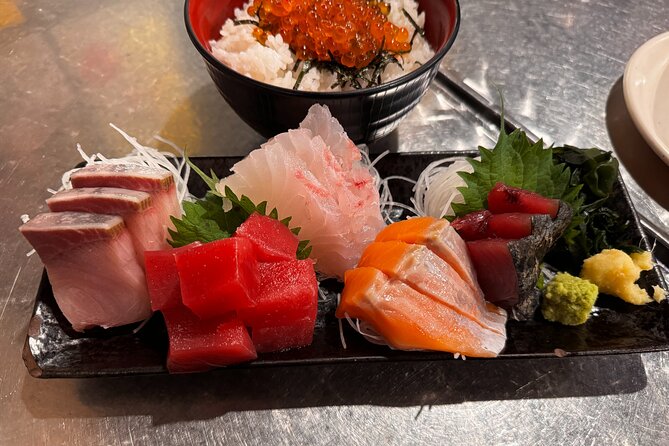
After Center-gai, the walk continues toward Dogenzaka. This street is known for its broad mix of restaurants and izakayas and attracts locals of different ages. It is a useful second setting because it shows another side of Shibuya’s dining culture.
Dogenzaka can feel more spread out than the compact lanes around Center-gai. The guide helps you avoid spending half the evening comparing menus outside restaurants. Instead, you go to selected local spots and keep the meal moving.
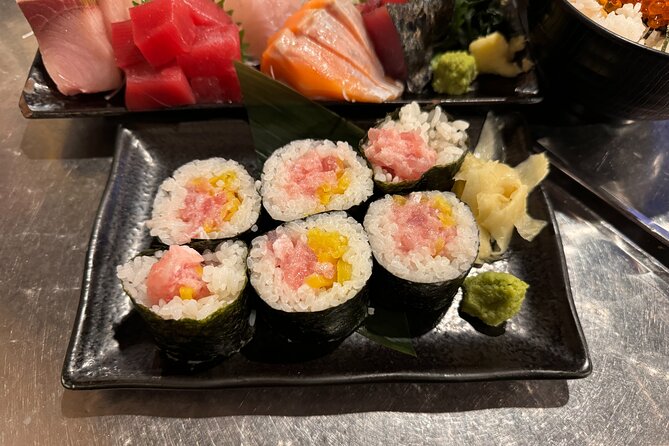
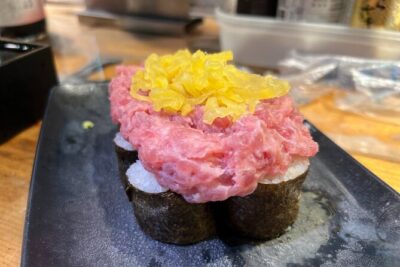
This is where the tour’s food variety becomes most useful. Along with yakitori, the advertised dishes include crispy tonkatsu and sushi. Tonkatsu is breaded, fried pork cutlet, usually served as a hearty meal. Sushi offers a different texture and style, so the evening is not built around one kind of restaurant food.
I would not book this expecting a formal sushi lesson or a chef-led cooking class. The focus is eating, walking, and learning about the local food scene in a friendly group. You get practical cultural explanation, but the pace is designed for a night out.
One participant found a takeaway stop less organized because the group did not have a clear place to sit and eat. That is worth keeping in mind. The tour’s flexible, multi-stop format can feel informal, which some people enjoy and others find untidy.
More eating your way round Tokyo:
- Tokyo Night Foodie Tour in Shinjuku – Seasonal Sushi, Wagyu Beef
★ 5.0 · 1,161 reviews - Eat and Drink Like a Local: Tokyo Ueno Food Tour-Taverns&Ramen
★ 5.0 · 957 reviews - Tokyo: Shibuya Food Tour (13 dishes and 4 Eateries)
★ 5.0 · 770 reviews - Tsukiji Fish Market: Street Food & Culture Walking Tour
★ 5.0 · 669 reviews
What the guides add to the evening
The guide may be the biggest variable in the experience. Ryo is described as friendly and kind, while Guru is praised for an easygoing manner and clear introduction to Tokyo’s food culture. Haru is noted for knowing the area and helping newcomers feel comfortable, and Yo is described as both a good companion and a strong guide through four food stops.
Those names do not mean you can select a particular guide when booking. They show the range of personalities attached to this experience. A good guide can make the difference between simply eating four times and understanding why the food and settings matter.
You can also ask for help with broader Tokyo plans. Trip tips are included as part of the guide service, and this is especially useful early in your stay. Ask about neighborhoods, ordering customs, or places to eat after the tour.
English ability may not be identical across all departures. One account found the guide friendly but not fluent enough for easy conversation. If detailed discussion is essential to you, keep your expectations realistic. The food and route remain the main event, while the amount of explanation may depend on the individual guide and group interaction.
The guide also acts as a social bridge. You may be joining alone or with one other person, and the shared meal gives you an easy way to meet others. The maximum group size is 15, so the conversation will not always be personal, but it should have a group dinner feel.
Is $90 a fair price for dinner in Shibuya?
At $90 per person, this is not the cheapest way to eat in Tokyo. You can certainly find individual bowls, skewers, sushi plates, and set meals for less if you are comfortable choosing restaurants yourself.
The value comes from combining food, drinks, a guide, and neighborhood orientation. You receive food at four local stops, two drinks, a three-hour walking route, and help with places you might otherwise overlook. For a first night in Shibuya, that can save you from guessing at menus and restaurant entrances.
The price makes the most sense if you value convenience and context. You are not just buying dinner. You are paying for an organized evening that introduces you to two major dining areas and gives you a useful starting point for future meals.
The value is weaker if you mainly want street food. The experience includes sit-down izakayas, and one stop may involve takeaway food. If your ideal food tour means eating from stalls while standing outdoors, this may not match your picture.
It is also worth noting that the published rating is 5 out of 5 from 225 ratings, with 99 percent recommending it. That points to a strong overall record, but it does not erase the practical limits: group size, guide variation, and an occasional lack of polish between stops.
How much food should you expect?
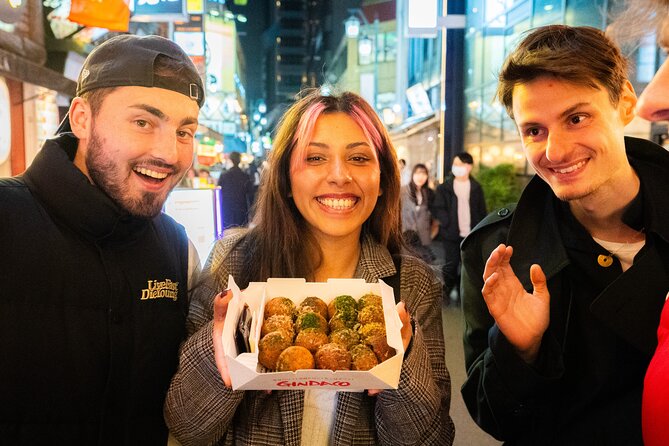
You are promised enough food for a satisfying local dinner, not just a few decorative bites. The food list specifically calls out yakitori, tonkatsu, and sushi, though the exact menu can change.
Think of the meal as a series of shared tastings. You may try something grilled, something fried, and something served as sushi or another local dish. The four-stop structure lets you compare different restaurant styles instead of spending the entire evening at one table.
Two drinks are included. Alcoholic and non-alcoholic options are available, which makes the tour workable for people with different preferences. The supplied details do not specify the exact drinks, so do not book expecting a particular beer, sake, or soft drink.
Dietary information is not provided in the details here. If you have allergies, restrictions, or strong dislikes, ask the provider before booking rather than assuming substitutions will be available.
Who will enjoy this tour most?
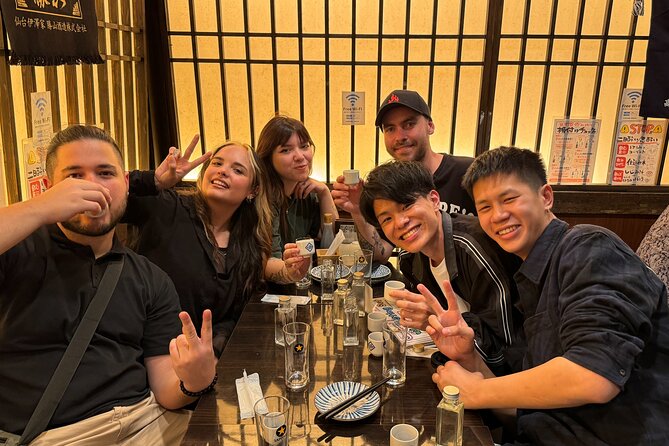
I would point this experience toward first-time visitors who want help getting started with Japanese food. Shibuya can be exciting but confusing, and a guide gives you a simple route through restaurants you might otherwise pass by.
It also suits anyone who wants dinner to be part sightseeing. You will cross Scramble, walk Center-gai, pass through Dogenzaka, and eat along the way. That is a better fit for an active evening than for someone who wants to sit in one restaurant without interruption.
Solo visitors and couples may appreciate the group setting. The meal gives you company, and the guide can help smooth out the first few hours in Tokyo. Families and older visitors who can manage a three-hour walking tour may also find the format workable, since most people can participate and the route is near public transportation.
I would be cautious about booking if you want a private food guide, a highly structured culinary lecture, or a street-food-only route. I would also think twice if you need guaranteed fluent English discussion or a fixed menu.
Timing, meeting point, and cancellation details
The tour starts at 6:00 pm and returns to the meeting point at Shibuya Tsutaya. Hotel pickup and drop-off are not included, so you will make your own way there and back. The area is near public transportation.
Allow the full three hours. The walk, ordering, eating, and movement between stops all take time, and rushing off for another evening booking would make the schedule uncomfortable.
You can cancel for a full refund if you do so at least 24 hours before the local start time. Changes or cancellations made inside that window are not accepted for a refund. The activity also requires a minimum number of participants, so if the provider cancels for that reason, you will be offered another option or a full refund.
Should you book the Shibuya food tour?
Book it if you want a lively introduction to Shibuya food, prefer guidance over restaurant guesswork, and like the idea of several stops rather than one long dinner. The combination of four food stops, two drinks, local commentary, and an evening walk gives you a useful first taste of the neighborhood.
Go in expecting izakayas and sit-down dining, not a pure street-food crawl. Expect some guide-to-guide variation and a relaxed style that may occasionally feel loose. At $90, the tour earns its price when you value local orientation and a full dinner with company.
For a first evening in Tokyo, I think it is a sensible choice. You get fed, see more than the crossing, and leave with a better feel for where Shibuya’s food scene actually happens.
FAQ
Where does the Shibuya food tour start?
It starts at Shibuya Tsutaya, at Q Front in Shibuya. The listed location is in the B2F to 8F area, with the meeting point specified as Shibuya Tsutaya.
What time does the tour begin?
The tour begins at 6:00 pm and lasts approximately three hours.
How many food stops are included?
The included details specify four local food stops. The experience description also refers to three hand-picked eateries, so the exact stop arrangement may vary. You should expect several food stops in Center-gai and Dogenzaka.
What food and drinks are included?
The tour includes enough food for a satisfying local dinner. Foods named for the experience include yakitori, tonkatsu, and sushi. Two complimentary drinks are included, with alcoholic and non-alcoholic choices.
Is hotel transportation included?
No. Hotel pickup and drop-off are not included. The tour begins and ends at the Shibuya Tsutaya meeting point, which is near public transportation.
Can I cancel for a full refund?
Yes. You can cancel at least 24 hours before the experience start time for a full refund. Cancellations or changes made less than 24 hours before the start time are not accepted for a refund.
Just added in Tokyo
- Small-Group Wagyu Beef and 7 Japanese Dishes Tokyo Cooking Class★ 5.0 · 190 reviews
- Nikko: Edo Wonderland Edomura Cultural Theme Park Ticket★ 4.3 · 205 reviews
- 《MEMBERS-ONLY-BAR-HOPPING》Discover Your Special Whiskey in Tokyo!★ 5.0 · 29 reviews
- Japanese Whisky Hunting《HIGH-QUALITY-ONLY》Rare Tasting Class★ 5.0 · 20 reviews
- Luxury Tokyo Sake, Cocktail, Whisky and Pairing Tour★ 5.0 · 18 reviews
- Wagyu & Sake Pairing in Shinjuku – Steak, Shabu-Shabu & More★ 5.0 · 112 reviews
- From Tokyo: Private Tour to Fuji/Hakone – Onsen, Art, Nature★ 5.0 · 116 reviews
- Tokyo: KABUKI Show at Kabukiza Theatre Admission Ticket★ 4.8 · 152 reviews
Food Tours, compared.
Shinjuku Food Tour (13 Dishes at 4 Local Eateries)
Read our review →
Osaka Food Tour: 13 Dishes at 5 Local Eateries
Read our review →
Best of Shinjuku: Izakaya Food Tour (4 Stops, 14+ Tastings)
Read our review →
Kyoto Night Foodie Tour in Gion (9+ dishes + 6 Sake tastings)
Read our review →
Hungry Osaka Street Food Tour:15 Tastings & 3 Drinks with a Local
Read our review →
Tokyo Night Foodie Tour in Shinjuku – Seasonal Sushi, Wagyu Beef
Read our review →
Osaka Local Foodie Walking Tour in Dotonbori and Shinsekai
Read our review →
Eat and Drink Like a Local: Tokyo Ueno Food Tour-Taverns&Ramen
Read our review →Browse the lists this tour appears in