
Reviewed · CYCLING TOURS
Tokyo: Hidden Gems Guided Bike Tour with Lunch
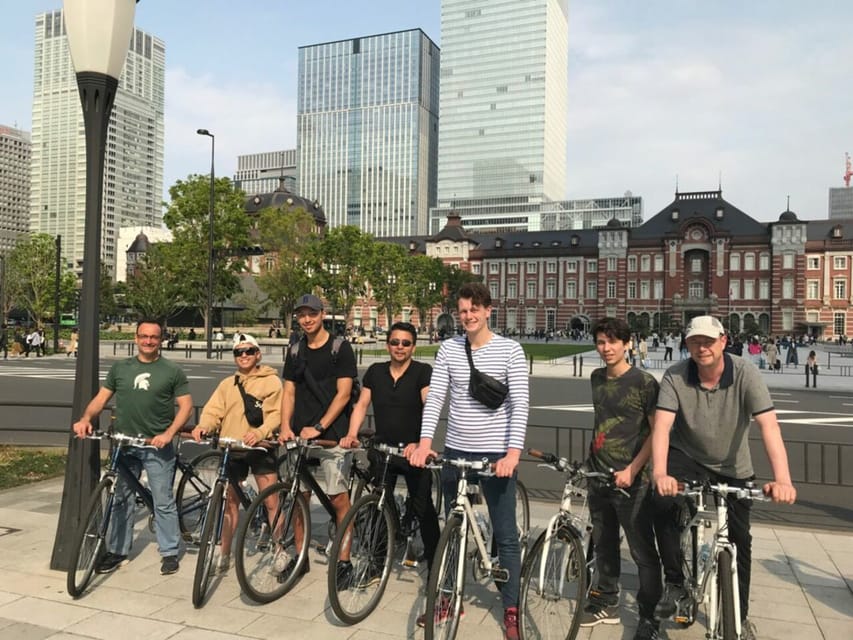
Tokyo reveals itself differently from a bicycle seat. This five-hour ride links Asakusa’s famous sights with quieter local areas, a sumo neighborhood, a working Buddhist temple, and a small museum that shows daily life in the Edo period. Guide Shogun has earned special praise for keeping the pace moving while adding useful historical detail.
I like the small group limit of five, which should make it easier to ask questions and keep together on city streets. I also like the clear value: your bike, guide, lunch, museum entry, and insurance are included. The catch is that this is an active half-day, and you must be at Asakusabashi Station on time. Children under 15 cannot join, and vegetarian lunch choices are limited.
Key points to know before you book
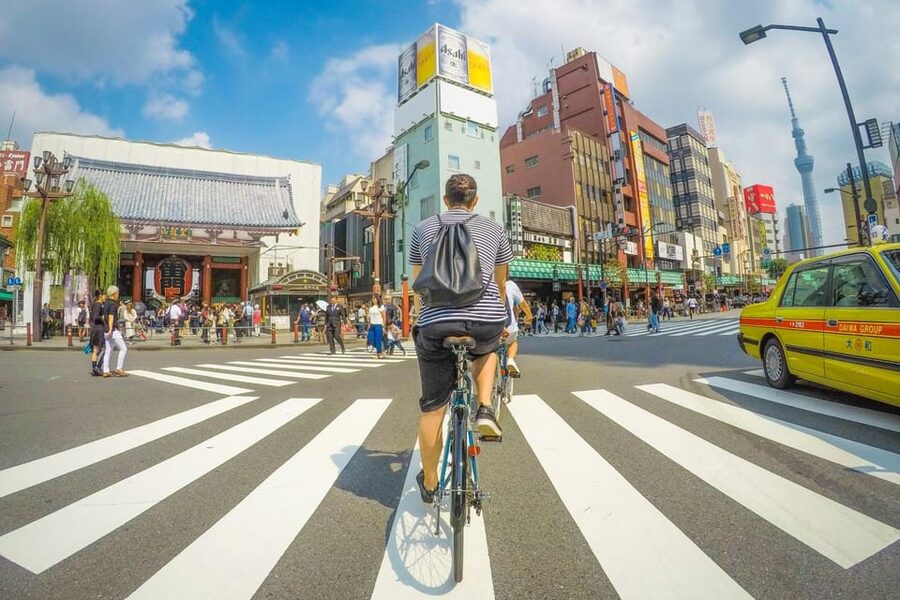
- See Tokyo from two angles: Ride past major sights such as Kaminarimon Gate and Senso-ji, then continue into less touristy parts of East Tokyo.
- A guide called Shogun may lead your ride: The guide sets the pace and connects modern Tokyo with its Edo-period past.
- Lunch and museum entry are included: You pay $96 per person and do not need to budget separately for these parts.
- The route includes three distinct neighborhoods: Asakusa, Ryogoku, and Fukagawa each offer a different look at the city.
- You need basic cycling confidence: All levels are welcome, but you must be over 150 centimeters tall and comfortable riding in city traffic.
- Pack light and arrive early: The bike office cannot hold luggage, and late arrivals cannot join or receive a refund.
Why this ride works for seeing East Tokyo
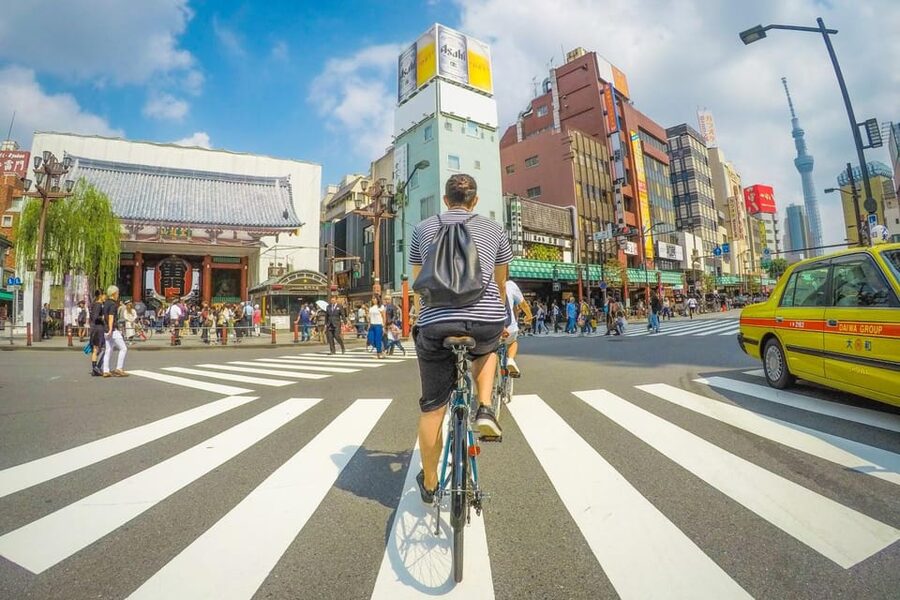
Many first visits to Tokyo focus on huge crossings, department stores, and packed shopping streets. This tour takes a different route. You still see the major Asakusa landmarks, but the bicycle gives you a practical way to connect them with Ryogoku and Fukagawa without spending the whole day on trains.
The route has a useful historical thread. Asakusa was a popular destination during the Edo period, from 1603 to 1868. Ryogoku remains tied to sumo, while Fukagawa offers a closer look at Japanese religious practice and old city life.
You will spend about five hours with an English-speaking guide and a maximum group size of five participants. That size matters in Tokyo. It should be easier to cross streets together, hear the guide, and stop for photographs without losing half the group.
This is not a racing tour. Still, the route covers several neighborhoods, and one reviewer specifically praised Shogun for keeping the ride moving at a good speed. You should expect steady activity rather than a slow stroll with long pauses at every stop.
Other rides on two wheels around Tokyo:
- Tokyo Great Cycling Tour
★ 5.0 · 811 reviews - Tokyo Top Highlights 3h Guided E-bike Tour
★ 5.0 · 714 reviews - 3h Tokyo E-Bike Tour: Hidden Gems, and Local Life with guide
★ 5.0 · 670 reviews
Starting at Asakusabashi Station
Meet the guide outside Exit A3 of Asakusabashi Station, on the Toei Asakusa Line. The tour begins with a short talk about traffic rules in Japan before you set off.
That briefing is useful, especially if you are not used to cycling in a large Japanese city. Pay close attention to the guide’s directions, stay with the group, and wear comfortable shoes. You do not need special cycling clothing, but ordinary clothes that allow easy movement will serve you better than restrictive travel outfits.
The rental bike is included, as are insurance and the guide’s services. The exact bike type is not stated, so do not assume an electric bike or a particular frame style. If you have concerns about the bicycle, ask before booking.
You must be taller than 150 centimeters, or about 4 feet 11 inches, to participate. The activity is not suitable for children under 15. The operator also warns that the route may be cancelled for unsafe weather, and the order of stops can change because of traffic, weather, or site operations.
BANDAI figures and the first look at Asakusa
One of the first stops is the BANDAI headquarters, where you can see large figures of well-known anime characters, including Dragon Ball and Doraemon. This is a quick photo stop, listed at about 20 minutes.
It is a fun opening because it gives you a bit of modern Japanese pop culture before the tour turns toward older Tokyo. The stop also offers an easy photo opportunity without requiring a separate museum visit or long detour.
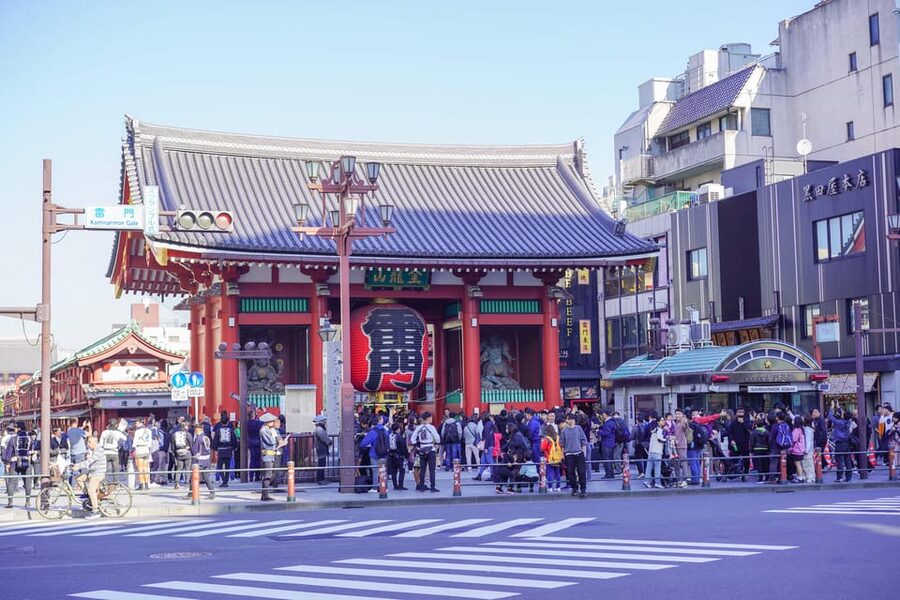
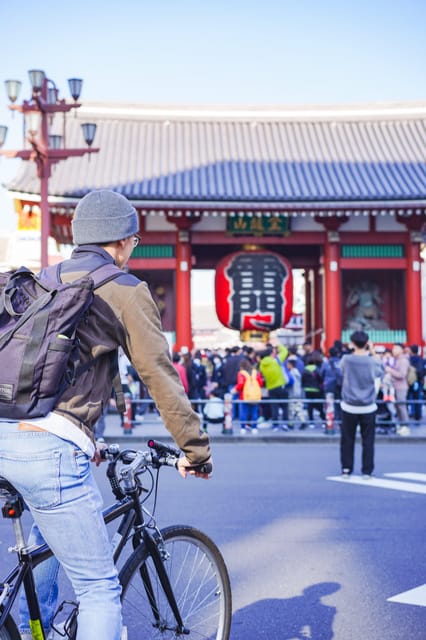
From there, you ride toward Kaminarimon, the large entrance gate associated with Asakusa. The visit is planned for about 10 minutes, enough for photographs and a short explanation before moving on.
Kaminarimon is one of Tokyo’s most recognizable sights, so it will not feel like a secret corner of the city. The value here is not avoiding every crowd. It is seeing the famous gate as one part of a larger neighborhood ride instead of spending your entire morning in one packed sightseeing zone.
Senso-ji and the old Asakusa district
The route continues to Senso-ji Temple, with about 30 minutes for the visit. Senso-ji is a Buddhist temple and one of Asakusa’s central sights. The tour uses it to explain why this part of Tokyo has attracted visitors since the Edo period.
Your guide can provide context that is easy to miss when you walk through alone. You will also have time to look around and take photographs, although the exact timing may shift with crowds and traffic.
This is one of the tour’s more conventional stops, so you should not book the ride expecting every location to be obscure. The appeal is the contrast. You begin with a famous gate and temple, then cycle away from the most familiar route toward neighborhoods that many short-term visitors skip.
The bicycle also changes the sense of scale. Instead of treating Asakusa as a single temple area, you see it as part of a connected section of East Tokyo.
Other quiet corners of Tokyo:
- Tokyo: Custom Hidden Gems & Highlights Tour with Local Guide
★ 4.7 · 272 reviews - Tokyo: 3-hour Guided E-Bike Tour of the City’s Hidden Gems
★ 4.8 · 251 reviews - Shibuya & Harajuku: Hidden Gems & Highlights Private Tour
★ 4.7 · 139 reviews - Tokyo: 3-Hour Bike or E-Bike Tour of City’s Hidden Gems
★ 4.7 · 81 reviews
Crossing toward Ryogoku and the Tokyo Skytree view
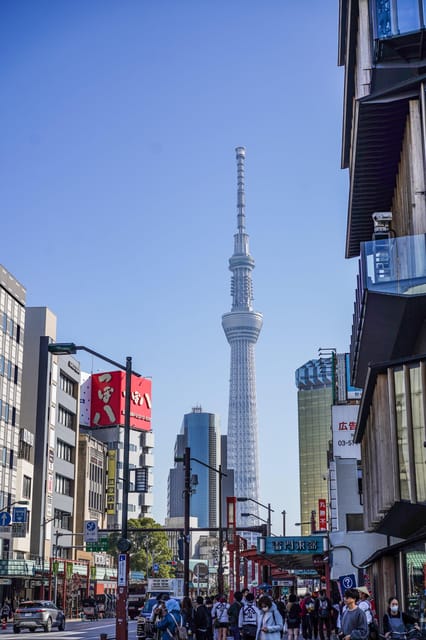
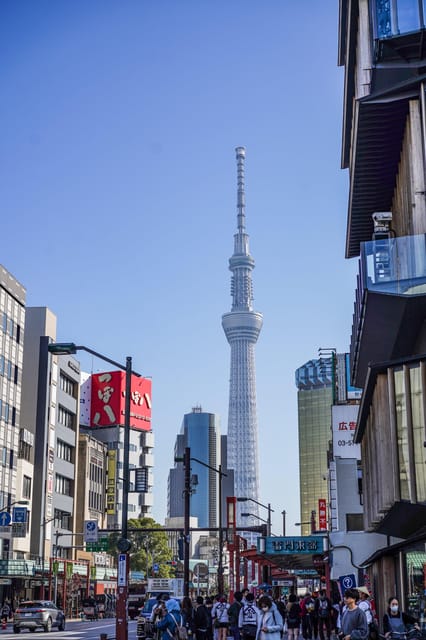
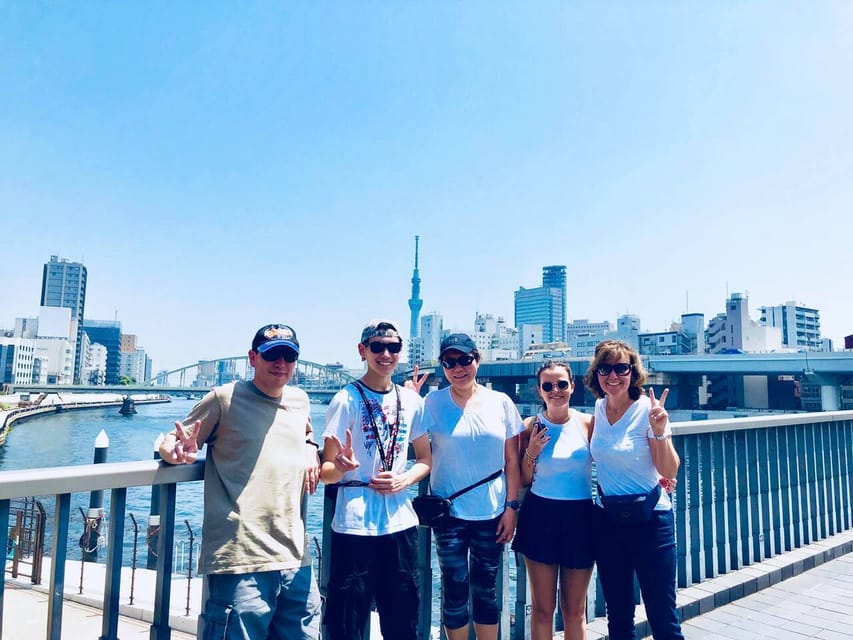
After Asakusa, the group rides across a bridge with views of the Sumida River and Tokyo Skytree. At 634 meters, Skytree is one of the defining features of the eastern Tokyo skyline and is described here as the world’s tallest radio tower.
The bridge crossing is one of the most appealing riding sections because it gives you a clear visual link between the river, the city, and the tower. You will want your camera ready, but remember that stopping depends on the guide, traffic, and safe riding conditions.
The route then continues to Ryogoku, known as Tokyo’s sumo district. You will walk around the area for a short time and learn about its connection with sumo before lunch.
The itinerary does not promise a sumo match, training session, or visit inside a sumo stable. You are visiting the district and its history, not attending a tournament. That distinction matters if sumo is your main reason for booking.
Lunch in Tokyo’s sumo town
Lunch takes place at a local restaurant in Ryogoku and lasts about 45 minutes. It is included in the $96 price, which makes the outing easier to budget.
The meal is described as delicious in the tour information, and one participant singled out the lunch as a positive part of the day. Still, the exact restaurant and menu are not specified, so you should not book based on one particular dish.
Vegetarian choices are limited because many Japanese restaurants are not fully prepared with vegetarian menus. If you do not eat meat or fish, ask about the available meal before booking and be ready for fewer choices than you might find at a specialist restaurant.
A useful point in the tour’s favor is that there is no planned hard-sell warehouse stop. You get your meal and continue with the sightseeing, rather than losing part of the afternoon to shopping pressure.
Fukagawa Fudo-do and everyday Buddhist practice
After lunch, you cycle to the Fukagawa area and visit Naritasan Fukagawa Fudodo, a Buddhist temple. The visit lasts about 35 minutes.
This stop shifts the focus from famous monuments to daily religious life. Your guide explains how people worship in a Japanese Buddhist setting, giving you a chance to observe customs in context rather than only reading about them in a museum.
You should behave respectfully here. Follow the guide’s instructions, keep your voice low, and avoid treating worshippers as photo subjects. The tour does not promise a specific ceremony, so consider the visit an introduction to the temple and its role in the community.
Fukagawa also gives the route a different feel from Asakusa. You are not simply moving between postcard sights. You are seeing how religious spaces fit into an ordinary urban neighborhood.
The Fukagawa Edo Museum brings old Tokyo to life
The Fukagawa Edo Museum is the tour’s main historical stop, with about 45 minutes inside. Admission is included.
The museum presents what Tokyo looked like during the Edo period, roughly 150 years ago from the tour’s description. You can see how streets and homes were arranged and gain a clearer idea of how people lived before modern Tokyo transformed the city.
This is especially helpful after visiting Asakusa and Ryogoku. The museum gives structure to the historical references you hear throughout the ride. Instead of treating Edo as a distant name in a textbook, you get a visual sense of the streets and domestic life behind the period.
Forty-five minutes is enough for an introduction, but not for an exhaustive museum visit. If you are a serious history fan, you may want to return on your own for more time. For most people, the museum works well as a focused stop within an active day.
If the museum or another scheduled site is closed, the operator may substitute an alternate location. The precise itinerary is not guaranteed, so keep a little flexibility in your plans.
A short café stop before returning
The final listed stop is a local café for about 15 minutes. This is a brief pause before cycling back to Asakusabashi Station.
The tour information does not specify whether a drink or snack is included, so bring extra money if you want to buy something. Additional food and drinks are not part of the package.
The café stop is short, but it gives you a chance to rest, ask final questions, and regroup before the last ride. You return to the original meeting point, making it easy to continue sightseeing or head back to your hotel afterward.
Is $96 a fair price?
At $96 per person, this is not the cheapest way to spend five hours in Tokyo. You could visit Asakusa and Senso-ji independently for much less, especially if you use public transportation and skip a paid museum.
The value improves when you count what is included: bicycle rental, English-speaking guide, lunch, Fukagawa Edo Museum admission, and insurance. You are also paying for the route design and the time saved connecting four areas that would otherwise require planning.
I think the price is reasonable for visitors who want active sightseeing and historical context without organizing the day themselves. It is less compelling if you already know Tokyo well, dislike group tours, or plan to spend most of your time inside museums and restaurants.
The small group size helps justify the cost. With up to five participants, the guide can usually keep the day personal and practical. The price also includes lunch, which removes one decision during a busy half-day.
Who should book this cycling tour?
You should consider this ride if you:
- Want to see more than the standard Asakusa route
- Enjoy light physical activity while sightseeing
- Prefer an English-speaking guide to explain local history
- Want a small group rather than a large bus tour
- Are interested in Edo-period life, Buddhism, or sumo culture
- Need a package that includes lunch and museum entry
You may want a different plan if you have limited mobility, are under 15, are not comfortable riding in city traffic, or need a full vegetarian meal with several choices. The tour also may not suit you if you want a slow pace, extensive time at each temple, or a guaranteed visit to a specific sumo event.
Arrive early. The guide will not be able to wait for late participants, and you cannot join later, reschedule, or receive a refund if you miss the group. Do not bring luggage because the bike office cannot store it. Use station lockers before meeting the guide.
Final verdict: a smart choice for active first-time visitors
I would book this tour if I wanted a single day that connected famous Tokyo sights with older neighborhoods and a bit of local life. The combination of Asakusa, Ryogoku, Fukagawa, lunch, and the Edo museum gives the outing a clear shape without stuffing it with unrelated stops.
The best reason to choose it is the balance between movement and explanation. You get the photographs at Kaminarimon and Senso-ji, the Sumida River and Skytree views, a look at sumo country, a Buddhist temple, and a museum about old Tokyo.
Book it if you can ride comfortably, keep to the schedule, and accept that the route may change. Skip it if you need flexible timing or a vegetarian lunch with many choices. For the right visitor, the $96 fee buys more than a bicycle ride. It buys an efficient, guided introduction to East Tokyo.
FAQ
Where does the Tokyo bike tour start?
The tour starts outside Exit A3 of Asakusabashi Station on the Toei Asakusa Line. A guide will be waiting outside the exit.
Where does the tour finish?
The tour ends back at Asakusabashi Station, at the original meeting point.
How long does the tour last?
The activity lasts five hours. Starting times vary, so check availability when booking.
What language does the guide speak?
The tour is conducted in English.
How many people can join the tour?
The tour is limited to five participants, although other participants may be included in your group.
Is lunch included?
Yes. Lunch at a local restaurant in the Ryogoku area is included. Vegetarian choices are limited.
Is the bicycle rental included?
Yes. Bike rental, insurance, a guide, lunch, and Fukagawa Edo Museum admission are included.
What should I bring?
Bring comfortable shoes. Do not bring luggage because the rental bike office cannot store it. You can use lockers before the tour.
Can children join the tour?
Participants must be over 150 centimeters tall, and children under 15 are not permitted to join.
Just added in Tokyo
- The 10 Tastings of Tokyo With Locals: Private Street Food Tour★ 5.0 · 48 reviews
- Small Town in the Big City: Tasting Tokyo’s Kichijoji★ 5.0 · 195 reviews
- Small Town in the Big City: Tasting Tokyo’s Kichijoji★ 5.0 · 16 reviews
- EXCLUSIVE Tokyo Secret: Kichijoji Small-Group Food & Bar Hopping★ 5.0 · 29 reviews
- Explore Kichijoji: Walk Through One of Tokyo’s Beloved Districts★ 5.0 · 21 reviews
- :Tokyo,Shibuya/ Pro Photography in Kimono / English-Friendly★ 5.0 · 26 reviews
- 【R34】Tokyo:Private Daikoku tour in Modified R34★ 4.9 · 92 reviews
- Tokyo:Calligraphy &Make your original folding fan in Asakusa★ 5.0 · 62 reviews
Cycling Tours, compared.
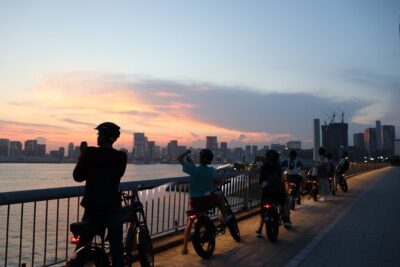
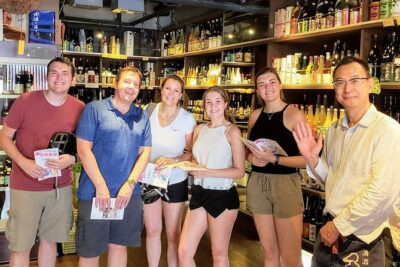
3h Tokyo E-Bike Tour: Hidden Gems, and Local Life with guide
Read our review →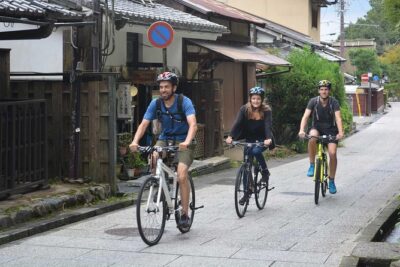
Arashiyama Bamboo Forest & Hidden Gems Bike Tour (Early Bird)
Read our review →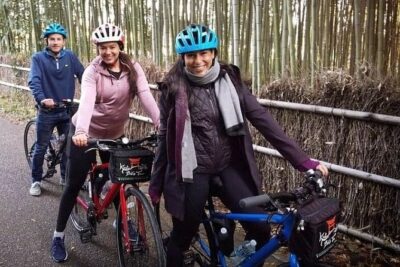
5 Top Highlights of Kyoto Full Day Bike Tour (E-bike option)
Read our review →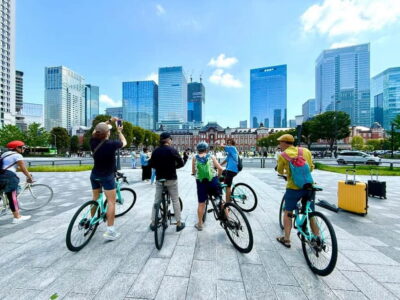
Hiroshima 2hr Peace Cycling Tour with Local Guide
Read our review →Browse the lists this tour appears in