
Reviewed · CALLIGRAPHY & CRAFT WORKSHOPS
Private Echizen Knife Making Factory and walking Tour
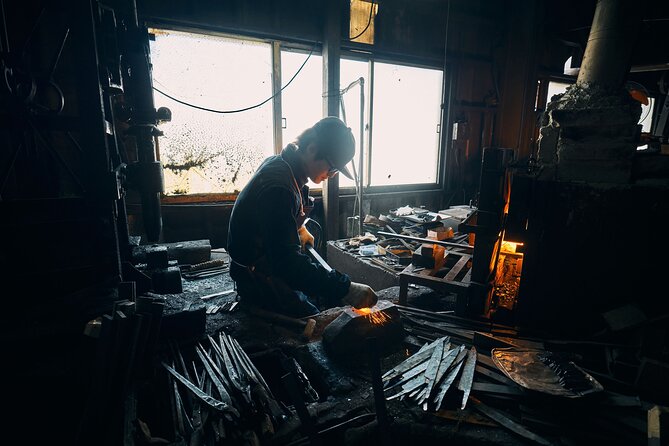
Echizen knife making is not a museum display. It is working craft, with the smell of cut wood at Yamaken Woodworks and the heat and force of blade production at Ryusen Hamono. I like the chance to meet the craftsmen at their benches and to try part of the process instead of only peering through glass.
I also like the tour’s small private format and its clear focus. You see both halves of the product, the wooden handle and the blade. The main consideration is access: the district is easiest by car, and the ¥163.30 price does not include an English guide, which costs another ¥10,000 per person.
Key points to know before booking
- Two working factories: Visit Yamaken Woodworks for knife handles and Ryusen Hamono for blades.
- A hands-on element: Try part of the knife-making process at Ryusen Hamono.
- Direct contact with craftsmen: Ask about the work from the people who make the products.
- Private format: Only your group takes part, rather than joining a large tour.
- Allow two and a half hours: The factory visits take about one hour and ten minutes, plus the walking and transitions.
- Plan transport carefully: Driving is easiest, though Oshio Station is about a 35-minute walk away.
Why Echizen knives make this visit different
Echizen, in Fukui Prefecture, is known for knife production, and this tour takes you into the local workrooms rather than keeping you on a sightseeing street. That matters because the value is in seeing how many separate skills go into one finished knife.
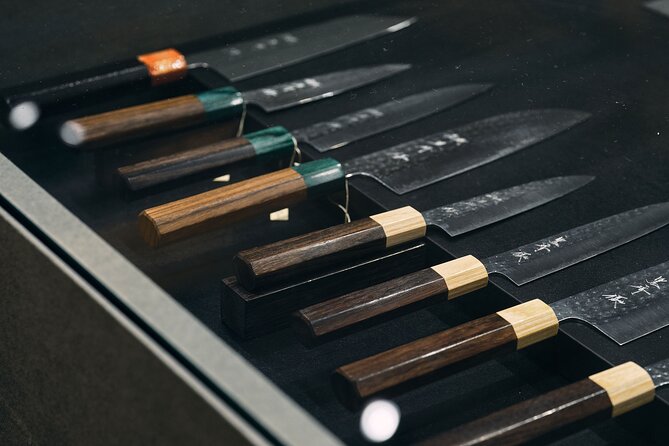
A knife is more than its blade. The handle must be shaped, finished, and fitted with care. The blade must be forged and worked into a useful cutting tool. By visiting two different businesses, you get a more complete picture of the process.
I find that division especially useful if you already like Japanese kitchen knives. At Yamaken Woodworks, you focus on the material and construction of the handle. At Ryusen Hamono, the attention shifts to the blade and the blacksmith’s work. The two visits make the finished product easier to understand.
This is also a good choice if you prefer working places to polished attractions. The factories are active businesses, and the opportunity to speak directly with craftspeople gives the visit a human scale. You are not simply looking at merchandise in a shop. You are seeing the people and methods behind it.
Other things to make with your hands in Japan:
- Chopstick Making Workshop in Ginza
★ 4.8 · 1,366 reviews - Kyoto : Chopsticks Making Workshop in Gion with Engraving Option
★ 5.0 · 958 reviews - Tokyo Chopstick Making Workshop with Artisan
★ 5.0 · 466 reviews
Yamaken Woodworks: the feel and smell of a knife handle
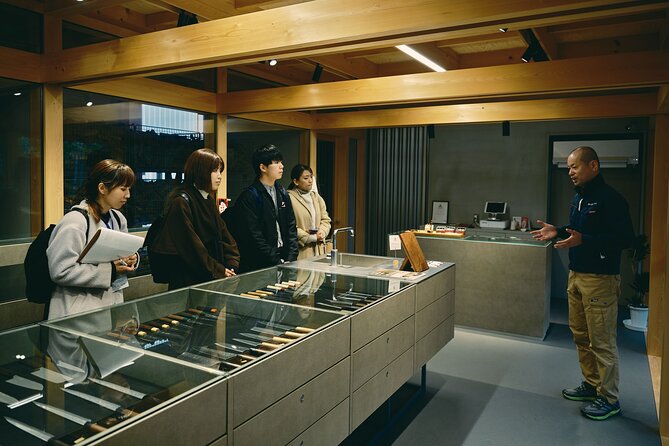
The first stop is Yamaken Woodworks at 46-1-10 Ikenokamichō. Plan on about one hour here. The factory makes knife handles, and the visit begins with the material itself: wood.
The smell of wood is one of the small details that makes this stop memorable. You can see where careful shaping and finishing matter, since the handle is the part you hold every time you use the knife. A good blade still needs a handle that feels balanced and comfortable.
The factory visit lets you see the detailed work that goes into these pieces. You can speak with the craftsmen about what they do and ask questions that a standard shop visit would not answer. The information provided does not promise a set language for the factory conversation, so you should confirm your language needs when booking.
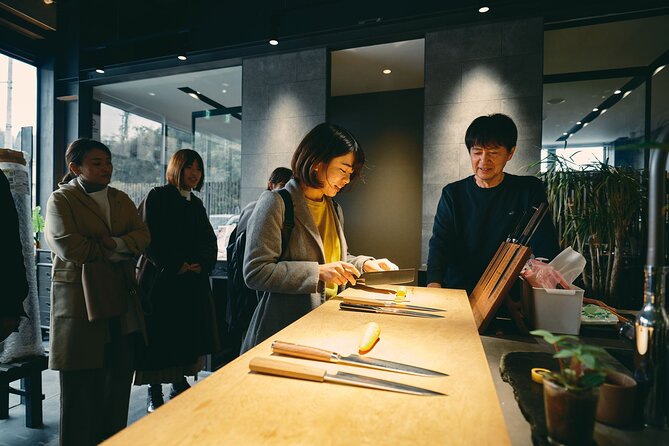
Next to the factory is a shop selling handles made there. This gives you a chance to examine the finished work more closely. Even if you do not buy anything, the shop helps connect the raw material and workshop process with the object you have just seen being made.
I would pay attention to the construction details rather than rushing through the retail area. Look at the shape, surface, and finish of the handles. The point is not simply to find a souvenir. It is to understand why a handmade handle can be an important part of a knife’s character.
Ryusen Hamono: from forged blade to finished knife
The second visit is Ryusen Hamono, a knife factory and shop. You spend about one hour and ten minutes here, making it the longer of the two factory stops. This is where the tour turns from woodwork to blades.
You will see the production process and interact with working knife-making blacksmiths. That direct contact is one of the strongest reasons to choose this experience. The craft can seem mysterious when you only see a finished Japanese knife in a store. Inside the factory, you get a better sense of the labor behind it.
The experience includes a chance to try part of the knife-making process. The available details do not specify exactly which task you will perform, so do not book this expecting a full blade-forging lesson. Think of it as a short, supervised introduction to the work.
That distinction is important. This is not a multi-day apprenticeship, and two and a half hours cannot cover every stage of knife production. Still, even a small practical task can help you appreciate the precision required. It gives you a physical link to the craft, rather than leaving you as a passive observer.
Ryusen Hamono also has a shop filled with knives. You can see the finished products after learning something about how they are made. If you are shopping, this is the point to compare the feel and appearance of different knives and to ask questions about the products directly.
The shopping element is useful, but it should not be the only reason you book. The experience is strongest when the factory visit comes first in your mind and the shop is an optional extra.
A private tour with a clear focus
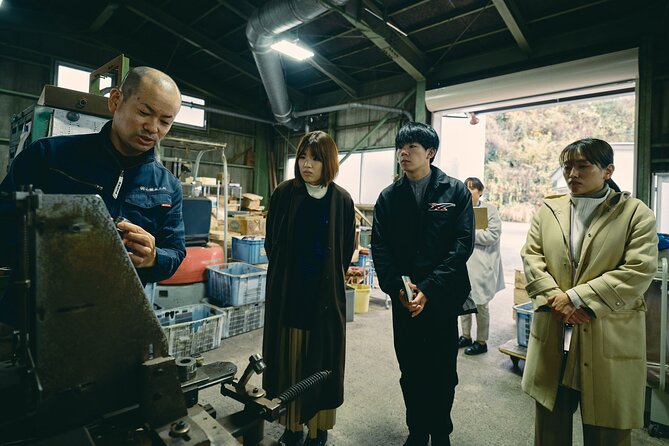
This is a private activity, so only your group participates. That can make a real difference in a factory. You have more room to ask questions, and the visit does not depend on keeping up with a large crowd.
A private format also suits people with a focused interest in Japanese knives. You can spend more attention on handles, blades, materials, or the production process, depending on what interests you. The information provided does not name the host or guide, so you should not expect a particular guide by name.
The tour is offered with a mobile ticket, which makes entry and confirmation simple. Booking confirmation normally arrives at once. If you book within seven days of the visit, confirmation may take up to 48 hours and depends on availability.
The activity ends back at the meeting point, at 48-6-1 Ikenokamichō, Echizen, Fukui 915-0873. Keep the start and finish point in mind when planning the rest of your day. You will not be dropped at a separate station or attraction.
Other guided walks in Japan:
- Kyoto Geisha Walking Tour: Gion District & Hidden Gems
★ 4.7 · 3,273 reviews - Tokyo Tsukiji Fish Market Food and Culture Walking Tour
★ 5.0 · 3,184 reviews - Kyoto: Gion Magical Night Walking Tour with Geisha Trivia
★ 4.9 · 2,393 reviews - Tokyo: Imperial Palace and Shogun Historical Walking Tour
★ 5.0 · 2,251 reviews
Getting to the factories from Fukui
Transport deserves more thought than the short tour length suggests. The area is near public transportation, but it is not presented as a simple station-to-factory transfer. Driving is the easiest way to reach the destination.
If you use the train, Oshio Station is within walking distance. One visitor made the walk in about 35 minutes, passing through rice fields along the way. That sounds pleasant in good weather and gives you a look at the rural setting around Echizen, but it is not a quick stroll.
Weather can change the equation. The walk back to Oshio Station was difficult on a day with strong winds, so I would check the forecast before choosing to walk. The experience itself requires good weather, and poor conditions can lead to a different date or a full refund.
The exact transport details from Fukui are not supplied, so you should confirm train times and the final route before setting out. If you drive, allow enough time to find the meeting point at the specified address. If you walk from the station, wear practical shoes and leave a generous time cushion.
Is $163.30 a fair price?
The listed price is $163.30 per person for about two and a half hours. That is not a cheap factory stop, especially once you add transport and, if needed, the English guide fee of ¥10,000 per person.
The value depends on what you want. If you only want to browse Japanese knives, you can likely find shops elsewhere at a lower cost. This tour earns its price through access to two active factories, contact with working craftspeople, and the hands-on component.
The private format also matters. You are paying for a focused visit rather than a general group outing. For a couple, family, or small group already interested in Japanese kitchen tools, that can be worthwhile. The price is harder to justify if you have only a passing interest in knives or are trying to fit in many sights during a short stay in Fukui.
The separate guide charge is the biggest financial point to check. The activity includes the factory, shop, and practical experience, but English guiding costs extra. If clear English explanations are essential, add this fee before comparing the tour with other activities.
I would book it as a specialist experience, not as a general Fukui sightseeing tour. You are paying for access and contact, not for a long list of attractions.
Who will enjoy this experience most?
This tour suits Japanese knife enthusiasts, cooks, collectors, and anyone interested in traditional manufacturing. It also works well for people who like meeting craftspeople and seeing ordinary workspaces that are usually closed to casual sightseeing.
It is a good fit for a private couple or small group that wants to ask questions at its own pace. The two-part structure also helps families and mixed-interest groups: one person can focus on woodwork, another on blades, and everyone gets a short practical element.
You may want to skip it if you dislike shopping, since both factories include shops. You should also think twice if you need a fully guided English experience but do not want to pay the additional guide fee.
Most people can take part, according to the available tour information. No special fitness requirement is listed, but the station walk can take about 35 minutes, and weather may make it less comfortable.
Practical booking advice for Echizen
Book in advance if this is a priority. The activity is booked an average of 28 days before the visit, which suggests that last-minute space may not always be available. The tour requires a minimum number of participants, and a date can be changed or refunded if that minimum is not met.
You can cancel for a full refund up to 24 hours before the start time. Cancellations or changes inside that 24-hour window are not accepted for a refund. The cut-off follows local time in Japan.
Bring your booking confirmation on your phone, since the activity uses a mobile ticket. Food and drinks are not included, so plan those separately. The factory schedule itself is fairly compact, but give yourself extra time for transport and for browsing the shops.
I would also contact the provider, Craft Invitation, before booking if you need an English guide. The additional ¥10,000 fee per person is significant enough to include in your budget from the start.
Should you book this Echizen knife tour?
Book it if you want to see the real work behind Japanese knives, speak with craftsmen, and try part of the process in a private setting. The combination of Yamaken Woodworks and Ryusen Hamono gives you a useful look at both handles and blades, and the rural walk from Oshio Station can add a pleasant local touch in good weather.
Skip it if your interest is only in buying a knife, if the price feels high for a two-and-a-half-hour activity, or if arranging transport to the factory area sounds like too much work. For the right audience, though, this is a rare chance to meet the people behind Echizen’s knife-making tradition instead of simply admiring the finished product.
FAQ
How long does the private Echizen knife-making tour last?
The experience lasts approximately two hours and 30 minutes. About one hour is spent at Yamaken Woodworks, followed by about one hour and ten minutes at Ryusen Hamono, with time for the transitions between stops.
Where does the tour start and finish?
The tour starts at 48-6-1 Ikenokamichō, Echizen, Fukui 915-0873, Japan. It ends back at the same meeting point.
Is an English guide included?
No. An English guide is available for an additional ¥10,000 per person. The factory tour, shop tour, and practical experience are included in the listed activity.
Does the tour include a hands-on knife-making activity?
Yes. At Ryusen Hamono, you can experience part of the knife-making process. The available information does not specify the exact task.
Can I reach the factories by public transportation?
The area is near public transportation, and Oshio Station is about a 35-minute walk away. Driving is described as the easiest way to reach the destination.
What happens if bad weather cancels the tour?
If poor weather causes cancellation, you will be offered a different date or a full refund. The activity also requires a minimum number of participants, and a cancellation for that reason comes with the choice of another date or experience, or a full refund.
Just added in Japan
- Nagasaki Full Day Tour with Licensed Guide and Vehicle★ 5.0 · 27 reviews
- Nagasaki Private Customizable Half Day Tour★ 5.0 · 16 reviews
- Nagasaki Like a Local: Private & Custom Experience (2-3 hrs)★ 5.0 · 14 reviews
- Nagasaki Private Tour with a Local – Highlights & Hidden Gems★ 5.0 · 24 reviews
- Nagasaki WW2 History and Culture Tour★ 5.0 · 19 reviews
- Snow Monkeys, Hokusai & Sake: A Perfect Day in Nagano★ 5.0 · 19 reviews
- Wasabi Farm Walking Tour & Lunch★ 4.5 · 20 reviews
- Nagasaki Street Food Adventure: Private Walking Tour with a Local★ 5.0 · 26 reviews
Calligraphy & Craft Workshops, compared.
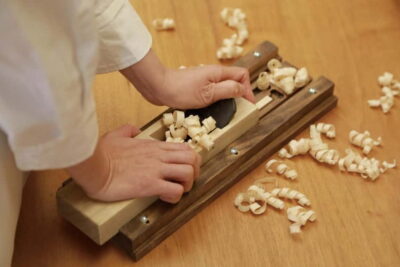
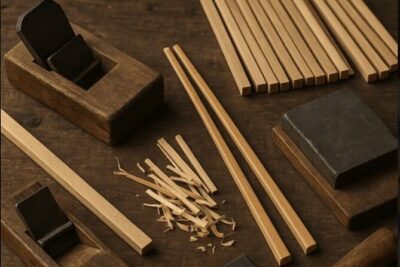
Chopsticks Making Workshop in Gion with Engraving Option
Read our review →


Matcha Making Experience with Mochi Sweets in Asakusa
Read our review →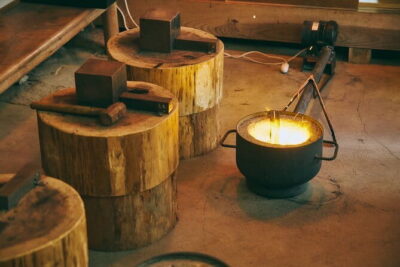
Authentic knife making experience at a blacksmith in Kyoto
Read our review →
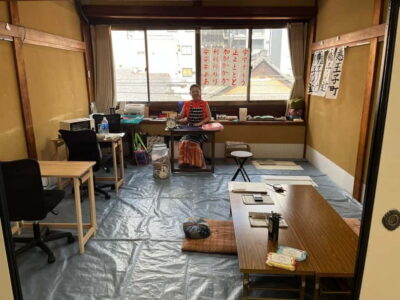
Calligraphy class at Buddhist temple in city center
Read our review →Browse the lists this tour appears in