
Reviewed · ARASHIYAMA & BAMBOO GROVE TOURS
Kamakura Bamboo Forest and Great Buddha Private Tour
Kamakura packs temples, shrines, a giant bronze Buddha, and a cool green bamboo garden into one long day from Tokyo. The best part of this private tour is its five-stop plan, which gives you a broad look at the old shogunate town without having to work out every train and local connection yourself.
I like the chance to travel with only your own family or friends, and I like having a guide explain the rituals and background at places such as Tsurugaoka Hachimangu. Guides Kono and Akira have earned especially strong praise for clear explanations and practical help on trains. The catch is simple: you will walk a lot, and entrance fees, food, and public transportation are extra.
Key points to know before booking
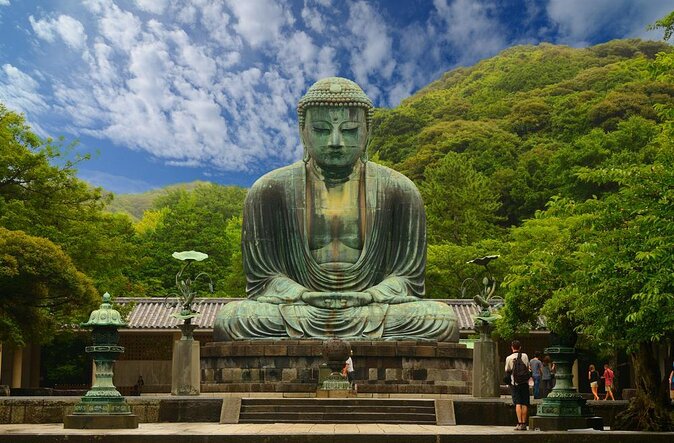
- Five major Kamakura stops: Hasedera, the Great Buddha, Hokoku-ji, Tsurugaoka Hachimangu, and Komachi Street.
- Private public-transport tour: Your group travels with its own guide rather than joining a large coach.
- Tokyo hotel pickup: Pickup is offered within Tokyo’s 23 wards, but you pay your own transport costs.
- About 2,000 bamboo stalks: Hokoku-ji provides the quietest and most distinctive setting of the day, with matcha available as part of the temple visit.
- Guides vary: Kono, Akira, Yumiko, and Kimo have led tours, with English ability and depth of explanation differing by guide.
- A full walking day: The route suits active visitors more than anyone with sore knees or limited mobility.
Why this private Kamakura day works
Kamakura is close enough to Tokyo for a day trip, yet it feels like a different chapter of Japan. The city was the base of Japan’s first shogunate, and its temples and shrines give you more than a quick city stroll. You get religious sites, traditional gardens, shopping, and a famous work of Buddhist sculpture in one outing.
A private format matters here. Kamakura’s sights are spread across the city, so you need trains, local transport, and plenty of walking. With your own guide, you can ask questions, pause for photos, and adjust the pace within the fixed schedule. Kono has helped visitors navigate both the trip from Tokyo and the local connections in Kamakura, which can save time and mental energy.
The nine-hour length is also useful. A shorter trip might focus only on the Great Buddha and one temple. This route gives you a fuller picture, though you should not expect long, leisurely visits at every stop. One guide explained that the five stops may need shorter visits when a firm departure time is involved. That is the trade-off for seeing more.
Other mornings on the western edge of Kamakura:
- Buddha, Bamboo & Zen – Bespoke Kamakura Private Walking Tours
★ 5.0 · 25 reviews - Kyoto: Fushimi Inari, Kinkakuji, Bamboo Grove 1 Day Bus Tour
★ 4.8 · 4,316 reviews - Osaka/Kyoto:Kinkakuji,Arashiyama,FushimiInariShrine,NaraPark
★ 4.1 · 1,596 reviews
Hasedera, a flower-filled opening
Hasedera is the first temple on the route and a strong start. It is known as a temple of flowers, with seasonal color changing throughout the year. The one-hour visit gives you time to see the grounds and get your first taste of Kamakura’s temple culture.
The appeal is not only the flowers. Hasedera helps set the tone for the day, with a traditional religious setting before you reach the city’s most famous statue. Your guide can add context as you move through the grounds, though the amount of detail will depend on who leads your tour.
Admission is not included, so keep cash or another accepted payment method ready. The tour information does not state the current entrance price, so check close to your travel date if you are keeping a strict budget.
The Great Buddha at Kotoku-in
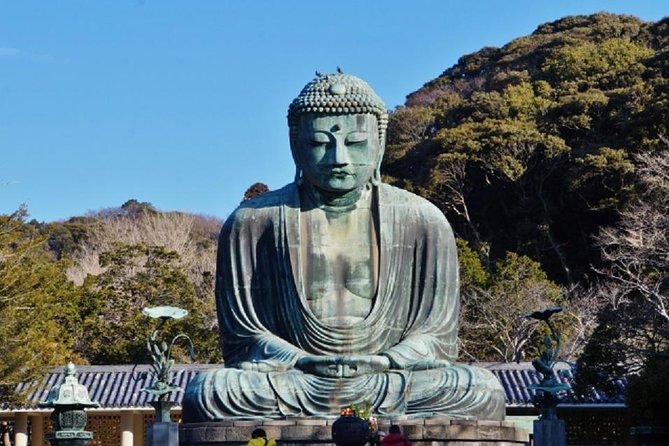
The bronze Amida Buddha at Kotoku-in is the image most people connect with Kamakura. At about 13.35 meters tall, it sits outdoors on the temple grounds, giving you a clear view of the full statue from several angles.
You receive about an hour here. That is enough time to take in the scale, hear the background, and photograph the statue without turning the stop into a rushed photo call. The guide’s explanation can make the visit more meaningful, especially if you want to understand why this Buddha is such a strong symbol of Kamakura.
Admission is extra. The site is popular, so the private format does not mean you will have the grounds to yourself. It does mean your guide can help you stay on schedule and connect this stop with the next one.
One useful point: the Great Buddha is not the only reason to visit Kamakura. If you prefer small temple details, gardens, and quiet paths to major monuments, you may find Hokoku-ji or Hasedera more rewarding. If you want the signature sight, this is it.
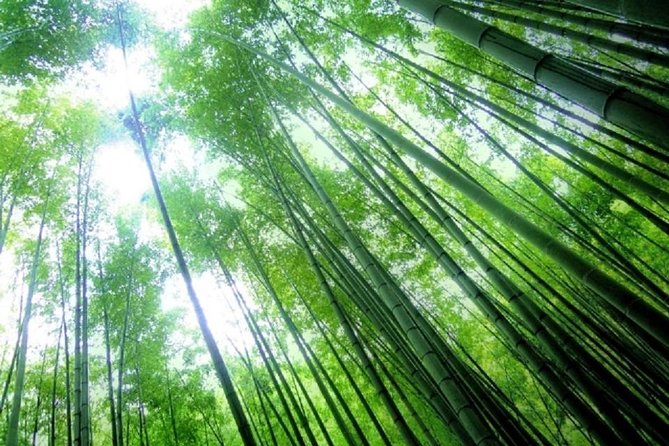
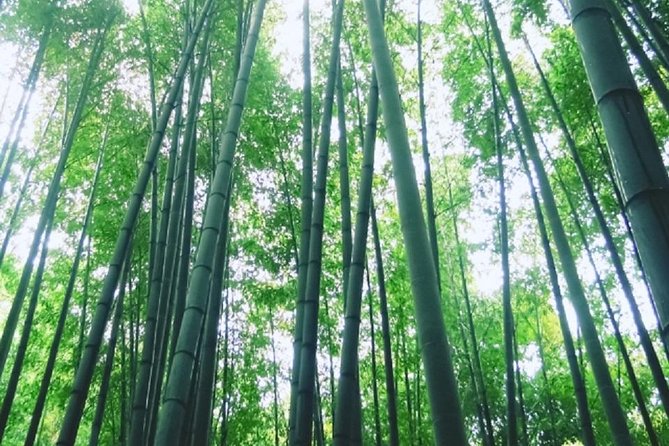
Hokoku-ji and its 2,000 bamboo stalks
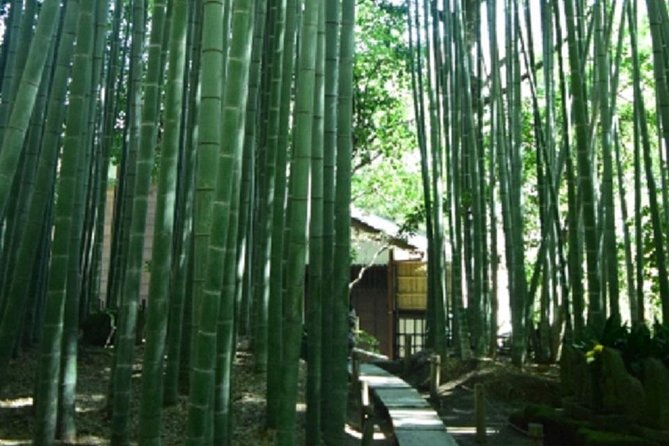
Hokoku-ji is the most distinctive stop on the route. Its bamboo garden contains about 2,000 bamboo stalks, creating a cool, shaded setting within the temple grounds. The narrow paths and tall bamboo give the visit a different mood from the open grounds around the Great Buddha.
The temple is recognized by the Michelin Green Guide as a three-star attraction, and it is one of only two three-star sights in Kamakura according to the tour information. You can also drink matcha while looking into the bamboo garden. The tea is not included in the tour price, and the supplied details do not specify its cost.
You receive about an hour here. That sounds generous, but it can pass quickly if you want photos, tea, and time to simply sit and look. This is one place where your private guide can be useful without talking every minute. Ask for an explanation of the temple and then take a quiet pause.
Hokoku-ji is also a good reason to avoid treating this as only a Great Buddha day trip. The bamboo garden gives you a calm, visual experience that you cannot get from a standard city walk.
Same base, a different sort of day:
- Tokyo: Kamakura & Enoshima Day Trip including Temple Tickets
★ 4.5 · 1,375 reviews - From Tokyo: Kamakura & Enoshima 1-Day Bus Tour
★ 4.5 · 189 reviews - Kamakura Historical Walking Tour with the Great Buddha
★ 5.0 · 129 reviews - Kamakura Private Tour: Temples, Nature, and the Great Buddha
★ 5.0 · 121 reviews
Tsurugaoka Hachimangu and the center of Kamakura
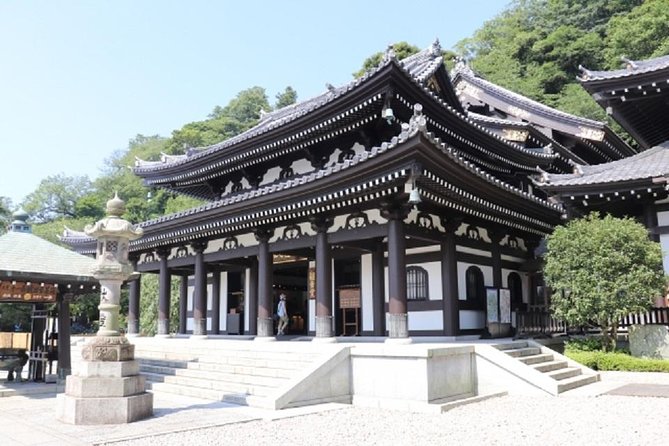
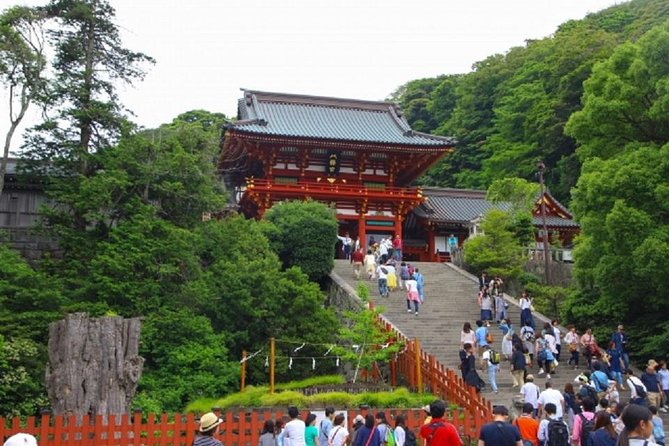
Tsurugaoka Hachimangu sits in the middle of Kamakura and has long been connected with Japan’s warrior tradition. The shrine was revered as a home of gods of war, so it offers a different religious setting from the Buddhist temples on the route.
Plan on about an hour here. The site helps you understand how Kamakura functions as both a modern town and a place shaped by military and religious power. Your guide can explain the rituals and customs, which is valuable if you are unsure how to behave at a Shinto shrine.
This stop also gives the day a useful change of pace. You have already seen a flower temple, an outdoor Buddha, and a bamboo garden. At Tsurugaoka Hachimangu, the focus shifts to shrine architecture, worship, and Kamakura’s role in Japanese history.
You should still expect walking. The shrine is in the city center, but the route between locations and within large religious sites can add up. If you have knee trouble or dislike extended time on your feet, tell the operator before booking and ask what adjustments are possible.
Komachi Street for a short food break
Komachi Street is the final stop, with about 30 minutes to browse food stands and distinctive shops. It is a brief ending rather than a full meal stop, so do not count on having time for a long restaurant lunch here.
This is where you can buy a snack, look for small gifts, or simply see the more commercial side of Kamakura. After several temples and shrines, the street adds everyday shopping and local flavor to the day.
Food and drinks are not included. The short visit means you should not leave all your eating plans until this point, especially if the train ride back to Tokyo is part of the same day. You may want to carry water and use this stop for a quick purchase rather than a sit-down meal.
Public transportation changes the feel of the day
This is not a private car tour. You and your guide use public transportation from Tokyo and within Kamakura, and you pay those fares separately. That arrangement has a clear advantage: you move through the city as a local resident might, rather than watching it pass through a vehicle window.
The drawback is less comfort and less control over timing. Trains and local connections can be busy, and walking between stations and sights takes energy. The guide’s role becomes practical as well as historical. Akira and Kono have been praised for helping with trains and keeping the day organized.
Pickup is offered from hotels within Tokyo’s 23 wards. The tour details do not say that transport from outside those wards is included, so confirm your pickup point before paying. Since the tour is booked, on average, 44 days ahead, early planning is sensible if your dates are fixed.
What the $176.37 price really buys
At $176.37 per person, the price is easiest to judge by the size of your group. You are paying for a private guide, not just a ticket or a packaged train ride. If several family members or friends share the booking, group discounts may improve the value.
The price includes an English-speaking professional guide and a private tour. It does not include admission to the four paid temple and shrine stops, food, drinks, or train and local transport fares. Those extras can make the final cost noticeably higher.
I see the value mainly in the time saved and the help with navigation. If you are comfortable planning Kamakura’s trains, selecting two or three sights, and reading up on the background yourself, a self-guided day will cost less. If you want to cover five locations in one day and ask questions as you go, the private format earns its keep.
The guide quality matters a great deal. Akira has been praised for strong English and detailed explanations. Kono has received particularly warm feedback for patience, organization, transport help, and keeping the day moving without making it feel rushed. Kimo was described as pleasant and effective at covering the expected sights, but conversation and questions were harder because of limited English understanding. Yumiko has been praised for clear stories and dedication.
You cannot assume which guide you will receive unless the provider confirms it. That is the biggest variable in the tour’s value.
Walking, weather, and the right pace
You need good walking shoes. The route covers five sites, city streets, station connections, temple grounds, and shrine approaches. A full day in Kamakura can be tiring even when the weather is pleasant.
The experience requires good weather. If poor weather causes cancellation, you are offered another date or a full refund. You can also cancel for a full refund up to 24 hours before the start time. Changes or cancellations inside that 24-hour window are not accepted.
Rain does not always ruin the day. One visitor completed the route in misty weather and still found the guide’s patience and explanations valuable. Still, wet paths, umbrellas, and long walks can make the day harder, so pack accordingly and do not choose this tour if you want a relaxed indoor plan.
This is not the best match for anyone with serious mobility limits. A Portuguese-language assessment specifically noted that Kamakura can be difficult for people who struggle to walk or have knee problems. Most people can participate, but the tour data does not promise step-free access or a low-walking version.
Who should book this Kamakura tour
I would choose this tour if you have one open day from Tokyo and want more than a single famous statue. It suits families and friends who prefer a private guide, first-time visitors who do not want to manage the transport alone, and active visitors who enjoy moving between several historic sites.
It is also a good fit if you want cultural explanation rather than just photographs. The guide can discuss shrine rituals, temple customs, and Kamakura’s military past in a way that signs and guidebooks may not provide.
I would look elsewhere if you want a slow day, a private vehicle, a long restaurant meal, or guaranteed specialist-level history from the guide. The pace is active, admission fees are extra, and English quality may vary. Ask about the assigned guide if detailed conversation is central to your decision.
FAQ
How long does the Kamakura private tour last?
The tour lasts approximately nine hours.
Where is hotel pickup available?
Pickup is offered from hotels within Tokyo’s 23 wards.
Is this a private tour?
Yes. Only your own group participates.
How do you get around during the tour?
The tour uses public transportation from Tokyo and within Kamakura. Your transportation costs are not included.
Which places are visited?
The route includes Hasedera Temple, Kotoku-in and the Great Buddha, Hokoku-ji Temple, Tsurugaoka Hachimangu Shrine, and Kamakura Komachidori.
Are admission fees included?
No. Customers pay admission fees for the attractions.
Is food included?
No. Food and drinks are not included.
Can you drink matcha at Hokoku-ji?
Yes. The bamboo garden visit offers the chance to drink matcha while viewing the bamboo, but the cost is not included in the tour price.
Can you cancel for a full refund?
Yes, if you cancel at least 24 hours before the experience start time. Cancellations made less than 24 hours before the start are not refunded. If poor weather causes the tour to be canceled, you are offered another date or a full refund.
Should you book it?
Book this tour if you want a full Kamakura sampler and value a private guide more than the lowest possible price. The Great Buddha and Hokoku-ji bamboo garden are the major draws, while Hasedera, Tsurugaoka Hachimangu, and Komachi Street fill out the picture.
Before booking, confirm the pickup point, ask about the assigned guide, budget separately for fares and admissions, and be honest about your walking ability. If those details suit you, this is an efficient and culturally focused way to see Kamakura in one day.
Just added in Kamakura
- First time in Kamakura? Enjoy a Tour of All Must-sees!★ 5.0 · 15 reviews
- Your Own HANKO Name Seal Activity in Kamakura.★ 5.0 · 24 reviews
- When Emperors Reigned and Shoguns Ruled★ 5.0 · 43 reviews
- Kamakura 4hr Private Trip with Government-Licensed Guide★ 5.0 · 58 reviews
- Kamakura Walking Tour – The City of Shogun★ 5.0 · 100 reviews
- Buddha, Bamboo & Zen – Bespoke Kamakura Private Walking Tours★ 5.0 · 25 reviews
- Exciting Kamakura – One Day Tour from Tokyo★ 5.0 · 40 reviews
- Kamakura Tours Half Day or Full Day Tours with a local guide.★ 5.0 · 12 reviews
Arashiyama & Bamboo Grove Tours, compared.
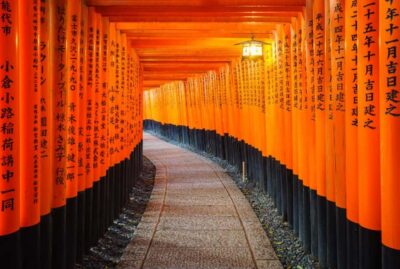
Osaka/Kyoto:Kinkakuji,Arashiyama,FushimiInariShrine,NaraPark
Read our review →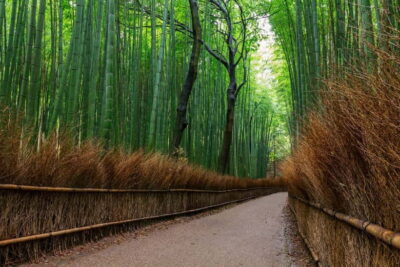
Kyoto/Osaka: Nara, Fushimi Inari Taisha, Arashiyama Bus Tour
Read our review →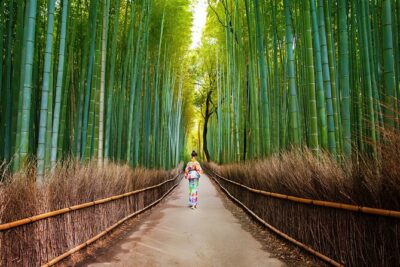
Kyoto Arashiyama Walking Tour: Bamboo, Monkeys, Gardens & Secrets
Read our review →
Arashiyama Bamboo, Temple, Monkeys, or Secret Sake Brewery
Read our review →
Arashiyama Bamboo Forest, Monkeys, Matcha & Temple Tour
Read our review →
Osaka/Kyoto: Arashiyama, Nara & Fushimi Inari Shrine w/Lunch
Read our review →
Nijo, Kinkaku-ji, Arashiyama, Kiyomizu & Fushimi Inari
Read our review →
Kyoto Ghost Tour: Dark Tales, Urban Legends, Bamboo Forest Night
Read our review →Browse the lists this tour appears in