
Reviewed · TEA CEREMONY EXPERIENCES
Elegant Tea Ceremony While Wearing Kimono Experience in Kyoto
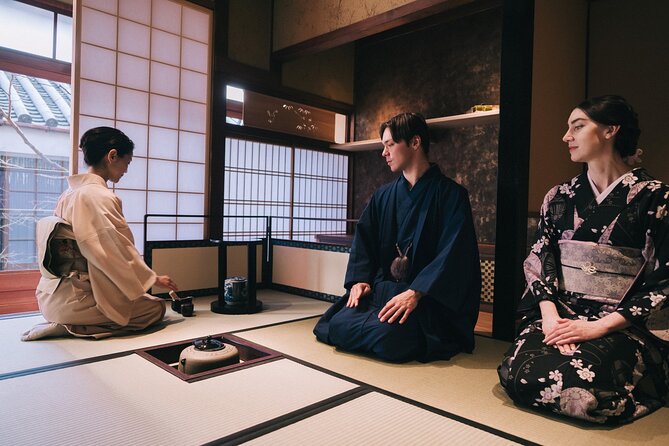
Kyoto’s tea ceremony becomes much more memorable when you first dress for it. At Nishiki Orizuruya, you choose a kimono, have it fitted by the staff, and, for women, receive free hair styling before entering the tea room. You then watch a tea master and prepare your own bowl of matcha.
I like the small group size, capped at 10, and the choice of a second activity. Calligraphy gives you a keepsake, gold leaf lets you decorate a small plate, and the Nishiki option adds food culture and neighborhood sights. The main consideration is that the ceremony is formal, and one visitor felt the historical explanation was brief.
Key Points
- Kimono dressing and hair styling come before the tea ceremony, with a broad choice of clothing and accessories.
- You make your own matcha after watching a professional tea master demonstrate the ritual.
- Seasonal wagashi comes from a 100-year-old confectionery, adding a traditional taste to the tea.
- Three add-ons suit different interests: calligraphy, gold leaf decoration, or a Nishiki Market walk.
- The Nishiki Market option lasts about 150 minutes, while the basic ceremony takes about 90 minutes.
- The group is limited to 10 people, and the venue is about a minute from Nishiki Market.
Dressing for Kyoto Before the Tea Begins
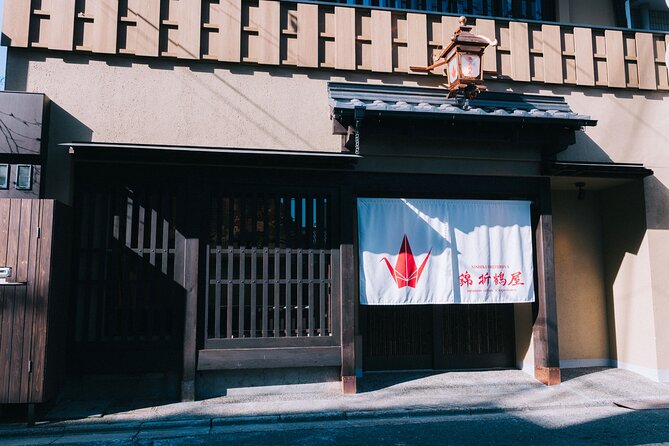
The experience starts at Nishiki Orizuruya, at 452 Jūmonjichō in Kyoto’s Nakagyo Ward. It is about a minute’s walk from Nishiki Market, so the location works well if you already plan to visit Kyoto’s famous food street.
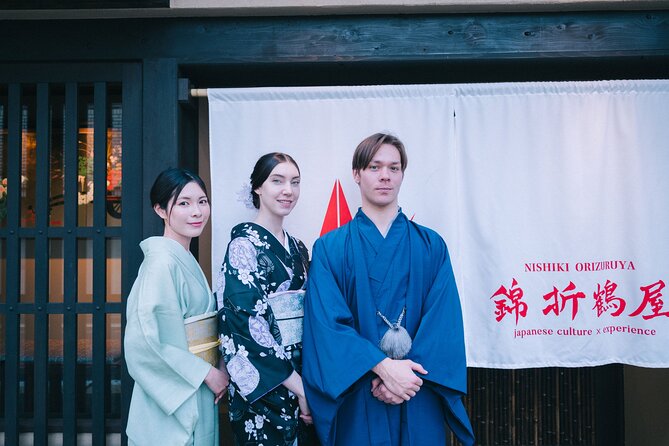
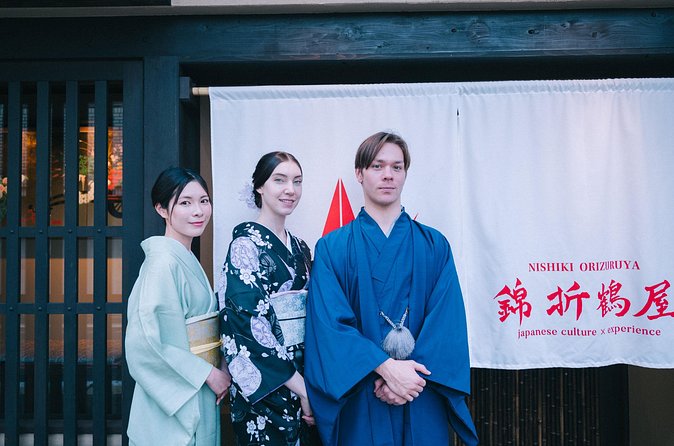
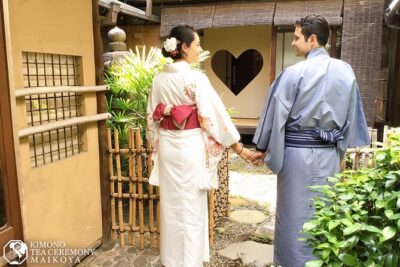
First, you choose your kimono and accessories. The staff dress you rather than leaving you to manage the layers yourself, which matters because traditional clothing can be awkward to arrange without help. The fitting process also gives the visit a sense of occasion. You are not simply watching a cultural demonstration in everyday clothes. You are prepared for the setting.
Women receive free hair styling. The finished look creates plenty of photo opportunities, and the staff are also willing to help take pictures during the visit. Several details make this part especially useful for families: children from age five can participate, the staff are patient with different body sizes, and a chair can be provided if sitting on the floor is difficult.
The choice appears strongest for women. Men can take part, but the selection of men’s kimono options may feel less exciting. Keep that in mind if your group is hoping for an equally wide range of styles for everyone.
The clothing is one of the experience’s practical pleasures, but it also affects your schedule. Allow enough time before the ceremony for dressing and styling, and arrive at least 10 minutes before your scheduled start. This is not an activity to squeeze between two tightly timed sightseeing stops.
Other kimono experiences in Kyoto people book:
- Kimono Tea Ceremony at Kyoto Maikoya, NISHIKI
★ 5.0 · 911 reviews - Kyoto: Kimono Rental with Hairstyling and Accessories
★ 4.8 · 653 reviews - Kyoto: Kimono Tea Ceremony at Orizuruya Gion
★ 4.9 · 618 reviews
Inside the 90-Minute Tea Ceremony
Once dressed, you enter a traditional tea room for the main ceremony. The tea master demonstrates the proper movements, explains the customs in English, and shows you how the parts fit together. The setting is quiet and measured, a useful change of pace from Kyoto’s busy shopping streets.
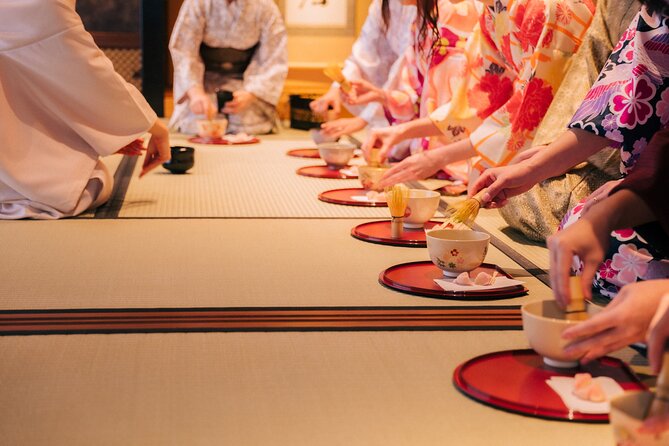
You will watch the preparation of matcha, then make your own tea with a bamboo whisk. This hands-on step is the heart of the experience. Instead of treating the ceremony as a performance, you learn enough of the process to take part in it.
The tea is served with seasonal wagashi, traditional Japanese sweets supplied by a confectionery with more than 100 years of history. The pairing matters. The sweetness of the wagashi balances the sharp, grassy taste of matcha, and the seasonal element gives the small serving a connection to Japanese food traditions.
If you have never had matcha before, expect a strong flavor rather than the taste of ordinary green tea. The ceremony gives you a better sense of why the drink is prepared and served with such care. You may not become a matcha convert, but you will leave knowing more than you would from simply ordering a cup at a café.
The English guidance is generally a strong point. Ruriko is specifically noted for explaining the meaning behind the ceremony, while another tea host is described as both engaging and clear in English. Still, the amount of background can vary. One person found the activity enjoyable but wished for more explanation about the history and meaning of each step.
That is a fair expectation to set. This is a short visitor experience, not a full course in Japanese tea tradition. You receive a practical introduction, a demonstration, and a chance to make tea. If you want a long lecture on tea schools, philosophy, or historical development, this may feel light. If you want to participate without committing to a full day of study, the balance works well.
Choosing Calligraphy After Matcha
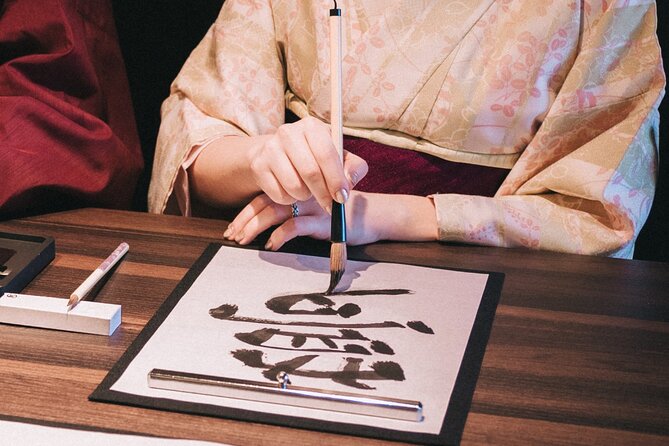
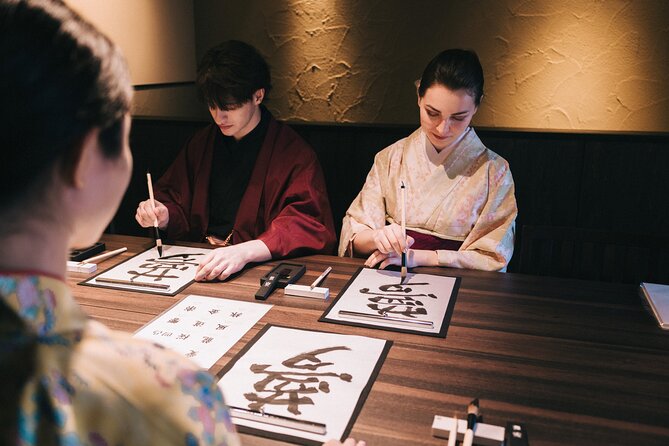
The calligraphy option adds a brush-and-ink lesson after the tea ceremony. You learn how to hold and use the brush, then write a favorite kanji on washi paper. The result becomes a personal souvenir rather than another shop purchase.
This option suits you if you enjoy quiet, hands-on activities. Calligraphy rewards patience, and the finished character does not need to look perfect to be meaningful. You choose the word, which makes the piece more personal than a standard souvenir.
Families may find this a good follow-up to the tea ceremony. The tea session asks you to observe and copy a careful process. Calligraphy continues that theme, but lets you create something you can take home. One family described learning the art as a highlight, especially after dressing in kimono.
The calligraphy addition is also a good choice for anyone who prefers an indoor cultural activity. It does not depend on the weather, and it keeps the pace calm after the formal ceremony.
Applying Gold Leaf to a Small Plate
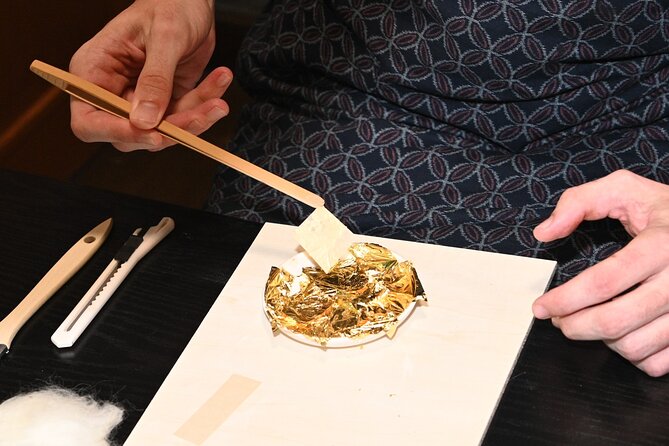
The gold leaf plan lasts about 130 minutes. After the tea ceremony, you decorate a small plate with high-purity gold leaf, then take home the finished item.
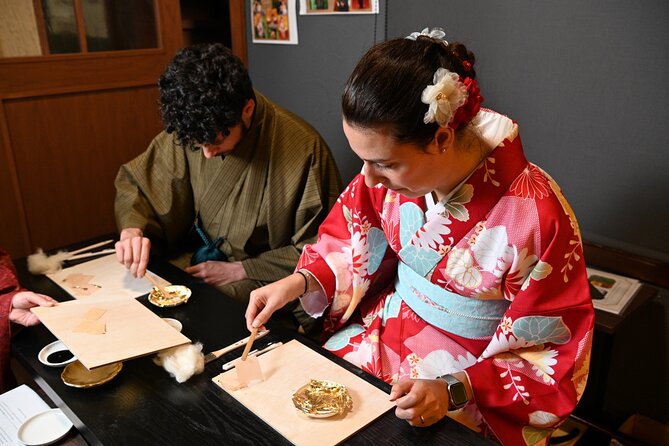
This is the most craft-focused choice. Gold leaf is delicate, so the appeal comes from trying the technique yourself rather than expecting a polished professional object. You get a souvenir with a direct connection to the afternoon’s activity.
I would choose this option if you want a tangible item but do not need to write a kanji or spend time walking through the market. It also gives you a clear second stage to the experience, making the longer booking feel purposeful.
The description does not specify every design choice or the exact size of the plate, so do not book it expecting a large piece of artwork. Think of it as a small, hands-on introduction to gold leaf decoration.
Other tea ceremonies in Kyoto people book:
- Kyoto: Tea Ceremony in a Traditional Tea House in Kiyomizu
★ 4.9 · 3,519 reviews - Kyoto: Tea Ceremony Ju-An at Jotokuji Temple
★ 4.9 · 3,207 reviews - Kyoto: 45-Minute Tea Ceremony Lesson Experience
★ 4.3 · 2,378 reviews - Kyoto: Table-Style Tea Ceremony at a Kyo-Machiya
★ 4.9 · 1,211 reviews
Taking the 150-Minute Nishiki Market Walk
The longest plan combines tea with a guided walk through Nishiki Market and the nearby area. Nishiki is often called Kyoto’s Kitchen, and its food stalls, old shops, shrines, and shopping streets offer a natural continuation of the tea experience.
This is the best option if you want context beyond the tea room. The guide connects the activity to Kyoto’s food culture and local streets rather than ending the visit at the venue. Lina is specifically praised as a market guide, so ask for her if she is leading your session, though guide assignments are not guaranteed.
The walk also helps you make better use of the location. Since the venue sits close to Nishiki Market, you avoid a long transfer between the ceremony and the neighborhood tour. You can move from seasonal sweets and matcha to the wider food culture of Kyoto in one outing.
The trade-off is time. At about 150 minutes, this plan is longer than the 90-minute ceremony, and Nishiki Market can become crowded on weekends, holidays, and during special events. If you dislike busy shopping lanes, the calligraphy or gold leaf option may feel more comfortable.
Still, I consider the market plan the strongest choice for a first visit to Kyoto. It joins a formal art with everyday local life. You get the quiet tea room, then see where food and shopping shape the surrounding district.
What the Price Includes at $50.58
At $50.58 per person, the value depends on what you would otherwise pay for each part. You are not paying only for a cup of matcha. The fee covers kimono rental, dressing assistance, the tea ceremony, matcha preparation, seasonal sweets, and one selected follow-up activity.
Women also receive hair styling at no extra charge. That is a meaningful inclusion if you would otherwise book a separate kimono rental and photography-style dressing appointment. You also get staff assistance with pictures, which saves you from trying to capture every detail yourself.
The basic plan is about two and a half hours when dressing and the chosen activity are included, although the tea portion itself lasts about 90 minutes. The gold leaf plan takes about 130 minutes, and the Nishiki walk about 150 minutes. For a central Kyoto activity that combines clothing, instruction, food, and a craft or guided walk, the price is reasonable.
The value is weaker if you only want a quick tea tasting. You will spend time getting dressed, and the formal style may feel like more than you need. The value is strongest for first-time visitors, families, couples, and anyone who wants photographs and participation rather than a passive cultural show.
Some bookings allow you to keep the kimono on while walking around the nearby streets, with the clothing returned later in the day. The details indicate that this can extend the experience beyond the tea room, but confirm the return time and conditions when booking. If available, it adds real value because you can visit Nishiki Market in costume instead of changing immediately.
Group Size, Comfort, and Timing
The maximum group size is 10 people. That is small enough for the staff to help with dressing, answer questions, and guide the tea preparation without making the room feel like a large class.
The experience is near public transportation, and it ends back at Nishiki Orizuruya. You do not need to arrange a separate return transfer. Plan the rest of your day around the fixed start time, though, because confirmation is subject to availability and may arrive within 48 hours of booking.
Comfort deserves attention. The tea ceremony traditionally involves sitting on the floor, but a chair can be provided if needed. Tell the staff in advance if this matters to you. The clothing is designed for the activity, but you should still expect a more restrictive fit than everyday clothes.
Children aged five and older can join, but there is no child discount. For a family, the kimono dressing, hair styling, photos, and hands-on activities give children several ways to stay interested. Younger children may find the quiet ceremony difficult, so consider their ability to sit still before booking.
Bring only what you need and keep an eye on valuables. You are responsible for your own belongings. The activity can be canceled with a full refund in severe weather or a natural disaster such as a typhoon, but ordinary cancellations or changes are not refundable.
Who Will Enjoy This Kyoto Experience Most
I would recommend this to you if you want a structured cultural activity with a clear beginning, middle, and end. The kimono preparation sets the mood, the tea ceremony provides the main lesson, and the add-on gives you a second way to participate.
It works especially well for:
- Families with children aged five and older
- First-time visitors who want an easy introduction to tea and kimono
- Couples or friends looking for photographs in traditional clothing
- People who prefer making something to simply watching a demonstration
- Visitors staying near central Kyoto and planning to see Nishiki Market
You may want to skip it if you dislike formal rituals, floor seating, or wearing layered clothing. It may also disappoint you if you expect a long academic talk about tea ceremony history. The instruction is practical and welcoming, but the depth of explanation can vary.
For the add-on, choose calligraphy if you want a personal paper keepsake, gold leaf if you want a small decorated object, and the Nishiki walk if you want the broadest look at the neighborhood.
Should You Book Nishiki Orizuruya?
I would book this experience if you want to do more than look at Kyoto’s traditions from a distance. The strongest parts are the careful kimono dressing, the chance to make your own matcha, the friendly English guidance, and the choice between three worthwhile follow-up activities.
Choose the Nishiki Market plan for the fullest afternoon and the best connection to Kyoto’s food culture. Choose calligraphy or gold leaf if you prefer a quieter indoor activity and a souvenir made by hand.
At $50.58, it offers good value for an outfit, styling, instruction, sweets, tea, and a second cultural activity. Just arrive early, allow time for the clothing process, and remember that the booking is non-refundable. If those conditions suit your plans, this is a thoughtful and accessible way to add a little ceremony to a Kyoto visit.
FAQ
Where does the tea ceremony take place?
It takes place at Nishiki Orizuruya, 452 Jūmonjichō, Nakagyo Ward, Kyoto, 604-8121, Japan. The venue is about a minute’s walk from Nishiki Market.
How long does the experience last?
The basic tea ceremony lasts about 90 minutes. The gold leaf option takes about 130 minutes, and the Nishiki Market walking option takes about 150 minutes. Dressing and hair styling are part of the overall visit.
Is the experience offered in English?
Yes. All plans are guided in English, and the tea ceremony is led by an English-speaking host or tea master.
What does the tea ceremony include?
You watch a tea demonstration, learn about the ceremony, prepare your own matcha with a bamboo whisk, and eat seasonal wagashi from a 100-year-old confectionery.
Can children participate?
Children aged five and older may join. There is no child discount.
What activities can I choose after the tea ceremony?
You can choose Japanese calligraphy, gold leaf decoration on a small plate, or a guided walk through Nishiki Market and the nearby area.
Is kimono rental included?
Yes. All plans include kimono rental. Women also receive free hair styling.
What happens if the weather is severe?
The activity may be canceled during severe weather or a natural disaster such as a typhoon. In that case, the amount paid is fully refunded. Ordinary cancellations or amendments are non-refundable.
More tea ceremonies elsewhere in Japan
- Kyoto: Arashiyama Bamboo Forest, Monkeys, Matcha & Temple Tour
★ 5.0 · 759 reviews - Kyoto: Tea Museum Tickets and Matcha Grinding Experience
★ 4.9 · 739 reviews - Kyoto: Tea Ceremony in 100-year-old Kyo-Machiya Townhouse
★ 4.8 · 546 reviews - Kyoto: Tea Ceremony Experience
★ 4.8 · 511 reviews
More kimono experiences elsewhere in Japan
- KYOTO Tea Ceremony with kimono near by Imamiya Jinjya Shrine
★ 5.0 · 343 reviews - Kyoto: Kimono and Tea Ceremony Experience at Cultural Asset
★ 4.3 · 306 reviews - Kyoto: Traditional Kimono Rental
★ 4.7 · 265 reviews - Kyoto: Kimono Tea Ceremony with Matcha and Sweet
★ 4.9 · 249 reviews
Just added in Kyoto
- Private Cooking Class Udon in Kyoto Japan★ 5.0 · 23 reviews
- Your Private Vacation Photography Session In Kyoto★ 5.0 · 110 reviews
- Kyoto: Zen Meditation at a Private Temple with a Monk★ 5.0 · 25 reviews
- Private Pewter Sake Cup Experience with a Kyoto Artisan★ 5.0 · 31 reviews
- Kyoto Wagashi(Japanese sweets) Cooking Class near Fushimiinari★ 5.0 · 60 reviews
- Kyoto: Gion Geisha District & Sake-in-Hand Walking Tour★ 5.0 · 37 reviews
- Kyoto:Family-Friendly Kimono & Yukata Experience at WARGO★ 5.0 · 147 reviews
- Private Guided Traditional Buddhist Cooking in Japan★ 5.0 · 16 reviews
Tea Ceremony Experiences, compared.

Tea Ceremony in a Traditional Tea House in Kiyomizu
Read our review →

World Heritage Kyoto & Nara Uji Authentic Matcha Experience
Read our review →

Arashiyama Bamboo Forest, Monkeys, Matcha & Temple Tour
Read our review →Browse the lists this tour appears in