
Reviewed · GEISHA & GION DISTRICT TOURS
Kyoto: Gion Local Food Tour (Taste 15 Dishes)
Kyoto’s Gion district is at its best after dark, when lanterns glow and small eateries fill with the sounds of dinner. This three-hour food walk gives you a practical way into that world, with 15 local dishes spread across yakitori, tonkatsu, sushi, and tempura. Your guide handles ordering and translation, so you can focus on eating rather than decoding menus.
I like two things here: the wide range of food and the cultural stops between meals. Guides such as Ryu and Yu have used the walk to explain Yasaka Shrine, Shinto customs, and the meaning of its lanterns. The main caution is that the exact food mix and number of stops may vary, and one poor experience involved only two restaurants and too many chicken skewers.
Key points to know before you book
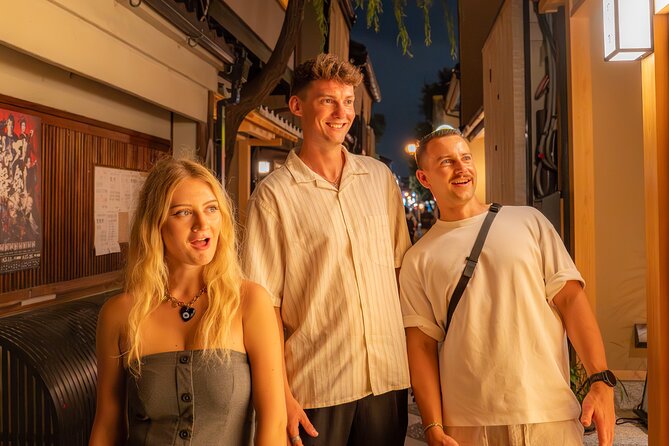
- Three evening food stops: Visit places around Kawaramachi, Gion, and Gion Shirakawa.
- Fifteen tastings and two drinks: The menu can include yakitori, tonkatsu, sushi, and tempura.
- Small-group format: The maximum group size is 15 people, with some departures feeling much smaller.
- Guidance with ordering: Your local guide manages menus, translation, and the flow between restaurants.
- A food tour with a cultural walk: The route may include time at Yasaka Shrine while the next dish is prepared.
- Price and expectations matter: At $94 per person, you are paying for food, drinks, guidance, and access to local-style restaurants, not a high-end tasting menu.
A Kyoto dinner that begins with local customs
This is not a formal restaurant crawl built around elaborate presentation. It is closer to a guided evening out, moving from casual Japanese food to more familiar favorites while your guide explains what you are eating.
That distinction matters. The first stop is an izakaya-style meal, the sort of place where people order several small dishes with drinks. You may get yakitori and other chicken preparations rather than one large entree. Later stops bring tonkatsu, sushi, and tempura, giving you a broader look at everyday Japanese dining.
I like that the food is paired with explanation. A guide such as Misaki has been praised for clear communication in both Japanese and English, while guides including Lemonie and Liu have added food advice and suggestions for the rest of a Kyoto visit. The guide is not just carrying you from one plate to the next. The goal is to help you understand how local people eat, order, and spend an evening together.
Still, keep your expectations grounded. The food is described as local and casual, not luxury dining. One disappointing account felt that the first part leaned too heavily on inexpensive chicken skewers. If you want refined kaiseki cuisine or rare ingredients, this is the wrong choice. If you want a relaxed first look at Kyoto’s casual dining culture, it makes more sense.
Other evenings in the old entertainment quarters of Kyoto:
- Kyoto Geisha Walking Tour: Gion District & Hidden Gems
★ 4.7 · 3,273 reviews - Kyoto: Gion Magical Night Walking Tour with Geisha Trivia
★ 4.9 · 2,393 reviews - Kyoto: Gion Geisha District Walking Tour – Stories of Geisha
★ 4.7 · 2,187 reviews
Kawaramachidori and the first round of yakitori
Meet at 6:30 p.m. outside Doutor Coffee Japan at 391 Komeyacho, inside the Kawaramachi New Tokyo Building in Kyoto’s Nakagyo Ward. This is a central starting point, but give yourself time to find the exact storefront and arrive early. One person had trouble locating the meeting place, and that sort of delay can put pressure on the whole evening.
The first hour centers on yakitori and other izakaya-style dishes. Yakitori means grilled chicken skewers, but the meal may include several different cuts and preparations. You might find the familiar savory flavor of grilled meat, along with small side dishes that show how an izakaya meal is built.
This part is useful for anyone who has walked past Japanese pubs and wondered how to order. Your guide handles the menu and translation, which removes much of the guesswork. You do not need to study Japanese food vocabulary before arriving, and you can ask questions as each dish appears.
Two drinks are included across the experience. The supplied details do not specify the exact drinks, so do not book this expecting a particular sake, beer, or soft drink. The group format also means dishes are likely shared or presented as part of a common meal, rather than designed as private orders for each person.
The first stop can be the strongest part of the evening if you enjoy casual food and the social side of dining. It can also be the least impressive if you count each small chicken dish as a separate tasting and expected fifteen very different foods. That is the key food caveat in this tour.
A walk toward Yasaka Shrine while dinner continues
The route between restaurants adds a welcome pause. One guide, Ryu, used the walk to Yasaka Shrine to explain Shinto religion and the writing on the shrine lanterns while the group waited for the next food stop.
That detail gives the experience more shape than a simple restaurant-to-restaurant trip. Gion is not only a place to eat. It is an old Kyoto district where religious sites, narrow streets, and evening dining sit close together. A short explanation at Yasaka Shrine can help you notice details you might otherwise pass without understanding.
The walk also lets you make room for the next course. Three hours of tasting can be a lot, especially when the first stop includes several grilled dishes. Comfortable shoes are sensible, even though the tour is not described as a strenuous walk.
Do not treat this as a full sightseeing tour of Gion. The cultural material is part of the food evening, not a long guided visit to every major site. Its value is in the connection between food, neighborhood, religion, and daily life.
The Gion tonkatsu stop brings a change of pace
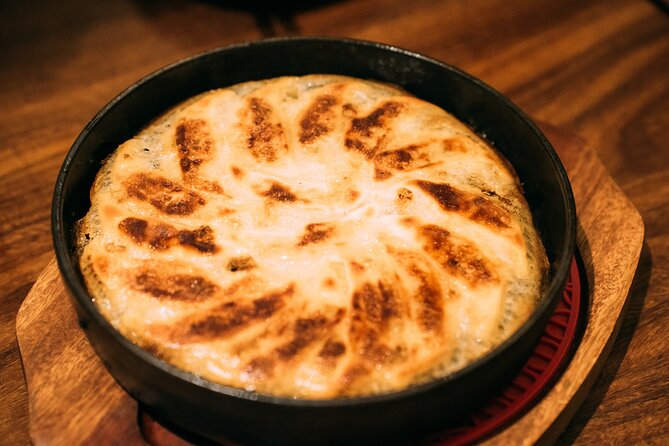
The second hour takes place in Gion and focuses on tonkatsu, a breaded, deep-fried pork cutlet. It is a welcome shift from the first stop’s skewers, with a crisp coating and a more substantial texture.
The supplied information describes the stop as specializing in tonkatsu, while one account refers to pork cutlets served on skewers. That suggests the presentation may vary by restaurant or menu. Either way, this is the part of the tour for a hearty, fried comfort food rather than delicate seafood.
For you, the main advantage is the guide’s role. Tonkatsu is easy to recognize, but menus may include different cuts, sauces, sides, and serving styles. The guide can make the order simple and explain what belongs with the dish.
The drawback is that tonkatsu may feel less distinctly Kyoto than some regional specialties. The tour is not promising a tightly focused Kyoto cuisine lesson. Instead, it gives you a sample of popular Japanese foods in a Kyoto setting. That is a fair exchange for a first evening, but less appealing if you already know Japanese food well.
More eating your way round Kyoto:
- Kyoto Night Foodie Tour in Gion (9+ dishes + 6 Sake tastings)
★ 5.0 · 1,762 reviews - Kyoto: Gion Food Tour 13 Dishes at 4 Eateries
★ 5.0 · 408 reviews - Kyoto Foodie Night Tour
★ 5.0 · 376 reviews - Kyoto: Gion & Pontocho Food Tour with 13 Dishes
★ 4.9 · 235 reviews
Gion Shirakawa finishes with sushi and tempura
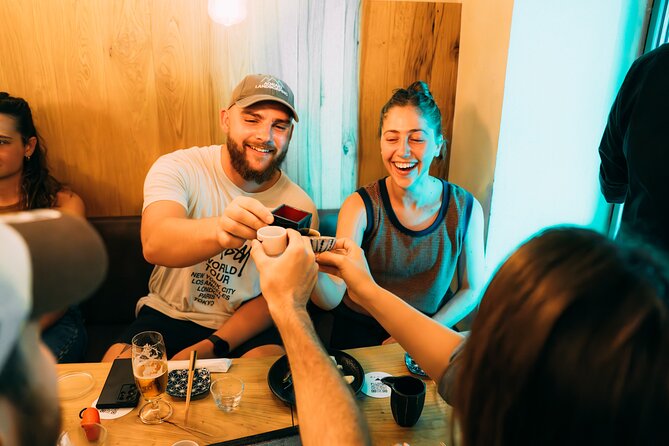
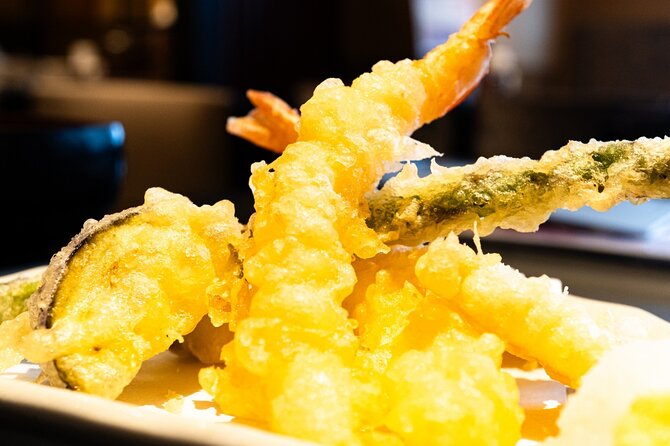
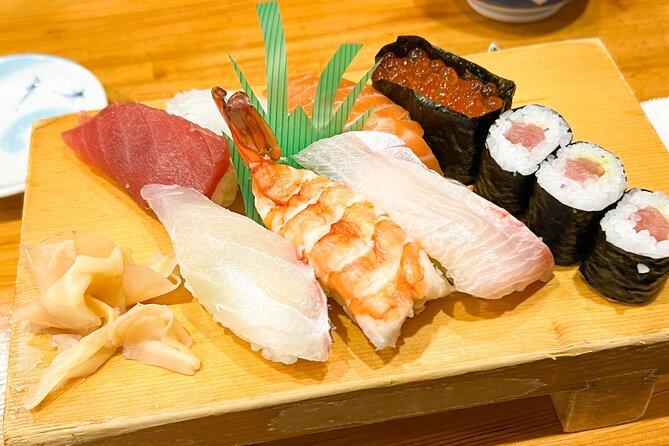
The final stop in Gion Shirakawa combines sushi and tempura. It is the broadest finish, moving from the grilled and fried foods of the first two stops to two of Japan’s best-known dishes.
The exact sushi and tempura selection is not specified, so expect variety rather than a fixed menu. Your guide can help you understand what arrives and how to approach it. This is especially handy if you are unsure about dipping sauces, condiments, or unfamiliar ingredients.
The setting in Gion Shirakawa adds atmosphere without requiring a separate sightseeing commitment. The tour ends back at the original meeting point, so you are not left to find your way from a final restaurant in an unfamiliar part of town.
A practical point: the itinerary describes three one-hour stops, but one account reported that a first restaurant failed to materialize because of a confirmation problem. The guide continued the evening, but the missed stop reduced the variety. Another complaint described receiving mainly chicken dishes at the first restaurant. These appear to be exceptions rather than the intended plan, yet they are worth keeping in mind when fifteen dishes is a major reason for booking.
What $94 buys you in real terms
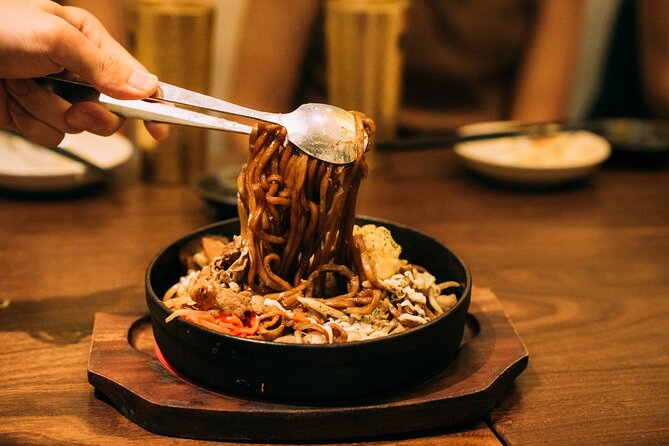
At $94 per person, this is not cheap for a three-hour dinner. The value depends on how much help you want and how comfortable you are ordering on your own.
Your price includes 15 local dishes, two drinks, and a local guide. It also covers the convenience of having someone select or arrange the food, translate, explain customs, and guide you through the evening. For a first night in Kyoto, that service can be worth more than the raw cost of the dishes.
I would compare it with the price of an independent evening across three restaurants, including drinks and small orders. You might spend less on your own, but you would need to find suitable places, deal with menus, decide how much to order, and manage the timing. The tour charges for that planning and access.
The value drops if you expect premium ingredients, large portions, or fifteen completely different dishes. One person felt the chicken skewers were inexpensive food available to students and schoolchildren, not a meal worth the price. The operator presents the experience as everyday Japanese food rather than luxury dining, so you should decide which style suits you before paying.
The 4.9 rating from 171 reviews and 96 percent recommendation point to a generally strong experience, but the low scores show a real risk around communication and food expectations. The best fit is someone who wants guidance and variety, not someone measuring the tour against a high-end restaurant.
Guides make or break the evening
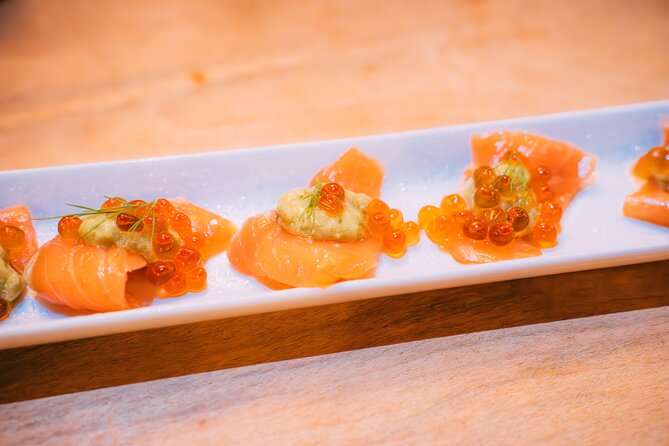
The strongest part of this experience is the person leading it. Names associated with past departures include Ryu, Misaki, Jay, Leo, Yo, Lemonie, Yu, and Liu. You may not receive a particular guide, but the accounts give a clear idea of what a good host adds.
Ryu explained Yasaka Shrine and Shinto customs during the walk. Misaki has been described as warm, fluent in Japanese and English, and good at keeping people updated. Jay helped with the crowded streets and food choices. Leo was praised for a friendly and flexible approach, while Yu explained the shrine and the meaning of the dishes.
Liu’s approach focused on how local people spend an evening, including what they eat and when they eat it. That is useful context because Japanese dining is often about several small orders shared over time, not one fixed plate delivered at once.
Group size is capped at 15, though some departures have been much smaller. A small group changes the feel. You can ask more questions, hear the guide more easily, and dine with less waiting. A full group may feel less personal, but the cap keeps it from becoming a large bus-style outing.
Who should book this Gion food tour?
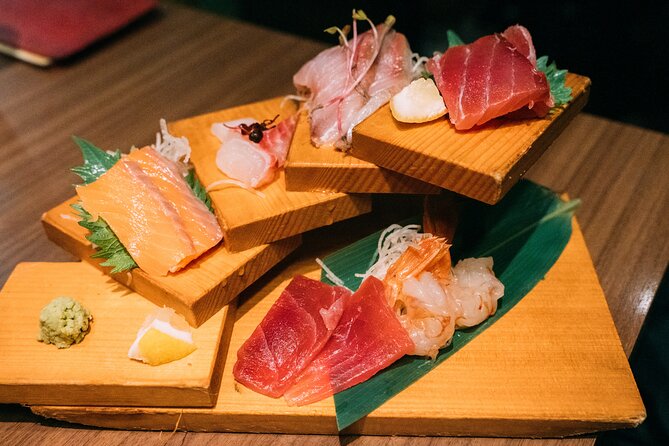
I would choose this tour for a first or second night in Kyoto, especially if you want help finding casual restaurants. It is also a good match for solo visitors or couples who want company at dinner, and for anyone worried about language barriers.
It suits adventurous eaters who enjoy trying several small dishes. It can also work well for people who want an introduction to yakitori, tonkatsu, sushi, and tempura without committing to a single restaurant.
Families and older visitors should note the evening timing and the movement between stops. The tour starts at 6:30 p.m. and lasts about three hours. The information says most people can participate, but it does not provide detailed mobility information, so ask the operator if you have specific access needs.
I would skip it if you want a quiet, elegant meal, a strict menu, or a specialist tour devoted only to Kyoto cuisine. I would also think twice if you dislike fried food or chicken, since the first part may lean in that direction.
Booking details that can save you trouble
The meeting point is Doutor Coffee Japan, 391 Komeyacho, Kawaramachi New Tokyo Building 1F, Kyoto 604-8026. Use the full address rather than relying only on the name, and allow extra time to locate the entrance.
The tour uses a mobile ticket and returns to the meeting point. Confirmation arrives when you book. The maximum group size is 15, and the tour requires a minimum number of people. If the minimum is not reached and the experience is canceled, you are offered another date or a full refund.
Free cancellation is available up to 24 hours before the 6:30 p.m. start time. Changes or cancellations inside that window are not accepted for a refund. Gratuity is not included, so plan for that separately if you choose to thank your guide.
Should you book it?
Book this Gion food tour if you want an easy, social introduction to Kyoto dining, with translation, two drinks, and a broad set of tastings included. The shrine walk and guide-led explanations add value, and a good host can turn ordinary dishes into a useful lesson about local life.
Before booking, accept that the food is casual and the fifteen dishes may not mean fifteen entirely different specialties. The exact guide, restaurant flow, and menu can change. At $94, the tour is best for convenience, context, and access, not for luxury food.
FAQ
How long does the Kyoto Gion food tour last?
The tour lasts approximately three hours, with about one hour allocated to each of the three food stops.
What time does the tour start?
The tour starts at 6:30 p.m. local time.
Where does the tour meet?
The meeting point is Doutor Coffee Japan at 391 Komeyacho, Kawaramachi New Tokyo Building 1F, Kyoto 604-8026.
Where does the tour end?
The activity ends back at the original meeting point.
How many dishes are included?
The tour includes 15 local dishes. The food may include yakitori, izakaya-style dishes, tonkatsu, sushi, and tempura.
Are drinks included?
Yes. Two drinks are included in the tour price.
What is the maximum group size?
The activity has a maximum of 15 people.
Can I cancel for a refund?
Yes. You can cancel at least 24 hours before the start time for a full refund. Cancellations or changes made less than 24 hours before the start are not accepted for a refund.
Just added in Kyoto
- Kyoto: Zen Meditation at a Private Temple with a Monk★ 5.0 · 25 reviews
- Private Cooking Class Udon in Kyoto Japan★ 5.0 · 23 reviews
- Your Private Vacation Photography Session In Kyoto★ 5.0 · 110 reviews
- Private Pewter Sake Cup Experience with a Kyoto Artisan★ 5.0 · 31 reviews
- Kyoto Wagashi(Japanese sweets) Cooking Class near Fushimiinari★ 5.0 · 60 reviews
- Kyoto:Family-Friendly Kimono & Yukata Experience at WARGO★ 5.0 · 147 reviews
- Private Guided Traditional Buddhist Cooking in Japan★ 5.0 · 16 reviews
- Kyoto: Gion Geisha District & Sake-in-Hand Walking Tour★ 5.0 · 37 reviews
Geisha & Gion District Tours, compared.
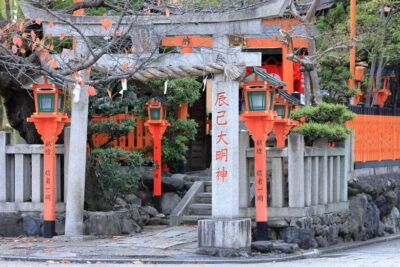
Kyoto Geisha Walking Tour: Gion District & Hidden Gems
Read our review →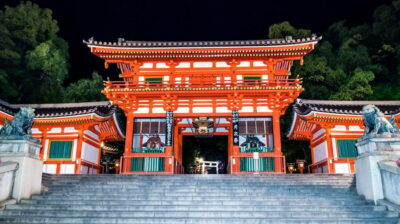
Gion Geisha District Walking Tour – Stories of Geisha
Read our review →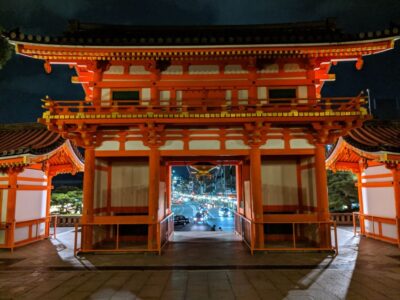
Best of Kyoto: Gion, Geisha, Pagodas & Cobblestones
Read our review →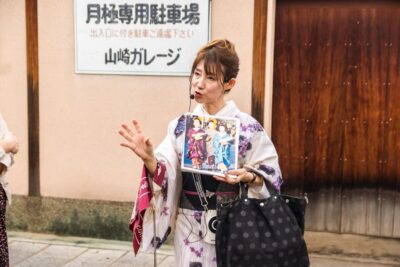
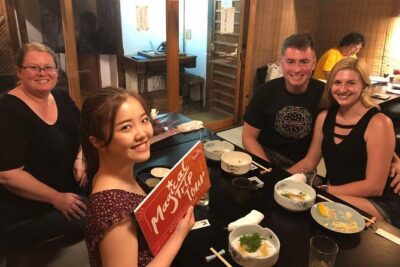
Kyoto Night Foodie Tour in Gion (9+ dishes + 6 Sake tastings)
Read our review →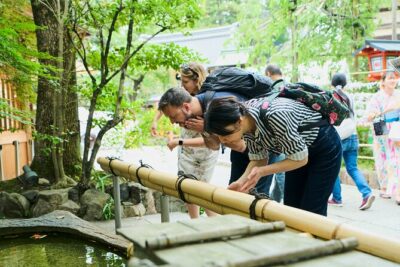
Kyoto Gion: 2-Hour Geisha Culture & History Walking Tour
Read our review →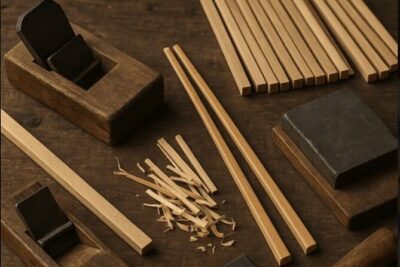
Chopsticks Making Workshop in Gion with Engraving Option
Read our review →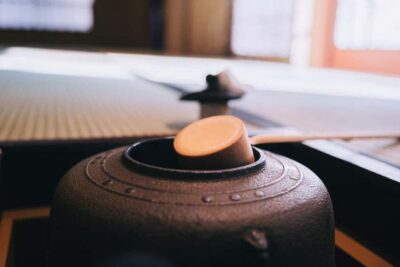
Browse the lists this tour appears in