
Reviewed · GEISHA & GION DISTRICT TOURS
Kyoto Gion: 2-Hour Geisha Culture & History Walking Tour
Gion is more than a pretty street lined with wooden buildings. It is a working district shaped by geisha houses, shrine traditions, old restaurants, and strict customs. This two-hour walk brings those details together, with a possible geisha sighting as an added bonus rather than a promise.
I like the mix of famous sights and quieter lanes, and I like that guides such as Uta, Dan, Naoya, Soyo, and Alex explain how maiko training, kimono craft, hairstyles, and dance fit into Gion life. The drawback is that you cover a lot of ground in two hours, and there is no scheduled drink stop, which matters on a hot day.
Key points to know before you book
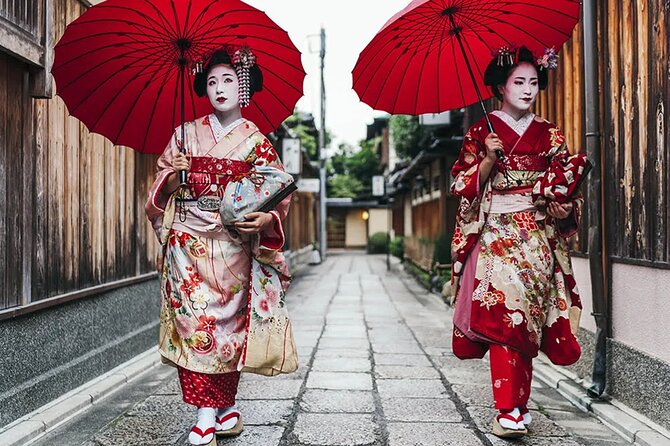
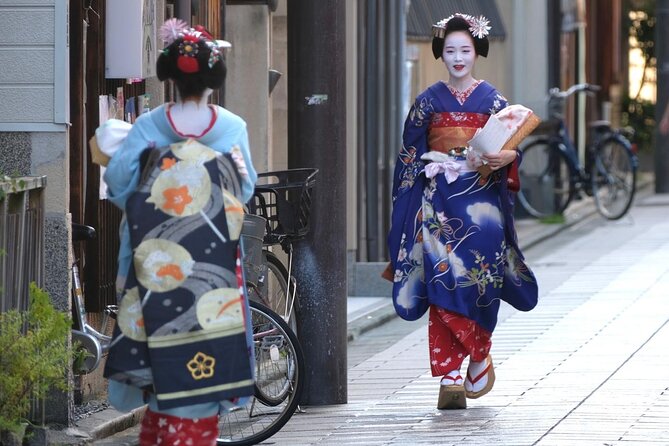
- A real chance to see a geisha: The route passes through working geisha neighborhoods, especially around Hanamikoji Street, but sightings are never guaranteed.
- Seven cultural stops in two hours: You visit streets, shrines, temples, riverside areas, and historic townhouses at a brisk pace.
- Guides bring the stories to life: Uta, Dan, Naoya, Soyo, Kenta, Ukyo, Alex, and Oliver are among the guides praised for clear English, patience, humor, and local insight.
- The group is capped at 15 people: That keeps the walk more personal than a large bus tour, though stops may still feel busy.
- Best timing for atmosphere: Sunset and early evening can make the walk especially attractive, and around 5 to 6 p.m. may give you a better chance of seeing a geisha.
- Good value at $23.88: You get two hours of guiding across several of Kyoto’s best-known historic areas, with no separate admission fees listed.
Why this Gion walk works better than wandering alone
You can walk through Gion by yourself and enjoy the lanterns, tiled roofs, and narrow lanes. The trouble is knowing what you are looking at. A wooden townhouse may appear to be just an old building, while a guide can explain its place in Kyoto’s past and point out how the district still functions today.
That context is the main reason to book this experience. The walk is not simply a photo circuit. It connects the world of geisha and maiko with shrine worship, traditional architecture, food streets, and the layout of old Kyoto.
The guides also add a human element. Uta is described as lively, friendly, and particularly engaging in English. Dan is praised for storytelling and his grasp of Gion’s past. Naoya is noted for patience, including helping when someone arrived late after taking the wrong bus. Soyo and Uta have led guests through geisha customs, while Alex has been praised for keeping an international group together and engaged.
The quality of a walking tour depends heavily on the person holding the umbrella or setting the pace. Here, the repeated praise for guides such as Uta, Dan, Naoya, and Soyo is encouraging. Still, the exact guide varies, so you should book this for the route and subject, not for one guaranteed individual.
Other walking tours in Kyoto people book:
- Kyoto Geisha Walking Tour: Gion District & Hidden Gems
★ 4.7 · 3,273 reviews - Kyoto: Gion Magical Night Walking Tour with Geisha Trivia
★ 4.9 · 2,393 reviews - Kyoto: Gion Geisha District Walking Tour – Stories of Geisha
★ 4.7 · 2,187 reviews
Starting at Shijo-ohashi Bridge
The meeting point is outside McDonald’s at 105-1 Hashimotocho, near Shijo-ohashi Bridge. This is a practical starting place because the tour begins close to public transportation and near the central parts of Kyoto.
You should arrive ready to walk. The experience requires a moderate level of physical fitness, and the route moves through streets, lanes, shrine grounds, and temple areas. It is not described as a strenuous hike, but two hours on your feet can feel long in Kyoto’s summer heat.
The group can include up to 15 people. That is small enough for questions and conversation, but not so small that you should expect a private guide. Stay near the guide at crossings and narrow streets, especially when the district is busy.
Hanamikoji Street and the working world of geisha
Hanamikoji Street is the natural opening to a tour about Gion. It is one of the district’s best-known streets and a place where you might see a geisha or maiko moving between appointments.
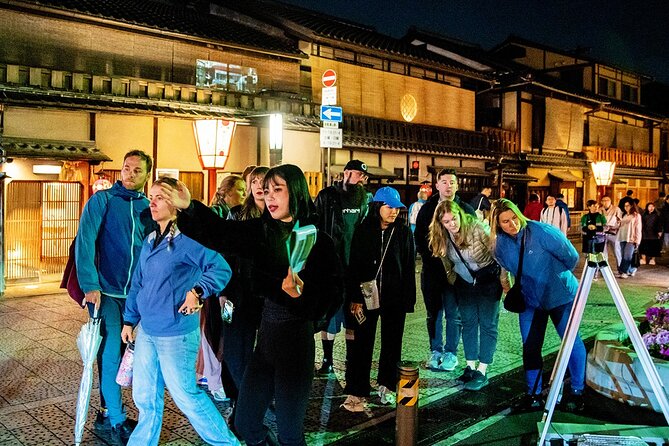
The guide explains the difference between the two, along with the training involved in becoming a geisha. You learn about dance, music, formal behavior, makeup, hairstyles, and the work behind the elaborate kimono. This is where the tour moves beyond the common outsider image of geisha as simply women in beautiful clothing.
Keep your expectations sensible. A sighting can happen, especially around the early evening, but it is not part of the guaranteed service. Guides have suggested that the 5 to 6 p.m. period may offer better odds. If you do see a geisha, treat the moment with care. Do not block her path or turn the encounter into a chase.
Hanamikoji can also be crowded, particularly during popular photo hours. The guide’s explanation helps you focus on the district as a living place rather than just a backdrop.
Sannenzaka and Ninenzaka, Kyoto’s famous photo streets
The walk continues toward Sannenzaka and Ninenzaka, two sloping streets known for traditional buildings, shops, and classic Kyoto views. These lanes are among the city’s most photographed places, and your guide explains the local story behind the claim that falling on the steps means you will die within two years.
The value here is not only the photograph. The guide helps separate local belief from fact and gives the street a sense of place. You can also see how Kyoto presents its older architectural style to modern visitors.
This section may be one of the more crowded parts of the walk. If you want quiet photographs, you may need to accept that other people will be in the frame. The stop is short, about 15 minutes, so it is best for orientation and a few pictures rather than extended shopping.
Other evenings in the old entertainment quarters of Kyoto:
- Best of Kyoto: Gion, Geisha, Pagodas & Cobblestones
★ 4.9 · 2,058 reviews - Night Walk in Gion: Kyoto’s Geisha District
★ 4.5 · 2,003 reviews - Kyoto Night Foodie Tour in Gion (9+ dishes + 6 Sake tastings)
★ 5.0 · 1,762 reviews - Kyoto Gion Geisha District Walking Tour – The Stories of Geisha
★ 5.0 · 1,441 reviews
Yasaka Shrine and the meaning of worship
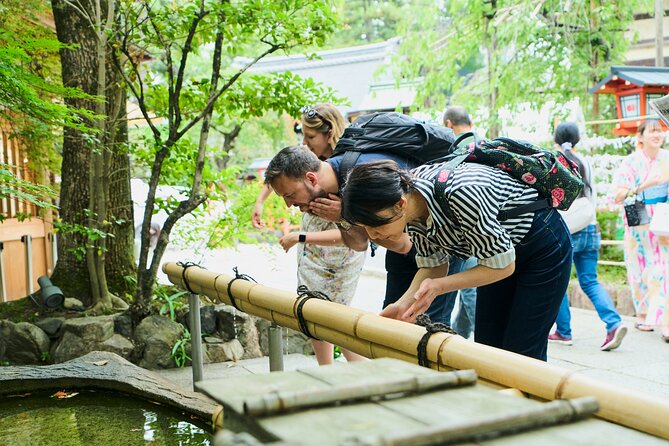
Yasaka Shrine brings a religious center into the route. It is described as a 1,000-year-old shrine, and the 20-minute stop gives you time to look at the grounds while learning how Shinto worship works.
This is an important balance in the tour. Geisha culture can seem like a self-contained world, but Gion developed beside temples and shrines, festivals, local businesses, and neighborhood customs. At Yasaka Shrine, you get a clearer sense of the spiritual side of Kyoto.
Your guide can help you understand the basic gestures and purpose of Shinto worship. That makes the visit more useful than walking through, taking a photograph, and missing the meaning of the place.
Hokan-ji Temple and the city’s most familiar view
Hokan-ji Temple, often recognized by its five-story Yasaka Pagoda, is one of the most photogenic points in this part of Kyoto. The tour allows about 20 minutes here, enough to take in the view and hear some background from the guide.
This is another popular photo stop, so expect other people and limited time. The charm comes from the relationship between the pagoda, sloping lanes, and wooden buildings around it. Your guide can help you find the best angle without turning the stop into a long photography session.
The tour does not list separate entrance fees for the stops, and the listed admission for Hokan-ji is free. You should still follow the guide’s directions about where to stand and how to behave around the temple grounds.
Pontocho and a pause beside the Kamogawa River
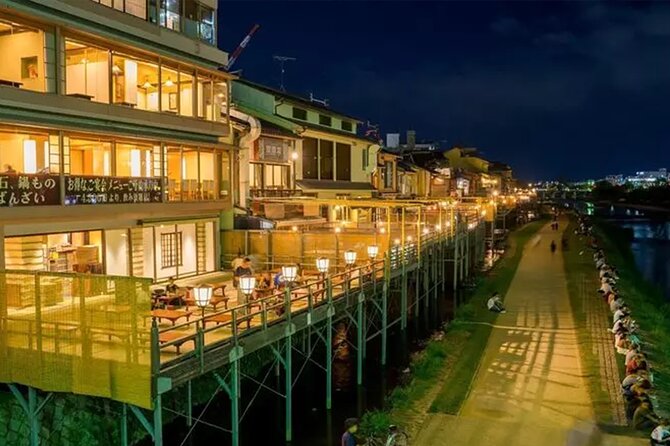
Pontocho adds a different side of Kyoto. This narrow historic dining street is known for restaurants and evening atmosphere. The guide explains its role as a gourmet area and may offer recommendations for places to eat or have a drink later.
Several guides have been praised for useful restaurant and rooftop-bar suggestions. That can be particularly valuable if you have just arrived in Kyoto and want something beyond the standard tourist list.
The route also includes a local place to relax beside the Kamogawa River. The details of this stop are not fixed, but the riverside section gives the walk a change of pace after streets and shrine grounds. It is a good moment to ask about dinner, nightlife, or other Kyoto areas.
Do not count on a formal refreshment break. One guide-led walk was described as difficult in very hot weather because there was no drink stop. Carry water, especially in summer, and remember that the tour keeps moving.
Gion Shirakawa and Edo-period townhouses
Gion Shirakawa is one of the prettiest parts of the route. Its stream, old buildings, and quieter lanes show a softer side of Gion than the main streets around Hanamikoji.
Here, the guide points out wooden townhouses from the Edo period and explains the stories behind them. This is where the architecture becomes more than scenery. You begin to notice narrow entrances, timber fronts, traditional proportions, and the way buildings fit into a compact neighborhood.
The stop lasts about 20 minutes. It is long enough to appreciate the setting, but you should not expect an architectural lecture. The best approach is to listen for the practical details that help you read Kyoto’s older streets after the tour ends.
Gion Shirakawa can be especially pleasant around sunset. The light softens the buildings, and the route feels more atmospheric as evening approaches. At the same time, low light can make uneven paving harder to see, so wear comfortable shoes.
Yasui-Konpiragu and the final lesson in Shinto practice
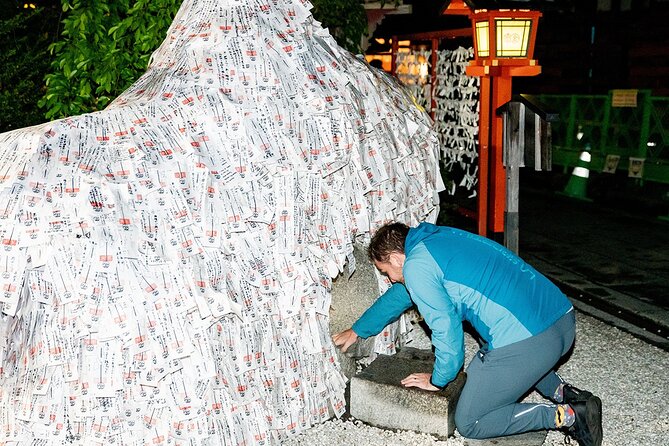
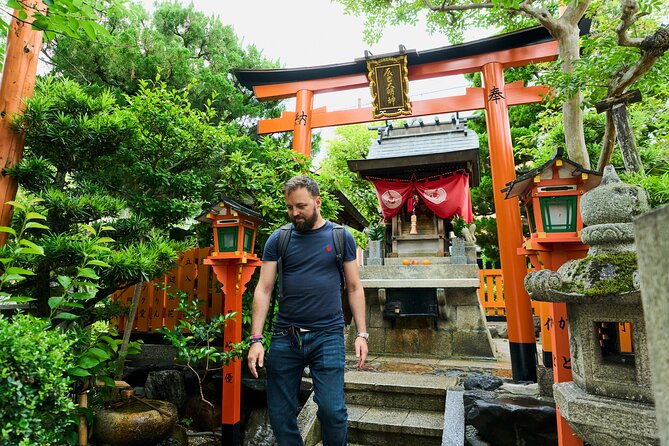
The last listed stop is Yasui-Konpiragu, where you learn more about Shinto worship. The shrine is known for a distinctive ritual involving a large stone, though the supplied tour information does not spell out the full procedure. Your guide explains how to approach the site and what the ritual means.
This ending works because it brings the walk back to belief and everyday practice. You have seen the entertainment district, old streets, food lanes, temples, and townhouses. At Yasui-Konpiragu, you finish with a look at the personal side of Japanese religious custom.
The activity ends back at the original meeting point. That makes the tour easy to fit into a longer Kyoto day, though you should allow time for the return walk and any possible delays at busy crossings.
What $23.88 buys you in practical terms
At $23.88 per person, this is a strong value if you want a guided introduction to Gion. You receive about two hours of local explanation, a route covering several major sights, and practical suggestions for restaurants and other places to visit.
The value is highest for a first visit to Kyoto. You can walk through Gion later with a better sense of what you are seeing. The price also compares well with booking several separate temple visits or paying for a private guide, though this is a shared group experience with up to 15 people.
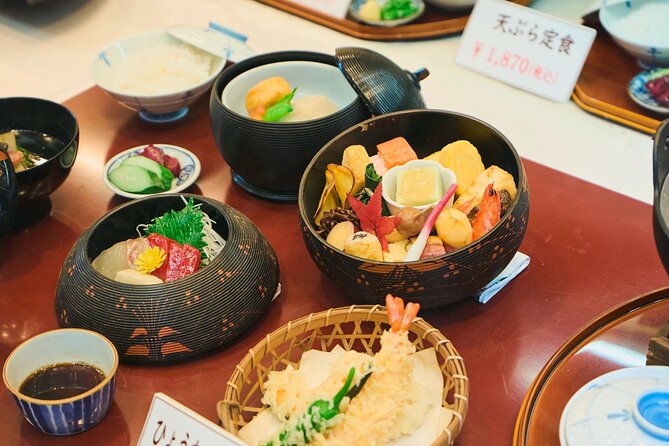
The tour does not include a meal, drink stop, or guaranteed geisha encounter. You are paying for interpretation, route planning, and local perspective. If you mainly want uninterrupted photography or a slow private walk, the brisk schedule and group format may not suit you.
Timing, weather, and what to bring
Early evening appears to be the most appealing time for this route. Around 5 to 6 p.m. may improve your chance of seeing a geisha, while sunset can make Gion Shirakawa and the old streets especially attractive.
The experience requires good weather. If poor weather forces cancellation, you are offered another date or a full refund. You can cancel for a full refund up to 24 hours before the start time. Changes or cancellations inside 24 hours are not accepted for a refund.
Wear shoes you can walk in comfortably and bring water. The route includes several areas where you may stop briefly, but the tour is not designed around long rest periods. In hot weather, the lack of a scheduled drink stop is worth taking seriously.
Who should book this Kyoto walking tour?
I would choose this tour if you want a clear introduction to geisha culture without paying for an expensive private experience. It suits first-time Kyoto visitors, history-minded walkers, photographers who want context, and anyone who would like restaurant suggestions from a local guide.
It also works well as an early trip activity. After two hours, you will know the basic layout of Gion, Pontocho, Yasaka Shrine, and the surrounding lanes. You can then return to the places you liked best on your own.
I would hesitate if you dislike walking in crowds, need frequent breaks, or expect to meet a geisha as part of the guaranteed program. The tour is also less suitable in very hot weather unless you bring your own water and are comfortable staying on your feet.
Should you book it?
Book it for the stories, not just the chance geisha sighting. The route covers a lot in two hours, and the strongest part is the way guides such as Uta, Dan, Naoya, Soyo, and others connect geisha training with Kyoto’s shrines, architecture, food streets, and daily customs.
At $23.88, it offers a useful first look at Gion for a modest price. Choose an early evening departure if available, bring water, wear good shoes, and leave room afterward for dinner in Pontocho or another part of Kyoto.
FAQ
How long does the Gion walking tour last?
The tour lasts approximately two hours.
How much does the tour cost?
The listed price is $23.88 per person.
Can I see a real geisha on the tour?
You might see a geisha, particularly around Hanamikoji Street, but a sighting is not guaranteed.
What time is best for seeing a geisha?
The tour information suggests that around 5 to 6 p.m. may give you a better chance of seeing one.
Where does the tour start?
It starts at McDonald’s near Shijo-ohashi Bridge, at 105-1 Hashimotocho, Shimogyo Ward, Kyoto, 600-8011, Japan.
Where does the tour finish?
The walk ends back at the meeting point.
How many people can join the tour?
The maximum group size is 15 people.
Can I cancel for a refund?
You can cancel at least 24 hours before the start time for a full refund. Cancellations or changes made less than 24 hours before the start time are not refunded, and poor-weather cancellations offer a different date or a full refund.
More walking tours elsewhere in Japan
- Nishiki Market Brunch Walking Tour (7 Tastings + Brunch)
★ 5.0 · 1,355 reviews - Kyoto Arashiyama Walking Tour: Bamboo, Monkeys, Gardens & Secrets
★ 5.0 · 1,216 reviews - Kyoto: Izakaya Bars Guided Walking Tour
★ 4.9 · 815 reviews - Kyoto Sake Brewery & Tasting Walking Tour
★ 5.0 · 623 reviews
Just added in Kyoto
- Kyoto: Private Photoshoot Service★ 5.0 · 158 reviews
- Kyoto Rickshaw Tour★ 5.0 · 210 reviews
- Kyoto: Traditional Concert at Townhouse or Bathhouse★ 4.9 · 224 reviews
- Ninja 2-hour Hands-on Lesson by Japanese master in Kyoto -Medium★ 5.0 · 218 reviews
- Kyoto: Arashiyama Bamboo, Temple, Matcha, Monkeys & secret spots★ 5.0 · 219 reviews
- Izakaya Style Cooking Class★ 5.0 · 219 reviews
- Kyoto: Gion & Pontocho Food Tour with 13 Dishes★ 4.9 · 235 reviews
- Kyoto: Afternoon Japanese Izakaya Cooking Class★ 4.9 · 241 reviews
Geisha & Gion District Tours, compared.
Kyoto Geisha Walking Tour: Gion District & Hidden Gems
Read our review →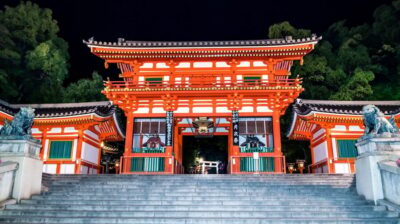
Gion Geisha District Walking Tour – Stories of Geisha
Read our review →
Best of Kyoto: Gion, Geisha, Pagodas & Cobblestones
Read our review →
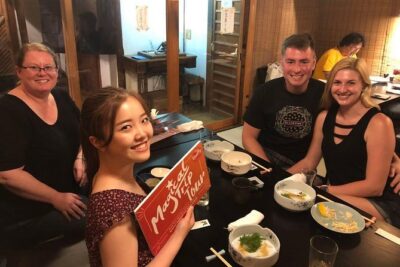
Kyoto Night Foodie Tour in Gion (9+ dishes + 6 Sake tastings)
Read our review →
Chopsticks Making Workshop in Gion with Engraving Option
Read our review →
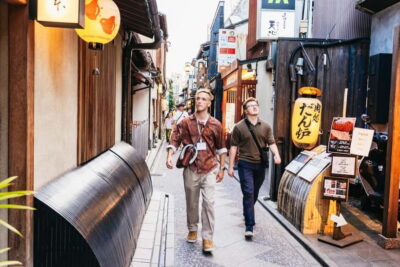
Kyoto Night All-Inclusive Eats and Streets, Gion and Beyond
Read our review →Browse the lists this tour appears in