
Reviewed · HIDDEN-GEM TOURS
Highlights & Hidden Gems With Locals: Best of Kyoto Private Tour
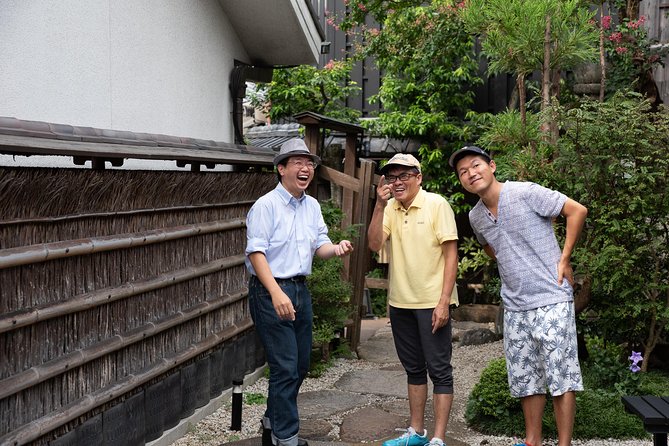
Kyoto’s best moments often happen between the famous sights. This private walking tour takes you from Kiyomizu-dera and Yasaka Shrine through Gion, along the Kamo River, and into Nishiki Market, while giving you a chance to ask questions and adjust the route. I like the flexible start time and the chance to see quieter lanes that a large bus group would miss.
I also like the personal scale. Your group gets one guide, and strong guides such as Ted, Guia, Shohei, and Tiro have been praised for adding stories, family-friendly explanations, photos, and food suggestions. The main caution is consistency: some customers received excellent cultural context, while others found their guide inexperienced, not Japanese, or unable to speak Japanese. At $167.92 per person, that matters.
Key points at a glance
- Private route through eastern Kyoto: Your party walks with one guide rather than following a large group.
- Major sights plus ordinary streets: Kiyomizu-dera, Gion, Yasaka Shrine, the Kamo River, and Nishiki Market are joined by less visited lanes.
- Flexible start time: You can choose a time that fits your day, useful in a city where early starts and evening walks feel very different.
- A short but full introduction: The advertised tour lasts about three hours, so expect an overview rather than a full-day study of Kyoto.
- One local drink or tasting included: Confirm what is included with your guide, since at least one scheduled coffee or drink has been missed.
- Guide quality is the key variable: Ted, Guia, Shohei, and Tiro received especially warm praise, but the experience is not equally strong with every guide.
Why this private Kyoto walk can work so well
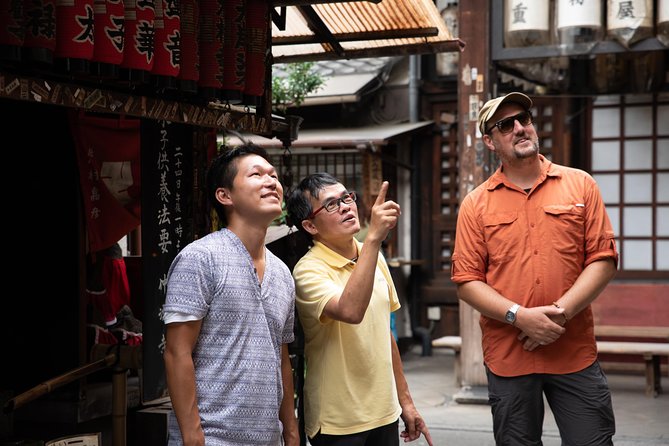
A private tour changes the rhythm of sightseeing. You do not have to wait for twenty people to take photos, and you can ask about the things that catch your eye. If your family is curious about religion, your group wants food ideas, or you have already seen a famous shrine, the route can be adjusted.
That flexibility is the strongest reason to book. Several guides have adapted the day around what their groups had already visited. One guide helped a family find foods they would not have discovered alone, while another took a group through quieter parts of Gion and explained the area with warmth and humor.
The tour is also useful at the start of a Kyoto stay. You get a quick sense of how Higashiyama, Gion, the river, and Nishiki Market fit together. Afterward, you can return to the places that deserve more time.
Still, you are paying a premium for a human guide. At $167.92 per person, the value depends heavily on the person assigned to you. A strong guide can turn dates, buildings, and religious customs into a connected story. A weak one may simply point out places and repeat a few facts. The difference is substantial.
Other quiet corners of Kyoto:
- Kyoto Geisha Walking Tour: Gion District & Hidden Gems
★ 4.7 · 3,273 reviews - Private Kyoto Tour with a Local, Highlights & Hidden Gems, Personalised
★ 5.0 · 1,543 reviews - Arashiyama Bamboo Forest & Hidden Gems Bike Tour (Early Bird)
★ 5.0 · 613 reviews
Starting near 198 Nakanochō
The listed meeting point is 198 Nakanochō in Kyoto’s Higashiyama Ward. This puts you near one of the city’s most atmospheric sightseeing areas, with old wooden buildings, narrow lanes, tea houses, and pottery shops nearby.
The first portion is not designed as a fast march from one ticket gate to the next. You may pass through a neighborhood that preserves the look of older Kyoto, with traditional storefronts and streets that feel more intimate than the main commercial roads. The planned time here is about 30 minutes, though the exact route can change with your guide.
This is where a private format helps. You can ask what a wooden townhouse was used for, how the neighborhood changed, or which streets are worth returning to after the tour. If you are with children, ask your guide to keep the walk active and story based. Guia was singled out for making the experience engaging for children, which is a useful sign for families considering this outing.
The tour ends back at the meeting point, so plan your later activities with that in mind. Hotel pick-up and drop-off are not included.
Kyoto Municipal Zoo and the older streets nearby
The first listed stop is the Kyoto Municipal Zoo, where you pass by rather than receive a zoo visit. The real purpose is the surrounding neighborhood, which offers a look at older Kyoto and its wood-built streets.
You should not expect an admission stop here. Admission is free because the tour is using the area as a route through the neighborhood. This portion may appeal most to people who want to understand the city beyond temple courtyards. Pottery shops, tea houses, and narrow lanes give your guide material for explaining daily life and local design.
The limitation is time. Thirty minutes is enough for orientation and a few photographs, not a full examination of the neighborhood. If this area interests you, tell your guide early. A private itinerary gives you a better chance of spending more time here, though that may mean trimming another stop.
Yasaka Shrine and the first layer of Kyoto faith
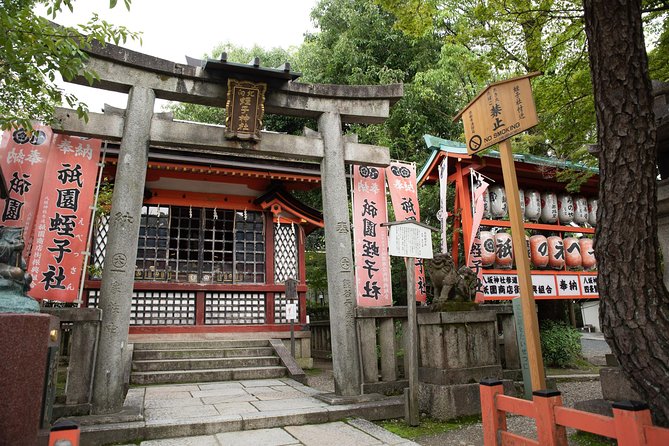
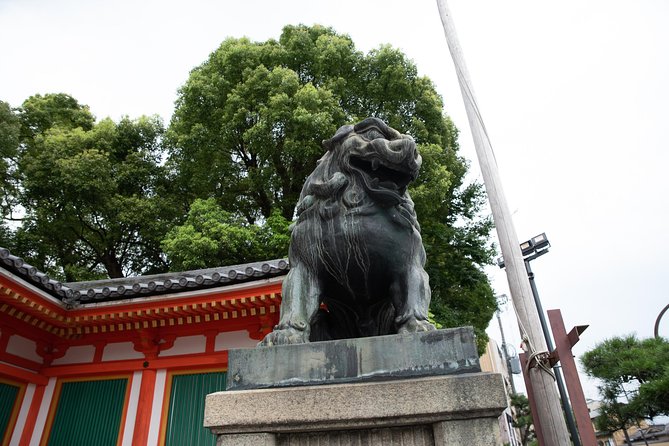
Yasaka Shrine appears in the route for about 20 minutes. It is one of Kyoto’s best-known shrines and was founded more than 1,350 years ago. That age alone does not explain why the site matters, so this is a place where guide quality counts.
A good guide can help you notice the difference between a shrine and a Buddhist temple, explain how people approach the grounds, and connect the buildings to Kyoto’s festivals and local customs. You may also hear about Hokanji Temple, which is associated with the Asuka period, from 538 to 710, during the walk through this part of the city.
The short stop is practical if you are trying to cover several areas in one morning or afternoon. It is not enough for a slow visit, detailed photography, or a long look at every structure. Think of Yasaka as a cultural anchor in the route, not a complete shrine tour.
Same base, a different sort of day:
- PERFECT KYOTO 1-Day Bus Tour
★ 5.0 · 13,518 reviews - Kyoto: Fushimi Inari, Kinkakuji, Bamboo Grove 1 Day Bus Tour
★ 4.8 · 4,316 reviews - Kyoto: Tea Ceremony in a Traditional Tea House in Kiyomizu
★ 4.9 · 3,519 reviews - Kyoto: Tea Ceremony Ju-An at Jotokuji Temple
★ 4.9 · 3,207 reviews
Kongoji Temple and the monkey-linked folk belief
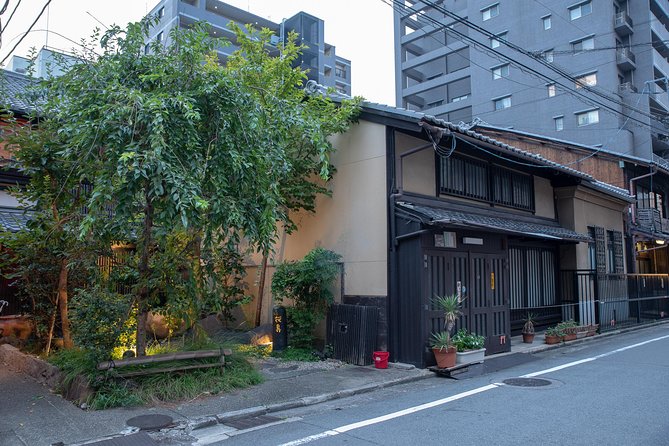
Kongoji Temple brings a more unusual subject into the day: a folk belief connected with monkeys and the idea that having a wish granted requires giving up one desire. This is the sort of small cultural detail that can make a walking tour worthwhile. It gives you something to remember beyond construction dates.
The planned visit is about 20 minutes. That makes the stop compact, but it also keeps the tour moving. Ask your guide to explain how folk belief, Buddhism, and everyday wishes overlap in Kyoto. The quality of the explanation matters here because the subject is less familiar than Kiyomizu-dera or Gion.
The description of this tour promises samurai history and local religious customs. Make sure those subjects are included if they are important to you. Some groups received layered explanations about religion, history, and culture. Others felt they were given only brief dates and labels. A private tour works best when you ask directly for the kind of story you want.
Kiyomizu-dera, the major stop
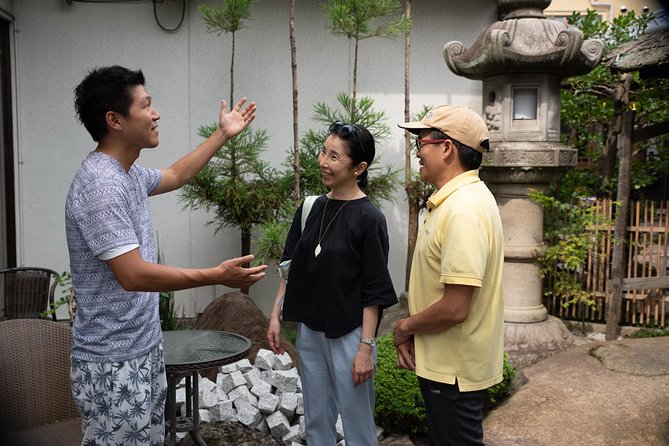
Kiyomizu-dera is the centerpiece. Founded more than 1,200 years ago, the temple sits halfway up Mount Otowa in Kyoto’s Higashiyama mountain range. The setting gives the visit its sense of place, and the temple is one of the sights most people want to understand rather than merely photograph.
About 30 minutes is scheduled here. That is enough for an introduction and a focused look, but not a leisurely exploration of every part of the grounds. If you want time for photos, religious details, and the surrounding lanes, speak with your guide before the tour begins.
Admission to Kiyomizu-dera is listed as included. However, one customer reported paying cash for temple admission for both the customer and the guide, despite expecting the ticket to be covered. That conflict is worth clarifying at the start. Ask exactly which ticket is included and whether your guide’s admission is handled separately.
Kiyomizu-dera can also be crowded. A private guide cannot remove the crowds, but can help you approach the visit with a plan and may steer you through less busy streets before or after the temple. Wear shoes suitable for walking and expect some hills in the Higashiyama area.
A coffee break and a second Yasaka stop
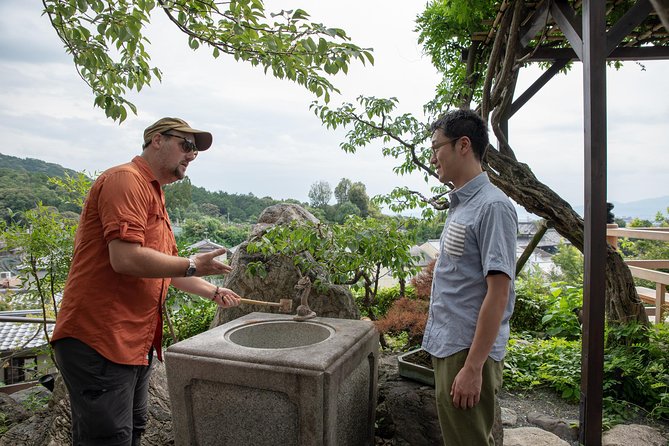
The route lists another Yasaka Shrine visit after Kiyomizu-dera, with coffee before reaching the shrine. This may be a chance to pause, talk with your guide, and reset before continuing toward Gion.
One local drink or tasting is included. The wording is broad, so do not assume a full café stop or a large snack. One customer enjoyed refreshments and treats provided during the walk, while another said the promised drink never appeared. Confirm the plan with your guide when you meet.
The repeated Yasaka listing suggests that the route may be organized around separate approaches or a short break near the shrine rather than two entirely different sightseeing sessions. If you want to spend more time at Kiyomizu-dera, Nishiki Market, or Gion, ask how the duplicated stop will work for your group.
Gion, where atmosphere needs explanation
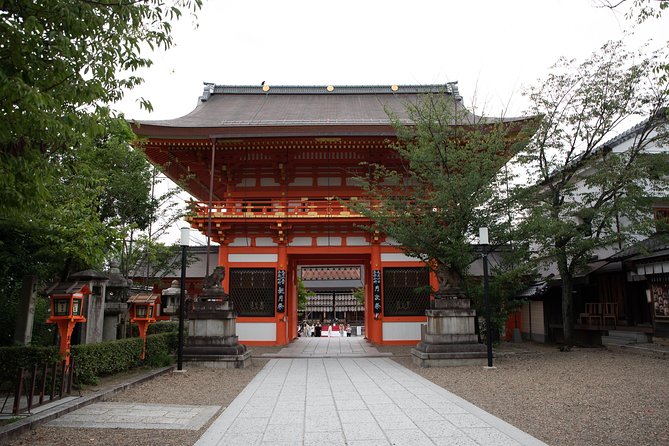
Gion is Kyoto’s most famous geisha district, and the tour allows about 20 minutes here. You can expect traditional streets, wooden buildings, and an introduction to the area’s role in Kyoto’s performing arts and hospitality culture.
The most useful part may be the quieter lanes away from the main flow. A guide who knows the district can help you appreciate the architecture without treating the neighborhood as a stage set. You should follow local rules, keep noise low, and avoid intruding on people going about their work.
Some of the strongest experiences on this tour have come from guides taking groups through less visited sections of Gion. That is a good reason to ask for side streets, but do not expect an exclusive or empty district. Gion is a famous area, and popular lanes can be crowded.
The Kamo River and Nishiki Market
The Kamo River is another 20-minute stop. It is one of Kyoto’s most familiar public spaces, and a short walk here gives you a break from temple grounds and narrow lanes. The river helps you see the city as a place where people live, not just a collection of historic sites.
You may find this stop especially useful for photographs and for understanding the basic shape of central Kyoto. It is not a boat ride or a long riverside outing. The value lies in the pause and in whatever local context your guide adds.
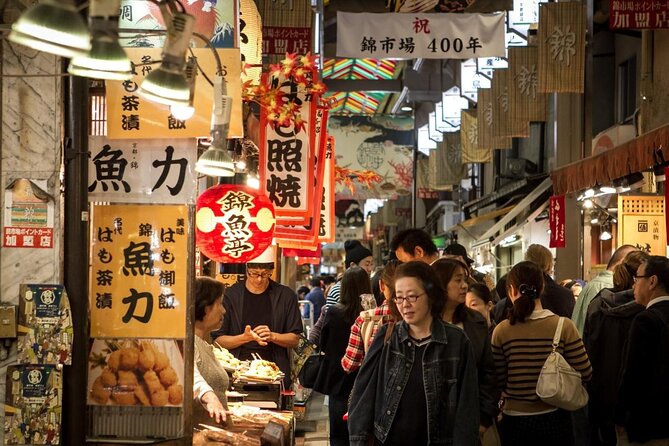
The final listed stop is Nishiki Market, a 400-year-old shopping district. Here you can sample local Japanese foods and look for souvenirs. Twenty minutes goes quickly, so decide what matters most: tasting, shopping, or learning what the ingredients are.
Nishiki is best approached with a plan. Tell your guide about dietary restrictions and what foods interest you. A private guide can point out items you might otherwise pass without understanding, but food and drinks beyond the stated tasting are not included. Budget extra if you want to sample several things or buy gifts.
Three hours, or a longer private walk?
The advertised duration is about three hours. That is a sensible length for a first look at eastern and central Kyoto, but the itinerary is ambitious. It includes eight listed stops, walking between districts, a drink break, and time at Kiyomizu-dera and Nishiki Market.
Some experiences described by customers lasted six hours, which suggests that the route can sometimes expand when a guide customizes the day. Do not assume you will receive a six-hour tour. Confirm the expected duration and any extra cost before you begin.
For most people, three hours works best as an orientation. You will see major landmarks, hear local stories, and learn where to return. If you want in-depth temple study, a long food crawl, or a full Gion exploration, this tour is too short unless the schedule is changed.
The walk also requires sensible pacing. Kyoto’s eastern streets include slopes and many walking surfaces. Most people can participate, but the tour is not described as a vehicle-based outing. Comfortable shoes and water are practical choices.
What the guides can add
The best guide names associated with this experience are Ted, Guia, Shohei, and Tiro. Ted has been praised for linking history, culture, and religion, answering many questions, taking photos, and helping families find food. Guia has been especially well received by families with children and has been described as attentive and flexible.
Shohei has been praised for energy, humor, and adapting the route to places already visited. Tiro has been described as pleasant, thorough, and clear in explanations. These details point to what you should want from the tour: not a list of dates, but a story that helps each place make sense.
There is also a clear warning. Not every assigned guide will be Japanese or fluent in Japanese, and some may have lived in Kyoto for only a few years. That is not automatically a problem. An expat guide can offer a useful view of life in Japan. But if you specifically want a Japanese local who can explain subtle language and customs, contact the operator before booking and state that preference.
Is $167.92 per person a fair price?
The price is high for a three-hour walk, especially for a solo visitor. It becomes easier to justify for a family or small group that wants a private pace, since group discounts may apply and the cost is tied to the party size.
You are paying for convenience, a local drink or tasting, Kiyomizu-dera admission, and a route that combines several key areas. You are also paying for the chance to ask questions without a crowd waiting behind you. If your guide is like Ted, Guia, Shohei, or Tiro, the personal stories and practical advice can make the cost feel reasonable.
The value drops sharply if the guide gives only basic facts or if an included drink and admission are unclear. Ask about the guide’s background, language ability, exact duration, ticket arrangements, and drink inclusion before the start. That small check protects you from the main complaints connected with this experience.
The tour has a 4.9 rating from 121 reviews and is recommended by 97 percent of customers. Those numbers suggest a very strong overall result, but the less positive experiences show why the individual guide matters more than the headline score.
Who should book this Kyoto experience?
I would consider this tour if you are visiting Kyoto for the first time and want a quick, private introduction without managing trains, maps, and shrine routes yourself. It also fits families, couples, and small groups who value conversation and flexibility more than the lowest possible price.
It is a good choice if you want both famous sights and ordinary streets. It can also help if you want food ideas, photographs of your group, or advice on what to revisit later.
I would hesitate if you want a guaranteed Japanese-speaking guide, formal historical instruction, or a long visit at each temple. In that case, confirm the guide’s background before paying, or choose a specialist guide with a clearly stated subject focus.
Book at least several weeks ahead if your dates are fixed. This experience is booked about 19 days in advance on average, which suggests that popular times may fill before your arrival.
Final verdict: book it for the right guide
This private Kyoto walk offers a smart route through Kiyomizu-dera, Gion, Yasaka Shrine, the Kamo River, and Nishiki Market. Its best feature is not the checklist of sights. It is the chance to shape the walk around your questions and interests.
I would book it for a first Kyoto visit, especially with children or a small group, but I would confirm the guide’s language skills, background, tour length, drink, and admission details first. If you are matched with a guide who tells stories and listens well, the price can buy a very useful and memorable introduction. If you receive someone who only recites dates, the same price will feel far too steep.
FAQ
How long does the Kyoto private tour last?
The advertised duration is approximately three hours. Some customers have described longer customized walks, so confirm the expected length with your guide before starting.
Is this a private tour?
Yes. Only your party and the local guide participate.
What places are included on the route?
The listed route includes the Kyoto Municipal Zoo area, Yasaka Shrine, Kongoji Temple, Kiyomizu-dera, Gion, the Kamo River, and Nishiki Market. Yasaka Shrine appears twice in the route details.
Is Kiyomizu-dera admission included?
Admission to Kiyomizu-dera is listed as included. Because one customer reported paying cash for temple admission, ask your guide to confirm exactly what is covered before the visit.
Is food or a drink included?
One local drink or tasting is included. Other food and beverages are not included. The exact drink or tasting should be confirmed with the guide.
Where does the tour start and finish?
The meeting point is 198 Nakanochō, Higashiyama Ward, Kyoto, 605-0075, Japan. The activity ends back at the meeting point. Hotel pick-up and drop-off are not included.
Just added in Kyoto
- Private Cooking Class Udon in Kyoto Japan★ 5.0 · 23 reviews
- Your Private Vacation Photography Session In Kyoto★ 5.0 · 110 reviews
- Kyoto: Zen Meditation at a Private Temple with a Monk★ 5.0 · 25 reviews
- Private Pewter Sake Cup Experience with a Kyoto Artisan★ 5.0 · 31 reviews
- Kyoto Wagashi(Japanese sweets) Cooking Class near Fushimiinari★ 5.0 · 60 reviews
- Kyoto:Family-Friendly Kimono & Yukata Experience at WARGO★ 5.0 · 147 reviews
- Private Guided Traditional Buddhist Cooking in Japan★ 5.0 · 16 reviews
- Kyoto: Gion Geisha District & Sake-in-Hand Walking Tour★ 5.0 · 37 reviews
Hidden-Gem Tours, compared.

Kyoto Geisha Walking Tour: Gion District & Hidden Gems
Read our review →
Private Kyoto Tour with a Local, Highlights & Hidden Gems, Personalised
Read our review →

Hotspots & Hidden Gems Walking Tour Private or Group
Read our review →
Ultimate Osaka Walking Tour: Castle, Dotonbori & Hidden Gems
Read our review →
3h Tokyo E-Bike Tour: Hidden Gems, and Local Life with guide
Read our review →
Arashiyama Bamboo Forest & Hidden Gems Bike Tour (Early Bird)
Read our review →
Private Osaka Walking Tour: Highlights & Hidden Gems
Read our review →Browse the lists this tour appears in