
Reviewed · GEISHA & GION DISTRICT TOURS
Kyoto Night Foodie Tour in Gion (9+ dishes + 6 Sake tastings)
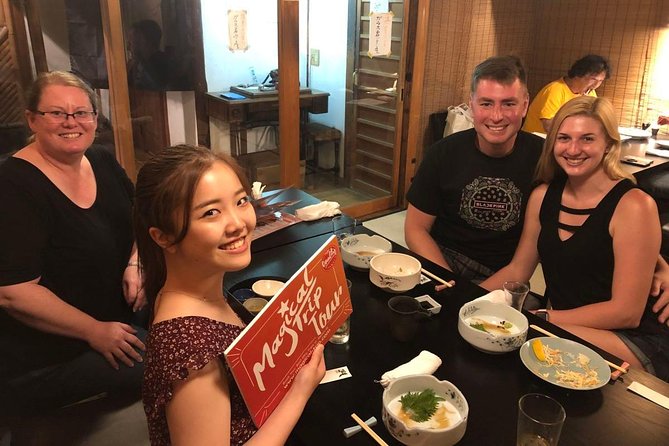
Kyoto’s best evening food often hides behind an unmarked door or down a narrow lane. This tour takes you through Gion Shirakawa, Pontocho, and Kawaramachidori, pairing a full dinner with local drinks and stories about geisha districts, architecture, and Kyoto customs. You get more than a restaurant crawl, but less than a formal cooking class.
I like the small group limit of seven, which keeps the evening social without turning it into a parade. I also like that the guide handles the hard part: choosing places, making introductions, and helping you order foods you might skip on your own. The main caution is price. At $163.49 per person, you need to value the access, guiding, and convenience, not just the number of plates.
Key points at a glance
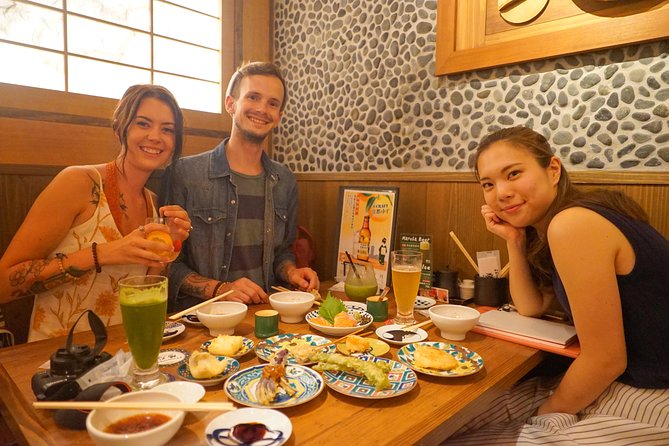
- Nine-plus dishes form a full evening meal, with Kyoto specialties such as obanzai, small plates, and local cuisine.
- Sake tasting is included, with the experience described as six tastings and an opportunity to try three local sake types.
- The group is capped at seven, a useful size for conversation and personal help from the guide.
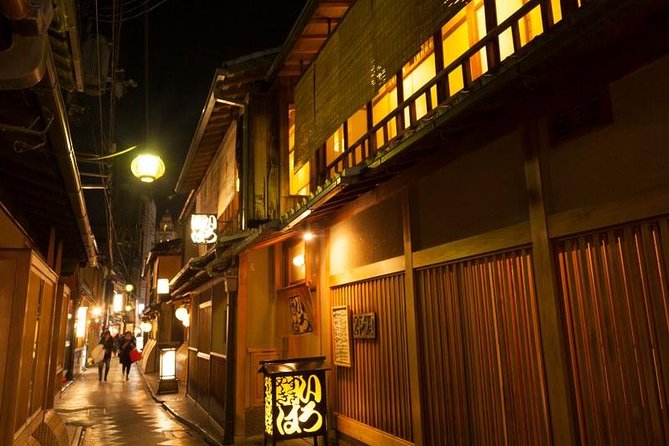
- Gion and Pontocho are part of the experience, so you walk through atmospheric lanes as well as eat.
- Guides vary by departure, with Jimmy, Kumi, Emma, Rika, Yuki, Shun, Shiori, Yuma, Hide, and others named in the tour feedback.
- Dietary requests must be made by the day before, and allergy-free meals cannot be guaranteed.
Why this Kyoto night tour works
I see the main strength here as orientation. Gion and Pontocho can feel confusing after dark, especially when restaurant signs are small, entrances are tucked away, and the best places may not advertise in English. A local guide gives you a reason to walk into a particular restaurant instead of guessing from a menu outside.
The evening lasts about three and a half hours. It begins near the Statue of Izumo-no-Okuni by the Kamo River and returns to the same meeting point. That central location is practical, since the area is close to public transportation and easy to connect with other parts of downtown Kyoto.
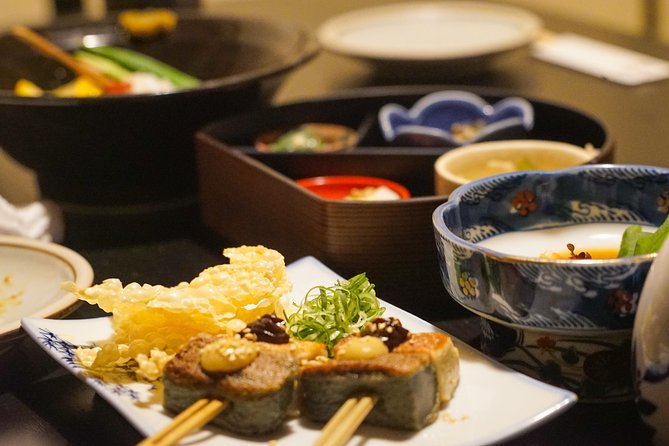
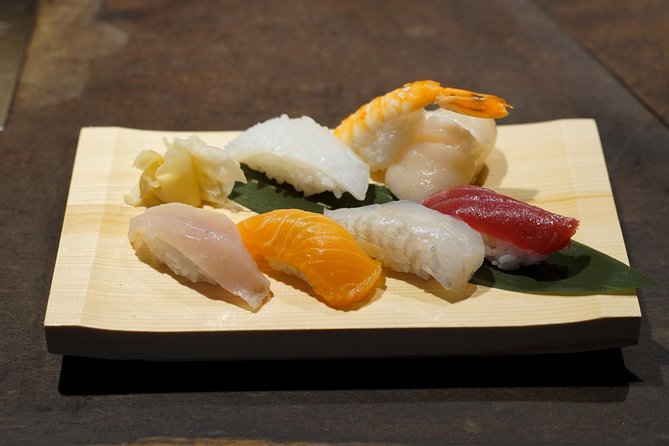
The food is designed to replace dinner, not merely provide a few samples. The advertised program includes nine or more dishes, and the stops may include Kyoto vegetable plates, local specialties, small bar foods, and drinks. Menus change, and the exact balance of food can depend on the restaurants and the night.
The guides are a big part of the value. Jimmy is praised for making families feel comfortable, including one group ranging in age from 14 to 85. Emma is noted for explaining food, cocktails, sake, and Kyoto. Rika is described as personable and good at leading small groups. Yuki has also been singled out for making the evening easy and relaxed.
That range matters because a food tour can feel very different depending on the person leading it. The strongest version of this experience is an informal evening with a local guide who eats and talks with the group, rather than simply pointing at dishes and moving on.
Other evenings in the old entertainment quarters of Kyoto:
- Kyoto Geisha Walking Tour: Gion District & Hidden Gems
★ 4.7 · 3,273 reviews - Kyoto: Gion Magical Night Walking Tour with Geisha Trivia
★ 4.9 · 2,393 reviews - Kyoto: Gion Geisha District Walking Tour – Stories of Geisha
★ 4.7 · 2,187 reviews
Starting in Gion Shirakawa
The first part centers on the Gion Shirakawa area. This is one of Kyoto’s most recognizable old-town settings, with lanes, traditional buildings, and the connection to the city’s geisha districts. The walk gives your guide a chance to explain local customs before the meal begins.
Do not expect a long sightseeing lecture. The tour is built around food, so the cultural information is likely to come in short explanations as you move from one stop to the next. That suits me. You get useful context without giving up the whole evening to a history talk.
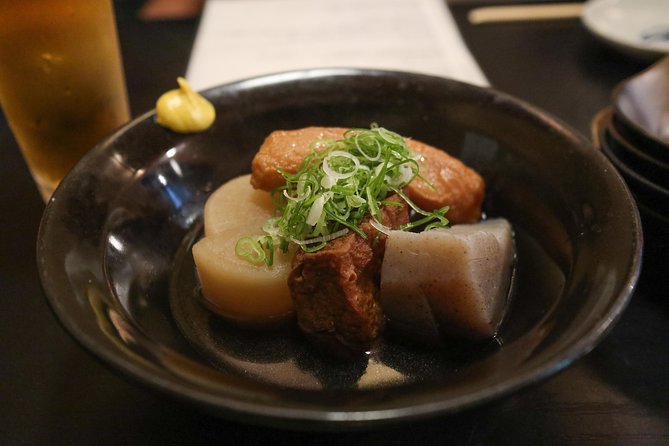
The first restaurant serves Kyoto-style food such as obanzai, a traditional approach built around several vegetable dishes and home-style preparations. Obanzai can be a good introduction to Kyoto cooking because it shows the city’s lighter, seasonal side rather than relying only on sushi or grilled meat.
This first stop is also where the tour may feel most like a regular dinner. You sit down, try several dishes, and begin to understand how the guide organizes the meal. The exact dishes are not fixed in the information provided, so you should expect local foods rather than a guaranteed menu.
One practical point: some restaurants may be busy. A few past outings have included delays or mistakes with drink orders. Your guide should help sort out problems, but the pace may not be perfectly smooth. If you need a highly controlled dining schedule, a private restaurant reservation will suit you better.
Moving through Pontocho’s narrow lanes
From Gion, the route continues toward Pontocho. This district runs between the Kamo River and Kiyamachi Street and is packed with narrow lanes, bars, restaurants, and entertainment venues. It is one of the most interesting places in Kyoto to see how the city shifts from quiet traditional streets to a lively night scene.
The second stop brings another Kyoto-style meal or group of dishes. This is where the tour’s variety matters. You are not eating one large course in one restaurant. Instead, you try food in more than one setting, which lets you compare flavors, service, and atmosphere.
Some evenings include generous portions, and one stop has been described as all-you-can-eat. Other evenings may feel lighter, especially if you have a large appetite. The tour is advertised as enough food for dinner, but the quantity may not satisfy everyone equally. I would eat lightly beforehand, but I would not arrive ravenous and assume this is an unlimited banquet.
Pontocho is valuable even when the food is simple. A guide can point out details you might miss, explain how the district developed, and help you understand the difference between a restaurant intended for local regulars and one aimed at passing visitors. The tour’s cultural side is strongest when the guide connects what you are eating to the neighborhood around you.
The walking also breaks up the meal. You are not planted at one table for three hours, and you get a chance to see the Kamo River and surrounding streets between stops. In summer, bring water and wear a hat before the tour begins. Kyoto’s heat and humidity can make even a short walk tiring.
Finishing with sake on Kawaramachidori
The final stop takes place at a standing bar on Kawaramachidori. This is a fitting end to the evening. You finish with Japanese sake, small bites, and the option of soft drinks if you do not want alcohol.
The tour description refers to six sake tastings and also describes trying three different local sake types. Since the exact format can vary, think of this as a guided introduction to several sake pours rather than a formal certification-style tasting. Your guide can help explain the differences, but the experience remains casual.
A standing bar changes the mood. It is less formal than the first restaurant and gives you a chance to finish the night with a drink in hand while chatting with the group. If you do not drink alcohol, soft drinks are available, though the sake portion is naturally a major part of the tour’s appeal.
Plum wine with soda has been a memorable option on some outings. If it is offered, it may be worth trying, especially if you are unsure about sake. The final stop can also be the most social part of the evening, since everyone has already shared food and the conversation tends to come more easily.
Keep in mind that drinks can arrive slowly when a bar is busy. The tour moves through several venues, so you may not have unlimited time at any one stop. If you want to linger over a particular sake, ask the guide early about the schedule.
Other tasting rooms and breweries in Kyoto:
- 3-Hour Kyoto Insider Sake Brewery Tour with Tastings & Pairings
★ 5.0 · 917 reviews - Arashiyama Bamboo, Temple, Monkeys, or Secret Sake Brewery
★ 4.8 · 886 reviews - Kyoto: Insider Sake Brewery Tour with Sake and Food Pairing
★ 5.0 · 704 reviews - Kyoto Sake Brewery & Tasting Walking Tour
★ 5.0 · 623 reviews
What the $163.49 price really covers
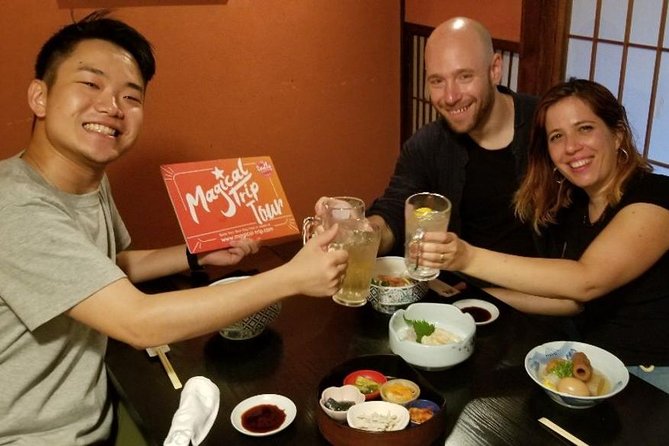
At $163.49, this is not a bargain dinner. Kyoto has many affordable restaurants, and you can eat well for less if you are comfortable ordering on your own. The price makes more sense if you want a planned evening with food, drinks, neighborhood access, and a local guide.
You are paying for several things at once:
- A three-and-a-half-hour guided route
- Nine or more food tastings intended to make up dinner
- Sake tastings and other drinks
- Entry into multiple small restaurants or bars
- Local explanations about Gion, Pontocho, food, and customs
- A small group capped at seven people
- Help with ordering and navigating unfamiliar places
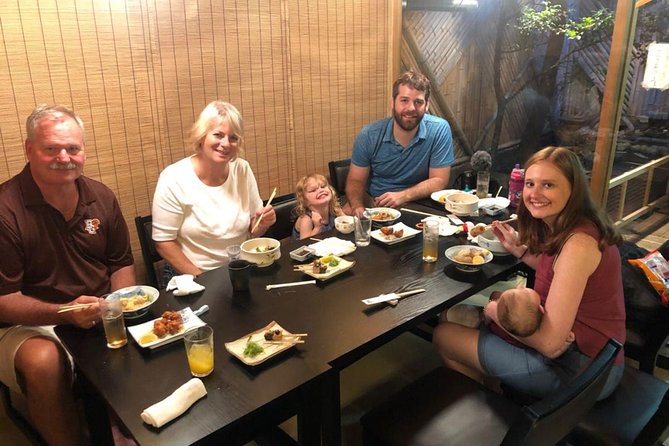
The value is strongest for a first night in Kyoto, a solo visitor who wants company, or a family that would struggle to find seats together in small restaurants. One family of six found the group format especially useful because finding a restaurant for everyone at once could have been difficult.
The value is weaker if you already know Kyoto’s food scene, prefer to choose every dish yourself, or mainly want a large dinner for the lowest possible cost. One concern raised by the feedback is that the food quality and portion sizes can feel uneven between stops. That is the central risk at this price.
Guides make or break the evening
The tour uses different guides, and their personalities shape the experience. Jimmy is described as funny, helpful, and good with mixed-age families. Kumi Yamazaki is praised for making the food and Kyoto easy to understand. Emma is noted for clear English and useful recommendations for the rest of a Kyoto visit.
J has been praised for explaining the geisha districts and local architecture. Shun is described as attentive and fun. Shiori is highlighted for teaching Japanese cuisine, while Yuma has led evenings with two meals and drinks. These details suggest that the best part of the tour is often the guide’s ability to turn a meal into a conversation.
You should also know that not every guide will suit every guest. One departure included more political discussion than a participant wanted. If you prefer a strictly food-focused evening, tell your guide at the beginning that you are especially interested in cuisine, sake, and local customs.
The guide may eat with you, which can make the evening feel more like a shared dinner than a staged performance. That is a small detail, but it changes the atmosphere. You can ask questions naturally, get suggestions for later meals, and learn how to approach unfamiliar dishes.
Food, allergies, and the fine print
The kitchens used by the tour are independent, so allergy-free food cannot be guaranteed. Dietary requests must be sent by the day before the tour, and same-day changes are not accepted. Substitutions may not be possible at every stop, though the operator says it will try to make up for them elsewhere.
Be specific when you submit a request. Do not assume that avoiding one ingredient automatically covers related sauces, broths, or cooking methods. If your allergy is severe, this may not be the right tour.
The route is not recommended for people with mobility issues. You will walk through old districts, move between venues, and likely spend some time standing at the final bar. Wear comfortable shoes and expect ordinary Kyoto streets rather than a fully accessible route.
Cancellation is free if you cancel at least 24 hours before the local start time. Changes or cancellations inside that window are not refunded. The meeting point is by the Statue of Izumo-no-Okuni, and the tour ends back there, so check the exact monument carefully. Several guides and groups may gather in the same area.
Who should book this Kyoto food tour?
I would recommend it to you if you want a guided first taste of Kyoto’s evening food culture and prefer a social outing to planning three separate stops yourself. It is particularly useful for first-time visitors, solo visitors, families, and people who want a guide to explain what they are seeing in Gion and Pontocho.
It also suits curious eaters. You may be served food you would not have ordered alone, and that is part of the point. The tour gives you a safe way to try local dishes while someone explains what is on the table.
I would hesitate if you need strict dietary control, have mobility limits, dislike alcohol-centered outings, or expect luxury dining. I would also compare the price carefully against a normal Kyoto dinner if your main goal is simply to eat a lot.
Should you book the Gion night food tour?
Book it if access and guidance matter as much as the food. The small group, several venues, Gion and Pontocho walks, and sake tasting create a useful introduction to Kyoto after dark. A strong guide can turn the evening into one of the most memorable parts of your stay.
Skip it if you want a fixed menu, polished high-end restaurants, or complete control over timing and portions. At this price, uneven food quality or a rushed stop will feel disappointing.
For most first-time visitors who arrive hungry for both dinner and local context, I think this is a good introduction, with one clear condition: make your dietary needs known early, wear comfortable shoes, and treat the evening as a guided neighborhood experience rather than a luxury tasting menu.
FAQ
How long does the Kyoto Night Foodie Tour last?
The tour lasts approximately three hours and 30 minutes.
Where does the tour start and finish?
It starts near the Statue of Izumo-no-Okuni in Kawabatacho, Higashiyama Ward, and ends back at the same meeting point.
How many people can join the tour?
The tour has a maximum of seven participants.
What areas does the tour visit?
The route includes the Gion Shirakawa area, Gion, the Pontocho District, Kawaramachidori, and the Kamogawa River area.
How much food is included?
The experience includes nine or more dishes intended to make up a full dinner. The exact foods and portions can vary by stop.
Are sake tastings included?
Yes. Sake tastings are included, with the experience described as six tastings and an opportunity to try three types of local sake. Soft drinks are also available at the final stop.
Can the tour accommodate allergies or dietary restrictions?
You must submit dietary requests by the day before the tour. Allergy-free meals cannot be guaranteed, and substitutions may not be possible at every stop.
More food tours elsewhere in Japan
- Kyoto: Gion Food Tour 13 Dishes at 4 Eateries
★ 5.0 · 408 reviews - Kyoto Foodie Night Tour
★ 5.0 · 376 reviews - Kyoto: Gion & Pontocho Food Tour with 13 Dishes
★ 4.9 · 235 reviews - Tokyo: Shinjuku Food Tour (13 Dishes at 4 Local Eateries)
★ 5.0 · 6,603 reviews
Just added in Kyoto
- Kyoto: Private Photoshoot Service★ 5.0 · 158 reviews
- Kyoto Rickshaw Tour★ 5.0 · 210 reviews
- Izakaya Style Cooking Class★ 5.0 · 219 reviews
- Kyoto: Traditional Concert at Townhouse or Bathhouse★ 4.9 · 224 reviews
- Ninja 2-hour Hands-on Lesson by Japanese master in Kyoto -Medium★ 5.0 · 218 reviews
- Kyoto: Arashiyama Bamboo, Temple, Matcha, Monkeys & secret spots★ 5.0 · 219 reviews
- The right way to know Kyoto★ 5.0 · 257 reviews
- Kyoto Geisha District Walking Tour in Gion★ 5.0 · 232 reviews
Geisha & Gion District Tours, compared.
Kyoto Geisha Walking Tour: Gion District & Hidden Gems
Read our review →
Gion Geisha District Walking Tour – Stories of Geisha
Read our review →
Best of Kyoto: Gion, Geisha, Pagodas & Cobblestones
Read our review →
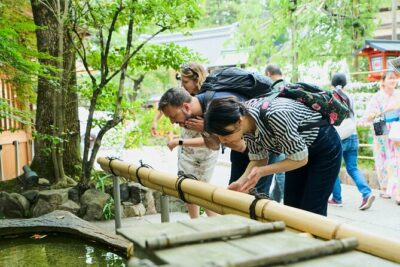
Kyoto Gion: 2-Hour Geisha Culture & History Walking Tour
Read our review →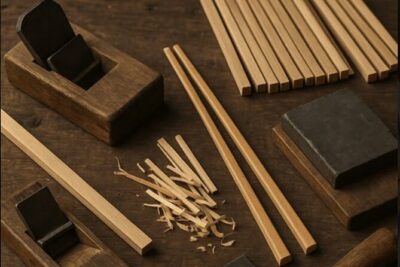
Chopsticks Making Workshop in Gion with Engraving Option
Read our review →
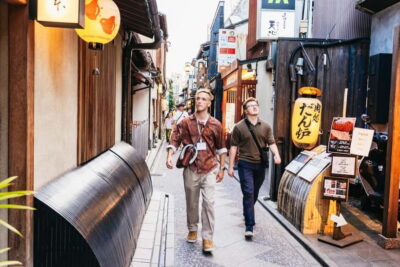
Kyoto Night All-Inclusive Eats and Streets, Gion and Beyond
Read our review →Browse the lists this tour appears in