
Reviewed · TEA CEREMONY EXPERIENCES
Tea Ceremony with Kimono and Professional Photoshoot in Kyoto
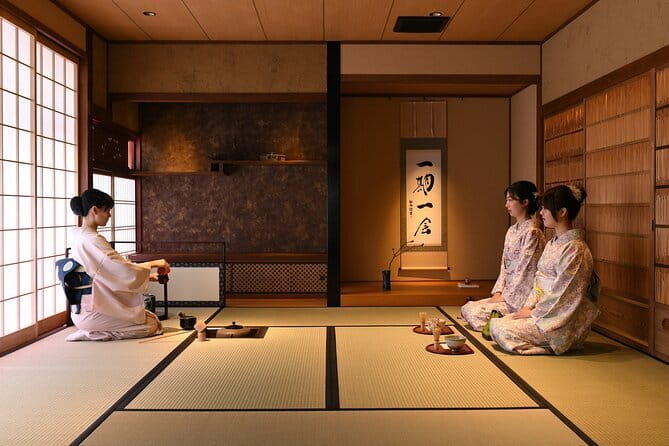
Kyoto’s tea ceremony is not a quick cup of green tea. It is a careful series of gestures, pauses, bows, and small acts of hospitality. This experience lets you see that ritual in a traditional house, then try the whisk yourself while dressed in a kimono. The English-speaking tea master explains what is happening, so you are not left guessing why the bowl turns a certain way or when to drink.
I especially like two things here: you choose your kimono from a selection, and you leave with three professional photos rather than relying only on hurried phone snapshots. The matcha lesson and Japanese sweets also give the experience some hands-on value. The main caution is comfort. You may kneel on the floor for part of the ceremony, and three digital photos are sent by email, so check that you can receive them.
Key points to know before booking
- You choose a kimono first: Arrive early enough for the dressing process and provide everyone’s height and gender in advance.
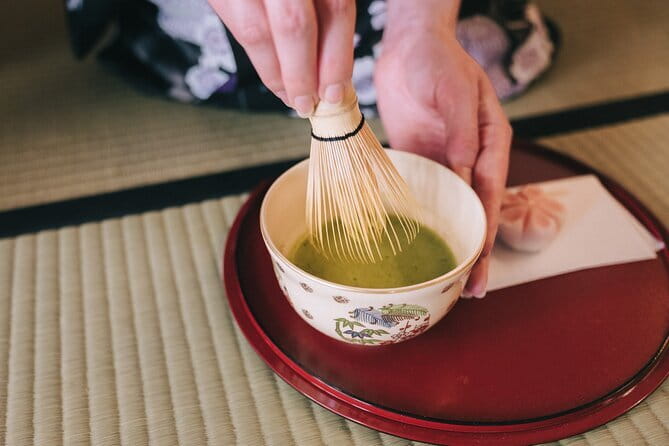
- The tea lesson is hands-on: Watch the demonstration, then make your own matcha and have it with Japanese sweets.
- An English-speaking tea master leads the ceremony: You receive cultural context as well as instructions.
- A photographer works during the session: Three finished photos are sent digitally by email.
- The group is small: The maximum is 10 people, which keeps the setting more personal than a large workshop.
- Plan for floor seating: Kneeling can be difficult, though two chairs and tables are available.
A Kyoto tea ceremony with more than a costume change
This experience combines three appealing pieces of Kyoto culture: kimono dressing, tea ceremony, and photography. That makes it easy to understand the price of $130.78 per person, though the value depends on what you want from the session.
If you mainly want a polished kimono portrait, the photos and dressing element may justify the cost. If your priority is a long, highly formal tea ceremony, the roughly 90-minute activity may feel brief. The full booking window is listed at about 1 hour 45 minutes, so I would reserve close to two hours in your day.
The setting is Nishiki Orizuruya at 452 Jūmonjichō, Nakagyo Ward, in central Kyoto. The activity starts and ends there. You do not get hotel pickup, local transportation, extra food, or personal expenses, so you will need to make your own way to the venue.
Other kimono experiences in Kyoto people book:
- Kimono Tea Ceremony at Kyoto Maikoya, NISHIKI
★ 5.0 · 911 reviews - Kyoto: Kimono Rental with Hairstyling and Accessories
★ 4.8 · 653 reviews - Kyoto: Kimono Tea Ceremony at Orizuruya Gion
★ 4.9 · 618 reviews
Choosing a kimono at Nishiki Orizuruya
Your first step is the kimono selection. You are escorted to a dressing room and choose a style from the available collection. The range gives you some control over how formal or colorful your final photographs look, though the exact choices can vary.
The organizers need the height and gender of each participant ahead of time. This is not just paperwork. A kimono needs to be prepared in a suitable size, and advance details help the staff get the dressing process moving.
Allow a little patience here. Putting on a kimono is more involved than slipping into a rental robe. The dressing portion takes time, and layers can feel snug around the waist. A past experience also praised the hair styling, so you may receive help with your overall appearance, but the supplied information does not specify exactly what styling is included for every booking.
Wear something comfortable underneath. You will spend time in the outfit, sit for the ceremony, and pose for photographs. You should also avoid building a packed schedule immediately afterward. The advertised activity lasts about 90 minutes, while the total visit is approximately 1 hour 45 minutes.
Watching the tea master explain the ritual
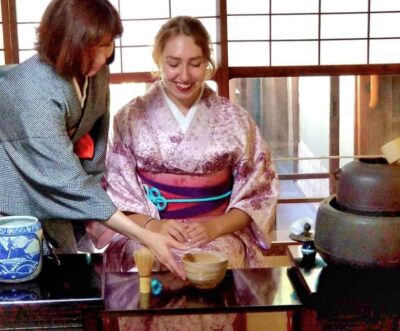
Once dressed, you watch a tea ceremony demonstration by an English-speaking tea master. This is the part that gives the session its cultural substance.
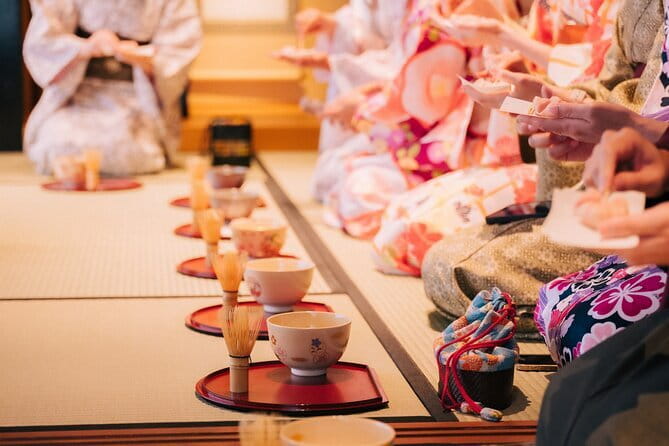
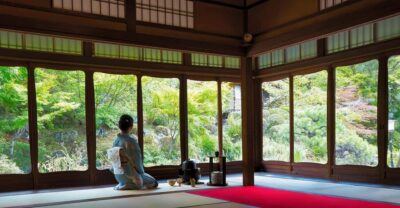
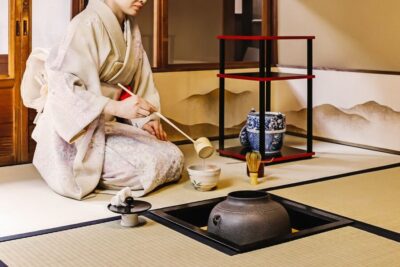
A tea ceremony is built around attention to detail. The host prepares the space, handles the utensils, makes the tea, and presents it in a set order. Even if you do not remember every step, the demonstration helps you see that the ceremony is about hospitality and careful movement, not simply powdered tea.
The English explanation matters. Without it, you might see a graceful performance but miss the meaning behind it. Here, you can follow the purpose of the gestures and understand how the ceremony fits into Japanese culture.
The experience is designed for beginners. You are not expected to know the etiquette before arriving. The tea master demonstrates first, then guides you through your own turn.
The setting is a traditional house, which adds atmosphere. Still, keep your expectations measured. The session is an accessible introduction, not a full-day study with a tea school or a long formal gathering. One piece of direct feedback described the ceremony itself as lovely while finding the overall setting and duration less special than expected. That is useful advice: book this for a friendly cultural activity with dressing and photos, not for an advanced tea ceremony lesson.
Making your own matcha
After the demonstration, you make your own matcha. This is the most active part of the experience, and it keeps the session from becoming only a show.
You will learn the basic process of preparing the powdered green tea with the traditional whisk. The tea master guides you through it, so you can focus on the movement rather than worry about getting every detail perfect.
Matcha has a strong, grassy taste that may surprise you if you usually drink sweetened tea. Japanese sweets are served with it, providing a small contrast to the tea’s bitterness. The sweets are part of the ceremony experience rather than a full snack or meal, so do not arrive expecting lunch.
Food allergies should be reported in advance. The supplied information does not list the specific sweets or provide a full ingredient guide. If you have an allergy, tell the provider before the date of your visit rather than waiting until you arrive.
Other tea ceremonies in Kyoto people book:
- Kyoto: Tea Ceremony in a Traditional Tea House in Kiyomizu
★ 4.9 · 3,519 reviews - Kyoto: Tea Ceremony Ju-An at Jotokuji Temple
★ 4.9 · 3,207 reviews - Kyoto: 45-Minute Tea Ceremony Lesson Experience
★ 4.3 · 2,378 reviews - Kyoto: Table-Style Tea Ceremony at a Kyo-Machiya
★ 4.9 · 1,211 reviews
The kimono photoshoot and three digital photos
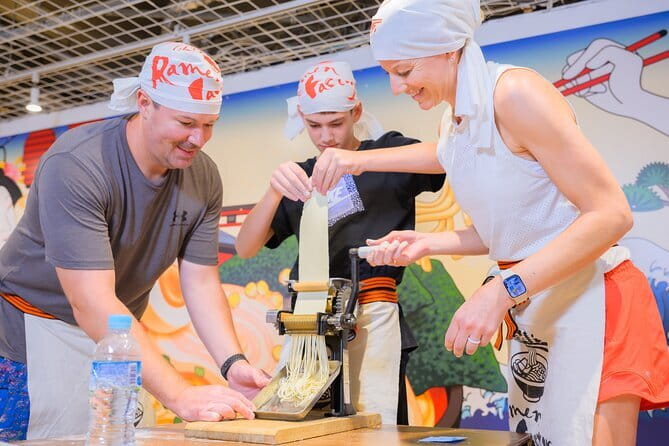
A professional photographer takes pictures during the experience. This is a practical advantage over trying to ask another participant to take a few rushed shots while you are dressed.
The camera work happens during the ceremony and related activities, so the photographs can show more than a posed portrait. You may be photographed while wearing the kimono, watching the tea preparation, or making matcha. The exact number of shots taken is not stated, but three finished photos are sent to you digitally by email.
That last detail deserves attention. You do not receive printed photographs on the spot. Make sure the email address you provide is correct and that you can receive messages from the provider. Check your spam folder if the photos do not appear promptly.
Three images are enough for a keepsake, but they are not a large photo package. If you want dozens of edited portraits, this is probably not the right booking. The included photos work best as a tidy souvenir from a short cultural activity.
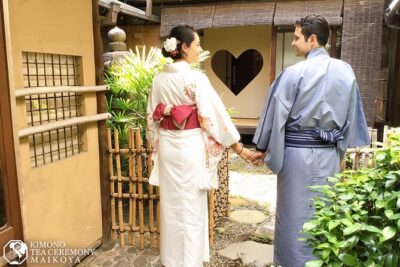
The kimono itself makes the photos more meaningful. Kyoto has many scenic streets and temples, but wearing traditional clothing inside a tea house gives the pictures a clearer connection to Japanese culture.
Floor seating, comfort, and practical limits
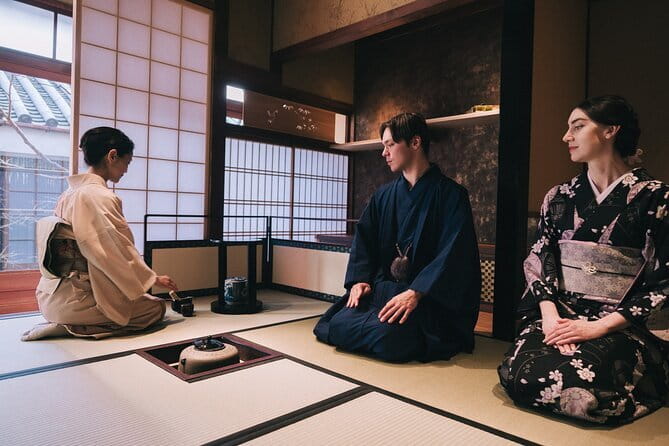
The ceremony may require kneeling on the floor. This is a normal part of a traditional tea setting, but it can be difficult if you have stiff knees, hip problems, or limited mobility.
The available seating includes two chairs and tables, which helps, but you should not assume every part of the ceremony can be done in a chair. Ask the staff at the venue if you need a seating adjustment. The supplied details do not provide full accessibility information, so this is worth checking before payment.
Children under five cannot join. The small group limit is 10 people, which is useful for a family group, couple, or solo visitor who wants a quieter setting. The experience is not described as private, so you may share the ceremony with other participants.
Arrive 10 minutes before the start time and check in at the reception desk. The strict late-arrival rule matters: if you are more than 30 minutes late, you cannot join and you will not receive a refund. Central Kyoto traffic and crowded streets can slow you down, so give yourself extra time to find 452 Jūmonjichō.
Is $130.78 a fair price?
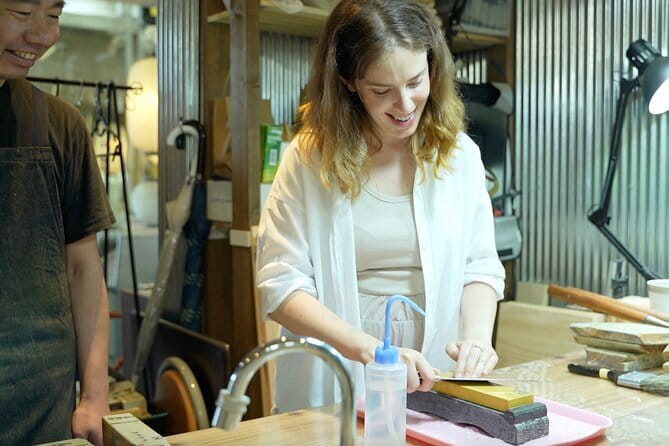
At $130.78 per person, this is not a bargain tea tasting. You are paying for several elements in one booking: kimono preparation, a tea master’s explanation, matcha making, Japanese sweets, professional photography, and three digital photos.
I see the price as reasonable if you value the photographs and want the convenience of combining several activities. Booking a kimono session, a cultural lesson, and a photographer separately could cost more and require more planning. The small maximum group also helps the price feel more defensible.
The value is weaker if you only want to drink matcha or watch a ceremony. Kyoto has many tea experiences, and some may offer a longer focus on the tea itself. Here, the kimono and photos are central parts of the package.
The 95 percent recommendation rate and 4.8 score from 44 ratings suggest that the experience works well for most people who book it. The lower rating described the activity as better for dressing up than for a deeply serious cultural lesson. I think that is the fairest way to frame the choice.
Who will enjoy this Kyoto experience most?
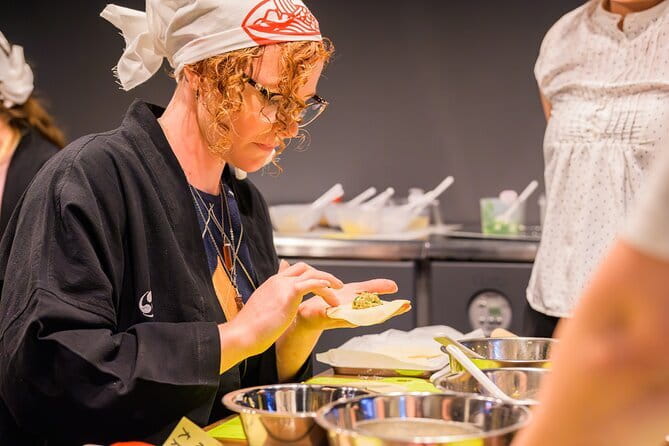
I would recommend it to first-time visitors who want a clear introduction to tea ceremony without needing prior knowledge. It also suits couples, friends, and families with older children who want a shared photograph and a cultural memory from Kyoto.
It is particularly useful if your schedule is tight. In under two hours, you get the kimono, tea demonstration, hands-on matcha, sweets, and photography at one address.
You may want a different activity if you dislike floor seating, have serious mobility concerns, or want a long and highly formal ceremony. The same goes for anyone expecting a full meal or a large set of printed photographs.
People who care about presentation will likely get the most from this booking. Choosing the kimono, wearing it during the ritual, and receiving professional images gives the experience a clear beginning, middle, and end.
Booking details that can save you trouble
Confirmation is provided when you book, and the experience uses a mobile ticket. Bring the booking details on your phone and arrive 10 minutes early.
Send the requested height and gender information for every participant before the visit. Tell the provider about food allergies in advance. These steps help the staff prepare the kimono and sweets.
Free cancellation is available up to 24 hours before the start time. Canceling inside that 24-hour window means no refund, and changes are not accepted. The cut-off follows Kyoto local time.
The activity ends back at the meeting point. Transportation to and from the venue is not included, and the provider does not cover hotel transfers, extra food or drinks, or other personal costs.
Should you book the kimono tea ceremony?
Book it if you want an easy, photogenic introduction to Kyoto culture with clear English guidance and a hands-on matcha lesson. The strongest reasons are the kimono selection, the professional photographer, and the chance to take part rather than only watch.
Think twice if your main goal is an extended, highly traditional tea study. The ceremony is part of a broader package, and the visit lasts roughly 90 minutes of activity within an approximately 1-hour-45-minute booking.
For most visitors, I would call this a good choice when the photos matter as much as the tea. Arrive early, prepare for some kneeling, report allergies, and confirm that your email can receive the three digital images. Do that, and you will know exactly what you are paying for.
FAQ
Where does the tea ceremony take place?
The experience starts and ends at Nishiki Orizuruya, 452 Jūmonjichō, Nakagyo Ward, Kyoto, 604-8121, Japan.
How long does the experience last?
The activity is listed as approximately 1 hour 45 minutes. The tea ceremony and photoshoot portion is described as about 90 minutes.
What happens during the experience?
You choose and put on a kimono, watch an English-speaking tea master demonstrate the ceremony, prepare your own matcha, eat Japanese sweets, and take part in a professional photoshoot.
How many photos do I receive?
Three photos are sent to you digitally by email as a souvenir.
Do I receive printed photos?
No printed photos are specified. The three included photos are delivered digitally by email.
Do I need to provide information before the experience?
Yes. The provider needs the height and gender of every participant in advance to prepare the kimonos.
Can children join?
Children under five years old are not allowed to participate.
How late can I arrive?
You should check in 10 minutes before the start time. If you arrive more than 30 minutes after the start time, you cannot join and no refund is available.
What is the cancellation policy?
You can cancel for a full refund up to 24 hours before the start time. Cancellations or changes made less than 24 hours before the experience are not refunded or accepted.
More tea ceremonies elsewhere in Japan
- Kyoto: Arashiyama Bamboo Forest, Monkeys, Matcha & Temple Tour
★ 5.0 · 759 reviews - Kyoto: Tea Museum Tickets and Matcha Grinding Experience
★ 4.9 · 739 reviews - Kyoto: Tea Ceremony in 100-year-old Kyo-Machiya Townhouse
★ 4.8 · 546 reviews - Kyoto: Tea Ceremony Experience
★ 4.8 · 511 reviews
More kimono experiences elsewhere in Japan
- KYOTO Tea Ceremony with kimono near by Imamiya Jinjya Shrine
★ 5.0 · 343 reviews - Kyoto: Kimono and Tea Ceremony Experience at Cultural Asset
★ 4.3 · 306 reviews - Kyoto: Traditional Kimono Rental
★ 4.7 · 265 reviews - Kyoto: Kimono Tea Ceremony with Matcha and Sweet
★ 4.9 · 249 reviews
Just added in Kyoto
- Private Cooking Class Udon in Kyoto Japan★ 5.0 · 23 reviews
- Your Private Vacation Photography Session In Kyoto★ 5.0 · 110 reviews
- Kyoto: Zen Meditation at a Private Temple with a Monk★ 5.0 · 25 reviews
- Private Pewter Sake Cup Experience with a Kyoto Artisan★ 5.0 · 31 reviews
- Kyoto Wagashi(Japanese sweets) Cooking Class near Fushimiinari★ 5.0 · 60 reviews
- Kyoto:Family-Friendly Kimono & Yukata Experience at WARGO★ 5.0 · 147 reviews
- Private Guided Traditional Buddhist Cooking in Japan★ 5.0 · 16 reviews
- Kyoto: Gion Geisha District & Sake-in-Hand Walking Tour★ 5.0 · 37 reviews
Tea Ceremony Experiences, compared.
Tea Ceremony in a Traditional Tea House in Kiyomizu
Read our review →
World Heritage Kyoto & Nara Uji Authentic Matcha Experience
Read our review →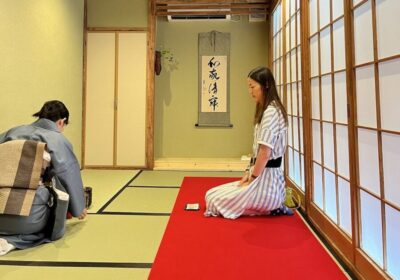
Arashiyama Bamboo Forest, Monkeys, Matcha & Temple Tour
Read our review →Browse the lists this tour appears in