
Reviewed · TEA CEREMONY EXPERIENCES
A Unique Antique Kimono and Tea ceremony Experience in English
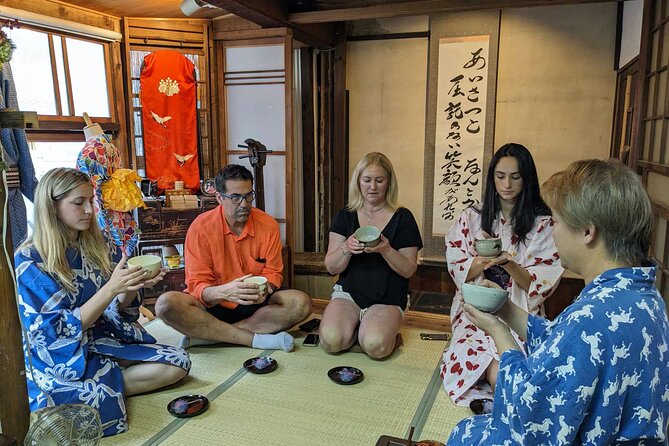
The memorable part of this Kyoto experience comes before the tea is served. At Miyagawa Tokusaburo Shoten, Toku Miyagawa helps you choose an antique kimono that may be more than 80 years old, then explains how the clothing, accessories, and ceremony fit together. You are not simply handed a costume for a quick photograph.
I like the quiet setting near Katsura Imperial Villa, far from Kyoto’s busiest sightseeing streets. I also like the small six-person limit and Toku’s more than 20 years of tea ceremony experience. The main consideration is that this is a personal home-based cultural lesson, not a grand tea house with gardens or a long tasting menu.
Key points to know before booking
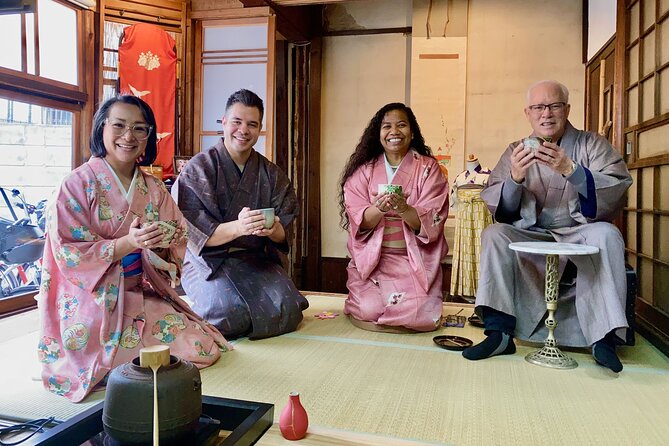
- Antique kimono included: Your fee covers rental of a rare, older kimono, with help choosing accessories and arranging the outfit.
- Toku Miyagawa leads the experience: He explains tea etiquette, matcha preparation, kimono details, and the connection between samurai culture and tea.
- A quiet Kyoto address: The old house is near Katsura Imperial Villa, in a calmer residential area rather than central Kyoto.
- Small group format: The activity is limited to six people, so you should receive direct help and clear explanations.
- Ninety minutes, not a full tea course: You learn the ceremony and prepare matcha, but this is not designed as a tasting of several teas or a full lesson in tea production.
- Good for families: Children have been welcomed, and the hosts have adapted the ceremony for a participant who could not kneel.
A 100-year-old house near Katsura Imperial Villa
The address is Miyagawa Tokusaburo Shoten, 32-4 Katsuranozatocho, Nishikyo Ward, Kyoto. The experience ends where it begins, and the house is near public transportation. One direct account describes the ride as an easy 15-minute taxi trip, though you should allow extra time to find the exact entrance.
The setting shapes the whole visit. This is a residential part of Kyoto near Katsura Imperial Villa, not a showy attraction in Gion. You may find the approach less dramatic than walking through a famous temple gate, but the reward is a quieter room and more personal contact with the family who runs the activity.
The building is more than 100 years old. That does not mean you should expect a museum with display cases, formal gardens, or a grand ceremonial hall. It is a working private house and shop, and one critical account found the residential setting too ordinary compared with tea ceremonies held in parks and garden compounds.
I would treat that as an important choice, not a flaw for everyone. If you want polished scenery and a formal backdrop, this may feel modest. If you want to sit in a family-run place and learn from the people who maintain the tradition, the setting is part of the appeal.
Other kimono experiences in Kyoto people book:
- Kimono Tea Ceremony at Kyoto Maikoya, NISHIKI
★ 5.0 · 911 reviews - Kyoto: Kimono Rental with Hairstyling and Accessories
★ 4.8 · 653 reviews - Kyoto: Kimono Tea Ceremony at Orizuruya Gion
★ 4.9 · 618 reviews
Choosing an antique kimono with Toku Miyagawa
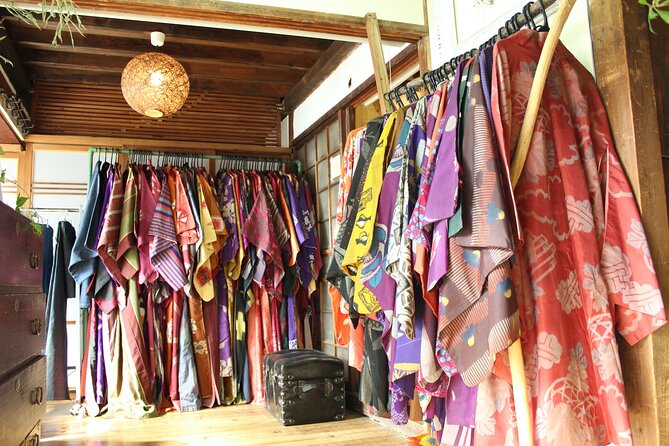
The kimono portion is a major reason to book this experience. Toku has a large selection, and you can choose a garment you like rather than receiving a standard outfit. He helps match the kimono with an obi and other accessories, then dresses you for the ceremony.
Several useful details come through in the way this service is run. Toku is a kimono fitter as well as a tea ceremony teacher, and he explains how he came to do this work. His wife and an assistant may also help with the fitting, hair, and accessories. You may have time for photographs before the tea begins.
The phrase antique kimono matters here. These are not simply modern rental outfits selected for a quick tourist photo. The experience presents them as rare older garments, with some more than 80 years old. At the same time, the collection may not match everyone’s idea of an exotic costume. One person found the garments less dramatic than those seen in town and disliked seeing them folded in the house.
That is a fair expectation check. You are entering a shop and family home, not a theatrical dressing studio. The appeal is the chance to handle and wear older garments while learning from someone who works with kimono, not a guarantee of an elaborate fashion production.
Some participants also receive hair styling and a choice of hair ornaments. The available information does not promise a full professional styling session for every booking, so think of this as helpful finishing work rather than a salon appointment.
The tea lesson: etiquette before performance
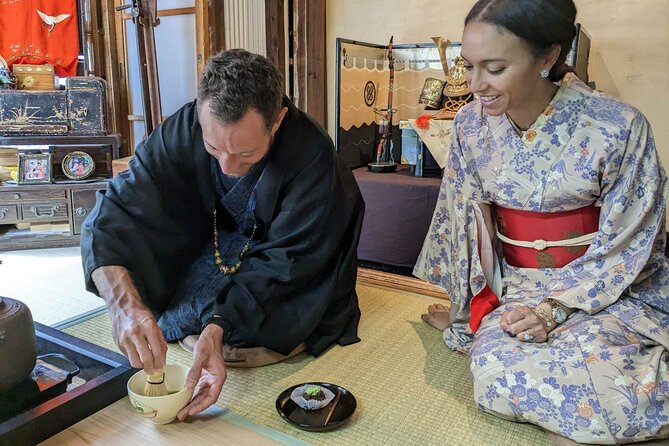
Once dressed, you move into the tea ceremony. Toku explains the manners and sequence in English, including how to sit, how to receive the tea, and why each movement matters. The point is not speed. The ceremony is carried out slowly, with time for questions and photographs.
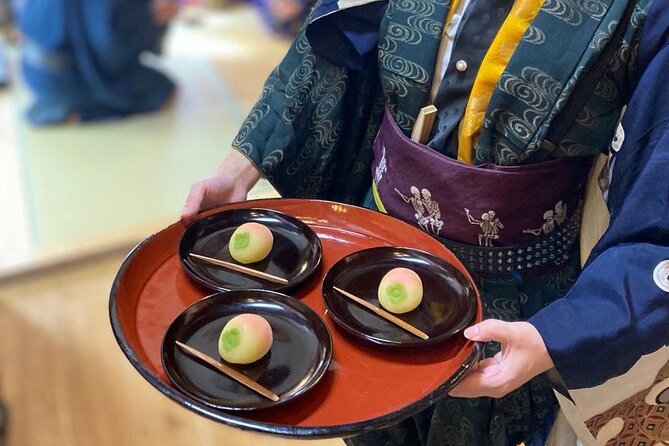
You learn how matcha is made and take part in the preparation. Green tea and Japanese sweets are included. The lesson also covers the meaning behind tea culture and its connection to samurai life, an angle that gives the ceremony more context than a simple demonstration.
I especially like the focus on attention and shared time. Tea ceremony is not just about drinking powdered green tea. The movements, silence, positioning, and exchange between host and guest all matter. Even a short session can help you understand why the ritual developed such careful rules.
The English instruction is a strong practical advantage. Toku explains his background and the tea tradition directly, so you are not relying on a printed translation or watching without context. The experience is offered in English, and the hosts have been described as patient and clear when teaching each step.
Do not book this expecting a full technical course on tea farming, grinding, or regional tea production. One less satisfied participant wanted more detail about tea and hoped to taste several special varieties. That is not what this 90-minute activity promises. It is a guided ceremony with an introduction to matcha, not a multi-tea workshop.
Why the small group size makes a difference
The maximum group size is six. That limit matters because kimono fitting and tea etiquette both work better when the host can watch each person closely.
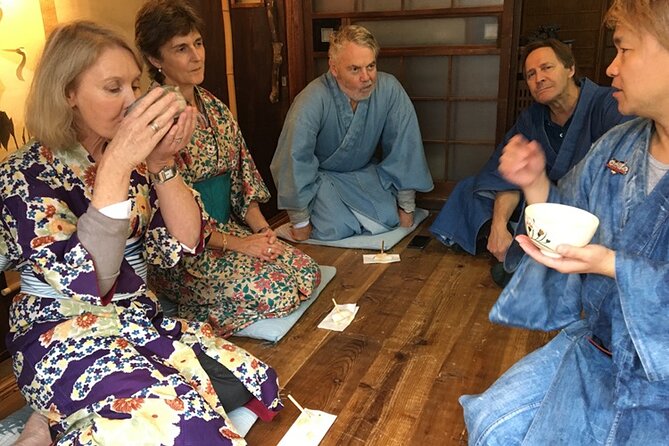
With a larger group, you might spend most of the ceremony observing from the back. Here, you have a better chance to ask about the outfit, copy the host’s movements, and receive help when something feels unfamiliar. The small format also suits families and couples who want a calm pace.
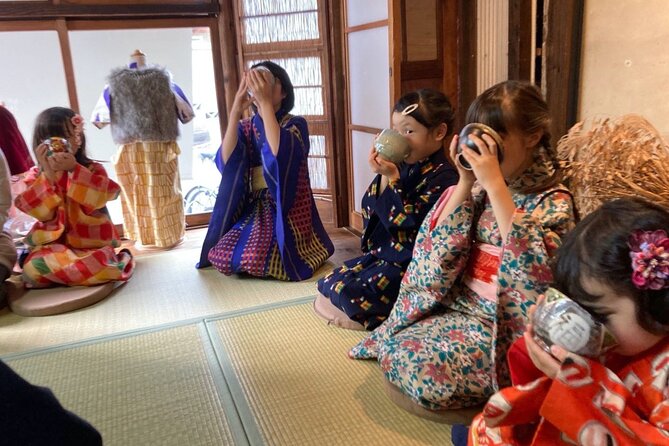
The experience has been used successfully with children, including a very young child, and families have found the hosts welcoming. Still, tea ceremony involves sitting quietly and following instructions. If your children need constant activity, the pace may feel slow. The hosts can involve young participants, but the session remains a traditional lesson rather than a children’s craft class.
There is also some flexibility in how the ceremony is handled. A participant who could not kneel had the format adapted. That suggests you should tell the hosts about mobility needs before arrival, rather than waiting until the ceremony starts. The formal information also states that service animals are allowed.
Other tea ceremonies in Kyoto people book:
- Kyoto: Tea Ceremony in a Traditional Tea House in Kiyomizu
★ 4.9 · 3,519 reviews - Kyoto: Tea Ceremony Ju-An at Jotokuji Temple
★ 4.9 · 3,207 reviews - Kyoto: 45-Minute Tea Ceremony Lesson Experience
★ 4.3 · 2,378 reviews - Kyoto: Table-Style Tea Ceremony at a Kyo-Machiya
★ 4.9 · 1,211 reviews
Photos, family warmth, and the human side
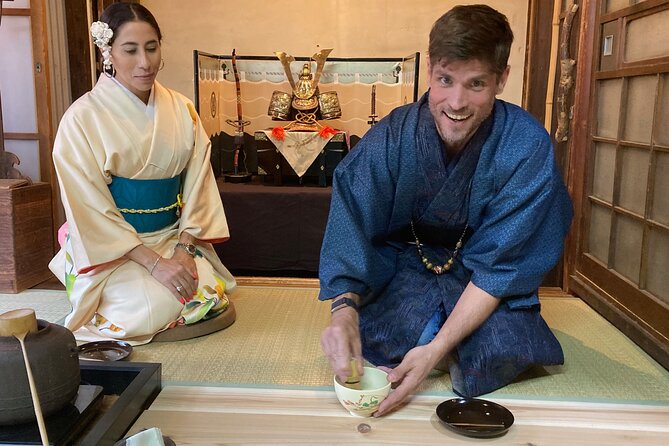
The hosts take photographs during the experience, including pictures of you in kimono and during the ceremony. This is useful because your hands may be occupied with tea utensils, and you may not want to interrupt the ritual to manage your own camera.
The family-run character comes through in the welcome. Toku, his wife, and their assistant help with clothing, explain the tradition, and stay involved throughout the visit. The warmth is a central part of the experience, especially for people who want conversation rather than a scripted presentation.
The family has also shown flexibility when plans go wrong. One booking party became delayed in Osaka and contacted the hosts, who worked with them rather than treating the situation as a cold transaction. That does not remove the need to arrive on time, but it shows the personal nature of the operation.
You should also be ready for a visit that feels domestic. The house is not arranged like a large attraction, and the kimono may be stored in ordinary shop or home areas. Some people will find this refreshingly real. Others may feel the surroundings do not match the price or the image they had in mind.
What the $99.10 price covers
The price is $99.10 per person. It includes the antique kimono rental, the tea ceremony, green tea, and Japanese sweets. Lunch and dinner are not included, though neither should be necessary for a 90-minute activity.
The value depends on what you want from Kyoto. If you only want to put on a modern yukata for a quick photograph, cheaper options may exist. Here, the fee covers clothing selection, fitting, an English-language explanation, a tea lesson, a family setting, and a small group capped at six.
I think the price is reasonable for someone who values personal instruction and older garments. It is less convincing if you mainly want extensive tea tasting, a grand tea room, or a polished garden setting. The experience asks you to pay for access to the family’s time and knowledge, not just for a beverage and costume.
The 90-minute duration is long enough for dressing, explanation, tea, sweets, and photographs, but short enough to fit around sightseeing. You should not expect every minute to contain new technical information. Some simple steps may be given generous attention, which one participant found slow. For many people, that slower pace will be the point.
Who will enjoy this most
I would recommend this experience to:
- First-time visitors who want a clear introduction to tea ceremony etiquette
- Couples looking for a shared cultural activity
- Families with children who can take part in a calm lesson
- People interested in kimono construction, fitting, and older clothing
- Visitors who prefer a residential neighborhood to a crowded central attraction
- Anyone who wants an English-speaking host and a small group
I would think twice if you want a grand temple setting, a garden view, a formal tea school atmosphere, or several different teas to taste. You should also be comfortable with the fact that the house may look ordinary beside Kyoto’s most polished cultural sites.
The ceremony is solemn but not rigidly inaccessible. Toku explains each step, encourages questions, and allows photographs. The experience can feel serious and respectful without demanding that you already understand Japanese customs.
Practical details for planning your visit
Your booking confirmation normally arrives at the time of booking. If you book within one day of the visit, confirmation arrives as soon as possible and depends on availability.
The activity begins and ends at Miyagawa Tokusaburo Shoten. It is near public transportation, and mobile tickets are accepted. Since this is a specific house in a residential area, I would save the address and allow time to locate the entrance rather than relying on a last-minute map search.
Free cancellation is available until 24 hours before the start time for a full refund. Cancellations or changes made less than 24 hours before the start time are not accepted for a refund, and cut-off times use local Kyoto time.
The experience has a 4.9 rating from 109 reviews, with 97 percent recommending it. Those numbers fit the main pattern: very strong approval for the hosts, kimono selection, personal attention, and calm atmosphere, with a small number of serious objections about the ordinary setting and the amount of tea instruction.
Should you book this Kyoto tea ceremony?
Book it if you want a personal family-run lesson with antique clothing, careful English explanations, and a quiet house near Katsura Imperial Villa. The combination of kimono fitting, tea etiquette, matcha preparation, sweets, and photographs gives you more than a quick costumed photo stop.
Skip it if your ideal tea ceremony requires a famous garden, an ornate hall, or a tasting of several teas. The setting is simple, and the 90 minutes focus on one ceremony rather than a broad study of Japanese tea.
For the right visitor, this is a memorable way to slow down and meet the people behind the tradition. I would choose it for the human contact and the rare kimono, not for grand scenery. That distinction will help you decide if the $99.10 price feels like good value.
FAQ
Where does the tea ceremony take place?
It takes place at Miyagawa Tokusaburo Shoten, 32-4 Katsuranozatocho, Nishikyo Ward, Kyoto, near Katsura Imperial Villa.
How long does the activity last?
The experience lasts approximately 1 hour and 30 minutes.
Is the experience available in English?
Yes. The tea ceremony and cultural explanations are available in English.
Is kimono rental included in the price?
Yes. The antique kimono rental fee is included, along with the tea ceremony, green tea, and Japanese sweets.
How many people can join the activity?
The group is limited to a maximum of six participants.
Is food included?
Green tea and Japanese sweets are included. Lunch and dinner are not included.
Can children join?
Yes. Children and families have taken part, and young children can be involved in the activity. The ceremony still requires a calm pace and attention to instructions.
Can someone who cannot kneel take part?
The ceremony has been adapted for a participant who could not kneel. You should tell the hosts about mobility needs before the activity.
What is the cancellation policy?
You can cancel up to 24 hours before the start time for a full refund. Cancellations or changes made less than 24 hours before the activity are not accepted for a refund.
More tea ceremonies elsewhere in Japan
- Kyoto: Arashiyama Bamboo Forest, Monkeys, Matcha & Temple Tour
★ 5.0 · 759 reviews - Kyoto: Tea Museum Tickets and Matcha Grinding Experience
★ 4.9 · 739 reviews - Kyoto: Tea Ceremony in 100-year-old Kyo-Machiya Townhouse
★ 4.8 · 546 reviews - Kyoto: Tea Ceremony Experience
★ 4.8 · 511 reviews
More kimono experiences elsewhere in Japan
- KYOTO Tea Ceremony with kimono near by Imamiya Jinjya Shrine
★ 5.0 · 343 reviews - Kyoto: Kimono and Tea Ceremony Experience at Cultural Asset
★ 4.3 · 306 reviews - Kyoto: Traditional Kimono Rental
★ 4.7 · 265 reviews - Kyoto: Kimono Tea Ceremony with Matcha and Sweet
★ 4.9 · 249 reviews
Just added in Kyoto
- Private Cooking Class Udon in Kyoto Japan★ 5.0 · 23 reviews
- Your Private Vacation Photography Session In Kyoto★ 5.0 · 110 reviews
- Kyoto: Zen Meditation at a Private Temple with a Monk★ 5.0 · 25 reviews
- Private Pewter Sake Cup Experience with a Kyoto Artisan★ 5.0 · 31 reviews
- Kyoto Wagashi(Japanese sweets) Cooking Class near Fushimiinari★ 5.0 · 60 reviews
- Kyoto:Family-Friendly Kimono & Yukata Experience at WARGO★ 5.0 · 147 reviews
- Private Guided Traditional Buddhist Cooking in Japan★ 5.0 · 16 reviews
- Kyoto: Gion Geisha District & Sake-in-Hand Walking Tour★ 5.0 · 37 reviews
Tea Ceremony Experiences, compared.

Tea Ceremony in a Traditional Tea House in Kiyomizu
Read our review →

World Heritage Kyoto & Nara Uji Authentic Matcha Experience
Read our review →
Arashiyama Bamboo Forest, Monkeys, Matcha & Temple Tour
Read our review →Browse the lists this tour appears in