
Reviewed · TEA CEREMONY EXPERIENCES
Tea ceremony and kimono experience at Kyoto, Tondaya
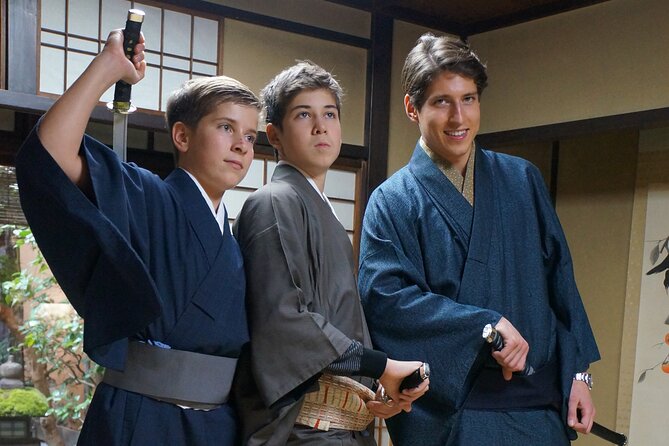
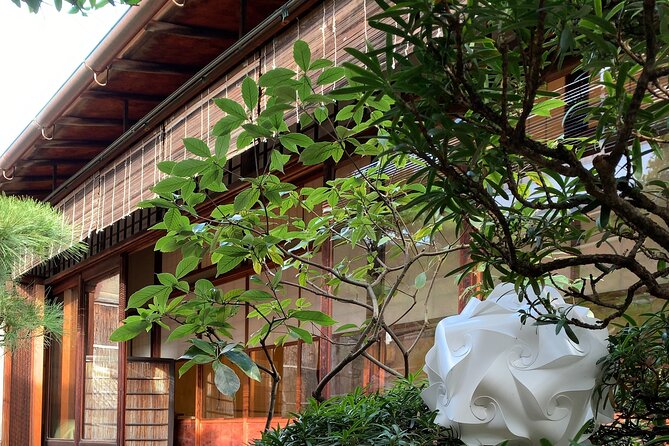
The most appealing part of this Kyoto experience is the setting. Tondaya is not a modern activity center but a 140-plus-year-old wooden machiya in the Nishijin district, with tatami rooms, gardens, and the quiet character of an old family home. You are fitted with a silk kimono, then watch a tea ceremony in the same traditional setting.
I like the chance to wear a proper kimono and the opportunity to see a part of Kyoto many visitors skip. I also like that the experience explains how to drink matcha and lets you photograph the house and ceremony. The main caution is group size: when the room is crowded, the ceremony can be hard to see, hear, or appreciate.
Key points to know before booking
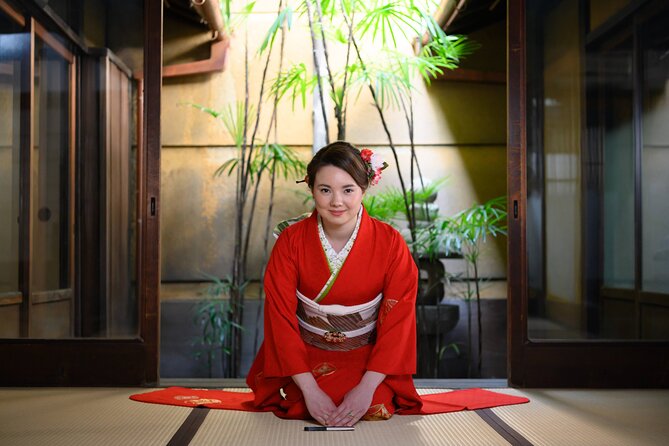
- A real Meiji-period machiya: Tondaya is a historic wooden townhouse, not a purpose-built stage set.
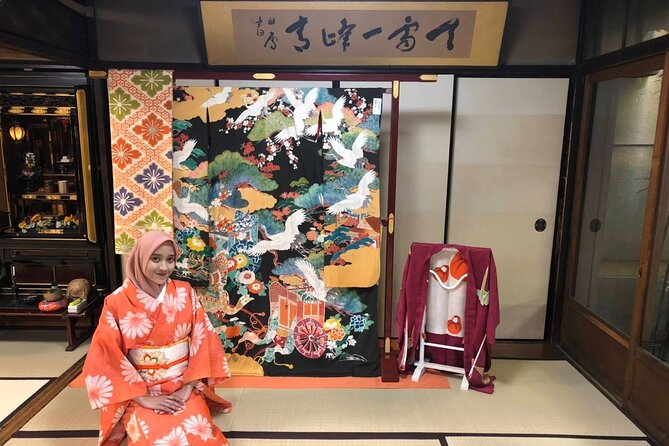
- Kimono fitting comes first: Staff dress you over your own clothing in an authentic silk kimono.
- The ceremony is fairly brief: The full visit lasts up to 90 minutes, but the actual tea preparation may take only a few minutes.
- The group option affects the mood: The advertised maximum is 20 people, while crowded sessions can feel less calm.
- Photos are part of the experience: You can take pictures around the house, with traditional rooms and garden areas as backdrops.
- Bring socks: Socks are required to help protect the historic floors and other cultural property.
Tondaya feels like a home, not a tourist stage
Tondaya, also called the Nishijin Japanese Cultural Experience Museum, is at 697 Ishiyakushicho in Kyoto’s Kamigyo Ward. The address is near public transportation, but the building can be easy to miss. Signage is limited, and from the outside you may expect a museum sign or a large entrance. Instead, you are looking for a traditional Japanese townhouse.
That setting is a major part of the value. Nishijin is known for Kyoto’s textile tradition, and Tondaya’s connection with Japanese clothing gives the kimono portion more weight than a simple costume rental. You are not just posing in a bright outfit for ten minutes before moving on. The staff fit the kimono over your own clothes, select colors with you, and prepare you for the house and ceremony.
Still, keep your expectations in check. This is a short cultural introduction, not a full-day study of tea, kimono, or Nishijin weaving. The atmosphere can feel personal and traditional, but the presentation depends heavily on the group and the English explanation provided that day.
Other kimono experiences in Kyoto people book:
- Kimono Tea Ceremony at Kyoto Maikoya, NISHIKI
★ 5.0 · 911 reviews - Kyoto: Kimono Rental with Hairstyling and Accessories
★ 4.8 · 653 reviews - Kyoto: Kimono Tea Ceremony at Orizuruya Gion
★ 4.9 · 618 reviews
Getting dressed in silk kimono
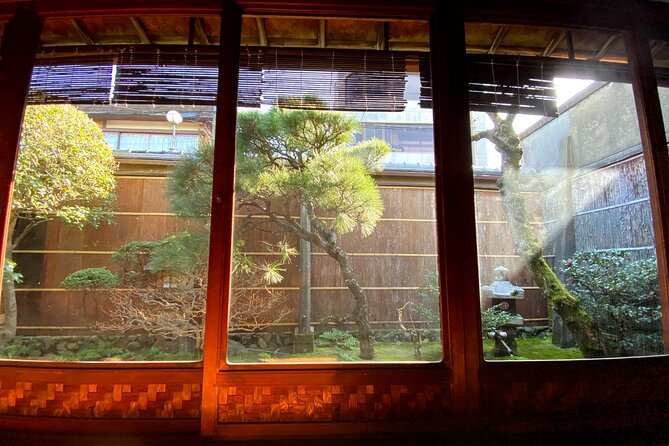
The visit begins with the kimono fitting. Staff help you put on an authentic silk kimono over your regular clothes. The process is designed to be quick, so you should not expect a detailed lesson in every layer, knot, or textile pattern.
That speed is useful when several people arrive together, but it also explains one common disappointment. Some participants hope to learn the meaning of the garments, the difference between fabrics, or the history of the accessories. That information may be limited. The focus is on getting everyone dressed and ready for the house tour and tea ceremony.
You can choose colors, and the finished outfit is suitable for photographs. The fitting does not include makeup or hair styling, and geta, the traditional wooden sandals, are not included. You remain in your own socks and regular clothing underneath, which makes the process practical for a short visit.
Bring your own socks. This is not just a comfort tip. The house requires socks to protect its floors and cultural objects. If you arrive without them, socks may be available for purchase, but bringing a pair from your suitcase is the simpler choice.
Once dressed, you have time to take photos. This is one of the most praised parts of the visit, especially for anyone who wants a visual memory of Kyoto beyond the usual temple entrance shot. You can photograph the rooms, furnishings, garden areas, and parts of the kimono experience. Just remember that a crowded room can make this stage feel hurried.
Walking through a 140-year-old Kyoto house
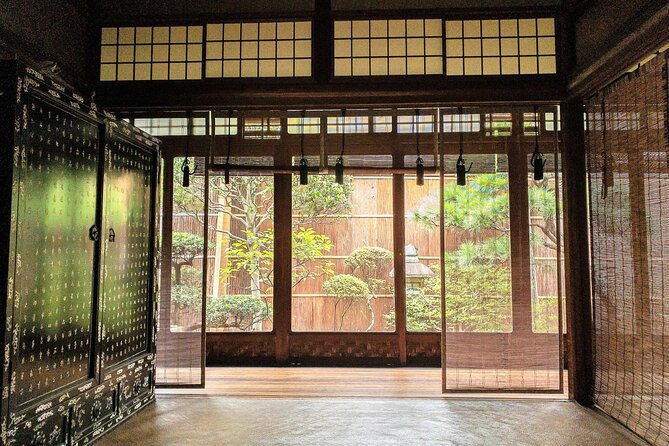
The tour moves through the machiya, originally built during the Meiji period. The house offers the details that make traditional Kyoto architecture worth seeing: wooden rooms, tatami, sliding doors, carefully arranged objects, and gardens that bring air and light into the home.
One especially appealing detail is the way the house is built around seasonal comfort. Open spaces allow breezes to pass through, and the rooms feel very different from a sealed modern building. Depending on the weather and crowd, that can be a pleasure or a problem. A hot day, a packed room, and long periods of sitting can become uncomfortable.
The house tour gives you a glimpse of ordinary traditional design rather than a grand castle or temple complex. That is valuable because Kyoto’s famous sights often show formal religious or imperial architecture. Tondaya shows how a historic urban home was arranged and used.
The quality of the explanation varies. Some sessions provide a useful account of the rooms, furniture, tea equipment, and family home. Other sessions move quickly, with only a short walk and limited background. If you want a detailed lecture on Japanese architecture, this is not the safest choice. If you want to step inside an old Kyoto townhouse while wearing a kimono, it makes better sense.
What happens during the tea ceremony
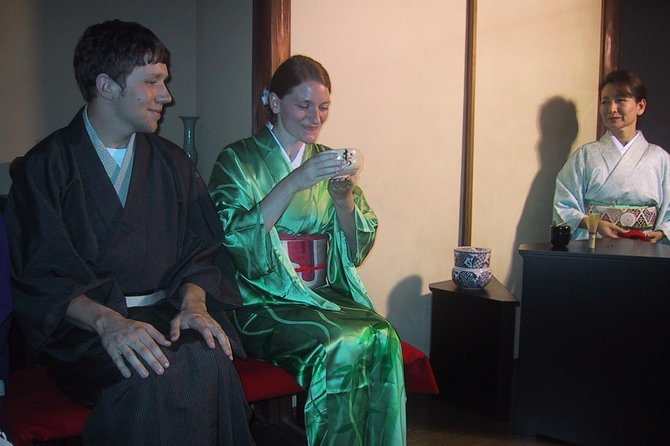
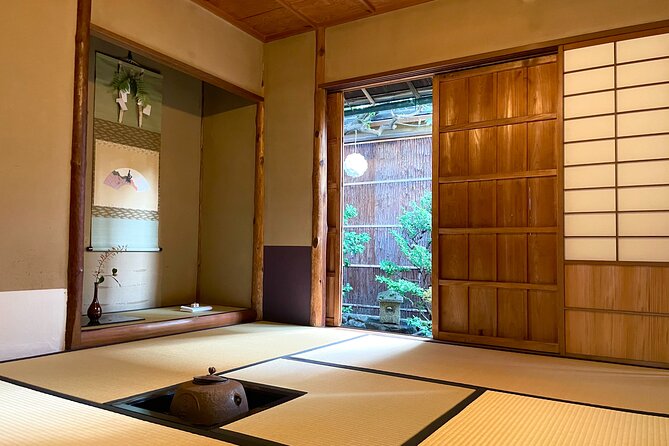
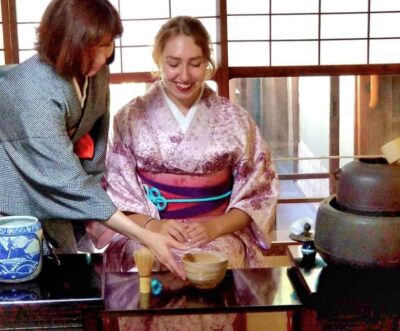
After the dressing and house tour, you watch a traditional tea ceremony and receive matcha with a Japanese sweet. The tea master demonstrates the preparation, and you are shown the proper way to drink it. You may also have the chance to photograph the tea equipment and ceremony.
The ceremony is intentionally simple. That can work well for a first introduction. You see the careful movements, the placement of the bowl, and the respectful way the tea is received. You also get a taste of the quiet discipline behind the ritual without committing half a day to a formal tea school.
The drawback is that the demonstration may be over in a few minutes. Some sessions offer a clear explanation of each step and why it matters. Others provide only a brief description, followed by tea served on a tray. In a large group, people at the back may struggle to see the preparation. Noise from another group moving through the house can also interrupt the calm.
This is the point where the private option becomes important. A private booking gives you a better chance to hear the explanation, ask questions, and see the tea preparation. The group experience can still be pleasant, but it is less reliable if your main goal is a serious lesson in chanoyu, the Japanese tea tradition.
Do not expect a large serving. You receive a small bowl of matcha and a sweet, not a meal. Lunch is not included, and the visit ends back at the meeting point. The tea is naturally bitter, balanced by the sweet, so it may not suit anyone expecting a mild or sugary drink.
Other tea ceremonies in Kyoto people book:
- Kyoto: Tea Ceremony in a Traditional Tea House in Kiyomizu
★ 4.9 · 3,519 reviews - Kyoto: Tea Ceremony Ju-An at Jotokuji Temple
★ 4.9 · 3,207 reviews - Kyoto: 45-Minute Tea Ceremony Lesson Experience
★ 4.3 · 2,378 reviews - Kyoto: Table-Style Tea Ceremony at a Kyo-Machiya
★ 4.9 · 1,211 reviews
Group size can make or break the visit
The stated maximum is 20 participants, and that number matters in a small historic house. Even 20 people can make a tatami room feel tight, especially when everyone is wearing a kimono and trying to watch a ceremony from the same angle.
The experience is conducted with other participants unless you select the private option. A group can add a pleasant shared feeling, but it also brings practical risks. Late arrivals may delay the start. Dressing several people takes time. People may be seated where they cannot see the tea master, and conversation or movement can weaken the quiet mood.
Some accounts describe a smooth, informative session with kind staff and a well-explained ceremony. Others describe heat, crowding, poor sightlines, and a rushed presentation. Both outcomes are possible within the same basic format because the result depends on attendance, timing, staff assignment, and how the room is managed that day.
If serenity matters most to you, choose the private experience. If you mainly want kimono photos, a historic house, and a first taste of matcha, the group option may be enough. I would not book the group tour expecting a private tea-school lesson.
Is $178.34 a fair price?
At $178.34 per person, this is an expensive short activity. The visit lasts up to 90 minutes, includes entrance, kimono dressing, the tea ceremony, a sweet, and the house tour. It does not include lunch, makeup, hair styling, socks, or geta.
The price makes more sense if you value the setting and the clothing. Dressing in an authentic silk kimono inside a historic machiya is a distinctive Kyoto activity. You are paying for access to the house, the staff who dress you, the ceremony, and the photographs you can take during the visit.
The value weakens if you care mainly about tea instruction. The preparation may be brief, and some sessions provide little history or explanation. You might leave feeling that you paid mostly for dressing up and taking pictures, especially if the group is crowded or the ceremony is hard to see.
For a first-time visitor with limited time, this can combine three experiences in one: traditional clothing, a historic home, and matcha. For someone who has already attended a formal tea ceremony or wants detailed instruction, the price is harder to justify unless you choose the private format.
The activity is often booked about 27 days ahead, so it is sensible to reserve early if your Kyoto dates are fixed. Confirmation is provided at booking, and cancellation is free if you cancel at least 24 hours before the start time. Changes or cancellations inside that window are not accepted for a refund.
Who should book Tondaya?
I would consider this a good fit for you if you want:
- A short introduction to Japanese tea culture
- The chance to wear a silk kimono without arranging a full-day rental
- Photos in a traditional Kyoto house
- A quieter alternative to the busiest central sightseeing areas
- A cultural activity that most members of a family can join
The activity may disappoint you if you want a long, detailed explanation of tea ceremony etiquette, textile history, or Japanese architecture. It may also frustrate you if you dislike group demonstrations or need a guaranteed calm setting.
Most participants can take part, and the experience is near public transportation. The house has traditional features, so anyone with mobility concerns should confirm suitability before booking. The supplied details do not give a full accessibility description.
Wear comfortable clothes beneath the kimono and arrive with socks. Allow extra time to find the entrance. GPS can help, but poor signage means you should not wait until the last minute to locate the house.
My verdict: book for the house and kimono, not just the tea
I would book Tondaya if the image of walking through an old Kyoto home in silk kimono appeals to you. The historic setting, garden areas, friendly dressing staff, and photo opportunities are the strongest reasons to go.
I would choose the private option if the tea ceremony itself is your priority. For the standard group visit, think of the ceremony as a short demonstration within a broader cultural experience. That honest expectation is the key to enjoying it.
At this price, the activity needs good timing and a manageable group to feel worthwhile. Book it for the combination of traditional home, kimono, and matcha, not for a long tea lesson. If that combination matches your Kyoto plans, Tondaya can be memorable. If you want quiet, depth, and close-up views of every tea-making movement, spend more for private attention or choose a more specialized tea experience.
FAQ
Where does the tea ceremony and kimono experience take place?
It takes place at Tondaya, the Nishijin Japanese Cultural Experience Museum, at 697 Ishiyakushicho, Kamigyo Ward, Kyoto, Japan. The activity begins and ends at this meeting point.
How long does the experience last?
The maximum scheduled experience time is about 1 hour and 30 minutes. The actual length can vary depending on how crowded the session is.
Is the kimono included?
Yes. The experience includes fitting you with an authentic silk kimono over your own clothing. Makeup, hair styling, and geta are not included.
Do I need to bring socks?
Yes. Socks are required to help protect the historic house and cultural property. You can bring your own or buy a pair at the venue.
Is this a private tea ceremony?
The standard experience is conducted in a group, with a maximum of 20 participants. A private experience is available if you prefer a more personal setting.
Is food included?
No lunch is included. The tea ceremony includes matcha and a sweet.
Can I cancel for a refund?
You can cancel for a full refund if you do so at least 24 hours before the experience start time. Cancellations or changes made less than 24 hours before the start time are not accepted for a refund.
More tea ceremonies elsewhere in Japan
- Kyoto: Arashiyama Bamboo Forest, Monkeys, Matcha & Temple Tour
★ 5.0 · 759 reviews - Kyoto: Tea Museum Tickets and Matcha Grinding Experience
★ 4.9 · 739 reviews - Kyoto: Tea Ceremony in 100-year-old Kyo-Machiya Townhouse
★ 4.8 · 546 reviews - Kyoto: Tea Ceremony Experience
★ 4.8 · 511 reviews
More kimono experiences elsewhere in Japan
- KYOTO Tea Ceremony with kimono near by Imamiya Jinjya Shrine
★ 5.0 · 343 reviews - Kyoto: Kimono and Tea Ceremony Experience at Cultural Asset
★ 4.3 · 306 reviews - Kyoto: Traditional Kimono Rental
★ 4.7 · 265 reviews - Kyoto: Kimono Tea Ceremony with Matcha and Sweet
★ 4.9 · 249 reviews
Just added in Kyoto
- Private Cooking Class Udon in Kyoto Japan★ 5.0 · 23 reviews
- Your Private Vacation Photography Session In Kyoto★ 5.0 · 110 reviews
- Kyoto: Zen Meditation at a Private Temple with a Monk★ 5.0 · 25 reviews
- Private Pewter Sake Cup Experience with a Kyoto Artisan★ 5.0 · 31 reviews
- Kyoto Wagashi(Japanese sweets) Cooking Class near Fushimiinari★ 5.0 · 60 reviews
- Kyoto:Family-Friendly Kimono & Yukata Experience at WARGO★ 5.0 · 147 reviews
- Private Guided Traditional Buddhist Cooking in Japan★ 5.0 · 16 reviews
- Kyoto: Gion Geisha District & Sake-in-Hand Walking Tour★ 5.0 · 37 reviews
Tea Ceremony Experiences, compared.

Tea Ceremony in a Traditional Tea House in Kiyomizu
Read our review →

World Heritage Kyoto & Nara Uji Authentic Matcha Experience
Read our review →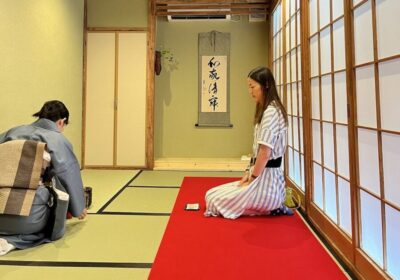

Arashiyama Bamboo Forest, Monkeys, Matcha & Temple Tour
Read our review →Browse the lists this tour appears in