
Reviewed · TEA CEREMONY EXPERIENCES
Tea Ceremony Experience in Osaka Doutonbori
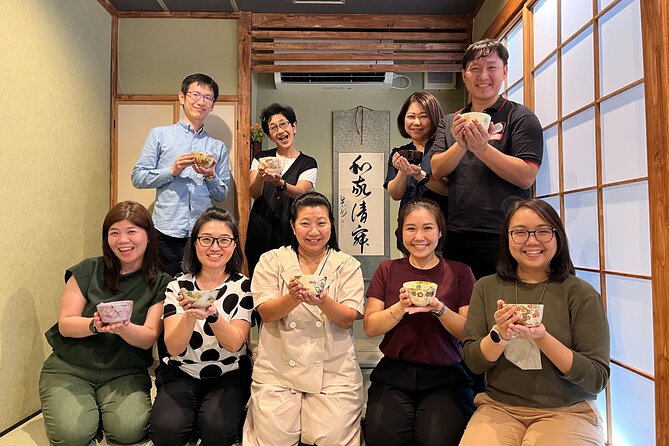
The best part of this Osaka experience is the sharp change of pace. Step off noisy Dotonbori and into a quiet 45-minute lesson on tea, etiquette, and mindful preparation. You watch the host make matcha, then whisk your own bowl and enjoy a seasonal Japanese sweet.
I like the small-group format, which gives you room to ask questions and practice without feeling rushed. I also like the family-friendly option: children can have caffeine-free matcha milk instead of regular green tea. The main drawback is the short running time. This is an approachable introduction, not a full formal tea-school lesson.
Key points at a glance
- A calm room near Dotonbori: The tea setting is close to one of Osaka’s busiest areas, making the contrast part of the appeal.
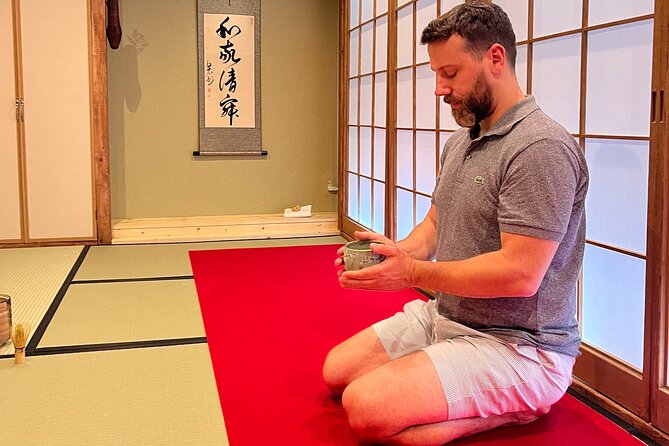
- Watch, then make your own: You see the instructor prepare tea before trying the whisking yourself.
- Experienced English-speaking hosts: Kazu, Mai, Soda, and other instructors lead sessions, with more than a decade of teaching experience noted for the class.
- Traditional sweets included: Matcha is paired with a Japanese sweet, often linked to the season.
- Suitable for families: Children can receive caffeine-free matcha milk, but children under five require advance contact and may not be admitted.
- A practical 45-minute cultural stop: It fits neatly into a day based around Dotonbori, Namba, and central Osaka.
A quiet tea lesson beside Dotonbori
Osaka is famous for food, neon signs, and quick-moving streets. This activity offers something different without asking you to leave the center. The meeting point is on the second floor of Dotonbori Building at 1-chome Higashi-5-26 in Chuo Ward.
That location matters. You do not need to set aside half a day for a distant temple or garden. You can fit the class before dinner, between shopping stops, or on your final morning in Osaka. The room provides a pause from the city, while the address keeps you close to the sights you likely already plan to see.
The class presents tea ceremony in a friendly, accessible way. You learn why the ceremony matters, how the tools are used, and how tea is served and drunk. The format is less stiff than a highly formal ceremony, which makes it a good first encounter with the tradition.
The activity is usually about 45 minutes, although one description calls it an hour. I would plan for roughly an hour so you are not hurrying to your next booking. The maximum group size is 15, but the session can be much smaller. Several accounts describe groups of about six people or just two couples, which gives the teacher time to help each person.
Other tea rooms and ceremonies in Osaka:
- Osaka: Tea Ceremony Experience
★ 4.9 · 1,426 reviews - Matcha Making Class in Osaka with Authentic Japanese Sweets Set
★ 5.0 · 509 reviews - Osaka Temple Cool Foot Bath & Matcha Experience〈45min〉
★ 4.9 · 82 reviews
What happens during the 45-minute session
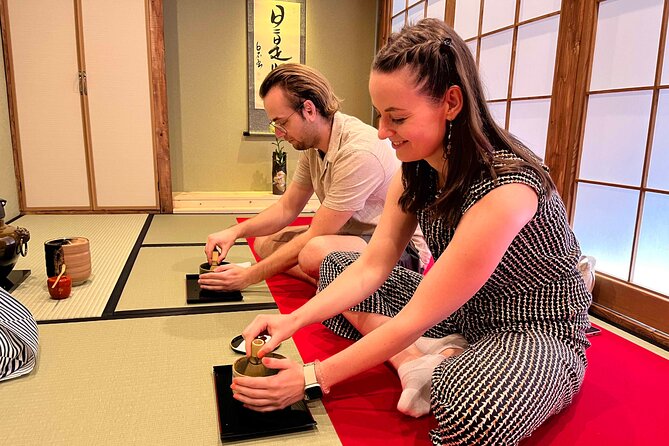
The class begins with an introduction to Japanese tea culture. Your host explains the history and purpose of the ceremony, along with the etiquette that gives each movement meaning. You learn that tea was not simply a drink. It offered a setting for conversation, respect, and equality, and it had a place in the world of the samurai.
This background helps you see the ceremony as more than a set of careful hand movements. The bowing, turning, serving, and drinking all show attention to the person in front of you. Even in a short class, that idea gives the ritual a human scale.
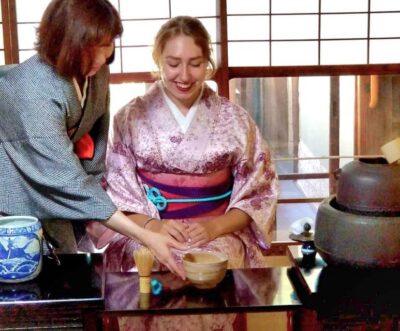
Next, you watch the instructor prepare matcha. The process is deliberately paced, and the teacher explains the tools and the order of the actions. You may see the host use small sound effects or light humor while demonstrating, a detail that helps keep the mood relaxed rather than solemn.
Hosts named in the experience include Kazu, Mai, and Soda. The teaching style can vary by session, but the central pattern remains the same: explanation, demonstration, tasting, and practice. English is used, and the class is designed for people with no previous tea ceremony experience.
After watching the demonstration, you prepare your own matcha. You handle the tea tools, add the powder and water, and whisk the drink. The point is not to produce a perfect bowl on your first attempt. It is to understand the care and rhythm behind the preparation.
You then drink the tea in the traditional manner, with guidance on how to receive and enjoy it. This practical part is important. Watching an expert can be interesting, but making the tea yourself gives you a clearer memory of the tools, texture, and process.
A Japanese sweet is served with the tea. The pairing balances the bitter, grassy taste of matcha and adds another small cultural detail to the session. The sweets may reflect the season, giving the snack more meaning than a standard packaged treat.
Why the small-group setting improves the lesson
A tea ceremony can be hard to appreciate if you are sitting far away from the action. Here, the group size is capped at 15, and many sessions appear to run with fewer people. That gives you a better view of the instructor’s hands and makes it easier to ask about an unfamiliar gesture or tool.
The interactive structure also suits different ages and learning styles. You can listen to the cultural explanation, watch the demonstration, and then practice. If you are traveling with family, each person gets a turn instead of simply observing from the side.
The class is informal enough for beginners. You do not need to arrive already knowing how to kneel, bow, or hold a tea whisk. The teacher explains the etiquette as part of the activity, so mistakes become part of learning rather than a source of stress.
There is a limit to this advantage. A group of 15 is still larger than a private ceremony, and the exact size depends on the booking time. If personal attention is your top concern, choose a session that appears less crowded if the schedule gives you that option.
The hosts make the difference
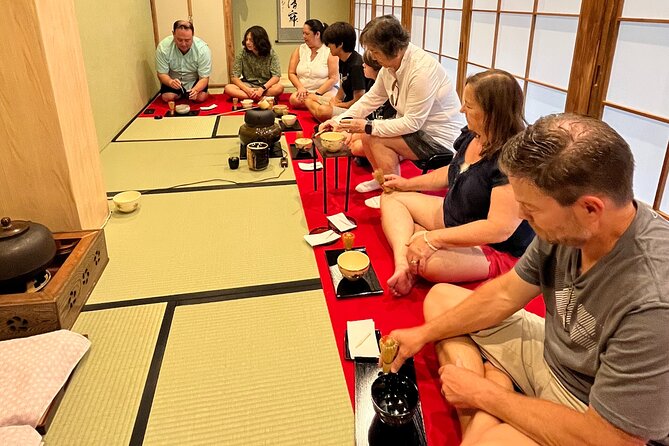
The experience depends heavily on the person leading it. Kazu is described as warm, relaxed, and especially good at explaining the customs. Mai is praised for presenting the history, preparation, and drinking etiquette clearly. Soda is also named as a host who creates a calm, welcoming class.
The instructors bring more than a decade of experience to the teaching. That matters because tea ceremony has many details that can feel mysterious when shown without explanation. A practiced teacher can tell you what to notice, what each tool does, and how to take part without making the lesson feel like a test.
The teaching style is not only formal. One account recalls the instructor’s playful feet-shuffling demonstration and comic sound effects. That may not suit someone seeking a silent, highly ceremonial performance, but it works well for a short introductory class.
The strongest fit is someone who wants cultural context along with the activity. You are not merely handed a bowl of matcha. You learn why the tea is made in a certain way and how respect shapes the exchange between host and guest.
Same base, a different sort of day:
- Osaka Go Karting Tour with Funny Costume
★ 5.0 · 2,658 reviews - Osaka Castle: Museum and Tower Entry Ticket
★ 4.5 · 2,380 reviews - Osaka: Shinsekai Food Tour with 13-15 Dishes at 5 Eateries
★ 4.8 · 2,204 reviews - Osaka Food Tour: 13 Dishes at 5 Local Eateries
★ 5.0 · 2,149 reviews
Matcha, sweets, and the caffeine question
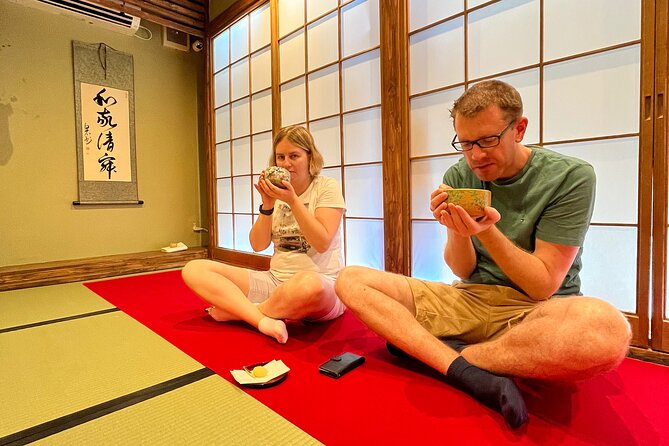
Regular matcha contains caffeine, so this is worth considering if you are sensitive to it or planning several coffee and tea stops in Osaka. The class provides caffeine-free matcha milk for children. This gives families a way to join the ritual without giving young children standard matcha.
The sweet served with the tea helps soften the drink’s natural bitterness. If you usually prefer sweetened tea, expect traditional matcha to taste more vegetal and intense. The experience is partly about noticing that flavor and learning how the sweet changes it.
You make and drink your own tea, but you also taste tea prepared by the host. That comparison is useful. You can see how an experienced hand handles the whisk and then compare the result with your own first bowl.
The activity is not presented as a meal. Plan to eat before or after if you need substantial food. The location near Dotonbori makes that easy, with the area’s many restaurants close by, though the class itself is focused on tea and sweets.
Who should book this Osaka activity
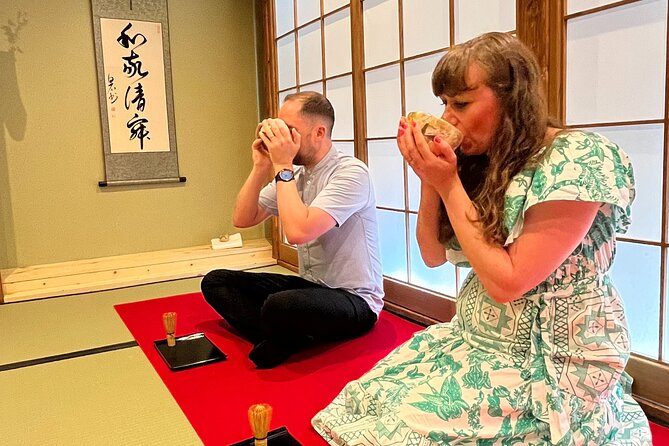
I would recommend this class to a first-time visitor who wants a clear introduction to Japanese culture without committing to a long, formal program. The short length makes it easy to add to an Osaka day, and the central location reduces travel time.
Families should also consider it, especially with the caffeine-free matcha milk option. Contact the provider before booking if you have a child under five. Children under five cannot join the regular plan, and entry is not guaranteed even when an adult has a ticket.
The experience also suits couples and solo visitors. The small-group format creates room for questions, and you do not need to bring anyone with you to take part. It can be a good choice on a departure day because it is calm, contained, and easy to place near central Osaka plans.
You may want something else if you expect a long ceremony in a historic temple, traditional clothing, or a full study of tea-school rules. There is no mention of costume changes, and the lesson is designed as a quick, informal introduction. That is a strength for some people and a limitation for others.
The exact meeting point needs care
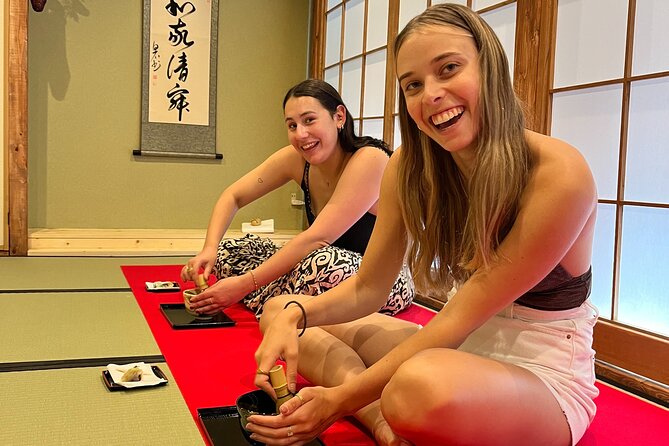
The meeting point is Tea Ceremony Osaka The Osaka, also shown with Japanese characters and the phrase Make matcha. It is at Dotonbori 1-chome Higashi-5-26, Dotonbori Building, second floor, Osaka 542-0077.
Take special care with the address. The word Higashi, meaning east, is part of the location. The most common mistake is entering 1-5-26 without Higashi. Use Google Maps and search for tea ceremony osaka the osaka rather than relying on the address link, which may point to a different map location.
The activity begins and ends at the same meeting point. That makes planning simple, but allow time to find the building and reach the second floor. A mobile ticket is provided, and confirmation arrives when you book.
The venue is near public transportation, but the supplied details do not identify a specific station or walking time. Check your map before leaving your hotel, especially if you are arriving during a busy Dotonbori period.
Is the $20.69 price good value?
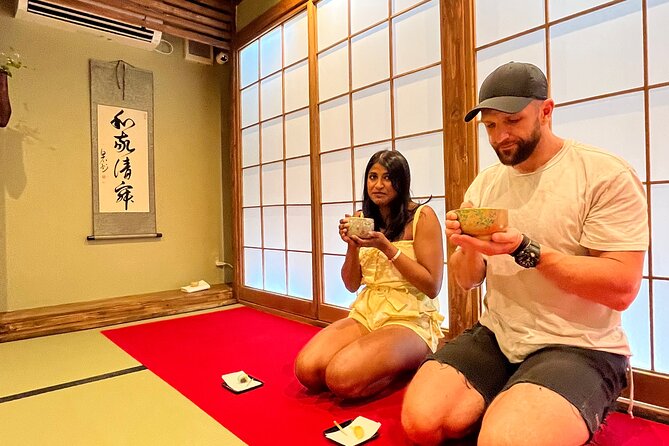
At $20.69 per person, this is a reasonable price for a guided cultural activity in central Osaka. You receive instruction, a demonstration, matcha, a traditional sweet, and the chance to prepare your own tea. The value comes mainly from the teacher’s explanation and the hands-on practice.
A cheaper tea or matcha drink would not give you the same context. A longer private ceremony would offer more depth but would likely require more time and money. This class sits in the useful middle: affordable, short, and interactive.
The price is strongest if you are curious about tea ceremony but do not want to build an entire day around it. It is less compelling if you only want to taste matcha, since Osaka has many cafés where you can do that for less.
Free cancellation is available when you cancel at least 24 hours before the start time. Changes or cancellations made less than 24 hours ahead are not accepted and are not refunded. Keep the local cut-off time in mind when arranging your schedule.
Small details that improve the experience
Arrive with enough time to find the correct building. Dotonbori can be confusing, and the Higashi part of the address is important. Bring your mobile ticket and check the map pin before setting out.
Wear something that lets you sit comfortably and handle the tea tools. The supplied information does not require traditional clothing or a costume change, so you can attend in ordinary sightseeing clothes.
If you want to buy tea-related items, bring some extra cash. Items may be available for purchase, though the details and prices are not specified. Treat this as optional, not part of the included experience.
For children under five, contact the provider before booking. Do not assume that an adult ticket automatically allows a younger child to enter.
Should you book Tea Ceremony Osaka The Osaka?
Book it if you want a friendly, hands-on introduction to Japanese tea culture close to Dotonbori. The best reasons are the small groups, the chance to make your own matcha, the seasonal sweet, and the teachers’ clear explanations of etiquette and tradition.
Skip it if you want a long, highly formal ceremony or a private setting guaranteed for your party. For most first-time visitors, though, the $20.69 price and 45-minute format make this an easy cultural addition to an Osaka itinerary. Check the address carefully, allow a little extra time to find the second floor, and contact the provider ahead of time for any child under five.
FAQ
How long does the tea ceremony experience last?
The activity lasts approximately 45 minutes. One description refers to an hour, so allow about an hour in your schedule to avoid rushing afterward.
Where does the tea ceremony take place?
It takes place at Tea Ceremony Osaka The Osaka, Dotonbori Building, second floor, 1-chome Higashi-5-26, Chuo Ward, Osaka 542-0077.
Does the activity end at the meeting point?
Yes. The activity ends back at the same meeting point.
What should I search for on Google Maps?
Search for tea ceremony osaka the osaka. Include Higashi in the address, since entering 1-5-26 without Higashi may lead you to the wrong place.
Can I make my own matcha?
Yes. You first watch the instructor prepare matcha, then make and drink your own tea with guidance.
Are sweets included?
Yes. The experience includes matcha and a traditional Japanese sweet. Some descriptions note sweets connected with the seasons.
Is there a caffeine-free option for children?
Yes. Caffeine-free matcha milk is available for children.
Can children under five attend?
Children under five cannot join the regular plan. Contact the provider in advance, but admission is not guaranteed even when an adult has a ticket.
What is the cancellation policy?
You can cancel for a full refund up to 24 hours before the start time. Cancellations or changes made less than 24 hours before the activity are not accepted or refunded.
Just added in Osaka
- Osaka Temple Cool Foot Bath & Matcha Experience〈45min〉★ 4.9 · 82 reviews
- Osaka: Mind & Spirit Balance Temple Reiki Healing★ 5.0 · 41 reviews
- Full Day Kyoto Tour : Bamboo Forest, Golden Temple, Fushimi Inari★ 5.0 · 84 reviews
- Osaka: Minoh, Katsuoji Temple, & Minoh Falls Full-day Tour★ 4.9 · 172 reviews
- OSAKA NIGHT FUSION Japanese Taiko Kabuki Samurai Dance Show★ 4.8 · 155 reviews
- Ramen and Gyoza Cooking Class in Osaka★ 5.0 · 202 reviews
- Osaka: A Modern Samurai, Kabuki, Taiko, & Dance Show★ 4.5 · 66 reviews
- Osaka: Samurai Training Experience KENDO in Osaka★ 5.0 · 111 reviews
Tea Ceremony Experiences, compared.
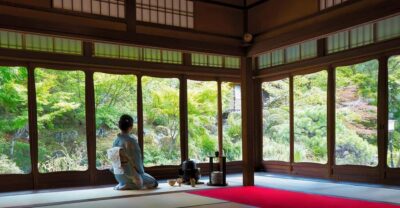
Tea Ceremony in a Traditional Tea House in Kiyomizu
Read our review →
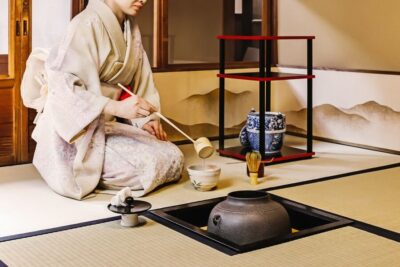
World Heritage Kyoto & Nara Uji Authentic Matcha Experience
Read our review →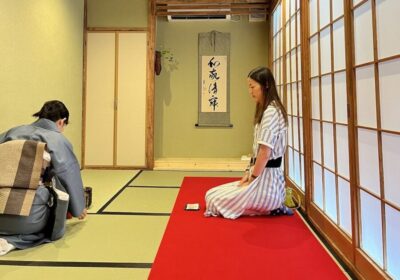
Arashiyama Bamboo Forest, Monkeys, Matcha & Temple Tour
Read our review →Browse the lists this tour appears in