
Reviewed · TEA CEREMONY EXPERIENCES
Matcha Making Class in Osaka with Authentic Japanese Sweets Set
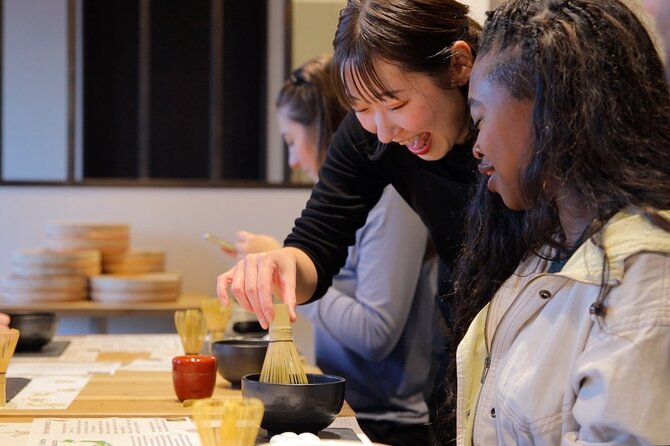
The best part of this Osaka class is that you do not just drink matcha, you make it yourself. An English-speaking host explains where matcha comes from, shows the proper method, and lets you whisk your own cup before pairing it with Japanese sweets.
I like the small group limit of six, which gives the teacher time to correct your technique. I also like the friendly teaching style: hosts such as Momo, Fuko, Yui, and Matty have used quizzes, visuals, and clear explanations to keep the cultural lesson lively. The main drawback is finding the entrance, so allow extra time and check the directions carefully.
Key points to know before booking
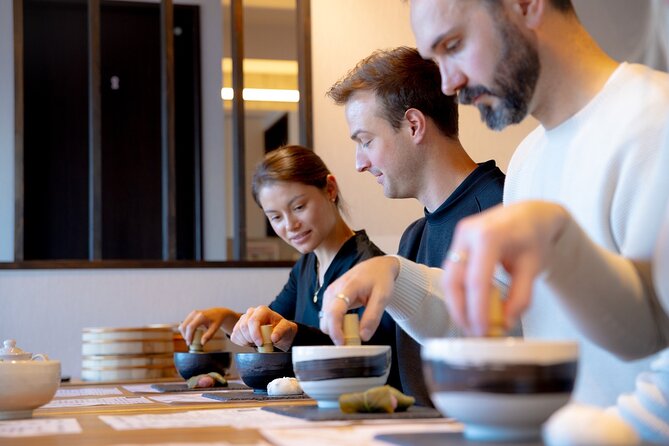
- You make your own matcha: The class covers each step, from handling the tools to whisking the tea.
- The group is capped at six: You get personal guidance rather than watching from the back of a large room.
- English instruction is included: Hosts explain matcha, its background, and tea customs in clear English.
- Japanese sweets complete the tea break: The sweets help balance matcha’s strong, grassy flavor.
- Morning and afternoon times are available: You can fit the one-hour class around sightseeing and meals.
- The price is modest: At $21.89 per person, this is an affordable cultural activity in central Osaka.
Making matcha instead of merely ordering it
Osaka is full of excellent places to eat and drink, but ordering a matcha latte tells you little about traditional preparation. This class gives you a short, practical introduction to the powdered tea itself, including the basic steps needed to prepare it at home.
Your host begins by explaining matcha and its place in Japanese culture. The teaching is not presented as a stiff formal ceremony. It is a relaxed lesson designed for beginners, with room for questions and mistakes.
That casual approach matters. You can learn the process without worrying about perfect posture or knowing the rules in advance. You are there to understand the essentials, handle the tools, and leave with enough confidence to try again at home.
The lesson also includes background about how matcha is made and where it comes from. One host used visual material and short quizzes to help the group remember the information. That is a useful touch, especially if you want more than a quick photo and a cup of green tea.
Other tea rooms and ceremonies in Osaka:
- Osaka: Tea Ceremony Experience
★ 4.9 · 1,426 reviews - Tea Ceremony Experience in Osaka Doutonbori
★ 5.0 · 754 reviews - Osaka Temple Cool Foot Bath & Matcha Experience〈45min〉
★ 4.9 · 82 reviews
A one-hour lesson with real hands-on guidance
The class lasts about one hour, so it fits neatly into an Osaka sightseeing day. You could schedule it before lunch, after an early morning walk, or during an afternoon break from shopping and sightseeing.
The tools and ingredients are prepared for you. That keeps the session focused on learning rather than setup, and it means you do not need to bring anything with you. Your host walks you through the process step by step, then gives you the chance to prepare your own bowl.
The important distinction is that this is not simply a demonstration. You take part. You learn how to use the whisk, how to combine the ingredients, and how to produce a proper cup of matcha. If your technique needs adjusting, the teacher can show you what to change.
That personal correction is one of the strongest reasons to choose a class rather than watch a video at home. A video can explain the motion, but it cannot tell you that your whisking needs to be lighter or faster. In a group of no more than six, the instruction should feel close and useful.
Do not expect a long formal tea ceremony. The experience is an introduction to matcha preparation and tea culture in a friendly class setting. If you want an elaborate ceremony with extended etiquette and highly formal movements, this will likely feel too simple. If you want to understand the basics and have a go yourself, the format makes sense.
What the hosts add to the experience
The teaching style appears to be one of the class’s biggest strengths. Momo has been praised for being warm and easy to follow, while Fuko used clear English and a quiz to explain matcha’s background. Yui has been described as easy to understand, and Matty brought an interactive, entertaining approach to the lesson.
Those details give you a useful sense of the atmosphere. The class is not built around a silent display of equipment. The host talks with you, answers questions, and keeps the pace moving.
The English instruction is especially helpful if this is your first encounter with matcha preparation. You do not need prior knowledge of Japanese tea customs, and the class is suitable even if you are unsure how much you will enjoy the flavor.
I also like that the lesson makes space for both culture and practice. You learn a little about the tea’s background, then put the information to use. The result is more memorable than a purely spoken introduction.
The format can work well for solo visitors, couples, families, and small groups of friends. Since the maximum is six, a private-feeling atmosphere is possible even when you book as an individual. The exact mix of people will vary, but the size prevents the class from becoming impersonal.
Japanese sweets and the taste of the tea
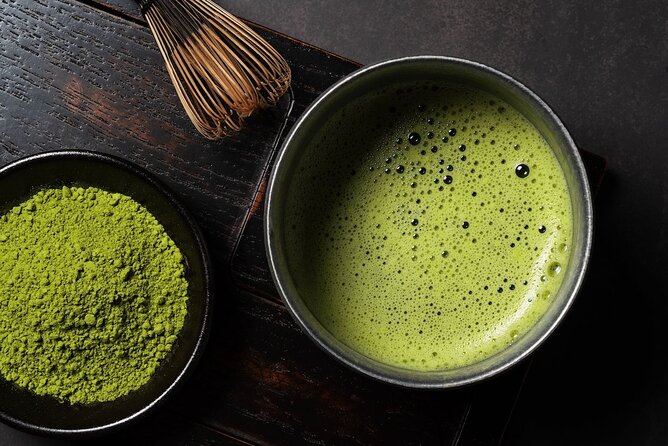
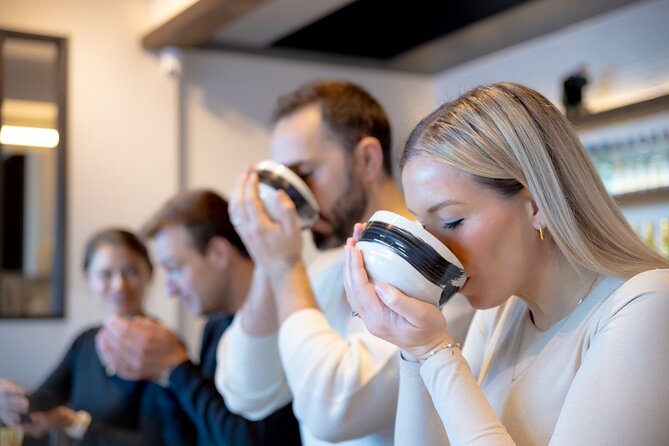
Matcha has a strong flavor. It can taste grassy, bitter, earthy, or pleasantly savory, depending on how it is prepared and your own palate. The Japanese sweets served with the tea are not an afterthought. Their sweetness helps soften the sharper edges of the matcha.
The set includes matcha and Japanese sweets, giving you the full pairing rather than tea on its own. The sweets also make the session feel more like a proper tea break and less like a technical workshop.
You can expect a modest tasting rather than a full meal. Do not book this as a substitute for lunch or dinner. The value lies in learning the preparation and enjoying a small traditional pairing.
The class may also change the way you understand matcha desserts and drinks elsewhere in Osaka. After preparing the tea yourself, you will have a better idea of how concentrated the powder is and why traditional matcha tastes different from a sweet café drink.
Even people who are not already matcha fans can find the format approachable. You are encouraged to learn the method first, then decide how you feel about the flavor. The sweets help make that first taste easier.
A few more things to do in Osaka worth a look
- Matcha Making Class in Tokyo with Authentic Japanese Sweets Set
★ 5.0 · 744 reviews - Tokyo: Matcha Making Experience with Mochi Sweets in Asakusa
★ 4.9 · 388 reviews - Kyoto: Japanese Traditional Sweets Making and Tea Ceremony
★ 4.4 · 314 reviews
Why the six-person limit matters
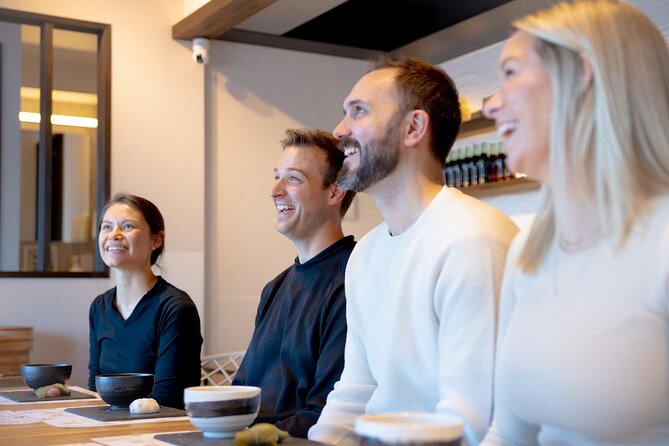
A maximum of six people is a meaningful feature here, not just a line in the booking details. Matcha preparation involves small movements and personal feedback. In a large class, you might spend most of the time watching someone else whisk.
With six or fewer, the instructor can pay attention to each participant. You can ask about the tools, repeat a step, or get help if the tea does not look as expected.
The small size also suits travelers who prefer a quieter cultural activity. Osaka can be energetic, crowded, and loud, especially around popular shopping and nightlife districts. An hour focused on tea offers a useful change of pace.
Still, a small group does not guarantee a private class. Other people may attend, and the experience can feel social rather than solitary. If you are hoping for a completely private lesson, check the booking conditions before paying.
Choosing a morning or afternoon class
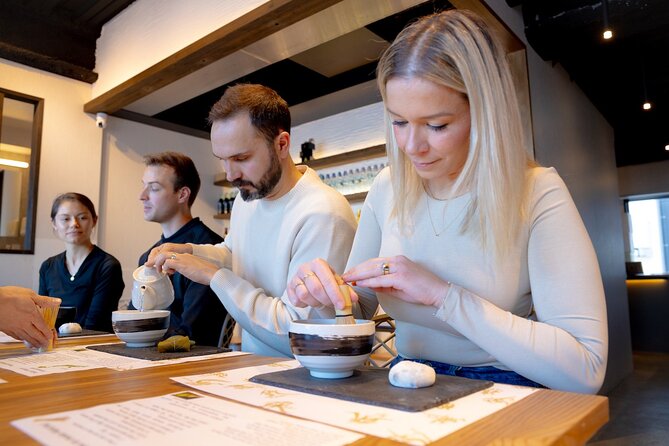
The availability of morning and afternoon sessions makes this easy to fit around your day. A morning class can provide a calm start before sightseeing. An afternoon booking works well as a pause after exploring Osaka or before an evening meal.
The one-hour length is the key advantage. You do not have to surrender half a day, and you can combine the class with other plans in the city.
I would avoid booking it too tightly between major attractions. The class itself is short, but you need time to reach the meeting point and find the correct entrance. One participant found the location harder to locate than expected, and another suggested watching the available YouTube short before arriving.
That is practical advice worth following. Use the exact meeting-point address, 1-chōme-16-20 Higashishinsaibashi in Chuo Ward, Osaka, and give yourself extra minutes. The activity begins and ends at the same location, with no hotel pickup or drop-off.
The location is near public transportation, but the final approach may still require care. Osaka buildings can contain several businesses, and a correct street address does not always make the entrance obvious at first glance.
Is $21.89 good value in Osaka?
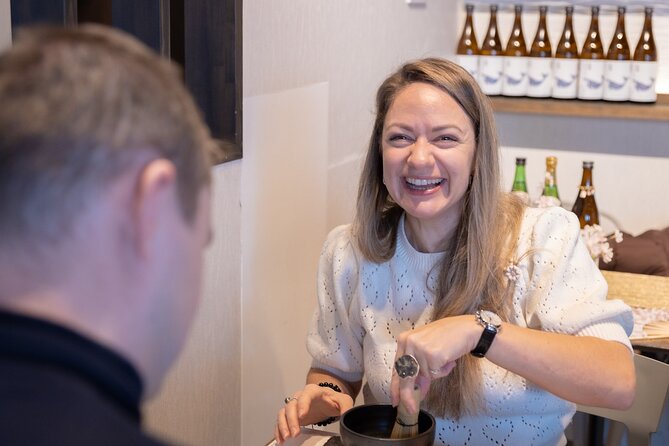
At $21.89 per person, this is a reasonably priced cultural activity. You receive an English-speaking instructor, the matcha, the Japanese sweets, the equipment, and roughly an hour of guided instruction.
The price is especially fair if you want an activity rather than just a food sample. You are paying for the explanation, the chance to prepare the tea yourself, and the teacher’s corrections. That gives the class more lasting value than buying a matcha drink and moving on.
The value is lower if you already know how to prepare matcha properly or have attended a formal tea ceremony. In that case, the class may repeat familiar basics. It is aimed at beginners and curious drinkers, not specialists.
The award record also provides some reassurance. The experience has received TripAdvisor’s Best of the Best award twice. Awards do not replace your own judgment, but they support the idea that this is an established activity rather than an untested drop-in lesson.
The provider is identified in the booking information as Sushi Making Tokyo Cooking Class in Japan, while the activity itself takes place at Matcha Making Osaka in Osaka. If that naming difference matters to you, check your confirmation carefully so the meeting point and activity name are clear.
Who should book this matcha class?
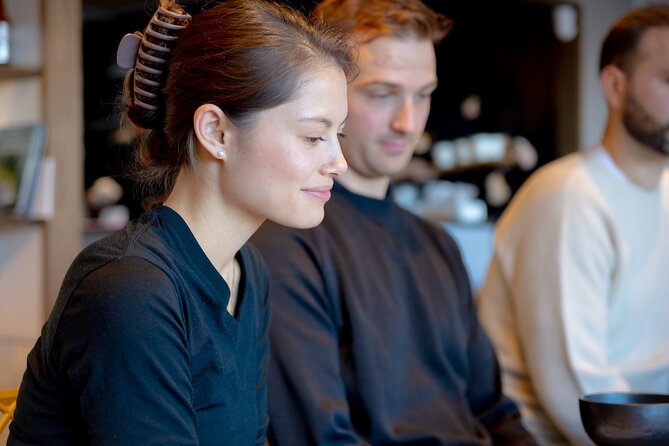
I would recommend it to you if you want a compact cultural activity with a clear practical result. You leave knowing more about matcha and having made a cup with your own hands.
It is a good fit for:
- First-time visitors who want a simple introduction to Japanese tea
- Solo visitors who prefer a small, social class
- Couples and families looking for a quiet break from sightseeing
- Matcha fans who want to improve their home preparation
- People who enjoy food experiences with some cultural background
- Visitors who need a one-hour activity that fits around a busy schedule
It may not suit you if you want a full formal tea ceremony, a large meal, or a long workshop. It is also not the best choice if you dislike strong green tea or want an activity with extensive sightseeing included.
You should also consider how much guidance you need. The host will demonstrate and correct you, but the class is still an introduction. You will learn the foundation rather than master every detail of Japanese tea practice in an hour.
Practical details before you go
Your booking confirmation is received at the time of booking, and the experience uses a mobile ticket. The activity allows service animals and is near public transportation.
Free cancellation is available if you cancel at least 24 hours before the local start time. Cancellations or changes made less than 24 hours before the start are not accepted for a refund.
Plan to arrive with the meeting point already saved on your phone. Since the activity returns to the starting location, you do not need to arrange a separate pickup after class.
The class is accessible to a wide range of beginners because no previous matcha experience is required. Still, the provided information does not give detailed accessibility specifications, so contact the provider if you need particular arrangements.
Should you book the Osaka matcha class?
I would book this class if you want an affordable, hands-on introduction rather than a grand ceremonial performance. The strongest combination is the six-person limit, clear English instruction, practical whisking practice, and Japanese sweets served with the tea.
The main caution is simple: give yourself time to find the entrance. Once there, you can expect a friendly one-hour lesson with a host who explains the basics, answers questions, and lets you prepare your own matcha.
For $21.89, it is an easy cultural addition to an Osaka itinerary. Book it if you want to slow down for an hour, learn a skill you can repeat at home, and taste matcha in a more meaningful way than ordering it from a café.
FAQ
How long does the matcha class last?
The class lasts approximately one hour.
Where does the class meet?
It starts at Matcha Making Osaka, 1-chōme-16-20 Higashishinsaibashi, Chuo Ward, Osaka, 542-0083, Japan.
Where does the activity finish?
The activity ends back at the meeting point.
Is the class taught in English?
Yes. An English-speaking instructor leads the class.
How many people can join the class?
The maximum group size is six people.
Are Japanese sweets included?
Yes. The experience includes matcha with Japanese sweets.
Do I need previous matcha-making experience?
No. The class is designed for beginners, and no prior experience is required.
Can I cancel for a full refund?
Yes, if you cancel at least 24 hours before the experience start time. Changes or cancellations made less than 24 hours before the start are not accepted for a refund.
Just added in Osaka
- Osaka: Mind & Spirit Balance Temple Reiki Healing★ 5.0 · 41 reviews
- Osaka Temple Cool Foot Bath & Matcha Experience〈45min〉★ 4.9 · 82 reviews
- Full Day Kyoto Tour : Bamboo Forest, Golden Temple, Fushimi Inari★ 5.0 · 84 reviews
- Osaka: Minoh, Katsuoji Temple, & Minoh Falls Full-day Tour★ 4.9 · 172 reviews
- OSAKA NIGHT FUSION Japanese Taiko Kabuki Samurai Dance Show★ 4.8 · 155 reviews
- Ramen and Gyoza Cooking Class in Osaka★ 5.0 · 202 reviews
- Osaka: A Modern Samurai, Kabuki, Taiko, & Dance Show★ 4.5 · 66 reviews
- Osaka: Samurai Training Experience KENDO in Osaka★ 5.0 · 111 reviews
Tea Ceremony Experiences, compared.
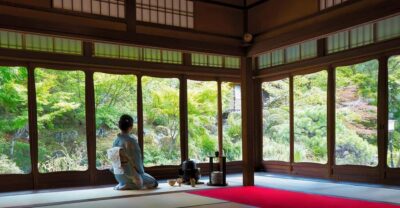
Tea Ceremony in a Traditional Tea House in Kiyomizu
Read our review →
World Heritage Kyoto & Nara Uji Authentic Matcha Experience
Read our review →
Arashiyama Bamboo Forest, Monkeys, Matcha & Temple Tour
Read our review →Browse the lists this tour appears in