
Reviewed · FOOD TOURS
Tokyo West-Side Cycling & Food Tour
Tokyo is more than neon crossings and famous temples. On this small-group bike tour, you pedal through Koenji, Nakano, and Asagaya, using quiet back streets, riverside paths, and ordinary neighborhood stops to see how daily life works. Guide Andy, an Australian who has lived in Japan for more than 20 years, adds the local context.
I like the maximum group of eight, which keeps the ride social without turning it into a parade. I also like the food plan: local snacks along the way, followed by a Japanese-style lunch rather than one polished restaurant meal. The main catch is that you need to be comfortable riding 12 to 15 kilometers through narrow streets, uneven surfaces, and occasional crowds.
Key points to know before you book
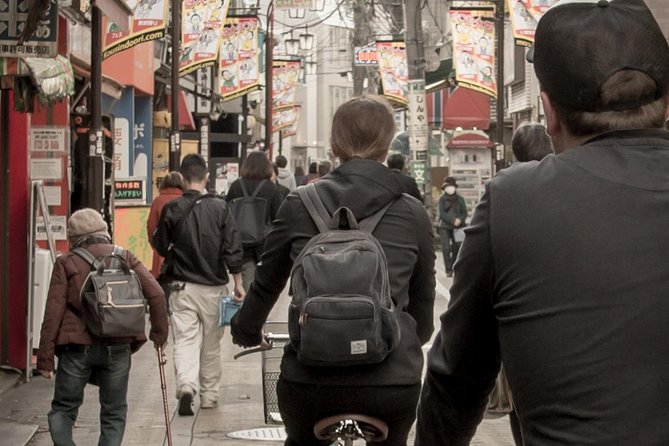
- Ride a real Japanese mamachari: These salvaged city bicycles can be a little creaky, but they are maintained, practical, and fitted with front baskets.
- See three local districts: Koenji, Nakano, and Asagaya offer a very different view of Tokyo from Shibuya or Shinjuku.
- Eat as you go: The tour includes popular local snacks, drinks, and a Japanese-style lunch.
- Expect a mostly flat route: The ride is manageable for confident cyclists, with walking and food breaks built in.
- Andy leads the outing: His long experience living in Japan shapes the discussion of housing, schooling, religion, food, work, and daily customs.
- Plan for about four hours: The advertised time is three and a half hours, but group pace, weather, and meal stops can stretch the outing.
Why West Tokyo makes a better bike ride than central Tokyo
Central Tokyo gives you the grand set pieces: Shibuya Crossing, Asakusa’s temple district, the Imperial Palace, and Shinjuku’s towers. Those places deserve their time. But they do not always show you how people spend an ordinary Tuesday.
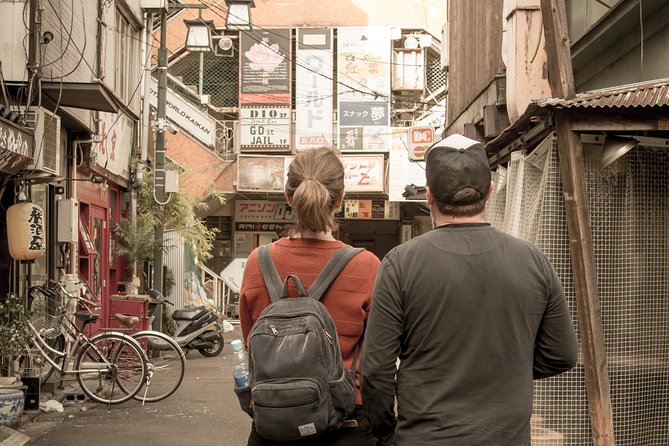
West Tokyo is better suited to a neighborhood ride. Koenji, Nakano, and Asagaya have twisting residential lanes, small shops, local eating places, riverside paths, and the practical details of city life. You are not stopping at a long list of major monuments. Instead, you are watching the city work.
That distinction matters. This is not a sightseeing checklist on two wheels. It is a way to notice narrow homes, bicycle storage, neighborhood traffic habits, school areas, local food customs, and the quiet rhythm between train stations. Andy’s role is to explain what you are seeing and answer questions as they come up.
The small group helps here. With no more than eight people, you can hear the guide, stop without blocking half a street, and ask about details that catch your eye. It also makes the food stops less awkward than they might be in a large group.
Other food tours in Tokyo people book:
- Tokyo: Shinjuku Food Tour (13 Dishes at 4 Local Eateries)
★ 5.0 · 6,603 reviews - Tokyo: Shinjuku Food Tour (15 Dishes and 4 Eateries)
★ 4.9 · 2,033 reviews - Best of Shinjuku: Izakaya Food Tour (4 Stops, 14+ Tastings)
★ 5.0 · 1,863 reviews
Starting at Koenji Station with a mamachari
The meeting point is outside Koenji Station at 4-chome-48-2 Koenjiminami, in Suginami City. The tour ends back there, so you do not need to work out a new route home after lunch.
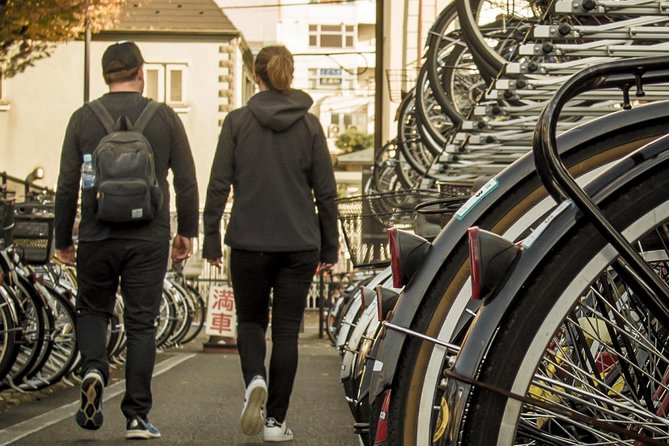
The bikes are salvaged mamachari, the sturdy Japanese utility bicycles often used for errands and family transport. They are not sleek road bikes, and that is part of the appeal. You sit upright, have a front basket for a standard backpack, and ride a machine designed for practical city use.
The bikes are Japanese-sized, so height matters. You should be over 140 centimeters, or about 4 feet 7 inches, to ride comfortably. Helmets are available on request for every participant. Ask for one when booking or before setting off if you prefer to wear one.
You should also arrive ready to ride, not expecting a gentle sightseeing cruise where the guide does all the work. The route covers roughly 12 to 15 kilometers. You will use narrow and sometimes crowded streets, uneven surfaces, and paths where basic control matters.
If you ride regularly in a city, this should feel manageable. If you have not been on a bike for years, this is not the place to relearn from scratch. The route is mainly flat, but flat does not mean effortless. You still need to start, stop, steer, and stay alert around other road users.
Koenji: a first look at ordinary Tokyo
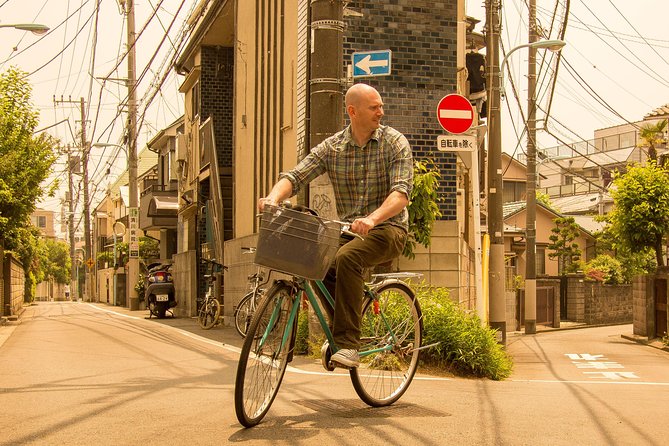
Koenji is a useful starting point because it quickly moves you away from the broad, polished avenues that many first-time visitors see. The ride takes you through local streets where the interest comes from the setting itself rather than a single headline attraction.
This is where Andy begins putting Tokyo into focus. He can discuss how people live, work, and get around, while the group pedals through the neighborhood. The ride gives you time to ask practical questions about Japan, rather than listening to a fixed speech at a major monument.
You may also begin to understand why bicycles are so useful in Tokyo. Train stations move huge numbers of people across the city, but bicycles handle the short trips between home, shops, schools, and stations. The tour includes a firsthand look at Tokyo’s bicycle-parking systems, an everyday subject that most sightseeing programs skip.
Koenji also helps set expectations for the food. This is not a fine-dining outing. You stop for popular local snacks and typical neighborhood fare, with the emphasis on trying things you might not recognize or know how to order alone.
That can be a strength, but it requires flexibility. Japanese food often uses meat, seafood, and dashi, a stock commonly made with fish-based ingredients. Personal dietary needs and allergies can be difficult to accommodate at ordinary local eateries, so you should contact the provider before booking if food is a serious concern.
Along the Zenpukuji River
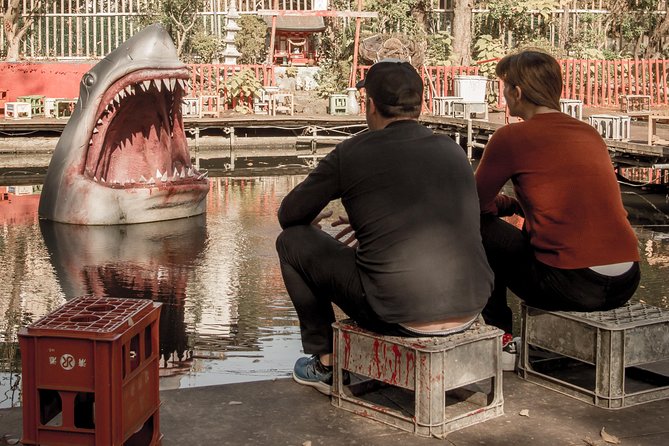
One of the more appealing parts of the route is the ride beside the Zenpukuji River. Riverside paths provide a break from the tighter back streets and give the group a chance to coast at an easier pace.
The river section also adds variety. You are not spending three and a half hours weaving through buildings. The route shifts between residential streets, local corners, and open stretches beside the water. That change of pace is useful for both your legs and your attention.
The river is not presented as a major scenic attraction, and it should not be treated as one. Its value is quieter. It shows how Tokyo makes room for walking, cycling, water, and recreation within a dense urban area.
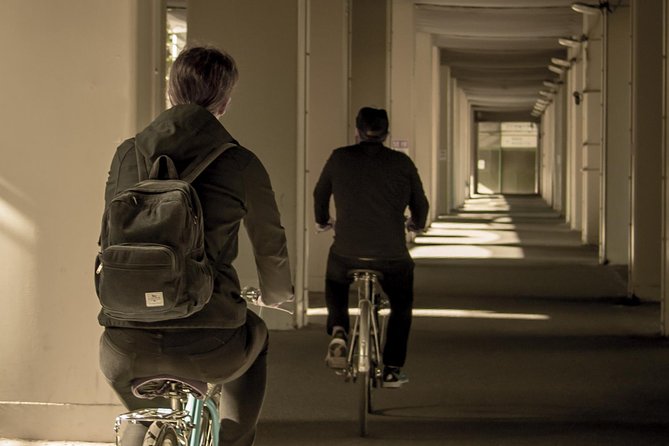
The route has been described as safe, scenic, and comfortable for people with basic cycling ability, but your own skill still matters. Tokyo’s back streets can be narrow, and even a calm neighborhood may have parked bicycles, pedestrians, cars, and sudden turns. Listen closely to the guide’s instructions and leave room between bikes.
More eating your way round Tokyo:
- Tokyo Night Foodie Tour in Shinjuku – Seasonal Sushi, Wagyu Beef
★ 5.0 · 1,161 reviews - Eat and Drink Like a Local: Tokyo Ueno Food Tour-Taverns&Ramen
★ 5.0 · 957 reviews - Tokyo: Shibuya Food Tour (13 dishes and 4 Eateries)
★ 5.0 · 770 reviews - Tsukiji Fish Market: Street Food & Culture Walking Tour
★ 5.0 · 669 reviews
Snacks, drinks, and a local-style lunch
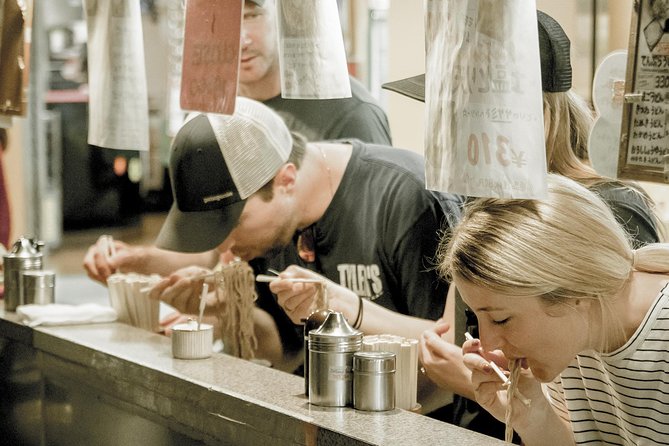
Food is not a side note here. The ride is built around eating as well as cycling, with a tailored selection of local snacks and a Japanese-style lunch included in the price.
The snack stops give you small tastes of neighborhood food rather than asking you to commit to a full dish at every stop. That makes it easier to try unfamiliar items. You might find foods that you would have passed by on your own, simply because the names, displays, or ordering system were unclear.
The lunch stop offers another useful local experience. You will share counter space with hungry office workers, often called salarymen, and see the practical side of Japanese dining. This is not a formal meal with a long explanation of every course. It is a chance to eat where local people eat and notice how quickly and efficiently the setting works.
The provider is clear that there will be no fine dining stops. That is a benefit if you want ordinary food and a drawback if you are looking for a culinary tour built around famous restaurants or elaborate tastings.
The tour also includes drinks, according to the experience details and comments from participants. Because the exact food choices can vary, do not book it expecting a fixed menu. Think of the meal as a guided introduction to local tastes, with Andy helping you understand what is in front of you.
For vegetarians, pescatarians, people with allergies, or anyone avoiding dashi, advance communication is important. The tour visits typical eateries, not kitchens set up for every dietary request.
Asagaya and Nakano beyond the tourist route
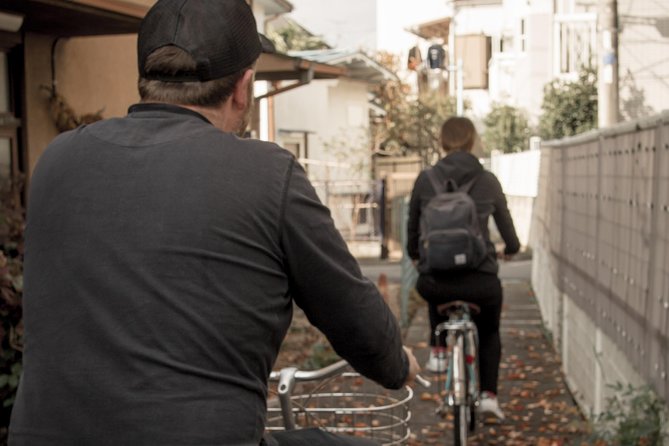
As the ride continues through Asagaya and Nakano, the appeal is the accumulation of small observations. You are seeing places most short Tokyo itineraries leave out, but you are not being asked to pretend that every side street is a grand discovery.
That honesty is part of the tour’s value. You may pass a quiet street, a small local business, a community facility, or a residential area with no English sign at all. Andy can explain how these places fit into the city and how local customs affect daily routines.
The ride also provides useful geographic context. After spending time in central Tokyo, it is easy to think of the whole city as towers, shopping districts, and train crowds. These neighborhoods show another Tokyo, one shaped by apartment buildings, modest homes, small food businesses, schools, bicycle parking, and short trips on foot or by bike.
The walking sections are important. You are not in the saddle every minute. The group stops to look around, eat, talk, and handle parts of the outing on foot. That gives you a chance to absorb details that would pass too quickly from a bicycle seat.
Andy’s style seems especially suited to curious visitors. He is described as friendly, energetic, and easy to talk with, and he has answered questions about culture, food, housing, schooling, religion, and ordinary life in Japan. His experience living locally matters more here than a memorized list of dates.
How the guide shapes the experience
A bike tour can be either a guided ride or a moving conversation. This one aims for the second.
Andy is the named guide associated with the experience, and his long time in Japan gives the outing a personal angle. He is not simply pointing out buildings. He helps connect what you see to wider subjects such as work habits, neighborhood life, education, food, and social customs.
That makes the tour a good early-trip choice. If you take it near the start of your stay, you can ask questions that improve the rest of your time in Tokyo. Several participants also received follow-up recommendations after the ride, including details about the foods they tried and suggestions shaped around their interests.
You should still know what this tour is not. It is not a formal lecture, a major architectural tour, or a citywide overview. The conversation depends partly on your questions and on what the group encounters along the route. If you prefer a tightly scripted itinerary with major landmarks, this may feel too informal.
For many people, that informality is exactly the point. The guide can stop and explain something that would never appear in a standard sightseeing plan.
Price, pace, and practical value
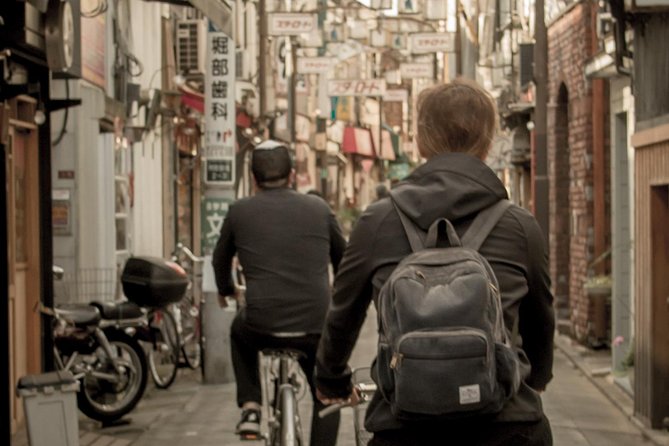
At $99.49 per person, the tour is not the cheapest way to spend a morning in Tokyo. But the price includes the bicycle, guide, snacks, drinks, lunch, and a small group capped at eight. You are also paying for access to a route and local food stops that would be hard to assemble quickly on your own.
The value is strongest if you want several experiences in one outing: a neighborhood introduction, a guided bike ride, cultural discussion, and food sampling. It is less compelling if you only want exercise, a cheap meal, or a quick ride past famous sights.
The advertised duration is about three hours and 30 minutes. In practice, you should allow three and a half to four hours. The finishing time can change with the group’s pace, weather, eating speed, and the amount of time spent at stops.
The tour is available year-round and generally proceeds in light rain. Basic ponchos are provided if needed. However, this is an outdoor activity, and poor weather can lead to cancellation, with a different date or full refund offered. You can cancel for a full refund up to 24 hours before the start time. Changes or cancellations inside that window are not accepted.
The tour includes cycling liability insurance for the cycling portion, but you are expected to have comprehensive travel insurance. That is sensible advice for any activity involving traffic, uneven surfaces, and a long ride.
Who will enjoy this ride most
I would choose this tour for someone who has already seen, or plans to see, Tokyo’s headline sights and wants a more ordinary side of the city. It is also a strong first-day activity if you like asking questions and want practical cultural context early in your trip.
Families can enjoy it if every rider is comfortable on a bicycle. An 11-year-old has taken part successfully, but age alone is not the deciding factor. Height, confidence, stamina, and urban riding ability matter more.
This is a good match for:
- Confident cyclists who can handle narrow city streets
- Curious eaters who enjoy trying local snacks
- Visitors who prefer neighborhoods to major attractions
- Small groups and families seeking a shared activity
- People who want conversation with a local guide
- Repeat visitors looking for an area beyond the standard route
I would think twice if you have serious food restrictions, dislike cycling in traffic, need a guaranteed short outing, or want a tour centered on Tokyo’s famous landmarks. The pace is relaxed, but the ride is still a real ride.
Should you book the Tokyo West-Side Cycling and Food Tour?
Book it if your idea of a good Tokyo morning includes quiet streets, a riverside path, practical cultural insight, and food chosen from ordinary local places. The combination of cycling and eating keeps the outing varied, while the eight-person limit gives Andy room to talk with the group.
The strongest reason to go is not a particular landmark. It is the chance to see how Tokyo feels between the famous places. You will pedal through Koenji, Nakano, and Asagaya, learn how bicycles fit into city life, taste foods you might not find alone, and come away with a clearer sense of everyday Japan.
Skip it if you want a landmark-heavy route, a luxury food experience, or a low-effort ride. For a confident cyclist who values local detail over sightseeing trophies, the $99.49 price is fair, especially with lunch and snacks included.
FAQ
Where does the Tokyo West-Side Cycling and Food Tour start?
The tour starts at Koenji Station, at 4-chome-48-2 Koenjiminami, Suginami City, Tokyo 166-0003, Japan.
Where does the tour finish?
The activity finishes back at the Koenji Station meeting point.
How long does the tour take?
The advertised duration is about three hours and 30 minutes. You should allow roughly three and a half to four hours, depending on weather, group pace, eating time, and stops.
How far do you ride?
The cycling distance is approximately 12 to 15 kilometers, or 7.5 to 9.5 miles.
What areas does the route cover?
The route explores parts of West Tokyo, including Koenji, Nakano, and Asagaya. It also includes back streets and a section beside the Zenpukuji River.
Are food and lunch included?
Yes. The tour includes local snacks, drinks, and a Japanese-style lunch. Food choices may include meat, seafood, and dashi, and personal dietary needs can be difficult to accommodate at typical local eateries.
Can children take part?
Most people can participate, but riders should be over 140 centimeters, or about 4 feet 7 inches, to ride the Japanese-sized bicycles comfortably. Participants also need to be competent riding in an urban setting.
Are helmets available?
Yes. Helmets can be provided for all participants on request.
What happens if it rains?
The tour generally proceeds in rainy conditions, and basic ponchos are provided. If poor weather causes the provider to cancel, you can choose another date or receive a full refund.
What is the cancellation policy?
You can cancel at least 24 hours before the start time for a full refund. Cancellations or changes made less than 24 hours before the start time are not accepted.
More cycling tours elsewhere in Japan
- Tokyo Great Cycling Tour
★ 5.0 · 811 reviews - Tokyo Top Highlights 3h Guided E-bike Tour
★ 5.0 · 714 reviews - 3h Tokyo E-Bike Tour: Hidden Gems, and Local Life with guide
★ 5.0 · 670 reviews - Tokyo: 3-Hour Bike or E-Bike City Highlights Tour
★ 4.8 · 435 reviews
Just added in Tokyo
- Nikko: Edo Wonderland Edomura Cultural Theme Park Ticket★ 4.3 · 205 reviews
- 《MEMBERS-ONLY-BAR-HOPPING》Discover Your Special Whiskey in Tokyo!★ 5.0 · 29 reviews
- Japanese Whisky Hunting《HIGH-QUALITY-ONLY》Rare Tasting Class★ 5.0 · 20 reviews
- Luxury Tokyo Sake, Cocktail, Whisky and Pairing Tour★ 5.0 · 18 reviews
- Wagyu & Sake Pairing in Shinjuku – Steak, Shabu-Shabu & More★ 5.0 · 112 reviews
- Small-Group Wagyu Beef and 7 Japanese Dishes Tokyo Cooking Class★ 5.0 · 190 reviews
- From Tokyo: Private Tour to Fuji/Hakone – Onsen, Art, Nature★ 5.0 · 116 reviews
- Tokyo: KABUKI Show at Kabukiza Theatre Admission Ticket★ 4.8 · 152 reviews
Food Tours, compared.
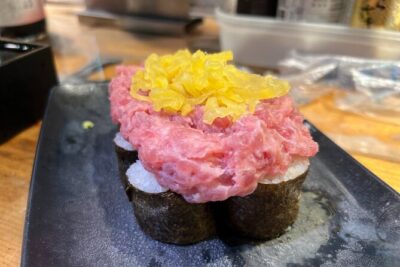
Shinjuku Food Tour (13 Dishes at 4 Local Eateries)
Read our review →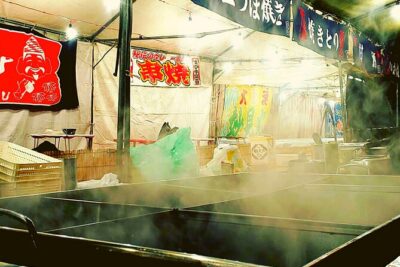
Osaka Food Tour: 13 Dishes at 5 Local Eateries
Read our review →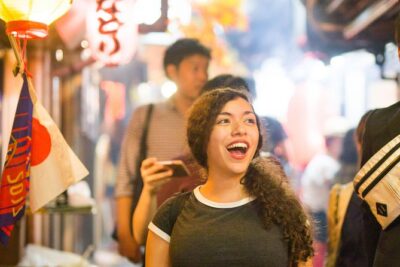
Best of Shinjuku: Izakaya Food Tour (4 Stops, 14+ Tastings)
Read our review →
Kyoto Night Foodie Tour in Gion (9+ dishes + 6 Sake tastings)
Read our review →
Hungry Osaka Street Food Tour:15 Tastings & 3 Drinks with a Local
Read our review →
Tokyo Night Foodie Tour in Shinjuku – Seasonal Sushi, Wagyu Beef
Read our review →
Osaka Local Foodie Walking Tour in Dotonbori and Shinsekai
Read our review →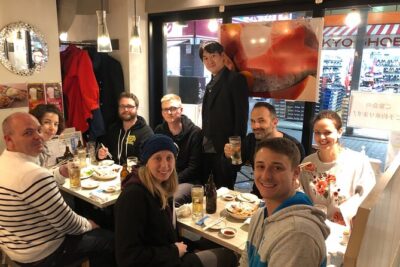
Eat and Drink Like a Local: Tokyo Ueno Food Tour-Taverns&Ramen
Read our review →Browse the lists this tour appears in