
Reviewed · GEISHA & GION DISTRICT TOURS
Kyoto: Gion Hidden Gems & Geisha Culture Tour
Gion’s greatest pleasure is not a single temple. It is the shift from busy streets to willow-lined canals, stone lanes, old wooden houses, and tea-house fronts where the modern city seems to fade. This two-hour walk gives you that change of scene, then explains what you are seeing instead of leaving you to guess.
I like the route for two clear reasons: it combines famous sights with quieter backstreets, and the guides explain geisha culture with useful detail, including training, dance, kimono, and hair styling. Guides such as Uta, Dan, Wajid, Mai, Takumi, and Alex have been praised for clear English, good pacing, and restaurant suggestions.
The main consideration is speed. You cover a lot in two hours, and the route includes uneven streets, stairs, and several stops. You also may not see a geisha, since that depends on timing and chance.
Key points at a glance
- Start beside Shijo Bridge: Meet the guide at the side of McDonald’s Shijo Ohashi, where a Local Guide Stars sign helps you find the group.
- See Gion from canal to teahouse street: The walk begins at scenic Gion Shirakawa and finishes on Hanamikoji-dori.
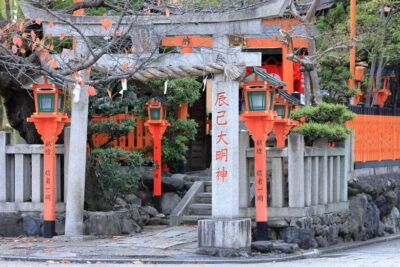
- Visit several important shrines: Tatsumi-jinja, Yasaka Shrine, and Yasui Kompira-gu each add a different layer of local culture.
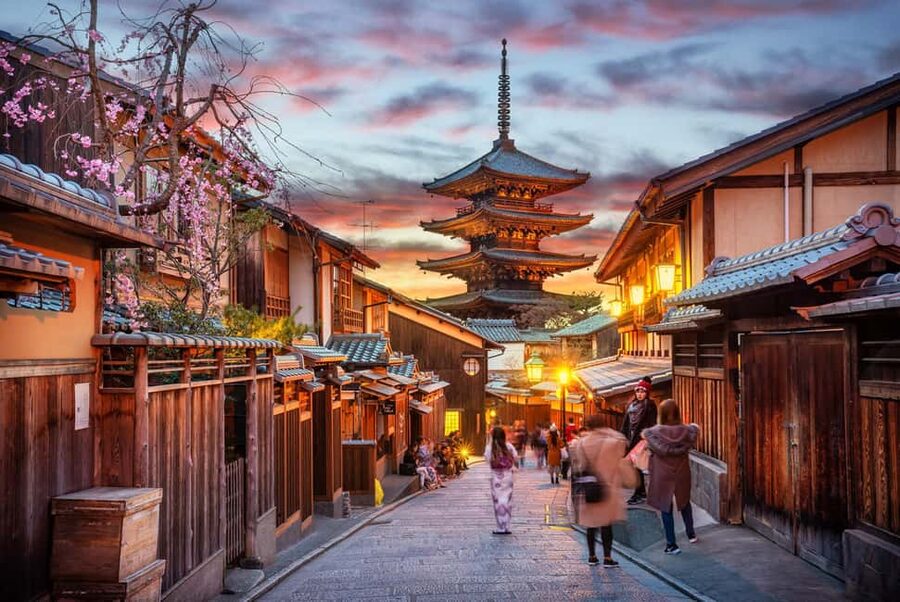
- Walk through old Kyoto: Ninenzaka, Hōkan-ji, and Edo-period wooden townhouses give the route its strongest visual appeal.
- Learn about geiko and maiko: The guide covers training, dance, kimono, hairstyles, and the customs of Gion.
- Good value at $23: For two hours with a live English-speaking guide, this is an inexpensive introduction to one of Kyoto’s most distinctive districts.
Starting beside Shijo Bridge
The meeting point is the McDonald’s Shijo Ohashi store at 105-1 Hashimoto-cho, Shimogyo-ku. The front of the restaurant can be crowded, so look to the side for a guide holding a Local Guide Stars sign.
This is a sensible place to begin. Shijo Bridge puts you near the Kamo River and within easy reach of Gion. You do not spend the opening minutes riding across town. The guide can get straight to the character of the district.
At the first short stop, expect a brief orientation and some photos before moving toward the Shirakawa Canal. Since the walk is only two hours, this is not a tour with long sit-down talks. You will listen while standing, then keep moving.
Wear shoes you can walk in for two hours. The route includes stone paving, narrow lanes, and places where the walking surface may be uneven. The tour is not suitable for wheelchair users or people with mobility impairments, and that limitation matters here.
Other evenings in the old entertainment quarters of Kyoto:
- Kyoto Geisha Walking Tour: Gion District & Hidden Gems
★ 4.7 · 3,273 reviews - Kyoto: Gion Magical Night Walking Tour with Geisha Trivia
★ 4.9 · 2,393 reviews - Kyoto: Gion Geisha District Walking Tour – Stories of Geisha
★ 4.7 · 2,187 reviews
Gion Shirakawa and the quieter side of Kyoto
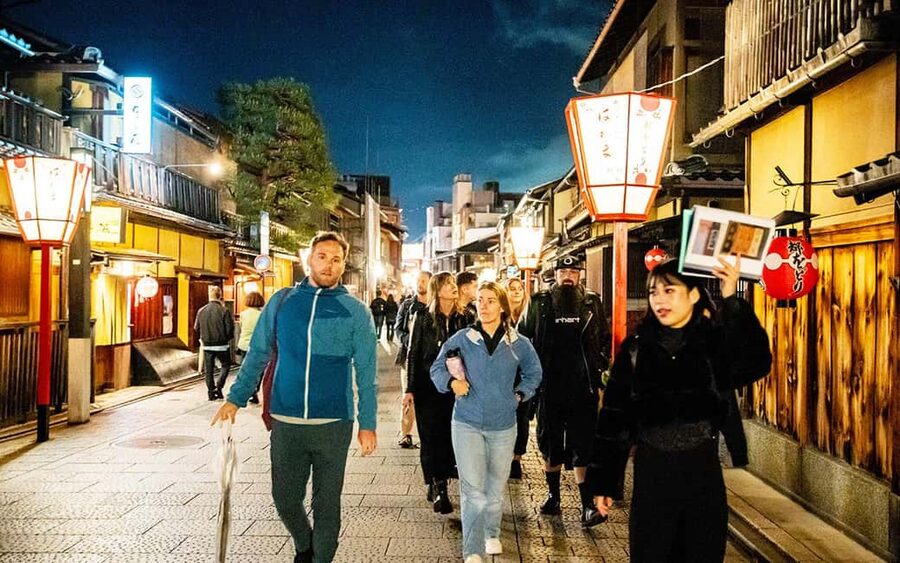
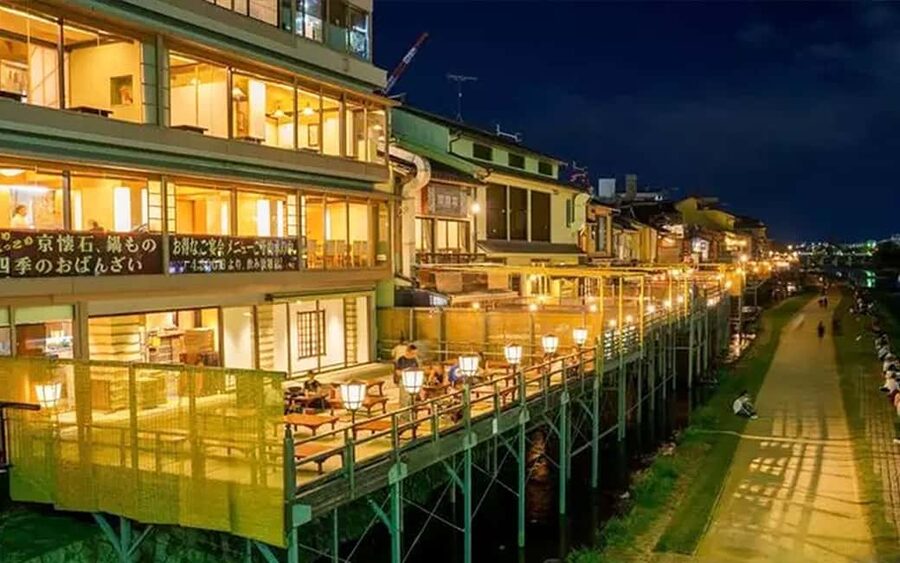
Gion Shirakawa is one of the most attractive parts of the walk. The canal is lined with willow trees, traditional tea houses, stone paths, and carefully preserved buildings. It offers the classic Kyoto scene, but the guide adds the details that make it more than a photo stop.
This part of the route is especially pleasant in the evening. Some departures take place around the late afternoon or at night, depending on availability. When the crowds thin, the canal and surrounding lanes can feel calmer, and the guide can point out small features you might pass without noticing.
Do not expect complete solitude. Gion is a popular area, and conditions change with the season, weather, and time of day. Still, the route makes an effort to take you away from the busiest paths. Several guides have been praised for leading groups through crowded sections while still showing quieter corners.
The guide’s role is important here. A good explanation helps you understand why certain streets look so carefully protected and why the district needs respectful behavior. Photography is allowed, but flash photography is not permitted inside temples.
Tatsumi-jinja and the meaning behind the shrines
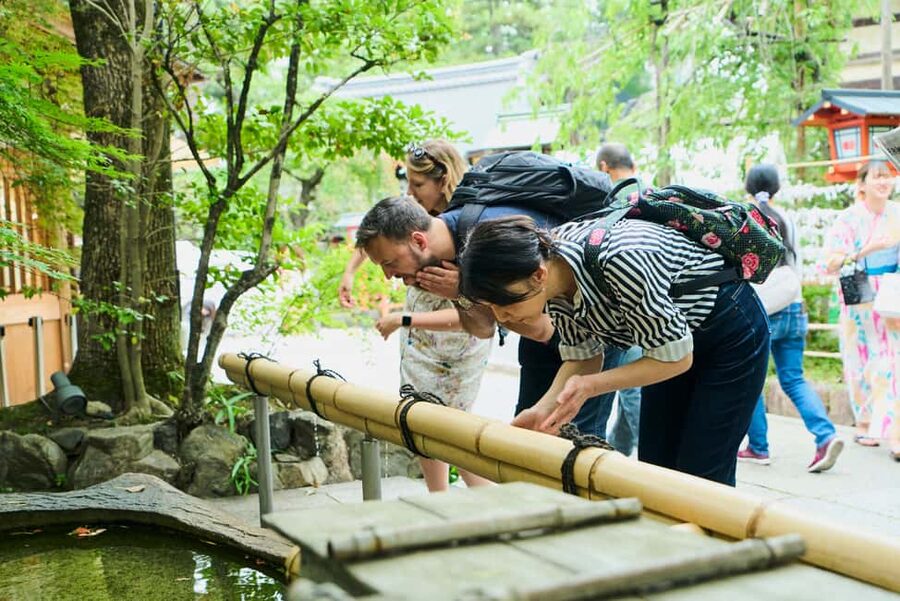
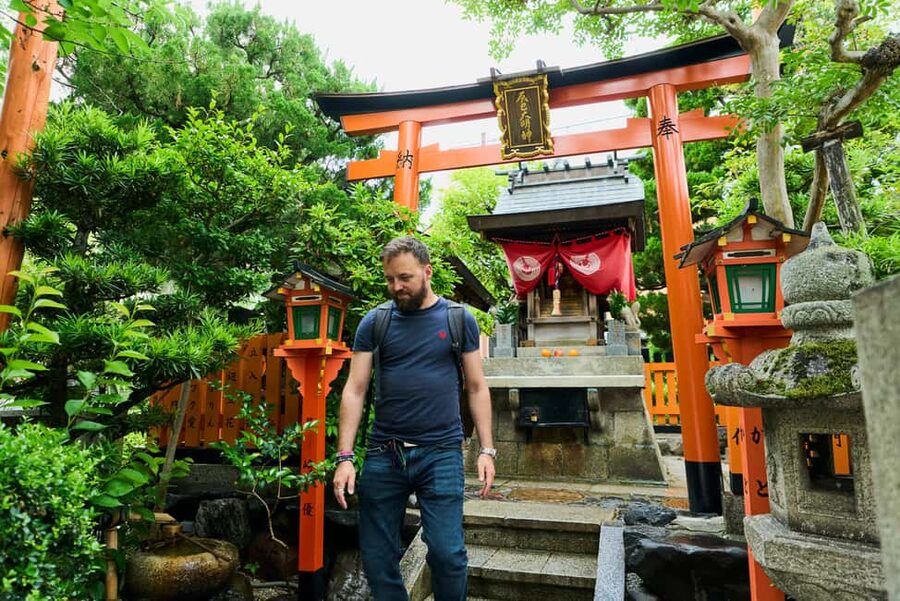
Tatsumi-jinja is a small shrine stop that gives the walk a more intimate feel. It does not have the scale of Kyoto’s largest religious sites, but that is part of its appeal. You get a closer look at the type of sacred place woven into daily life in the city.
The guide explains the setting and gives you time for photos before the group continues. This is where a live guide earns the $23 price. You can see a shrine on your own, but an English explanation helps connect the gates, rituals, names, and local traditions.
You will visit several religious sites during the walk, so the experience works best if you enjoy variety rather than one long temple visit. Stops are fairly brief. If you want extended time for prayer, detailed architectural study, or quiet photography, you may find the pace too quick.
Yasaka Shrine and a thousand years of tradition
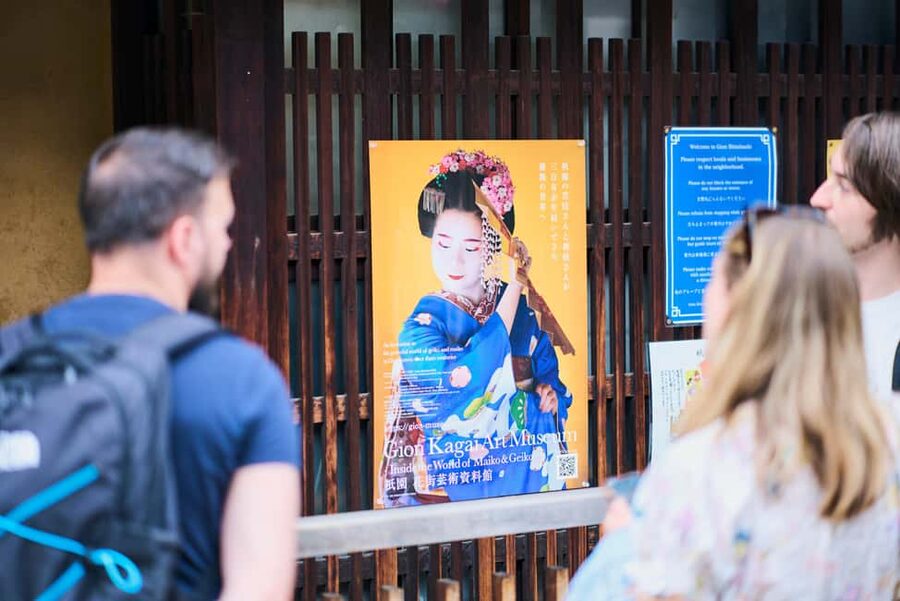
Yasaka Shrine is one of the larger and more prominent stops on the route. Its open grounds provide a change of scale after the narrow lanes around Shirakawa. The guide uses the visit to explain local religious customs and the place of shrines in Kyoto’s cultural life.
The experience also includes a visit to a shrine described as 1,000 years old. The appeal is not only its age. It is the chance to see how Kyoto’s religious sites sit alongside restaurants, homes, shops, and traditional entertainment districts rather than existing apart from the city.
I would pay close attention to the guide’s explanations here. Past guide performances have varied by person, but the strongest ones, including Dan, Wajid, Kenta, and Uta, have been singled out for making Japanese terms understandable and answering questions clearly.
You should also expect the ordinary limits of a walking tour. You may not get a long, detailed discussion at each shrine, and the order or amount of time at each stop can depend on the group’s pace. The benefit is that you see much more of eastern Gion in one outing.
Other quiet corners of Kyoto:
- Private Kyoto Tour with a Local, Highlights & Hidden Gems, Personalised
★ 5.0 · 1,543 reviews - Arashiyama Bamboo Forest & Hidden Gems Bike Tour (Early Bird)
★ 5.0 · 613 reviews - Kyoto: Hidden Gems E-Bike Tour with Local Japanese Guide
★ 4.9 · 189 reviews - Highlights & Hidden Gems With Locals: Best of Kyoto Private Tour
★ 5.0 · 121 reviews
Ninenzaka and Hōkan-ji’s famous pagoda

The route then heads toward Ninenzaka and Hōkan-ji Temple. Ninenzaka is known for its sloping, stone-paved street and old-style buildings. It is one of the most photogenic sections of the walk, but it is also one of the places where you are most likely to encounter other people.
Hōkan-ji is recognizable by its tall pagoda, often called Yasaka-no-Tō. The view gives the walk a strong visual center, especially when framed by the traditional streets around it. The guide makes a photo stop and explains what you are seeing rather than treating the pagoda as a quick backdrop.
This section can be harder under wet conditions. The tour operates in rain, so bring an umbrella or raincoat, and take care on wet stone surfaces. Sunscreen and water are equally useful in warm weather. One summer review specifically noted the humidity, which is a reminder that Kyoto’s heat can make a quick walking route feel more demanding.
Ninenzaka also helps you understand the balance between preservation and tourism. The old buildings are beautiful, but the street is not a museum. It is part of a living district. Stay with the group, keep voices down near homes and religious sites, and avoid blocking narrow paths for photos.
Yasui Kompira-gu and a more personal shrine visit
Yasui Kompira-gu provides another kind of shrine experience. The visit adds a more personal and symbolic stop to the route, after the broad views and historic streets around Ninenzaka and Hōkan-ji.
The guide gives context, then moves the group onward. As with the other religious sites, you should not expect a long independent visit. The value comes from seeing several places in sequence and learning how each fits into Kyoto’s traditions.
This is also a good point to ask questions. The guides have received strong praise for explaining Japanese words, discussing everyday customs, and handling questions patiently. If you are curious about how geiko and maiko fit into the district, this is a useful time to bring it up before the final walk through Hanamikoji.
Hanamikoji-dori and the chance to see a geisha
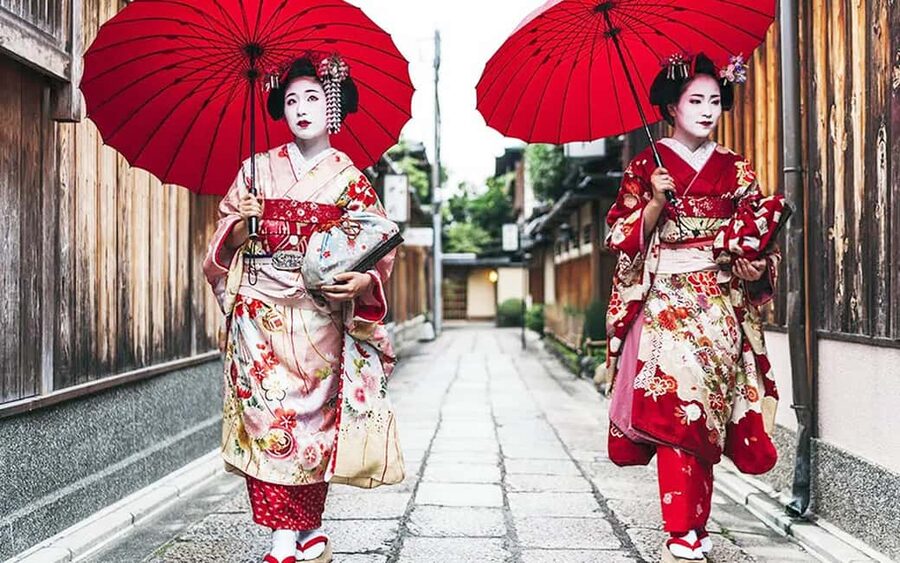
The final section reaches Hanamikoji-dori, the best-known street in Gion’s geisha district. Traditional façades and tea houses create the right setting for the tour’s main cultural topic: the world of geiko and maiko.
The guide explains the demanding training involved, along with graceful dance, kimono craftsmanship, and elaborate hairstyles. This helps correct a common mistake. Geisha culture is not simply about seeing someone in a beautiful kimono. It is a professional art tradition shaped by years of study, discipline, and strict customs.
You may see a geisha or maiko heading to an evening engagement, particularly on a later departure, but there is no guarantee. Several people have been fortunate enough to see one or both during the walk. Treat any sighting as a bonus, not the product being promised.
Respect matters here. Do not use flash, block doorways, chase performers, or treat people as street attractions. A good guide can explain the difference between a respectful glimpse and intrusive behavior. That cultural guidance is one of the most useful parts of the experience.
Hanamikoji is also a practical ending point. You can continue exploring Gion afterward or use the guide’s food recommendations. Restaurant suggestions have been a welcome extra, with guides such as Dan and Nicolas offering places to eat after the walk.
The guides and the quality of the walk
The company uses English-speaking local guides, and the individual guide can shape the tone of the experience. Names praised for clear explanations, friendly energy, and good pacing include Uta, Dan, Wajid, Mai, Takumi, Alex, Noa, Kenta, Oliver, Isako, and Alexander.
That list also tells you something useful: this is not built around one celebrity guide. Your experience will depend on who leads your departure. The strongest pattern is consistent attention to questions, historical context, and making sure the group stays together.
Pacing is worth noting. One guide has been praised for waiting until everyone caught up before speaking, while another was described as moving quickly in order to fit all the stops into two hours. In practice, you should be ready for a brisk walk with explanations at selected points.
Families can enjoy it, especially with an attentive guide. One parent specifically found Uta good with children aged eight and ten. Still, young children need to manage two hours of walking and remain respectful around shrines, temples, and narrow lanes.
Is $23 good value?
At $23 per person, the tour offers good value if you want orientation and cultural context rather than a private, slow-paced visit. You cover Gion Shirakawa, three shrines, Ninenzaka, Hōkan-ji, Yasui Kompira-gu, and Hanamikoji-dori in two hours, with an English-speaking guide throughout.
The cost is low enough to make this a useful first-day activity. You get a quick map of eastern Kyoto, learn which areas you may want to revisit, and can ask for restaurant suggestions. Several people have found it especially helpful early in a Kyoto stay.
The tradeoff is time. You are paying for breadth, not lengthy visits. If you want to linger at every shrine, photograph every lane, or study temple architecture in detail, explore the area independently afterward.
The tour also offers free cancellation up to 24 hours before the start and a reserve-now, pay-later option. Those terms make it easier to place the walk in a changing Kyoto schedule.
Who should book this Gion walk?
I would recommend it to a first-time Kyoto visitor who wants a clear introduction to Gion without paying for a long or elaborate tour. It suits you if you enjoy walking, asking questions, and learning why a place matters as you see it.
It is also a good choice for anyone interested in geiko and maiko culture but unsure how to approach the subject respectfully. The guide provides context before you reach Hanamikoji, which is far better than simply hoping to spot someone in traditional dress.
You may want a different format if you have limited mobility, dislike brisk walks, need a wheelchair-accessible route, or prefer extended time at each site. Rain will not cancel the walk, so poor weather can affect comfort and photographs.
Should you book it?
Book this tour if you want a low-cost, well-packed introduction to Gion, with shrines, old wooden townhouses, quiet lanes, and a thoughtful explanation of geisha culture. Choose a later departure if you prefer a quieter atmosphere, but remember that a geisha sighting is never guaranteed.
Skip it if you want a slow private tour or a detailed temple study. For most first-time visitors, though, two hours and $23 is a sensible way to get your bearings, learn the rules of the district, and decide which parts of Gion deserve a second look.
FAQ
How long does the Gion tour last?
The walking tour lasts two hours.
What language is the tour conducted in?
The tour is conducted in English by a live local guide.
How much does the tour cost?
The listed price is $23 per person.
Where does the tour meet?
Meet at the McDonald’s Shijo Ohashi store at 105-1 Hashimoto-cho, Shimogyo-ku, Kyoto-shi, Kyoto. The guide waits at the side of the restaurant with a Local Guide Stars sign.
Can I see a geisha on this tour?
You may see a geisha or maiko, especially during an evening departure, but sightings are not guaranteed.
What places does the walk visit?
The route includes Gion Shirakawa and its canal, Tatsumi-jinja Shrine, Yasaka Shrine, Ninenzaka, Hōkan-ji Temple, Yasui Kompira-gu Shrine, and Hanamikoji-dori.
What should I bring?
Wear comfortable walking shoes and bring water and sunscreen. In rainy weather, bring an umbrella or raincoat.
Is photography allowed?
Photography is allowed, but flash photography is not permitted inside temples.
Is the tour accessible for wheelchair users?
No. The tour is not suitable for wheelchair users or people with mobility impairments.
Just added in Kyoto
- Your Private Vacation Photography Session In Kyoto★ 5.0 · 110 reviews
- Kyoto: Zen Meditation at a Private Temple with a Monk★ 5.0 · 25 reviews
- Private Cooking Class Udon in Kyoto Japan★ 5.0 · 23 reviews
- Private Pewter Sake Cup Experience with a Kyoto Artisan★ 5.0 · 31 reviews
- Kyoto Wagashi(Japanese sweets) Cooking Class near Fushimiinari★ 5.0 · 60 reviews
- Kyoto:Family-Friendly Kimono & Yukata Experience at WARGO★ 5.0 · 147 reviews
- Private Guided Traditional Buddhist Cooking in Japan★ 5.0 · 16 reviews
- Kyoto: Gion Geisha District & Sake-in-Hand Walking Tour★ 5.0 · 37 reviews
Geisha & Gion District Tours, compared.
Kyoto Geisha Walking Tour: Gion District & Hidden Gems
Read our review →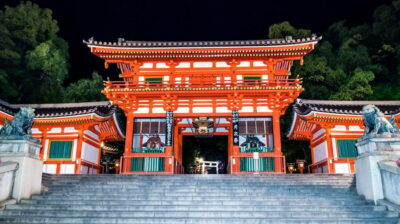
Gion Geisha District Walking Tour – Stories of Geisha
Read our review →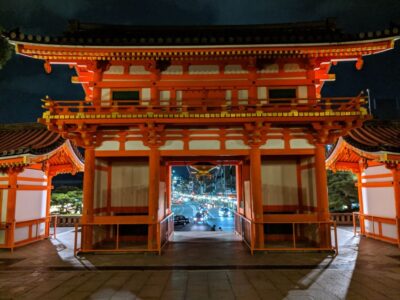
Best of Kyoto: Gion, Geisha, Pagodas & Cobblestones
Read our review →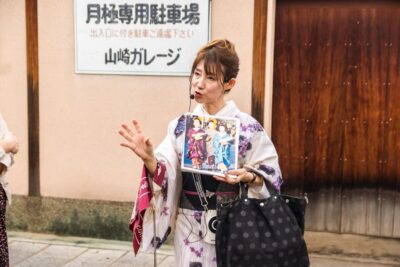
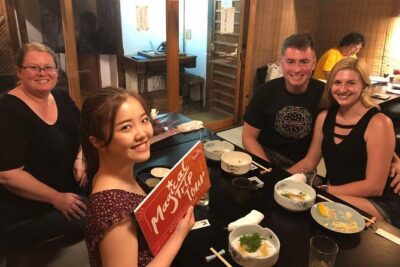
Kyoto Night Foodie Tour in Gion (9+ dishes + 6 Sake tastings)
Read our review →
Kyoto Gion: 2-Hour Geisha Culture & History Walking Tour
Read our review →
Chopsticks Making Workshop in Gion with Engraving Option
Read our review →
Browse the lists this tour appears in