
Reviewed · GEISHA & GION DISTRICT TOURS
Kyoto: Gion & Pontocho Food Tour with 13 Dishes
Kyoto’s best food lessons often happen at a small table, not behind a museum display. This evening tour pairs up to 13 Japanese dishes with a walk through Gion, Shirakawa Lane, and Pontocho, giving you useful context for food, sake, shrines, and geiko culture.
I like two things in particular: the small group capped at eight, which makes conversation easy, and the way the evening mixes sightseeing with dinner instead of treating them as separate chores. Guides including Tomoko, Takuma, Mia, and Kohtaro are praised for answering questions, explaining etiquette, and keeping the mood relaxed. The main caution is simple: this is a lot of food in three hours, and the $82 price makes the most sense if you value guidance and variety, not just calories.
Key points at a glance
- Up to 13 dishes: Expect a broad spread that can include karaage, tempura, sashimi, tonkatsu, tofu skin, and other local specialties.
- Two different dining settings: The evening includes one izakaya and one restaurant, with a change of mood between them.
- Gion after dark: Yasaka Shrine and Shirakawa Lane provide atmospheric stops alongside the food.
- Geiko culture explained: Your guide adds context about Kyoto’s historic entertainment districts and a shrine associated with geisha.
- Sake is part of the evening: Two drinks are included, and the tasting may feature several sake varieties.
- Good for solo visitors: A group of no more than eight creates an easy setting for meeting people over shared dishes.
Starting beside Yasaka Shrine in Gion
You meet in front of the main entrance of FamilyMart Gion, facing the main street. This is a practical meeting point in one of Kyoto’s most recognizable evening districts, but give yourself enough time to find it. The tour begins at night, when Gion’s lanterns and shrine buildings take on a softer look.
The first stop is Gion, with a very short visit listed before the walk begins. Yasaka Shrine is the more meaningful opening point. Your guide explains its religious role, its place in Kyoto life, and why it matters to the surrounding district.
I like starting here because it gives the meal a sense of place. You are not simply eating Japanese dishes selected at random. You are beginning in a neighborhood shaped by shrines, performing arts, restaurants, and long-established customs.
The shrine visit is brief, so do not expect a full historical tour of every building. Its purpose is to set the scene and help you notice how Gion changes after sunset. Several guides, including Tomoko and Mia, have been praised for adding useful background without turning the evening into a lecture.
Other evenings in the old entertainment quarters of Kyoto:
- Kyoto Geisha Walking Tour: Gion District & Hidden Gems
★ 4.7 · 3,273 reviews - Kyoto: Gion Magical Night Walking Tour with Geisha Trivia
★ 4.9 · 2,393 reviews - Kyoto: Gion Geisha District Walking Tour – Stories of Geisha
★ 4.7 · 2,187 reviews
Walking Shirakawa Lane for about 30 minutes
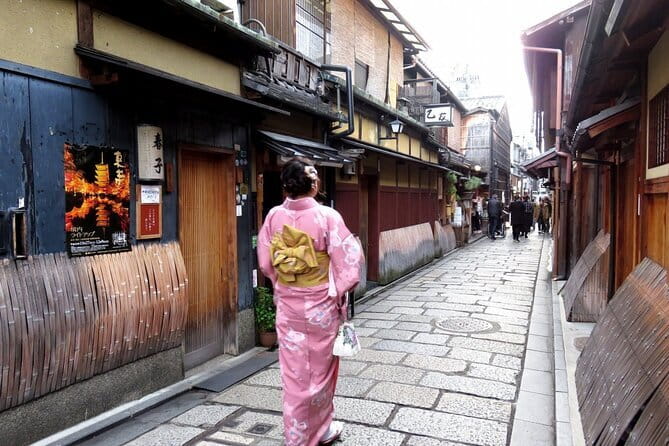
From Gion, the route continues through Shirakawa Lane for roughly half an hour. This is one of the most scenic sections of the evening, with traditional architecture, narrow streets, and the canal-side setting that makes this part of Kyoto so photogenic.
Here, the guide brings the district to life through stories about geiko culture, local customs, and the way the area functions today. The wording matters. A good guide helps you understand that geiko and maiko are working artists, not simply costumed figures placed in the scenery for photographs.
The tour also visits a shrine associated with geishas. That detail gives the cultural side of the evening more weight, since you are seeing a place tied to the traditions of the district rather than only walking past attractive streets.
You may enjoy this section most if you like learning while moving. It is not a stand-and-listen tour at every corner. You walk, pause, ask questions, and then continue toward food. Guides such as Ruko and Tomoko have been singled out for explaining geiko culture and Japanese dining customs in clear, approachable language.
Keep your expectations realistic. The tour offers an introduction to Gion’s cultural world, not a performance or a private meeting with a geisha. You might see someone working in the district, but no sighting is promised, and respectful behavior is essential.
The first meal: an izakaya in Gion
The first substantial food stop is a cozy izakaya in Gion. An izakaya is a casual Japanese drinking and dining place, usually built around small shared dishes rather than one large main course.
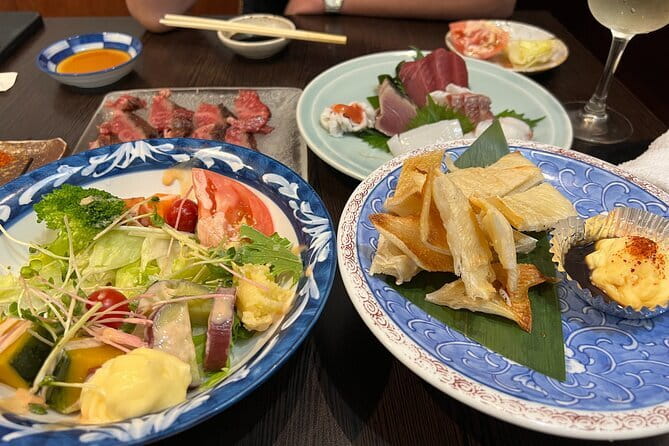
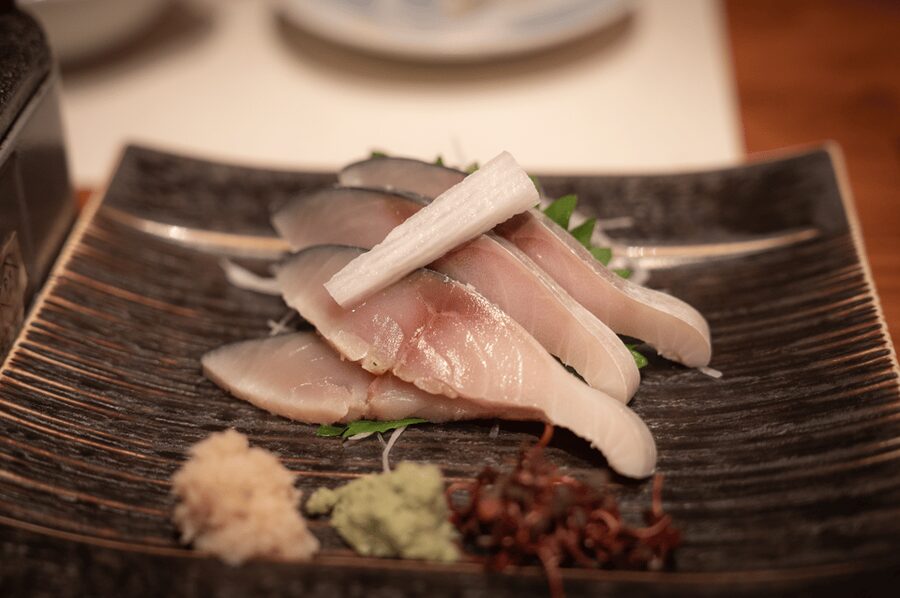
This is where the variety begins. The planned examples include karaage, tempura, and sashimi, with other dishes changing according to the evening. You may also encounter foods such as tonkatsu, tofu skin, or less familiar specialties. The point is not just to fill you up. It is to let you sample several textures, cooking methods, and flavors in one sitting.
Your guide explains what arrives, how it is commonly eaten, and how the dishes fit into Japanese food culture. That help is valuable if menus feel difficult to read or if you are unsure what to order on your own. One guest specifically praised the chance to try foods that would otherwise have been skipped simply because the names and customs were unfamiliar.
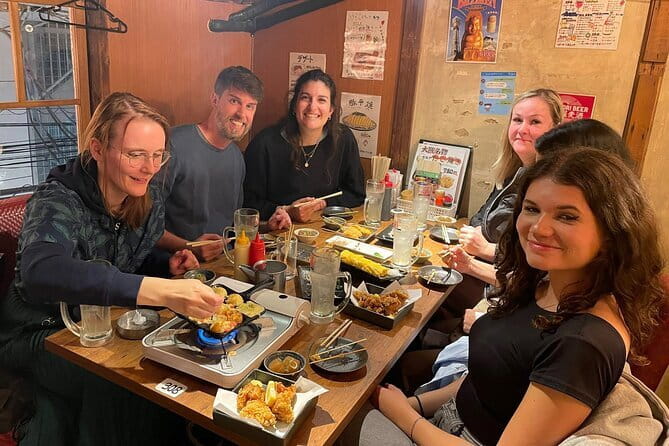
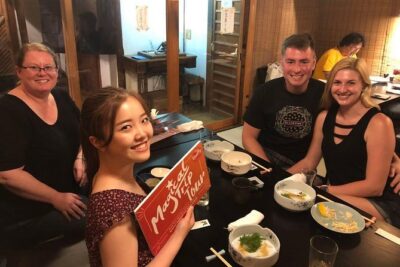
I like the izakaya format for a group tour. Shared plates make it easy to compare impressions, and the meal naturally creates conversation. Solo visitors can join in without needing to manage a full dinner alone, while couples and families get a guided introduction to foods they might not choose independently.
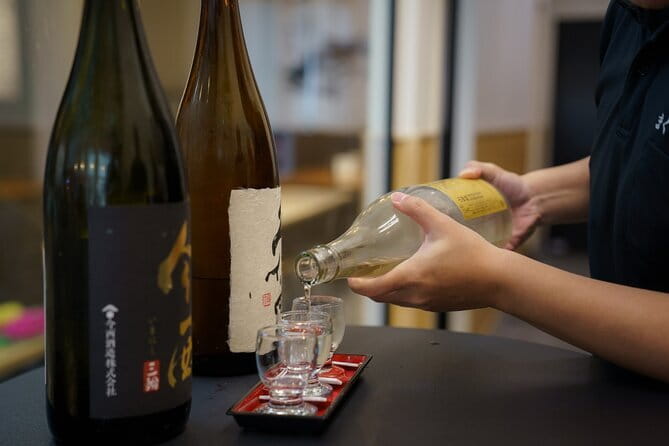
Two drinks are included across the tour, and the first meal is paired with Kyoto sake. You can choose alcoholic or non-alcoholic drinks, which makes the experience more flexible. If you are a serious drinker, budget for extras. The tour specifically notes that additional drinks are not included.
The one drawback is quantity. Up to 13 dishes sounds exciting, and it is, but you should arrive ready for a substantial evening. The food is served across two venues, so you are tasting many items rather than ordering a single controlled dinner.
A short Gion street-food pause
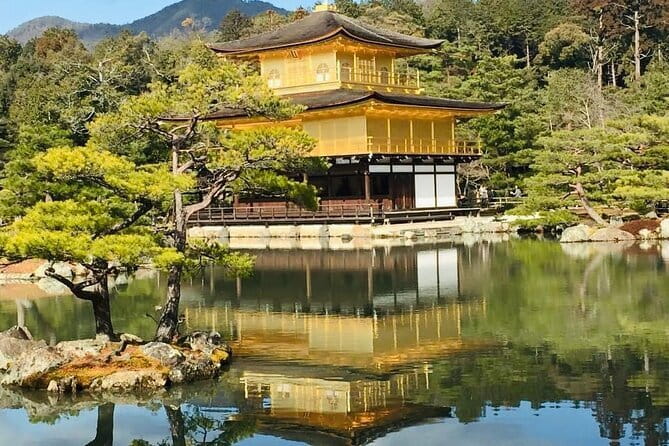
The schedule includes about 15 minutes of street food in Gion. This is a small part of the evening, but it breaks up the restaurant time and lets you experience food in a more casual setting.
Because the exact street-food item is not specified, I would treat this as a tasting rather than a guaranteed specialty. The value lies in the change of pace. You get a quick bite while walking through the district, then continue toward Pontocho with your guide.
This short stop also helps keep the tour from feeling like three straight hours at a table. The evening has movement, conversation, and scenery, not just courses arriving one after another.
More eating your way round Kyoto:
- Kyoto Night Foodie Tour in Gion (9+ dishes + 6 Sake tastings)
★ 5.0 · 1,762 reviews - Kyoto: Gion Food Tour 13 Dishes at 4 Eateries
★ 5.0 · 408 reviews - Kyoto Foodie Night Tour
★ 5.0 · 376 reviews - Tokyo: Shinjuku Food Tour (13 Dishes at 4 Local Eateries)
★ 5.0 · 6,603 reviews
Crossing to Pontocho and its different mood
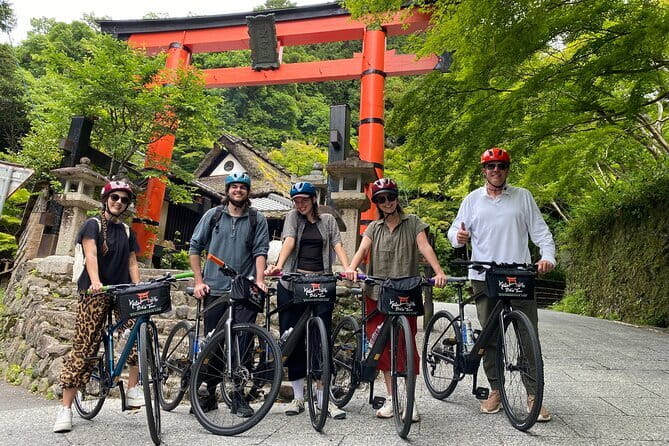
The route then heads to Pontocho for about 15 minutes of guided walking. Pontocho is another famous dining and nightlife district, but it has a different feel from Gion. The narrow lane is closely associated with restaurants, bars, and evening activity, so the contrast between the two areas gives the walk useful shape.
Your guide explains what makes Pontocho distinct and points out details you might miss if you simply wandered through on your own. This is especially useful at night, when many entrances are discreet and some dining places are easy to pass without realizing what lies inside.
I like having both Gion and Pontocho in one evening because the neighborhoods are close enough to connect on foot but different enough to make the route feel varied. You get shrine culture and traditional streets in Gion, then a more dining-focused setting in Pontocho.
The second venue: dinner and a sake tasting
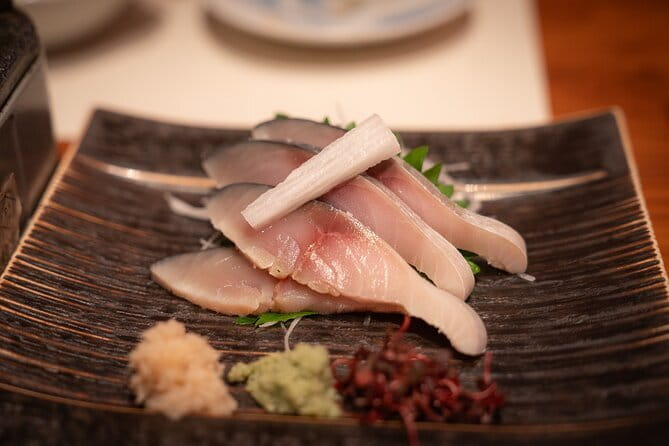
The final hour takes place at a dining spot in Pontocho. The atmosphere is described as different from the first venue, which gives the evening a natural second act rather than repeating the same restaurant experience.
This is also where the sake element becomes more prominent. Depending on the arrangement that evening, you may taste several varieties and hear how they differ. Guides have explained the sake selection carefully, helping people understand that sake is not one single flavor. The tasting is meant to be educational as well as social.
You should expect more food here, not merely a drink at the end. The two venues together provide up to 13 dishes, with the menu designed to show range. The meal can include seafood, fried foods, tofu-based items, and other traditional preparations. The precise combination may vary, so do not book this expecting one fixed menu.
The Pontocho stop is a strong finish for anyone who enjoys conversation. You sit with the group, compare favorite dishes, and ask about other places to eat in Kyoto. Guides often share recommendations for the rest of your visit, and that can be one of the most useful benefits of booking the tour early in your stay.
What the guides add to the evening
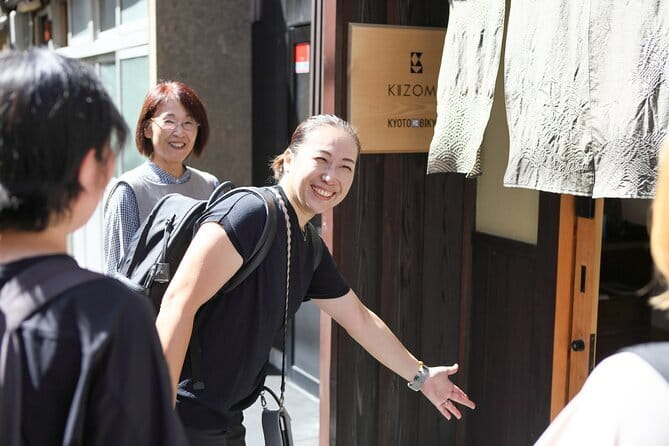
The guide is the key variable in any food tour, and this one has received especially warm feedback for its staff. Tomoko is praised for being kind, attentive, and full of practical information. Takuma is noted for making people feel welcome, answering questions, and explaining food and culture with patience. Mia is described as enthusiastic and accommodating, including during snowy or rainy evenings.
Kohtaro is praised for clear English, strong explanations of Kyoto’s districts, and a good sake presentation. Ruko has been appreciated for her explanations of food etiquette and geiko culture. Other named guides include Minori, Masa, Yuna, Haruka, Taiga, Taiga, Kairuko, and Moto.
You should not assume you will receive a specific guide, but the pattern is clear: the experience depends heavily on a friendly host who can connect the dishes to daily life. The best use of your time is to ask questions. Ask how to order similar foods alone, what sake styles you prefer, and which Kyoto dishes deserve a second try.
The English-language format is also helpful for first-time visitors. You are not left to guess whether a dish is eaten whole, dipped, mixed, or shared. That practical instruction can make unfamiliar food much more enjoyable.
Is $82 a fair price?
At $82 per person, this is not the cheapest way to eat in Kyoto. You could spend less by visiting one casual restaurant and ordering directly. The price pays for more than the food, though. It covers up to 13 dishes, two drinks, two dining venues, a three-hour walking route, and an English-speaking local guide.
I consider the price reasonable for someone who wants structure and variety. You are paying to avoid the uncertainty of choosing unfamiliar restaurants, to taste dishes in a planned sequence, and to receive cultural context along the way.
The value is weaker if you are already confident ordering Japanese food, prefer a quiet private meal, or eat very little. It may also feel expensive if your main goal is simply to see Gion at night. In that case, a self-guided walk costs less, though you will miss the explanations and the food access arranged for the group.
The small size helps justify the cost. With a maximum of eight people, the guide can check dietary concerns, explain dishes at the table, and keep conversation flowing. One family of seven with two small children found the guide accommodating, and another participant with allergies said the food was handled carefully. Still, tell the operator about restrictions before booking rather than relying on a last-minute adjustment.
Who will enjoy this Kyoto food tour most?
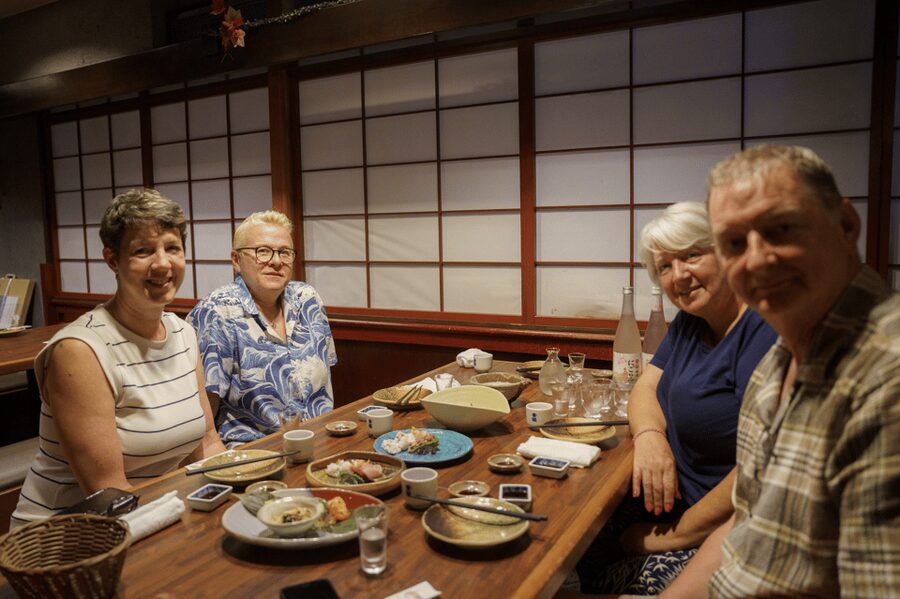
I would recommend it most strongly to you if you fit one of these descriptions:
- You are visiting Kyoto for the first time and want an easy introduction to Gion and Pontocho.
- You like trying unfamiliar dishes but want someone to explain them.
- You are traveling alone and would enjoy meeting a few people over dinner.
- You want culture and food in the same evening.
- You are curious about sake but do not know how to compare different varieties.
- You prefer a small group to a large bus-style outing.
Families may also find it workable, especially because the group is limited in size and the guide can help explain the food. The three-hour length is long enough to feel substantial but short enough to fit around other evening plans.
I would think twice if you have a very restricted diet, dislike shared dishes, or want a tour built around many separate street-food stalls. This experience uses one izakaya and one restaurant, with a short street-food segment, so it is more of a guided dining evening than a market crawl.
Practical details before you book
The tour lasts three hours and is conducted in English. It is listed as wheelchair accessible, and the meeting point is the main entrance of FamilyMart Gion on the main street.
Wear comfortable shoes because the evening includes walking through Gion, Shirakawa Lane, and Pontocho. Bring a light layer if you are visiting in a colder month, especially since part of the experience takes place outdoors between restaurants.
The tour allows free cancellation up to 24 hours before departure, and you can reserve now and pay later. Starting times vary, so check the available evening slot when you book.
Should you book it?
Book this tour if you want Kyoto food with a human guide attached to it. The strongest feature is the combination of context and abundance: you learn about Gion and geiko culture, then sit down to try dishes you might not recognize or order alone.
I would book it near the start of your Kyoto stay. The food guidance, sake advice, and restaurant suggestions can shape the rest of your visit. Just arrive hungry, remember that 13 dishes is a serious amount of food, and choose another activity if you prefer a slow, private dinner over a social tasting.
FAQ
Where does the tour meet?
You meet in front of the main entrance of FamilyMart Gion, facing the main street.
How long does the tour last?
The tour lasts three hours.
What areas does the tour visit?
The route includes Gion, Shirakawa Lane, and Pontocho. It also visits Yasaka Shrine and a shrine associated with geishas.
How many dishes are included?
Food at one restaurant and one izakaya is included, with up to 13 dishes in total.
What types of food might be served?
The food can include karaage, tempura, sashimi, tonkatsu, tofu skin, and other traditional Japanese dishes. The exact selection can vary.
Are drinks included?
Two drinks are included. You can choose alcoholic or non-alcoholic options.
Is sake included?
Yes. Sake is part of the included drinks, and the evening may include a tasting of different sake varieties.
What language is the tour conducted in?
The tour is conducted in English with a live English-speaking guide.
How many people are in the group?
The group is limited to eight participants.
Is the tour wheelchair accessible?
Yes, the activity is listed as wheelchair accessible.
Just added in Kyoto
- Kyoto: Private Photoshoot Service★ 5.0 · 158 reviews
- Kyoto Rickshaw Tour★ 5.0 · 210 reviews
- Izakaya Style Cooking Class★ 5.0 · 219 reviews
- Kyoto: Traditional Concert at Townhouse or Bathhouse★ 4.9 · 224 reviews
- Ninja 2-hour Hands-on Lesson by Japanese master in Kyoto -Medium★ 5.0 · 218 reviews
- Kyoto: Arashiyama Bamboo, Temple, Matcha, Monkeys & secret spots★ 5.0 · 219 reviews
- Kyoto Geisha District Walking Tour in Gion★ 5.0 · 232 reviews
- The right way to know Kyoto★ 5.0 · 257 reviews
Geisha & Gion District Tours, compared.
Kyoto Geisha Walking Tour: Gion District & Hidden Gems
Read our review →
Gion Geisha District Walking Tour – Stories of Geisha
Read our review →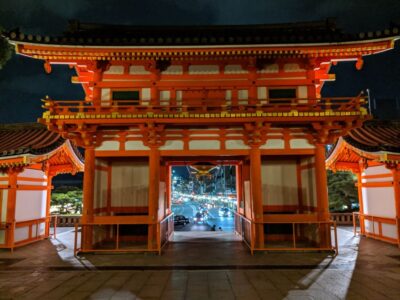
Best of Kyoto: Gion, Geisha, Pagodas & Cobblestones
Read our review →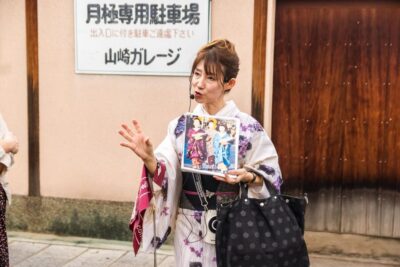
Kyoto Night Foodie Tour in Gion (9+ dishes + 6 Sake tastings)
Read our review →
Kyoto Gion: 2-Hour Geisha Culture & History Walking Tour
Read our review →
Chopsticks Making Workshop in Gion with Engraving Option
Read our review →
Browse the lists this tour appears in