
Reviewed · TEA CEREMONY EXPERIENCES
Kyoto: Kimono Tea Ceremony with Matcha and Sweet
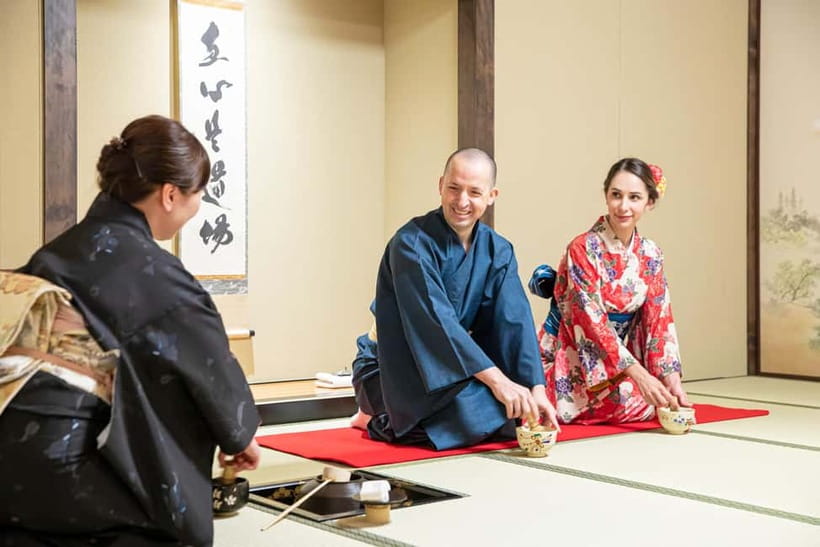
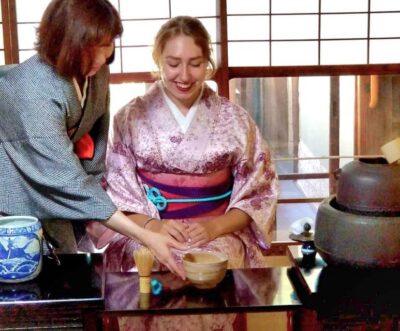
Kyoto’s tea ceremony is easier to appreciate when you are wearing the part. This experience begins with a kimono fitting, then moves into a traditional tea room where you learn the meaning behind the movements, prepare your own bowl of matcha, and eat seasonal wagashi. The kimono makes the ceremony feel personal, while the hands-on tea preparation keeps you involved rather than simply watching.
I like the patient English guidance and the way the tea master explains the tools, etiquette, and Zen ideas of harmony, respect, purity, and tranquility. I also like the seasonal sweets and the chance to choose your kimono and take photographs before or after the ceremony. The main consideration is that this is a group activity of roughly 12 to 14 people, and the tea preparation is more of a guided workshop than a private ceremony served only to you.
Key points to know before booking
- Kimono fitting comes first: Staff help you choose your outfit, dress you, and provide hair styling for women with long hair.
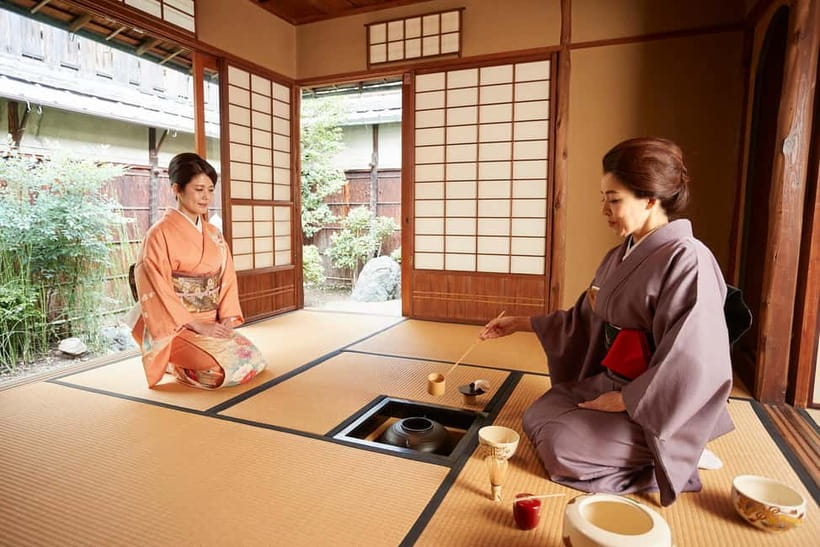
- You prepare your own matcha: The tea master demonstrates the process, then guides you as you whisk premium matcha yourself.
- Seasonal wagashi are included: The Japanese sweets change in flavor, color, and design throughout the year.
- English guidance is built in: The ceremony, tools, etiquette, and cultural background are explained in English.
- Tatami seating is part of the setting: Bamboo chairs are available if requested in advance.
- Plan on 90 to 120 minutes: The published duration is 90 minutes, but the full experience can run longer.
Choosing a Kimono Before the Tea Begins
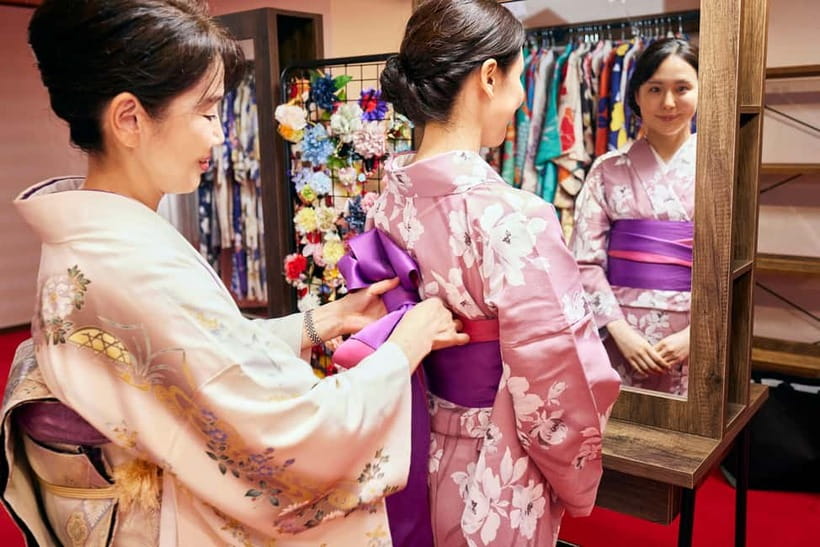
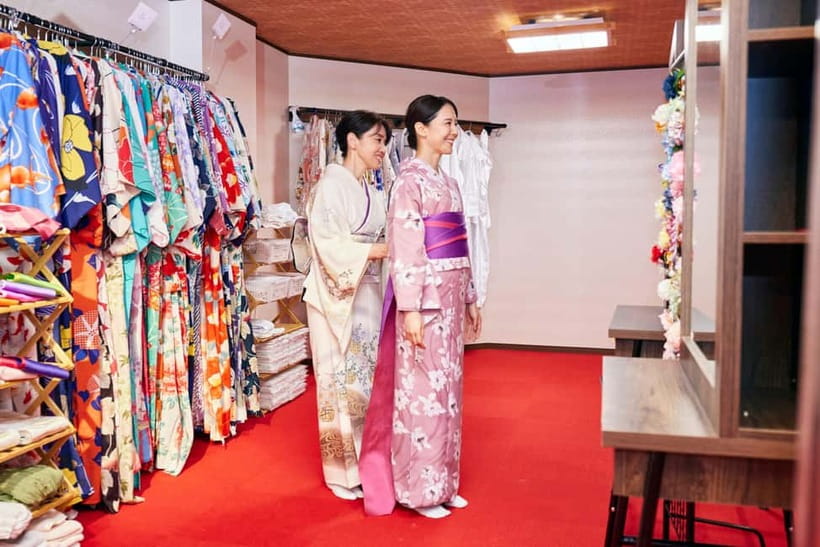
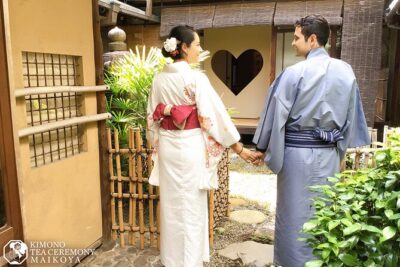
The first part of the experience is the kimono fitting. You choose from a selection of traditional garments, then staff help with the dressing process, obi, and finishing touches. This is not a quick costume change. The clothing sets the tone for everything that follows, and it gives you a better sense of the care involved in Japanese formal dress.
For women with long hair, hair styling is included. You may also be able to choose hair flowers or other small details, depending on the arrangements available that day. The selection includes different sizes, colors, patterns, and obi styles, so allow yourself a little time to decide rather than grabbing the first attractive option.
The fitting is practical as well as photogenic. A kimono changes how you walk, sit, and move your arms. That matters once you enter the tea room, where small gestures and posture are part of the ceremony. The clothing helps you understand that this tradition is not only about drinking tea. It is also about preparing the body and mind for a formal meeting.
The dressing process can feel fast if you are hoping to apply makeup or linger over every detail. One useful tip is to arrive ready for photographs, since the fitting may leave little spare time for personal preparation. The kimono is comfortable enough for the session, but you should expect it to feel more structured than ordinary sightseeing clothes.
Other kimono experiences in Kyoto people book:
- Kimono Tea Ceremony at Kyoto Maikoya, NISHIKI
★ 5.0 · 911 reviews - Kyoto: Kimono Rental with Hairstyling and Accessories
★ 4.8 · 653 reviews - Kyoto: Kimono Tea Ceremony at Orizuruya Gion
★ 4.9 · 618 reviews
Entering the Tea Room on Tatami
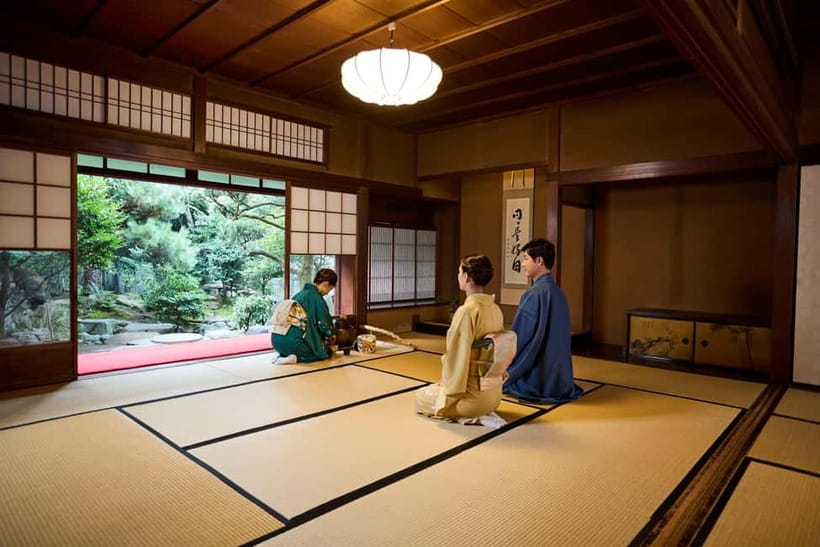
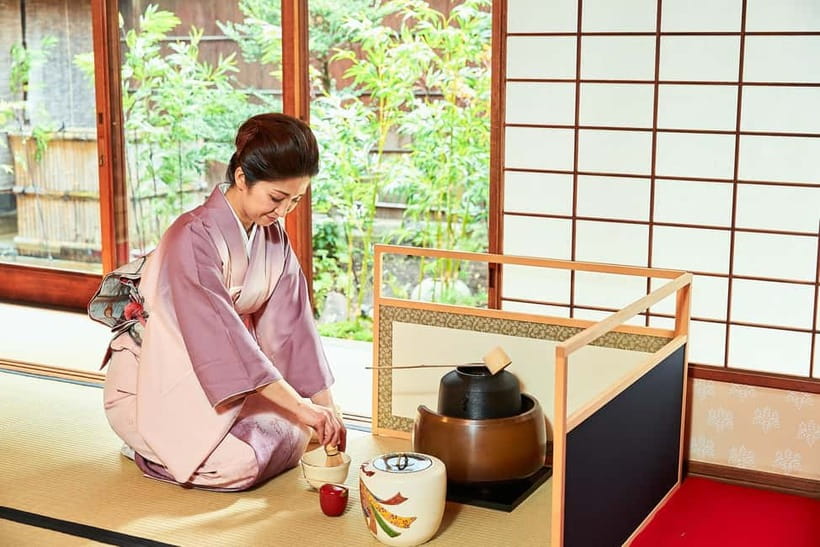
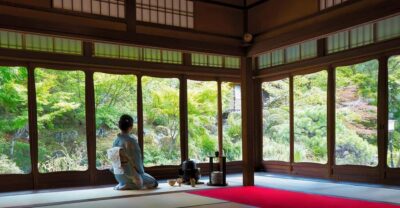
Once dressed, you move into a traditional tea room. The utensils are arranged carefully, and the setting is intentionally spare. Instead of the noise and movement of a busy sightseeing stop, you get a short period built around stillness and attention.
Sitting on tatami mats is customary. If kneeling or sitting on the floor is uncomfortable, bamboo chairs can be requested in advance. This is an important detail, particularly for anyone with knee, hip, or back concerns. Do not wait until the session begins to ask, since the chairs need to be arranged ahead of time.
You are not expected to know the etiquette when you arrive. The tea master explains how the ceremony works and why each tool and movement matters. The English guidance is one of the strongest parts of the experience. Guides speak slowly and encourage participation, which helps if you are unfamiliar with Japanese customs or are attending with children old enough to take part.
The ceremony introduces four Zen principles: Wa, harmony; Kei, respect; Sei, purity; and Jaku, tranquility. These are not presented as abstract ideas only. You see them in the clean arrangement of the room, the careful handling of the utensils, the polite exchange between host and participant, and the quiet pace of the tea preparation.
Learning the Tools, Movements, and Etiquette
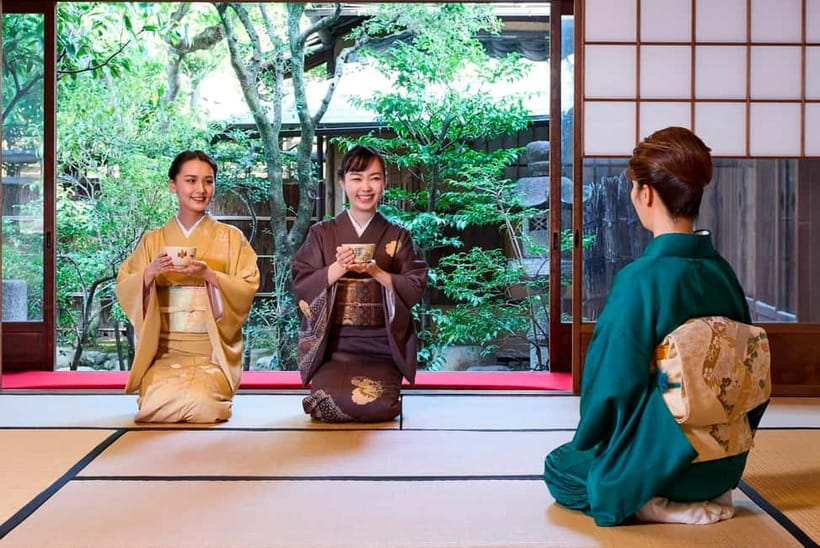
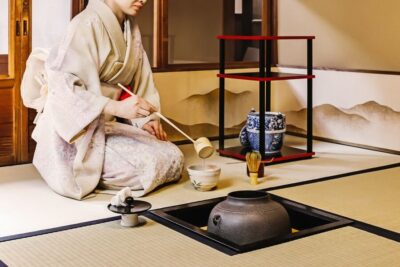
A tea ceremony can look simple from the outside. A bowl, a whisk, a scoop, hot water, and powder are all that seem necessary. The explanation shows why the ritual takes time and why the order of actions matters.
The tea master discusses the history and purpose of the ceremony, then demonstrates the correct handling of the equipment. You learn how the tea is prepared, how the bowl is treated, and how to approach the drink with the proper respect. The exact teaching style depends on the tea master leading your session. Past sessions have included hosts such as Maki and Megumi, both praised for calm explanations and friendly guidance.
This is a good choice if you like cultural activities that explain the why behind a tradition. You are not simply handed a cup of matcha and told to pose for photographs. You learn the etiquette and then put it into practice.
At the same time, keep your expectations realistic. The activity lasts around an hour and a half, or sometimes up to two hours, so it offers an introduction rather than a full study of tea ceremony. If you already have serious experience with chanoyu, you may find the session basic. For most first-time participants, that simplicity is useful: the instructions are clear, the mood is welcoming, and you have time to ask questions.
Whisking Your Own Bowl of Premium Matcha
After watching the demonstration, you prepare your own bowl of matcha. This hands-on part gives the activity its practical edge. You feel the whisk in your hand, see the powder change as you add water, and work toward a smooth, foamy drink.
The tea master guides you through the process, so you do not need prior experience. Follow the instructions carefully, especially when whisking. The goal is not to rush. The repeated motion is part of the quiet rhythm of the ceremony, and it gives you a small taste of the concentration required in traditional preparation.
The matcha is described as premium, but the important point for your decision is that you prepare it yourself rather than only observing. That makes this experience a better fit for curious beginners, families with older children, and couples looking for an activity with something to do.
There is also a small tradeoff. Some people expect a tea ceremony to mean sitting while a tea master prepares and serves the tea throughout. Here, the focus includes a workshop element. You watch the formal process, then make your own bowl. If you want a more formal host-served ceremony with no practical lesson, this may not match your ideal.
Other tea ceremonies in Kyoto people book:
- Kyoto: Tea Ceremony in a Traditional Tea House in Kiyomizu
★ 4.9 · 3,519 reviews - Kyoto: Tea Ceremony Ju-An at Jotokuji Temple
★ 4.9 · 3,207 reviews - Kyoto: 45-Minute Tea Ceremony Lesson Experience
★ 4.3 · 2,378 reviews - Kyoto: Table-Style Tea Ceremony at a Kyo-Machiya
★ 4.9 · 1,211 reviews
Wagashi That Change With the Seasons
Your matcha is served with wagashi, traditional Japanese sweets. Their flavor, color, and design change with the seasons, so the small sweet on your plate is part of the setting rather than a fixed menu item.
Wagashi are designed to complement matcha. Their sweetness balances the tea’s bitter edge, and their appearance often reflects the time of year. That seasonal change gives the experience a local touch, even though the ceremony itself follows a set structure.
The sweet is not a large dessert course. Think of it as a carefully chosen accompaniment that prepares your palate for the matcha. If you want a substantial meal, eat beforehand or plan another stop afterward. This is a cultural tasting, not a food tour.
I particularly like this detail because it keeps the activity connected to Kyoto’s calendar. The kimono, the tea room, the utensils, and the wagashi all work together. You are learning about one tradition through several senses rather than listening to a long explanation in an ordinary classroom.
Photographs, Timing, and the Group Size
The kimono is one of the main reasons people book this experience, and photographs are clearly part of the appeal. You have time to take pictures before or after the ceremony, and some participants have also walked around nearby in the outfit for additional photographs. One activity description from a participant notes that the kimono could be worn for up to two hours, but confirm the exact arrangement when booking because timing can vary.
The photo opportunity is especially useful if you want a lasting reminder of Kyoto beyond temple gates and street scenes. You can take your own pictures, and nearby professional photo services may also be available, according to participant experience. The venue itself offers a traditional backdrop, while nearby locations may give you a little more variety.
Group size is worth noting. Sessions can include about 12 to 14 people because bookings from different sources are combined. That is not a private lesson. You may wait briefly while others receive instructions, and the tea room will feel more social than silent.
The group setting also has advantages. It keeps the price manageable and gives first-time participants a relaxed atmosphere. People can learn together, compare their matcha foam, and feel less self-conscious about making small mistakes. Some sessions may be smaller, but you should book this expecting a shared activity rather than an exclusive one.
What the $66 Price Really Covers
At $66 per person, this experience is not simply a cup of tea. The fee covers kimono dressing, hair styling for women with long hair, the tea ceremony, English assistance, matcha preparation, and wagashi.
The value depends on what you want from your Kyoto visit. If you only want to taste matcha, the price is high. If you want a ready-made cultural activity with clothing, instruction, photographs, sweets, and a guided ritual in one appointment, the package is easier to justify.
The kimono fitting is a major part of the value. Dressing yourself in traditional clothing without help would be difficult, and professional assistance saves time while producing a more finished look. You also gain context that a standard kimono rental may not provide. Instead of simply wearing the clothing for sightseeing, you learn how it connects to etiquette and ceremony.
Transportation is not included, so you must make your own way to the venue. Set aside enough time to arrive ready for the fitting, since the published duration does not include getting to and from the location. The full session lasts about 90 to 120 minutes, and you may want extra time afterward for photographs.
Free cancellation is available up to 24 hours before the activity for a full refund. You can also reserve now and pay later, which helps if your Kyoto plans are still shifting.
Who Will Enjoy This Kyoto Tea Ceremony
I would recommend this experience most strongly to first-time visitors who want a clear introduction to Japanese customs. The English explanations make the ceremony approachable, and the hands-on matcha preparation gives you a role in the ritual.
It also suits couples, families with children aged seven or older, and solo participants who enjoy structured cultural activities. Children under seven cannot take part. Older children may enjoy the kimono choice and whisking the tea, though the ceremony still requires sitting quietly and listening.
This is a strong pick for anyone interested in photography. You get the outfit, hair styling for eligible participants, a traditional setting, and time for pictures. It is also a good rainy-day activity because the main program takes place indoors, though transportation to the venue is your responsibility.
You may want to choose another activity if you dislike formal clothing, sitting on tatami, or group instruction. Ask for a bamboo chair in advance if floor seating is a concern. You should also look elsewhere if your main goal is an advanced tea ceremony lesson or a private host-served performance.
Practical Tips for a Smoother Visit
Arrive with your hair and makeup mostly ready. The dressing process is handled efficiently, and you may not have much time to prepare after choosing your kimono.
Request a bamboo chair before the day of the activity if you do not want to sit on tatami. The tea ceremony lasts longer than a quick demonstration, so comfort matters.
Wear or bring clothing that makes changing straightforward. The kimono is fitted by staff, and the process involves several layers and the obi. Avoid planning a rushed appointment immediately afterward.
Keep your camera or phone accessible but secure. The kimono and tea room create natural photo opportunities, but the ceremony itself asks for attention and respectful behavior.
Finally, leave room in your schedule. Although the listed duration is 90 minutes, the full experience may take 90 to 120 minutes, especially with dressing and photographs.
Should You Book It?
Book this Kyoto kimono tea ceremony if you want more than a photo in traditional clothing. The strongest combination is the patient English instruction, the carefully staged tea room, and the chance to make your own matcha after watching the tea master.
The main compromise is the group size and workshop format. You will not receive a private, advanced tea ceremony, and the kimono fitting may feel brisk if you want a long styling session. At $66, though, the mix of clothing, cultural instruction, matcha, wagashi, and hair styling offers solid value for a first visit to Kyoto.
I would choose it for a couple, a family with older children, or anyone who wants one calm, well-organized cultural stop. Request the chair early, arrive photo-ready, and treat the experience as an introduction to tea ceremony rather than a master class.
FAQ
How long does the kimono tea ceremony last?
The listed duration is 90 minutes, but the full experience can take approximately 90 to 120 minutes.
What happens first?
The experience begins with choosing a kimono and receiving help with dressing. Women with long hair can also receive hair styling.
Is the tea ceremony conducted in English?
Yes. English-speaking staff provide guidance, and the instructor language is English.
Do I prepare my own matcha?
Yes. The tea master demonstrates the process and then guides you as you prepare your own bowl using premium matcha.
Are Japanese sweets included?
Yes. Traditional wagashi are served with the matcha. Their flavor, color, and design change with the seasons.
Can I sit on a chair instead of the tatami floor?
Bamboo chairs are available for people who prefer not to sit on tatami, but you must request one in advance.
Are children allowed to participate?
Children under seven are not allowed. The activity is suitable only for children aged seven and older.
Is transportation included?
No. Transportation to and from the venue is not included.
More tea ceremonies elsewhere in Japan
- Kyoto: Arashiyama Bamboo Forest, Monkeys, Matcha & Temple Tour
★ 5.0 · 759 reviews - Kyoto: Tea Museum Tickets and Matcha Grinding Experience
★ 4.9 · 739 reviews - Kyoto: Tea Ceremony in 100-year-old Kyo-Machiya Townhouse
★ 4.8 · 546 reviews - Kyoto: Tea Ceremony Experience
★ 4.8 · 511 reviews
More kimono experiences elsewhere in Japan
- KYOTO Tea Ceremony with kimono near by Imamiya Jinjya Shrine
★ 5.0 · 343 reviews - Kyoto: Kimono and Tea Ceremony Experience at Cultural Asset
★ 4.3 · 306 reviews - Kyoto: Traditional Kimono Rental
★ 4.7 · 265 reviews - Osaka: Sumo Show & Experience w/ Optional Kimono & Hot Pot
★ 4.5 · 609 reviews
Just added in Kyoto
- Kyoto: Private Photoshoot Service★ 5.0 · 158 reviews
- Kyoto Rickshaw Tour★ 5.0 · 210 reviews
- Kyoto: Arashiyama Bamboo, Temple, Matcha, Monkeys & secret spots★ 5.0 · 219 reviews
- Izakaya Style Cooking Class★ 5.0 · 219 reviews
- Kyoto: Traditional Concert at Townhouse or Bathhouse★ 4.9 · 224 reviews
- Ninja 2-hour Hands-on Lesson by Japanese master in Kyoto -Medium★ 5.0 · 218 reviews
- Kyoto: Afternoon Japanese Izakaya Cooking Class★ 4.9 · 241 reviews
- Samurai Training with Modern day Musashi in Kyoto★ 5.0 · 256 reviews
Tea Ceremony Experiences, compared.
Tea Ceremony in a Traditional Tea House in Kiyomizu
Read our review →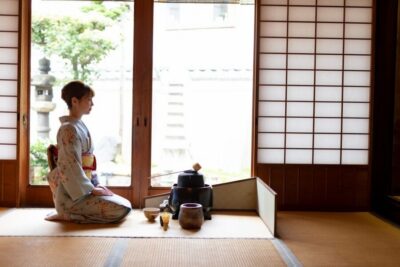
World Heritage Kyoto & Nara Uji Authentic Matcha Experience
Read our review →

Arashiyama Bamboo Forest, Monkeys, Matcha & Temple Tour
Read our review →Browse the lists this tour appears in