
Reviewed · FUSHIMI INARI TOURS
Best of Kyoto: Red Gates of Fushimi Inari & Kiyomizu Temple
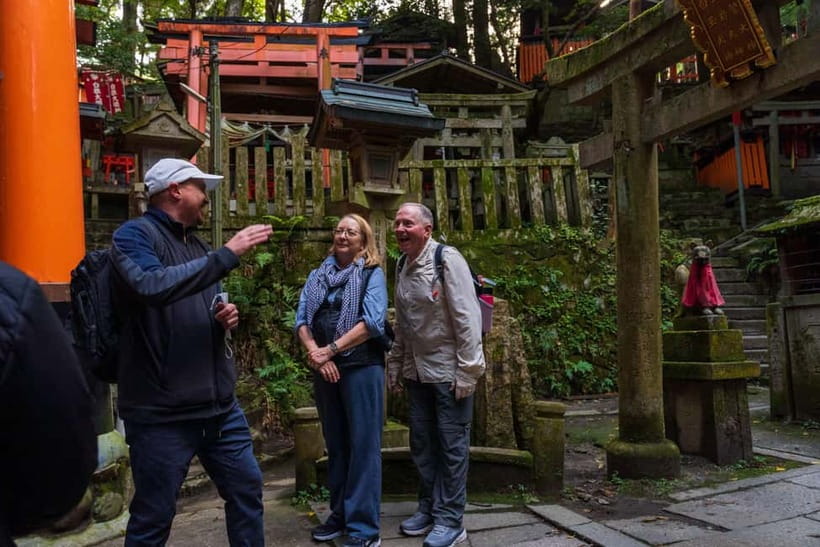
The best part of this Kyoto tour happens before breakfast: you walk through the red torii gates of Fushimi Inari while the morning is still calm. You then continue to Kiyomizu-dera, one of Japan’s most famous temples, before the narrow streets of Higashiyama fill up.
I like two things here. First, the tour includes the train fare, taxi between the sights, and entrance fees, so the $58 price is easy to understand. Second, guides such as Shanda and Diana have earned praise for clear explanations, friendly energy, and giving you time to take photos. The main drawback is physical: expect many stairs and at least 10,000 steps, with few shops open during the early start.
Key points to know before booking
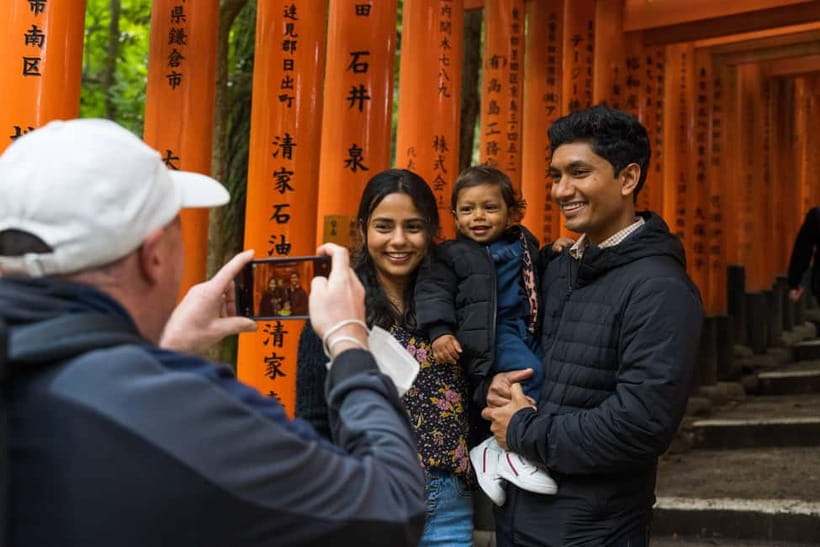
- Early access to Kyoto’s busiest sights: Fushimi Inari and Kiyomizu-dera are far more pleasant before the largest crowds arrive.
- Two major sights in three hours: You see Kyoto’s famous red gates, a major Buddhist temple, and the historic Higashiyama lanes in one compact outing.
- Transport and admissions are included: Your guide handles the train fare, taxi fare, and entry fees.
- Personal guiding matters: Shanda and Diana are named in especially strong feedback, with praise for useful stories, enthusiasm, and photo time.
- A serious walking workout: Stairs and 10,000 or more steps make this a poor match for anyone with limited mobility.
- A useful finish near ARABICA: The tour ends at ARABICA Kyoto Higashiyama, a handy place to get coffee and ask your guide for restaurant, cafe, and bar suggestions.
Why the early start makes such a difference
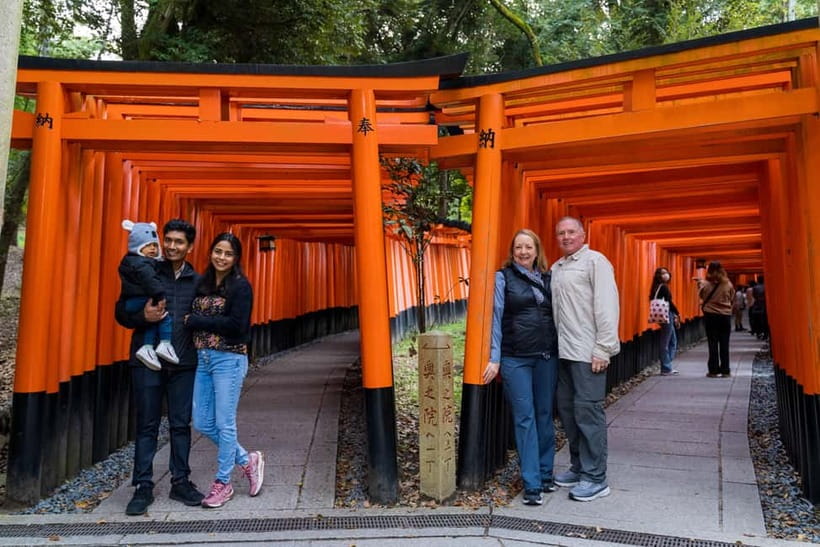
Kyoto’s most famous sights can feel very different at 7 or 8 in the morning than they do later in the day. Fushimi Inari is known for its long run of vermilion torii gates, and those gates are most striking when the paths are not packed with people stopping for photos.
This tour is built around that timing. You meet your guide in front of JR Inari Station, beside a small mailbox and a public phone. That detail is useful because it gives you a clear landmark, but you should still arrive early. The tour cannot wait long for late arrivals, and missing the start would mean missing the carefully timed quietest part of the morning.
The early hour does come with a tradeoff. Shops and food stalls along the route may not be open yet. One person who enjoyed the tour still wished more shops had been operating, but felt the quieter temples were worth that small sacrifice. I agree with the logic: come for the calm and save breakfast or shopping for after the tour.
The starting point is also practical for visitors staying near Kyoto Station or anywhere with easy JR access. You are not waiting for hotel pickup, and the meeting spot is in front of the station entrance rather than hidden inside a large transport hub.
Other temples and shrines in Kyoto people book:
- Kyoto: Tea Ceremony Ju-An at Jotokuji Temple
★ 4.9 · 3,207 reviews - Arashiyama Bamboo, Temple, Monkeys, or Secret Sake Brewery
★ 4.8 · 886 reviews - Kyoto: Arashiyama Bamboo Forest, Monkeys, Matcha & Temple Tour
★ 5.0 · 759 reviews
Fushimi Inari and its famous red gates
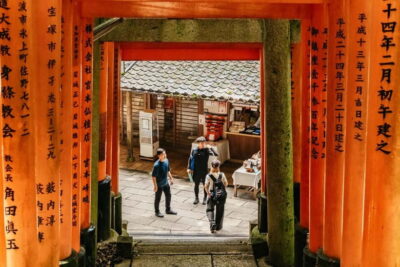
Fushimi Inari Taisha is the first major stop and receives about 50 minutes of guided time. The approach takes you through the shrine’s bright red torii gates, which form one of Kyoto’s most recognizable scenes.
Your guide helps explain what you are seeing rather than leaving you to treat the gates as a simple photo backdrop. The shrine’s traditions, the meaning of the gates, and the role of Shinto worship become easier to understand when someone points out the details as you walk.
The route includes stairs, so this first section is not a flat stroll. You do not need special equipment, but comfortable shoes are essential. The full outing reaches 10,000 or more steps, and the incline here contributes to that total.
The quiet atmosphere is the real value of arriving early. You can pause for photographs without constantly stepping aside, and you have a better chance to notice the shifting light and long shadows between the gates. The supplied timing gives you enough room for a guided visit, though not an exhaustive hike through every part of the mountain.
That distinction matters. If your goal is to walk the full Fushimi Inari trail, this three-hour experience may feel too short. If your goal is to see the iconic gates, understand the site, and then reach Kiyomizu-dera without spending half a day on one shrine, the plan makes good sense.
The taxi ride to Kiyomizu-dera
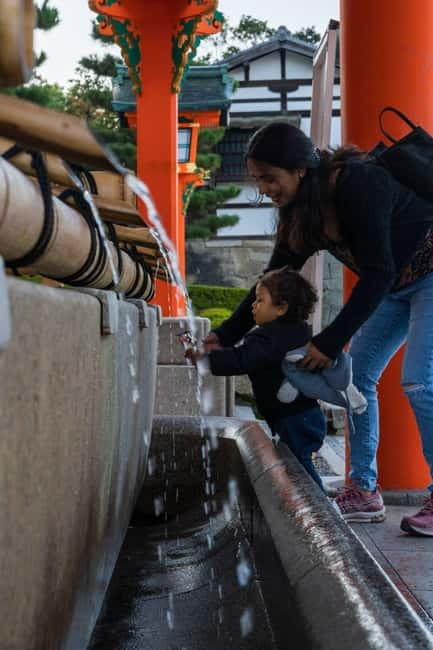
After Fushimi Inari, the tour uses a taxi to reach Kiyomizu-dera. The taxi fare is included, which is a useful advantage in Kyoto, where planning the fastest connection between two major sights can take time.
This transfer also protects the tour’s main benefit: seeing both places in one morning. You do not need to stop and work out another train connection or decide whether a bus, taxi, or long walk is best. Your guide takes care of the transfer while you move on to the next major sight.
A private or small-group format may make the ride and walking sections feel more relaxed than a large coach excursion. The exact group size depends on the booking, so you should check availability if having a smaller party matters to you.
Kiyomizu-dera, views, and Buddhist context
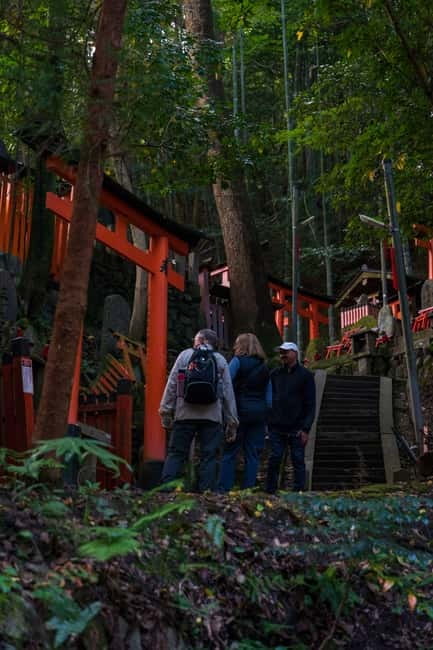
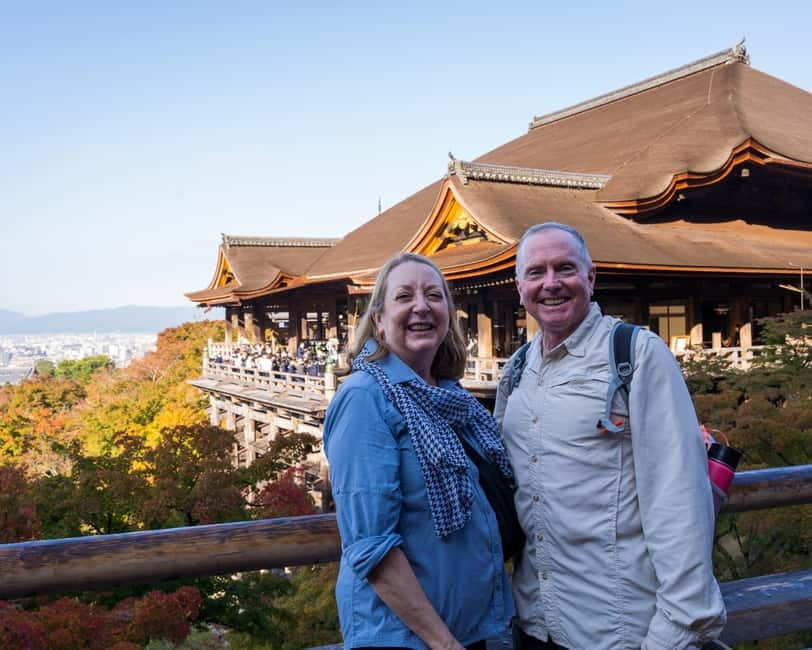
Kiyomizu-dera receives about one hour of guided time. The temple is one of Kyoto’s defining sights, with its famous wooden structure and high position above the city. From the temple area, you get broad views across Kyoto, making this stop more than a quick visit to a single building.
The guide’s role is especially useful here. The tour focuses on Buddhist history and cultural meaning, so you hear context about the temple instead of simply walking through, taking a photo, and leaving. The supplied information describes the temple as an icon of the city, and that is fair. It is one of the places most closely linked with the image of Kyoto.
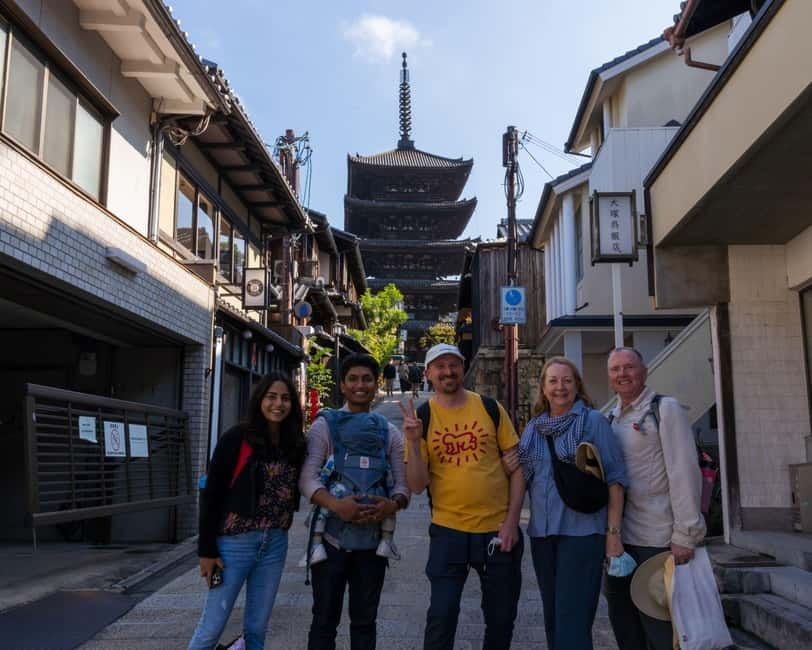
The paths around Kiyomizu-dera connect naturally with the old Higashiyama districts. You pass through Sannenzaka and Ninenzaka, preserved streets lined with traditional wooden houses, small shops, cafes, and other historic-looking buildings. The narrow lanes give you a sense of old Kyoto that is quite different from the open grounds of Fushimi Inari.
You should expect more stairs here too. The experience is not suitable for people with mobility impairments, and the tour description is direct about the physical demands. If you have knee, hip, or balance problems, this is the point where the route may become uncomfortable.
Other shrine walks around Kyoto:
- Kyoto: Fushimi Inari, Kinkakuji, Bamboo Grove 1 Day Bus Tour
★ 4.8 · 4,316 reviews - Fushimi Inari Hidden Hiking Tour (Private Option Available)
★ 5.0 · 1,750 reviews - Kyoto/Osaka: Nara, Fushimi Inari Taisha, Arashiyama Bus Tour
★ 4.7 · 1,275 reviews - Osaka/Kyoto: Arashiyama, Nara & Fushimi Inari Shrine w/Lunch
★ 4.4 · 754 reviews
The final photo stop and Higashiyama lanes
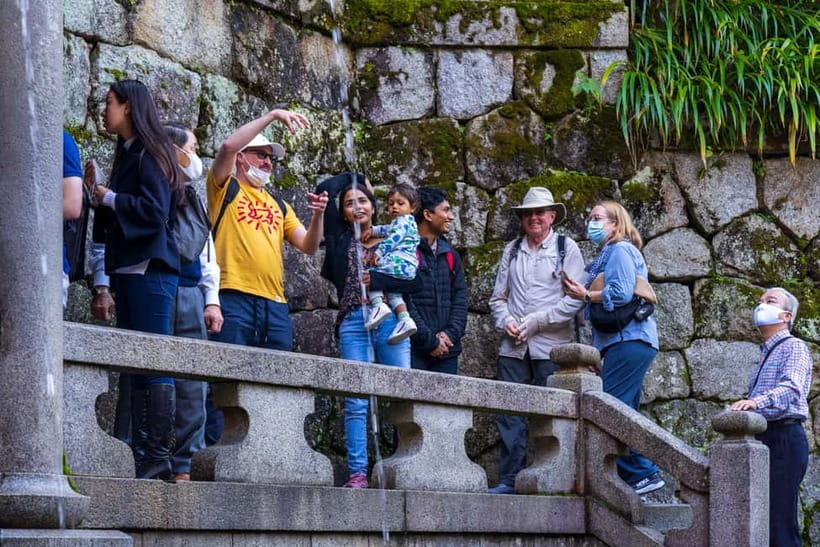
The itinerary allows about 30 minutes for a photo stop after the guided temple visits. This gives you time to look back at the streets, pagodas, wooden houses, and views without rushing from one explanation to the next.
The stop also creates a pleasant bridge between sightseeing and the rest of your day. You finish at ARABICA Kyoto Higashiyama, where you can order coffee or find breakfast afterward. Food and drinks are not included, so plan to pay separately.
I like this ending because it does not strand you at a station or send you straight back to a hotel. You are already in one of Kyoto’s most appealing areas, with the option to keep exploring on your own. Before you leave, ask your guide for the promised local suggestions for restaurants, cafes, and bars. That advice may be as useful as the formal sightseeing, especially if this is your first morning in Kyoto.
What the guide adds to the experience
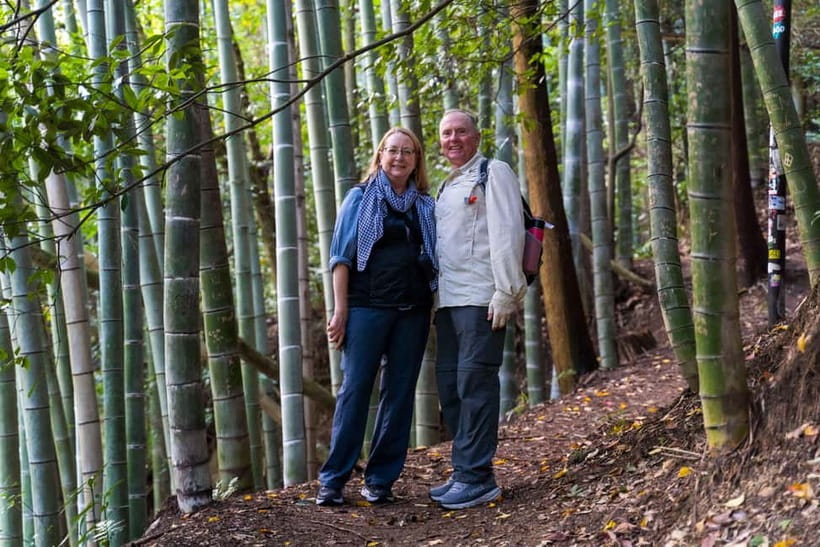
A guide can make or break a short cultural tour. Here, the strongest feedback centers on personal service and clear explanations.
Shanda received particular praise for giving people time to take photographs while explaining the traditions and history of each stop. One booking ended up as a private experience with her, and the guide also helped the group find its way back to the hotel afterward. Hotel assistance is not part of the stated tour service, so you should not count on that exact extra, but it shows how useful a responsive guide can be.
Diana was also singled out for interesting information about both Fushimi Inari and Kiyomizu-dera. The early start was considered worthwhile because it reduced crowding, even though some shops were still closed.
The guide languages are English and French. You should select the language you need when checking availability, since language options may vary by departure. Private and small-group bookings are available, which is helpful if you prefer to ask questions or move at a less hurried pace.
Is $58 a fair price?
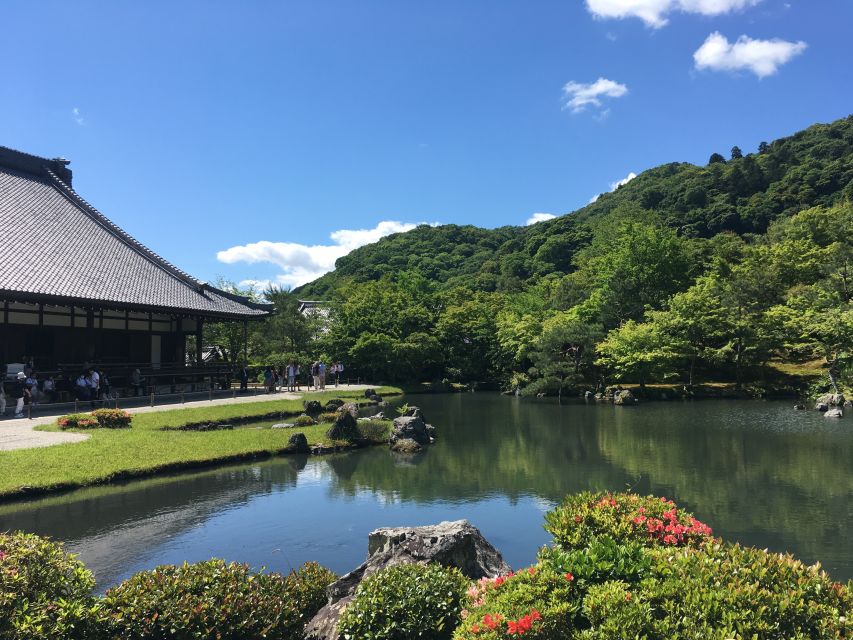
At $58 per person, this tour offers solid value if you plan to visit both sights anyway. The price includes the guide, train fare, taxi fare from Fushimi Inari to Kiyomizu-dera, and entrance fees. Those inclusions remove several small costs that can otherwise make a morning of Kyoto sightseeing harder to budget.
The value is strongest for first-time visitors. You get a fixed route, an early departure, transport between the two major stops, and cultural explanations in only three hours. You also avoid spending part of your morning comparing transit options or trying to judge how much time to allow at each place.
The price may feel less attractive if you already know Kyoto well, speak Japanese, or prefer to explore at your own speed. Independent visitors can reach both sights without a tour, and the early start means you give up some breakfast and shopping time. You are paying mainly for timing, transport, admissions, and interpretation.
The tour also offers reserve now and pay later booking, plus free cancellation up to 24 hours before the start for a full refund. Check the exact terms at booking, but these options give you some flexibility when your Kyoto plans are still changing.
Who should book this Kyoto morning tour?
I would recommend it to a first-time Kyoto visitor who wants to see the city’s two headline sights without giving up an entire day. It suits you especially well if you value historical explanation, dislike sorting out transport, and are willing to get up early.
It also works for couples, families with older children, and small groups who want help with the practical side of the morning. The private and small-group options may be worth considering if photography or questions are important to you.
I would not choose it for a slow, food-first morning. You will not receive breakfast, drinks, or hotel pickup, and the early departure means some businesses will still be closed. I also would not recommend it if 10,000 or more steps and many stairs sound difficult.
Bring comfortable shoes and comfortable clothes. Keep your morning schedule open enough to stay with the guide, and plan a coffee or meal after the finish at ARABICA Kyoto Higashiyama.
Should you book it?
Book this experience if you want efficient access to Fushimi Inari and Kiyomizu-dera, with the hardest transport decisions and entrance fees handled for you. The early timing is the main selling point, and the praised guiding from Shanda and Diana suggests that the history and customs are explained with warmth rather than recited from a script.
Skip it if you want to sleep late, browse every shop, or take a full day to explore each site. For most first-time visitors who can manage the stairs, $58 is a reasonable price for two major Kyoto sights, a guide, and a quieter start.
FAQ
How long does the tour last?
The tour lasts three hours.
Where does the tour meet?
Meet your guide in front of the entrance to JR Inari Station at the time shown on your voucher. Look for a small mailbox and a public phone next to each other.
What are the starting location options?
The provided information lists two starting options, both identified as Inari Station, in front of the station entrance.
Which sights are included?
The tour includes guided visits to Fushimi Inari Taisha and Kiyomizu-dera, followed by a photo stop in the Higashiyama area.
Is transportation included?
Yes. The tour includes train fares and the taxi fare from Fushimi Inari to Kiyomizu Temple.
Are entrance fees included?
Yes. Entry fees for the included sights are covered.
Is food included?
No. Food and drinks are not included. The tour finishes near ARABICA Kyoto Higashiyama, where you can buy coffee or breakfast afterward.
Which languages are available?
Live guiding is available in English and French.
How much walking is involved?
You should expect many stairs and 10,000 or more steps during the tour. Comfortable shoes are recommended.
Can I cancel the booking?
You can cancel up to 24 hours in advance for a full refund. Reserve now and pay later booking is also available.
More temples and shrines elsewhere in Japan
- Kyoto: Ninnaji Temple Entry Ticket
★ 4.2 · 650 reviews - Kyoto Zen Meditation & Garden Tour at a Zen Temple with Lunch
★ 5.0 · 441 reviews - Kyoto: Zen Experience in a Hidden Temple
★ 5.0 · 437 reviews - KYOTO Tea Ceremony with kimono near by Imamiya Jinjya Shrine
★ 5.0 · 343 reviews
Just added in Kyoto
- Your Private Vacation Photography Session In Kyoto★ 5.0 · 110 reviews
- Kyoto: Zen Meditation at a Private Temple with a Monk★ 5.0 · 25 reviews
- Private Cooking Class Udon in Kyoto Japan★ 5.0 · 23 reviews
- Private Pewter Sake Cup Experience with a Kyoto Artisan★ 5.0 · 31 reviews
- Kyoto Wagashi(Japanese sweets) Cooking Class near Fushimiinari★ 5.0 · 60 reviews
- Kyoto:Family-Friendly Kimono & Yukata Experience at WARGO★ 5.0 · 147 reviews
- Private Guided Traditional Buddhist Cooking in Japan★ 5.0 · 16 reviews
- Kyoto: Gion Geisha District & Sake-in-Hand Walking Tour★ 5.0 · 37 reviews
Fushimi Inari Tours, compared.
Fushimi Inari Hidden Hiking Tour (Private Option Available)
Read our review →
Kyoto/Osaka: Nara, Fushimi Inari Taisha, Arashiyama Bus Tour
Read our review →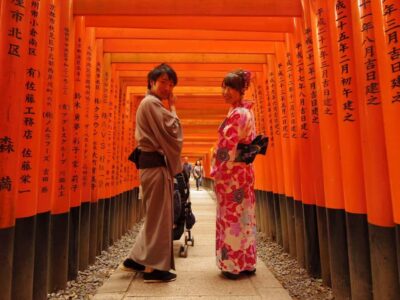
Osaka/Kyoto: Arashiyama, Nara & Fushimi Inari Shrine w/Lunch
Read our review →
Nijo Castle, Kiyomizu & Fushimi Inari Guided Tour
Read our review →
Nijo, Kinkaku-ji, Arashiyama, Kiyomizu & Fushimi Inari
Read our review →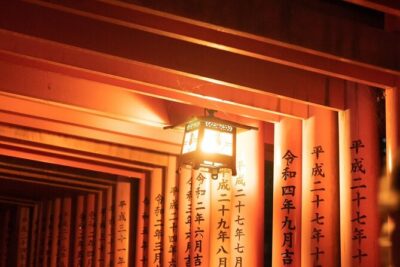
Kyoto Early Bird English Tour: Fushimi-Inari and Arashiyama
Read our review →Browse the lists this tour appears in