
Reviewed · TEMPLE & SHRINE TOURS
Kyoto: Ninnaji Temple Entry Ticket
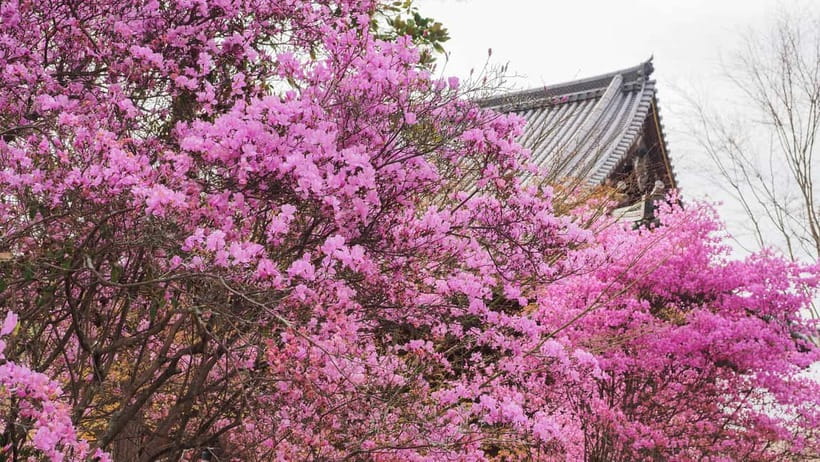
Ninnaji is one of Kyoto’s best places for a slower afternoon. Its late-blooming Omuro sakura and five-story pagoda draw the spring crowds, but the temple has something to offer in every season. I like the Goten Palace gardens for their quiet, carefully framed views, and I like that the Omuro Pilgrimage gives you a two-hour walk with a clear purpose rather than just another temple circuit.
The main drawback is seasonal access. The cherry blossom area can require an extra admission fee, and some museum or festival areas may need special tickets. The temple is also large enough that a short visit can feel rushed, especially if you want to include the museum and the pilgrimage course.
Key points to know before you go
- Late-blooming Omuro sakura: Ninnaji is famous for cherry trees that bloom later than many other Kyoto varieties, though the exact fee period depends on the bloom.
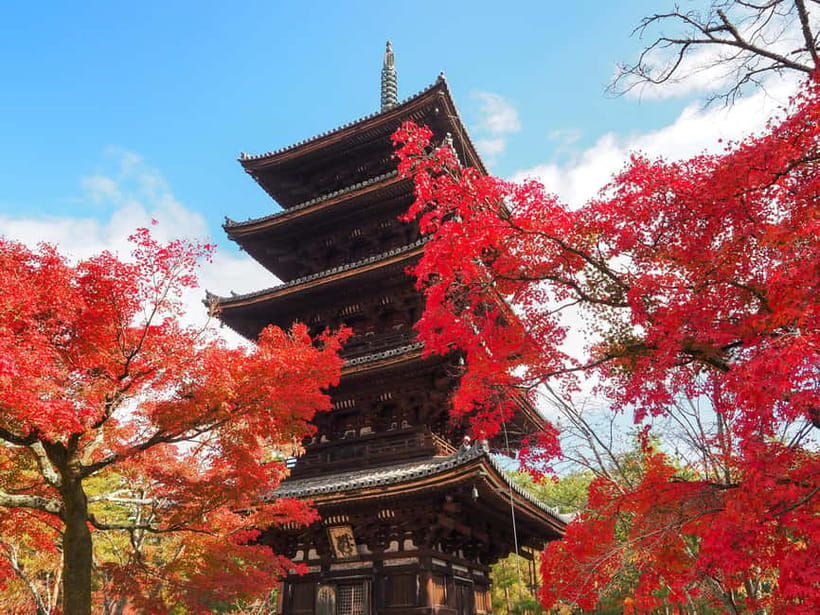
- Five-story pagoda and Goten Palace: You get classic temple architecture, garden views, and one of Kyoto’s most recognizable pagodas.
- Two-hour Omuro Pilgrimage course: This shorter version of the Shikoku Pilgrimage offers a nature-focused walk within the temple grounds.
- Reihokan Museum: An optional ticket can add access to cultural objects connected with Ninnaji.
- Seasonal character: Spring brings flowers, summer brings Buddhist ceremonies, autumn brings red and yellow leaves, and winter can bring snow-covered gardens.
- Useful flexibility: The ticket is valid for one day, with free cancellation up to 24 hours ahead and a reserve-now, pay-later option.
Why Ninnaji feels different from a quick temple stop
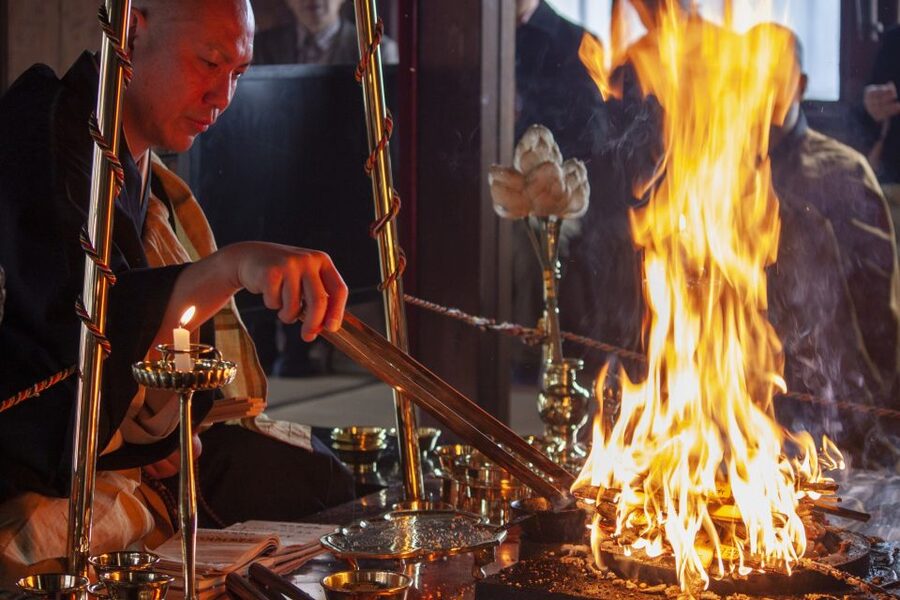
Ninnaji was founded in 888 and serves as the main temple of the Omuro school of the Shingon sect of Buddhism. That gives the visit more weight than a simple walk through pretty grounds. You are seeing a working religious site with important cultural objects, historic buildings, gardens, and seasonal ceremonies gathered in one place.
The temple’s appeal comes from the way these parts fit together. You can begin with architecture, move into a garden, pause at the pagoda, then spend much of the afternoon walking the Omuro Pilgrimage course. It feels less like checking off one monument and more like choosing your own pace inside a large temple compound.
I would allow more time than the $5 price might suggest. The basic ticket is inexpensive, but the grounds reward patience. If you only have a short window, focus on the Goten Palace and gardens, the pagoda, and the area around the Omuro sakura. If you have several hours, add the pilgrimage course and Reihokan Museum.
Other temples and shrines in Kyoto people book:
- Kyoto: Tea Ceremony Ju-An at Jotokuji Temple
★ 4.9 · 3,207 reviews - Arashiyama Bamboo, Temple, Monkeys, or Secret Sake Brewery
★ 4.8 · 886 reviews - Kyoto: Arashiyama Bamboo Forest, Monkeys, Matcha & Temple Tour
★ 5.0 · 759 reviews
Entering through Ninnaji’s historic grounds
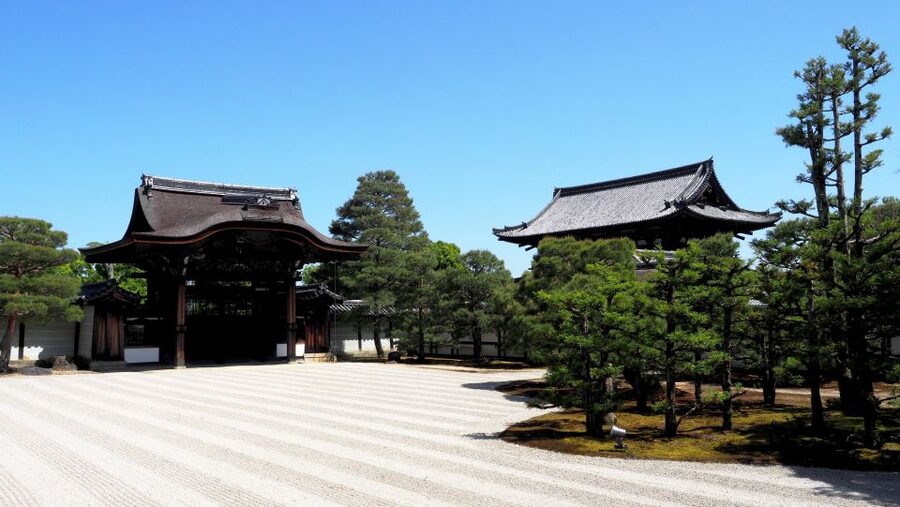
The standard entry covers the Goten Palace and its gardens, except when a special entrance ticket is required. This is the core visit, and it gives you a useful introduction to Ninnaji’s buildings and formal garden spaces.
The Goten Palace area is especially worthwhile for travelers who enjoy Japanese gardens more than crowded photo stops. The scenery changes with the calendar. In winter, snow can settle across the gardens and palace grounds, giving the site a spare, quiet look. In autumn, the buildings are framed by red and yellow leaves. Spring brings the main flower season, while summer has a more ceremonial feel.
Do not rush through the gardens simply because the ticket is cheap. Garden views are meant to be read slowly. Look for how the buildings frame the trees and open spaces, and give yourself time to sit or pause if the setting allows it. The value here is not a long list of sights. It is the chance to spend an unhurried hour in a carefully shaped setting.
The five-story pagoda and Omuro sakura
The five-story pagoda is one of Ninnaji’s most familiar sights. It gives the grounds a strong vertical marker, especially when seen with the surrounding trees. The pagoda is not the only reason to visit, but it helps you understand the scale and character of the temple.
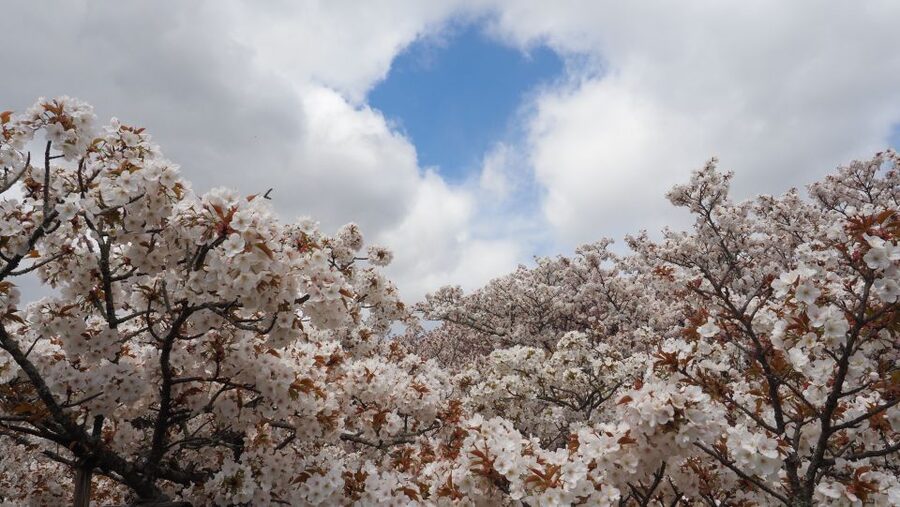
Ninnaji is best known for its Omuro sakura, a late-blooming variety of cherry tree. This matters if your Kyoto visit falls after many of the city’s better-known cherry trees have finished. The bloom timing is not fixed, so you should treat the season as a possibility rather than a guarantee.
During the cherry blossom period, an additional admission fee is required to enter the area beyond the Chumon inner gate and see the Omuro sakura. The exact period can change according to when the flowers reach full bloom. That fee supports preservation of the trees, a practical detail worth knowing before you arrive.
The seasonal fee also means the basic $5 price may not be the final cost during peak blossom days. I still consider the ticket good value if the trees are flowering, but you should budget for the extra charge and expect more people in this part of the grounds. If you prefer quiet, visit outside the main bloom period and focus on the gardens, pagoda, and pilgrimage route.
Walking the two-hour Omuro Pilgrimage
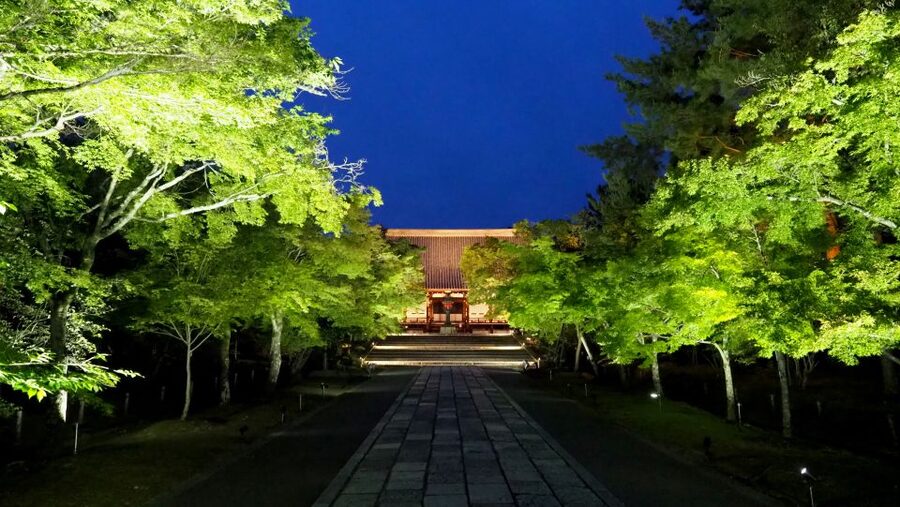
The Omuro Pilgrimage course is a shorter version of the Shikoku Pilgrimage. It takes about two hours and is surrounded by natural sounds and seasonal changes. That makes it the most active part of the visit, and it gives Ninnaji a different rhythm from the palace and garden areas.
You should choose this course if you want your temple visit to include a proper walk. It is not just a path between buildings. The route is presented as a compact pilgrimage experience, so it adds a reflective purpose to the time you spend outdoors.
The course is especially attractive in spring, autumn, and winter. Cherry blossoms can add color in spring, while autumn brings red and yellow foliage around the historic temple buildings. After snow, the course and gardens can feel particularly still. Summer has its own character, with many priests present for Buddhist ceremonies.
The tradeoff is time. A two-hour walk is a significant part of a one-day visit, and you may not want to add it if you are already tired from a full Kyoto sightseeing schedule. You will get more from it if you treat Ninnaji as a destination rather than a brief stop between other attractions.
Other places of worship worth the walk in Kyoto:
- Osaka/Kyoto: Arashiyama, Nara & Fushimi Inari Shrine w/Lunch
★ 4.4 · 754 reviews - Kyoto Zen Meditation & Garden Tour at a Zen Temple with Lunch
★ 5.0 · 441 reviews - Kyoto: Zen Experience in a Hidden Temple
★ 5.0 · 437 reviews - KYOTO Tea Ceremony with kimono near by Imamiya Jinjya Shrine
★ 5.0 · 343 reviews
Reihokan Museum and Ninnaji’s cultural objects
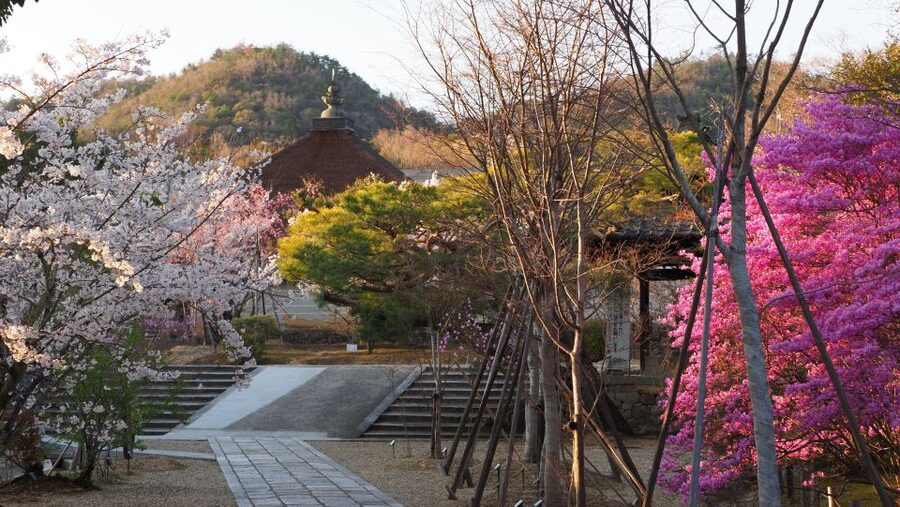
The Reihokan Museum houses important cultural items belonging to Ninnaji. Its contents give context to the temple’s religious role and long history, though the museum is an optional part of the visit depending on the ticket you select.
I recommend adding the museum if you have an interest in Buddhist art, temple objects, or the story behind the buildings. The gardens show you the outward beauty of Ninnaji. The museum helps explain the religious and cultural work that has taken place here over many centuries.
The museum is not included in every basic ticket. Check the option you choose before paying, since the inclusion can vary. The same applies to the flower festival and other special entrance areas. This is one place where a low base price can require a closer look at what you actually want to see.
A special guide inside Kannon-do has also been described as wonderful and informative. Since this is not presented as a standard guided tour with a named guide, do not book the ticket expecting a guaranteed personal tour. If that special access is available during your visit, it may add useful context to the temple’s religious side.
Ninnaji through the four seasons
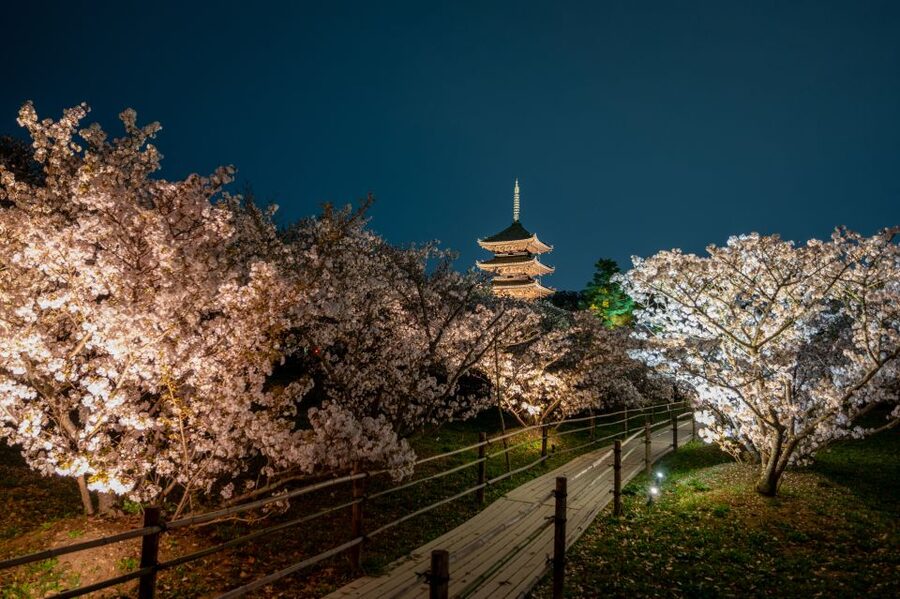
Ninnaji is not tied to one annual event. Its appearance and atmosphere change enough that the same grounds can feel quite different from one visit to the next.
Spring is the headline season. The late-blooming Omuro sakura can extend the cherry blossom period after other trees in Kyoto have passed their best. The special admission fee may apply after the Chumon inner gate, and the timing depends on the actual bloom.
Summer brings many priests to the temple for Buddhist ceremonies. The visit may feel more connected to active religious practice at this time, though the information provided does not specify a public ceremony schedule. Check current details if a particular event matters to you.
Autumn brings red and yellow foliage around the historic buildings. This is a strong season for combining architecture with garden views, especially if you prefer cooler weather and do not need cherry blossoms to make the visit worthwhile.
Winter can be the quietest and most restrained season. Snow in the Japanese garden and around the Goten Palace can create beautiful scenes, but snow is never guaranteed. Winter hours are also shorter, so plan carefully.
How much time should you allow?
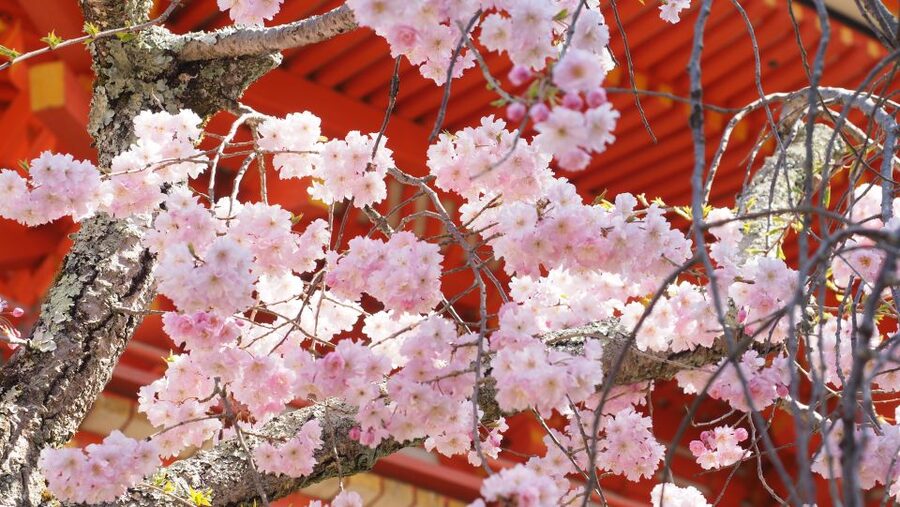
The ticket is valid for one day, which gives you room to set your own pace. The practical question is not how long the ticket lasts, but how much of Ninnaji you want to see.
For a focused visit, allow enough time for the Goten Palace and gardens, the pagoda, and the main temple grounds. Add the Omuro sakura area during blossom season if it is open with the required admission fee.
For a fuller visit, plan around the two-hour pilgrimage course and add the Reihokan Museum if it is included in your chosen option. This turns the temple into a half-day or longer stop rather than a quick photo opportunity.
The posted opening hours are 9 AM to 5 PM from March through November, and 9 AM to 4:30 PM from December through February. Ticket booths close 30 minutes before the temple closes. In winter, a late arrival gives you less useful time, particularly if you want to walk the pilgrimage route.
What the $5 price really buys you
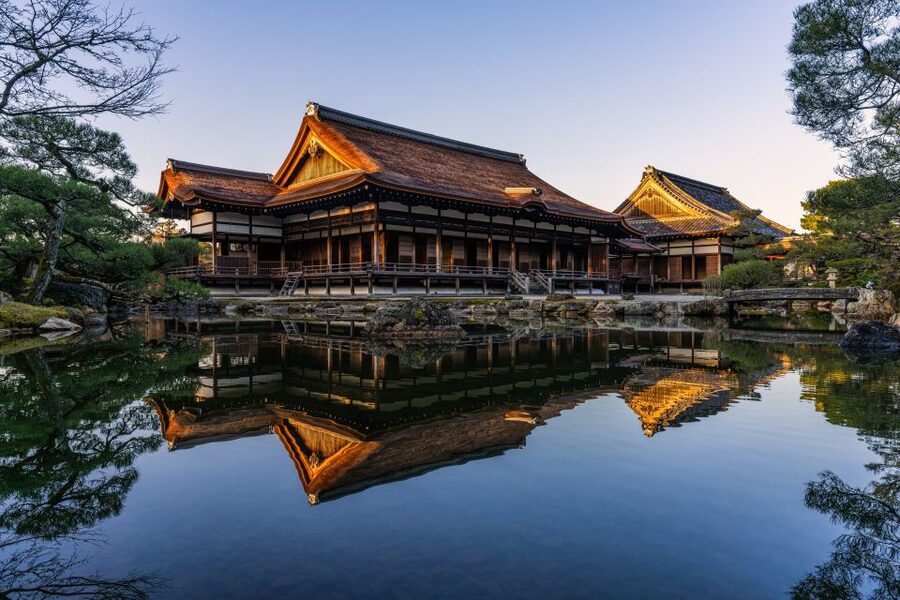
At $5 per person, the basic ticket is one of the better low-cost cultural stops in Kyoto. It gives you access to the Goten Palace and gardens, with the chance to enjoy major architecture, seasonal scenery, and the atmosphere of a major Buddhist temple.
The value depends on what you include. The basic amount does not automatically cover every special area. Reihokan Museum entry, the flower festival, and other special entrance tickets may be available as separate options. During the Omuro sakura period, access beyond the Chumon inner gate requires its own fee.
That structure is not difficult, but it rewards careful planning. If you only want the standard grounds, the price is excellent. If you are visiting during peak cherry blossom season or want several special areas, check the total before booking.
The reserve-now, pay-later option is helpful when your Kyoto schedule is still shifting. Free cancellation up to 24 hours in advance also reduces the risk of booking too early. These policies do not change what you see, but they make the ticket easier to fit around weather and seasonal conditions.
Accessibility and practical planning
Ninnaji is wheelchair accessible, which is important for anyone who needs step-free access. The available information does not provide a detailed route map or specify which parts of the pilgrimage course are easiest, so ask at the ticket counter if you need precise access guidance.
People with a physical disability certificate can enter free of charge. The exemption applies only to the person holding the certificate, and you should ask at the ticket counter.
Bring your schedule, not just your camera. The temple closes at 5 PM for much of the year and at 4:30 PM during winter. Since ticket sales stop 30 minutes before closing, arriving near the end of the day can leave too little time for the gardens, museum, or pilgrimage route.
I would also avoid making the cherry blossom area your only reason for going. Bloom dates vary, and the extra admission period changes with the flowers. Ninnaji remains worthwhile for the Goten Palace, pagoda, garden, museum, and seasonal setting even when the sakura is not at its best.
Who should book Ninnaji Temple?
You should book this ticket if you enjoy historic temples, Japanese gardens, seasonal scenery, or a quiet walk with a religious theme. It also suits anyone who wants a flexible, low-cost Kyoto activity instead of a fixed guided tour.
The experience works well for photographers, garden lovers, and visitors who want to see late-blooming cherry blossoms. It is also a good choice if you have already seen several crowded central Kyoto sights and want a place with more room to slow down.
You may want to skip it if you have only a few minutes for sightseeing. The best parts are spread across the grounds, and the two-hour pilgrimage course cannot be appreciated in a rush. You should also check the ticket details if the Reihokan Museum, flower festival, or Omuro sakura area is essential to your plan.
Should you book this Ninnaji ticket?
I would book it for the modest price and the freedom to build your own visit. The Goten Palace gardens, five-story pagoda, seasonal scenery, and Omuro Pilgrimage give you several worthwhile ways to spend the day.
Choose your timing with care. Spring offers the famous late-blooming sakura but may bring an extra fee and more people. Autumn and winter offer a calmer look at the grounds, while summer adds the possibility of seeing the temple during Buddhist ceremonies. If you want the museum or special areas, select the right option rather than assuming the basic ticket covers everything.
FAQ
Where is Ninnaji Temple located?
Ninnaji Temple is in Kyoto on Honshu, Japan.
How much does the basic entry ticket cost?
The listed price is $5 per person.
How long is the ticket valid?
The ticket is valid for one day.
What are Ninnaji’s opening hours?
The temple is open from 9 AM to 5 PM from March through November, and from 9 AM to 4:30 PM from December through February.
When do the ticket booths close?
The ticket booths close 30 minutes before the temple closes.
Is the Reihokan Museum included?
The Reihokan Museum is included if you select an option that contains museum entry. It is not automatically part of every ticket.
Is there an extra fee to see the Omuro sakura?
During cherry blossom season, an admission fee is required to enter the area after the Chumon inner gate. The period can change depending on when the flowers reach full bloom, and the money supports preservation of the Omuro sakura.
Is Ninnaji Temple wheelchair accessible?
Yes, the activity is listed as wheelchair accessible. People with a physical disability certificate can enter free of charge, limited to the person with the certificate, by asking at the ticket counter.
Just added in Kyoto
- Kyoto Rickshaw Tour★ 5.0 · 210 reviews
- Kyoto: Private Photoshoot Service★ 5.0 · 158 reviews
- Izakaya Style Cooking Class★ 5.0 · 219 reviews
- Kyoto: Traditional Concert at Townhouse or Bathhouse★ 4.9 · 224 reviews
- Ninja 2-hour Hands-on Lesson by Japanese master in Kyoto -Medium★ 5.0 · 218 reviews
- Kyoto: Arashiyama Bamboo, Temple, Matcha, Monkeys & secret spots★ 5.0 · 219 reviews
- Samurai Training with Modern day Musashi in Kyoto★ 5.0 · 256 reviews
- Kyoto: Kimono Tea Ceremony with Matcha and Sweet★ 4.9 · 249 reviews
Temple & Shrine Tours, compared.

Meiji Shrine, Asakusa, Skytree Bus Tour and Cruise
Read our review →
Asakusa Walking Tour with Sensoji Temple Visit
Read our review →
Kamakura & Enoshima Day Trip including Temple Tickets
Read our review →
Nikko Toshogu Shrine and Kegon Waterfall Tour
Read our review →
Tokyo Panoramic 1 Day: Meiji Shrine, Asakusa, Odaiba and SKYTREE®
Read our review →
1-Day Snow Monkeys, Zenko-ji Temple & Sake in Nagano
Read our review →Browse the lists this tour appears in