
Reviewed · HIROSHIMA & MIYAJIMA DAY TRIPS
Hiroshima: Miyajima Half-day Historical Walking Tour
Miyajima packs sacred shrines, wooded mountain paths, friendly deer, old houses, and excellent local food onto one small island. This tour gives you the essential sights, but its real strength is the way guides such as Yuji, Kiki, Eri, and Shun explain how Shinto, Buddhism, island life, and daily customs fit together.
I like the small groups, limited to seven, and the included local lunch, which may feature oysters, momiji dumplings, and other Hiroshima specialties. The main drawback is the pace: five and a half hours of walking, some uneven paths, and temple steps can be tiring, especially in Japan’s hot summer weather.
Key points at a glance
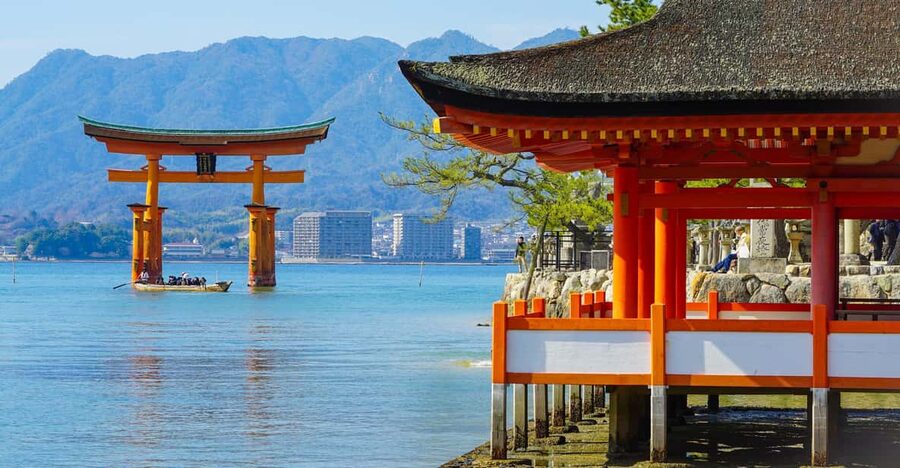
- Ferry views and the great torii: Cross the Seto Inland Sea and see Miyajima’s famous O-Torii from the water.
- Itsukushima Shrine at changing tides: Learn why the shrine’s buildings were designed to cope with the sea’s movement.
- A real taste of Hiroshima: Lunch includes local ingredients, with oysters and fried momiji dumplings among the likely highlights.
- Daisho-in beyond the postcard view: Spend about an hour at Miyajima’s oldest temple complex, with statues, gardens, and mountain scenery.
- Small group, personal feel: No more than seven people makes it easier to ask questions and keep a comfortable pace.
- A full half-day: The 330-minute schedule covers much more than the torii gate and main shrine, but requires stamina.
Why Miyajima works best with a guide
Miyajima is easy to recognize and harder to understand. You can photograph the torii, walk the shopping street, and follow signs to Itsukushima Shrine on your own. What you may miss is the meaning behind the buildings, the relationship between Shinto and Buddhism, and the small clues to how people lived on the island from the Edo period to today.
That is where this tour earns its keep. Guides explain the island as you walk, rather than leaving you to piece together short signs and museum labels. Past guides have included Yuji, Kiki, Eri, Kaz, Hika, Shun, Hikaru, and Shunsuke. The strongest part of the experience is the human connection: guides answer questions, discuss Japanese customs, and adjust the pace when the group needs a break.
The group limit of seven matters. You are not trailing behind a large flag or waiting for dozens of people to gather before crossing a street. A small group also gives you more time to ask about religion, food, family life, or anything else that catches your attention.
The tour is still structured. It is not a slow, aimless stroll. You cover the shoreline, shrine district, museum area, temple paths, gardens, and shopping streets in one long outing. If you want a quiet day with plenty of time for shopping, photography, or a mountain hike, this may feel busy. If you want a well-organized introduction to Miyajima, the schedule makes good use of your time.
Other walking tours in Hiroshima people book:
- Hiroshima Historical Walking Tour – Why A-Bomb was Dropped
★ 4.8 · 893 reviews - Hiroshima Peace (Heiwa) Walking Tour at World Heritage Sites
★ 5.0 · 872 reviews - Hiroshima City 4hr Private Walking Tour with Licensed Guide
★ 5.0 · 437 reviews
Starting at Miyajimaguchi and crossing the water
You meet outside the JR Miyajimaguchi Station, beside the coin-operated lockers. From JR Hiroshima Station, the train ride to Miyajimaguchi takes about 30 minutes on the JR Sanyo Line. The ferry crossing then brings you to Miyajima, with views across the Seto Inland Sea and the island’s famous torii offshore.
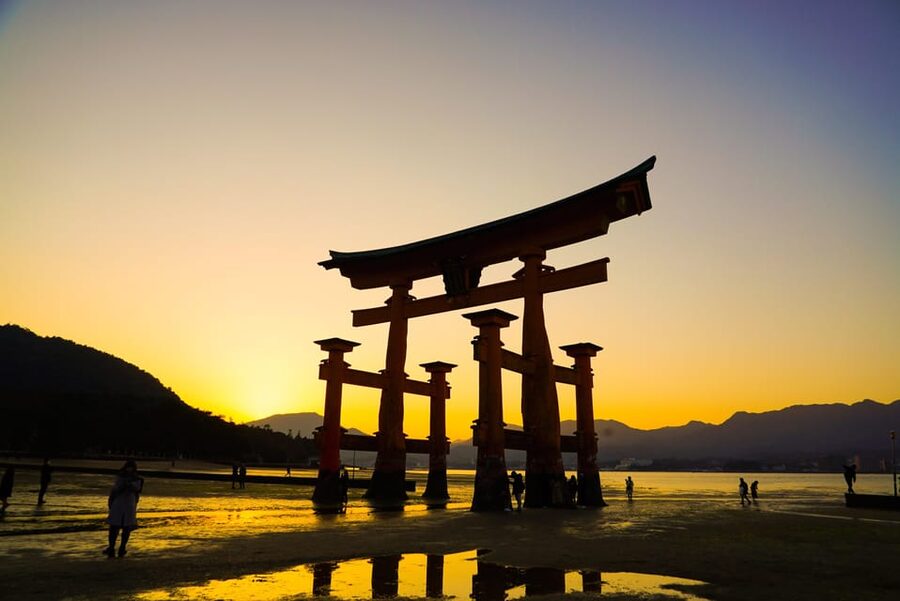
The ferry is part of the pleasure of the day, not just transport. As the boat moves away from the mainland, you get a useful first view of Miyajima’s setting. The O-Torii sits off the shore in front of Itsukushima Shrine, creating the image most closely linked with the island.
The ferry ticket is not included. The supplied information gives two different prices, JP¥500 in one place and JP¥360 in another, so bring cash and confirm the current fare before departure. Extra snacks and drinks also cost you separately.
When you arrive, deer may greet you near the port and town streets. They are accustomed to people, but you should still keep food and loose paper away from them. The island’s deer are part of the scene, not a reason to feed wildlife.
The O-Torii and the changing tide
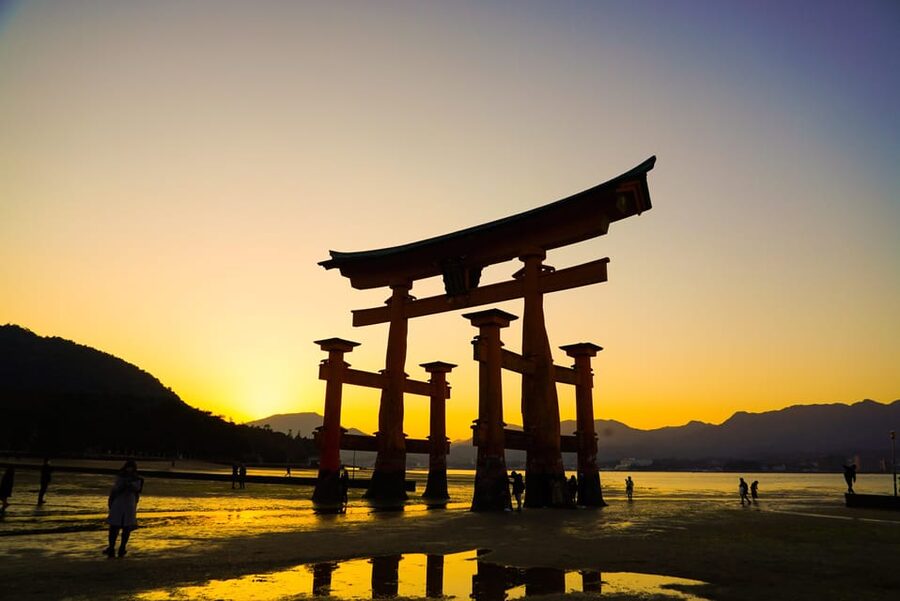
The O-Torii is the visual centerpiece of Miyajima. Its position in the sea makes the entrance to the sacred island feel different from an ordinary shrine gate. Depending on the tide, you may see it surrounded by water or be able to walk closer to it from the shore.
That changing view is one of the tour’s useful details. The guide can help you understand how the torii relates to the shrine and how the same place changes during the day. One schedule may allow you to see the gate with water around it and later at low tide, although exact conditions depend on the tide and timing.
The shore walk also gives you a chance to settle into the island before entering the main religious sites. You are not simply dropped at a photo stop. You move from the ferry, along the coast, and toward the shrine with the torii as a clear point of reference.
Bring shoes that can handle uneven or muddy ground. A previous participant specifically noted that rainy weather can make paths muddy. Comfortable walking shoes are more useful here than stylish footwear.
Itsukushima Shrine and Heian-period design
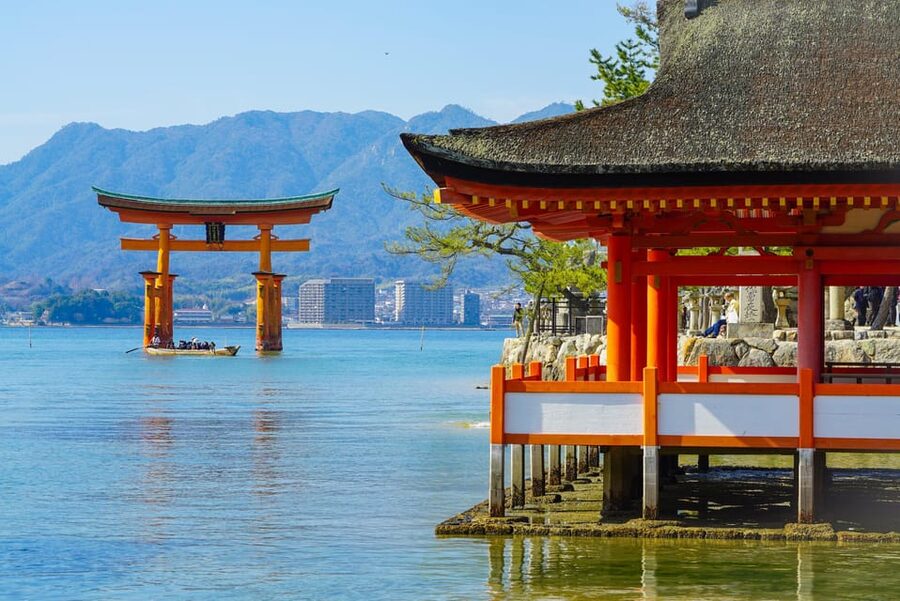
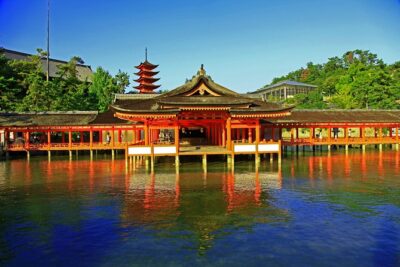
Itsukushima Shrine is the main cultural reason to visit Miyajima. The complex dates back in its distinctive form to the Heian period, from 794 to 1192, and its buildings were designed around the island’s tidal setting.
Your guide explains why the shrine’s architecture can work with the rise and fall of the sea. The open corridors, vermilion buildings, and water-facing arrangement make more sense when you see them as part of a sacred coastal setting rather than as isolated decoration.
You spend about 40 minutes at the shrine. That is enough for a guided explanation and a proper look at the main spaces, but not so long that you can study every detail at leisure. If you want extensive solo photography or a slow architectural inspection, plan to return on your own after the tour.
The shrine can be crowded, particularly at popular times of day and during attractive seasons such as cherry blossom. A guide cannot remove the crowds, but a small group can make movement easier. You also gain context that helps you notice the relationship between the shrine, the torii, the sea, and the island’s sacred status.
Other long days west of Hiroshima:
- Peaceful Hiroshima & Miyajima UNESCO 1 Day Bus Tour
★ 5.0 · 5,309 reviews - Hiroshima: Hiroshima and Miyajima UNESCO Sites 1-Day Tour
★ 4.9 · 2,330 reviews - Hiroshima / Miyajima Full-day Private Tour with Government Licensed Guide
★ 5.0 · 1,298 reviews - Hiroshima in a Nutshell: Morning Bike Adventure
★ 5.0 · 524 reviews
Museum time and a local Hiroshima lunch
The museum stop adds a useful everyday layer. Shrines and temples show formal religion, while the museum helps explain Miyajima’s people, work, customs, and local culture. The tour connects island life from the Edo period with the present, so you are not left with the impression that Miyajima exists only for sightseeing.
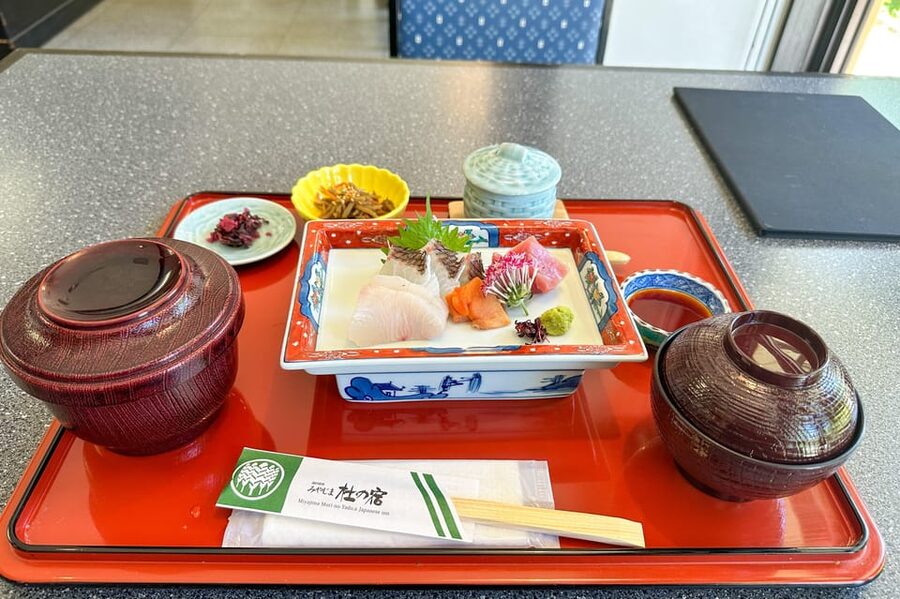
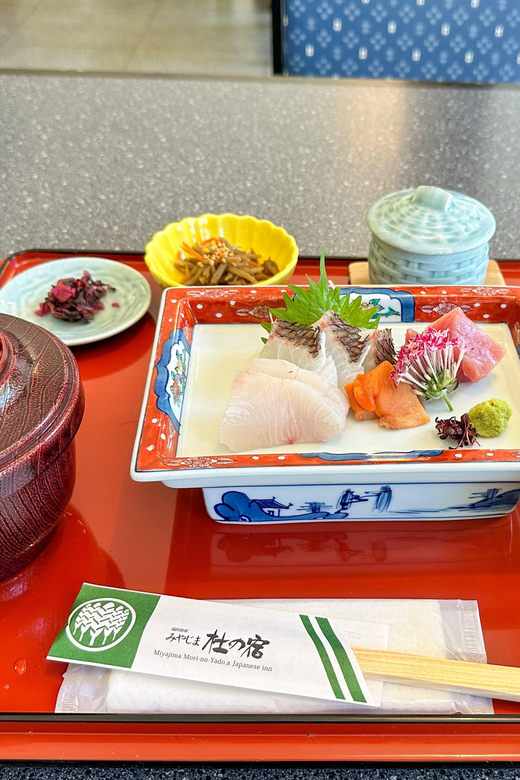
Lunch is included and uses ingredients from Hiroshima Prefecture. This is a real advantage at $106 per person because you do not have to spend time choosing a restaurant in an unfamiliar tourist district. Your guide also helps place the food in its local setting.
Fresh oysters are one of the key foods to look for. Hiroshima is associated with oysters, and several meals on this tour have included them in forms such as grilled oysters with butter and soy. Fried momiji dumplings are another local treat, combining the maple-leaf shape associated with Miyajima with a crisp, warm snack.
The food is a highlight, but dietary planning needs care. Vegetarian and vegan meals are available but limited. The operator cannot guarantee an allergy-free meal, and substitutions may not be possible at every stop because the food is prepared in kitchens it does not control. Gluten intolerance is specifically listed as unsuitable for this experience.
Service can also take longer than planned. Restaurant staffing problems may extend the outing, so do not schedule a tight connection or another fixed activity immediately afterward. Bring cash for extra drinks and snacks, especially in summer when you will want more water.
Daisho-in, Miyajima’s older spiritual side
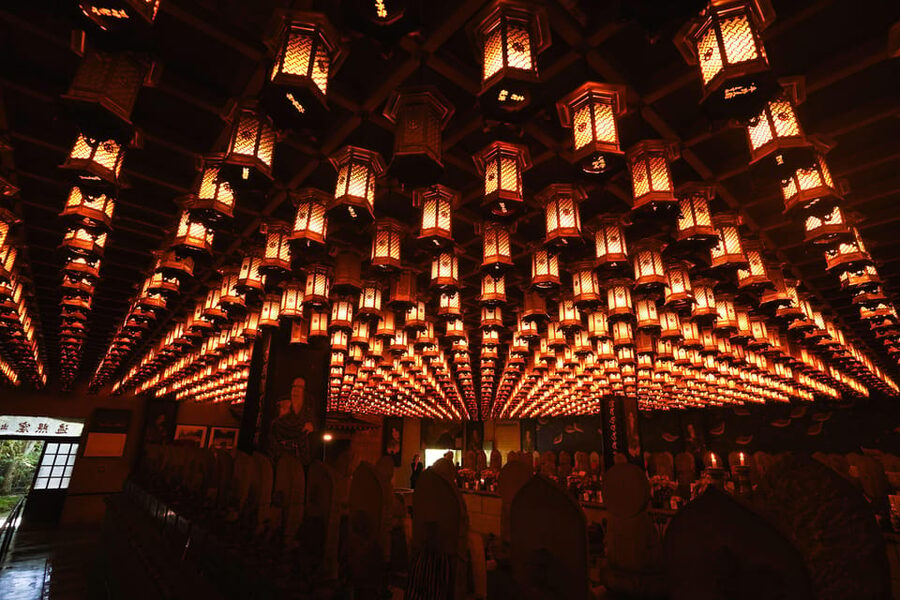
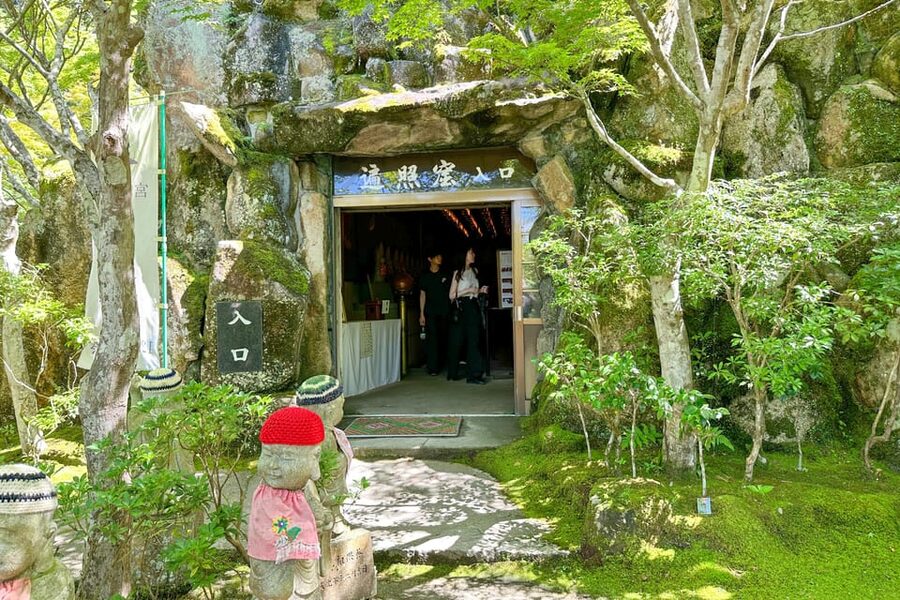
Daisho-in receives about an hour, making it the most substantial stop after the shrine. The temple complex is described as the oldest on Miyajima, with about 1,200 years of history. It gives you a different view of the island’s religious life than Itsukushima Shrine.
The walk toward Daisho-in follows a mountain path with gardens, traditional buildings, and forest scenery. The route is part of the experience, but it also adds physical effort. You should expect slopes, steps, and surfaces that are not suitable for every wheelchair or stroller.
Inside the complex, the guide explains the evolution of faith on Miyajima and the connection between Buddhist practice and the island’s sacred identity. The many statues and temple spaces reward a slower look. This is the point where having a guide is particularly helpful, since the visual details can otherwise blur into a series of unfamiliar figures and buildings.
Daisho-in also tends to feel more varied than a single grand shrine. You move through several spaces and see how religious sites can be layered into the mountain rather than arranged only along the waterfront.
Momijidani, Senjokaku, and the island’s quieter corners
The itinerary includes short visits to Momijidani and Senjokaku Pavilion. Momijidani provides a wooded setting and a change from the open shoreline and busy shrine district. The stop is listed at about 10 minutes, so think of it as a scenic pause rather than a long nature walk.
Senjokaku Pavilion receives about 20 minutes. Its broad traditional interior and elevated setting add another example of Miyajima’s architecture. The brief stop works well as part of a larger circuit, though you will not have the time for an extended visit.
The day also includes about an hour at a less obvious stop. The exact character of this location can depend on the guide and the day’s flow, but the purpose is clear: to take you beyond the most photographed sites and show more of the island’s traditional buildings, gardens, crafts, or local life.
This is one reason to ask questions as you go. Guides have taken people off the main path and explained local customs, Japanese religion, and daily life. The tour is not only a checklist of famous places. Its value comes from linking those places to the island’s living culture.
Tea, coffee, and the return through the shopping street
Near the end, you stop for tea or coffee in the forested setting of Miyajima. After several hours of walking, this pause matters. It gives you time to sit, talk with the guide, and take in the surrounding nature without rushing to the next sight.
The tour finishes on a souvenir shop street before returning to the Miyajimaguchi area. This is a practical ending because you can browse local food and crafts after the guided portion. You may also find it useful to note items you want to buy and return later, since the full group schedule does not leave unlimited shopping time.
Tour photos are included. That can be helpful if you are traveling alone or want a few group pictures without constantly asking strangers. Do not treat the photo service as a formal professional shoot, but it is a thoughtful extra.
Is $106 a fair price?
At $106, this is not the cheapest way to see Miyajima. You still pay separately for the ferry, and you will buy any extra food or drinks. You can visit the island independently for much less if you are comfortable researching the shrine, temple, museum, ferry, and lunch on your own.
The value comes from what is bundled together: an English-speaking guide, entrance fees for the shrines, temples, and museum, lunch, photos, and a small group. You also avoid spending part of your limited Hiroshima time working out where to go next.
I think the price makes the most sense for a first visit, especially if you want history and cultural explanation rather than only scenic views. It is less compelling for repeat visitors who already know the island or for independent travelers who enjoy building their own food and sightseeing plan.
The 330-minute duration is long enough to make the trip feel substantial. It is not a rushed two-hour introduction. At the same time, the amount of ground covered means you should be ready for a full day on your feet.
Who should book this Miyajima tour?
I would choose this tour if you want:
- A first look at Miyajima with the major sights organized for you
- Clear English explanations of Shinto, Buddhism, architecture, and local customs
- A small group rather than a large coach outing
- A local lunch with Hiroshima ingredients
- A balanced mix of famous views, temples, museum time, and everyday island culture
- Help with pacing, directions, and food choices
I would think twice if you have back or heart problems, high or low blood pressure, a low fitness level, or a strong tendency toward seasickness. The ferry is short, but the tour includes extensive walking and some mountain paths.
The route is not fully accessible to wheelchairs or strollers. Babies under one year are not considered suitable for the activity. Summer heat can also be severe, so bring water, wear a hat, and take the pace seriously. The guides have made rest stops when needed, but you should still arrive prepared.
Should you book it?
Book this tour if you want Miyajima explained as a place of worship and daily life, not just a torii gate with a shopping street behind it. The combination of Itsukushima Shrine, Daisho-in, local food, museum time, and a small group gives you a useful first-day framework.
Skip it if you prefer complete independence, need a flexible diet, dislike long walking days, or want to spend most of your time taking photos and shopping. For everyone else, the strongest reason to book is the guide. Past guides such as Yuji, Eri, Kiki, Kaz, and Shun have been praised for friendly conversation, strong English, careful pacing, and the ability to make Japanese customs understandable.
FAQ
Where does the tour meet?
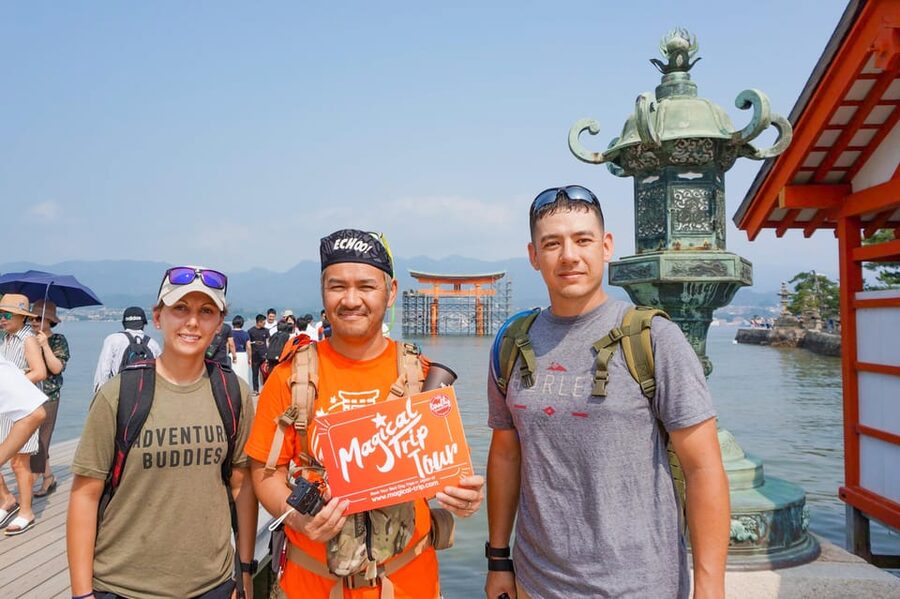
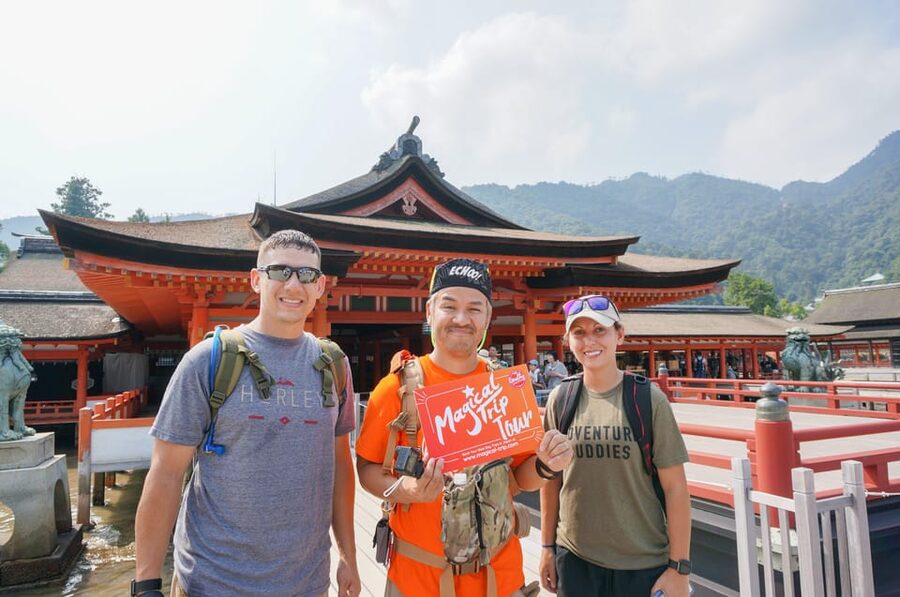
Meet in front of the coin-operated lockers outside JR Miyajimaguchi Station. The guide will hold a board marked Magical Trip.
How do I reach the meeting point from Hiroshima?
The trip from JR Hiroshima Station to JR Miyajimaguchi Station takes about 30 minutes on the JR Sanyo Line.
Is the ferry ticket included?
No. The ferry ticket is extra, and you should bring cash. The supplied information gives fares of JP¥360 and JP¥500, so confirm the current amount before departure.
What food is included?
A local lunch using ingredients from Hiroshima Prefecture is included. Foods associated with the tour include fresh oysters and fried momiji dumplings. Extra food and drinks are not included.
Are vegetarian and vegan meals available?
Vegetarian and vegan options are available but limited. Allergy-free meals and all dietary substitutions cannot be guaranteed.
Is the tour suitable for wheelchairs or strollers?
No. Parts of the route are not accessible by wheelchair or stroller, particularly locations involving uneven paths or temple areas.
How many people are in the group?
The group is limited to seven participants, with an English-speaking live guide.
More walking tours elsewhere in Japan
- Hiroshima Walking Tour Why A Bomb was dropped to Hiroshima
★ 5.0 · 347 reviews - Miyajima Half-day Trip Historical Walking Tour
★ 5.0 · 284 reviews - Hiroshima: History of Hiroshima Group Walking Tour
★ 4.8 · 266 reviews - Hiroshima: Food and Culture Guided Walking Tour with Dinner
★ 4.9 · 212 reviews
Just added in Hiroshima
- Iya Valley BROMPTON Slow Cycling Tour★ 5.0 · 28 reviews
- Iya Valley All Must-Sees Private Chauffeur Full-day Tour with a Driver★ 5.0 · 20 reviews
- Shore Excursion from Hiroshima Port : Private Tour in Hiroshima★ 5.0 · 17 reviews
- Hiroshima & Miyajima All-Inclusive Tour w/Licensed guide Pancho★ 5.0 · 54 reviews
- Okunoshima Rabbit Island Cycling Tour with Local Guide★ 4.5 · 17 reviews
- The Peace Memorial to Miyajima : Icons of Peace and Beauty★ 4.5 · 31 reviews
- Hiroshima Private Tour with a Local – Highlights & Hidden Gems★ 4.5 · 24 reviews
- Private Full Day Hiroshima Tour★ 4.5 · 29 reviews
Hiroshima & Miyajima Day Trips, compared.
Peaceful Hiroshima & Miyajima UNESCO 1 Day Bus Tour
Read our review →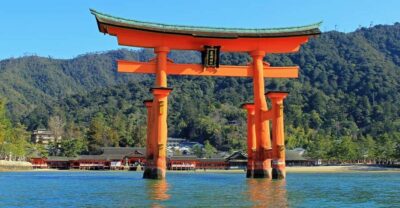
Hiroshima and Miyajima UNESCO Sites 1-Day Tour
Read our review →
Hiroshima / Miyajima Full-day Private Tour with Government Licensed Guide
Read our review →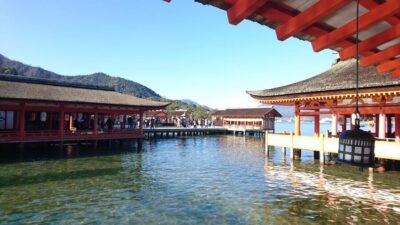
Osaka/Kyoto: Hiroshima Miyajima Bus Tour & Shinkansen Ticket
Read our review →
Hiroshima Historical Walking Tour – Why A-Bomb was Dropped
Read our review →
Hiroshima Peace (Heiwa) Walking Tour at World Heritage Sites
Read our review →
Hiroshima in a Nutshell: Morning Bike Adventure
Read our review →
Hiroshima City 4hr Private Walking Tour with Licensed Guide
Read our review →Browse the lists this tour appears in