
Reviewed · HIROSHIMA & MIYAJIMA DAY TRIPS
Hiroshima: Food and Culture Guided Walking Tour with Dinner
Hiroshima’s best evening meal may be the one that keeps moving. This three-hour food walk takes you from the Hondori shopping arcade into Nagarekawa, with stops at three small local restaurants along the way. You’ll try at least ten dishes, from seafood and tempura to grilled food, simmered dishes, and Hiroshima-style okonomiyaki.
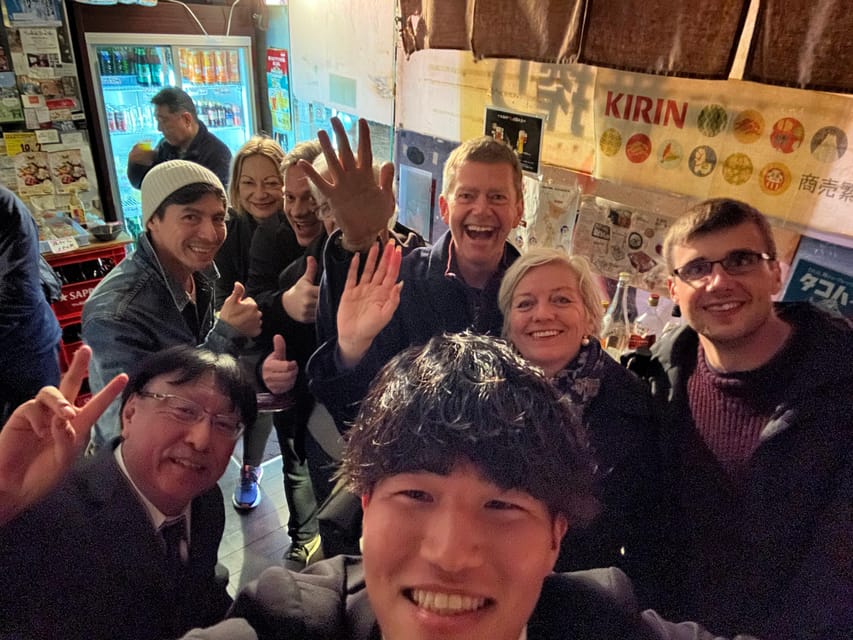
I like the three-restaurant format, which gives you a broader taste of local food than a single dinner reservation. I also like the warm, personal guiding style of Ken, Kensuke, and Alex, who help you enter small places that can feel hard to approach on your own. The main thing to consider is the standing-room setup: several stops are tachinomi restaurants, so this is not a long, relaxed sit-down meal.
Key points to know before booking
- Three local stops: You eat at three different restaurants, usually spending less than 30 minutes at each.
- At least ten dishes: Expect a full dinner made up of many small plates, with seafood, meat, vegetables, fried food, and local specialties.
- Three included drinks: Choose beer, sake, cocktails, spirits, or non-alcoholic drinks, one at each restaurant.
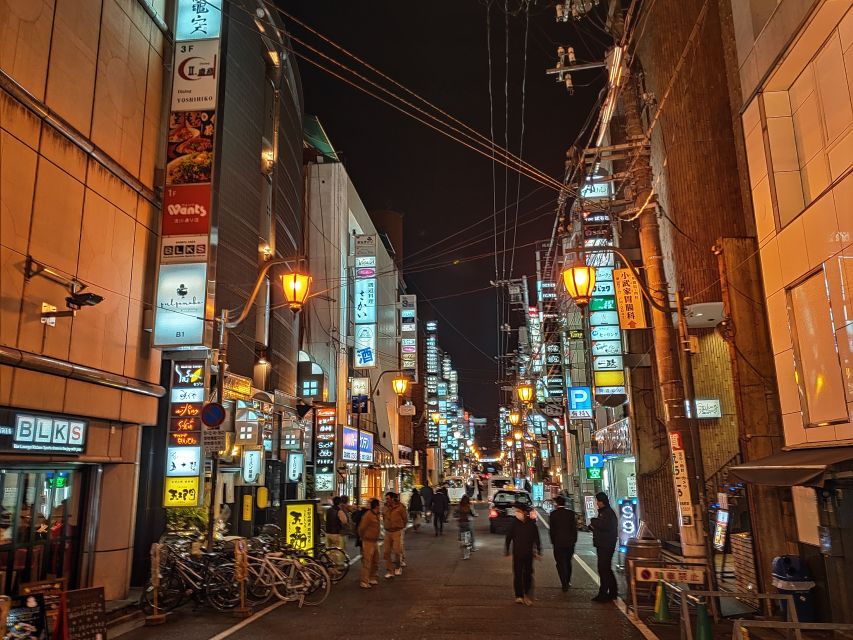
- Nighttime Hiroshima: The route links Hondori Shopping Street and Nagarekawa Dori, giving you a look at local shopping and nightlife districts.
- Friendly English-speaking guides: Ken, Kensuke, and Alex have led this experience, with a strong focus on conversation and explaining Japanese food customs.
- Good for curious eaters: You may try dishes you would not order alone, but exact restaurants and menu items can change with the season.
Why this Hiroshima food tour works so well
The appeal here is simple: you are not just sitting down to one Japanese dinner. You are learning how an evening out can unfold across several small places.
At ¥94 per person, the tour includes a full dinner’s worth of food, three drinks, a guide, and a three-hour walk through central Hiroshima. That is a fair price for anyone who wants help with ordering, restaurant etiquette, and local specialties. It also removes the guesswork that comes with choosing a small Japanese restaurant when menus may not be easy to read.
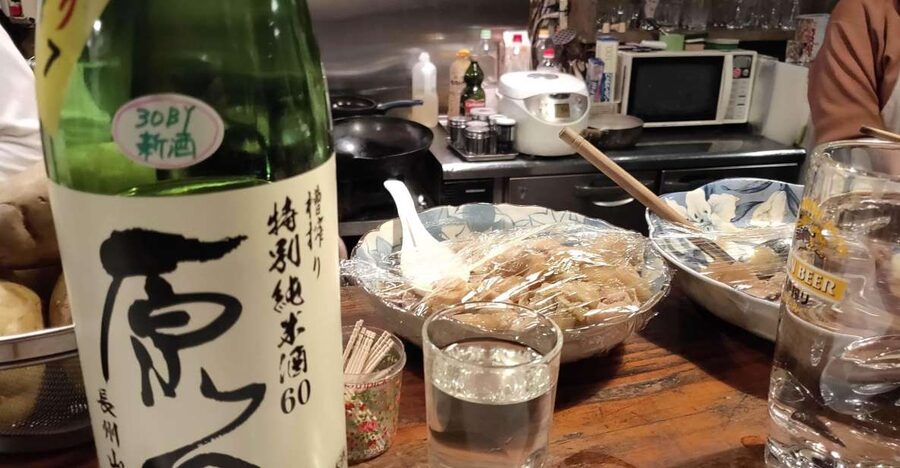
The food comes in small portions, but the total is substantial. You can expect at least ten different dishes, and some evenings have included around 15. That variety is the real value. You might try fresh seafood at one stop, grilled food at another, and a Hiroshima specialty such as okonomiyaki later in the evening.
The tour also suits a short Hiroshima visit. If you have only one night in town, this gives you a ready-made dinner and a look at the city after dark. You finish near the same place where you began, in front of Don Quijote Hiroshima Hatchobori, so the evening is easy to fit around other sightseeing.
Other walking tours in Hiroshima people book:
- Hiroshima Historical Walking Tour – Why A-Bomb was Dropped
★ 4.8 · 893 reviews - Hiroshima Peace (Heiwa) Walking Tour at World Heritage Sites
★ 5.0 · 872 reviews - Hiroshima City 4hr Private Walking Tour with Licensed Guide
★ 5.0 · 437 reviews
Starting at Don Quijote in Hatchobori
The meeting point is on the street in front of Don Quijote Hiroshima Hatchobori. This is a practical central location, but do not expect hotel pickup. You need to make your own way there and arrive ready to walk.
The location puts you near Hiroshima’s main shopping and entertainment streets. It also makes a useful reference point if you are exploring the city center earlier in the day. Since the tour ends at the same spot, you do not need to figure out a new return point late at night.
Your guide may be Ken, Kensuke, or Alex. Ken receives especially strong praise for his friendly manner, clear English, attention to food restrictions, and ability to keep a mixed group talking. Kensuke is also noted for explaining Japanese customs in an easy, down-to-earth way. The guide matters here because much of the food experience depends on knowing what to order and how to approach unfamiliar places.
Walking through Hondori Shopping Street
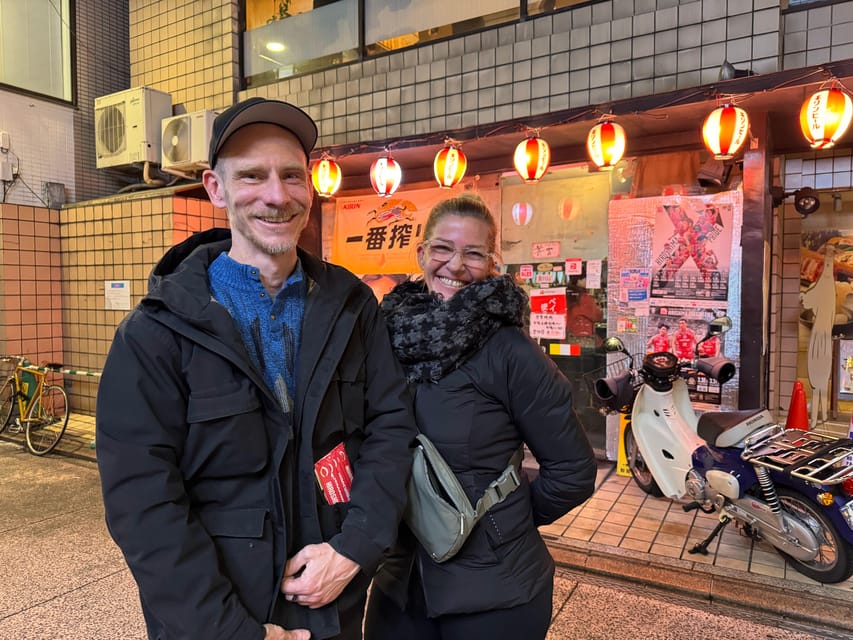
The first stretch takes about 30 minutes through Hiroshima Hondori Shopping Street. This gives you time to get acquainted with the guide and the group before the eating begins.
Hondori is a covered shopping arcade and one of the city center’s main pedestrian areas. On this tour, it is less about ticking off sights and more about seeing how the central shopping district changes as the evening gets going. Your guide can point out nearby attractions and explain parts of daily life in Hiroshima.
This walk also helps set the tone. The experience is not a formal lecture followed by a meal. You are moving through the city, stopping to talk, and gradually shifting from public shopping streets into smaller restaurant spaces.
For some people, this is a highlight. You get a feel for the city’s nighttime rhythm without spending the entire evening in one tourist district. For others, the walking portion may feel modest because it is sightseeing rather than a dedicated historical tour. Book this for food and local atmosphere, not for a major sightseeing itinerary.
First restaurant: small plates and a gentle start
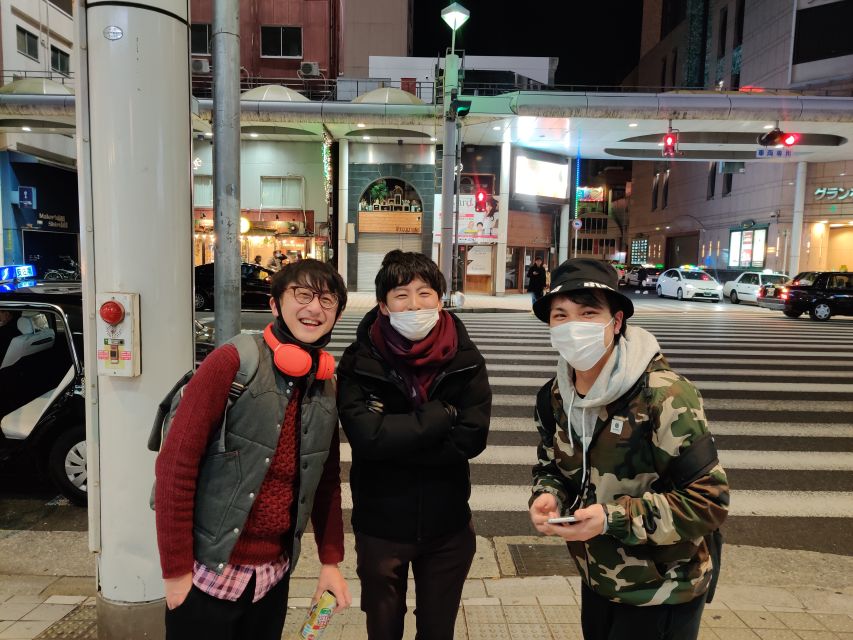
The first restaurant stop lasts about 30 minutes. You receive one included drink and several dishes, with the exact menu depending on the restaurant and the season.
The meal may include seafood, tempura, grilled items, steamed food, or slow-simmered dishes. The portions are designed for sharing and sampling. This is useful if you like trying new food but do not want to commit to one large dish.
Your drink can be alcoholic or non-alcoholic. Options may include beer, sake, cocktails, spirits, or soft drinks. If you choose alcohol, remember that the legal drinking age in Japan is 20. All participants must be at least 13, but anyone under 20 needs to select a non-alcoholic drink.
The first stop is also where the tachinomi format becomes clear. Tachinomi means a casual place where people stand at a counter or table, eat small plates, and socialize. Some participants enjoy the energy and quick pace. If you have mobility concerns or simply prefer a chair, ask ahead about the seating arrangements, since not every stop is guaranteed to be fully seated.
Other long days west of Hiroshima:
- Peaceful Hiroshima & Miyajima UNESCO 1 Day Bus Tour
★ 5.0 · 5,309 reviews - Hiroshima: Hiroshima and Miyajima UNESCO Sites 1-Day Tour
★ 4.9 · 2,330 reviews - Hiroshima / Miyajima Full-day Private Tour with Government Licensed Guide
★ 5.0 · 1,298 reviews - Hiroshima in a Nutshell: Morning Bike Adventure
★ 5.0 · 524 reviews
Second restaurant: more variety, less guesswork
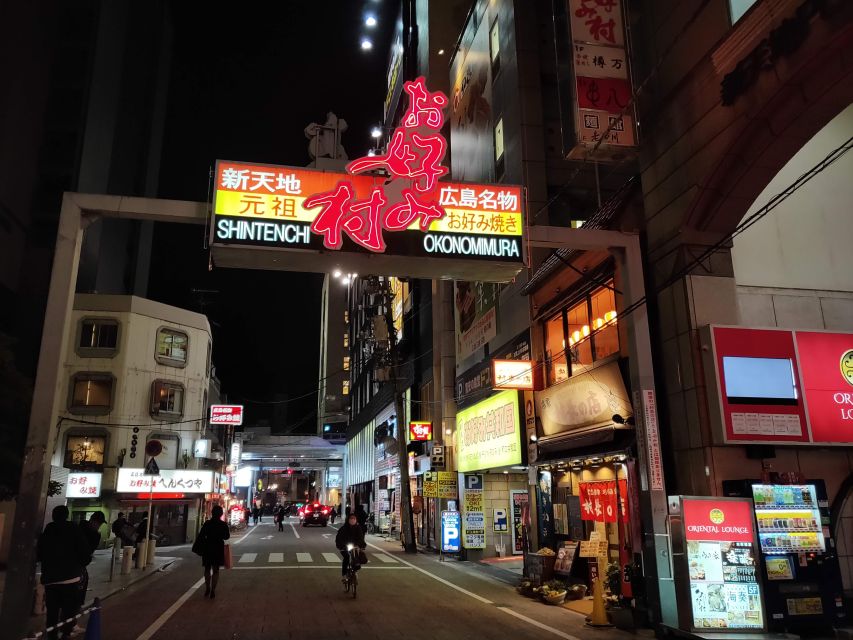
The second restaurant adds another set of dishes and a second included drink. Since you spend less than half an hour at most stops, the evening keeps changing rather than settling into a single dinner routine.
That short timing works well for sampling. You can taste a dish, ask what it is, and move on before the meal becomes repetitive. It also lets the guide select places with different specialties or styles. The precise restaurant lineup can change, so you should treat the advertised food list as a guide rather than a fixed menu.
This is a good point to be open-minded. Several dishes may be unfamiliar, and the guide may encourage you to try items you would not have chosen from an English menu. You do not have to like everything. The point is to taste widely and learn what suits you.
Food restrictions should be shared in advance. The local partner will try to accommodate allergies, preferences, and other restrictions, and Ken has been praised for taking extra care with a participant’s allergies. Still, the tour involves shared restaurant menus and changing dishes, so clear communication before the tour is important.
Nagarekawa Dori after dark
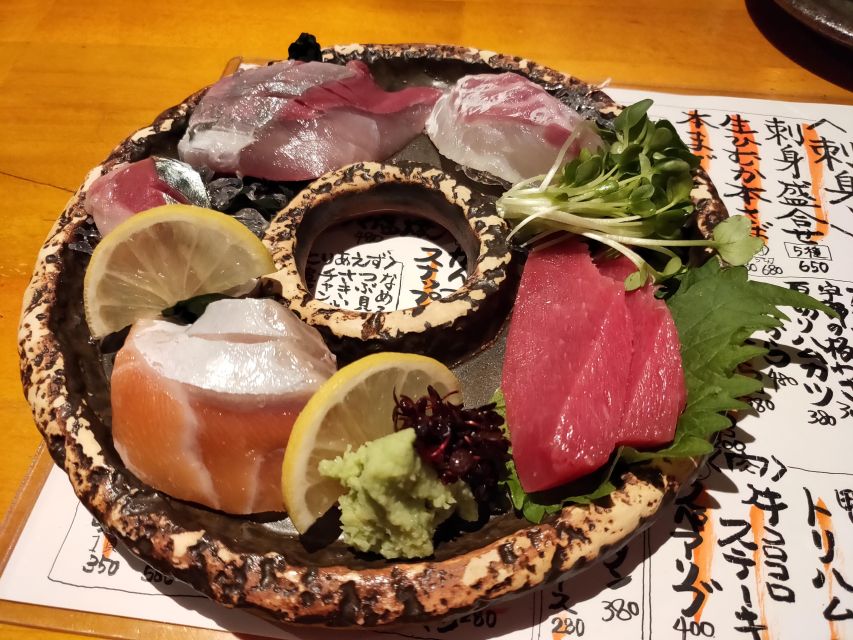
Between the second and third restaurants, the route passes along Nagarekawa Dori. This is one of Hiroshima’s main nightlife areas, and the walk gives you a look at a side of the city that many daytime sightseeing plans miss.
The guide helps you read the district rather than simply walk through it. You see entertainment streets, restaurant entrances, and the smaller places that can be intimidating when you do not speak Japanese. Several people have valued being taken into local backstreet spots they would not have entered alone.
That is one of the strongest reasons to book with a guide. You are not paying only for food. You are paying for a local introduction and for the confidence to step through an unfamiliar doorway.
The walk is not long or strenuous, but you should wear comfortable shoes. The evening includes repeated movement between restaurants, standing, and time on city streets. It is a social food walk, not a slow restaurant crawl with long breaks.
Third restaurant: the evening’s broad finish
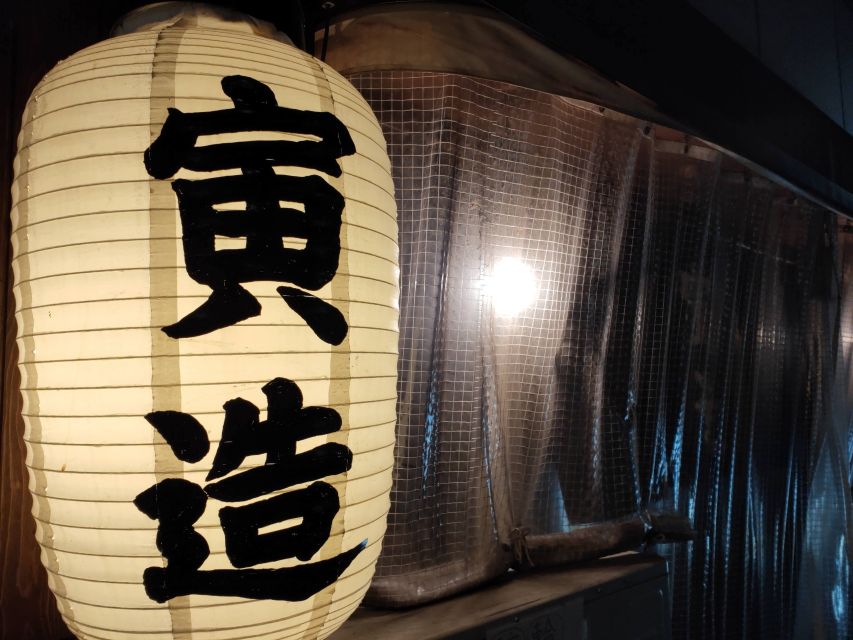
The final restaurant provides the third included drink and another round of small plates. This may be where you encounter Hiroshima-style okonomiyaki, a dish that several participants have singled out as a highlight.
The exact order is not guaranteed, and the menu changes with restaurant availability. You might instead find more grilled food, seafood, chicken, vegetables, or other local dishes. The important point is the range. By the end, you have tasted across several parts of the local food scene rather than only one famous specialty.
One memorable possibility is meeting a restaurant owner with a sumo background. That kind of personal encounter cannot be promised, but it shows the sort of local connection the tour can create. The guide’s relationships and conversation help turn a meal into a meeting with people who live and work in Hiroshima.
You receive one drink at each restaurant. Additional drinks usually cost about ¥500 each and are paid directly to the restaurant. Keep this in mind if you plan to drink beyond the three included choices. The included amount is enough for a moderate evening, but the final bill can rise if you add several beers, sake servings, or cocktails.
What you may eat during the evening
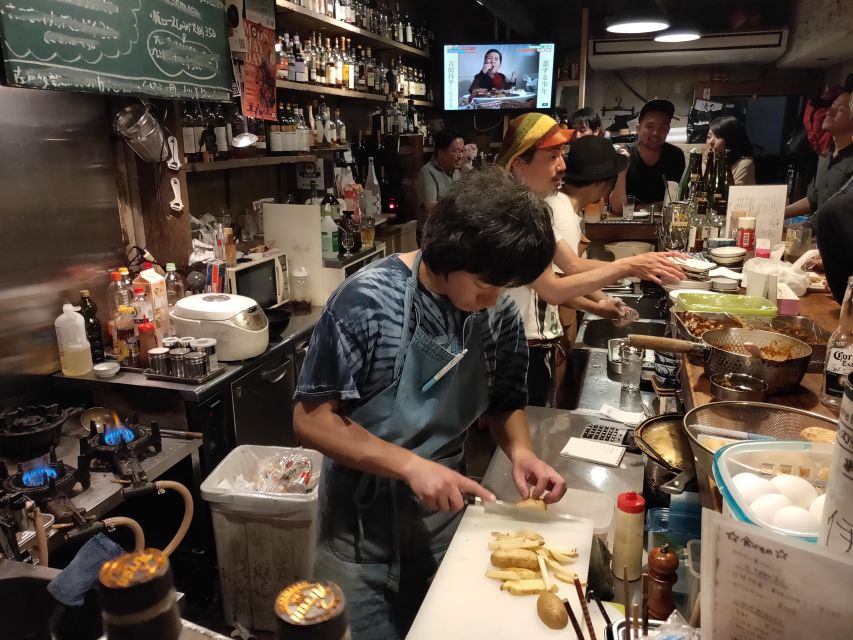
The menu is seasonal, and dishes can change when restaurants are unavailable. Still, the food style is clear. You should expect many small plates rather than one fixed course.
Possible categories include:
- Fresh seafood
- Tempura and other fried dishes
- Grilled meat, fish, or vegetables
- Steamed dishes
- Slow-simmered food
- Hiroshima-style okonomiyaki
- Other small izakaya-style plates
The tour is best for people who enjoy variety. You may taste something exotic or find a dish that is not to your liking. That is normal on a food walk built around discovery. You should arrive ready to eat a full dinner, but a light lunch earlier in the day makes sense because the food adds up.
The guide explains what you are eating and can help with questions about ingredients and customs. This makes the meal more useful than simply pointing at a menu and hoping for the best.
The guides make the difference
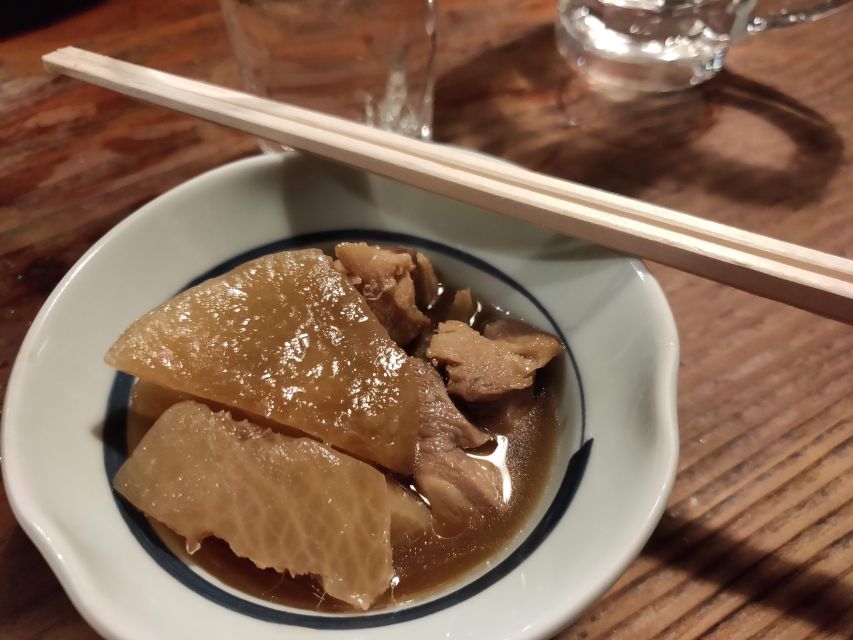
A food tour lives or dies by the guide, and this experience has a notably personal feel. Ken is often described as funny, attentive, and easy to talk with. He has also offered restaurant suggestions and practical food tips for the rest of a Japan trip.
Kensuke brings a similar focus on local customs and conversation. Alex has been praised for keeping everyone included and for sharing useful advice beyond the meal itself. The guide assigned to your date may vary, but the common thread is an English-speaking host who helps the group interact rather than simply handing out food.
Small groups and private bookings are available. A small group gives you a better chance to ask questions and speak with other participants. A private option may suit couples or families who want more control over the pace and food discussion.
There is one booking point to watch. The tour aims to avoid a solo surcharge, but it requires at least two participants. If that minimum is not met, you may be offered another date, asked to pay a ¥3,000 solo supplement, or given a full refund.
Is ¥94 a fair price?
I consider the price reasonable if you value guidance and variety. Three drinks alone do not define the value, but the package also includes a full dinner across three restaurants, at least ten dishes, a three-hour walking route, and help navigating local food customs.
You could spend less by choosing one inexpensive restaurant on your own. You might also spend more on separate meals without tasting as many dishes. The tour earns its price by making the evening easy and social, especially for a first visit to Hiroshima.
The value is strongest if you are staying briefly, feel unsure about entering small restaurants, or want a local guide to explain unfamiliar food. It is weaker if you prefer to choose every dish yourself, dislike standing, or want a quiet long dinner.
The overall score is 4.9 from 212 reviews, which fits the experience’s strongest points: plentiful food, friendly guides, unusual restaurants, and a relaxed social mood. I would still read the practical details closely, especially the age rule, standing-room format, menu changes, and possible solo supplement.
Who should book this evening?
I would recommend it to adventurous eaters, first-time visitors to Hiroshima, couples, solo adults, and small groups who want an easy night out. It is also a smart choice if you have only one evening and want dinner, nightlife, and local orientation in one booking.
Families can join if every participant is at least 13. Younger children cannot take part, and anyone under 20 must choose non-alcoholic drinks.
You should think twice if you need guaranteed seating at every stop, have strict dietary requirements, or want a fixed menu. Restrictions may be accommodated, but restaurant choices and dishes can change. You should also be comfortable trying food without knowing in advance exactly what will arrive.
The three-hour schedule ends back at Don Quijote Hiroshima Hatchobori. Free cancellation is available up to 24 hours before the start time, and you can reserve now and pay later, which helps if your Hiroshima schedule is still moving around.
FAQ
How long does the Hiroshima food tour last?
The experience lasts three hours, including walking through Hondori Shopping Street and Nagarekawa Dori and dining at three restaurants.
Where does the tour meet?
You meet on the street directly in front of Don Quijote Hiroshima Hatchobori. The tour also ends at this location.
How many restaurants do you visit?
You visit three local restaurants. All or some may use the tachinomi style, where people stand at a counter or table while eating and socializing.
How many drinks are included?
Three drinks are included, with one drink at each restaurant. You can choose alcoholic or non-alcoholic options. Extra drinks usually cost around ¥500 each and are paid directly to the restaurant.
What kind of food is served?
The dinner can include seafood, tempura, grilled food, steamed dishes, slow-simmered dishes, and Hiroshima-style okonomiyaki. At least ten dishes are served, but the exact menu changes with the season and restaurant availability.
What is the minimum age?
All participants must be at least 13 years old. The legal drinking age in Japan is 20, so participants under 20 must choose non-alcoholic drinks.
Can solo visitors book the tour?
Solo visitors can book, but the tour requires a minimum of two participants. If that minimum is not met, you may be offered another date, a ¥3,000 solo supplement, or a full refund.
Should you book it?
Book this tour if you want to eat widely, meet a friendly local guide, and enter small Hiroshima restaurants you might skip on your own. The combination of at least ten dishes, three drinks, Hondori and Nagarekawa walks, and personal food advice makes it a strong choice for a first Hiroshima evening.
Skip it if you want a formal seated dinner, a guaranteed menu, or a quiet night centered on one restaurant. For everyone else, especially curious eaters with limited time, this is a practical and enjoyable way to get acquainted with Hiroshima after dark.
More walking tours elsewhere in Japan
- Hiroshima Walking Tour Why A Bomb was dropped to Hiroshima
★ 5.0 · 347 reviews - Miyajima Half-day Trip Historical Walking Tour
★ 5.0 · 284 reviews - Hiroshima: History of Hiroshima Group Walking Tour
★ 4.8 · 266 reviews - Kyoto Geisha Walking Tour: Gion District & Hidden Gems
★ 4.7 · 3,273 reviews
Just added in Hiroshima
- Hiroshima & Miyajima 6.5h Guided Tour – Dome, Park & Shrine★ 4.9 · 83 reviews
- Hiroshima 3hr Peace Cycling Tour with Local Guide★ 5.0 · 131 reviews
- Day Trip to Hiroshima & Miyajima with Itsukushima Shrine★ 4.6 · 124 reviews
- Hiroshima: Best of Hiroshima Guided Bike Tour★ 4.9 · 89 reviews
- Hiroshima Local guided Hiking Tour&Open-air Tea Ceremony★ 5.0 · 213 reviews
- Hiroshima & Miyajima: Full-Day Private Tour & Licensed Guide★ 4.8 · 252 reviews
- Hiroshima: History of Hiroshima Group Walking Tour★ 4.8 · 266 reviews
- Hiroshima: Peace Cycling Tour with Local Guide★ 4.8 · 286 reviews
Hiroshima & Miyajima Day Trips, compared.
Peaceful Hiroshima & Miyajima UNESCO 1 Day Bus Tour
Read our review →
Hiroshima and Miyajima UNESCO Sites 1-Day Tour
Read our review →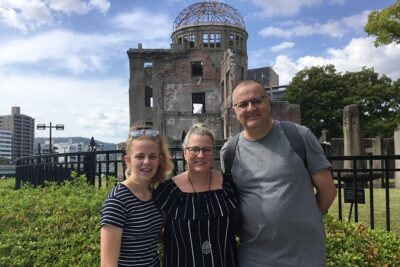
Hiroshima / Miyajima Full-day Private Tour with Government Licensed Guide
Read our review →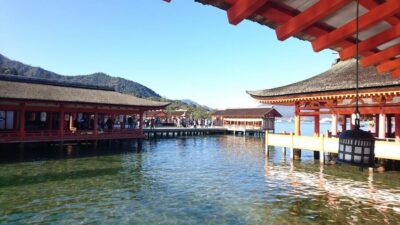
Osaka/Kyoto: Hiroshima Miyajima Bus Tour & Shinkansen Ticket
Read our review →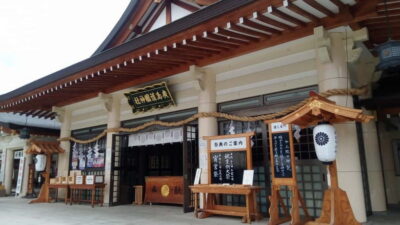
Hiroshima Historical Walking Tour – Why A-Bomb was Dropped
Read our review →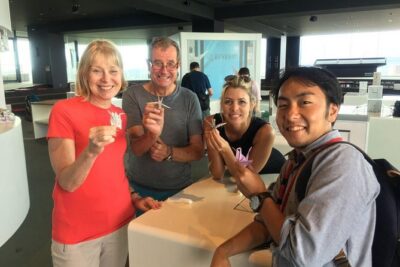
Hiroshima Peace (Heiwa) Walking Tour at World Heritage Sites
Read our review →
Hiroshima in a Nutshell: Morning Bike Adventure
Read our review →
Hiroshima City 4hr Private Walking Tour with Licensed Guide
Read our review →Browse the lists this tour appears in