
Reviewed · GEISHA & GION DISTRICT TOURS
Cycle Kyoto’s Hidden Gems & Gion Stroll
Kyoto is easier to understand from a bicycle than from a crowded tour bus. This ride takes you along the river, through quiet neighborhoods, past the Imperial Palace, and into Shimogamo Shrine’s old forest before ending with a short walk in Gion or Pontocho. Guides including Benjamin, Ko, Claire, and Mr. Go bring a personal touch, especially for families.
I like the mix of famous sights and calm local roads. I also like the traditional snack shop stop, where tea and Japanese sweets are included. The main point to consider is the cycling itself: children must be at least nine, and this is not a good choice if you are uncomfortable on a bike or carrying a large bag.
Key points at a glance
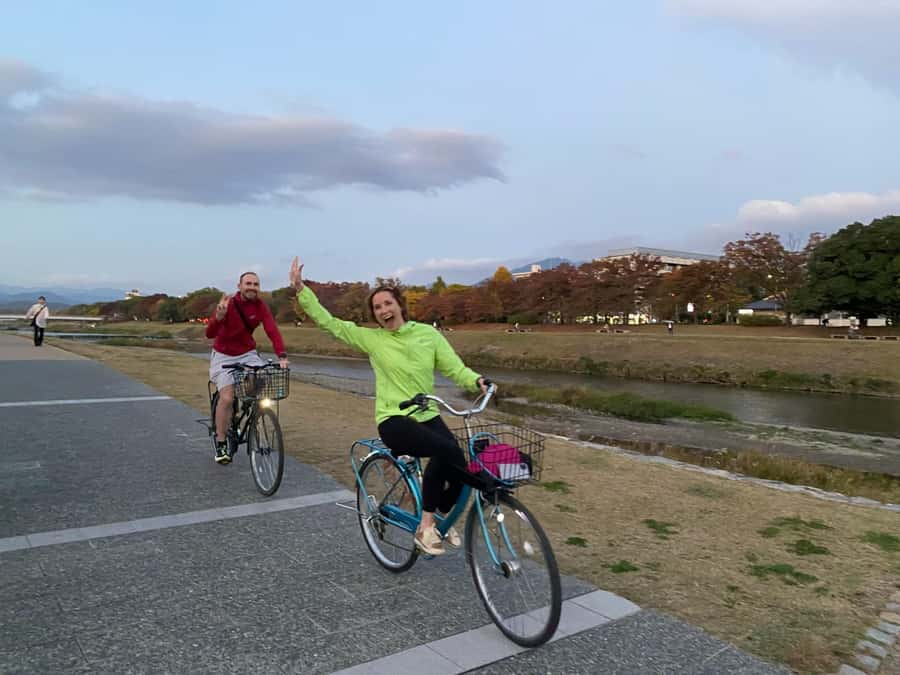
- Riverside cycling first: Begin on a peaceful road beside the water, a welcome break from Kyoto’s traffic and packed sightseeing streets.
- Major sights with quieter stops: See the Imperial Palace, a Zen temple, and Shimogamo Shrine without spending the whole tour in the busiest visitor areas.
- Shimogamo’s primitive forest: The shrine grounds offer a sense of older Kyoto, with trees and traditional buildings that feel far removed from the city streets.
- Tea and Japanese sweets included: A traditional snack shop stop adds a small but meaningful taste of everyday Japanese culture.
- Gion or Pontocho after the ride: Learn about Kyoto’s geisha districts and get restaurant and bar suggestions suited to your plans.
- Electric bike available: You can request one for an additional 1,000 yen, paid locally.
Why a bicycle works so well in Kyoto
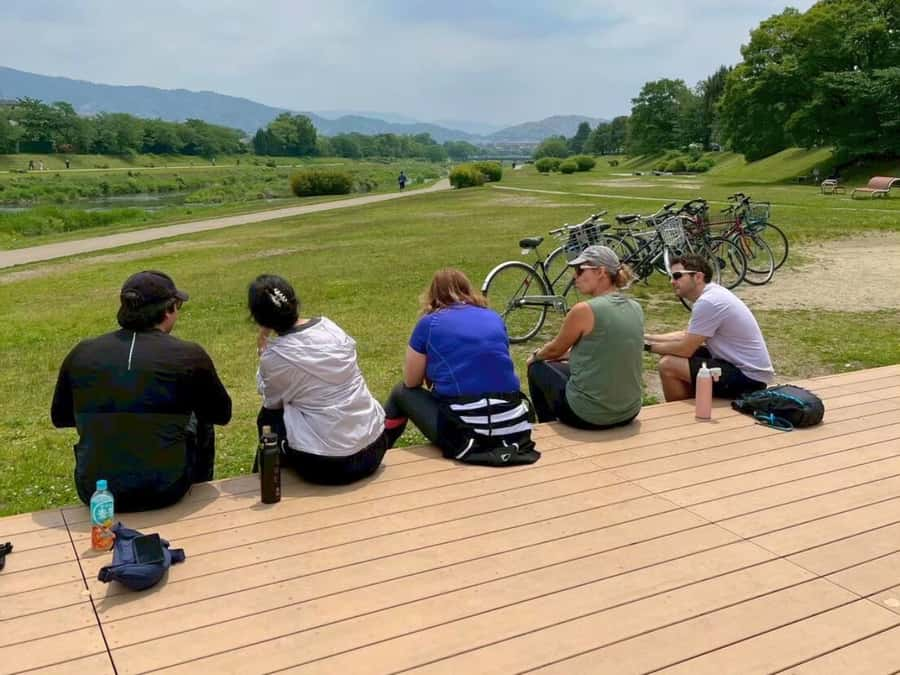
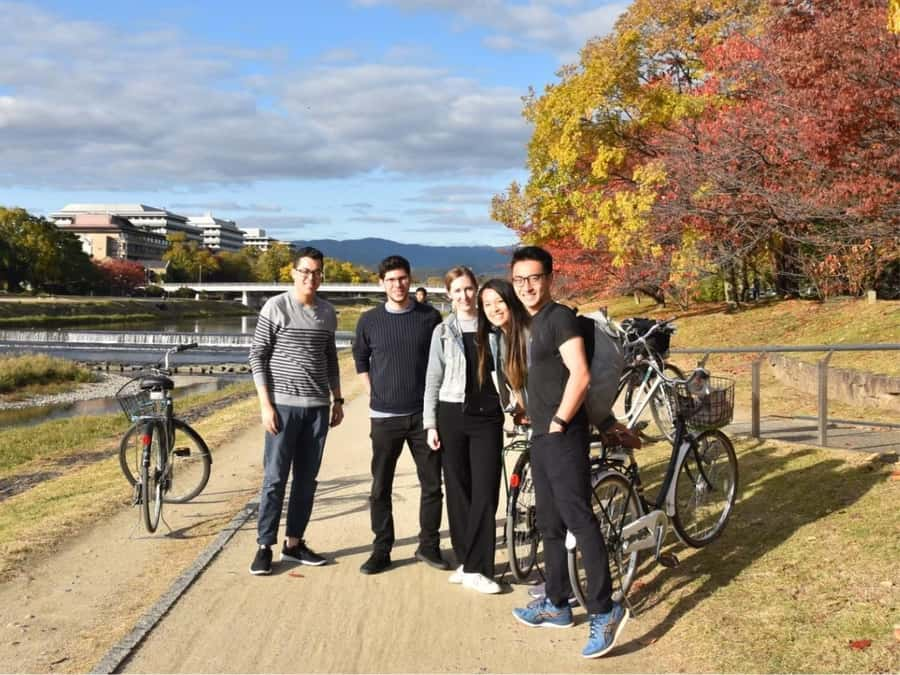
Kyoto’s major sights are spread across a broad city grid. Walking between them can take longer than expected, while taxis and buses lose time in traffic. A bicycle gives you a practical middle ground: you cover more ground than on foot, but you still notice the small lanes, bridges, gardens, and residential streets along the way.
The 3.5-hour bike portion is not simply a ride from one famous temple to another. The route uses riverside roads, peaceful neighborhoods, university areas, and smaller religious sites. That gives you a better feel for how Kyoto works beyond its headline attractions.
I especially like the riverside start. It offers a calmer introduction than plunging straight into busy central streets, and the open air is welcome on a warm, humid day. One family specifically appreciated biking beside the river in hot weather, while another participant found the stop schedule comfortable. That matters because a bike tour can become tiring if you are constantly stopping, starting, or pushing through traffic.
The ride still requires basic confidence. You should be able to control a bicycle, watch your surroundings, and keep moving with the group. The route is described as family-friendly, but that does not mean it is suitable for toddlers or non-riders. Children under nine cannot join, and an electric bike costs an extra 1,000 yen if you prefer assistance.
Other evenings in the old entertainment quarters of Kyoto:
- Kyoto Geisha Walking Tour: Gion District & Hidden Gems
★ 4.7 · 3,273 reviews - Kyoto: Gion Magical Night Walking Tour with Geisha Trivia
★ 4.9 · 2,393 reviews - Kyoto: Gion Geisha District Walking Tour – Stories of Geisha
★ 4.7 · 2,187 reviews
From Sanjo Ohashi to a quiet riverside road
The meeting point is at the kneeling man statue on the southeast corner of the Sanjo Ohashi intersection. From the east end of Sanjo Ohashi Bridge, cross the street and look for the statue. If you arrive by subway, the instructions recommend reaching street level first, then finding the location from above ground.
That detail is worth taking seriously. Sanjo Ohashi is a busy central area, and looking for the statue inside a station can waste time. Give yourself enough breathing room to get out of the subway, cross the correct street, and arrive ready to ride.
After receiving your rental bike, the group begins with a riverside section. The ride includes a stop at a lesser-known shrine where you can try pure natural spring water. This is the sort of small pause that gives the outing its character. You are not only checking off monuments; you are seeing the quieter religious and natural spaces that are easy to miss when moving around Kyoto alone.
The water stop also breaks up the cycling early in the tour. You can settle into the pace, take photographs, and listen to the guide before the route moves toward larger sights.
The Imperial Palace and a famous Zen temple
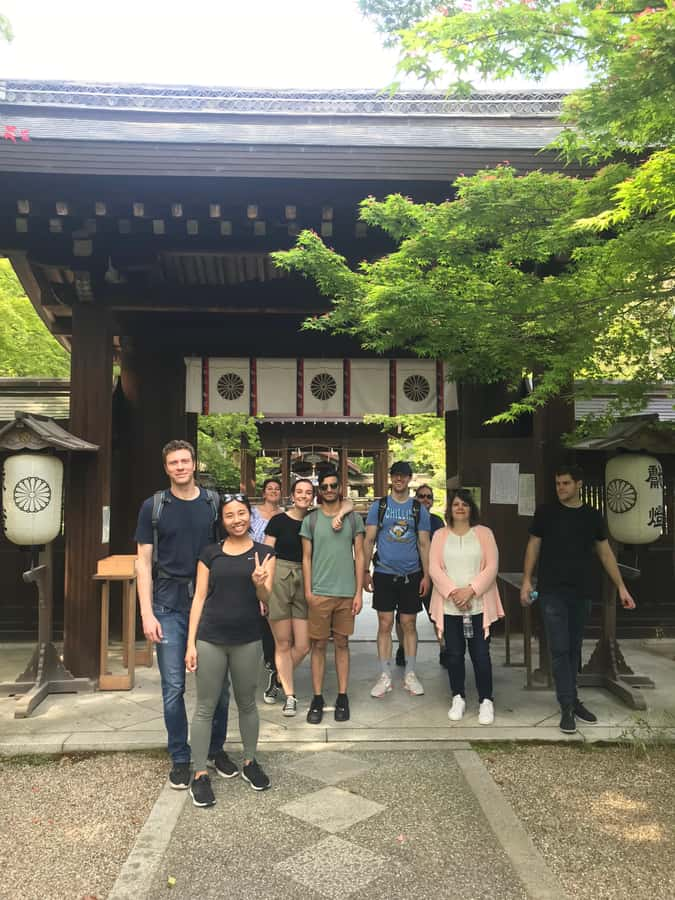
The Imperial Palace is one of the route’s larger landmarks. Its scale helps you understand Kyoto as Japan’s former imperial capital, but the visit is also useful as a change of rhythm. After the more intimate riverside and shrine stops, the broad palace grounds give the group space to ride and pause.
The tour also includes a famous Zen temple. The supplied details do not identify which temple, so you should not book this expecting a particular named temple every time. The destinations can change, especially in rainy weather, when an alternative temple or shrine plan may be used.
That flexibility is sensible in Kyoto. Rain can make cycling unpleasant, and wet streets change the feel of the ride. The experience operates in rain or shine, with entrance fees to a temple or shrine included when an alternative rainy-day plan requires them. You should still bring weather-appropriate clothing and water, rather than treating the rain policy as a promise of dry conditions.
The guide’s explanations are an important part of these stops. Benjamin is noted for offering useful local recommendations as well as explaining what you are seeing. Ko has led visitors to peaceful shrines and temples, while Claire has been praised for balancing major attractions with quieter places. The exact guide depends on the date, but the tour is conducted in English.
Passing through university and residential Kyoto
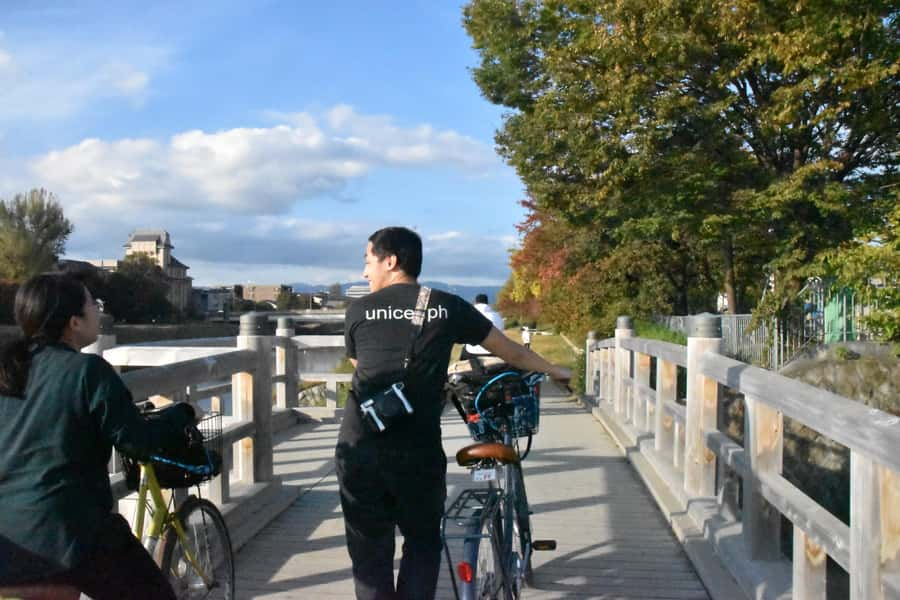
One of the more appealing parts of this outing is the stretch through university campuses and quiet residential areas. These sections are not grand attractions, but they show you the city as a lived-in place rather than a chain of monuments.
You may see ordinary streets, local buildings, and the kind of calm neighborhood atmosphere that is difficult to notice from a sightseeing bus. The bike makes this possible without turning the day into a long walk between distant districts.
This portion also gives the tour a more natural pace. You have time to ride, then stop at a shrine or temple, then continue through areas where the city feels less arranged for sightseeing. I would value this most on a first Kyoto visit, when it is useful to understand the city’s layout and character before tackling its busiest quarters.
Other quiet corners of Kyoto:
- Private Kyoto Tour with a Local, Highlights & Hidden Gems, Personalised
★ 5.0 · 1,543 reviews - Arashiyama Bamboo Forest & Hidden Gems Bike Tour (Early Bird)
★ 5.0 · 613 reviews - Kyoto: Hidden Gems E-Bike Tour with Local Japanese Guide
★ 4.9 · 189 reviews - Kyoto: Gion Hidden Gems & Geisha Culture Tour
★ 4.9 · 126 reviews
Shimogamo Shrine and the forested Tadasu area
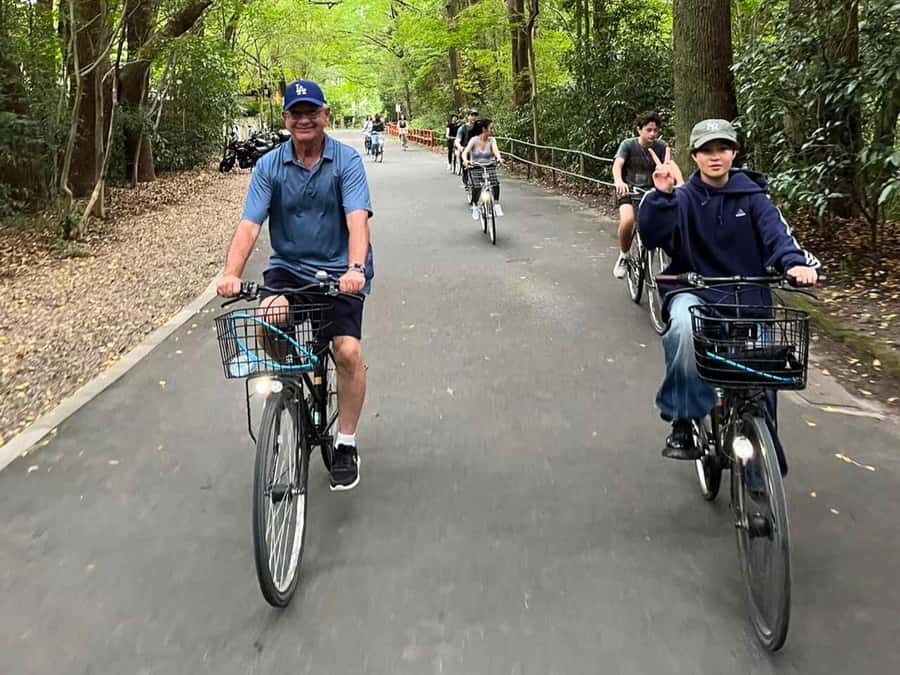
Shimogamo Shrine is a UNESCO World Heritage site and one of the strongest stops on the route. Its traditional buildings are set among a primitive forest, offering a striking contrast to the surrounding urban streets.
The forest is the main reason this stop feels different from a standard city sightseeing visit. Even without a long temple visit, the trees create a cooler, quieter setting. You can slow down, look at the architecture, and get a sense of the older religious spaces woven into Kyoto’s modern city.
Several participants particularly enjoyed visiting local shrines and temples that felt difficult to reach without a guide. That is a real advantage here. You are not spending the entire ride at the most famous locations, and the guide helps connect the smaller stops into a sensible route.
The drawback is that the tour cannot give every stop unlimited time. In 3.5 hours, the goal is a broad taste of Kyoto by bicycle, not an in-depth architectural study of each shrine. If you want long visits, detailed photography sessions, or quiet contemplation at one temple, a walking tour focused on a single district may suit you better.
The river junction and the ride back
After Shimogamo Shrine, the route continues toward a distinctive river junction point. From there, you follow a scenic riverside route back toward the starting area.
This final ride is a good way to finish. The open river setting gives you space to enjoy the movement of the bicycle, and the return route lets you see Kyoto from a slightly different angle. The description notes a refreshing, illuminated riverside, though the exact look will depend on the time of day and season.
The route is designed to make efficient use of your time. You see major sights, local religious places, and residential Kyoto without repeatedly retracing the same streets. That efficiency helps explain the price of $73 per person, especially since the bicycle rental is included and the outing combines cycling with a cultural walk.
Still, value depends on how much you enjoy riding. If you would rather move slowly and spend hours inside temples, the same $73 might be better spent on a longer guided walking experience. For active visitors who want to cover ground without losing contact with the city, the price is reasonable.
Tea, sweets, and a short Gion or Pontocho walk
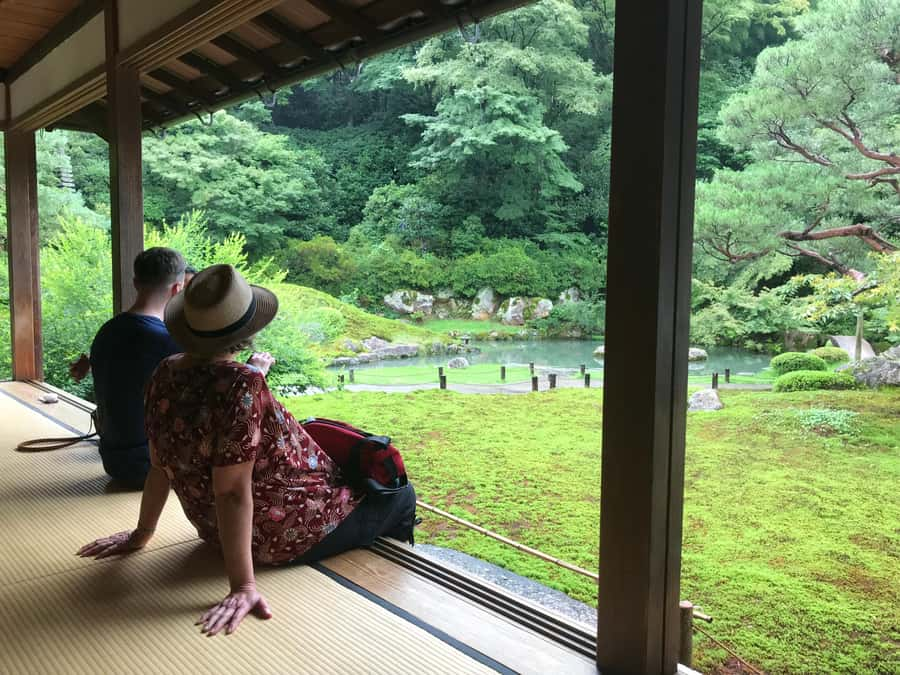
After returning the bikes, the group takes a 30-minute walk through either Gion or Pontocho. The exact area can vary, but both are tied to Kyoto’s traditional entertainment culture.
The walk focuses on the main flower towns, the historic districts associated with geisha. Your guide explains the geisha system and the culture around these neighborhoods. You may also spot a geisha, though that is a possibility rather than something the tour can guarantee.
The short duration is both a strength and a limitation. It is long enough to see photogenic lanes and understand the basic cultural setting, but it is not a full evening exploration. You will not spend hours wandering every alley or sitting through a formal geisha performance.
The traditional snack shop stop adds welcome context. Japanese tea and sweet snacks are included, giving you time to sit, taste something local, and ask questions. Ko has led this portion with tea and sweets in a traditional setting, and that small food experience may be especially appealing if you want more than sightseeing photographs.
During the walk, the guide can also suggest restaurants and bars based on your requests. This is useful at the end of a cycling tour, when you may want dinner nearby rather than another cross-city journey. Ask specific questions about the kind of food, price, or atmosphere you want.
The guides and the family experience
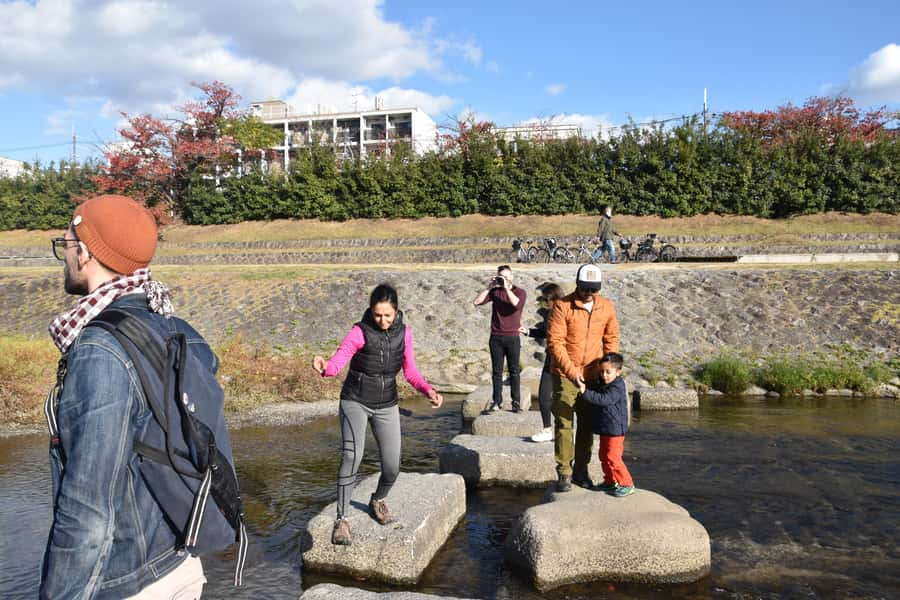
The guide can shape the entire outing. Mr. Go has been especially patient with children aged nine and ten, while Claire has been praised for choosing a comfortable frequency of stops. Benjamin is associated with smooth organization and useful restaurant suggestions, and Ko has led the tea, sweets, shrine, and temple portions.
You should not assume you will receive a particular guide unless the operator confirms it. The important point is that the tour has a personal, conversational format rather than a recorded audio guide.
For families, the ride offers a useful balance of movement and short sightseeing stops. Children can cycle beside the river, see shrines and temples, and finish with sweets and a town walk. The adults should be honest about cycling ability before booking. A child who can ride casually in a park may still need to feel comfortable riding as part of an organized city group.
The tour also works well for couples, solo visitors, and friends who want a first look at Kyoto’s quieter side. It is less suited to anyone who cannot ride, dislikes outdoor activity, or wants a fully indoor plan in uncertain weather.
What to bring and what to leave behind
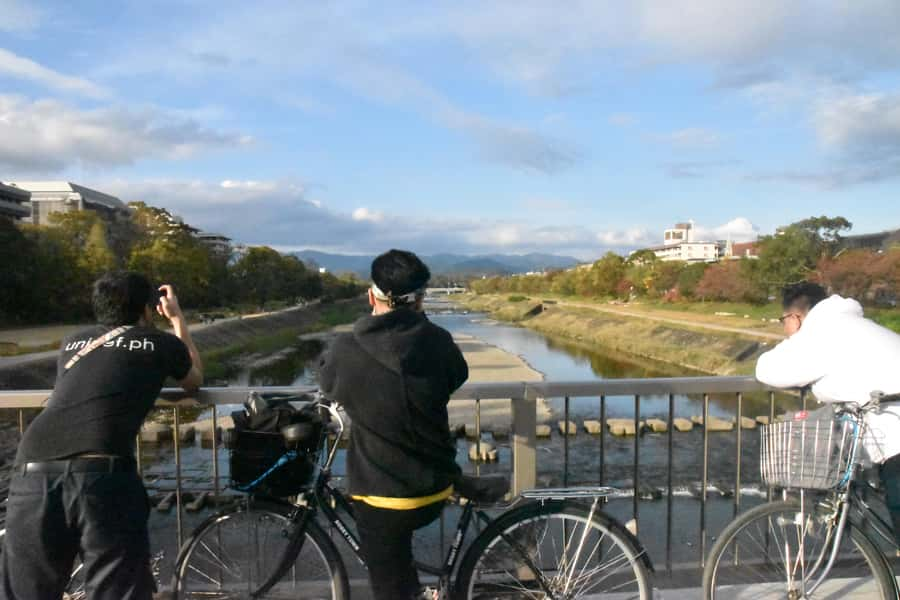
Wear comfortable shoes and clothing suited to the weather. Bring water and a camera, but keep your load light. Large bags and luggage are not allowed, and smoking and pets are not permitted.
The restriction on large bags makes sense on a bicycle, but it is easy to overlook if you are changing hotels that day. Store your luggage before arriving. You should also avoid bringing anything that could interfere with steering or make the ride uncomfortable.
A camera is useful for the river, shrine buildings, forest, and Gion streets. Remember that the most rewarding parts may be small details rather than grand views: spring water at a shrine, a quiet residential lane, or the pattern of a traditional street.
Who should book this Kyoto bike tour?
I would choose this tour if you want to combine exercise, major sights, local neighborhoods, and an introduction to Gion in one compact outing. It is particularly useful early in a Kyoto stay, when the route can help you get your bearings and reveal areas you might return to later.
Families with children aged nine and up can do well here, provided everyone can ride confidently. The patient approach described by Mr. Go and the regular stops associated with Claire are encouraging for families, though the tour is still an active experience.
The tour is also a good fit if you have already seen Kyoto’s headline temples and want a different angle. The riverside roads, university areas, residential streets, smaller shrines, and Shimogamo’s forest provide a more varied picture than a simple temple circuit.
I would skip it if you cannot ride a bike, need to carry luggage, or want a slow, highly detailed visit to one temple. You should also consider the extra 1,000 yen for an electric bike if hills, heat, or a long ride may affect your enjoyment.
Should you book it?
Book this experience if you want to see Kyoto actively and efficiently, with enough cultural explanation to make the stops meaningful. The included bike rental, tea, Japanese sweets, and restaurant advice add real value to the $73 price.
The strongest reason to book is the combination of spaces: riverside paths, the Imperial Palace, a Zen temple, Shimogamo Shrine, a forested setting, and a brief Gion or Pontocho walk. It gives you a broad introduction without trapping you in the busiest sightseeing corridors.
Skip it only if cycling is not your thing or if you want a very slow temple-focused day. For confident riders and families with older children, this is a practical way to see a less obvious side of Kyoto while still reaching several important sights.
FAQ
How long does the experience last?
The experience includes a 3.5-hour bike ride and a 30-minute walk in Gion or Pontocho.
How much does the tour cost?
The listed price is $73 per person.
Is the bicycle rental included?
Yes. A rental bike is included in the price.
Can I request an electric bike?
Yes. An electric bike is available for an additional 1,000 yen, paid on the spot.
What age is this tour suitable for?
The tour is not suitable for children under nine years old.
Do I need to know how to ride a bike?
Yes. The experience is not suitable for people who cannot ride a bike.
What is included besides the bicycle?
Japanese sweet snacks and Japanese tea at a traditional snack shop are included. Entrance fees for a temple or shrine used as an alternative plan on a rainy day are also included.
Where does the tour start and finish?
It starts at the kneeling man statue at the southeast corner of the Sanjo Ohashi intersection. From the east end of Sanjo Ohashi Bridge, cross the street to find it. The activity ends back at the same meeting point.
Does the tour run in rainy weather?
Yes. It operates in rain or shine, and the destinations may change. You should bring weather-appropriate clothing, comfortable shoes, water, and a camera.
Just added in Kyoto
- Private Cooking Class Udon in Kyoto Japan★ 5.0 · 23 reviews
- Your Private Vacation Photography Session In Kyoto★ 5.0 · 110 reviews
- Kyoto: Zen Meditation at a Private Temple with a Monk★ 5.0 · 25 reviews
- Private Pewter Sake Cup Experience with a Kyoto Artisan★ 5.0 · 31 reviews
- Kyoto Wagashi(Japanese sweets) Cooking Class near Fushimiinari★ 5.0 · 60 reviews
- Kyoto:Family-Friendly Kimono & Yukata Experience at WARGO★ 5.0 · 147 reviews
- Private Guided Traditional Buddhist Cooking in Japan★ 5.0 · 16 reviews
- Kyoto: Gion Geisha District & Sake-in-Hand Walking Tour★ 5.0 · 37 reviews
Geisha & Gion District Tours, compared.

Kyoto Geisha Walking Tour: Gion District & Hidden Gems
Read our review →
Gion Geisha District Walking Tour – Stories of Geisha
Read our review →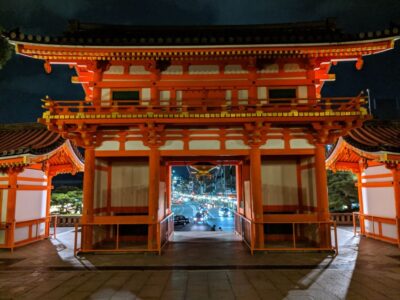
Best of Kyoto: Gion, Geisha, Pagodas & Cobblestones
Read our review →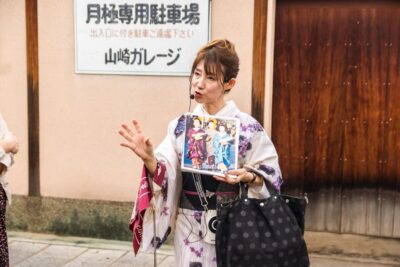
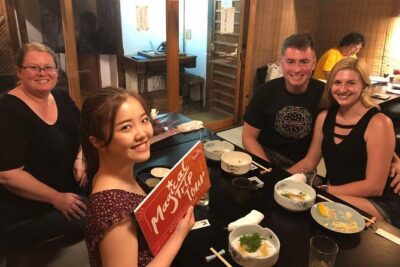
Kyoto Night Foodie Tour in Gion (9+ dishes + 6 Sake tastings)
Read our review →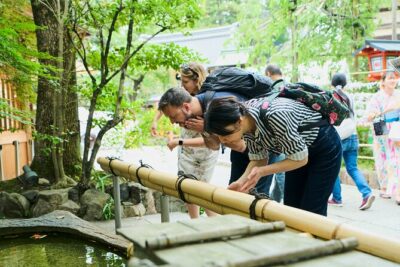
Kyoto Gion: 2-Hour Geisha Culture & History Walking Tour
Read our review →
Chopsticks Making Workshop in Gion with Engraving Option
Read our review →
Browse the lists this tour appears in