
Reviewed · HIROSHIMA & MIYAJIMA DAY TRIPS
Day Trip to Hiroshima & Miyajima with Itsukushima Shrine
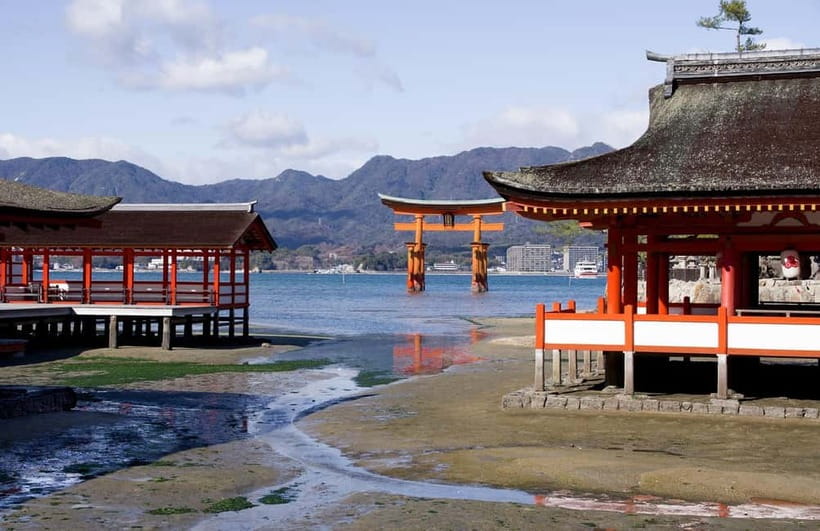
Miyajima’s floating torii gate is the star here, but the ferry ride and the island’s old shrine precinct make the journey worthwhile even before you reach the famous photo stop. Add Hiroshima’s Peace Memorial Park, and you get a day that moves from sea views and deer to one of Japan’s most serious historical sites.
I like the way the tour pairs Itsukushima Shrine with Hiroshima’s atomic-bomb memorials. I also like the bilingual format, with guides such as Alex, Alan, Alejandro, and others explaining the sites in English and Spanish rather than leaving you to piece everything together alone.
The main drawback is time. Miyajima, the shrine, the ferry crossings, and Peace Park make a full schedule, and one summer visitor found the shrine and museum too crowded to see comfortably. You will also need good walking shoes, and the tour is not suitable for wheelchair users.
Key points before you book
- Two versions are available: choose Miyajima alone or combine Miyajima with Hiroshima’s Peace Memorial Park.
- The ferry is part of the appeal: you get water-level views toward the island and its famous torii gate.
- Itsukushima Shrine admission is included: you do not need to arrange that ticket separately.
- The Hiroshima portion is emotional: the guide provides historical context before you have free time around the memorial area.
- English and Spanish guiding: the tour is bilingual, with guides repeating explanations in both languages.
- Plan for a long day: the combined option can run up to eight hours, with coach rides, ferries, walking, and free time.
Why Miyajima makes a strong first stop
The usual combined route begins at Hiroshima Station’s Shinkansenguchi Hiroba Bus Berth. From there, a coach takes you toward the coast in about 50 minutes. The ride removes the need to work out the connections between Hiroshima, the ferry terminal, and the island, which is useful if you have only one day in the area.
You then board a ferry for roughly 30 minutes. This is not just transport. It gives you an open view of the coast and the chance to see Miyajima approaching across the water. The torii gate is particularly striking when viewed from the ferry, though its appearance changes with the tide.
Miyajima is known for its peaceful setting, historic buildings, and deer wandering around the public areas. You should still keep food away from them and give them space, but their presence adds a slightly comic note to what could otherwise be a very formal cultural stop.
The island also gives you a welcome change of pace after the coach ride. You can walk through charming streets, look for local food, and take in the wooded hills around the shrine area. The schedule does not give you unlimited time, so you will need to choose between shopping, eating, temples, and extra wandering.
Other temples and shrines in Hiroshima people book:
- Hiroshima and Miyajima Day Trip with Itsukushima Shrine & Ferry
★ 5.0 · 378 reviews - Miyajima: Cultural Experience in Zen Temple
★ 5.0 · 258 reviews - Hiroshima & Miyajima 6.5h Guided Tour – Dome, Park & Shrine
★ 4.9 · 83 reviews
Itsukushima Shrine and the famous gate
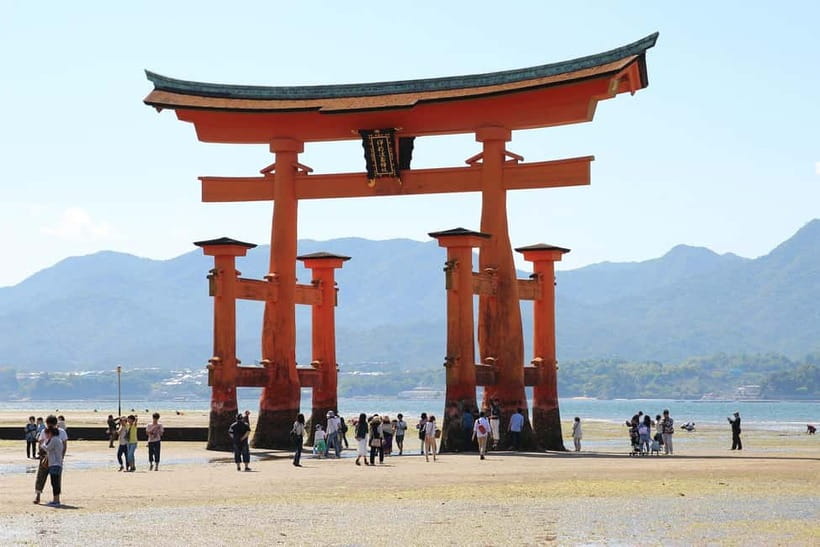
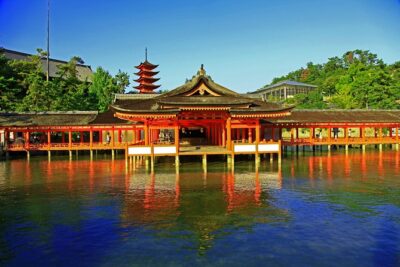
The tour includes admission to Itsukushima Shrine and about 30 minutes of guided time there. The shrine is traditionally associated with the sea, and its buildings appear to float above the water at high tide. The large torii gate offshore creates the image most people associate with Miyajima.
That image is worth seeing, but do not expect the gate to look identical at every visit. At high tide, it appears to rise from the sea. At lower water, the shore may be exposed and the gate can look more like a structure standing on wet ground. The ferry and shrine views give you different perspectives, so keep your camera ready but do not spend the whole stop staring through a screen.
The guide helps explain what you are seeing, including the shrine’s long religious importance and its connection to the island. The site dates back to the sixth century, and the UNESCO listing reflects its cultural and architectural value. You should allow room for other people around the main viewing areas, especially during popular seasons and weekends.
The guided section is short. That can be a benefit if you prefer a clear introduction followed by freedom, but it can feel rushed if you want a slow examination of every building. One practical approach is to listen closely at the start, then use your free time to return to any corner that caught your attention.
One hundred minutes to choose your Miyajima
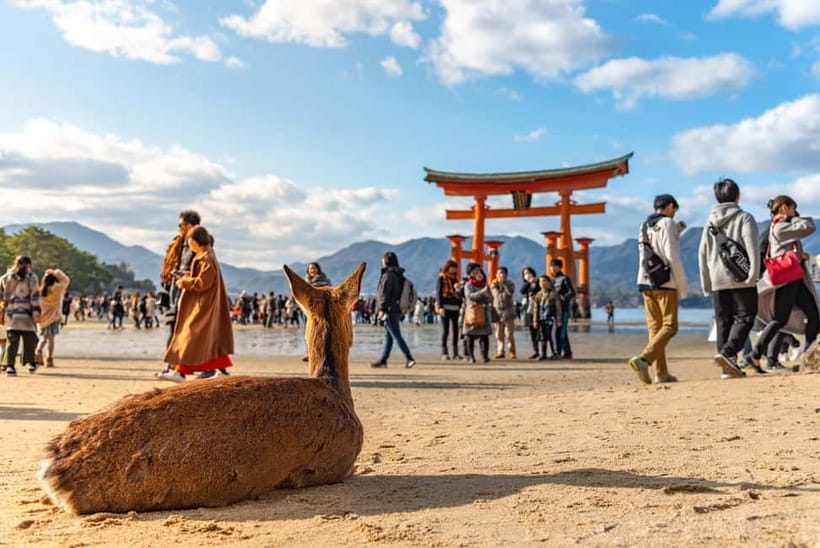
After the shrine, you have about 100 minutes of free time on Miyajima. This is enough for a focused visit, but not enough to see every temple, walk far into the hills, eat a leisurely meal, and browse every shop.
You can use the time for local specialties. Miyajima oysters are a natural choice for seafood fans, while momiji manju are maple-leaf-shaped cakes commonly sold around the island. The latter make an easy snack or small gift, and they fit neatly into a short stop.
Daisho-in Temple is another possible use of your free time. One recent itinerary described a small uphill walk to the temple, so you should choose it only if you are comfortable giving up some shopping or food time. The tour does not promise a full temple visit, so treat it as an option rather than part of the fixed guided program.
The free time also lets you set your own pace. You can simply walk near the waterfront, watch the deer, and enjoy the island without turning every minute into a checklist. I would decide in advance what matters most to you, because the clock moves quickly once you leave the shrine.
The return ferry and the shift to Hiroshima
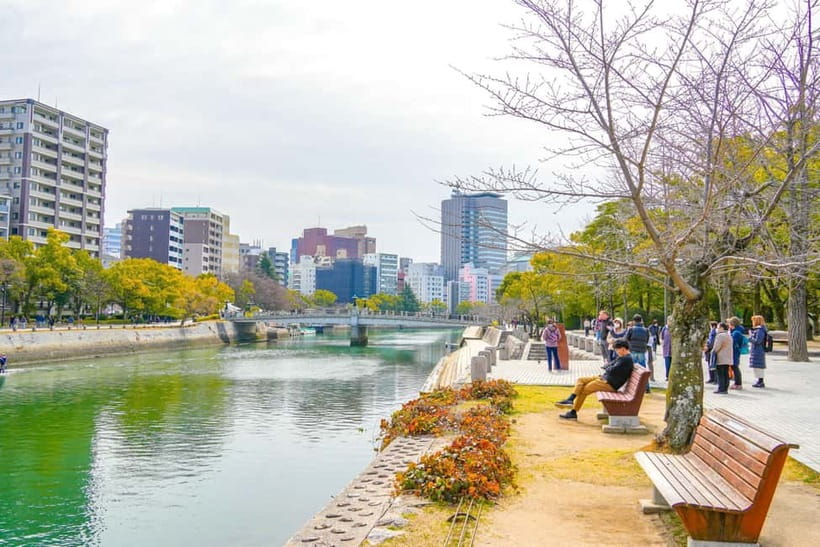
After Miyajima, the ferry ride back takes about 10 minutes according to the schedule, followed by a coach transfer of roughly an hour toward Hiroshima. The timing gives you a natural break between the lighter island visit and the more difficult subject of the afternoon.
The order matters. Several guides have led with Miyajima and saved Peace Memorial Park for the end. That creates a clear emotional change, from coastal scenery and food to the human cost of the 1945 atomic bombing. You should know this before booking: the Hiroshima portion is not a casual sightseeing add-on.
If you choose the Miyajima-only option, your day ends after the return journey, and you return toward the Hiroshima area. If you choose the combined option, the coach continues to Peace Memorial Park. Check the exact choice when booking, since the meeting point and length differ between the two versions.
Other long days west of Hiroshima:
- Peaceful Hiroshima & Miyajima UNESCO 1 Day Bus Tour
★ 5.0 · 5,309 reviews - Hiroshima: Hiroshima and Miyajima UNESCO Sites 1-Day Tour
★ 4.9 · 2,330 reviews - Hiroshima / Miyajima Full-day Private Tour with Government Licensed Guide
★ 5.0 · 1,298 reviews - Hiroshima Historical Walking Tour – Why A-Bomb was Dropped
★ 4.8 · 893 reviews
Walking through Hiroshima Peace Memorial Park
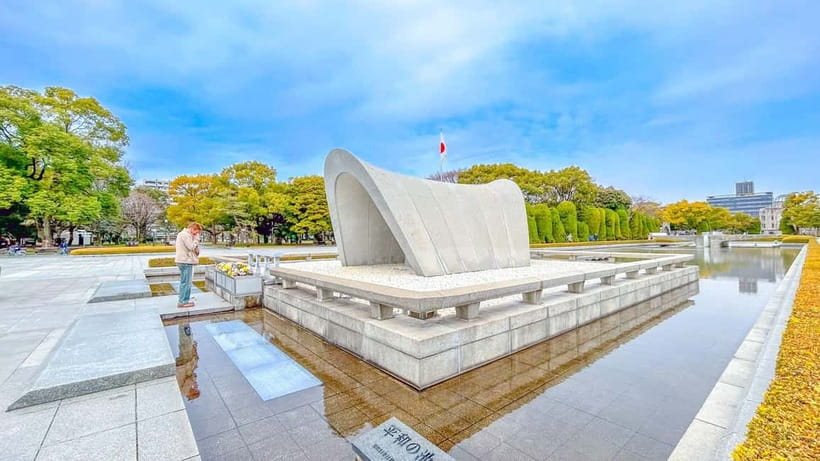
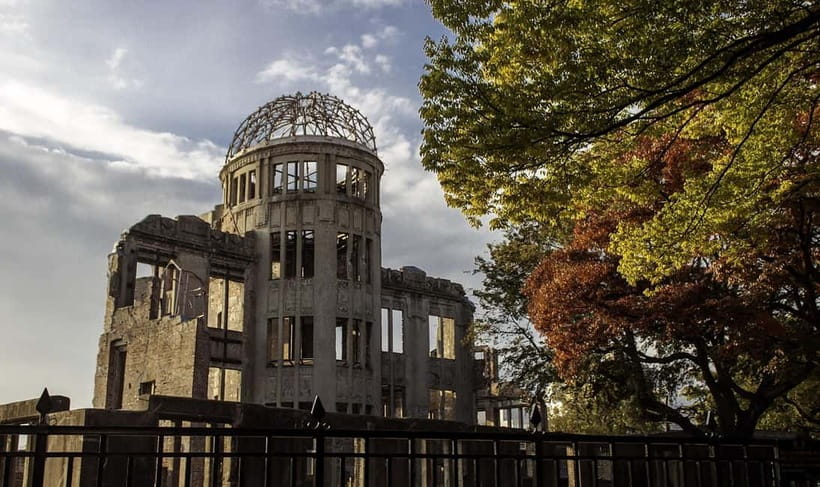
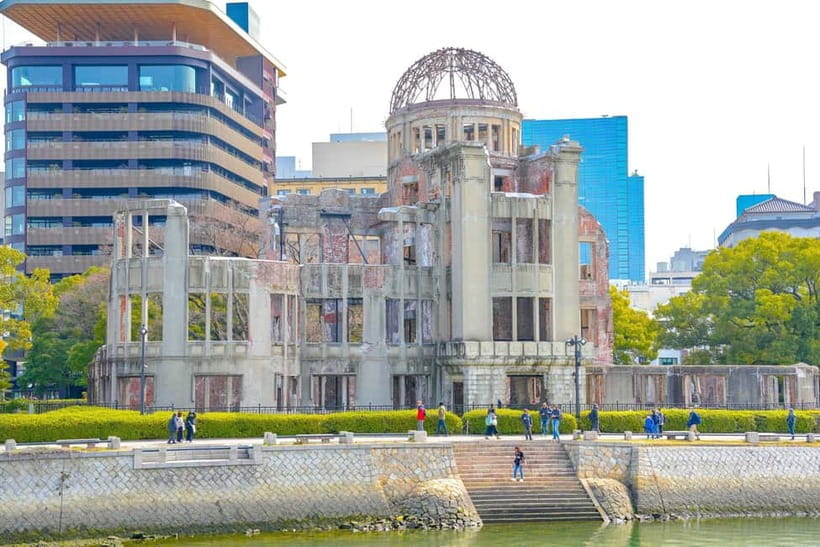
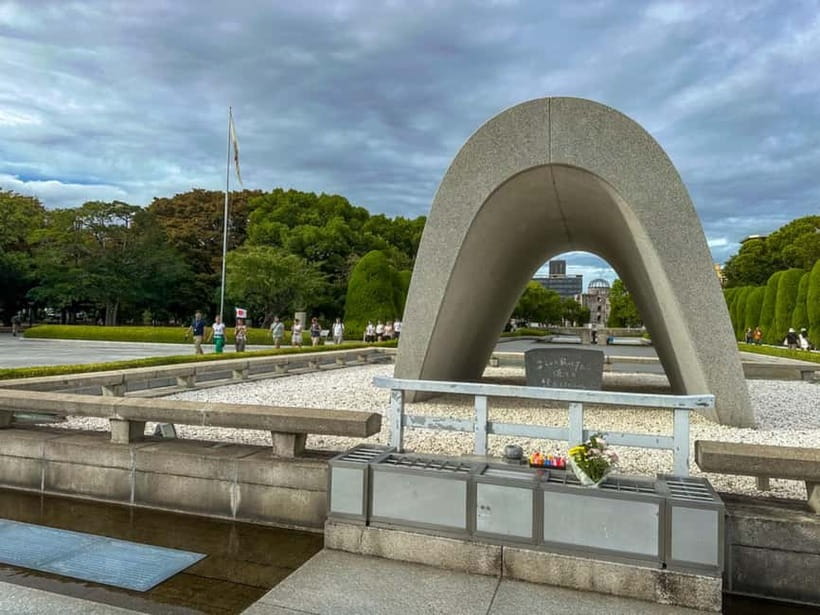
The Hiroshima section includes a guided visit and free time, with about two hours allocated to Peace Memorial Park. The park contains the Peace Memorial, the Atomic Bomb Dome, and other monuments dedicated to those who died in the bombing.
The guide’s role is especially useful here. The strongest accounts of the tour point to clear explanations of the war and bombing, along with thoughtful presentations by guides such as Alan, Alex, and Alejandro. One guide was praised for returning with an answer to a question a few minutes later, which is the kind of small detail that makes a history tour feel attentive rather than scripted.
Expect the tone to be serious. The park is designed for reflection, not quick entertainment, and the walk can leave you quiet by the end. The guide provides a framework, but you also get time to look at the memorials and consider what they mean.
Some versions of the day leave time for the Peace Memorial Museum as a self-guided visit. That can be valuable because you can move at your own speed, but crowd levels matter. During a hot summer weekend, one visitor found the museum too busy to view the exhibits properly. If the museum is central to your plans, confirm how much free time is available and be prepared for a crowded visit.
Transport, timing, and the two meeting points
The full combined experience can last up to eight hours, while the shorter option may be listed from 210 minutes. The exact length depends on whether you select Miyajima alone or both destinations, so do not compare the two prices or schedules as if they were identical products.
For the combined Hiroshima and Miyajima version, meet outside Hiroshima Station at the Shinkansenguchi Bus Berth. At the station, use the North Exit, go down the stairs, and look between Bus Stops 8 and 9 for the guide holding an Amigo Tours sign.
For the Miyajima-only version, the meeting point is outside Hiroshima Station Hiroden-Miyajimaguchi Station. This is an important detail because the two meeting areas are not interchangeable. Read the booking confirmation carefully before setting out.
The transport includes the coach and ferry tickets, and 89 percent of the published ratings give the transport a perfect score. Several guides and drivers receive praise for careful driving and good organization. That matters on a packed day, when a late start or a missed connection would cut directly into your island time.
Still, a coach tour cannot give you complete control. You will follow the group’s departure times for the ferry, coach, and Hiroshima transfer. If you like lingering at one shrine building or eating slowly, an independent visit may feel less restrictive.
What the $39 price really covers
At $39 per person, the tour offers strong value if you want the combined logistics handled for you. The price includes transport from the meeting point, ferry travel, admission to Itsukushima Shrine, and a live guide in English and Spanish.
Lunch is not included. That is useful to know rather than a major flaw, since Miyajima gives you the chance to choose oysters, momiji manju, or something else during free time. You should budget both money and minutes for food, because the island stop is not long.
The value is greatest for a first visit when you want orientation and transport in one package. The guide adds context at both major sites, and the ferry connection is already built into the day. If you are traveling from Osaka, one recent itinerary shows that the tour can also work as a same-day Shinkansen outing, though that would make for a very long day beyond the tour itself.
The price is less compelling if you are already comfortable arranging trains, ferries, shrine admission, and a self-guided Peace Park visit. In that case, the tour’s main benefit is the bilingual explanation and the convenience of having someone else manage the route.
The bilingual guide makes a real difference
The tour is conducted in English and Spanish. Guides generally explain a point in one language and then repeat it in the other, which can make the pace slower than a monolingual tour.
That slower rhythm is worth considering if you want detailed interpretation. Guides such as Alan have been praised for presenting information with feeling and variety rather than reading it in one flat tone. Alex has also been singled out for answering questions carefully and following up when an answer was not immediately available.
The exact guide is not guaranteed, so you should not book solely in the hope of meeting one named person. Still, the repeated praise for the guiding team points to a consistent strength: the experience is more than a bus ride to two famous places.
Heat, crowds, and walking
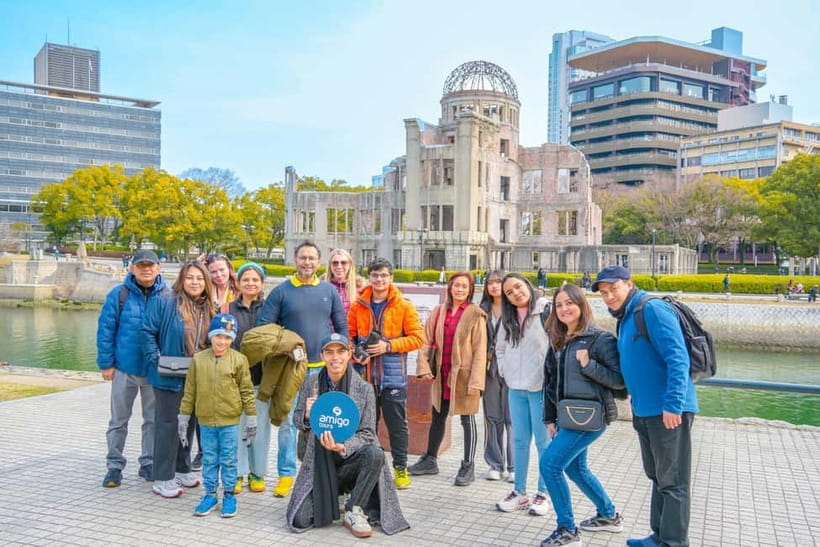
Comfortable shoes and water are essential. You will move through station areas, coach stops, ferry terminals, shrine paths, island streets, and the Peace Memorial Park. The combined tour involves enough walking and standing that poor footwear can spoil an otherwise good day.
Summer can be hard. One July visit took place in about 35 degrees Celsius with high humidity, and the shrine and museum were crowded as well. If you travel during a hot weekend or holiday period, expect slower movement and less room at the most popular viewing areas.
Bring a camera, but also leave space for quiet attention. Miyajima offers attractive views and food photographs, while Hiroshima calls for a more respectful frame of mind. The contrast is part of the day’s power, but it also means you should not treat every stop as a quick photo opportunity.
The tour is not suitable for wheelchair users. The provided information does not describe assistance for limited mobility, so you should consider the ferries, coach transfers, shrine paths, and walking portions before booking.
Who should book this day trip?
I would recommend it to first-time visitors who want to see both Miyajima and Hiroshima without building the transport plan themselves. It is also a good fit if you want an English or Spanish explanation of the sites and appreciate having free time after a short guided introduction.
It suits people who can accept a firm schedule. You will see a lot, but you will not have unlimited time for each place. Families and couples who want a simple route may appreciate the transport, while independent history fans may prefer a longer museum visit on their own.
The Miyajima-only option makes more sense if you want a gentler half-day around the shrine, waterfront, food streets, and deer. The combined version is the better choice if Hiroshima’s memorials are a main reason for visiting the region and you are prepared for an emotional finish.
You can cancel up to 24 hours before departure for a full refund, and the reserve-now, pay-later option keeps your plans flexible. Those policies help if your Japan itinerary is still changing, but you should still check the start time and meeting point for the exact option you choose.
Should you book it?
Book this tour if you want efficient access to two major destinations, a ferry ride, shrine admission, and a bilingual guide in one day. The strongest part is the human explanation of Hiroshima, followed by enough free time to make Miyajima feel like more than a photo stop.
Skip it if you want to linger for hours on the island, explore every temple, or study the Peace Memorial Museum without a schedule. For everyone else, the $39 price is fair for the transport and included admission, especially when your time in Hiroshima is limited.
FAQ
How long does the tour last?
The listed duration ranges from 210 minutes to eight hours, depending on the option selected. The combined Hiroshima and Miyajima version is the longer full-day experience.
Where does the combined Hiroshima and Miyajima tour start?
Meet outside Hiroshima Station at the Shinkansenguchi Hiroba Bus Berth. Use the North Exit, go downstairs, and look between Bus Stops 8 and 9 for the Amigo Tours sign.
Where does the Miyajima-only option start?
The Miyajima-only option meets outside Hiroshima Station Hiroden-Miyajimaguchi Station. The guide waits with an Amigo Tours sign.
Is the guide available in English?
Yes. Live guiding is available in English and Spanish. The bilingual guide generally explains the information in both languages.
Is Itsukushima Shrine admission included?
Yes. Admission to Itsukushima Shrine is included in the tour price.
Is the ferry ticket included?
Yes. The ferry ticket is included, along with transportation from the meeting point.
Is lunch included?
No. Lunch is not included, so you should plan to buy food during your free time on Miyajima.
Can I visit Hiroshima Peace Memorial Park on every version?
No. The Hiroshima Peace Memorial Park visit is included only when you select the option covering both Hiroshima and Miyajima. The Miyajima-only option ends after the island visit and return journey.
Is the tour suitable for wheelchair users?
No. The experience is listed as unsuitable for wheelchair users.
More temples and shrines elsewhere in Japan
- Kyoto: Tea Ceremony Ju-An at Jotokuji Temple
★ 4.9 · 3,207 reviews - Tokyo: Meiji Shrine, Asakusa, Skytree Bus Tour and Cruise
★ 4.7 · 1,986 reviews - Tokyo: Asakusa Walking Tour with Sensoji Temple Visit
★ 4.8 · 1,583 reviews - Nikko: Kegon Falls, Lake Chuzenji & Toshogu Temple
★ 4.6 · 1,577 reviews
Just added in Hiroshima
- Hiroshima & Miyajima 6.5h Guided Tour – Dome, Park & Shrine★ 4.9 · 83 reviews
- Hiroshima 3hr Peace Cycling Tour with Local Guide★ 5.0 · 131 reviews
- Hiroshima: Best of Hiroshima Guided Bike Tour★ 4.9 · 89 reviews
- Hiroshima Local guided Hiking Tour&Open-air Tea Ceremony★ 5.0 · 213 reviews
- Hiroshima: Food and Culture Guided Walking Tour with Dinner★ 4.9 · 212 reviews
- Hiroshima & Miyajima: Full-Day Private Tour & Licensed Guide★ 4.8 · 252 reviews
- Hiroshima: History of Hiroshima Group Walking Tour★ 4.8 · 266 reviews
- Hiroshima: Peace Cycling Tour with Local Guide★ 4.8 · 286 reviews
Hiroshima & Miyajima Day Trips, compared.
Peaceful Hiroshima & Miyajima UNESCO 1 Day Bus Tour
Read our review →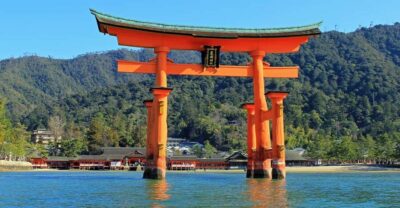
Hiroshima and Miyajima UNESCO Sites 1-Day Tour
Read our review →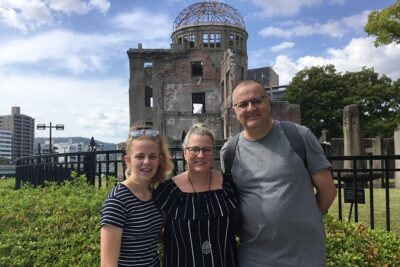
Hiroshima / Miyajima Full-day Private Tour with Government Licensed Guide
Read our review →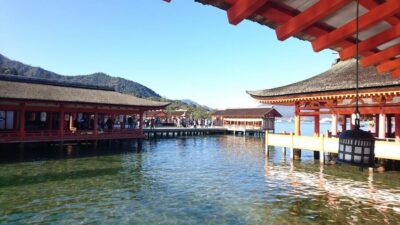
Osaka/Kyoto: Hiroshima Miyajima Bus Tour & Shinkansen Ticket
Read our review →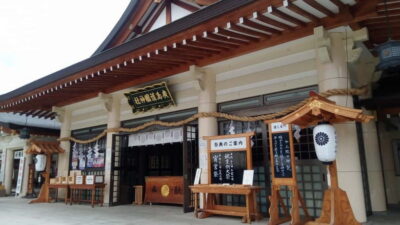
Hiroshima Historical Walking Tour – Why A-Bomb was Dropped
Read our review →
Hiroshima Peace (Heiwa) Walking Tour at World Heritage Sites
Read our review →
Hiroshima in a Nutshell: Morning Bike Adventure
Read our review →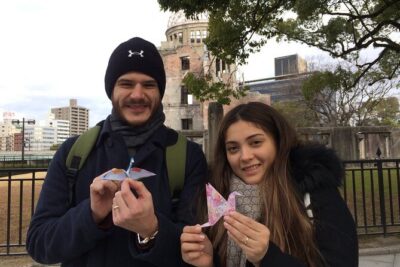
Hiroshima City 4hr Private Walking Tour with Licensed Guide
Read our review →Browse the lists this tour appears in