
Reviewed · HIROSHIMA & MIYAJIMA DAY TRIPS
Miyajima Highlights: Itsukushima Shrine & Island Nature
Miyajima’s great appeal is easy to spot: the red torii of Itsukushima Shrine seems to float on the sea at high tide, while deer wander near the ferry landing. This private half-day walk adds the quieter, more spiritual side of the island, including Daishoin Temple and Senjokaku, with a guide who can explain what you are seeing.
I like the private format, since you can ask questions and adjust the pace. I also like the mix of major sights, local food streets, and peaceful temple grounds. The main drawback is that the $141.23 price does not include the roughly ¥1,340 public transportation cost, lunch, or optional fast boats. You should also plan for a fair amount of walking.
Key points to know before booking
- A private guide shapes the day around your interests, rather than moving a large group from one stop to the next.
- Tide times affect the torii experience: at high tide it appears to float, while at low tide you can walk close to it.
- Daishoin Temple gives the tour its quietest and most reflective stop, with wooded surroundings and many details to notice.
- The route includes local food and shopping, from oysters and conger eel rice bowls to momiji manju cakes.
- Transportation is public and paid separately, with optional direct boats or taxis costing much more.
- Guide quality is a major part of the value, with Aya, Yuka, Masa, Masayo Kobayashi, and Mana praised for warmth, care, and cultural insight.
Why this private Miyajima tour works well
Miyajima can feel simple at first: arrive by ferry, see the torii, visit the shrine, and stroll the shopping street. The trouble is that the island’s meaning is not always obvious. Why is the shrine built over the water? Why are deer treated as sacred messengers? Why does Daishoin matter when most people are focused on the torii?
A private guide helps answer those questions as you walk. Guides such as Aya, Yuka, Masa, Masayo Kobayashi, and Mana have been noted for being kind, flexible, and easy to talk with. One guide helped cruise passengers buy island tickets and find their way, while another shared family stories connected to Hiroshima. Those personal touches can make the day feel less like a checklist.
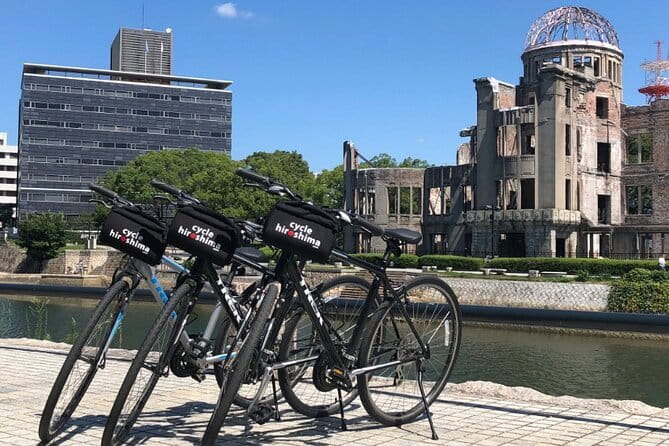
The tour lasts about five hours and begins at a hotel or train station in Hiroshima City. You meet the guide on foot, then use public transportation. The order can change, and the route may be arranged around Miyajima and the Peace Memorial area, depending on the plan agreed before the start.
That flexibility matters most if you have limited time, mobility concerns within your group, or a strong interest in a subject such as religion, architecture, Hiroshima history, or local food.
Other temples and shrines in Hiroshima people book:
- Hiroshima and Miyajima Day Trip with Itsukushima Shrine & Ferry
★ 5.0 · 378 reviews - Miyajima: Cultural Experience in Zen Temple
★ 5.0 · 258 reviews - Day Trip to Hiroshima & Miyajima with Itsukushima Shrine
★ 4.6 · 124 reviews
Getting from Hiroshima to Miyajima
The trip to Miyajima takes time, and you should treat the journey as part of the half-day rather than a quick transfer. The tour uses public transportation, and the transportation cost is not included. The stated estimate is ¥1,340 per person.
At the end of the island visit, the group moves toward Peace Memorial Park using a ferry, JR, or train. This part takes about an hour. A direct boat to Peace Memorial Park is also available as an option, taking about 45 minutes, but private transportation costs extra. Fast boats, direct boats, or taxis are listed at roughly ¥2,300 to ¥8,000 one way.
I like that the guide handles the route with you, especially if you are unfamiliar with Hiroshima’s transport system. Still, you should budget for the extra fare and ask before departure exactly which transport plan will be used.
Arriving on the sacred island
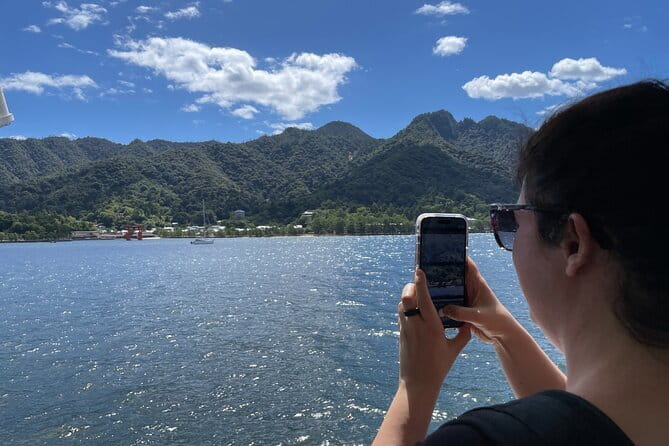
Miyajima has long been regarded as a sacred island, sometimes described as the island of the gods. The approach begins at Miyajima Port, where deer may greet you near the arrival area. They are treated as messengers of the gods in local tradition.
The deer are part of the island’s charm, but do not make them the main event. The island’s religious setting is the real point of the visit. Your guide can explain how the shrine, temple, sea, mountains, and island customs fit together.
The first 30 minutes at Miyajima help you get oriented. You may notice that the island is not only a famous photo stop. It is also a living place with shops, food stalls, working transport links, religious sites, and quieter paths beyond the main street.
Seeing the Itsukushima torii at two tide levels
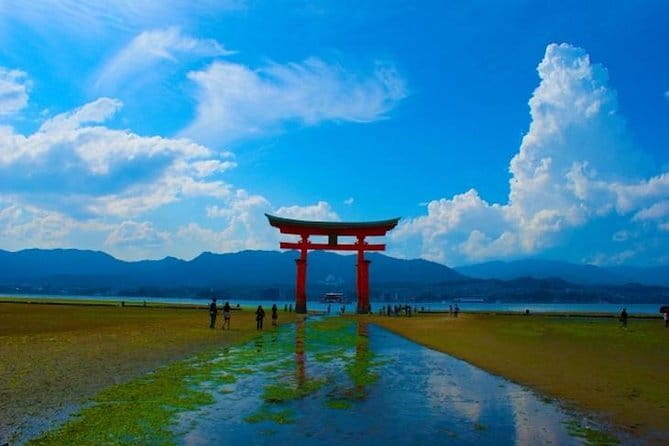
The floating torii is the image most people associate with Miyajima. At high tide, water surrounds the gate and gives it the appearance of floating offshore. At low tide, you can walk out toward it and see its scale from ground level.
This changing view is one of the best reasons to have a guide who can help arrange the order of the visit. The experience is not the same at different tide levels, so you should check the timing before booking if the torii is your top priority.
The stated stop lasts about 15 minutes. That is enough for a focused look, but not a long pause. If you want time for photos, questions, or a closer look at the structure, tell your guide early.
The torii is impressive from a distance, but the low-tide view can be useful for understanding its size and construction. At high tide, the scene feels more ceremonial. At low tide, the gate becomes something you can approach directly. Neither view is automatically better.
Other long days west of Hiroshima:
- Peaceful Hiroshima & Miyajima UNESCO 1 Day Bus Tour
★ 5.0 · 5,309 reviews - Hiroshima: Hiroshima and Miyajima UNESCO Sites 1-Day Tour
★ 4.9 · 2,330 reviews - Hiroshima / Miyajima Full-day Private Tour with Government Licensed Guide
★ 5.0 · 1,298 reviews - Hiroshima Historical Walking Tour – Why A-Bomb was Dropped
★ 4.8 · 893 reviews
Reading Itsukushima Shrine beyond the postcard view
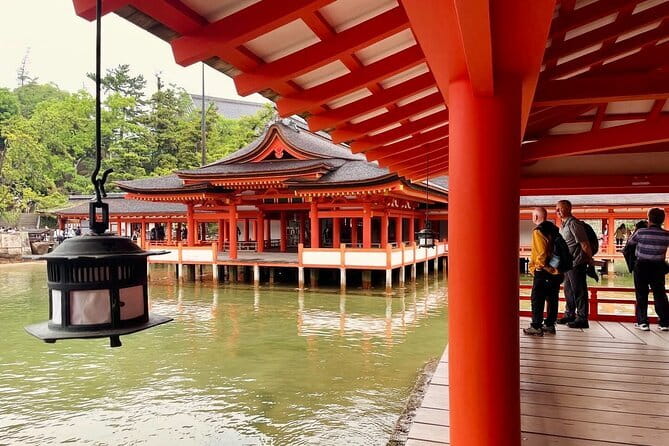
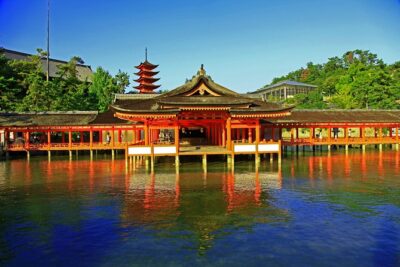
Itsukushima Shrine is the central cultural stop. Built over the water, it changes character with the tide. At high water, the shrine seems to float; at low water, the exposed shoreline changes the whole setting.
The shrine is a UNESCO World Heritage site and a national treasure. Your entrance fee is included, which removes one extra cost during the visit. The planned stop lasts about 30 minutes.
I would use this time for more than photos. Ask your guide about the shrine’s religious role, the way the water shapes its appearance, and the island’s long connection with worship. Guides have been praised for explaining religion, social customs, and Japanese culture in a way that remains conversational rather than formal.
The main limitation is time. A half-hour can pass quickly, especially if the shrine is busy or you want detailed photographs. The private format helps because you can ask to linger, but the overall five-hour schedule still requires some discipline.
Finding quiet at Daishoin Temple
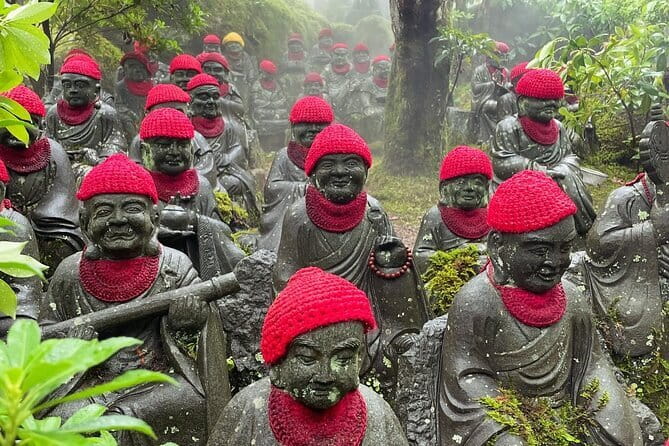
Daishoin Temple is likely the most rewarding stop for anyone who wants more than the standard Miyajima image. It is described as the oldest temple on the island and sits among natural surroundings. The visit lasts about 45 minutes, giving you more time than the torii or shrine.
Daishoin has a different mood from Itsukushima Shrine. The shrine draws attention with its sea setting and famous gate. Daishoin rewards slower looking. You can ask your guide about the temple’s religious role, its connection with influential figures such as Shogun Hideyoshi, and the details that make it distinctive.
The temple is also a good place to escape the busiest part of the island. That does not mean you will have the grounds to yourself, but the setting offers a calmer pause in the route.
You should wear comfortable shoes. This is a walking tour, and the temple stop adds another stretch of movement beyond the waterfront and shopping street.
Senjokaku and the unfinished hall
Senjokaku is part of the Itsukushima shrine area and dates to the 16th century. Shogun Hideyoshi ordered its construction. The large hall has open, wall-less spaces that create a quiet place to pause.
The name refers to a hall large enough for a thousand tatami mats, though the important point for your visit is the sense of scale. Its open design lets you feel the space rather than simply view an object behind glass.
The stop lasts about 20 minutes. Admission is not included, so ask your guide about the current entry cost. This is a short visit, but it adds architectural and historical context to the shrine complex.
If your group is more interested in food or the torii than buildings, you may find this stop less essential. If you like old structures and open religious spaces, it is worth keeping.
Omotesando Street and Miyajima flavors
The 40-minute walk along Omotesando Shopping Street brings the tour back to everyday island life. Food shops and souvenir stores sell local specialties, including oysters, conger eel rice bowls, and momiji manju, a steamed cake shaped like a maple leaf.
Food is not included, so this is a chance to buy something on your own. Ask your guide what is worth trying and how much time you have before transport. Several guides have shared snacks or local foods during tours, but you should not assume that food is part of the price.
I like this stop because it keeps the experience from becoming only temples and formal history. You see what the island sells, what people take home, and how a sacred site also functions as a popular day trip destination.
The drawback is that Omotesando can feel more commercial than the temple areas. You may find souvenirs you like, but the street is not the place for quiet reflection. Use the guide to balance shopping with local context.
What the guides add to the day
The strongest part of this experience is the guide, not simply the list of sites. The available guides have different personalities and interests, so the quality of your day depends on the match.
Aya is described as punctual, professional, friendly, kind, and flexible. Yuka has helped visitors manage island tickets and offered explanations of Hiroshima and Miyajima that are both informative and fun. Masa has been praised for sharing family stories and explaining the island’s culture.
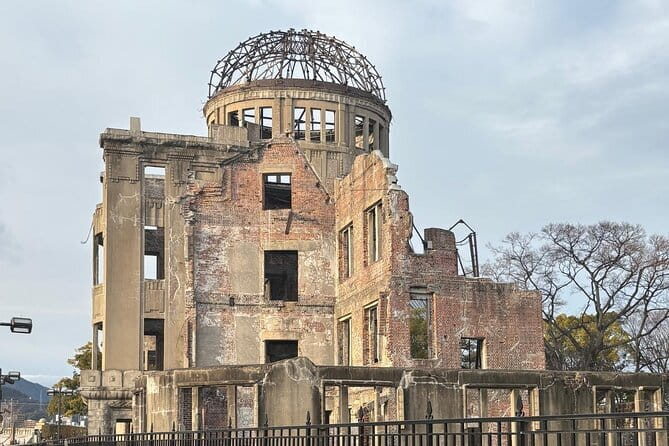
Masayo Kobayashi has been described as caring and attentive, while Mana has shared a personal family connection to Hiroshima as a second-generation survivor. That kind of story can give the Hiroshima portion of your day a more personal weight, though you should approach the subject with care.
You can use the private setting to ask direct questions. If you are a history teacher, a parent, a first-time visitor to Japan, or simply curious about Japanese religion, tell the guide what interests you. The advance customization consultation is useful for this reason.
Is $141.23 a fair price?
At $141.23 per person, this is not the cheapest way to see Miyajima. You still pay for public transportation, food, tips, and any optional private transport. Senjokaku admission is also not included.
The price makes more sense for a small private group that wants personal attention. A private guide can help with transport, explain the sacred meaning of the island, adjust the pace, and answer questions without a large group waiting. That is valuable if you have only half a day or if the island feels confusing on your own.
The value drops if you only want to photograph the torii and leave. You could spend less by arranging a self-guided visit, but you would lose the cultural explanation and route support.
Group discounts may be available, and the tour includes the Itsukushima Shrine entrance fee, tour photo data, guide service, and advance planning. For families, older visitors, cruise passengers with tight schedules, and history-focused visitors, those inclusions can help justify the cost.
Practical details for your five-hour walk
You should plan for walking, public transport, and changing conditions near the water. Most people can participate, and service animals are allowed. Pickup is on foot from a hotel or train station in Hiroshima City.
The tour requires good weather. If poor weather causes cancellation, you can choose another date or receive a full refund. For your own cancellation, you need to cancel at least 24 hours before the start time for a full refund. Changes made inside that window are not accepted.
Do not join if you have cold symptoms. That is a reasonable health rule for a shared public-transport day.
Bring money for the ¥1,340 transport estimate, meals, drinks, and optional transport. Since lunch is not included, decide in advance if you want a proper meal or just a snack on Omotesando Street.
Who should book this Miyajima experience?
I would choose this tour if you want Miyajima explained rather than simply photographed. It suits couples, families, cruise passengers, and small groups who value a private guide and can handle a five-hour walking schedule.
It is especially useful if you want to ask questions about Shinto and Buddhist traditions, Hiroshima, local food, or the island’s role in Japanese culture. The guide can also help if public transport or ticket arrangements feel stressful.
I would skip it if you prefer to explore alone, want a full day on the island, or need every expense included upfront. The extra transport and food costs are manageable, but they mean the advertised price is not your final total.
Should you book it?
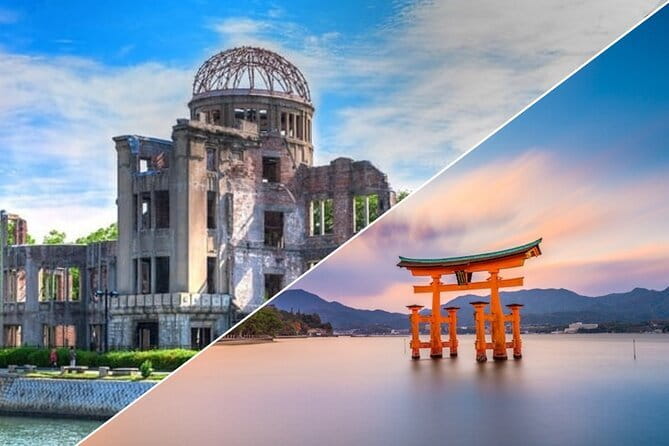
Book this private Miyajima tour if personal guidance and cultural explanation matter as much to you as the major sights. Its best moments are the contrast between the floating torii, the open hall at Senjokaku, the calm of Daishoin, and the everyday food street.
Before paying, confirm the tide timing, the planned transport, the guide assigned to your group, and how much time will be spent at Miyajima compared with the Hiroshima transfer. If those details suit your schedule, the tour offers a well-shaped introduction to the island with room for real conversation.
FAQ
How long does the Miyajima tour last?
The experience lasts approximately five hours.
Where does the tour begin?
It departs from a hotel or train station in Hiroshima City, with pickup on foot.
Is this a private tour?
Yes. Only your group participates in the private activity.
Is public transportation included?
No. Public transportation costs about ¥1,340 per person and must be paid separately.
Is lunch included?
No. Food and drinks are not included.
Is the Itsukushima Shrine entrance fee included?
Yes. The entrance fee for Itsukushima Shrine is included.
Is admission to Senjokaku included?
No. Admission to Senjokaku is not included.
Can the tour route be changed?
Yes. The order of the tour can be changed, and advance customization consultation is included.
Can I take a direct boat or taxi?
Yes. Fast boats, direct boats, and taxis are available as optional private transportation. The listed cost is about ¥2,300 to ¥8,000 one way.
What happens if the weather is poor?
If the experience is canceled because of poor weather, you can choose a different date or receive a full refund.
More temples and shrines elsewhere in Japan
- Hiroshima & Miyajima 6.5h Guided Tour – Dome, Park & Shrine
★ 4.9 · 83 reviews - Miyajima: Private Rickshaw Tour to Itsukushima Shrine
★ 4.9 · 45 reviews - Miyajima Highlights: Itsukushima Shrine & Island Nature
★ 4.9 · 21 reviews - Kyoto: Tea Ceremony Ju-An at Jotokuji Temple
★ 4.9 · 3,207 reviews
Just added in Hiroshima
- Iya Valley BROMPTON Slow Cycling Tour★ 5.0 · 28 reviews
- Iya Valley All Must-Sees Private Chauffeur Full-day Tour with a Driver★ 5.0 · 20 reviews
- Shore Excursion from Hiroshima Port : Private Tour in Hiroshima★ 5.0 · 17 reviews
- Hiroshima & Miyajima All-Inclusive Tour w/Licensed guide Pancho★ 5.0 · 54 reviews
- The Peace Memorial to Miyajima : Icons of Peace and Beauty★ 4.5 · 31 reviews
- Okunoshima Rabbit Island Cycling Tour with Local Guide★ 4.5 · 17 reviews
- Private Full Day Hiroshima Tour★ 4.5 · 29 reviews
- Hiroshima Saijo Sake Tasting Tour with visit to 7 Breweries★ 5.0 · 104 reviews
Hiroshima & Miyajima Day Trips, compared.
Peaceful Hiroshima & Miyajima UNESCO 1 Day Bus Tour
Read our review →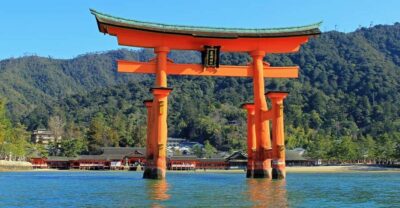
Hiroshima and Miyajima UNESCO Sites 1-Day Tour
Read our review →
Hiroshima / Miyajima Full-day Private Tour with Government Licensed Guide
Read our review →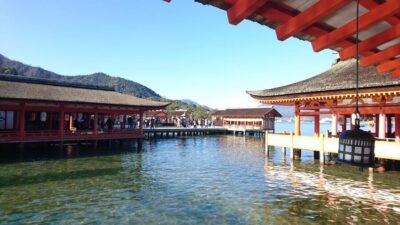
Osaka/Kyoto: Hiroshima Miyajima Bus Tour & Shinkansen Ticket
Read our review →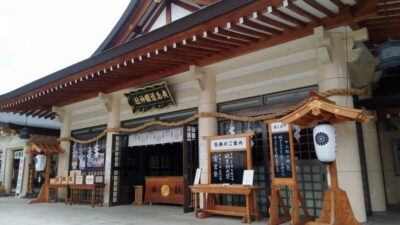
Hiroshima Historical Walking Tour – Why A-Bomb was Dropped
Read our review →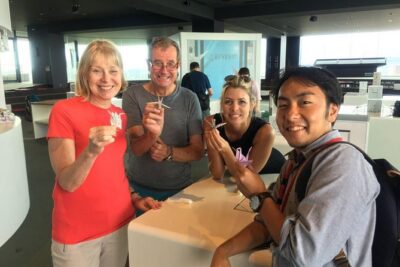
Hiroshima Peace (Heiwa) Walking Tour at World Heritage Sites
Read our review →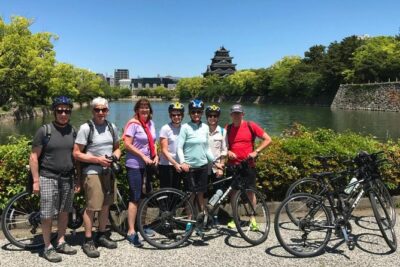
Hiroshima in a Nutshell: Morning Bike Adventure
Read our review →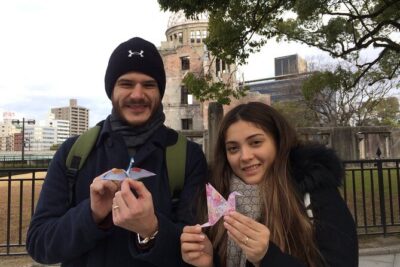
Hiroshima City 4hr Private Walking Tour with Licensed Guide
Read our review →Browse the lists this tour appears in