
Reviewed · HIROSHIMA & MIYAJIMA DAY TRIPS
Miyajima: Cultural Experience in Zen Temple
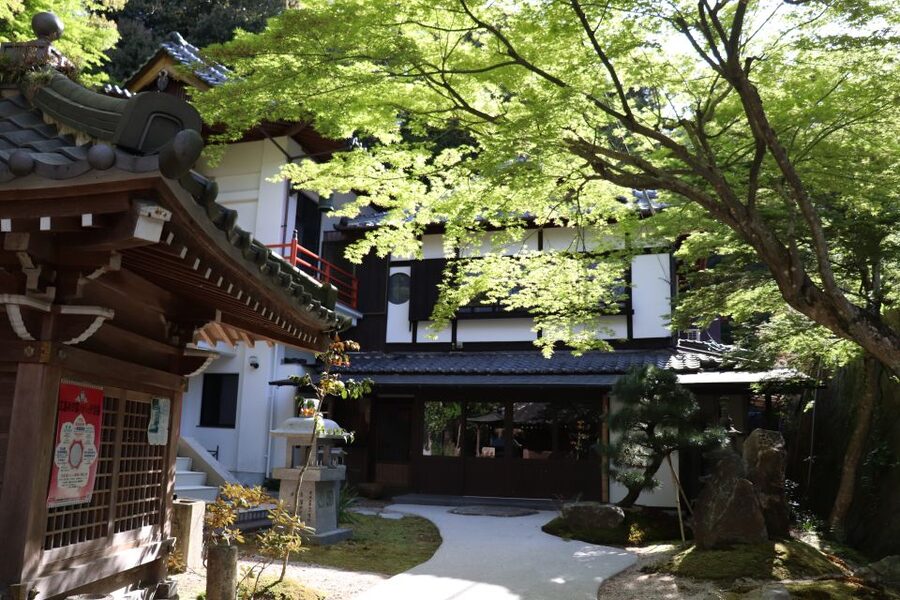
Miyajima’s deer, shrine gates, and crowded waterfront get most of the attention. This experience leads you somewhere quieter: Tokujuji Temple, where you put on a kimono, sit through a formal tea ceremony, and create a keepsake with your own hands. I especially like the calm garden photo session and the patient help with dressing, writing, and matcha.
The best value comes from combining several small activities in one visit. You get two bowls of matcha, two sweets, calligraphy materials, photographs, and the chance to choose your own kimono. The main consideration is time: the session lasts one to two hours, and the most complete combination of activities can run beyond the planned 90 minutes.
Key points to know before booking
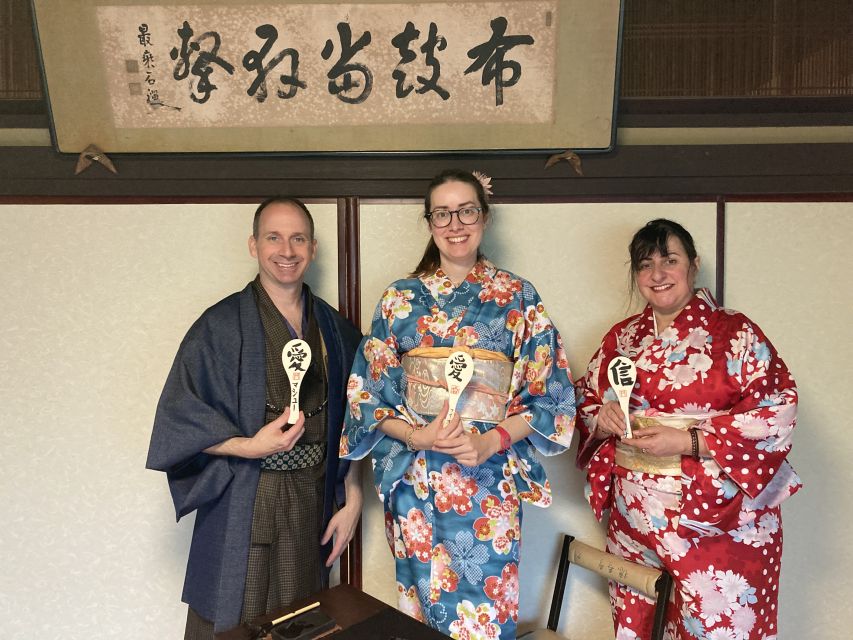
- Choose a kimono and have it properly tied: Staff help select the kimono, obi, and accessories, then photograph you in the temple garden.
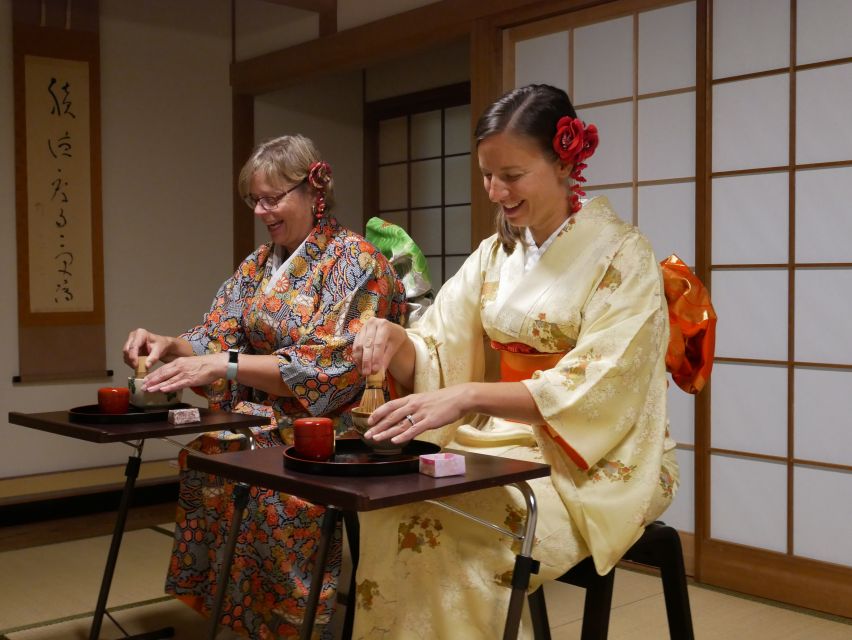
- Tea ceremony uses the Ryurei style: You sit at a table and chair rather than on the floor, making the ceremony easier for many people.
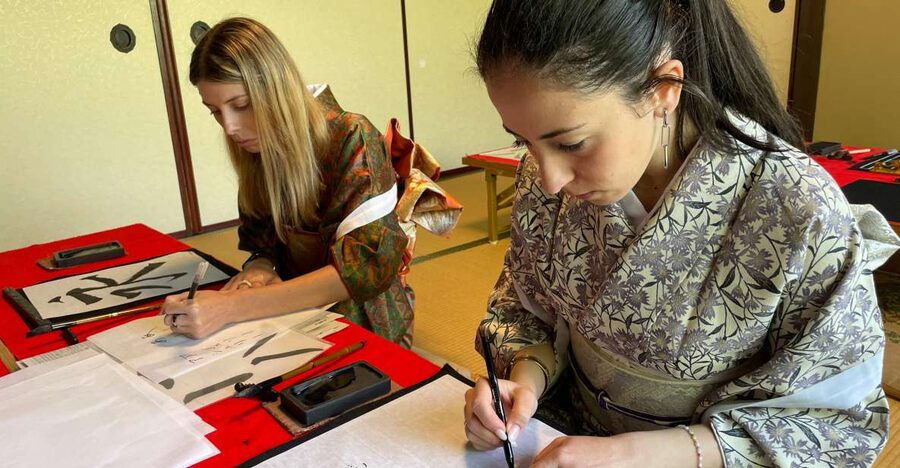
- Calligraphy becomes a personal souvenir: Practice Kanji, write your name in Hiragana or Katakana, and take home your finished work.
- Amulet making uses old kimono fabric: Pick from more than 300 handmade bags, then add a Kumihimo cord and a wish on a small rice scoop.
- The setting is peaceful but not highly accessible: You must remove your shoes, and the activity is not recommended for people with limited mobility.
- English instruction is available: The lesson is offered in English or Japanese, with small-group sessions available.
A quiet cultural pause on Miyajima
I like this experience because it gives you a reason to slow down. Miyajima can feel busy around the ferry arrival area and the famous torii gate, but Tokujuji Temple offers a more measured setting. The focus is not on racing between sights. You spend time learning a few traditional skills and paying attention to small gestures.
The staff guide each activity with care. Yoko is specifically noted for fluent English, and the instructors explain the steps patiently rather than assuming you already know Japanese customs. That matters during the tea ceremony, where the order of greeting, purifying the tools, making the tea, cleaning the tools, and closing the ceremony is part of the lesson.
This is not a formal religious ceremony for visitors to simply watch. It is a cultural activity with teaching built into it. You can ask questions, practice the movements, and enjoy the sweets and matcha without feeling that you must already understand the rules.
Other temples and shrines in Hiroshima people book:
- Hiroshima and Miyajima Day Trip with Itsukushima Shrine & Ferry
★ 5.0 · 378 reviews - Day Trip to Hiroshima & Miyajima with Itsukushima Shrine
★ 4.6 · 124 reviews - Hiroshima & Miyajima 6.5h Guided Tour – Dome, Park & Shrine
★ 4.9 · 83 reviews
Choosing your kimono at Tokujuji Temple
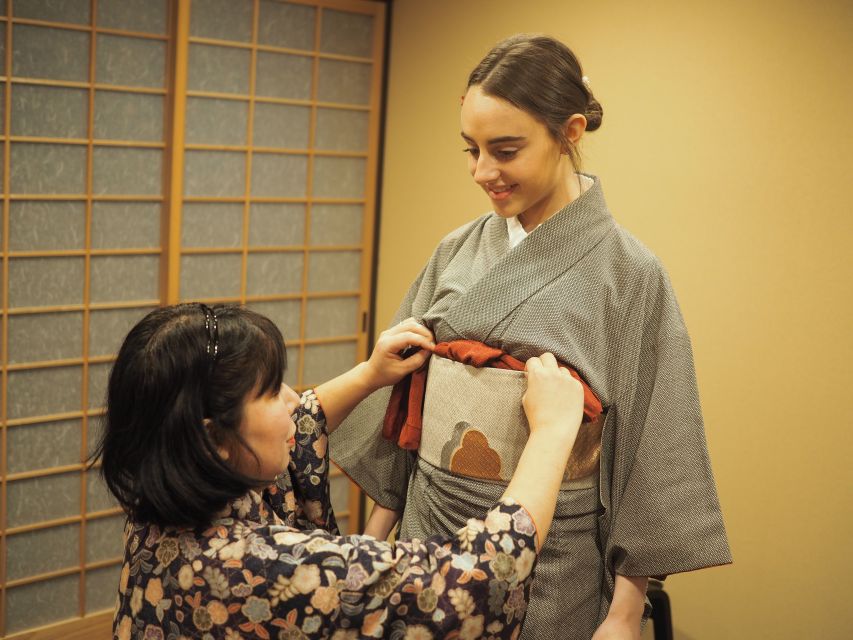
The visit begins with traditional dress, depending on the option you book. You choose a kimono from the available selection, and the staff help match it with an obi and other pieces. The dressing process is one of the most memorable parts because you see how much care goes into arranging the layers and tying the sash.
A kimono is not just a costume thrown on for a quick photograph. The dressing takes attention, and the finished outfit changes how you move. You will want to walk more slowly, sit carefully, and give yourself room when turning in the garden.
The staff are accustomed to helping first-time wearers. That is useful if you are unsure how to choose colors or how to stand for a photograph. Several people especially appreciated the beautifully tied obi and the gentle help during dressing. The process can also be fun for families, since children and older relatives can take part if they meet the age and mobility requirements.
Children under six cannot participate. There is no stated upper age limit, but you should be comfortable removing your shoes, changing clothes, and moving around the temple setting.
Garden photographs with time to pose
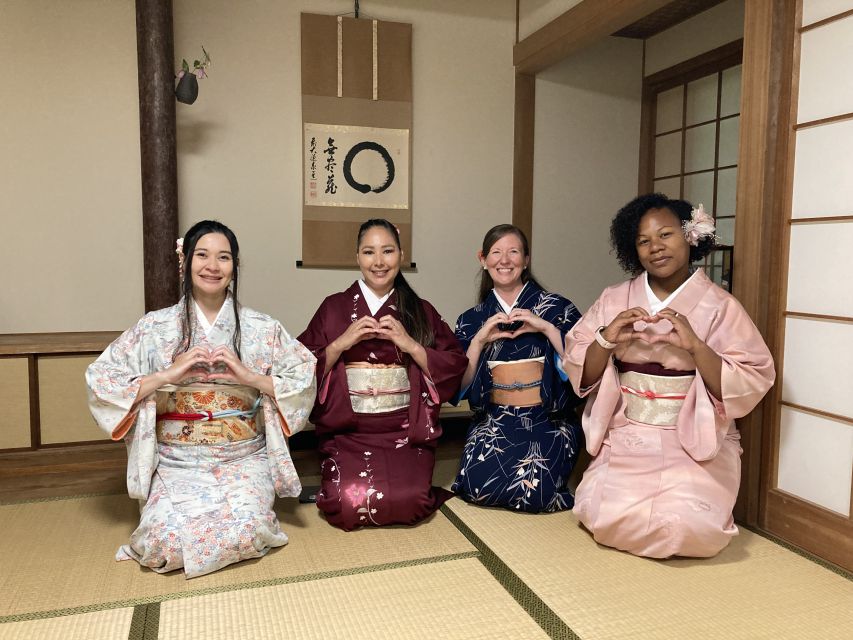
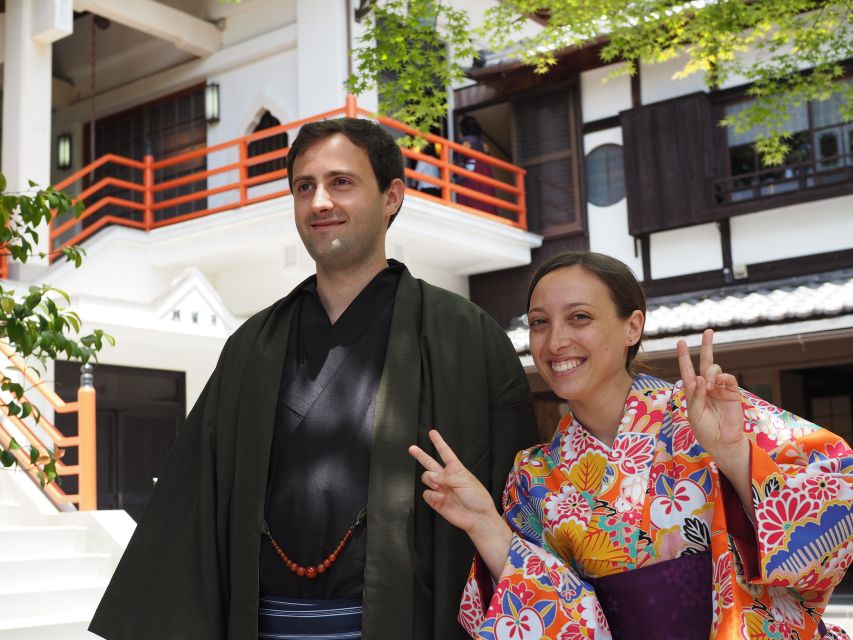
After dressing, you have time for pictures in the Japanese garden. The staff take photographs for you, and the finished images are sent by email or AirDrop on site. This is a practical advantage: you can put your phone away and enjoy the session instead of trying to manage a tripod or asking another visitor to take pictures.
The garden provides a natural setting for the kimono photographs, and staff suggest poses and locations. I like that the photo session is not treated as a rushed add-on. You can take your own pictures too, while the staff capture images from their viewpoint.
Light can affect the results. One useful point to remember is that some parts of the garden may leave faces in shadow, so you should feel free to ask the staff to adjust your position. Bright sunshine may also create harsh contrast. The setting is attractive, but the quality of individual photographs will depend on where you stand and the weather at the time.
The photos are part of the memory rather than the entire purpose of the visit. If you want a large professional portrait session, this is not described as a dedicated photography tour. If you want a handful of well-composed pictures while taking part in a cultural activity, it adds real value.
The tea ceremony, from greeting to final sip
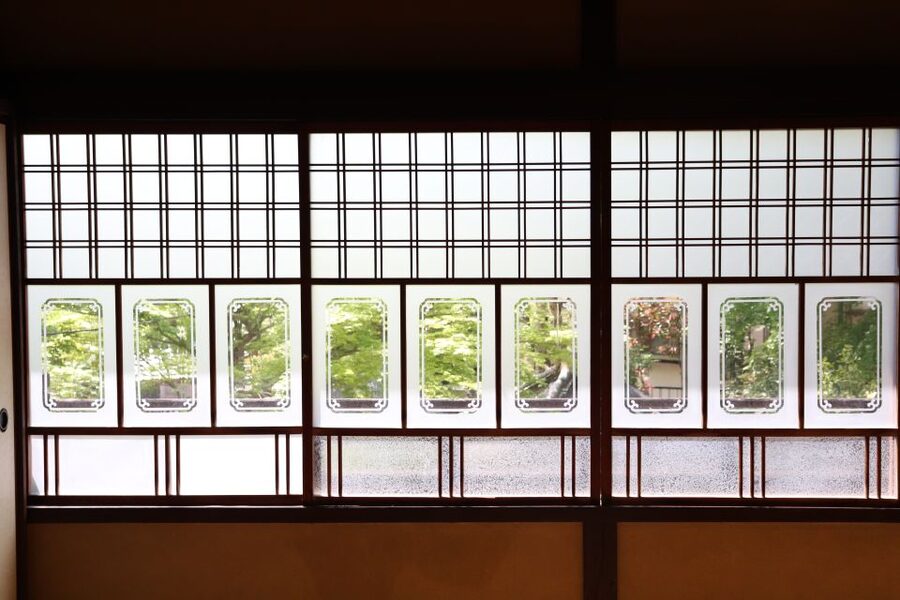
The tea ceremony follows the Ryurei style, which uses a table and chairs. That detail matters. You do not need to sit on the floor in the traditional kneeling position, so the activity is more approachable for many people, though the overall experience is still not recommended for anyone with limited mobility.
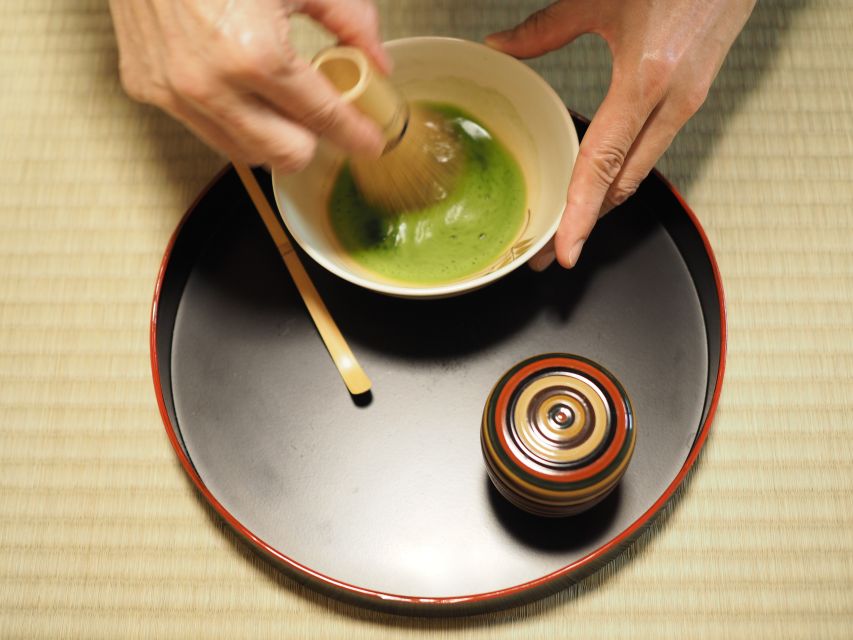
The tea master begins with a greeting and then purifies the tools. You watch the matcha being prepared, learn the proper way to receive and drink it, and see the tools cleaned before the ceremony closes. The sequence is deliberate. Each action has a place, and the instructor explains the purpose rather than reducing the ceremony to a quick cup of green tea.
You receive two bowls of matcha and two types of sweets. The sweets balance the tea’s bitterness and give you a simple introduction to the way Japanese tea service pairs flavor with presentation. You also learn how to make matcha yourself, turning the session from a demonstration into a hands-on lesson.
The tea ceremony may appeal most to people who enjoy quiet, careful activities. It is not a loud cooking demonstration or a casual tasting. The value comes from noticing the gestures, tools, and manners. If you mainly want to drink matcha and move on quickly, the formal sequence may feel slow. I think the slower pace is the point.
Other long days west of Hiroshima:
- Peaceful Hiroshima & Miyajima UNESCO 1 Day Bus Tour
★ 5.0 · 5,309 reviews - Hiroshima: Hiroshima and Miyajima UNESCO Sites 1-Day Tour
★ 4.9 · 2,330 reviews - Hiroshima / Miyajima Full-day Private Tour with Government Licensed Guide
★ 5.0 · 1,298 reviews - Hiroshima Historical Walking Tour – Why A-Bomb was Dropped
★ 4.8 · 893 reviews
Calligraphy that becomes your own souvenir
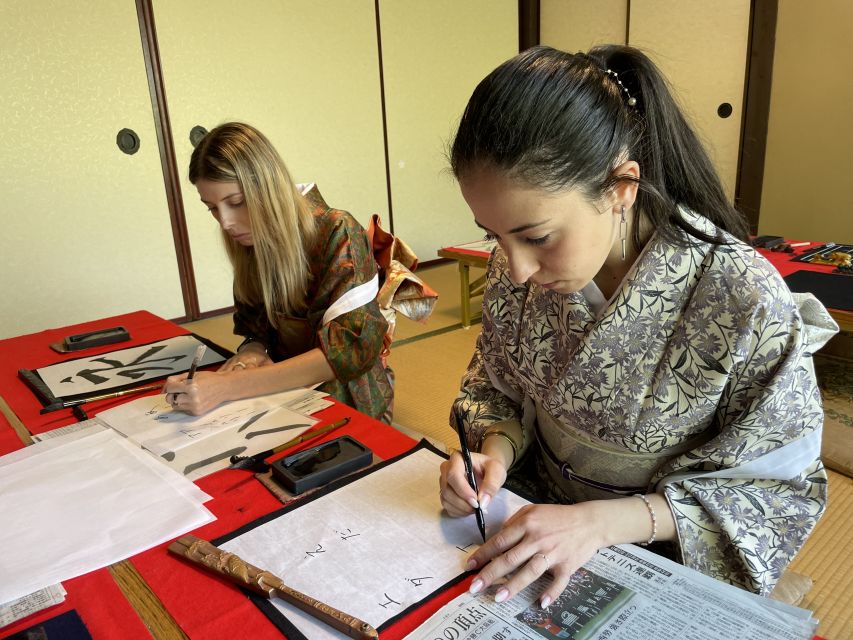
The calligraphy lesson starts with the basics. You learn how to draw the lines step by step, then practice one or more Kanji, the Chinese characters used in Japanese writing. The instructor gives you time to repeat the strokes, so you are not expected to produce a perfect character on the first try.
The instructor can prepare a sample of your name in Japanese. After practicing Kanji, you write your name in Hiragana or Katakana, depending on the form that suits the name. You then sign the work in Japanese and wrap it to take home.
This is one of the strongest parts of the experience for families and first-time visitors. A souvenir bought in a shop tells you where you went. A piece of calligraphy that you practiced and signed carries a more personal connection to the visit. It may not look like professional Japanese calligraphy, but it is yours.
The activity also has a quiet, focused rhythm. You repeat the lines, adjust your brush, and try again. The instructors are patient with beginners and children, which helps keep the lesson encouraging rather than intimidating. All calligraphy tools are included.
The handmade amulet option
Some booking options include amulet making instead of, or alongside, the tea ceremony and calligraphy. The activity takes place in the temple’s main hall. You choose from more than 300 amulet bags, each handmade from kimono fabric.
The choice itself gives the activity a personal feel. You select the bag, then choose a Kumihimo cord, a braided cord tied in a special way. You also choose a wish and write or stamp it onto a small rice scoop, a traditional object associated here with carrying that wish.
You put the pieces together to make a one-of-a-kind amulet. When it is finished, you greet Kinseki Jizou, the temple’s Buddha, to report that you have come to make a wish. That final step gives the craft a religious setting and explains why the amulet is more than a decorative souvenir.
You should check the exact option before booking because the meeting point and included activities may vary. The available description presents tea ceremony, calligraphy, and amulet making as different choices or combinations, not as one identical program for every reservation.
How much value do you get for $90?
At $90 per person, this is not the cheapest way to spend one or two hours on Miyajima. Its value depends on what you would otherwise pay for separately. You receive traditional clothing assistance, garden photographs, instruction, materials, two bowls of matcha, two types of sweets, and a handmade or written souvenir depending on your option.
A simple tea tasting would cost less. A kimono rental without instruction might also cost less. Here, you combine several pieces in one calm visit, with staff helping you through the details and sending photographs afterward. For a first visit to Japan, that combination can justify the price.
The experience is especially good value if you want a meaningful activity rather than another short stop for pictures. It also works well for a family group with different interests. One person may prefer the tea ceremony, another may enjoy calligraphy, and someone else may spend the most time choosing an amulet.
The duration is listed as one to two hours, but allow extra flexibility. Some sessions have lasted longer than 90 minutes because the staff did not rush the dressing, photographs, tea, or calligraphy. That is pleasant if your schedule is open, but it matters if you are trying to catch a ferry or connect with another timed activity.
Who will enjoy this most?
I would recommend it to first-time visitors who want a guided introduction to several Japanese traditions without committing to a full-day class. It suits couples, families, and solo visitors. The activity has also worked well for mixed-age family groups, including pre-teens, teenagers, parents, and grandparents, provided everyone can manage the physical requirements.
Calligraphy is a good choice if you want a take-home item you made yourself. The tea ceremony suits you if you are curious about Japanese etiquette and enjoy a peaceful pace. Amulet making is best if you like crafts and want to choose a symbolic souvenir rather than a standard purchase.
It may be less suitable if you dislike changing clothes, removing shoes, or following a formal sequence. The activity is not recommended for people with mobility impairments, and children under six are not allowed to participate. You should also confirm the meeting point for your chosen option, since it may vary.
Planning this around your Miyajima visit
Set aside at least two hours, even though some sessions may fit into 90 minutes. The visit can be paired with other Miyajima sights, but do not place it between two tight bookings. The calm pace is part of its appeal, and you will enjoy it more if you are not watching the clock.
Wear something that makes changing easy and remember that shoes must come off inside. If you use a mobility aid or have difficulty with stairs, floor transitions, or changing clothes, this may not be the right activity.
English and Japanese instruction are available, and small-group sessions can be booked. Cancellation is free up to 24 hours before the start time, and you can reserve now and pay later, which helps if your Japan schedule is still shifting.
Should you book the Zen temple experience?
Book it if you want more than a quick kimono photograph. The strongest reasons are the patient dressing assistance, the garden photo session, the clear English guidance, and the chance to leave with calligraphy or an amulet you helped create.
I would choose the tea ceremony and calligraphy combination for a first visit. Add amulet making if you have enough time and want a craft with a personal wish attached. Skip it if your Miyajima stop is tightly scheduled, if you cannot comfortably remove shoes and change clothes, or if you prefer independent sightseeing.
For most visitors with two unhurried hours, this is a thoughtful way to experience Miyajima away from its busiest paths. You get photographs, a practical lesson, and a stronger sense of how Japanese ceremony and craft work in everyday cultural settings.
FAQ
How long does the Miyajima cultural experience last?
The activity lasts one to two hours. Some sessions may run beyond 90 minutes, so allow extra time if you have ferry or sightseeing plans afterward.
What activities can I choose?
Depending on the option booked, you can take part in a tea ceremony, calligraphy lesson, amulet making, kimono dressing, and garden photography. The exact meeting point and combination may vary.
Is the experience available in English?
Yes. The lesson is offered in English or Japanese. Yoko is specifically noted for speaking fluent English, and English-speaking instruction is available.
Is kimono rental included?
You can choose a kimono to wear as part of the experience, with staff helping you dress and arrange the obi and other pieces. The exact inclusion depends on the option you book.
What is included in the tea ceremony?
The experience includes two bowls of matcha tea and two types of sweets. You learn how to drink the tea properly and how to prepare it in the Ryurei style, using a table and chairs.
Can children or people with limited mobility participate?
Children under six cannot participate. The activity is not recommended for people with mobility impairments, and you must remove your shoes to enter.
More temples and shrines elsewhere in Japan
- Kyoto: Tea Ceremony Ju-An at Jotokuji Temple
★ 4.9 · 3,207 reviews - Tokyo: Meiji Shrine, Asakusa, Skytree Bus Tour and Cruise
★ 4.7 · 1,986 reviews - Tokyo: Asakusa Walking Tour with Sensoji Temple Visit
★ 4.8 · 1,583 reviews - Nikko: Kegon Falls, Lake Chuzenji & Toshogu Temple
★ 4.6 · 1,577 reviews
More meditation sessions in Hiroshima
- Tokyo: Zen Meditation at a Private Temple with a Monk
★ 5.0 · 510 reviews - Kyoto Zen Meditation & Garden Tour at a Zen Temple with Lunch
★ 5.0 · 441 reviews - Kyoto: Zen Experience in a Hidden Temple
★ 5.0 · 437 reviews - Kyoto: Tea Ceremony Meditation – Make Matcha with Tea Master
★ 4.8 · 406 reviews
Just added in Hiroshima
- Hiroshima: Best of Hiroshima Guided Bike Tour★ 4.9 · 89 reviews
- Hiroshima & Miyajima 6.5h Guided Tour – Dome, Park & Shrine★ 4.9 · 83 reviews
- Hiroshima 3hr Peace Cycling Tour with Local Guide★ 5.0 · 131 reviews
- Day Trip to Hiroshima & Miyajima with Itsukushima Shrine★ 4.6 · 124 reviews
- Hiroshima Local guided Hiking Tour&Open-air Tea Ceremony★ 5.0 · 213 reviews
- Hiroshima: Food and Culture Guided Walking Tour with Dinner★ 4.9 · 212 reviews
- Hiroshima & Miyajima: Full-Day Private Tour & Licensed Guide★ 4.8 · 252 reviews
- Hiroshima: History of Hiroshima Group Walking Tour★ 4.8 · 266 reviews
Hiroshima & Miyajima Day Trips, compared.
Peaceful Hiroshima & Miyajima UNESCO 1 Day Bus Tour
Read our review →
Hiroshima and Miyajima UNESCO Sites 1-Day Tour
Read our review →
Hiroshima / Miyajima Full-day Private Tour with Government Licensed Guide
Read our review →
Osaka/Kyoto: Hiroshima Miyajima Bus Tour & Shinkansen Ticket
Read our review →
Hiroshima Historical Walking Tour – Why A-Bomb was Dropped
Read our review →
Hiroshima Peace (Heiwa) Walking Tour at World Heritage Sites
Read our review →
Hiroshima in a Nutshell: Morning Bike Adventure
Read our review →
Hiroshima City 4hr Private Walking Tour with Licensed Guide
Read our review →Browse the lists this tour appears in