
Reviewed · TEA CEREMONY EXPERIENCES
Kimono Tea Ceremony at Kyoto Maikoya, Karasuma Shijo
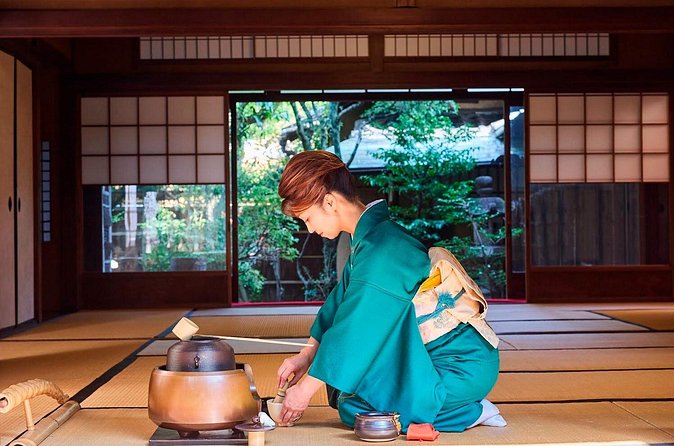
The most memorable part of this Kyoto experience is the combination of kimono dressing and hands-on matcha preparation. You do not simply watch a tea ritual from the side. Staff help with your clothing and hair, then a tea master guides you through the meaning behind the tools, movements, and manners.
I like the small-group format, which should make the lesson easier to follow, and I like that the tea is not treated as a quick photo prop. You learn to whisk your own bowl and taste traditional snacks. The main caution is pace: the schedule can feel brisk, and sitting on a tatami floor may challenge your knees.
Key points to know
- Kimono, shoes, bag, and simple hairstyling are included, giving the experience a polished look without separate rental arrangements.
- You prepare your own bowl of matcha under the tea master’s direction.
- The 90-minute visit stays at Maikoya Karasuma Shijo, so there is no time lost to transfers.
- Tea etiquette and cultural meaning are explained, not just demonstrated.
- The listed maximum is four people, though the booking information warns that other reservations may sometimes be combined.
- Children under six are not permitted, and photography must follow the tea master’s instructions.
What the 90 minutes at Maikoya includes
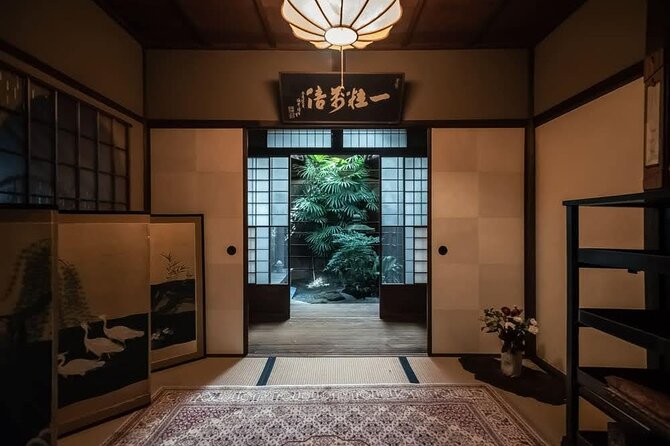
This is a compact Kyoto cultural activity built around two classic experiences: dressing in a kimono and taking part in a tea ceremony. The meeting point is Kimono Tea Ceremony Maikoya Karasuma Shijo at 220 Itoyacho, in Kyoto’s Shimogyo Ward.
You arrive at the meeting point and begin with the clothing portion. The staff help you select from the available kimonos, then assist with dressing, shoes, and accessories. Simple hairstyling is included, which adds a finished look for photographs without turning this into a full salon appointment.
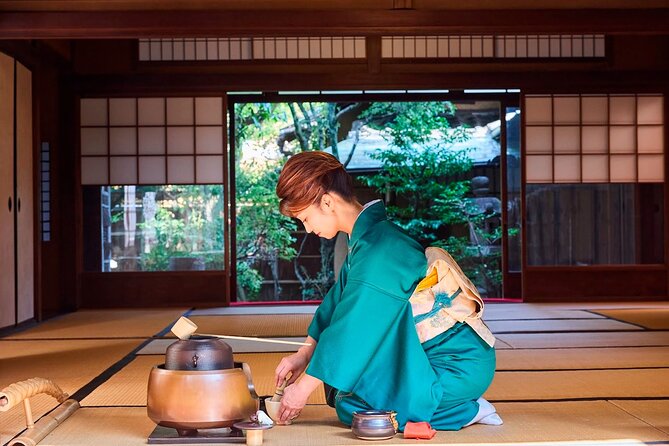
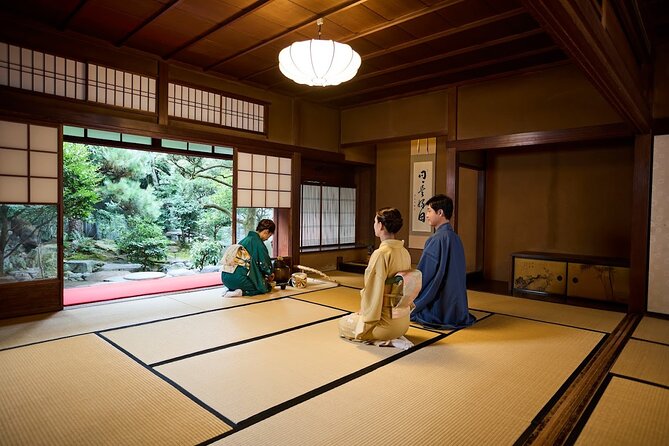
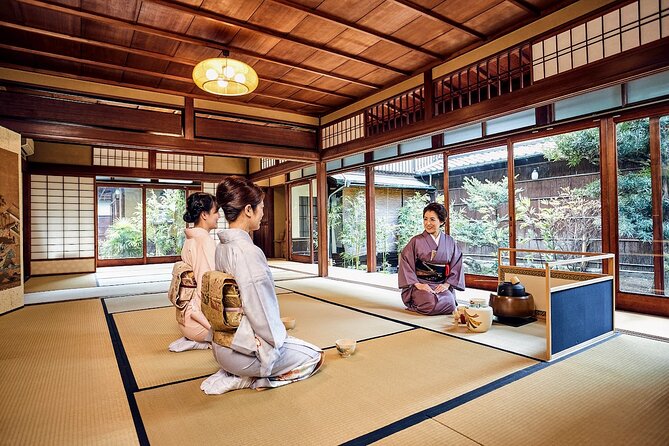
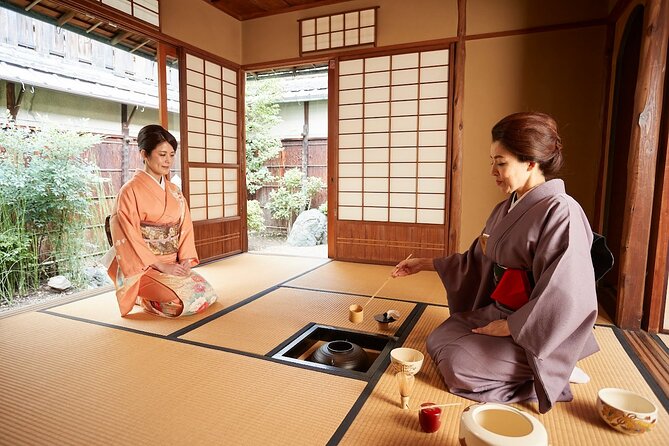
The ceremony follows in a tatami room. A professional tea master introduces the equipment and explains why the movements are performed in a particular way. You learn about the place of tea in Kyoto culture, the manners connected with serving and drinking it, and the hospitality at the heart of the ceremony.
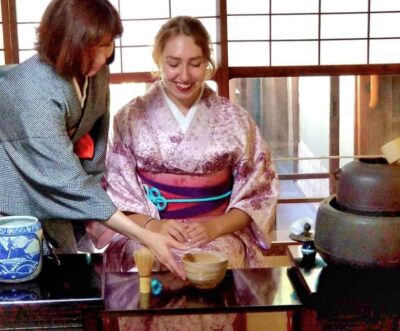
The final active part is making your own matcha. You whisk the green tea with the provided utensils under guidance, then taste it with traditional snacks. The activity returns to the same meeting point and lasts about one hour and 30 minutes.
That short length matters. You can fit this into a busy Kyoto day, perhaps between visits around central Kyoto, without giving up half a day to a formal cultural lesson. The trade-off is that each stage must move along. If you want a slow, private ceremony with long periods of quiet, this may feel more like an introductory workshop.
Other kimono experiences in Kyoto people book:
- Kimono Tea Ceremony at Kyoto Maikoya, NISHIKI
★ 5.0 · 911 reviews - Kyoto: Kimono Rental with Hairstyling and Accessories
★ 4.8 · 653 reviews - Kyoto: Kimono Tea Ceremony at Orizuruya Gion
★ 4.9 · 618 reviews
Choosing a kimono and getting ready
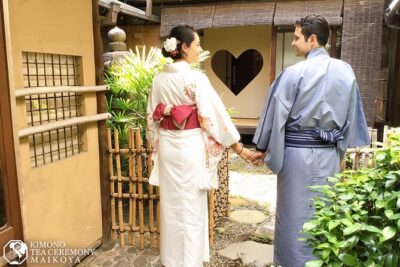
The dressing stage is a major reason to book this instead of a tea lesson alone. Staff help you choose a kimono and coordinate the rest of the outfit. The included hairstyling is simple, but it helps create the traditional appearance that many people hope for in Kyoto.
The fitting process is also practical for first-time wearers. You do not need to know how to arrange the layers or fasten the clothing. Staff handle the dressing and help you select shoes and a bag. This removes much of the worry that comes with renting a kimono independently.
Set your expectations correctly. These are visitor-use garments, not necessarily heirloom-quality silk kimonos. One account found some choices a little flimsy, although they photographed well. That is a fair distinction. The value here is the complete experience and the chance to wear a coordinated outfit, not access to an expensive collector’s garment.
You should also allow for the fact that a kimono is fitted clothing. Sitting and walking can feel different from normal sightseeing, and the outfit is not ideal for rushing across town afterward. One useful detail is that you may be allowed to keep wearing the kimono until 6 p.m., but confirm the exact arrangement when you arrive because the supplied information does not spell out the conditions.
The preparation area appears to be organized for a steady flow of appointments. That keeps things moving, but it can also give the dressing stage an assembly-line feel when several appointments overlap. If you value the social side of the experience, this may be fun. If you want a quiet, highly personal fitting, it may feel less intimate.
Inside the tea room: tools, gestures, and etiquette
Once dressed, you move to the tea ceremony. The tea master explains the purpose of the utensils and demonstrates the sequence of preparation. The lesson is not only about making a drink. It shows how care, order, and respect are expressed through small actions.
You learn how the tea is prepared and how it should be handled and enjoyed. The ceremony also gives context about Kyoto’s cultural traditions and the etiquette passed down through generations. That explanation is important because many visitors recognize the formal gestures but do not know what they mean.
The atmosphere is intended to be calm and respectful, though it is also friendly and accessible. The tea hosts are described as warm and humorous, and Yuki is specifically praised as an excellent English-speaking host and translator. Miki is also singled out for being patient, kind, and engaging. Staff names and assignments can change, but these details suggest that the teaching style is not stiff or overly formal.
You should expect to participate correctly rather than simply copy movements without explanation. The tea master leads you through each step, then gives you a chance to repeat the process. This makes the ceremony useful for families, couples, solo visitors, and anyone who wants more than a staged photograph.
The format is not a private meditation session. Other people may be present, and the booking information gives a maximum of four people for this activity while also warning that bookings from other sites can result in additional participants. One booking was initially combined with a larger group before the issue was corrected. I would confirm the group arrangement if a small group is especially important to you.
Making your own bowl of matcha
The hands-on matcha portion gives the experience its strongest educational element. After watching the tea master, you prepare a bowl yourself with the provided utensils and high-quality green tea. The focus is on learning the technique and the meaning behind it, not on producing a perfect bowl on your first attempt.
Matcha has a distinct taste that not everyone enjoys. That is not a reason to skip the experience, since the value lies partly in the preparation and etiquette. One family found that even a teenager who did not usually drink matcha enjoyed the activity. You can also expect traditional snacks alongside the tea, which makes the tasting more approachable.
The process rewards concentration. You whisk, observe the texture, and follow the tea master’s directions. That small act gives you a better sense of why the ceremony is built around careful movements rather than speed.
Photography is possible only at suitable moments. Tripods are not allowed, and recording may be limited during the ceremony. Follow the tea master’s instructions instead of treating the room like a photo studio. The dressing stage and the finished kimono offer good photo opportunities, but the ceremony itself asks for attention and restraint.
If photographs matter greatly to you, let the staff explain when pictures are appropriate. You may get memorable images, but you should not expect to film every part of the ritual.
Other tea ceremonies in Kyoto people book:
- Kyoto: Tea Ceremony in a Traditional Tea House in Kiyomizu
★ 4.9 · 3,519 reviews - Kyoto: Tea Ceremony Ju-An at Jotokuji Temple
★ 4.9 · 3,207 reviews - Kyoto: 45-Minute Tea Ceremony Lesson Experience
★ 4.3 · 2,378 reviews - Kyoto: Table-Style Tea Ceremony at a Kyo-Machiya
★ 4.9 · 1,211 reviews
Why the Kyoto setting matters
Kyoto is filled with temples, gardens, and historic streets, yet many cultural traditions can remain distant if you only look at them. A tea ceremony gives you a small, direct way to take part in one of the city’s best-known customs.
The setting at Maikoya Karasuma Shijo is near public transportation and easy to build into a day in central Kyoto. One account described it as about a 25-minute walk from Kyoto Station. Walking time depends on your route and pace, so public transportation may be the better choice if you are wearing the kimono or traveling in hot weather.
The activity does not include transport or hotel pickup and drop-off. You are responsible for reaching the meeting point at 220 Itoyacho. Plan extra time to find the building, especially if you are arriving for a fixed appointment. Being late could reduce the time available for dressing or the ceremony.
You finish at the same place. That is convenient because you do not need to arrange a second meeting point while wearing formal clothing. It also makes this a useful stop before or after other central Kyoto plans.
The value of $65.39 per person
At $65.39 per person, this is not the cheapest way to drink matcha in Kyoto. You are paying for a bundle of services: kimono use, dressing assistance, simple hairstyling, tea, utensils, snacks, instruction, and about 90 minutes of staff time.
The price makes more sense if you want both the clothing and tea elements. Arranging a kimono rental, hair styling, and a separate ceremony could cost more and require extra planning. Here, the two experiences are joined in one appointment.
The value is less clear if you mainly want a serious tea-school lesson. The program is designed for cultural introduction and participation. It offers a guided taste of the tradition rather than advanced instruction in tea practice.
I also would not choose it only for the snack or the matcha. Those are supporting parts of the visit. The main value comes from the full sequence: getting dressed, learning the etiquette, preparing the tea, and taking photographs at suitable times.
The very high 4.9 rating from 42 reviews and a 100 percent recommendation rate suggest strong satisfaction, especially with the staff, kimono preparation, organization, and tea hosts. Still, one honest criticism is worth keeping in mind: the schedule can feel packed, and one person did not feel the price matched the pace. That is a useful warning for anyone who prefers a slower, more luxurious experience.
Who will enjoy this most
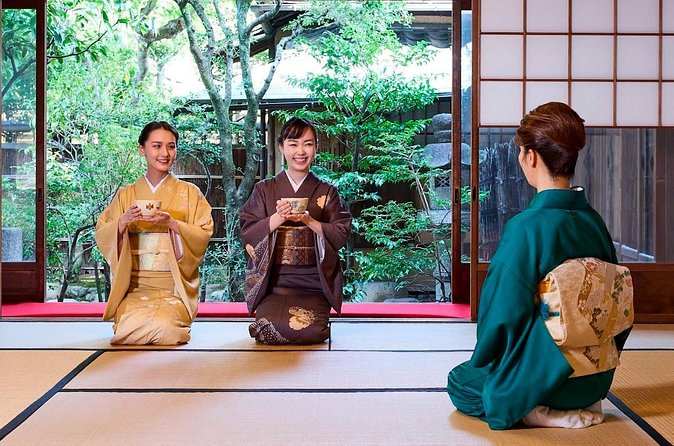
I would recommend this for first-time visitors to Kyoto who want a clear introduction to tea culture without committing to a long formal course. It also suits families with children aged six and up, couples, friends, solo visitors, and anyone who wants a cultural activity with photographs.
It works particularly well for people who are curious but unsure about matcha. You can learn how it is made before deciding how much you like the taste. The clothing element also makes the visit appealing to people who are more interested in Japanese dress than in tea itself.
Solo visitors should feel comfortable booking. The activity is guided step by step, and the social setting makes it easy to participate without bringing a group. English support is available, with Yuki praised for clear translation and hosting, though the specific staff member may vary.
I would be more cautious if you have difficulty sitting on the floor. The ceremony takes place on tatami, and one person found sitting challenging. Small chairs may be available, but request one if needed rather than waiting until discomfort sets in.
The experience is also not suitable for children under six. If your party includes a younger child, do not book this activity for the group.
Practical advice before you go
Arrive with enough time to find the address and settle in. The activity is near public transportation, but the experience itself does not include transfers or hotel pickup.
Wear or bring clothing that allows you to change comfortably. The kimono is supplied, so your main concern is arriving ready for the dressing process and allowing enough time afterward if you plan to continue sightseeing.
Tell staff about any sitting concerns at the start. The tea ceremony is meant to be respectful, but comfort helps you pay attention to the lesson.
Keep your camera ready for the appropriate moments, but leave the tripod behind. During the ceremony, listen for instructions before taking photographs or recording.
The cancellation terms are simple but firm. You receive a full refund if you cancel at least 24 hours before the local start time. Cancellations or changes made less than 24 hours ahead are not accepted for a refund.
Should you book the Maikoya tea ceremony?
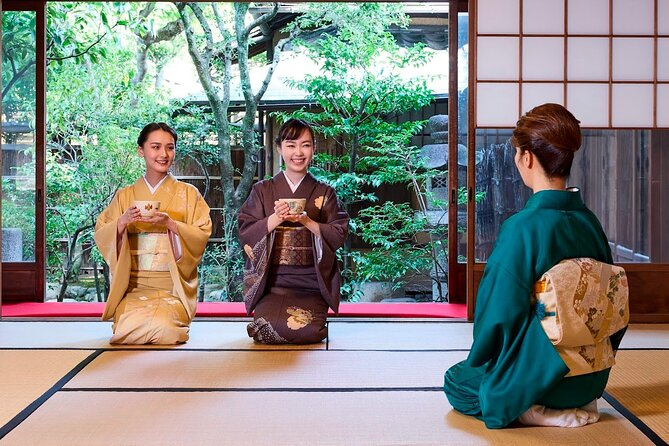
Book it if you want an easy, well-organized introduction to Kyoto culture that combines a kimono, hairstyling, tea etiquette, matcha preparation, and snacks in one 90-minute visit. The staff care and the chance to make your own tea are the strongest reasons to choose it.
Think twice if you want a private ceremony, a slow pace, or a high-end kimono rental. The clothing may be practical rather than luxurious, the schedule can move quickly, and the group arrangement should be confirmed if you specifically expect four people or fewer.
For most first-time Kyoto visitors, the combination offers good value at $65.39, especially if photographs and cultural context matter as much as the tea itself. Go ready to participate, sit on tatami, follow the rules about photography, and treat the ceremony as a lesson rather than a quick costume stop.
FAQ
How long does the Kimono Tea Ceremony at Maikoya last?
The activity lasts approximately 1 hour and 30 minutes.
What is included in the price?
The experience includes a kimono costume, simple hairstyling, green tea, utensils, and traditional snacks.
Where does the experience start and finish?
It starts at Kimono Tea Ceremony Maikoya Karasuma Shijo, 220 Itoyacho, Shimogyo Ward, Kyoto. It ends back at the same meeting point.
Is transportation included?
No. Transportation, hotel pickup, and hotel drop-off are not included. The meeting point is near public transportation.
Can children take part?
Children under six are not permitted. If your group includes a child under six, you should not book this activity.
Are photographs and videos allowed?
Photography and video recording may be limited during the ceremony. Tripods are not allowed, and you must follow the tea master’s instructions about suitable timing and manners.
What is the cancellation policy?
You can cancel at least 24 hours before the experience start time for a full refund. Cancellations or changes made less than 24 hours before the start time are not refunded or accepted.
More tea ceremonies elsewhere in Japan
- Kyoto: Arashiyama Bamboo Forest, Monkeys, Matcha & Temple Tour
★ 5.0 · 759 reviews - Kyoto: Tea Museum Tickets and Matcha Grinding Experience
★ 4.9 · 739 reviews - Kyoto: Tea Ceremony in 100-year-old Kyo-Machiya Townhouse
★ 4.8 · 546 reviews - Kyoto: Tea Ceremony Experience
★ 4.8 · 511 reviews
More kimono experiences elsewhere in Japan
- KYOTO Tea Ceremony with kimono near by Imamiya Jinjya Shrine
★ 5.0 · 343 reviews - Kyoto: Kimono and Tea Ceremony Experience at Cultural Asset
★ 4.3 · 306 reviews - Kyoto: Traditional Kimono Rental
★ 4.7 · 265 reviews - Kyoto: Kimono Tea Ceremony with Matcha and Sweet
★ 4.9 · 249 reviews
Just added in Kyoto
- Private Cooking Class Udon in Kyoto Japan★ 5.0 · 23 reviews
- Your Private Vacation Photography Session In Kyoto★ 5.0 · 110 reviews
- Kyoto: Zen Meditation at a Private Temple with a Monk★ 5.0 · 25 reviews
- Private Pewter Sake Cup Experience with a Kyoto Artisan★ 5.0 · 31 reviews
- Kyoto Wagashi(Japanese sweets) Cooking Class near Fushimiinari★ 5.0 · 60 reviews
- Kyoto: Gion Geisha District & Sake-in-Hand Walking Tour★ 5.0 · 37 reviews
- Kyoto:Family-Friendly Kimono & Yukata Experience at WARGO★ 5.0 · 147 reviews
- Private Guided Traditional Buddhist Cooking in Japan★ 5.0 · 16 reviews
Tea Ceremony Experiences, compared.

Tea Ceremony in a Traditional Tea House in Kiyomizu
Read our review →

World Heritage Kyoto & Nara Uji Authentic Matcha Experience
Read our review →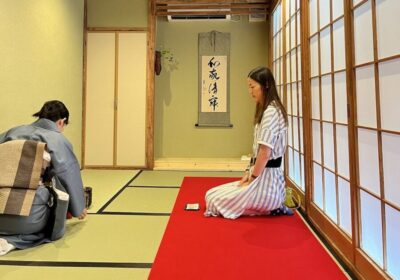
Arashiyama Bamboo Forest, Monkeys, Matcha & Temple Tour
Read our review →Browse the lists this tour appears in