
Reviewed · NARA & THE DEER PARK
Kyoto & Nara Private Tour from Osaka Kyoto Hotel Pick-up
Kyoto and Nara in one day is a big bite, but this private tour makes the plan workable by putting you in a private air-conditioned vehicle instead of sending you across Japan by train and bus. You will see the Great Buddha at Todai-ji, Nara’s friendly deer, the Golden Pavilion, Arashiyama, and Fushimi Inari.
I like the door-to-door pickup and the chance to travel with guides such as Ben, also called Yujiro, and Christine, who are praised for warm English commentary and flexible planning. I also like that Todai-ji and Kinkaku-ji admission is included. The catch is simple: six major stops in 8 to 10 hours leave little room for slow wandering, long meals, or a full climb through every torii gate.
Key points at a glance
- Private pickup from Osaka or Kyoto: You avoid coordinating several trains, buses, and station exits in one packed day.
- Nara comes first: Feed the deer in Nara Park, then see the Great Buddha inside Todai-ji.
- Two paid admissions included: Todai-ji and Kinkaku-ji tickets are covered, while the other listed stops are free.
- Six major stops: You get a broad first look at both cities, but the schedule is active.
- Guides with a personal touch: Ben, Yujiro, and Christine are praised for English, local insight, photos, patience, and adapting the route.
- A useful family option: The private van and direct transport can be much easier with children or a mixed-age group.
One day, two historic cities
This is not a quiet, scholarly day spent in one Kyoto neighborhood. It is a greatest-hits route for someone with limited time, a first visit, or a short stay based in Osaka.
You begin with pickup at your Osaka or Kyoto hotel. The vehicle, parking, fuel surcharge, and travel between Osaka, Nara, and Kyoto are included. That matters because the distances and crowds can make a self-guided version tiring, especially when you are trying to link Nara in the morning with several Kyoto sights later.
The private format is the main product here. Your group travels alone, so you do not wait for strangers at each stop or follow a fixed busload. The guide can spend more time on a question, help with photos, or adjust the pace when children need a break.
Still, private does not mean leisurely. The day includes roughly three hours of driving in total, according to one detailed account, plus time to get out, walk, queue, and see each place. Think of this as an efficient introduction, not a complete study of Kyoto and Nara.
Other day trips out of Kyoto:
- Kyoto/Osaka: Nara, Fushimi Inari Taisha, Arashiyama Bus Tour
★ 4.7 · 1,275 reviews - Osaka/Kyoto: Arashiyama, Nara & Fushimi Inari Shrine w/Lunch
★ 4.4 · 754 reviews - Kyoto and Nara Day Trip from Kyoto
★ 4.5 · 445 reviews
Todai-ji and the Great Buddha
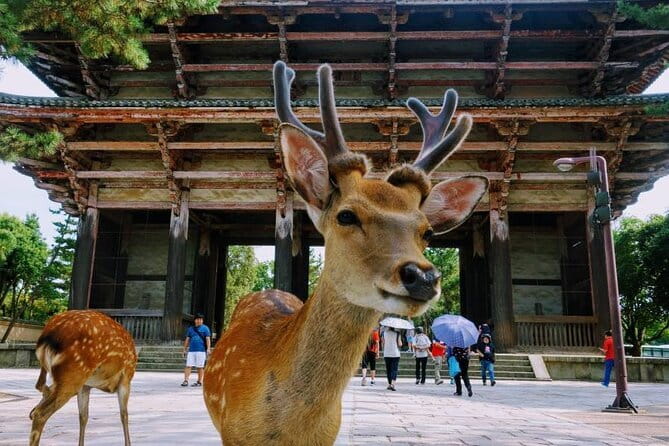
Todai-ji is a strong opening stop. The temple is famous for its huge bronze Buddha and for Daibutsuden Hall, traditionally recognized as the world’s largest wooden structure. The current building is not the original eighth-century structure, but the scale still hits you when you enter.
You have about one hour here, with admission included. That is enough to enter the main hall, see the Buddha, and hear the guide explain the temple’s place in Nara’s religious and artistic story. A guide is especially useful inside a building this large. Without context, you may simply register size and gold. With explanation, the details begin to make sense.
The grounds can be busy, and the approach involves walking. Wear shoes suited to a full day on your feet. If you have a child in your group, Todai-ji often works well because the enormous hall and statue make an immediate impression, even before the history lesson begins.
Nara Park and the deer
Nara Park gets only about 20 minutes on the planned schedule, so set your expectations correctly. This is a short encounter with the deer, not a long park walk.
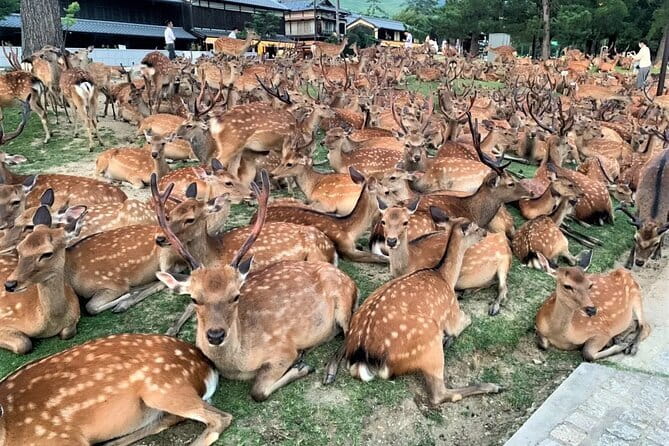
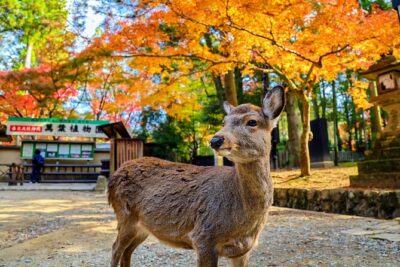
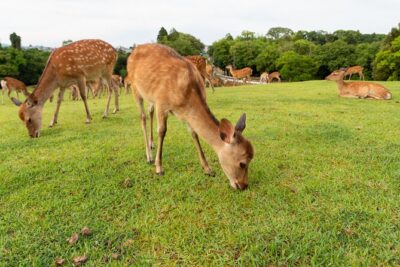
You can buy special deer crackers and feed the animals. The deer are regarded as sacred messengers to the gods, and they are accustomed to people. Their friendliness is part of the charm, but they can also be cheeky and persistent once they see food in your hand. Keep the crackers moving and follow local guidance.
The deer are a highlight for many families, and the stop adds something different from the temples. You are not only looking at architecture. You are taking part in a small, distinctly Nara custom.
The time limit is the concern. If the deer are your main reason for visiting Nara, 20 minutes may feel brief, especially if you want photos, buy crackers, and walk between the park and Todai-ji. Ask the guide early if your group wants to give Nara more time, though any change may mean less time elsewhere.
Kinkaku-ji, Kyoto’s Golden Pavilion
Kinkaku-ji, or the Golden Pavilion, is one of Kyoto’s most recognizable sights. The gold-covered building sits beside a pond, with gardens and trees framing the view. The setting is carefully composed, and the reflection can be striking when conditions are calm.
You have about one hour, and admission is included. The route around the grounds is designed for viewing rather than lingering in every corner. You will likely spend much of your time photographing the pavilion, listening to the guide explain the site, and walking the garden path.
This is a place where crowds can affect the experience. The pavilion is visually impressive, but the viewing area can feel crowded, and the visit is not a private meditation. A guide who knows the flow of the grounds can help you use the hour well.
The included 500-yen admission is modest, but it still helps the value of the tour. You do not need to stop and handle that ticket yourself, and the guide can focus on the story and the route.
Same base, a different sort of day:
- PERFECT KYOTO 1-Day Bus Tour
★ 5.0 · 13,518 reviews - Kyoto: Fushimi Inari, Kinkakuji, Bamboo Grove 1 Day Bus Tour
★ 4.8 · 4,316 reviews - Kyoto: Tea Ceremony in a Traditional Tea House in Kiyomizu
★ 4.9 · 3,519 reviews - Kyoto Geisha Walking Tour: Gion District & Hidden Gems
★ 4.7 · 3,273 reviews
Arashiyama’s Kimono Forest
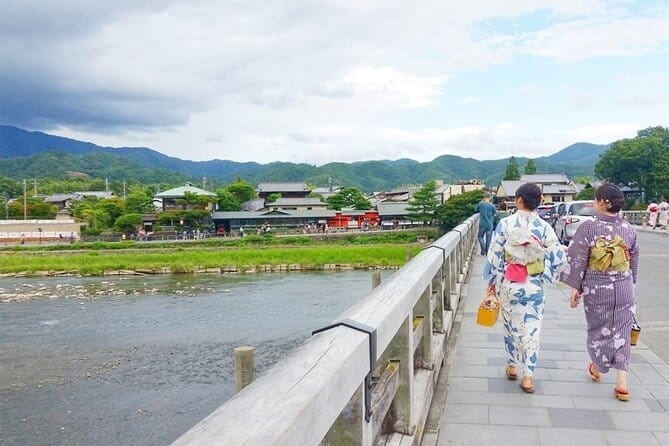
At Arashiyama Station, the Kimono Forest is a quick, colorful stop made from cylindrical pillars wrapped in kimono fabrics. It is an art installation rather than an old temple or shrine, and it gives the day a modern counterpoint.
You have about 20 minutes here. That is enough for photos and a quick look, but not enough for a long station-area visit. The display works well as a transition into the broader Arashiyama area, especially if you enjoy design and Japanese textiles.
Do not confuse this with the bamboo grove. The Kimono Forest is at the station, while the bamboo paths require a separate walk. The tour includes both, which is convenient, but your guide will still need to manage the clock carefully.
Two hours in Arashiyama
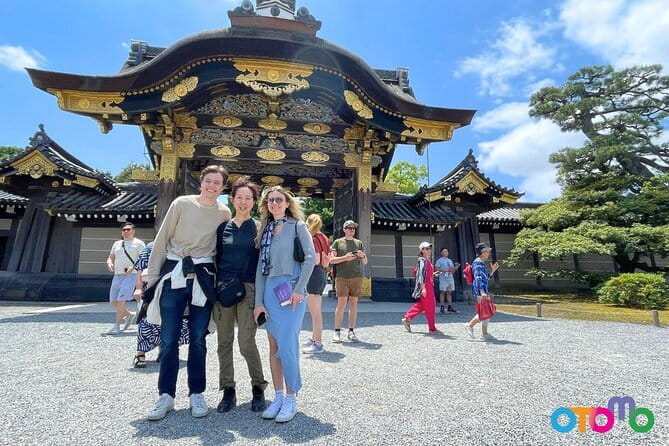
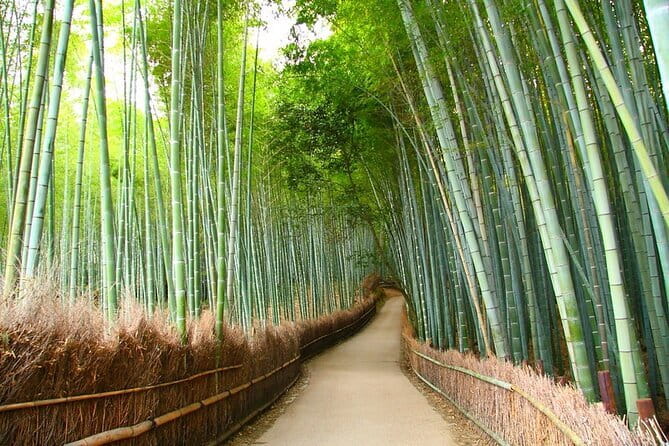
Arashiyama receives the longest scheduled stop, about two hours. That gives you time to walk among the tall bamboo stalks and enjoy one of Kyoto’s most photographed areas.
The bamboo grove is attractive because the experience is about scale and atmosphere. The narrow paths, towering stalks, and filtered light create a scene that feels very different from Nara’s open park and Todai-ji’s massive hall.
The honest warning is crowding. Arashiyama is one of Kyoto’s best-known areas, and the central path can be full. A private guide cannot remove the crowds, but can help you move efficiently and point out how to make the most of the time.
Two hours sounds generous, yet it can disappear quickly once you account for walking, photos, and getting back to the vehicle. If you want a sit-down meal in Arashiyama, clarify that with the guide. The schedule includes lunch only if the group and timing allow it, and gratuities are not included.
Several detailed accounts praise guides for recommending local ramen and other practical food stops. One useful warning: ask before ordering if a restaurant is cash-only. That small question can save an awkward moment at the end of a busy day.
Fushimi Inari’s red gates
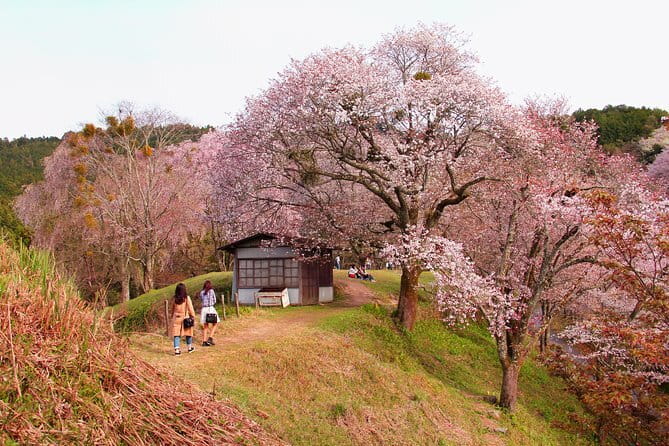
Fushimi Inari-taisha is the final listed stop, with about one hour. The shrine is dedicated to Inari, associated with rice and prosperity, and is known for its long paths of vermilion torii gates through wooded hills.
The gates are the visual signature, but the route is more than a photo backdrop. The walk shows how a Shinto shrine can extend into the surrounding forest, with smaller shrines and changing views as you go.
One hour is enough for a taste, not a full trek. The torii paths continue far beyond the first section, and you will not cover the entire route in the time available. If you want to walk higher up the mountain, tell the guide at the start of the visit. You may need to choose between distance and time for photos.
Fushimi Inari is also a good place for your guide to explain shrine customs. The tour includes English commentary, and past descriptions of Ben and Christine emphasize their explanations of local rituals and cultural meaning. That can help you approach the shrine with respect rather than treating it as just a series of orange gates.
What the private vehicle changes
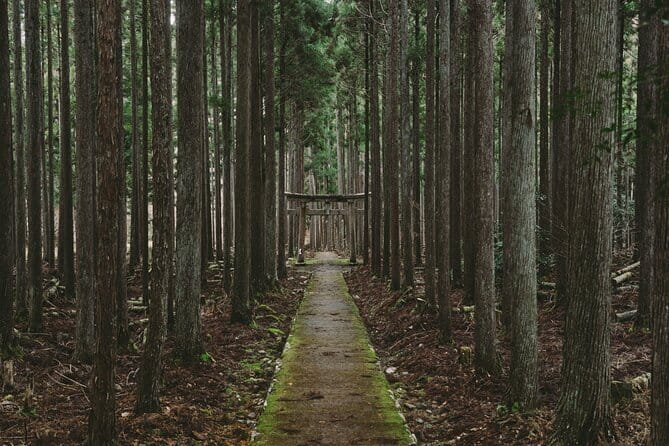
The transportation is not a minor convenience. Kyoto and Nara’s popular sights are spread out, and a day combining both cities requires transfers. With private transport, you can leave your hotel with the route already arranged and keep your group together.
The vehicle is air-conditioned, and several accounts describe it as spacious and comfortable. Water, umbrellas, and snacks were also provided on some outings, but those extras are not listed as guaranteed inclusions, so do not book on the assumption that every item will be supplied.
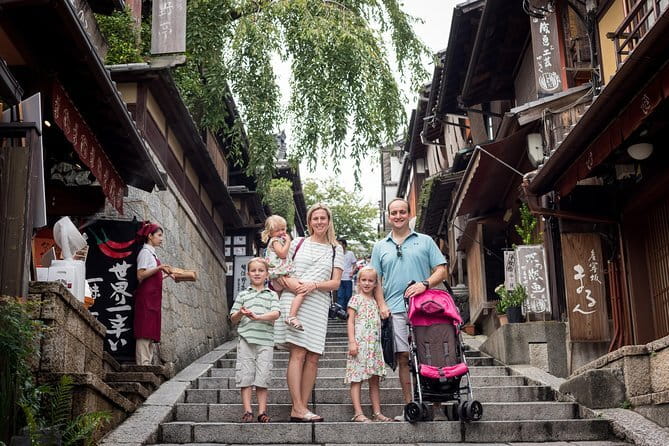
The private setup is particularly useful for families. One account describes a group of four adults and two children fitting comfortably in the van, while another family appreciated not having to navigate the sights alone. Confirm the vehicle arrangement for your exact group when booking, especially if you have luggage or mobility concerns.
You should still expect walking, standing, and temple access routes. The activity calls for moderate physical fitness. Service animals are allowed, and the stops are near public transportation, though the tour itself uses private transport.
Guides, language, and flexibility
The guide can make or break a fast day like this. The named guides include Ben, also known as Yujiro, Christine, and Caroline. The strongest praise centers on friendly conversation, clear English, local cultural explanations, good photos, and a willingness to shape the day around the group.
Ben is repeatedly described as warm, humorous, and attentive. He has helped families with children, answered questions about Japanese customs, and suggested food stops. Christine is praised for prompt pickup, strong English, detailed explanations, and knowing how to move through familiar sights efficiently. Caroline is also associated with a well-managed day covering Nara and Kyoto.
You should keep one point in mind: guide style can vary. One lower-scoring account wanted more facts and stories during the long drives and felt the commentary was lighter than expected. If you want a guide who talks continuously about history between every stop, say so at the start. If you prefer a relaxed companion who gives useful briefings and then lets you explore, the format may suit you better.
The tour is listed at $266.85 per person. That is not cheap, especially for a larger group, but the price includes private transportation, fuel, parking, an English guide, Todai-ji admission, and Kinkaku-ji admission. It also includes the travel time from Osaka to Kyoto and Nara and back to Osaka.
I see the value most clearly for two to six people who would otherwise pay for several train or taxi journeys and spend time finding the correct exits, platforms, and local connections. Solo visitors or couples who are happy using public transport may find the price harder to justify.
The private format also has a value that is easy to miss. You are buying time and reduced friction. You do not need to make every transport decision while tired, and you can ask for help with photos, food, shrine customs, and route changes.
The pace, crowds, and physical effort
The schedule is ambitious. Todai-ji receives one hour, Nara Park 20 minutes, Kinkaku-ji one hour, the Kimono Forest 20 minutes, Arashiyama two hours, and Fushimi Inari one hour. That leaves the remaining time for pickup, driving, parking, walking, and meals.
You will not see every important corner of either city. You will see a useful selection of major sights, which is exactly why this tour works best as a first look or a one-day snapshot.
Crowds are another part of the equation. Kyoto’s famous sites can be packed, particularly at Kinkaku-ji, Arashiyama, and Fushimi Inari. Some guide accounts describe timing visits well, but no tour can promise empty paths. Keep your expectations practical and treat the crowds as part of the setting.
Weather matters too. The experience requires good weather. If poor weather cancels the tour, you are offered another date or a full refund. For your own comfort, carry suitable shoes and clothing for a long day outside and inside temple grounds.
Cancellation is free up to 24 hours before the start time for a full refund. Changes or cancellations inside that window are not accepted, so check the local cutoff time before making plans.
Who should book this day
I would choose this tour if you are staying in Osaka, have only one open day, and want to see both Nara and Kyoto without handling the transport yourself. It is also a sensible choice for families, older relatives who prefer a private vehicle, and groups that want to stay together.
It suits first-time visitors who want the main sights explained in English. Guides can add meaning to Todai-ji, the deer, Kinkaku-ji, and Fushimi Inari rather than leaving you to decode each place alone.
I would be cautious if your main goal is a slow Kyoto experience. You may prefer to spend a full day in Arashiyama, walk much farther at Fushimi Inari, or linger over meals and small streets. This tour trades depth for range.
Should you book the Kyoto and Nara private tour?
Book it if convenience, coverage, and a private guide matter more to you than a relaxed pace. The route gives you major sights in both cities, includes two useful admissions, and removes much of the transport work from a complicated day.
Before booking, decide what you would cut if time gets tight. Nara’s deer, the Great Buddha, Kinkaku-ji, the bamboo grove, and Fushimi Inari all compete for attention. Tell Ben, Christine, Yujiro, or your assigned guide which two or three matter most, and ask about lunch and cash before the day begins.
At $266.85 per person, this is a premium day trip. For a group that values a comfortable van, hotel pickup, local guidance, and a flexible private schedule, the cost can be fair. For an independent couple comfortable with trains, a slower self-guided plan will likely offer better value.
FAQ
How long does the private Kyoto and Nara tour last?
The experience lasts approximately 8 to 10 hours.
Where can pickup take place?
Pickup is offered from hotels in Osaka or Kyoto.
Is transportation private?
Yes. This is a private activity, and only your group participates. An air-conditioned vehicle is included.
Which admission tickets are included?
Admission to Todai-ji Temple and Kinkaku-ji Temple is included. The listed prices are 800 yen for Todai-ji and 500 yen for Kinkaku-ji.
Are parking and fuel included?
Yes. Parking fees and the fuel surcharge are included.
Is an English-speaking guide included?
Yes. An English tour guide is included. Guides associated with the experience include Ben, also called Yujiro, Christine, and Caroline.
Can I feed the deer in Nara Park?
Yes. You can buy special deer crackers in Nara Park and feed the deer.
Are meals included?
Meals are not listed as an inclusion. Guides may help you find a local restaurant, and one reported ramen stop was cash-only, so ask about payment before ordering.
How physically demanding is the tour?
A moderate level of physical fitness is recommended. The day includes walking and standing at temple grounds, shrines, parks, and the bamboo area.
What happens if bad weather cancels the tour?
You can choose a different date or receive a full refund if the experience is canceled because of poor weather.
Can I cancel for a full refund?
Yes, if you cancel at least 24 hours before the experience start time. Cancellations or changes made less than 24 hours before the start time are not accepted for a refund.
Just added in Kyoto
- Private Cooking Class Udon in Kyoto Japan★ 5.0 · 23 reviews
- Your Private Vacation Photography Session In Kyoto★ 5.0 · 110 reviews
- Kyoto: Zen Meditation at a Private Temple with a Monk★ 5.0 · 25 reviews
- Private Pewter Sake Cup Experience with a Kyoto Artisan★ 5.0 · 31 reviews
- Kyoto Wagashi(Japanese sweets) Cooking Class near Fushimiinari★ 5.0 · 60 reviews
- Kyoto:Family-Friendly Kimono & Yukata Experience at WARGO★ 5.0 · 147 reviews
- Private Guided Traditional Buddhist Cooking in Japan★ 5.0 · 16 reviews
- Kyoto: Gion Geisha District & Sake-in-Hand Walking Tour★ 5.0 · 37 reviews
Nara & the Deer Park, compared.
World Heritage Kyoto & Nara Uji Authentic Matcha Experience
Read our review →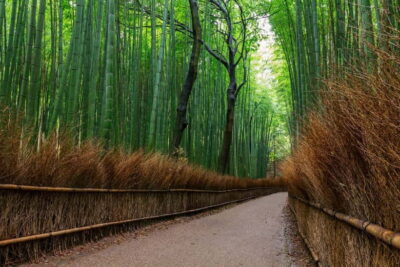
Kyoto/Osaka: Nara, Fushimi Inari Taisha, Arashiyama Bus Tour
Read our review →
Nara Half Day Trip Walking Tour (Private Option Available)
Read our review →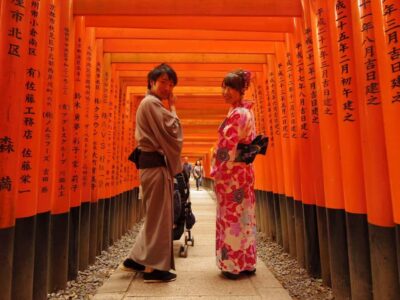
Osaka/Kyoto: Arashiyama, Nara & Fushimi Inari Shrine w/Lunch
Read our review →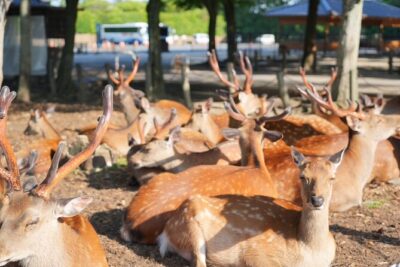
Nara Early Morning Tour (Kyoto or Osaka Departure Available)
Read our review →
Full Day Guided Tour to Kyoto and Nara from Osaka by Van
Read our review →
Browse the lists this tour appears in