
Reviewed · NARA & THE DEER PARK
Kyoto Private Car Tour – Full Day with Local Guide & Nara Option
Kyoto is a city where a private car can save your day. The main sights sit far apart, and traffic, crowded buses, and long walks can eat up precious hours. This tour links Kinkakuji, Arashiyama, Gion, and Fushimi Inari with hotel pickup and drop-off, while a guide such as Riku or Tatsuya handles the driving and route.
I like the personal service and the freedom to adjust the day. Guides have arranged ramen and sushi lunches, helped with lost phones, stopped at a pharmacy, added tea ceremony shopping, and changed plans when rain arrived. I also like the care shown to families and people with knee or mobility trouble.
The catch is simple: eight hours is not enough for everything. The famous sites can be packed, and the long transfer to Nara may mean less time in Kyoto. One unhappy experience came from seeing only Kinkakuji and the bamboo forest, so you should agree on priorities before leaving the hotel.
Key points to know before booking
- Four major Kyoto stops: Kinkakuji, Arashiyama, Gion, and Fushimi Inari are built into the standard route.
- Private hotel pickup and drop-off: Your group rides in an air-conditioned vehicle without waiting for other passengers.
- Guides who adjust the day: Riku, Tatsuya, Tatsu, and Shunsuke are praised for flexible pacing, local food suggestions, and patient assistance.
- Nara can replace part of Kyoto: The Nara option may include deer, Kasuga Taisha, and Todaiji, but it creates a longer driving day.
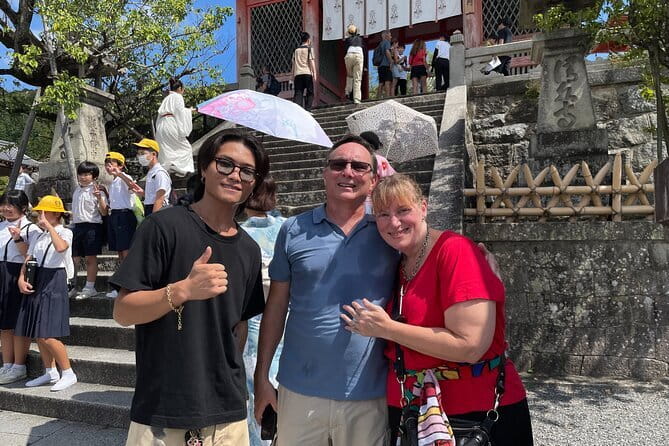
- Admission fees are not fully covered: Kinkakuji and some other attractions require separate payment, and Kiyomizudera is listed at about $10.
- Best for a first Kyoto visit: This is especially useful when you have one full day, older relatives, children, or limited energy.
Why a private car helps in Kyoto
Kyoto looks compact on a map, but its sights spread across the city. Kinkakuji is in the north, Arashiyama is to the west, Fushimi Inari is to the south, and Gion sits closer to the center. Public transport works well in Kyoto, but it can involve trains, buses, crowded platforms, and extra walking.
A private car does not remove traffic. It does remove much of the waiting and navigation. You can leave your hotel with a route already planned, ride between distant areas, and return to the car when your legs need a break.
The tour lasts about eight hours and costs $170 per person. That is not the cheapest way to see Kyoto, especially for one or two people. For a family or group, though, the price can make more sense because you are paying for a private vehicle, driver, English-speaking guide, fuel, parking, and expressway costs.
You still pay for lunch and attraction tickets. That matters when comparing the total cost with a group bus tour or a self-guided day using trains and buses. The value is strongest if you care about saving time, avoiding transfers, and shaping the day around your group.
Other day trips out of Kyoto:
- Kyoto/Osaka: Nara, Fushimi Inari Taisha, Arashiyama Bus Tour
★ 4.7 · 1,275 reviews - Osaka/Kyoto: Arashiyama, Nara & Fushimi Inari Shrine w/Lunch
★ 4.4 · 754 reviews - Kyoto and Nara Day Trip from Kyoto
★ 4.5 · 445 reviews
Kinkakuji gives you Kyoto’s quickest wow
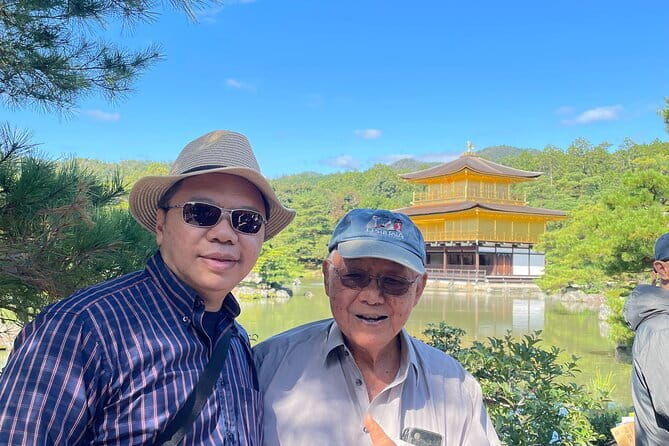
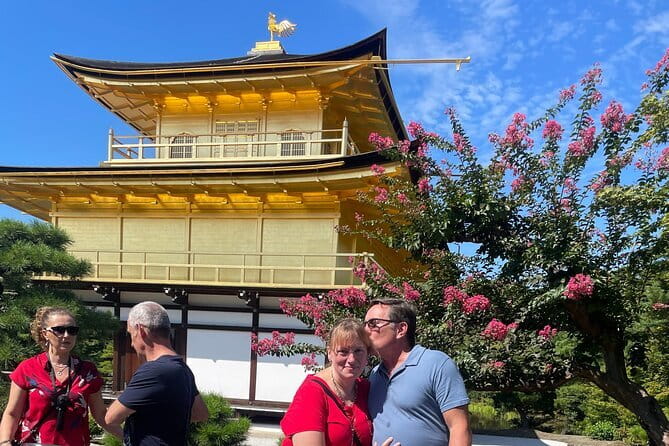
The first stop is Kinkakuji, the Golden Pavilion. Its upper two floors are covered in gold leaf, and the building reflects in the pond in front of it. The view is dramatic and easy to appreciate even if you have only one hour.
The grounds offer more than a single photograph. You follow a set walking route past the pond, temple buildings, gardens, and small religious features. Your guide can explain what you are seeing instead of leaving you to take a quick picture and move on.
Admission is not included, so bring money for the ticket. One hour is a sensible amount of time here, but it can feel short if you want a slow garden walk or if the grounds are crowded.
Kinkakuji is also a useful early stop because it gives you one of Kyoto’s most recognizable sights without requiring a long hike. The drawback is popularity. The reflective view may be serene, but the path around it can be busy, especially at peak times.
Arashiyama means bamboo, bridges, and extra choices
The two-hour Arashiyama stop is the most flexible part of the day. The area is known for its bamboo grove, but the grove is only one piece of the visit. Depending on your pace, you might see nearby temples, walk toward the river, or take a rickshaw through the bamboo and quieter parts of the area.
Rickshaw rides cost extra, but they can be useful for anyone tired by walking or stairs. One family with knee problems found the ride especially worthwhile. Another group with children enjoyed the chance to add an activity rather than simply walk through the grove.
Arashiyama can also be the stop most affected by crowds. The bamboo path is famous, and at busy times it may feel more like a shared photo corridor than a quiet forest walk. Do not assume that two hours guarantees a peaceful visit. Ask your guide how to use the time, and decide if the grove, a temple, the bridge, or a rickshaw matters most to you.
The schedule lists admission as included for Arashiyama, but the wider tour information says attraction admission is generally not included. Ask exactly what is covered before booking, especially if you plan to enter temples or pay for a rickshaw.
Gion shows Kyoto’s older street life
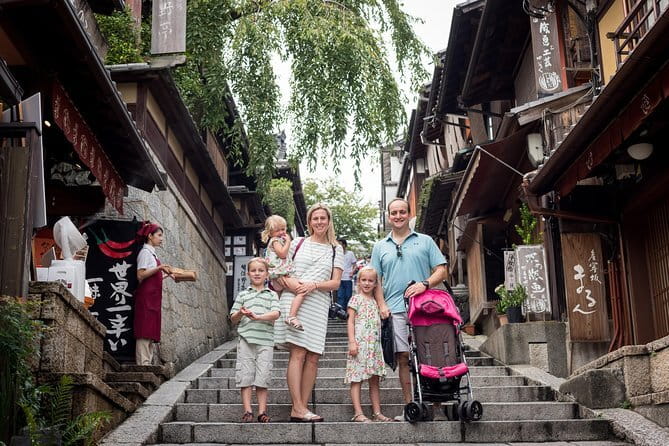
Gion gets one hour on the standard schedule. This historic district is linked with geisha and maiko culture, traditional wooden buildings, tea houses, and narrow streets. It is a good place for your guide to explain how Kyoto’s entertainment districts developed and how to behave respectfully around working performers.
An hour is enough for a walk and an introduction, not a full study of the district. You may see beautiful lanes and traditional architecture, but you should not expect a long cultural performance or guaranteed sighting of a geisha or maiko. The tour promises the district, not a staged encounter.
This is where a local guide adds value. A guide can point out details you might pass without noticing and help you avoid treating residential streets as a film set. Keep your camera ready, but keep your manners ready too.
Gion is also a sensible stop for visitors who want a change of pace after temples. The area feels less like a formal attraction and more like part of Kyoto’s living city.
Same base, a different sort of day:
- PERFECT KYOTO 1-Day Bus Tour
★ 5.0 · 13,518 reviews - Kyoto: Fushimi Inari, Kinkakuji, Bamboo Grove 1 Day Bus Tour
★ 4.8 · 4,316 reviews - Kyoto: Tea Ceremony in a Traditional Tea House in Kiyomizu
★ 4.9 · 3,519 reviews - Kyoto Geisha Walking Tour: Gion District & Hidden Gems
★ 4.7 · 3,273 reviews
Fushimi Inari rewards energy and patience
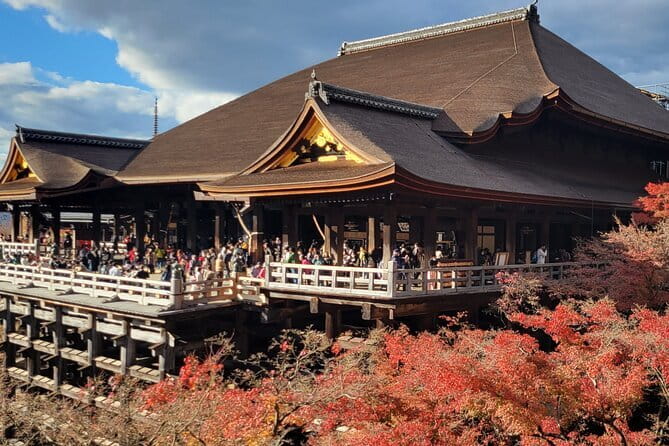
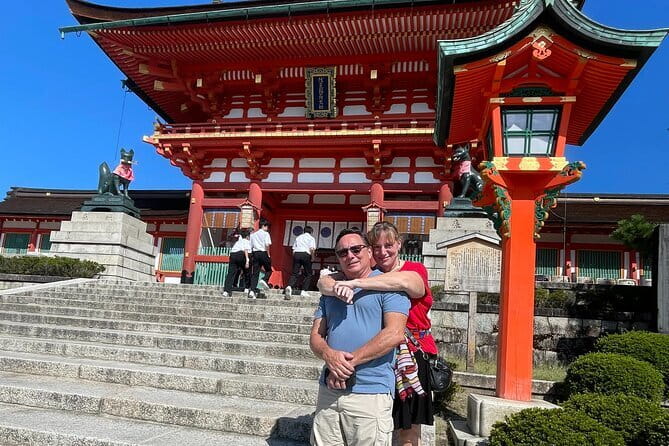
Fushimi Inari Taisha is known for its thousands of orange torii gates climbing the wooded slopes of Mount Inari. The two-hour stop gives you time to enter the shrine grounds and walk through at least part of the famous gate paths.
You do not need to climb all the way to the top to enjoy the sight. The gates begin close to the shrine and become quieter as you walk farther. That makes this a good place to set your own pace. If you have limited mobility, tell your guide early and choose a shorter section.
The shrine can be crowded near the entrance. The farther you walk, the more the character changes, but the route includes stairs and an uphill grade. Comfortable shoes matter. A guide can help you decide how far to go without turning the last stop into an exhausting race.
Fushimi Inari is also a strong late-day choice because the torii create striking views in changing light. One account described seeing the gates by moonlight, though conditions naturally vary. The tour does not promise a particular time or weather, so treat that as a pleasant possibility rather than part of the package.
Adding Nara changes the shape of the day
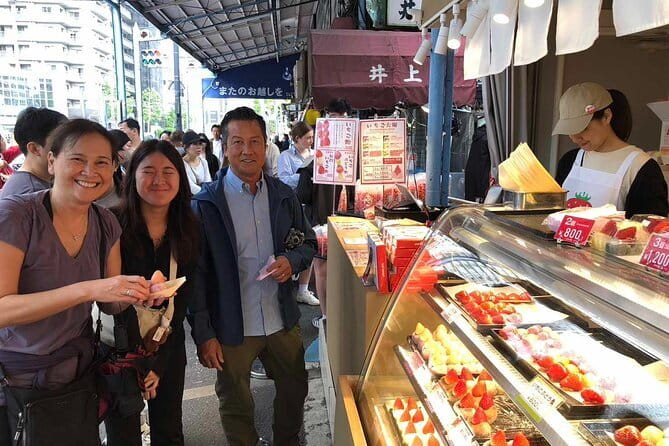
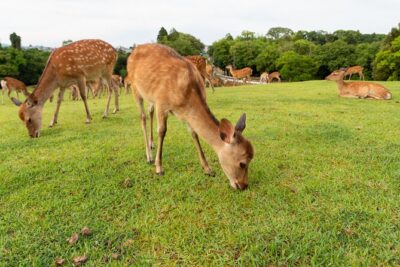
The Nara option is a major choice, not a small add-on. Nara brings a different setting, with tame deer around places such as Kasuga Taisha and Todaiji. The deer park and Todaiji can provide some of the most memorable moments of the day, especially if you want temples and animals in the same outing.
The tradeoff is distance. Driving between Kyoto and Nara takes time, and a cruise passenger coming from the port may already spend more than an hour on the road before reaching Kyoto. You cannot see every Kyoto stop at a relaxed pace and also give Nara the attention it deserves.
If Nara is your priority, tell the guide before the day begins. Some combinations described by guests included Nara with Arashiyama and Fushimi Inari, while other days focused on Kyoto’s main sights. The exact balance depends on traffic, walking speed, and what you choose to skip.
Nara is a good choice for a second Kyoto day, a family with animal lovers, or anyone who values Todaiji and Kasuga Taisha more than Gion or Kinkakuji. For a first and only day in Kyoto, I would normally keep the route within Kyoto unless Nara is the main reason you are booking.
The guides are the heart of the experience
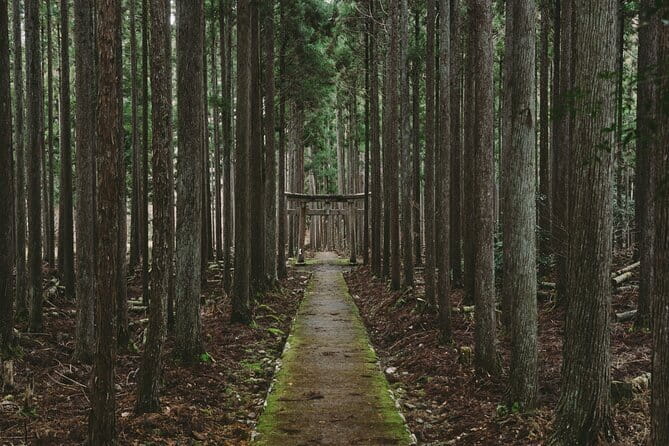
The guide names that appear most often are Riku, Tatsuya, Tatsu, and Shunsuke Nishio, though the person assigned to you can vary. Their strongest role is not delivering a fixed speech. It is making the day work for your group.
Riku is praised for confirming pickup details, driving safely, adjusting the route for rain, helping with mobility limits, and finding local ramen or sushi. Tatsuya is noted for clear English, cultural explanations, restaurant suggestions, and patience when a group wanted to add a tea ceremony shop. Shunsuke is described as especially attentive to a guest with mobility issues.
The service also goes beyond sightseeing. Guides have helped with a lost phone, found a pharmacy for a guest with a cold, and adjusted stops for children aged four and seven. These small acts matter when you are far from home and the day is moving quickly.
Do not expect every guide to have the same personality or exact local recommendations. Still, the pattern is clear: the best use of this tour is to tell your guide what matters to you. Mention food, shopping, photography, children, stairs, temples, or rest breaks at the start.
Lunch is part of the local flavor
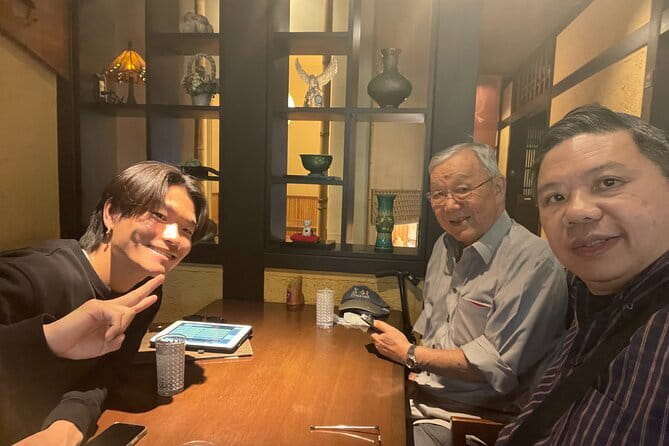
Lunch is not included, but it can become one of the best parts of the day. Guides have taken groups to ramen shops, sushi restaurants, and traditional local restaurants that were not on a standard sightseeing route.
That flexibility is useful because an eight-hour day leaves little time for hunting down food on your own. You can ask for a certain dish or price range, then let the guide suggest a place. One group specifically requested ramen, while another enjoyed sushi and tempura at a local restaurant.
The practical point is to budget for lunch separately and tell your guide about food needs before the tour starts. The tour does not promise a particular restaurant, menu, or meal style.
Mobility, children, and the real walking level
The car makes this tour easier than a bus or walking tour, but the sights still involve uneven paths, stairs, and outdoor walking. Fushimi Inari rises uphill, Arashiyama involves walking, and temple grounds can be broad.
The private format helps because you can slow down, return to the car, or change the route when someone is tired. Several guides are praised for assisting people with knee problems or partial wheelchair use. That is valuable, but it does not make every attraction fully accessible.
Families also benefit from the flexible pace. A guide can suggest an activity for children, shorten a stop, or rearrange the order. If a wheelchair or serious mobility concern is involved, explain the need before booking and confirm what the vehicle and each stop can accommodate.
A few practical cautions before you reserve
Pickup and drop-off are included, and the vehicle is air-conditioned. The tour also covers parking, gasoline, and expressway fees, so you do not need to manage those costs during the day.
If you are arriving from a cruise ship, confirm the meeting point carefully. One experience involved confusion at a busy port, where clearer signage would have helped. If you are staying in Osaka, allow for the longer road journey to Kyoto and the return trip.
I would also confirm the date and pickup time a day or two before departure. One booking problem involved a rescheduled time being recorded incorrectly, though a replacement guide was eventually arranged. This is an easy precaution and costs nothing.
Cancellation is free up to 24 hours before the start time. Changes or cancellations inside that window are not accepted for a refund.
Who gets the best value from this tour?
I would choose this tour if you have one full day in Kyoto and want the major sights without learning the bus system. It is also a strong fit for families, older relatives, cruise passengers, and groups with different walking speeds.
It is less appealing if you enjoy wandering slowly, prefer public transport, or want to spend half a day at one temple. The fixed eight-hour frame encourages coverage. It does not create endless time at each place.
At $170 per person, the tour earns its price through private transport, a guide, hotel service, and time saved. It becomes better value with three or more people, or when mobility and convenience matter more than keeping costs low. Add admission fees, lunch, and optional rickshaw rides to your budget.
Should you book this Kyoto private car tour?
Book it if your goal is to see a lot in one day and have a guide shape the route around your needs. The strongest parts are the private vehicle, flexible pacing, hotel pickup, and guides who can make practical choices about food, weather, children, and mobility.
Before booking, decide if you want Kyoto only or the Nara option. Then send your top three priorities to the guide and ask which stops must be shortened or dropped. If you do that, this tour can turn a sprawling city into a manageable, well-paced day.
FAQ
How long is the Kyoto private car tour?
The tour lasts approximately eight hours.
What places are included in the standard Kyoto route?
The standard route includes Kinkakuji Temple, Arashiyama, Gion, and Fushimi Inari Taisha Shrine.
Is hotel pickup and drop-off included?
Yes. Hotel pickup and drop-off are included, along with transportation in an air-conditioned vehicle.
Is the tour private?
Yes. Only your personal group participates in the tour.
Can I choose the Nara option?
Yes. A Nara option is available, but adding Nara changes the amount of time available for Kyoto stops.
Are attraction admission fees included?
No. Admission fees are generally not included. Kiyomizudera is listed at about $10, and you should confirm the exact fees for the attractions you plan to visit.
Can I cancel for a full refund?
You can cancel up to 24 hours before the experience start time for a full refund. Cancellations or changes made less than 24 hours in advance are not accepted.
Just added in Kyoto
- Private Cooking Class Udon in Kyoto Japan★ 5.0 · 23 reviews
- Your Private Vacation Photography Session In Kyoto★ 5.0 · 110 reviews
- Kyoto: Zen Meditation at a Private Temple with a Monk★ 5.0 · 25 reviews
- Private Pewter Sake Cup Experience with a Kyoto Artisan★ 5.0 · 31 reviews
- Kyoto Wagashi(Japanese sweets) Cooking Class near Fushimiinari★ 5.0 · 60 reviews
- Kyoto:Family-Friendly Kimono & Yukata Experience at WARGO★ 5.0 · 147 reviews
- Private Guided Traditional Buddhist Cooking in Japan★ 5.0 · 16 reviews
- Kyoto: Gion Geisha District & Sake-in-Hand Walking Tour★ 5.0 · 37 reviews
Nara & the Deer Park, compared.
World Heritage Kyoto & Nara Uji Authentic Matcha Experience
Read our review →
Kyoto/Osaka: Nara, Fushimi Inari Taisha, Arashiyama Bus Tour
Read our review →
Nara Half Day Trip Walking Tour (Private Option Available)
Read our review →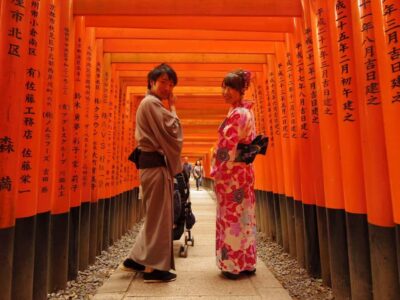
Osaka/Kyoto: Arashiyama, Nara & Fushimi Inari Shrine w/Lunch
Read our review →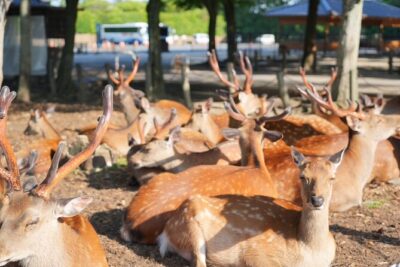
Nara Early Morning Tour (Kyoto or Osaka Departure Available)
Read our review →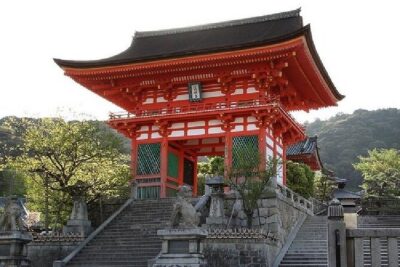
Full Day Guided Tour to Kyoto and Nara from Osaka by Van
Read our review →
Browse the lists this tour appears in