
Reviewed · CITY TOURS
Kyoto & Uji: Full Day Sightseeing Tour from Osaka or Kyoto
Kyoto’s famous sights are spread out, and Uji sits south of the city. This tour solves that problem in one long day, taking you from the Golden Pavilion to Kiyomizu-dera, then on to Uji’s river, shrine, tea street, and Byodo-in. You get a broad look at two very different parts of Kyoto Prefecture without having to piece together every train, bus, and walking route.
I like the mix of major temples and ordinary streets, especially the hour set aside for Ninenzaka and Sannenzaka and the stop along Byodoin Omotesando. I also like the practical format: an air-conditioned vehicle, a guide, and clear meeting and return times. The tradeoff is the pace. Eight stops in about nine hours leaves little room for a long meal, quiet temple time, or wandering far from the planned route.
Key points to know before booking
- Eight major stops in one day: Kinkaku-ji, Kiyomizu-dera, Ninenzaka and Sannenzaka, Yasaka Koshindo, the Uji River, Uji Shrine, Byodo-in, and Byodoin Omotesando.
- A useful Kyoto and Uji combination: You see Kyoto’s best-known sights, then add a smaller city famous for tea and the Phoenix Hall.
- Temple admission costs extra: The listed 1,600 yen covers Kinkaku-ji, Kiyomizu-dera, and Byodo-in, according to the tour details.
- About nine hours on the road: The schedule is full, but an air-conditioned vehicle makes the long day easier.
- Lunch is not included: You need to plan around the stops and available free time.
- Maximum group size of 45: This is a large coach-style outing, not a private or small-group tour.
Why this Kyoto and Uji route works
The main strength of this outing is its range. Kyoto gives you grand temples, old wooden streets, and famous viewpoints. Uji adds a slower-feeling river setting, a shrine with a rabbit theme, and a temple centered on one of Japan’s most recognizable buildings.
If you have only one free day, this route gives you a sensible first look. You will not see every corner of either city, but you will cover several of the places most people hope to visit. I see the tour as a good introduction rather than a relaxed study of Kyoto.
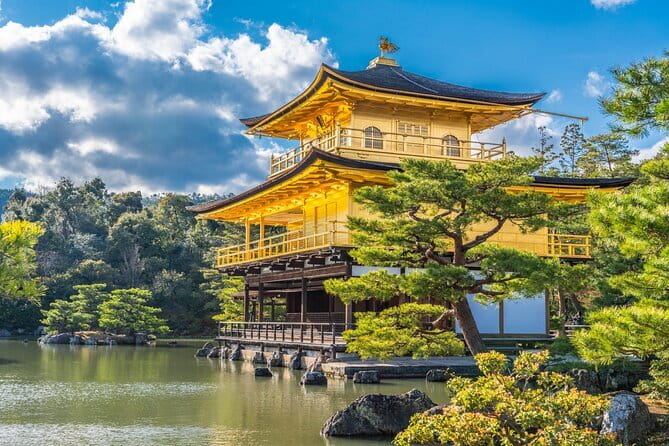
The sequence also has a useful contrast. Kinkaku-ji is polished and formal, with its gold-covered upper levels reflected in a pond. Kiyomizu-dera and the old streets below it feel more layered and urban. Uji then changes the mood with water, tea shops, and the elegant Phoenix Hall at Byodo-in.
The vehicle matters here. Kyoto’s major sights can be awkward to connect in one day by public transport, especially when you add Uji. An air-conditioned vehicle saves energy and removes some route planning, though you should still expect traffic and a fair amount of walking at the stops.
Other ways to see Kyoto in a day:
- Kyoto: Hop-on Hop-off Sightseeing Bus Ticket
★ 3.9 · 2,034 reviews - Full-Day Sightseeing to Kyoto Highlights
★ 5.0 · 77 reviews - Kyoto: Full-Day City Highlights Bike Tour with Light Lunch
★ 5.0 · 52 reviews
Kinkaku-ji and the Golden Pavilion
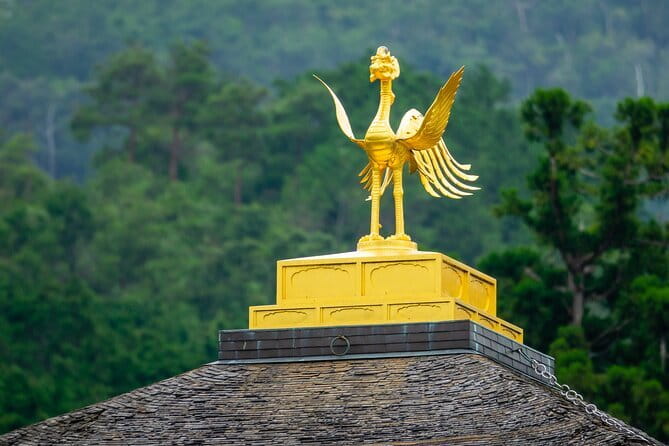
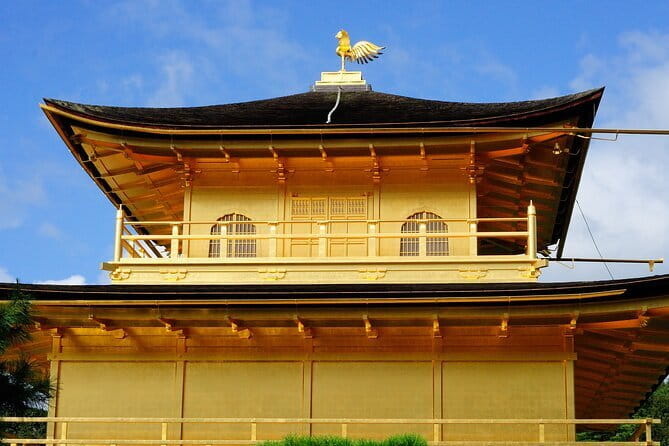
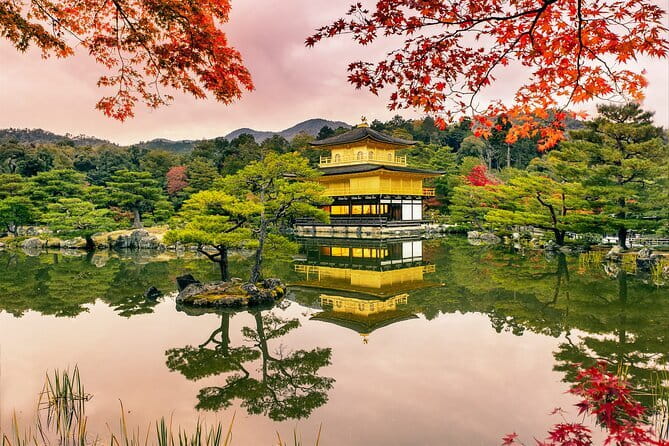
The day begins with Kinkaku-ji, commonly called the Golden Pavilion. This Zen Buddhist temple is a UNESCO World Heritage site, and its bright exterior is designed to catch your eye immediately.
You have about 40 minutes here, with admission not included in the tour price. That is enough time to see the pavilion, walk through the garden route, and take photographs from the main viewing areas. It is not enough for an unhurried visit or a long look at every feature.
The setting explains much of the temple’s appeal. The gold building sits beside a pond, and the surrounding garden gives you changing views as you walk. The effect is highly composed, almost like a painting, but the popularity also means this can be one of the busier stops.
I would arrive ready to keep moving. Have your camera and payment for admission prepared so you do not lose part of the short visit. The pavilion is the focus, and you should not expect broad access to the interior.
Kiyomizu-dera and the streets below
Kiyomizu-dera receives about an hour, making it one of the more substantial stops. Founded in 780 at the site of the Otowa Waterfall, it is part of the UNESCO-listed Historic Monuments of Ancient Kyoto.
The temple is known for its wooden stage and hillside setting. The visit involves walking, slopes, and steps, so comfortable shoes are more useful here than stylish ones. The hour gives you time to take in the temple grounds and the surrounding views, but it can pass quickly if you stop often for photographs.
Admission is not included. The tour information groups the Kinkaku-ji, Kiyomizu-dera, and Byodo-in admissions together at 1,600 yen, so budget for that additional cost rather than treating the advertised price as the full expense.
Kiyomizu-dera is also the gateway to the next part of the route. Instead of returning straight to the vehicle, you continue through Ninenzaka and Sannenzaka, two sloping streets filled with traditional-style buildings and shops.
Ninenzaka, Sannenzaka, and Yasaka Koshindo
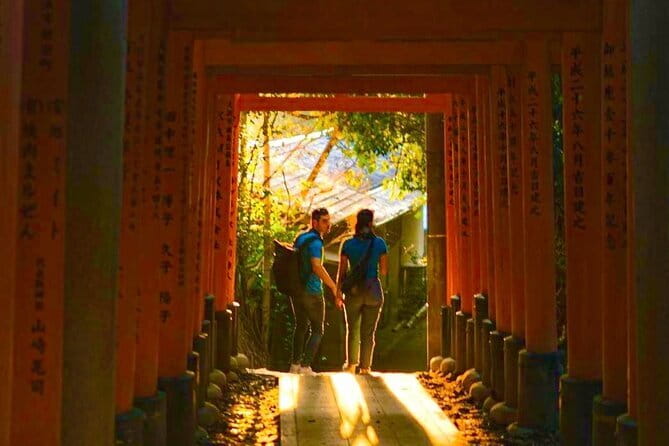
You get about an hour for Ninenzaka and Sannenzaka. This is one of my favorite parts of the plan because it gives you a chance to experience Kyoto at street level, not only through temple gates.
The lanes have a historic appearance, with wooden-fronted buildings and shops arranged along the slopes. You might find tea, sweets, souvenirs, and small food stops here, but the schedule does not promise a full shopping session. Use the time to walk, take in the architecture, and keep an eye on the meeting instructions from your guide.
The surfaces are uneven in places, and the streets can be crowded. That is part of the experience, but it also means this is not a quiet neighborhood stroll. Stay aware of the return time because it would be easy to wander farther than the group route allows.
Yasaka Koshindo gets another 30 minutes. Officially Daikokusan Kongoji Temple Koshindo, it is especially recognizable for its colorful monkey-shaped charms. The monkeys are linked with the temple’s religious theme and create a very different visual mood from the gold and dark wood of the larger temples.
This short stop works well as a quick cultural detail. It is not a full temple visit, so you should treat it as a focused pause rather than expect a long explanation or extended free time.
Same base, a different sort of day:
- PERFECT KYOTO 1-Day Bus Tour
★ 5.0 · 13,518 reviews - Kyoto: Fushimi Inari, Kinkakuji, Bamboo Grove 1 Day Bus Tour
★ 4.8 · 4,316 reviews - Kyoto: Tea Ceremony in a Traditional Tea House in Kiyomizu
★ 4.9 · 3,519 reviews - Kyoto Geisha Walking Tour: Gion District & Hidden Gems
★ 4.7 · 3,273 reviews
The change of pace in Uji
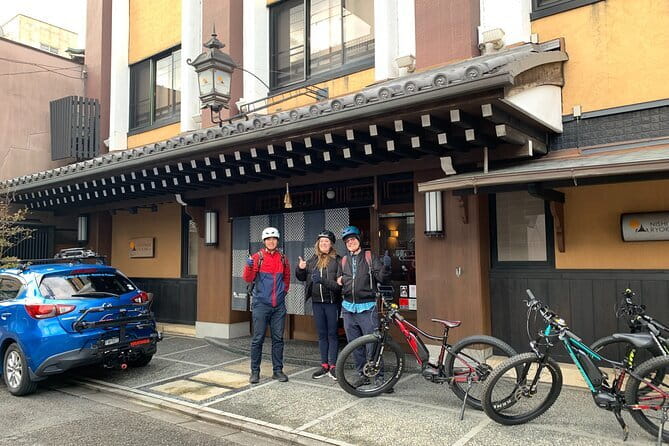
After the Kyoto section, the tour heads to Uji. The Uji River stop lasts about 20 minutes, which is enough to get a sense of the waterway and take photographs.
The river is notable because it originates from Lake Biwa, Japan’s largest lake. It has long served as a route linking Shiga and Osaka, and it gives Uji a clear geographic identity. After several built-up temple and shopping stops, the open water provides a welcome change.
Do not expect a long riverside walk. Twenty minutes is a brief look, so use it to pause, orient yourself, and enjoy the view. The value of this stop is less about a major attraction and more about helping you understand Uji as a place shaped by its river.
Uji Shrine follows, with about 20 minutes. The shrine’s distinctive theme centers on rabbits. White, red-eyed rabbits appear on lanterns and votive plaques, giving the site a detail you are unlikely to confuse with the larger Kyoto temples.
This is another short visit, but it adds variety. You will see a smaller Shinto shrine rather than another famous Buddhist temple. If you like local symbols and unusual visual details, this stop may be one of the day’s pleasant surprises.
Byodo-in and the Phoenix Hall
Byodo-in is the main reason many people want to include Uji. The temple is a UNESCO World Heritage site and one of Japan’s best-preserved national treasures.
You have about 30 minutes here, and admission costs extra. The central sight is Phoenix Hall, a graceful building with wing-like corridors extending from the main structure. Its image is so familiar in Japan that you may recognize it from the 10-yen coin.
The half-hour visit is enough to see the exterior and absorb the temple setting. It is less generous if you want to explore every part of the grounds or spend time in the museum. The itinerary is built around seeing the major structure, not making Byodo-in a half-day visit.
I would pay close attention to the time here. Byodo-in has the sort of calm atmosphere that invites you to slow down, yet the group must continue. The short stay is the clearest example of the tour’s central compromise: you get access to more places, but you cannot linger at all of them.
Tea and shopping on Byodoin Omotesando
The final stop is Byodoin Omotesando, a street associated with Uji’s green tea production. You have about 30 minutes to browse tea shops and products made with or related to tea.
This is a useful ending because it gives you something tangible from Uji beyond temple photographs. You might find packaged tea, sweets, and other tea-based items, though the exact shops and choices can vary.
Thirty minutes is enough for a quick purchase or a short look. It is not enough for a long tea tasting session or a leisurely meal, and lunch is not included anywhere in the tour. Plan to use available free moments sensibly, especially if you want to buy food as well as souvenirs.
The street also helps connect Uji’s cultural identity with its economy. Uji is not only a place with a celebrated temple. It is a tea-producing area, and this stop lets you see that tradition in everyday commercial form.
The guide, vehicle, and group size
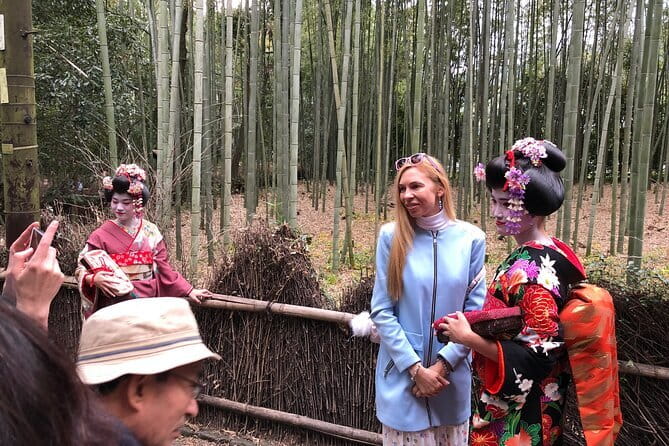
The tour includes an English-speaking guide, though the information also notes guides who may speak Mandarin and Japanese. Guides named in the available experience details include Cave, John, and Jone. One guide, John, was described as explaining the meeting and return times clearly and sharing area maps through WhatsApp.
That sort of practical help matters on a tight schedule. You need to know exactly where to return, especially after free time on the old streets or along Omotesando. A guide who keeps the group oriented can make the day much less stressful.
The vehicle is air-conditioned, a real advantage during Kyoto’s warmer months or in wet weather. One account of the day noted heavy afternoon rain, yet the guide continued to look after the group and keep the plan moving. Weather can still affect how enjoyable the outdoor sections feel, so bring suitable clothing rather than relying on the vehicle for shelter.
The maximum group size is 45 people. That makes the price possible, but it also means you should expect a shared-coach experience. If you want a quiet, flexible day with custom stops, this is not the right format. If you value transport and a clear route, the size may be a reasonable trade.
Is $57.90 good value?
At $57.90 per person, the price is attractive for a nine-hour day that includes transport and a guide. It is especially useful if you are staying in Osaka or Kyoto and want to connect two destinations without arranging the route yourself.
The price does not include lunch or the 1,600 yen admission charge for Kinkaku-ji, Kiyomizu-dera, and Byodo-in. Once you add those costs, the final amount is higher, but the tour still offers solid practical value if you would otherwise pay separate transport fares and spend time figuring out connections.
The real value depends on your priorities. You are paying for coverage, not solitude. The tour helps you see eight named sights in one day, but it does so with fixed stop lengths and little room to change plans.
I would compare it with the cost of your own transport, not with the price of a private guide. Against public transport, the coach and guide can be worthwhile. Against a small private tour, the lower price is expected, and the larger group is the tradeoff.
Who should book this day out?
I would recommend this tour if you have only one day for Kyoto, are based in Osaka, or want a first look at both Kyoto and Uji without managing the connections yourself. It also suits people who prefer a clear timetable and enjoy seeing several major sights in one outing.
It is a good fit for first-time visitors who want the Golden Pavilion, Kiyomizu-dera, old Kyoto streets, and Byodo-in in the same day. The combination gives you famous architecture, local street scenes, a river, a shrine, and tea culture.
I would hesitate if you have several days in Kyoto and prefer slow temple visits. You may find the 40-minute Kinkaku-ji stop and 30-minute Byodo-in stop too short, especially if photography or detailed cultural study is important to you.
Bring comfortable shoes, money for the temple admissions, and a plan for lunch. If you are traveling with a stroller or large luggage, state that when booking. If you book separately from friends or relatives, notify the operator at least one day ahead so you have a better chance of being assigned to the same vehicle.
Should you book the Kyoto and Uji tour?
Book it if your priority is efficient sightseeing. The route covers an impressive amount of ground, the vehicle reduces transport hassles, and the guide helps keep a large group on schedule. The combination of Kyoto’s headline sights and Uji’s tea and temple culture gives you a satisfying overview for the price.
Skip it if you want to linger. Kyoto and Uji both reward a slower pace, and this schedule asks you to accept short visits in exchange for broad coverage. For a one-day introduction, though, it is a practical choice with a strong mix of famous places and smaller details.
Free cancellation is available up to 24 hours before the start time for a full refund. Changes or cancellations made within 24 hours are not accepted for a refund.
FAQ
How long does the Kyoto and Uji tour last?
The tour lasts approximately nine hours.
Which places are included in the itinerary?
The stops are Kinkaku-ji, Kiyomizu-dera, Ninenzaka and Sannenzaka, Yasaka Koshindo, the Uji River, Uji Shrine, Byodo-in Temple, and Byodoin Omotesando.
Are temple admission fees included?
No. Admission is not included for Kinkaku-ji, Kiyomizu-dera, or Byodo-in. The listed combined ticket cost is 1,600 yen.
Is lunch included?
No. Lunch is not included in the tour price.
What is included in the tour?
The tour includes an air-conditioned vehicle and a guide. It is available with departure options from Osaka or Kyoto.
How many people can join the tour?
The maximum group size is 45 people.
Just added in Kyoto
- Private Cooking Class Udon in Kyoto Japan★ 5.0 · 23 reviews
- Your Private Vacation Photography Session In Kyoto★ 5.0 · 110 reviews
- Kyoto: Zen Meditation at a Private Temple with a Monk★ 5.0 · 25 reviews
- Private Pewter Sake Cup Experience with a Kyoto Artisan★ 5.0 · 31 reviews
- Kyoto Wagashi(Japanese sweets) Cooking Class near Fushimiinari★ 5.0 · 60 reviews
- Kyoto:Family-Friendly Kimono & Yukata Experience at WARGO★ 5.0 · 147 reviews
- Private Guided Traditional Buddhist Cooking in Japan★ 5.0 · 16 reviews
- Kyoto: Gion Geisha District & Sake-in-Hand Walking Tour★ 5.0 · 37 reviews
City Tours, compared.

Private City Highlights Tour with Local Guide
Read our review →
Tokyo Private Sightseeing Tour by Car- English speaking chauffeur
Read our review →
Discover Mt. Fuji 5th Station & Kawaguchiko Sightseeing Day Tour
Read our review →
North Okinawa Sightseeing Tour & Churaumi Aquarium
Read our review →
Open Top Panoramic Sightseeing Bus with Audio Guide
Read our review →Browse the lists this tour appears in