
Reviewed · MOUNT FUJI DAY TRIPS
Mt. Fuji Heritage Tour: Traditional Villages, Lakes & Shrine
Mt. Fuji is the star, but this tour gives you several different stages for the show: a thatched-roof village, a lake framed by seasonal color, a red pagoda above a shrine, and clear spring ponds. In one long day, you see the famous postcard views and a few quieter corners around the mountain.
I like the smart mix of scenery and culture. Saiko Iyashi no Sato Nenba gives you a glimpse of old-style Japan, while Arakura Sengen Shrine and Oshino Hakkai add religious and local flavor. I also like the price: at $50, transport, a driver, a guide, parking, and village admission make this a strong deal for a full day from Tokyo.
The main catch is the road time. You can spend about five hours on the coach, before traffic delays are counted, and Mt. Fuji may hide behind clouds. The schedule is well filled, so this suits you if you want a broad first look rather than a slow, private day in one town.
Key points to know before booking
- Four very different Fuji viewpoints: See the mountain beside traditional houses, Lake Kawaguchi, a pagoda, and spring-fed ponds.
- A full 10-hour day from Tokyo: The return trip can run late on weekends and holidays.
- Autumn plans change: From October 26 to November 20, the tour visits the Maple Corridor instead of Oishi Park.
- Lunch is extra: Bring food, buy something at a stop, or use the restaurant suggested by the guide.
- The pagoda requires stairs: Arakurayama Sengen Park is not suitable for wheelchair users.
- Guide care is a major strength: Sia, Kazi, Wanting, Alex, Rachel, and others are praised for keeping groups informed and on schedule.
Why this $50 Mt. Fuji day trip offers good value
At $50 per person, this is not a luxury tour. It is a practical shared coach trip that bundles the costly and time-consuming part of the day: getting from central Tokyo to the Fuji area and between several attractions.
You receive a driver, a live guide, parking, pickup and return at the designated Tokyo meeting point, and admission to Saiko Iyashi no Sato Nenba. That is a lot of ground for the price. You also avoid piecing together buses and local connections, which can eat up much of a day around Mt. Fuji.
The tradeoff is pace. You get roughly 40 minutes at Oishi Park, 40 minutes at the Maple Corridor when that seasonal plan is used, 40 minutes at Arakurayama Sengen Park, and 70 minutes at Oshino Hakkai. Those windows are enough for photos and a walk, but not for a long meal, extended shopping, or a relaxed visit to every corner.
I would choose this tour for a first visit to the area, especially if you are staying in Tokyo and want to see the major sights without renting a car. If you already plan to stay around Kawaguchiko for several nights, you may prefer a slower local plan.
Other temples and shrines in Tokyo people book:
- Tokyo: Meiji Shrine, Asakusa, Skytree Bus Tour and Cruise
★ 4.7 · 1,986 reviews - Tokyo: Asakusa Walking Tour with Sensoji Temple Visit
★ 4.8 · 1,583 reviews - Nikko: Kegon Falls, Lake Chuzenji & Toshogu Temple
★ 4.6 · 1,577 reviews
The long ride from Tokyo to Fuji country
The day starts at one of two designated options, with the Tokyo MODE Gakuen location at 1-chōme-5-1 Marunouchi listed as the meeting point. The coach ride to the first attraction takes about two and a half hours, followed by a similar ride back to Tokyo at the end.
That sounds lengthy, and it is. Still, the bus is useful here because the attractions are spread around the northern and eastern sides of Mt. Fuji. A good guide turns the coach into useful planning time by explaining the next stop, bathroom locations, meeting times, and photo spots.
Guides vary by departure, but names praised for organization and friendly help include Sia, Kazi, Wanting, Alex, Rachel, and Sawaki. Sia is especially noted for clear instructions, basic Japanese lessons, and keeping a mixed-age group together. Kazi receives praise for careful timing and steady communication, while Wanting is appreciated for helping with practical details, including luggage.
Arrive 15 minutes early. Late arrivals and no-shows are not refunded, and the vehicle license plate and guide contact number are sent the night before. Bring water, comfortable shoes, and cash. Some places may not accept cards.
Saiko Iyashi no Sato Nenba and its thatched roofs

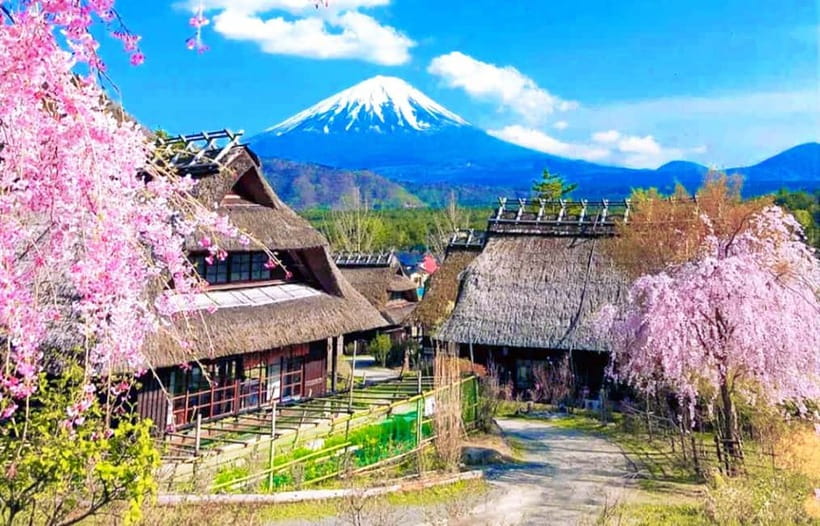
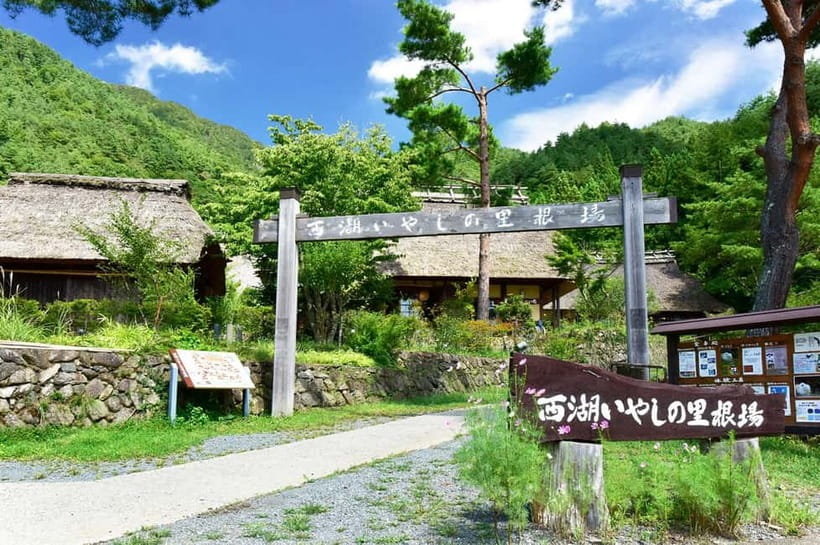
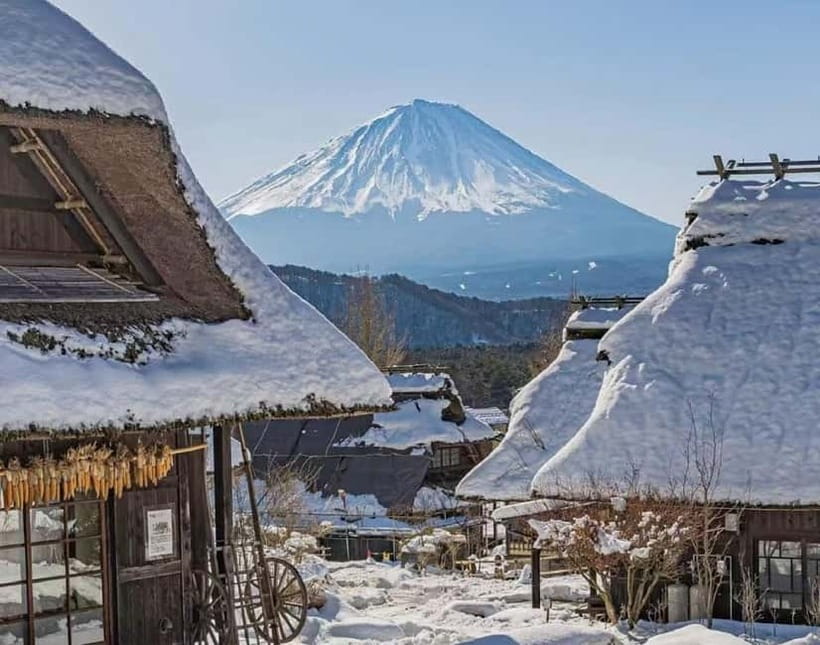
The first major stop is Saiko Iyashi no Sato Nenba, a rebuilt traditional village beside Lake Saiko. Its thatched houses give you the classic Japanese countryside setting that modern city tours often miss.
The appeal is immediate: Mt. Fuji may rise behind the roofs, fields, and village paths, creating one of the day’s strongest photo settings. You have about an hour for a guided visit and pictures. The village entrance also has Japanese snacks, so you can grab something small before moving on.
You can rent a ninja costume for an extra fee. This is playful rather than serious cultural study, but it makes for memorable family photos. The village also has independent shops, including places where you might find local crafts or artwork.
Cloud cover matters here. On a clear day, the mountain completes the picture. On a cloudy day, the old houses still give you a worthwhile subject, so this stop has more going for it than a view platform that depends entirely on Fuji appearing.
Lake Kawaguchi, Oishi Park, and the seasonal color calendar
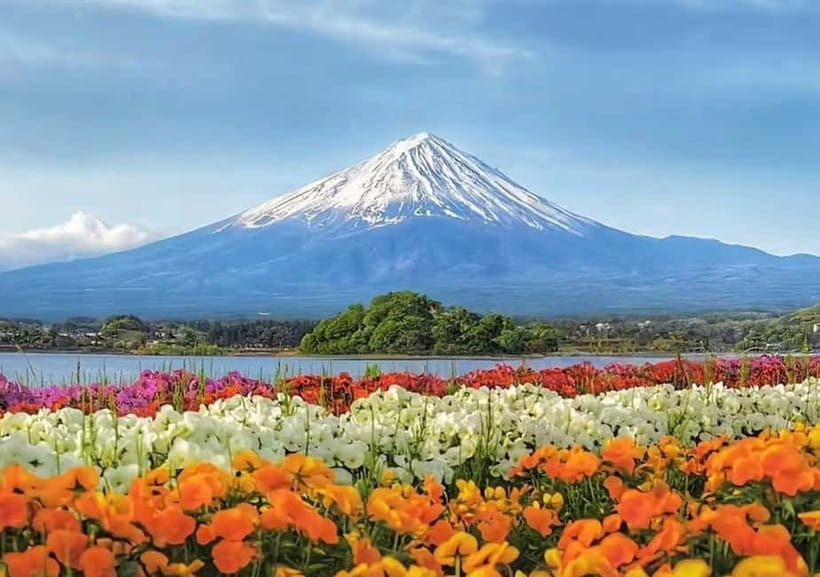
The next part of the day centers on Lake Kawaguchi, one of the best-known places to frame Mt. Fuji with water, gardens, and open views. Oishi Park receives about 40 minutes, enough to walk, take photos, and sample the atmosphere without turning the visit into a long garden outing.
The park changes character by season. In summer, lavender fields add color and scent. In autumn, red broom grass becomes the main attraction. This seasonal rotation is worth knowing before you book because the view will not be identical from one month to the next.
The regular plan also includes the Maple Corridor for around 40 minutes. During peak autumn foliage, from October 26 through November 20, the tour visits the Maple Corridor instead of Oishi Park. That is an important detail, not a minor timetable change. You should expect fiery maple leaves and a more concentrated fall display, but you will not see both locations on those dates.
The best Fuji photographs depend on weather and timing. Clear mornings can offer a better chance before clouds gather, while afternoon conditions may change. Several visitors had strong views from some stops but not all, and rainy or overcast days are possible. Check the forecast, but do not treat it as a promise.
Other days out to the mountain from Tokyo:
- Mt Fuji and Hakone 1-Day Bus Tour Return by Bullet Train
★ 5.0 · 26,383 reviews - Mt Fuji & Hakone Cruise, Drum Show Bullet Train 1 Day from Tokyo
★ 4.0 · 7,413 reviews - Tokyo Mt Fuji 5th St & Hakone Cruise Bus Tour w/Bullet Train
★ 4.4 · 5,024 reviews - From Tokyo: Mount Fuji Full-Day Sightseeing Trip
★ 4.5 · 4,970 reviews
Arakurayama Sengen Park and the climb to Chureito Pagoda
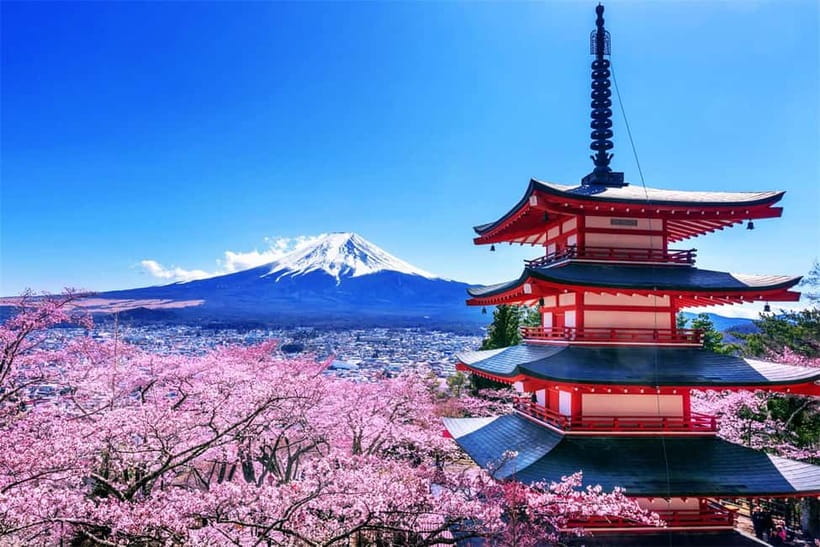
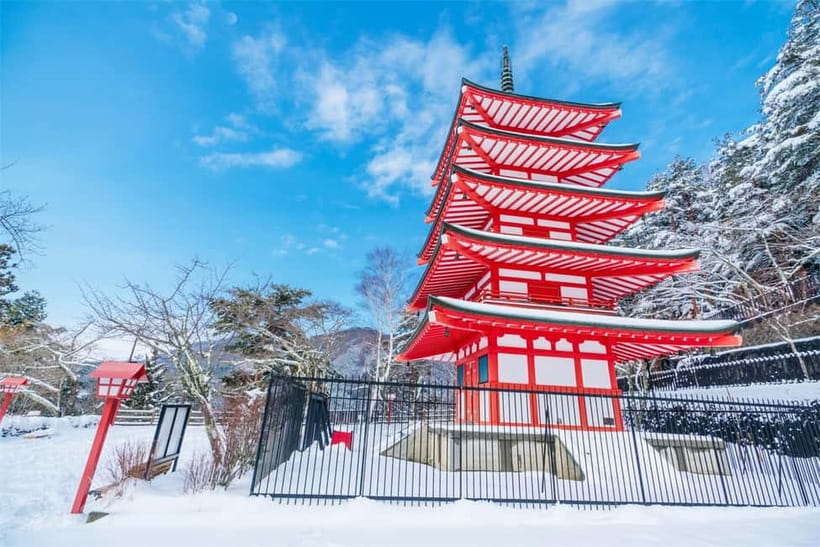
Arakurayama Sengen Park contains the day’s most famous image: the five-story Chureito Pagoda with Mt. Fuji behind it. The view is iconic for good reason, but you must earn it with a climb.
The steps are the main physical demand of the tour. The schedule gives about 40 minutes for Arakurayama Sengen Park, followed by shorter visits to Arakura Fuji Sengen Shrine and Chureito Pagoda. That can feel tight if you want to climb slowly, take many photos, visit the shrine, and wait for the best clear view.
I would wear shoes with a firm grip and keep your camera ready. The shrine below gives the visit more meaning than a simple photo stop, and the pagoda viewpoint rewards you with a broad view over the town and toward Fuji. Families have completed the stop, but anyone with mobility limits should note that the tour is not suitable for wheelchair users.
If you want a goshuin, or shrine stamp, allow for a wait. One visitor found the queue took about 20 minutes and advised handing over the book before climbing the steps. That small bit of planning can save you from choosing between the stamp and the viewpoint.
Oshino Hakkai and Mt. Fuji’s spring water
Oshino Hakkai closes the sightseeing portion of the day with eight clear spring ponds fed by melted snow from Mt. Fuji. The ponds, reflections, small channels, and traditional buildings create a calmer mood after the busier photo stops.
You have about 70 minutes here, the longest scheduled visit of the day. Use it for a proper walk rather than rushing from one picture to the next. The water is the main draw, but the local food stalls add a bit of fun. You might try freshly made rice crackers or wasabi ice cream, depending on what appeals to you.
Oshino Hakkai is also a good place to use cash. Shops and vendors operate independently, and not every location accepts cards. Souvenir stalls appear at the attractions throughout the day, but purchases are personal expenses and are not part of the tour.
This stop may feel more relaxed than Arakurayama, though it is still a popular destination. You will get a taste of local food and spring-water scenery, not a remote countryside escape.
Lunch, timing, and the reality of a shared coach
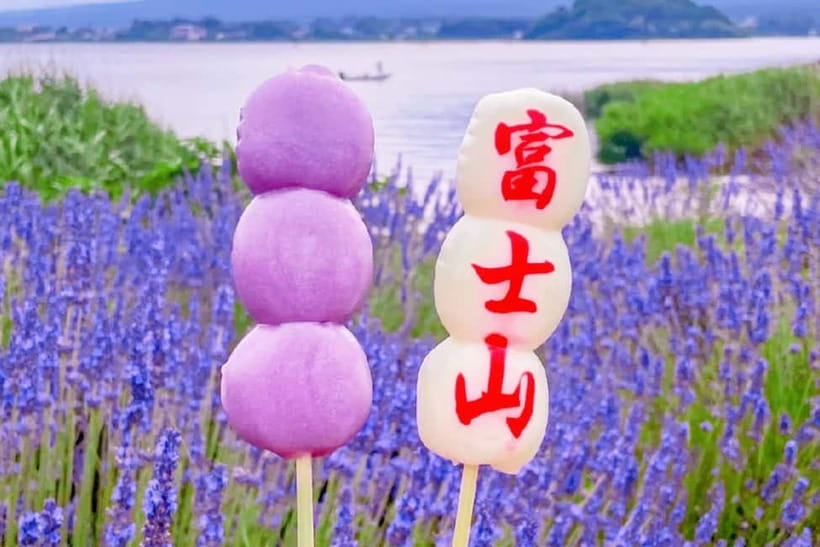
Lunch is not included. The schedule includes a 40-minute break at a local restaurant, and the guide may suggest a place, but you can also bring food or buy lunch at one of the attractions.
I recommend carrying a snack even if you plan to eat at the restaurant. The day begins early, the first long ride takes time, and your appetite may not match the restaurant timing. Bringing cash gives you more choice at food stalls and small shops.
The guide’s job is especially important on a day like this. You are not simply being driven to one attraction. You are moving between several places, with short meeting windows and multilingual explanations. The tour provides English, Japanese, and Traditional Chinese guidance, and explanations may be given in several languages during the same outing.
Past departures have included smooth handling of practical problems, such as helping people find a bus station or dealing with a vehicle issue. That kind of care matters more than a long speech about every shrine. You need clear instructions, a visible meeting point, and a guide who keeps the day moving.
Traffic is the wild card. Weekend and holiday congestion in Japan can delay the return to Tokyo, and stop times may be shortened, adjusted, or canceled. Do not schedule a flight, theater ticket, or important evening reservation immediately after the tour.
Weather, photos, and how to prepare
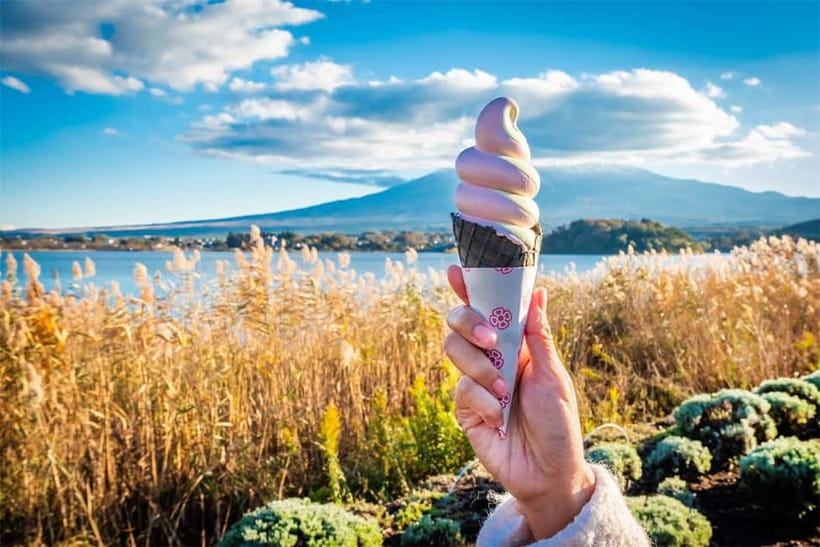
The mountain can disappear behind clouds at any time. The attractions remain worth seeing in poor weather, but the famous Fuji-and-pagoda or Fuji-and-thatched-house pictures are never guaranteed.
For the best chance at clear views, check the forecast before departure and keep expectations sensible. Some days offer Fuji at several stops, while others reveal it only briefly. Rain does not automatically ruin the outing, especially at the village, shrine, and Oshino Hakkai, but it can reduce the impact of the main photo points.
Pack light and practical:
- Comfortable shoes for the pagoda steps and village paths
- Water for the long day
- Cash for snacks, lunch, souvenirs, and places that do not accept cards
- A phone with the guide’s contact details and meeting instructions
- A small snack in case lunch timing does not suit you
You may bring luggage on the coach, but confirm the arrangement if you have several large bags. One family found space for two large suitcases and received help when separating from the group near Kawaguchiko.
Who should book this Mt. Fuji tour?
I would recommend it to first-time visitors from Tokyo, families who want a simple structure, and photographers who want several classic Fuji settings in one day. The range is the chief strength. You see a traditional village, lake scenery, seasonal plants, a shrine, a pagoda, and spring ponds without planning a complicated route.
It is also a good fit if you value helpful coordination. Guides such as Sia, Kazi, Wanting, Alex, and Rachel have been praised for friendly service, clear communication, patience with children, and careful timekeeping. The quality of the day depends partly on the guide assigned, but the format clearly favors organized groups.
I would hesitate if you dislike long coach rides, need a flexible meal schedule, use a wheelchair, or want extended time at each site. You should also think twice if your only goal is a guaranteed Fuji photograph. Weather can defeat the best plan.
Should you book it?
Book this tour if you want maximum sightseeing for a low price and accept a long, structured day. The strongest parts are the variety, the efficient transport, the traditional village, and the pagoda viewpoint. At $50, it offers excellent practical value.
Skip it if you want a private guide, a slow visit, or total control over food and timing. For everyone else, this is a sensible first introduction to the Mt. Fuji area, especially when a careful guide such as Sia or Kazi is leading the group and keeping the day on track.
Free cancellation is available up to 24 hours before departure, and you can reserve now and pay later. Check the meeting point and seasonal route before booking.
FAQ
How long does the Mt. Fuji tour last?
The tour lasts 10 hours, including the coach journeys from Tokyo and back.
Where does the tour start?
The meeting point depends on the option booked. One listed departure point is Tokyo MODE Gakuen at 1-chōme-5-1 Marunouchi.
Is transportation included?
Yes. The tour includes shared bus or coach transportation, a driver, parking fees, and pickup and drop-off at the designated meeting point.
Is lunch included?
No. You can bring food, buy lunch at an attraction, or eat at a restaurant suggested by the guide.
Which languages are available?
Live guidance is available in English, Japanese, and Traditional Chinese.
Does the tour always visit Oishi Park?
Not during peak autumn foliage. From October 26 through November 20, the route visits the Maple Corridor instead of Oishi Park.
Is admission to Saiko Iyashi no Sato Nenba included?
Yes. Admission to Saiko Iyashi no Sato Nenba is included.
Can I see Mt. Fuji clearly during the tour?
A clear view is not guaranteed. Weather can block the mountain, so check the forecast before you go.
Is the tour suitable for wheelchair users?
No. The tour is not suitable for wheelchair users, and the climb at Arakurayama Sengen Park includes stairs.
What should I bring?
Bring comfortable shoes, water, and cash. Cash is useful because some locations may not accept credit cards.
What happens if I arrive late?
You should arrive 15 minutes early. Late arrivals and no-shows are not refunded.
Can I cancel the booking?
You can cancel up to 24 hours in advance for a full refund. You can also reserve now and pay later.
More temples and shrines elsewhere in Japan
- Tokyo: Nikko Toshogu Shrine and Kegon Waterfall Tour
★ 4.5 · 1,266 reviews - Tokyo Panoramic 1 Day: Meiji Shrine, Asakusa, Odaiba and SKYTREE®
★ 4.5 · 1,222 reviews - Tokyo: Zen Meditation at a Private Temple with a Monk
★ 5.0 · 510 reviews - Tokyo: Samurai Entertainment Night Show in Kanda Shrine
★ 4.6 · 417 reviews
Just added in Tokyo
- Nikko: Edo Wonderland Edomura Cultural Theme Park Ticket★ 4.3 · 205 reviews
- 《MEMBERS-ONLY-BAR-HOPPING》Discover Your Special Whiskey in Tokyo!★ 5.0 · 29 reviews
- Japanese Whisky Hunting《HIGH-QUALITY-ONLY》Rare Tasting Class★ 5.0 · 20 reviews
- Luxury Tokyo Sake, Cocktail, Whisky and Pairing Tour★ 5.0 · 18 reviews
- Wagyu & Sake Pairing in Shinjuku – Steak, Shabu-Shabu & More★ 5.0 · 112 reviews
- Small-Group Wagyu Beef and 7 Japanese Dishes Tokyo Cooking Class★ 5.0 · 190 reviews
- From Tokyo: Private Tour to Fuji/Hakone – Onsen, Art, Nature★ 5.0 · 116 reviews
- Tokyo: KABUKI Show at Kabukiza Theatre Admission Ticket★ 4.8 · 152 reviews
Mount Fuji Day Trips, compared.
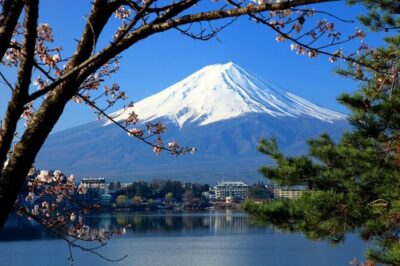
Mt Fuji and Hakone 1-Day Bus Tour Return by Bullet Train
Read our review →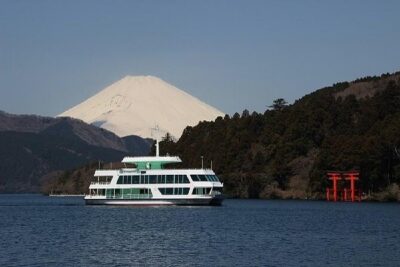
Mt Fuji & Hakone Cruise, Drum Show Bullet Train 1 Day from Tokyo
Read our review →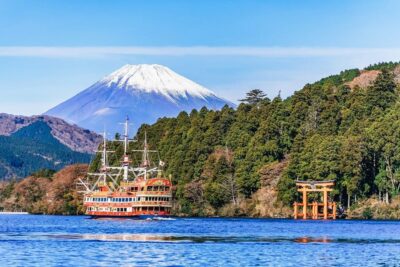
Tokyo Mt Fuji 5th St & Hakone Cruise Bus Tour w/Bullet Train
Read our review →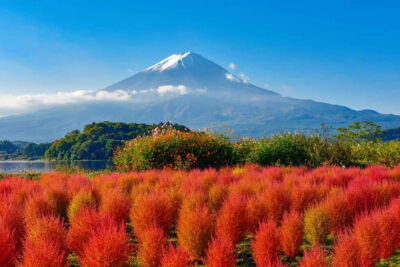

Mt.Fuji,Kawaguchiko Oishi Park,Arakurayama Sengen Park
Read our review →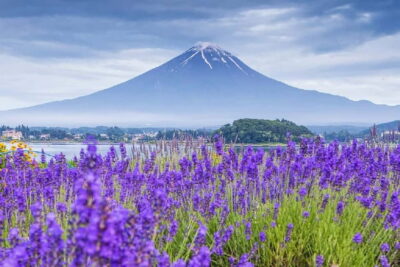
Mt Fuji Top 5 Spots Day Tour: Arakurayama Park,Oshino Hakkai
Read our review →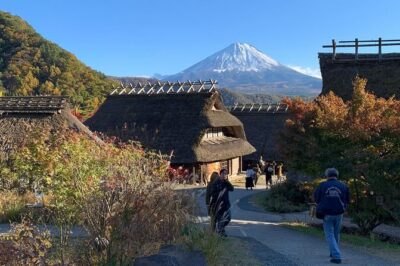
Private Tour to Mt. Fuji and Hakone (Fully Licenced Operator)
Read our review →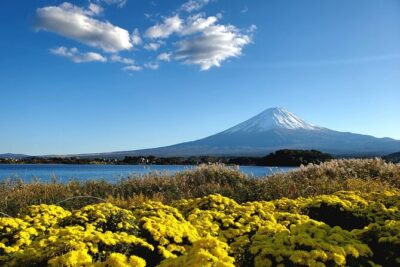
Mount Fuji Full-Day Private Tour from Tokyo (Customizable)
Read our review →Browse the lists this tour appears in