
Reviewed · ZEN & MEDITATION EXPERIENCES
Tokyo: Zen Meditation at a Private Temple with a Monk
A small temple in Asakusa opens its doors for a quiet lesson in Zen, led by resident monk Namiki-san. You sit on tatami, learn the basics of zazen meditation, and then talk with the monk over matcha, sweets, and often a short calligraphy activity.
I like the personal setting and the warm translation provided by guides such as Tamami, Kazu, and Shota. I also like the useful mix of activities: meditation gives the visit purpose, while tea and questions make it easy to connect with the monk. The main consideration is that the meditation periods can be fairly short, so serious practitioners may want more sitting time.
Key Points to Know Before You Go
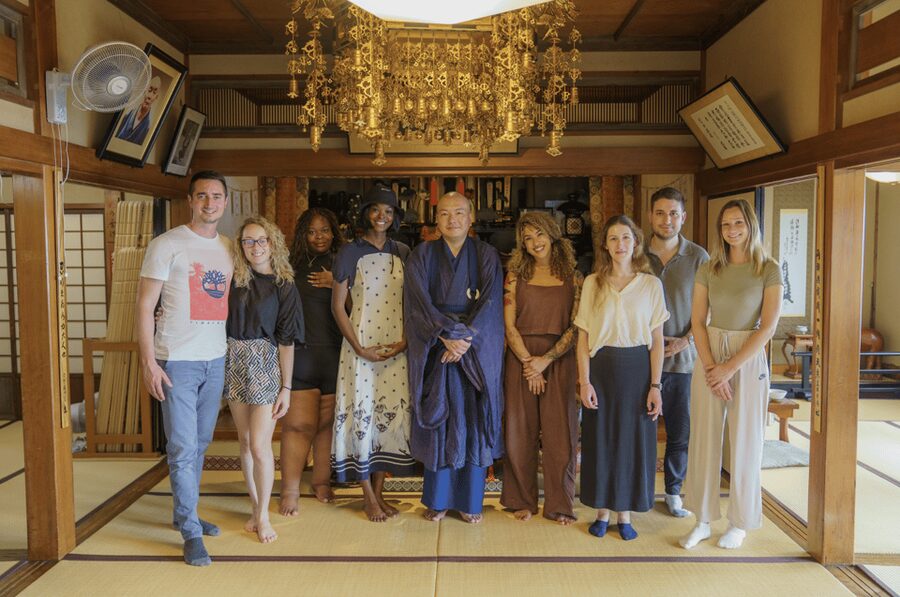
- A private temple in Asakusa: You enter a small temple with more than 400 years of history, not a normal sightseeing stop open to everyone.
- A resident monk leads the session: Namiki-san explains Zen, demonstrates zazen, and answers questions about practice and daily life.
- The English support is a major asset: Guides including Tamami, Kazu, and Shota help translate and explain cultural details.
- The visit includes more than meditation: Expect some combination of zazen, calligraphy, chanting, matcha, sweets, and conversation.
- The setting is intimate and calm: The experience lasts about 90 minutes and feels personal rather than like a large temple lecture.
- Meet carefully: The meeting point is the correct Family Mart near Tawaramachi Station. There are two branches in the area.
Entering a 400-Year-Old Temple in Asakusa
Asakusa is famous for Senso-ji, souvenir streets, rickshaws, and crowds around Kaminarimon Gate. This experience takes you into a quieter corner of the same district, where the tone changes from sightseeing to listening.
You meet in front of a Family Mart about two minutes from Tawaramachi Station on the Ginza Line. This is an easy location to reach, but pay close attention to the branch name and location because two Family Mart stores are nearby. The guide contacts you through WhatsApp, so download it before the day of the visit.
From there, your guide leads you into a private temple with a history stretching back more than four centuries. It is not presented as a grand public monument. Instead, the appeal is its modest scale and the feeling that you are being allowed into a working religious space.
Remove the pressure to behave like an expert. You do not need a background in Buddhism, and the activity is designed for beginners as well as people who already meditate. You will be asked to listen, sit quietly, and take part respectfully.
The temple itself is part of the lesson. The quiet room, tatami flooring, scent of incense, and traditional objects give the meditation a setting that a hotel wellness class cannot copy. Photography is allowed, including photographs inside the temple and with the monk, but follow the guide’s instructions so the photo-taking does not interrupt the practice.
Other temples and shrines in Tokyo people book:
- Tokyo: Meiji Shrine, Asakusa, Skytree Bus Tour and Cruise
★ 4.7 · 1,986 reviews - Tokyo: Asakusa Walking Tour with Sensoji Temple Visit
★ 4.8 · 1,583 reviews - Nikko: Kegon Falls, Lake Chuzenji & Toshogu Temple
★ 4.6 · 1,577 reviews
What Zazen Feels Like for a First-Time Visitor
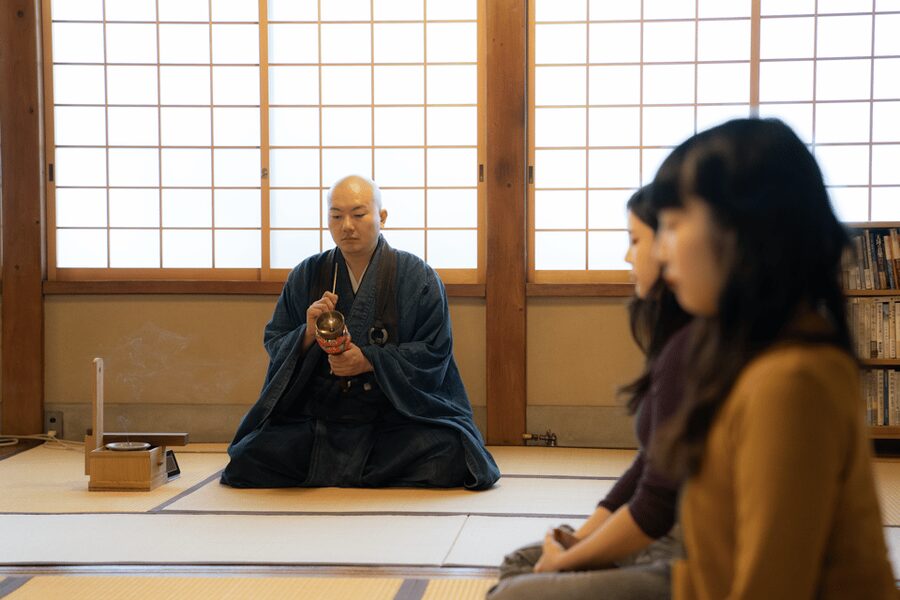
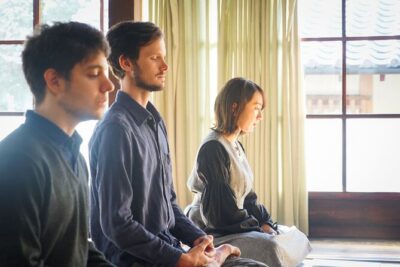
The central practice is zazen, or seated meditation. The monk explains the basic principles and shows you how to sit, breathe, and direct your attention. The emphasis is not on forcing your mind to become blank. It is on noticing distraction and returning to the practice.
You breathe rhythmically and sit with your attention on the present moment. That sounds simple, but the simplicity is the point. In Tokyo, where trains, signs, traffic, and shopping can fill every minute, even a short period of stillness can feel useful.
The exact meditation format can vary. Several sessions have included two periods of about 10 minutes each, while another account described roughly 25 minutes of silent sitting. Do not book this expecting a long retreat. Think of it as a clear introduction to Zen meditation with enough time to try the method without making the visit physically demanding.
Some participants have asked the monk to use the traditional meditation stick during the session. That can be part of the experience, but ask about it rather than assuming it will happen. The stick is not a punishment. In Zen practice, it may be used as a reminder to straighten posture and return to attention.
The monk’s manner is an important part of the experience. Namiki-san is described as patient, friendly, and willing to answer questions. His teaching also has a practical side. Ideas discussed during the sessions include giving full attention to ordinary actions, keeping your surroundings tidy, avoiding comparison with other people, and looking at the root of anger rather than simply reacting to it.
These points may sound plain, but they are easier to understand when connected to the quiet room and the act of sitting. You are not only hearing a definition of Zen. You are trying a small piece of its discipline.
Calligraphy, Chanting, and a Cup of Matcha
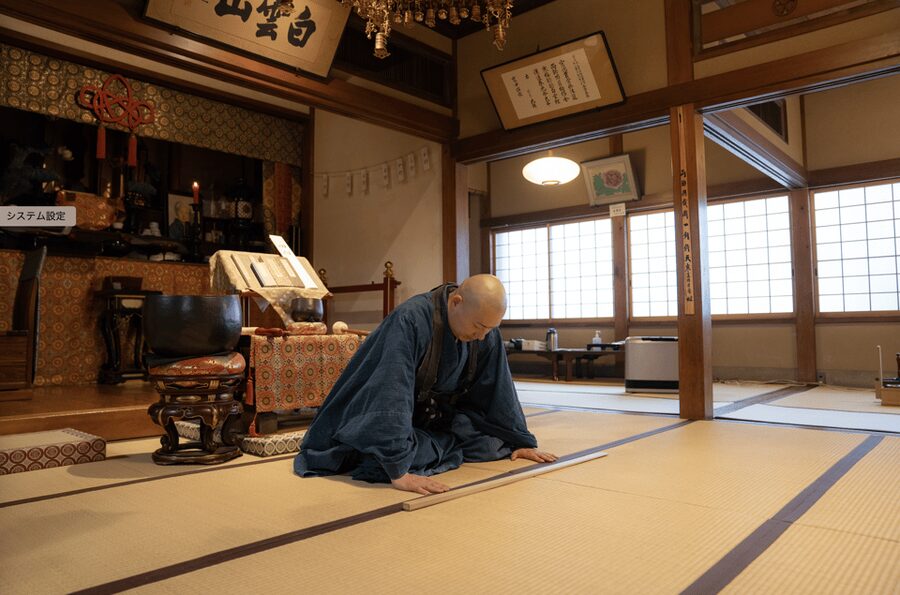
The meditation is usually followed by another activity, often calligraphy. You may write a Buddhist phrase or sutra-related character while the monk chants. This creates a second form of concentration, with your eyes, hand, and hearing working together.
The calligraphy is not a formal art lesson, and you should not expect to produce museum-quality work. Its value is the pace. You slow down, make a mark, and pay attention to the movement of the brush. Several people have kept their finished calligraphy as a reminder to create a regular meditation space at home.
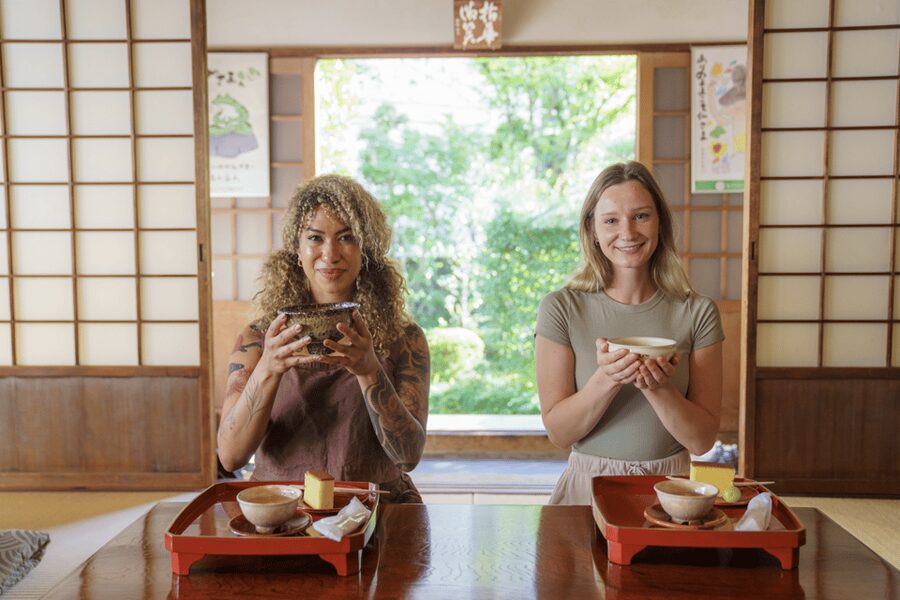
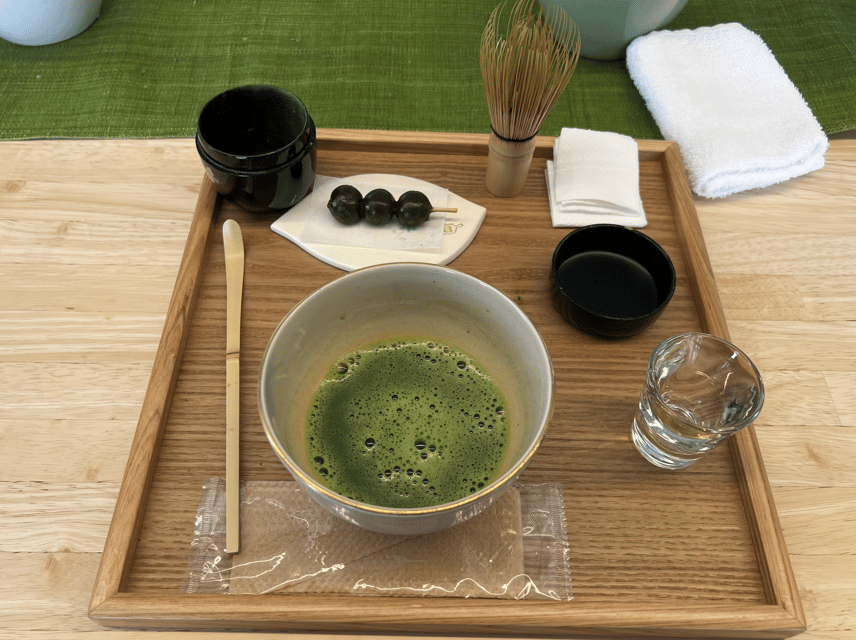
The tea portion is simple and traditional rather than a long performance. You receive matcha and Japanese sweets, then have time to settle into conversation. The sweets matter because matcha can taste strong if you are not used to it, and the small serving makes the ceremony feel complete.
This part also helps if you found the meditation intimidating. Sitting silently with a group can make first-timers self-conscious. Tea gives everyone a natural way to relax, compare impressions, and begin asking questions.
The combination of meditation, calligraphy, and tea is one of the strongest features of the visit. Each activity uses attention in a different way. You sit, write, taste, and listen. The result feels broader than a short meditation class, without becoming an all-day cultural workshop.
Talking With Monk Namiki-san
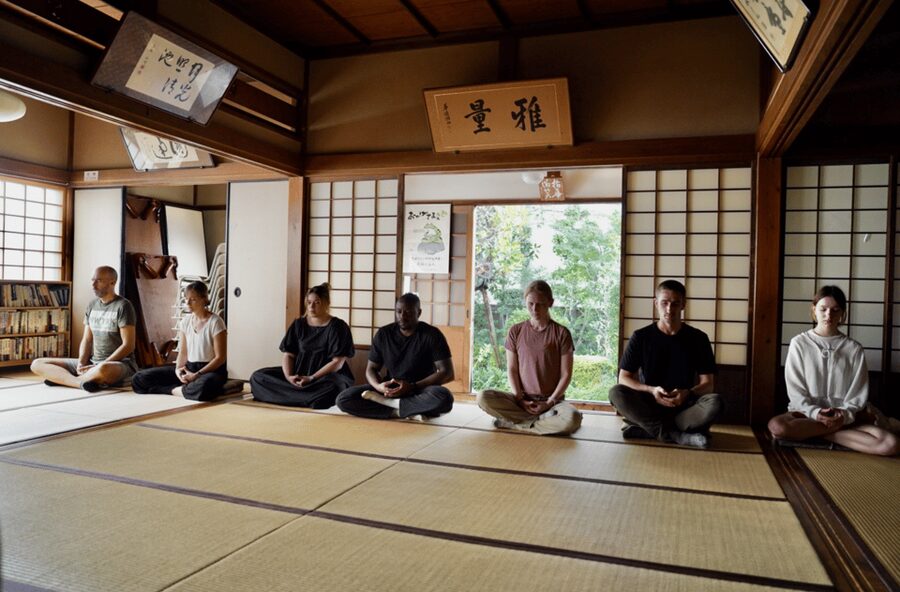
The final conversation is where the experience becomes personal. You can ask about Zen, temple life, meditation, Japanese customs, and the monk’s own role. The guide translates between English and Japanese, allowing the discussion to move beyond a memorized introduction.
Tamami has received especially warm praise for clear English, kind support, and smooth translation. She has also helped with photographs and offered practical suggestions for exploring Tokyo. Kazu and Shota have also led sessions, so your guide may vary by date.
A good guide matters here. Religious ideas can be difficult to explain across languages and cultures, and a direct translation alone may not make them clear. The guide adds context, explains terms, and keeps the questions moving.
The conversation is not limited to formal Buddhist teaching. You can ask about everyday life, the temple, and how Zen ideas relate to stress. The monk’s friendly and sometimes humorous manner helps keep the exchange from feeling stiff.
This is also the best time to ask about anything that confused you during meditation. Perhaps your mind wandered, your legs became uncomfortable, or you were unsure about posture. The point is not to perform perfectly. The point is to understand what you were doing and how to continue practicing if you found it useful.
Other quiet hours in Tokyo:
- Kyoto Zen Meditation & Garden Tour at a Zen Temple with Lunch
★ 5.0 · 441 reviews - Kyoto: Zen Experience in a Hidden Temple
★ 5.0 · 437 reviews - Kyoto: Tea Ceremony Meditation – Make Matcha with Tea Master
★ 4.8 · 406 reviews - Miyajima: Cultural Experience in Zen Temple
★ 5.0 · 258 reviews
How Much Value Do You Get for $55?
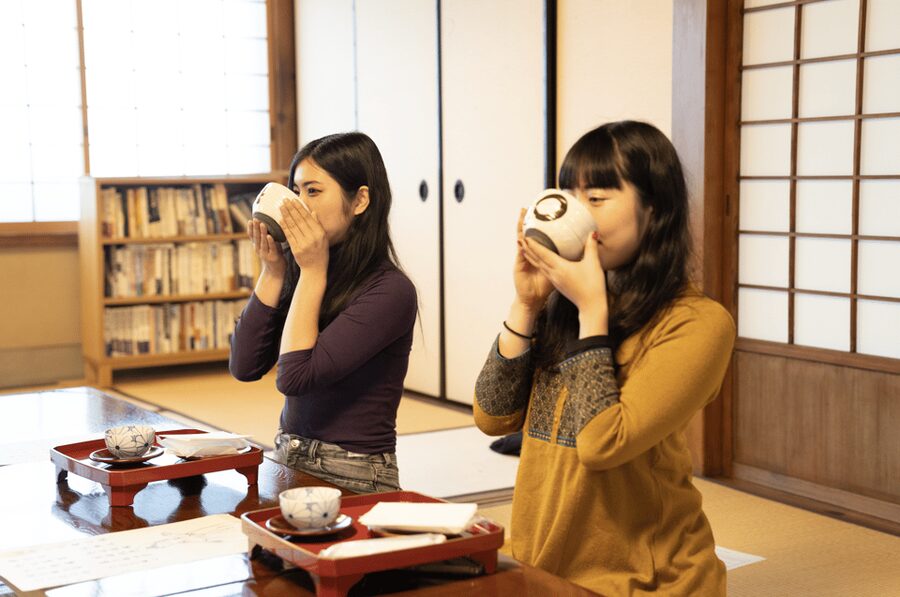
At $55 per person, this is not the cheapest way to see a temple in Tokyo. You can visit many public temples for little or no admission cost. The fee here pays for something different: access to a private setting, live instruction from a monk, an English-speaking guide, translation, matcha, and time for questions.
The value is strongest if you want contact with a person rather than a quick look at architecture. You are paying for the conversation and the careful introduction to zazen, not simply for entry through a temple gate.
The 90-minute length is well judged for most first-time visitors. It gives you enough time to settle down, meditate, try calligraphy, drink tea, and ask questions without taking an entire morning or afternoon. It also fits neatly into a day of sightseeing in Asakusa.
The tradeoff is that the activity may feel short if meditation is your main reason for booking. You will not spend an hour in silent sitting. The experience is a cultural and spiritual introduction, with several parts sharing the available time.
The price also makes sense for visitors who are uncertain about meditation. You can test the practice in a guided setting without committing to a longer retreat. If you find that sitting quietly is not for you, the calligraphy, tea, and discussion still give the visit value.
Who Will Enjoy This More Than a Standard Temple Visit?
I would recommend this to a first-time visitor who wants to understand what happens inside a Buddhist temple. The guide explains the customs, the monk explains the practice, and the smaller setting allows you to ask questions that would not be possible during a normal sightseeing stop.
It suits people who are curious about meditation but do not know where to start. The sessions are short enough to feel manageable, and the monk provides direct instruction rather than leaving you to guess what to do.
It also works well for someone who has already visited Tokyo’s major sights and wants a slower change of pace. Starting the day here can be especially pleasant. Several people have described leaving with a calmer mood and a different focus for the hours ahead.
You do not need to be religious. The experience is useful as a cultural lesson, even if you do not accept every idea connected with Zen Buddhism. The basic themes of attention, patience, and noticing your reactions have a wider appeal.
I would hesitate only if you want a highly formal, silent, or intensive retreat. The mood is respectful but friendly. There is conversation, photography, translation, calligraphy, sweets, and tea. It is a welcoming introduction, not a strict monastic training session.
Practical Details That Affect the Visit
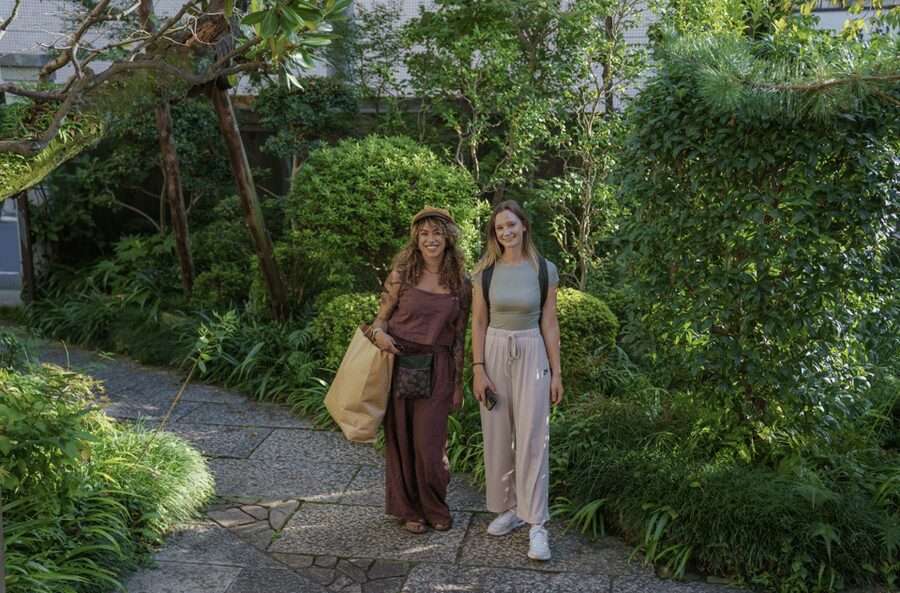
The experience is in English, with a live guide translating the monk’s Japanese. Bring WhatsApp access because the guide uses it to contact you before the meeting.
Transportation is not included, but the starting point is close to Tawaramachi Station on the Ginza Line. Plan a few extra minutes to identify the correct Family Mart. This small detail matters more than it sounds, especially in Asakusa, where nearby convenience stores can look nearly identical.
Wear clothing that lets you sit comfortably. The activity takes place on tatami, and sitting on the floor may be less familiar than sitting in a chair. The supplied information does not specify special clothing or accessibility arrangements, so contact the provider if either point is important for you.
Cancellation is free up to 24 hours before the start time, and you can reserve without paying immediately under the pay-later option. Starting times vary, so check the available schedule before you build the rest of your Asakusa plans.
The activity has a listed rating of 5 from 510 reviews, and the praise is notably consistent about three things: the friendly monk, the clear guide, and the peaceful setting. That does not mean every person will find meditation easy, but it does indicate that the hosting and explanation are reliable parts of the experience.
Should You Book This Zen Experience?
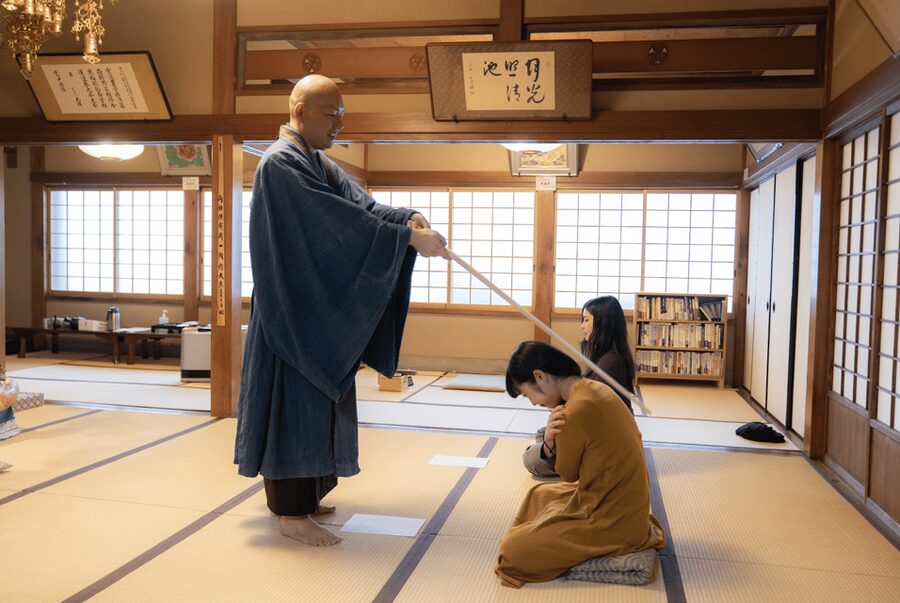
Book it if you want a personal introduction to Zen in a real temple, with enough explanation to make the sitting meaningful. The mix of zazen, calligraphy, matcha, and open questions gives you more substance than a quick photo stop, while the 90-minute format keeps the commitment manageable.
You may want a different activity if your main goal is extended meditation or a strict religious retreat. For most visitors, though, this is a thoughtful way to pause during a busy Tokyo trip. The best reason to book is not the promise of instant inner calm. It is the chance to sit quietly, meet a monk, and leave with a few practical ideas you can carry into ordinary life.
FAQ
How long does the Zen meditation experience last?
The activity lasts 90 minutes. The schedule includes meditation, an explanation from the monk, and time for tea and conversation. Calligraphy may also be included.
How much does the experience cost?
The listed price is $55 per person.
Where is the meeting point?
Meet in front of the correct Family Mart in the Asakusa area, about two minutes from Tawaramachi Station on the Ginza Line. There are two Family Mart branches nearby, so check carefully before arriving.
Is the experience offered in English?
Yes. The experience includes an English-speaking live guide who helps translate the monk’s explanations and answers.
Who leads the meditation?
The resident monk, Namiki-san, explains and leads the zazen practice. Guides such as Tamami, Kazu, and Shota assist with translation and explanations.
Is matcha included?
Yes. Matcha tea is included, along with sweets as part of the tea experience.
Is transportation included?
No. Transportation to and from the meeting point is not included.
Can I cancel for a full refund?
Yes. You can cancel up to 24 hours in advance for a full refund. A reserve-now, pay-later option is also available.
More temples and shrines elsewhere in Japan
- Tokyo: Nikko Toshogu Shrine and Kegon Waterfall Tour
★ 4.5 · 1,266 reviews - Tokyo Panoramic 1 Day: Meiji Shrine, Asakusa, Odaiba and SKYTREE®
★ 4.5 · 1,222 reviews - Mt. Fuji Heritage Tour: Traditional Villages, Lakes & Shrine
★ 4.5 · 509 reviews - Tokyo: Samurai Entertainment Night Show in Kanda Shrine
★ 4.6 · 417 reviews
Just added in Tokyo
- Nikko: Edo Wonderland Edomura Cultural Theme Park Ticket★ 4.3 · 205 reviews
- 《MEMBERS-ONLY-BAR-HOPPING》Discover Your Special Whiskey in Tokyo!★ 5.0 · 29 reviews
- Japanese Whisky Hunting《HIGH-QUALITY-ONLY》Rare Tasting Class★ 5.0 · 20 reviews
- Luxury Tokyo Sake, Cocktail, Whisky and Pairing Tour★ 5.0 · 18 reviews
- Wagyu & Sake Pairing in Shinjuku – Steak, Shabu-Shabu & More★ 5.0 · 112 reviews
- Small-Group Wagyu Beef and 7 Japanese Dishes Tokyo Cooking Class★ 5.0 · 190 reviews
- From Tokyo: Private Tour to Fuji/Hakone – Onsen, Art, Nature★ 5.0 · 116 reviews
- Tokyo: KABUKI Show at Kabukiza Theatre Admission Ticket★ 4.8 · 152 reviews
Zen & Meditation Experiences, compared.
Kyoto Zen Meditation & Garden Tour at a Zen Temple with Lunch
Read our review →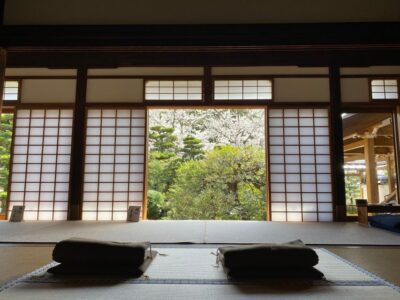

Tea Ceremony Meditation – Make Matcha with Tea Master
Read our review →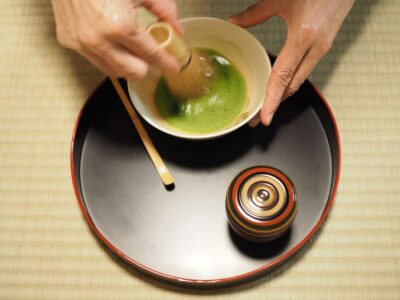
Browse the lists this tour appears in