
Reviewed · TEA CEREMONY EXPERIENCES
Osaka; Japanese Tea ceremony experience, Macha and Sencha
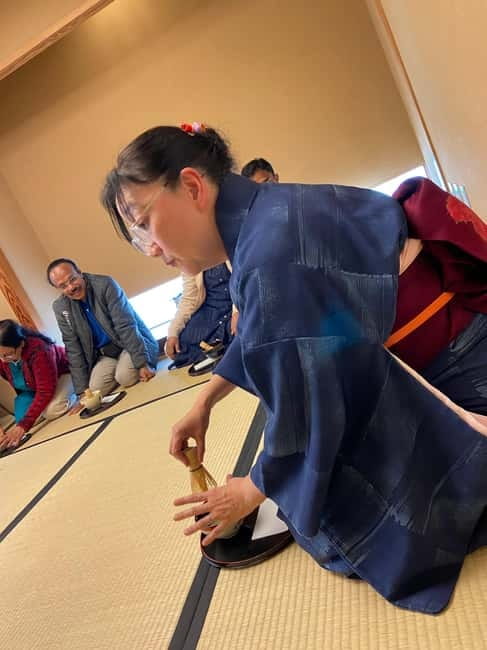
The most interesting part of this Osaka activity is the contrast between formal matcha and everyday sencha. In one hour, you move from the careful gestures of a traditional tea ceremony to the looser tea many people in Japan drink today. Tea master Yuko leads the session in English and Japanese, explaining not just what to do, but why the ceremony matters.
I like the hands-on format and the small cultural details: you watch the tea being prepared, then make it yourself, and taste a sweet chosen to go with each tea. The $25 price is also fair for a focused introduction. The main drawback is that the session is not suitable for wheelchair users, and anyone with food allergies should avoid the sweets.
Key points to know before booking
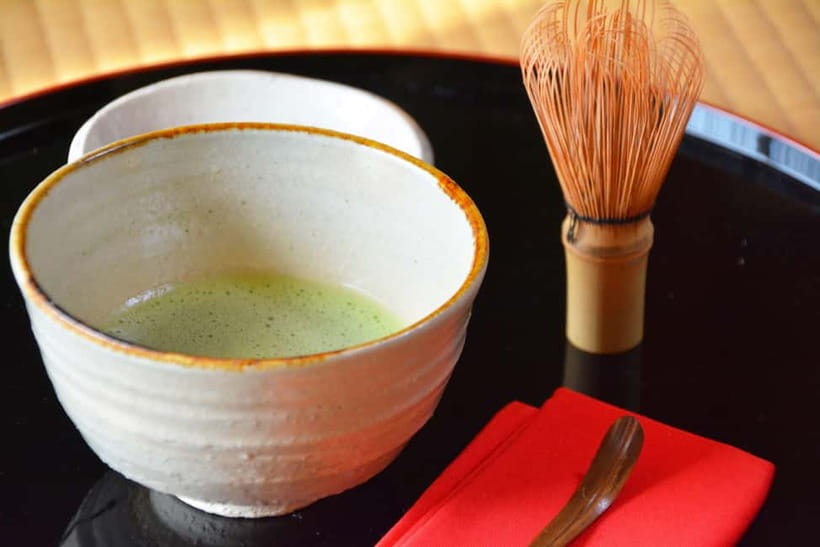
- Two teas in one hour: You learn about matcha and sencha, then taste both with Japanese sweets.
- A real tatami-room setting: The ceremony takes place in a traditional Japanese room rather than a modern classroom.
- English-speaking instruction: Tea master Yuko explains the customs, history, and spiritual side of tea in clear English.
- Hands-on practice: You do more than watch. You prepare tea yourself while learning the correct etiquette.
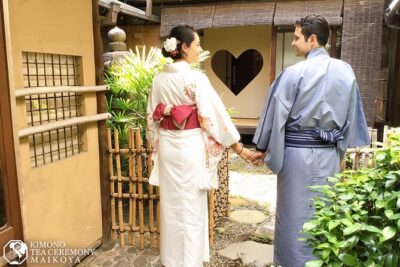
- Optional yukata photographs: Add a yukata rental when booking if you want a traditional outfit for the ceremony and pictures.
- Easy central meeting point: Meet at Exit 3 of the underground Midosuji Line, on the ground floor.
Why matcha and sencha make a useful pair
Many visitors know matcha as the bright green tea whisked into a fine foam. Sencha is less theatrical. It is a leaf tea prepared in a more everyday style, and it is commonly drunk in Japan today.
That difference gives this experience a sensible structure. Matcha lets you see the formal side of Japanese tea culture, with its measured movements, quiet attention, and rules of etiquette. Sencha helps you connect that ceremony with ordinary Japanese life. You are not simply tasting two green teas. You are comparing two ways tea functions in Japan.
I like this pairing because it keeps the lesson from becoming too narrow. A ceremony focused only on matcha can feel like a performance from another era. Adding sencha shows that tea culture is also part of daily life. You leave with a better sense of both the special occasion and the everyday cup.
Other tea rooms and ceremonies in Osaka:
- Osaka: Tea Ceremony Experience
★ 4.9 · 1,426 reviews - Tea Ceremony Experience in Osaka Doutonbori
★ 5.0 · 754 reviews - Matcha Making Class in Osaka with Authentic Japanese Sweets Set
★ 5.0 · 509 reviews
Entering the tatami room in Osaka
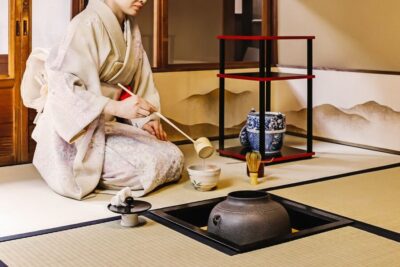
The activity takes place in a traditional tatami room. Tatami mats give the setting a clear sense of place, and they also shape how you sit and move. This is not a café tasting where you quickly sample tea and move on. The room asks you to slow down and pay attention.
The meeting point is at Exit 3 of the underground Midosuji Line, on the ground floor. Check the exact starting time when you book, since the listed duration is one hour and several start times may be available. Arriving at the correct exit matters in Osaka, where large stations can have a maze of underground passages.
The instructor speaks English and Japanese. Tea master Yuko has been specifically praised for explaining the tradition with warmth, patience, and clear English. That is important here because etiquette can feel intimidating if instructions are rushed or left unexplained.
The setting also comes with a few practical limits. Smoking, chewing gum, alcohol, drugs, loud behavior, pets, weapons, and sharp objects are not allowed. The activity is designed for a calm, respectful group, not for a bachelor or bachelorette party.
Watching the formal matcha preparation
The matcha portion begins with a demonstration. You watch the tea master prepare the powdered green tea according to tea ceremony etiquette. The value is in the detail: the movements are deliberate, and the preparation is treated as a complete activity rather than a quick step before drinking.
The instructor explains the history and spiritual role of the tea ceremony as you watch. This context helps make sense of the quiet tone and formal gestures. Without an explanation, the ritual could look like a set of rules to copy. With one, you can see how preparation, attention, hospitality, and respect fit together.
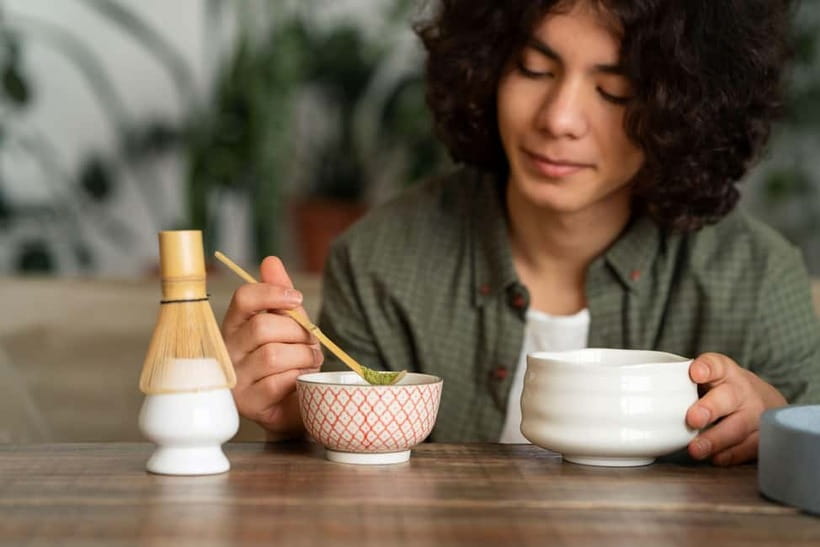
You then get to make tea yourself. This is one of the strongest parts of the experience because it changes your role from spectator to participant. You can try the movements, follow the etiquette, and understand how much concentration goes into what first appears to be a simple cup.
Do not expect to become a tea master in one hour. That is not the point. You are getting a guided introduction, with enough instruction to appreciate the ceremony and take part without feeling lost.
Traditional sweets with the matcha
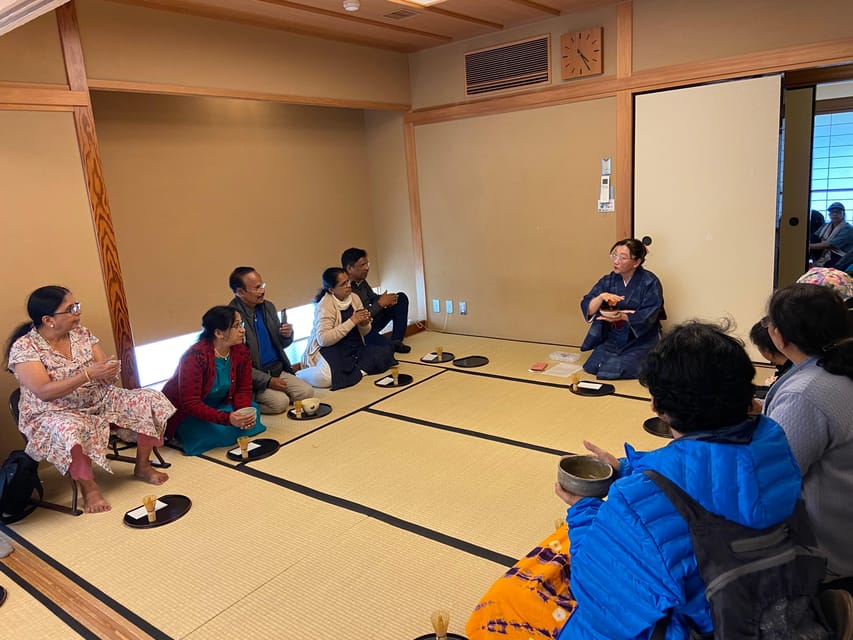
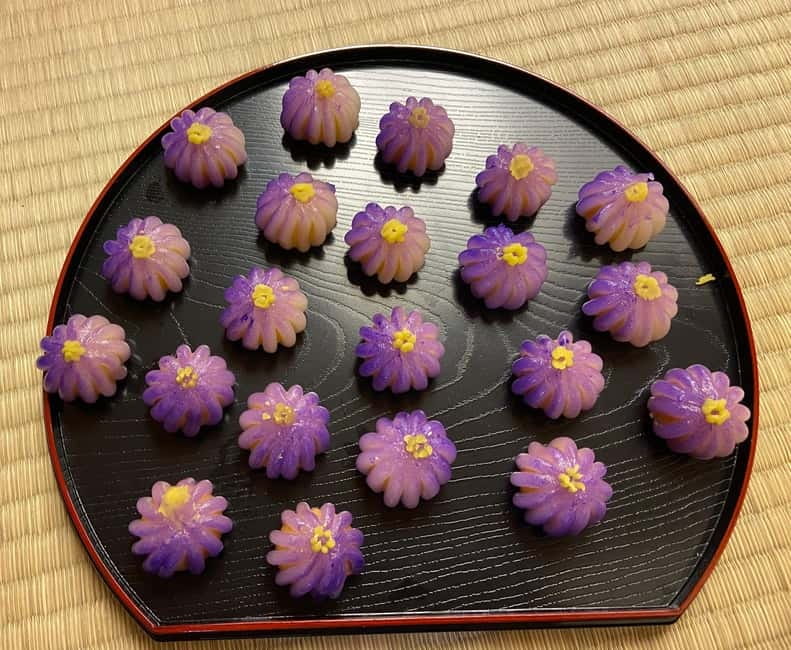
After the matcha preparation, you taste traditional Japanese sweets. The sweet is not an afterthought. It gives you a clear example of how tea and confectionery are paired in Japanese hospitality.
Matcha has a strong, grassy bitterness. A sweet alongside it changes the balance of the tasting and gives you a better idea of why the two are served together. The sweets also make the ceremony feel more complete, since food and presentation are part of the experience.
You should take the allergy warning seriously. Anyone with food allergies should not eat the Japanese sweets or confectionery. The activity includes the tea and sweets, but it does not include a meal, so plan separately if you need more food during the day.
Same base, a different sort of day:
- Osaka Go Karting Tour with Funny Costume
★ 5.0 · 2,658 reviews - Osaka Castle: Museum and Tower Entry Ticket
★ 4.5 · 2,380 reviews - Osaka: Shinsekai Food Tour with 13-15 Dishes at 5 Eateries
★ 4.8 · 2,204 reviews - Osaka Food Tour: 13 Dishes at 5 Local Eateries
★ 5.0 · 2,149 reviews
Switching from matcha to sencha
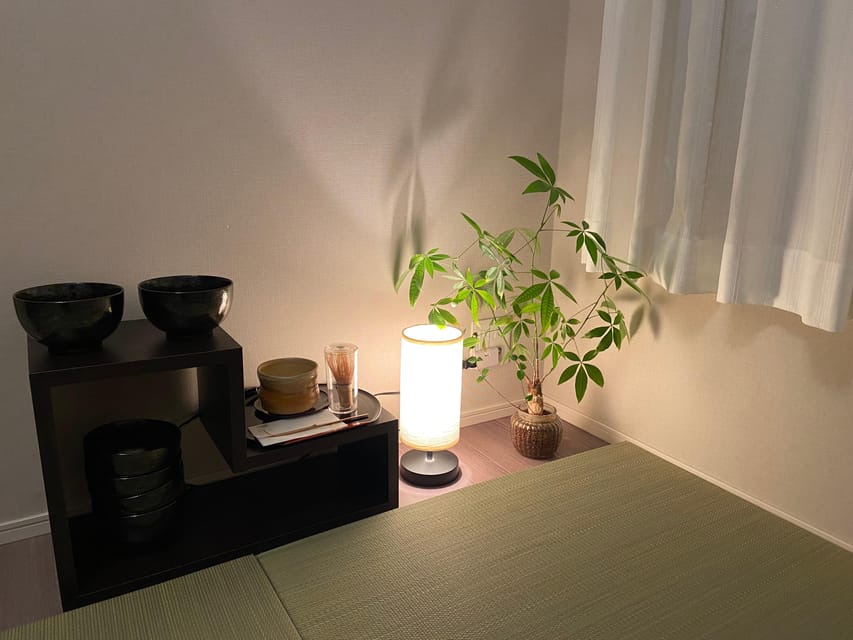
The second half focuses on sencha, the tea commonly drunk in Japan today. The instructor explains the history of sencha and other aspects of this style while you taste it with current Japanese confectionery.
This change in pace is useful. Matcha is associated with a highly formal ceremony, while sencha gives you a look at a more familiar form of tea drinking. The experience therefore covers both the ceremonial side of Japanese tea and the tea you are more likely to encounter in everyday settings.
The comparison is especially helpful if you are new to Japanese tea. You can notice the difference in preparation, presentation, and purpose without needing specialist vocabulary. The instructor provides the framework, and your job is simply to pay attention, taste, and ask questions if you have them.
The term current Japanese confectionery in the activity details suggests a contrast with the traditional sweets served earlier. Do not expect this portion to be a full food tour. It is a compact tea tasting with sweets, designed to support the lesson.
What the one-hour timing means
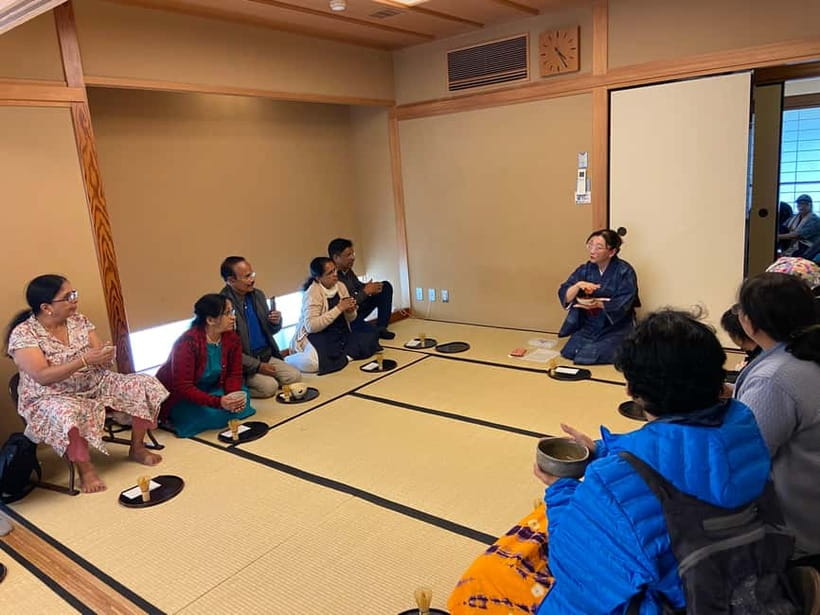
One hour is enough for a first look, but it is also a firm limit. You get the welcome, the demonstration, the explanation, your own tea preparation, two tastings, and time for photographs. The experience gives you a clear introduction without taking half a day from your Osaka schedule.
The short format is useful if you are fitting cultural activities between sightseeing stops. At $25 per person, it also keeps the cost modest compared with longer guided cultural programs. You are paying for direct instruction, the tea, the sweets, and access to a traditional setting.
The trade-off is depth. You will not receive an extended lesson in every school of tea ceremony, nor will you have time for a long discussion of Japanese confectionery. If you want a serious study of tea, look for a longer course. If you want an accessible first meeting with the custom, this length works well.
I see the value in the combination of explanation and practice. A cheap tasting can leave you with a cup of tea but no understanding. Here, the instructor gives you a reason for the gestures, then lets you try them.
Adding a yukata for photographs
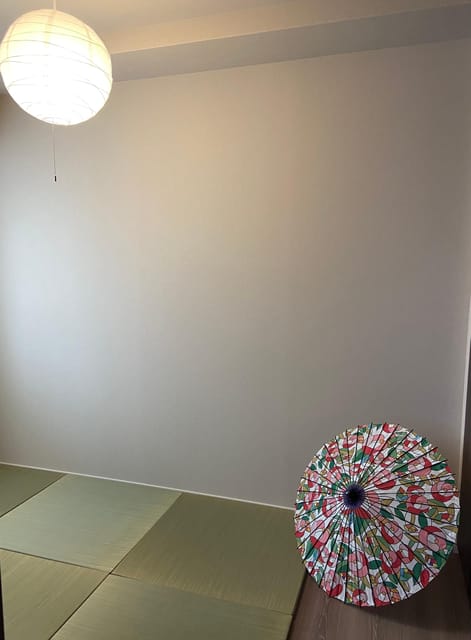
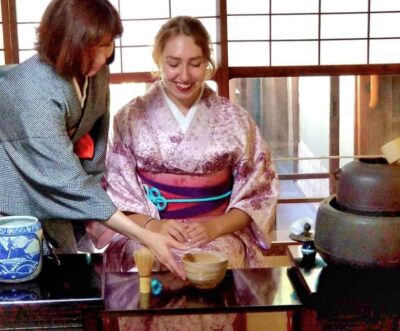
You can add a yukata rental when booking. A yukata is a casual traditional Japanese garment, and wearing one changes the feel of the experience without requiring a longer itinerary.
The clothing option is not included in the $25 base price. You need to select the relevant additional option if you want to wear one during the ceremony. After the tea experience, you have an opportunity to have your photograph taken.
This add-on is best for people who want a visual memory of the visit or are marking a special occasion. It may be less useful if you are mainly interested in the tea instruction and prefer to keep the activity simple. Since the yukata is rented separately, check the total cost before booking.
The photo opportunity also gives the session a social side. The ceremony itself is quiet and controlled, while the photograph lets you relax and record the moment. Just remember that the central experience is the tea lesson, not a full costume program.
The instructor makes the difference
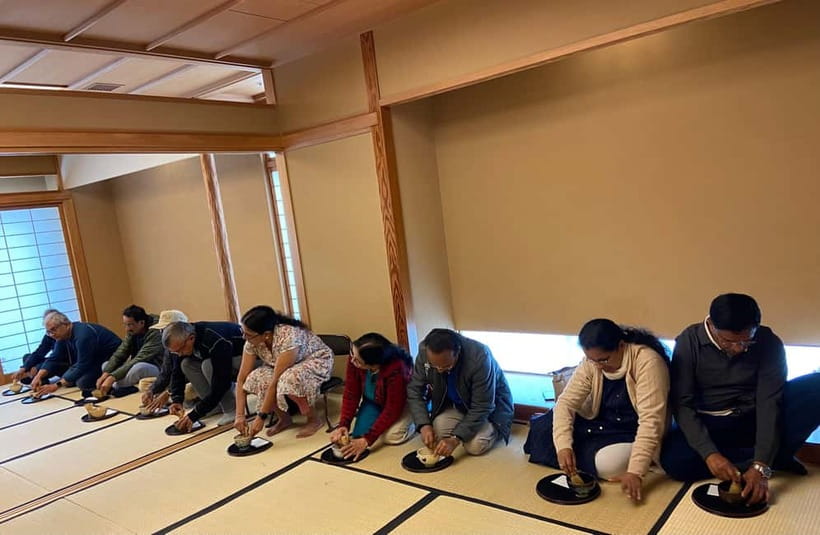
A tea ceremony can feel formal enough to make a first-time visitor nervous. The instructor’s role is to make the etiquette understandable without stripping away its meaning.
Yuko is the named tea master associated with this activity. The available feedback repeatedly praises her gentle manner, good English, and ability to explain the story of the ceremony. That points to a guide-led experience rather than a silent demonstration.
I would especially value this if you are unfamiliar with Japanese customs. You can learn when to watch, when to act, and how to approach the tea without guessing. The instruction also helps you see the ceremony as more than a set of attractive movements.
The session is available in English and Japanese. If you book because you want detailed historical or spiritual discussion, remember that the activity is still only one hour. You should get a clear introduction, but not an academic lecture.
Who will get the most from this activity
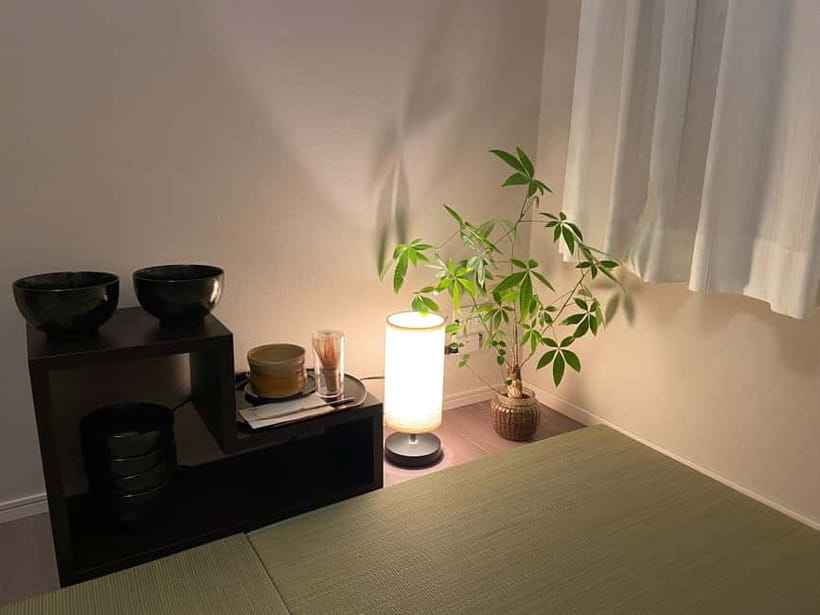
This experience suits first-time visitors who want a respectful introduction to Japanese culture without committing to a long formal program. It also works well for couples, families with appropriate behavior, and solo visitors who enjoy guided cultural activities.
You will probably appreciate it most if you:
- Want to understand tea etiquette rather than only drink tea
- Like trying an activity with your hands
- Are curious about the difference between matcha and sencha
- Enjoy traditional rooms and Japanese sweets
- Want an optional yukata photograph
- Need an activity that fits into a one-hour schedule
It may not be the right choice if you need wheelchair access. Non-folding wheelchairs, electric wheelchairs, and scooters are not accommodated, and the activity is listed as unsuitable for wheelchair users.
It is also a poor fit if you have food allergies and hoped to sample the sweets. You can ask about the details before booking, but the stated guidance is not to eat the Japanese sweets or confectionery if you have allergies.
Price, meeting point, and cancellation
At $25 per person, the price is reasonable for a one-hour cultural lesson that includes matcha, sencha, two types of sweets, and instruction from tea ceremony teachers. The traditional tatami-room setting adds value because you are learning in a place suited to the subject, not simply hearing a talk in a general meeting room.
The activity does not include a meal, and the yukata costs extra. Those two points keep the base price from being misleading. Think of this as a compact cultural class with tastings, not a food experience or a full outfit rental.
You meet at the underground Midosuji Line, Exit 3, on the ground floor. The provider is Do co., Ltd. You can reserve now and pay later, which is useful if your Osaka schedule is still changing. Free cancellation is available up to 24 hours in advance for a full refund.
What the high rating tells you, and what it does not
The activity has a 4.9 rating from 29 reviews, with praise focused on the instructor, the friendly atmosphere, the clear English, and the chance to understand the ceremony. Comments from visitors from Italy, France, and Germany point to the session working well across language backgrounds.
The most consistent strength is explanation. You are not left to copy gestures without context. Yuko’s calm teaching style appears to be a major reason the experience works for people who have never taken part in a tea ceremony.
Still, a high rating does not change the basic limits. This is a short introduction, the sweets may not suit people with allergies, and the venue is not suitable for wheelchair users. You should book for the personal instruction and cultural setting, not because you expect a full-day study of tea.
Should you book the Osaka tea ceremony?
You should book this activity if you want a short, affordable way to understand Japanese tea culture from the inside. The combination of formal matcha, everyday sencha, hands-on preparation, sweets, and an English-speaking tea master gives you more substance than a simple tasting.
I would choose the base experience if your priority is learning. Add the yukata if photographs and traditional clothing matter to you. Skip it if you need wheelchair access, have food allergies, or want a longer and more specialized tea course.
For many Osaka itineraries, this is a sensible one-hour pause: calm, focused, and culturally specific. You leave having tasted two teas and, more importantly, having learned why the act of preparing and sharing them matters.
FAQ
How long does the Osaka tea ceremony experience last?
The experience lasts one hour. Starting times vary, so you should check availability when booking.
How much does the experience cost?
The listed price is $25 per person. Yukata rental is an additional option and is not included in the base price.
Where is the meeting point?
Meet at Exit 3 of the underground Midosuji Line, on the ground floor.
Which teas will I taste?
You will taste matcha green tea and sencha green tea. Matcha is presented as part of the formal tea ceremony, while sencha is explained as a tea commonly drunk in Japan today.
Are Japanese sweets included?
Yes. The activity includes traditional Japanese sweets with the matcha and current Japanese confectionery with the sencha.
Is the activity available in English?
Yes. The instructors speak English and Japanese. Tea master Yuko leads the experience in English and explains the ceremony, its history, and its spiritual role.
Can I wear a yukata?
Yes. You can add a yukata rental when booking and wear it during the tea ceremony. A photograph opportunity is available after the experience.
Is the activity suitable for wheelchair users or people with food allergies?
No. The activity is listed as unsuitable for wheelchair users, including users of non-folding or electric wheelchairs and scooters. People with food allergies should not eat the Japanese sweets or confectionery.
Just added in Osaka
- Private arrival transfer from Kansai International airport to Kyoto City★ 5.0 · 32 reviews
- (Ticket Included) Explore Osaka Castle & Museum of History★ 4.8 · 21 reviews
- Hidden Osaka – Yukaku Red Light Tour & Culinary Adventure★ 4.8 · 96 reviews
- Osaka: Walking Tour and Top Highlights★ 4.8 · 104 reviews
- Pickleball in Osaka, Kobe & Kyoto with Locals!★ 4.7 · 80 reviews
- Osaka: Private Ceramic Painting Workshop★ 5.0 · 13 reviews
- Osaka:SUMO BEATS SHOWCASE: Taiko Drum and Wagyu burger!★ 4.2 · 37 reviews
- Eat Like a Local in Osaka – Private Custom Street Food Tour★ 4.3 · 33 reviews
Tea Ceremony Experiences, compared.
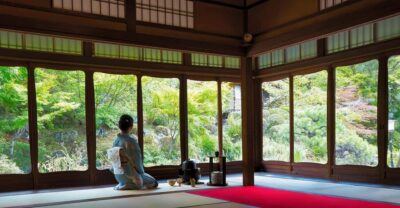
Tea Ceremony in a Traditional Tea House in Kiyomizu
Read our review →
World Heritage Kyoto & Nara Uji Authentic Matcha Experience
Read our review →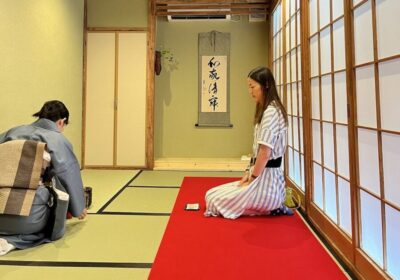
Arashiyama Bamboo Forest, Monkeys, Matcha & Temple Tour
Read our review →Browse the lists this tour appears in