
Reviewed · CITY TOURS
Private Guided Historical Sightseeing Tour in Kyoto
Kyoto’s biggest sights are spread across the eastern and central parts of the city, and this four-hour private tour tries to connect the key pieces in one brisk outing. You’ll visit red shrine gates, wooden temple halls, old lanes, a food market, and the districts linked with geisha culture. It is a useful first look at old Kyoto when your time is short.
I like the one-to-one attention, which lets a guide adjust the pace and explain Shinto, Buddhism, local customs, and Kyoto’s past in plain language. I also like the practical mix of transport: one highly praised guide used trains, walking, and taxis to keep the route moving, while another picked up the group at its hotel. The main concern is serious: several bookings were affected by no-show guides, poor communication, or late confirmation, so you should verify the appointment before relying on this tour.
Key points to know before booking
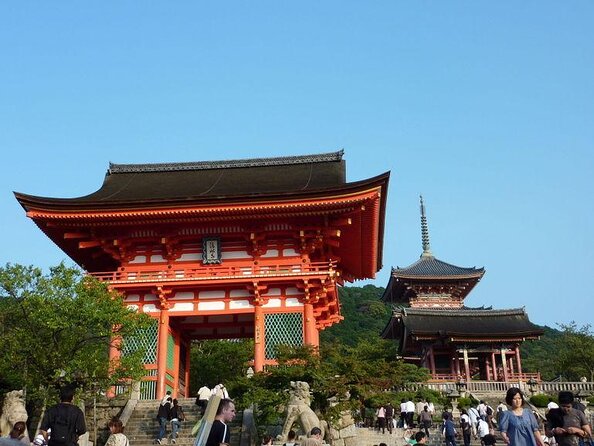
- Seven major stops in four hours: The route covers Fushimi Inari, Kiyomizu-dera, Kennin-ji, Yasaka Shrine, Nishiki Market, Pontocho, and Gion.
- Private, not shared: Only your group takes part, making it easier to ask questions or request a slower pace.
- A strong guide can transform the tour: Julian, Robert, Ricardo, Johannes, Andrea, Ken, Diego, Oscar, and others received praise for history, culture, food advice, and flexibility.
- Pickup is offered: Hotel pickup may reduce the chance of getting lost, though you should confirm the exact time and location.
- The schedule is tight: Most stops last 30 minutes, with one hour in Pontocho. This is an overview, not a leisurely day.
- Operator reliability is the key risk: Some groups waited for a guide who never came, received late details, or had trouble reaching the company.
What this Kyoto route tries to accomplish
This tour is built as a quick introduction to Kyoto’s most recognizable sights. It begins at Fushimi Inari-taisha, moves to Kiyomizu-dera, then works through Kennin-ji, Yasaka Shrine, Nishiki Market, Pontocho, and Gion.
On paper, the route makes sense. Fushimi Inari and Kiyomizu-dera give you two of Kyoto’s best-known religious sites. Kennin-ji offers a quieter Zen setting. Yasaka Shrine connects the city’s spiritual life with the Gion area. Nishiki Market adds food and daily life, while Pontocho and Gion bring in Kyoto’s traditional entertainment districts.
The challenge is time. The listed visits add up to about four hours, including seven stops. You will get a taste of each place, but you should not expect long temple visits, a full walk up Mount Inari, or enough time to browse every market stall.
That compressed pace can still be useful. A private guide can point out what matters, answer questions as you go, and help you decide which places deserve a second visit later. I would treat this as an orientation tour rather than the complete Kyoto experience.
Other ways to see Kyoto in a day:
- Kyoto: Hop-on Hop-off Sightseeing Bus Ticket
★ 3.9 · 2,034 reviews - Full-Day Sightseeing to Kyoto Highlights
★ 5.0 · 77 reviews - Kyoto: Full-Day City Highlights Bike Tour with Light Lunch
★ 5.0 · 52 reviews
Fushimi Inari gives you the strongest opening
Fushimi Inari-taisha is famous for its long corridors of orange torii gates leading up Mount Inari. The shrine honors Inari, a Shinto deity associated with rice, prosperity, and business, and fox statues appear throughout the grounds as messengers of the deity.
The tour allows about 30 minutes here. That is enough to see the main shrine area and walk through part of the torii-lined route. It is not enough for the full mountain climb, which is much longer and includes many steps.
This short visit works well if you have never seen Fushimi Inari. Your guide can explain the meaning of the gates and help you read the shrine customs rather than treating the site as a backdrop for photographs. If you already know the shrine and want to hike far up the mountain, the schedule will feel too rushed.
Kiyomizu-dera brings the classic Kyoto view
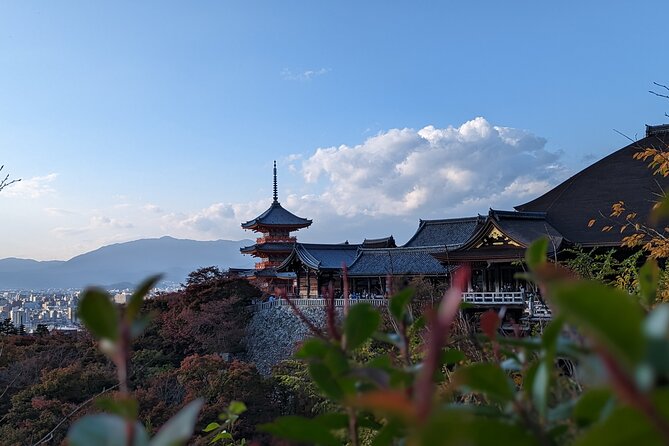
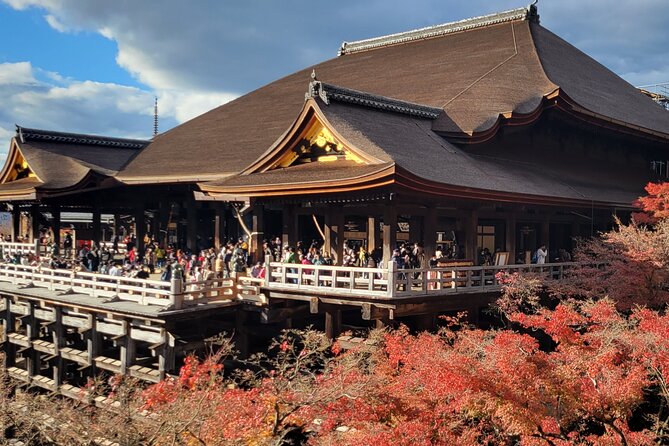
Kiyomizu-dera is one of Kyoto’s signature temples, known for its large wooden terrace and elevated views across the city. Its name means Pure Water Temple, and the temple grounds include religious buildings, paths, and the Otowa Waterfall.
You have roughly 30 minutes here. That gives you time to reach the main terrace, see the major structures, and hear why the temple matters. Crowds and uphill walking can make those 30 minutes pass quickly.
I would value a guide most at this stop. The architecture and religious customs can be easy to skim over when the approach is busy. A good guide can explain what you are seeing and help you focus on the parts that fit your interests.
The schedule does limit the visit. If Kiyomizu-dera is high on your personal list, you may want to return on your own for more time. The temple is not a quick photo stop in spirit, even if the tour treats it as one in practice.
Kennin-ji offers a calmer Zen pause
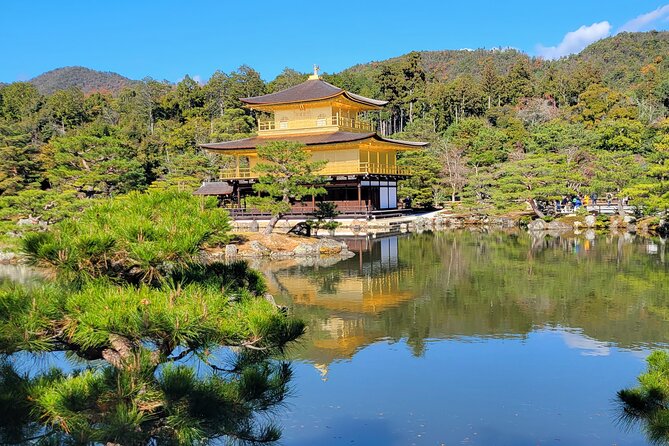
Kennin-ji, in the Gion area, is a major Zen temple and one of Kyoto’s oldest Zen institutions. Compared with the most crowded sights, it can offer a more reflective setting, with temple architecture, garden spaces, and artwork connected to Zen practice.
The planned 30 minutes is short but useful. This is the point in the route where your guide’s explanation can make the biggest difference. Without context, a temple garden or painted screen may seem simply attractive. With a clear explanation, you begin to understand how Zen ideas shape the design and atmosphere.
Do not expect a long period of quiet contemplation. The route has six more stops, and the group needs to keep moving. Still, Kennin-ji gives the tour some balance after the famous crowds at Fushimi Inari and Kiyomizu-dera.
Same base, a different sort of day:
- PERFECT KYOTO 1-Day Bus Tour
★ 5.0 · 13,518 reviews - Kyoto: Fushimi Inari, Kinkakuji, Bamboo Grove 1 Day Bus Tour
★ 4.8 · 4,316 reviews - Kyoto: Tea Ceremony in a Traditional Tea House in Kiyomizu
★ 4.9 · 3,519 reviews - Kyoto Geisha Walking Tour: Gion District & Hidden Gems
★ 4.7 · 3,273 reviews
Yasaka Shrine connects religion with Gion
Yasaka Shrine sits near the eastern edge of central Kyoto and is closely tied to the Gion Matsuri, one of Japan’s major festivals. Its bright gates and shrine buildings offer a different feel from the more subdued halls of Kennin-ji.
The visit lasts about 30 minutes. Your guide can explain Shinto purification, offerings, and the role of the shrine in local festivals. This is especially helpful if you are seeing both Shinto shrines and Buddhist temples during the same afternoon and want to understand the difference.
Yasaka Shrine also works as a bridge to the next parts of the route. From here, Kyoto’s old entertainment districts and shopping streets are close by. The stop is not designed for a long ceremony or detailed architectural study, but it adds useful cultural context.
Nishiki Market is the food-focused stop
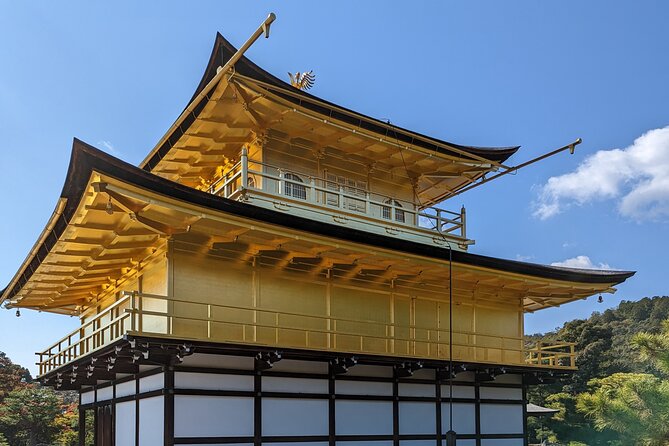
Nishiki Market runs through a narrow shopping street in central Kyoto. It is known for food stalls, local ingredients, prepared snacks, pickles, seafood, sweets, and small shops selling kitchen goods.
The tour allows 30 minutes. That is enough to sample the atmosphere and perhaps try a few foods, but not enough to work through the whole market at a relaxed pace. You may also find the passage crowded, especially at busy times.
This is one of the most practical stops because a guide can explain unfamiliar foods and suggest what is worth trying. One praised guide included street food as part of the outing, and another supplied restaurant recommendations. Those small details can be more useful than a long lecture, especially if you are trying to plan dinner.
If food is your main reason for visiting Nishiki, keep your expectations measured. A half hour gives you an introduction, not a full market crawl. You may want to note favorite stalls and return later.
Pontocho deserves the longest visit
Pontocho receives about one hour, the longest allocation on the route. This narrow alley beside the Kamogawa River is known for traditional restaurants, evening dining, and its connection with Kyoto’s geisha districts.
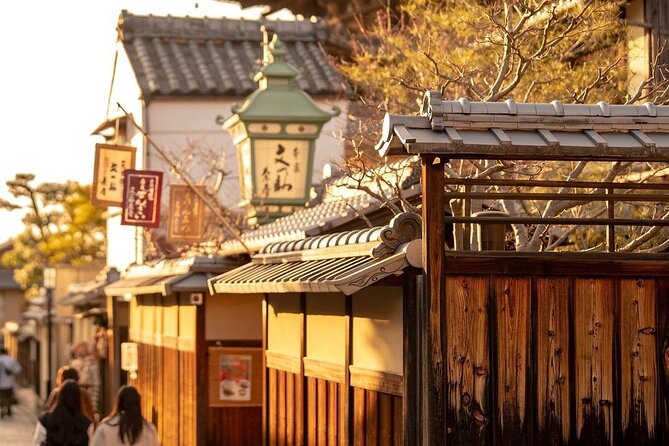
The atmosphere changes with the time of day. In daylight, you can study the compact wooden facades and narrow passage. Later, the area becomes more associated with dining and traditional entertainment. The tour description presents Pontocho as an atmospheric walk, not as a guaranteed restaurant visit or performance.
The extra time makes sense here. Pontocho is best appreciated slowly, and a guide can explain how the district fits into Kyoto’s social and cultural life. Still, an hour may include walking through the area rather than sitting down for a meal, since no meal is specified.
You should also remember that seeing a geisha is never promised. One guide helped a group spot an authentic geisha, but that was a fortunate moment, not a scheduled part of the tour.
Gion is a final look at old Kyoto
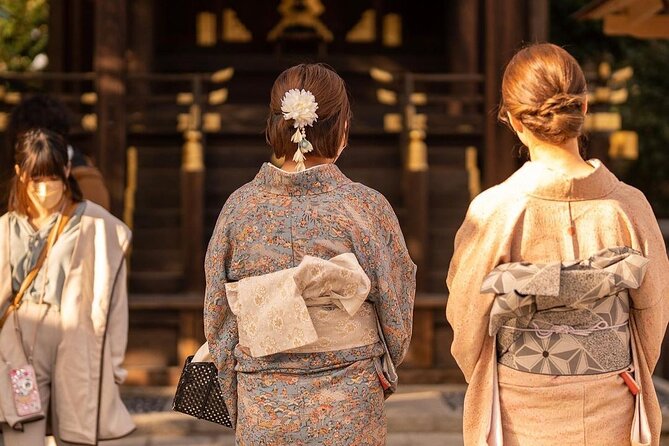
Gion is Kyoto’s best-known traditional entertainment district, with narrow lanes, wooden buildings, tea houses, and a long association with geisha and maiko. The tour gives you about 30 minutes here.
This is enough for an introduction to the district and its customs. Your guide can explain the difference between geisha and maiko, describe the role of tea houses, and remind you to behave respectfully around people going to work.
The short stop also means you may only see a small portion of Gion. It is a district for wandering, and the most atmospheric streets can be busy. If you want photographs, take them discreetly and follow local signs and requests.
Gion works well as the closing stop because it leaves you in a central part of Kyoto, close to restaurants, shopping, and transport. The final location may also make it easier to continue exploring after the guide leaves, though you should confirm the exact end point.
The guide matters more than the route
The route is attractive, but the guide is the part that can make or break it. Strong guides such as Julian, Robert, Ricardo, Johannes, Andrea, Ken, Diego, and Oscar were praised for explaining temple and shrine customs, adapting the pace, answering questions, and sharing food or restaurant suggestions.
Ricardo adjusted the outing for a group of four older adults. Johannes was described as friendly and engaging, with explanations of Shinto and help with street food. Diego picked up a group at its hotel, which reduced the risk of getting lost before the tour began. Ken was praised for making the cultural material approachable and personal.
Those details show what you should hope for: not just a person who walks you from gate to gate, but someone who helps you understand why each place matters. A private tour also gives you room to ask about Buddhism, Shinto, geisha culture, food, or daily life in Kyoto.
The service side has been much less consistent. Several groups waited at the meeting point for an hour when the guide did not arrive. Some could not reach the operator because the phone number did not work or messages went unanswered. One group received a start time that differed between the app and the guide, while another had to take a taxi and join 30 minutes late after late communication.
That is not a minor inconvenience on a four-hour tour. It can cost you a valuable half-day and leave you scrambling to replace plans. Contact the provider before the tour, confirm the start time and pickup point, and keep all communication in writing. If you are arriving in Kyoto by plane that day, do not schedule this as your first fixed activity.
What $85 means for value
At $85 per person, the tour asks you to pay for a private guide and a tightly organized introduction to Kyoto. The value is strongest for a couple, family, or small group that wants personal explanations without joining a larger party.
The price is harder to justify if you mainly want transportation or a checklist of famous locations. You can visit many Kyoto sights independently, and 30-minute stops leave limited time at each one. The tour earns its price through interpretation, navigation, local recommendations, and flexibility.
There is some uncertainty around admissions. The itinerary states that admission tickets are included at the shrine and temple stops, while one participant reported that admissions were not included. Confirm this directly before booking so the cost does not surprise you.
Pickup is offered, and public transport is nearby. Guides have used walking, trains, and taxis, but the exact transport plan may vary. Ask what pickup means for your booking and whether any taxi or train fares are separate.
Who will get the most from this tour
I would recommend this experience to you if:
- You have only a few hours in Kyoto.
- You want a private guide rather than a shared group.
- You prefer explanation and local context over spending a long time at one site.
- You are visiting Kyoto for the first time and want help connecting temples, shrines, food, and old districts.
- Your group includes older adults or people who may need a flexible walking pace.
- You would appreciate restaurant suggestions or help with local transport.
I would be more cautious if you want a slow temple visit, a full hike through Fushimi Inari, or a dedicated food tour. I would also avoid making this your only plan on a day when a missed appointment would cause major problems.
The cancellation terms allow a full refund when you cancel at least 24 hours before the start time. Changes or cancellations inside that window are not refundable, and bad weather or failure to meet a minimum group size can lead to a new date or refund.
Should you book the Kyoto historical tour?
This is a promising route with a real service problem. The sightseeing plan is smart, the private format is useful, and the best guides add exactly what Kyoto sightseeing needs: cultural context, sensible pacing, food advice, and help getting around.
The risk is operator coordination. The repeated reports of missing guides, late details, wrong times, and unanswered messages are too serious to ignore. I would book it only after confirming the exact start time, pickup location, guide contact, and admission arrangements.
If those details are confirmed, this can be a good first taste of Kyoto, especially for a small group with limited time. If the company remains difficult to reach, choose a more dependable plan and visit the sights independently.
FAQ
How long is the private Kyoto sightseeing tour?
The experience lasts approximately four hours.
Is this a private tour?
Yes. Only your group participates in the activity.
Is pickup available?
Yes. Pickup is offered, and one guide collected a group from its hotel. Confirm your exact pickup details before the tour.
Which places are visited?
The route includes Fushimi Inari-taisha Shrine, Kiyomizu-dera Temple, Kennin-ji Temple, Yasaka Shrine, Nishiki Market, Pontocho District, and Gion.
How much time is spent at each stop?
Most stops last 30 minutes. Pontocho receives approximately one hour.
Does the tour include admission tickets?
The tour information states that admission tickets are included at the listed shrine and temple stops. One participant reported that admissions were not included, so confirm this point before booking.
Is transportation included?
The tour is near public transportation. Guides have used trains, walking, and taxis, but the supplied information does not specify that all transport fares are included.
Can most people participate?
Yes. The activity information says most people can participate.
What is the cancellation policy?
You can cancel at least 24 hours before the start time for a full refund. Cancellations or changes made less than 24 hours before the start time are not refunded or accepted.
What happens if bad weather cancels the tour?
If poor weather causes cancellation, you will be offered another date or a full refund. A cancellation caused by not meeting the minimum number of participants also results in a new option or a full refund.
Just added in Kyoto
- Kyoto: Zen Meditation at a Private Temple with a Monk★ 5.0 · 25 reviews
- Private Cooking Class Udon in Kyoto Japan★ 5.0 · 23 reviews
- Your Private Vacation Photography Session In Kyoto★ 5.0 · 110 reviews
- Private Pewter Sake Cup Experience with a Kyoto Artisan★ 5.0 · 31 reviews
- Kyoto Wagashi(Japanese sweets) Cooking Class near Fushimiinari★ 5.0 · 60 reviews
- Kyoto:Family-Friendly Kimono & Yukata Experience at WARGO★ 5.0 · 147 reviews
- Private Guided Traditional Buddhist Cooking in Japan★ 5.0 · 16 reviews
- Kyoto: Gion Geisha District & Sake-in-Hand Walking Tour★ 5.0 · 37 reviews
City Tours, compared.

Private City Highlights Tour with Local Guide
Read our review →
Tokyo Private Sightseeing Tour by Car- English speaking chauffeur
Read our review →
Discover Mt. Fuji 5th Station & Kawaguchiko Sightseeing Day Tour
Read our review →
North Okinawa Sightseeing Tour & Churaumi Aquarium
Read our review →
Open Top Panoramic Sightseeing Bus with Audio Guide
Read our review →Browse the lists this tour appears in