
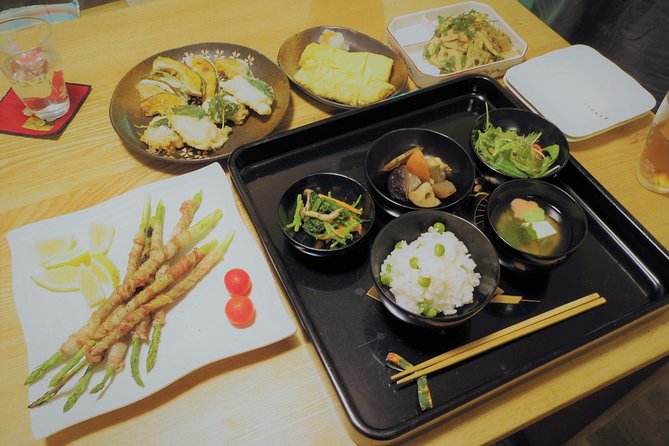
Reviewed · HIROSHIMA & MIYAJIMA DAY TRIPS
Private Japanese Cooking Class in Hiroshima with Machiko’s Family
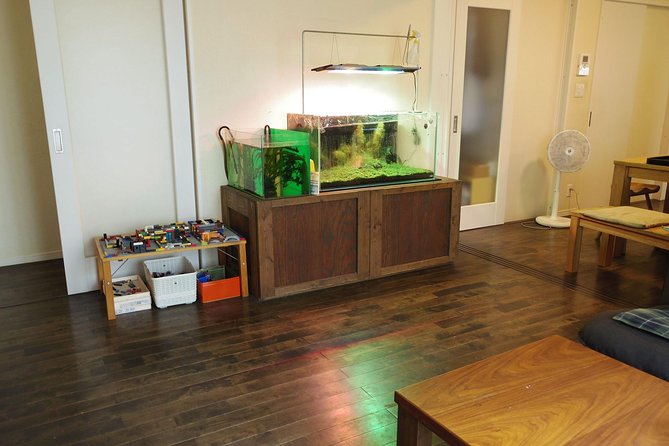
The best part of this Hiroshima experience is not simply learning a recipe. It is being welcomed into Machiko and Daishi’s family home, about a 20-minute streetcar ride from the city center, and sharing a meal at their table. You cook in a real residential kitchen, surrounded by family photos, children’s toys, an aquarium, an old turntable, and albums.
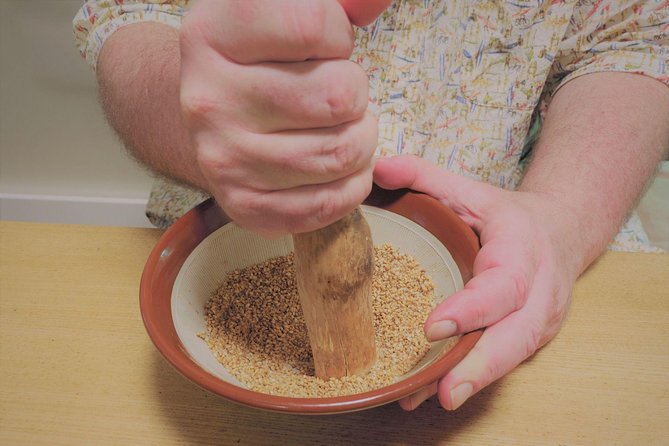
I like two things especially: the class uses hands-on methods, such as crushing sesame with a mortar and pestle, and the meal afterward gives you time for relaxed conversation. The main drawback is that the menu changes, so you cannot book this expecting one fixed set of dishes.
- A private home visit: Only your group takes part.
- About 1.5 hours of cooking: The full visit lasts around three hours.
- A meal with the family: Machiko, Daishi, and their children may join when available.
- Menus that change: Possible dishes include Hiroshima okonomiyaki, miso soup, sushi, tempura, karaage, and sweets.
- Vegetarian and vegan options: Dietary needs can be accommodated.
- A residential setting: You travel beyond central Hiroshima to see a quieter side of the city.
Cooking Japanese food in Machiko’s Hiroshima kitchen
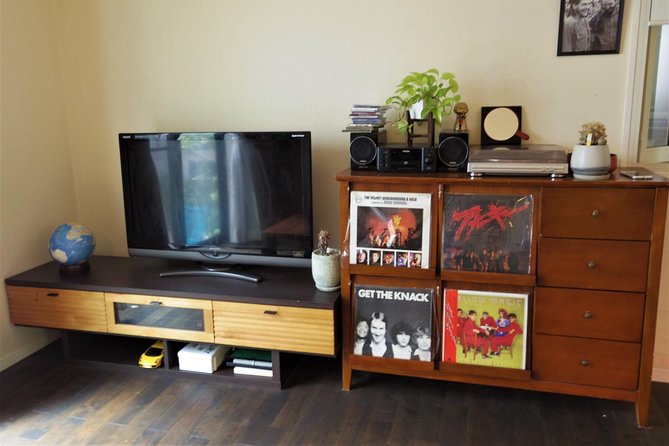
This is a small-scale food experience with a personal setting. Instead of meeting in a restaurant or a school kitchen, you go to Machiko’s house at 1-chōme-5-20 Ujinamiyuki in Minami Ward. The visit begins at 10:00 am and ends at the same meeting point.
The trip from central Hiroshima takes about 20 minutes by streetcar. That extra ride matters. You are not just moving between tourist sights. You are entering an ordinary neighborhood and seeing how a local family lives outside the city center.
Machiko teaches you to prepare two or three Japanese dishes from scratch. The cooking portion lasts about 1.5 hours, leaving roughly another 1.5 hours for introductions, conversation, and the shared meal. The pace should suit families and small private groups better than a large class where everyone rushes to keep up.
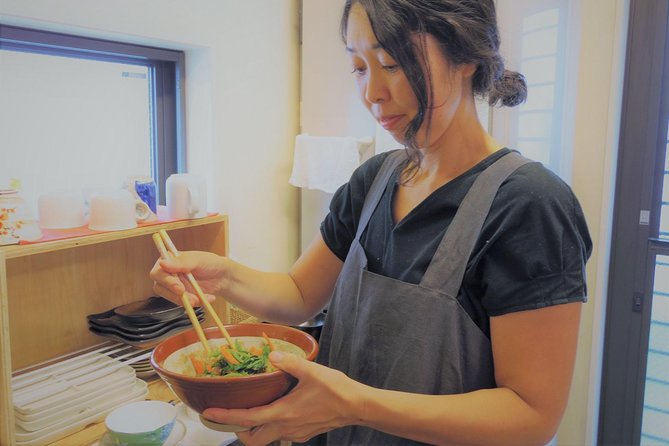
The class is practical rather than formal. You may chop ingredients, mix sauces, shape rice, prepare soup, or work on a main dish such as okonomiyaki. Machiko explains each step, and the methods are the kind you can try again in your own kitchen.
Why the home setting matters
A home kitchen tells you things a restaurant cannot. You see the tools a family actually uses, the way food is prepared for relatives, and the small objects that make a house feel lived in. Machiko’s home has an old turntable and records, an aquarium, family pictures, and the children’s toys.
Those details help the visit feel like a social occasion rather than a cooking demonstration. You are not watching a chef perform behind a counter. You are working alongside a local host, then sitting down to eat what you made.
On days when they are available, Machiko’s husband, Daishi, and their children may join the visit. This can add a family feel to the meal, along with more chances to talk about daily life, food, travel, and Japanese culture.
The family presence is not guaranteed, so keep your expectations flexible. The core activity is Machiko’s cooking lesson and the shared meal, not a promise that every member of the household will be there.
Other long days west of Hiroshima:
- Peaceful Hiroshima & Miyajima UNESCO 1 Day Bus Tour
★ 5.0 · 5,309 reviews - Hiroshima: Hiroshima and Miyajima UNESCO Sites 1-Day Tour
★ 4.9 · 2,330 reviews - Hiroshima / Miyajima Full-day Private Tour with Government Licensed Guide
★ 5.0 · 1,298 reviews
The hands-on techniques you will use
One small detail captures the spirit of the class: for a sesame salad dressing, you use a mortar and pestle to crush the sesame yourself. That is a simple task, but it gives you a better feel for how Japanese home cooking builds flavor.
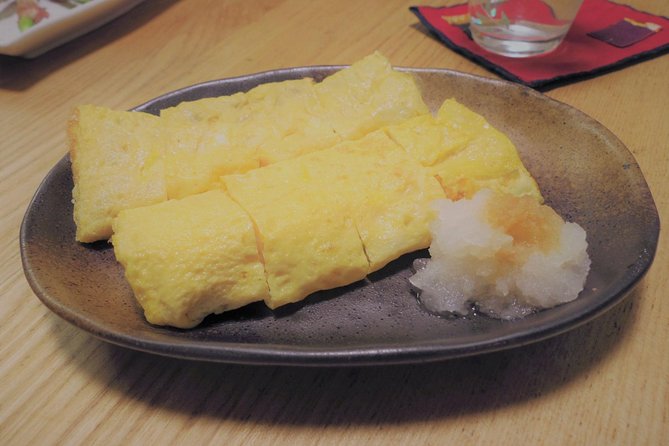
You may also learn how different ingredients are handled before they reach the table. Depending on the menu, that could mean preparing miso soup, mixing a salad dressing, making a Japanese omelet, shaping rice balls, or rolling sushi.
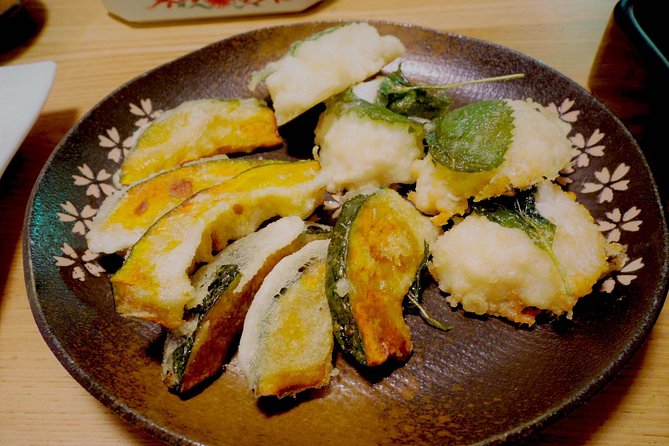
The menu can include meat or seafood dishes such as karaage, tempura, or mackerel. Hiroshima-style okonomiyaki is another possible highlight, and one particularly memorable menu pairing includes mackerel with Hiroshima okonomiyaki.
Because the menu is not fixed, you should see the variety as part of the appeal. You might learn a familiar Japanese dish in a home-style version, rather than following a rigid menu selected months in advance.
The tradeoff is clear: if you have your heart set on one recipe, you may be disappointed if it is not served that day. If you want to learn how a local family cooks and are happy to adapt, the changing menu works in your favor.
From cooking lesson to family meal
After the cooking, you sit at Machiko’s dining table and eat the food you helped prepare. This is where the three-hour format earns its keep. A short cooking class can feel rushed, but a meal afterward gives you space to slow down and talk.
The food is home cooking, not restaurant food. That distinction is useful. You are not coming for elaborate presentation or a tasting menu. You are learning the everyday dishes Machiko enjoys making for family and friends.
Possible dishes include:
- Miso soup and rice
- Salad with freshly crushed sesame dressing
- Japanese omelet
- Karaage or tempura
- Rice balls
- Hand-rolled sushi
- Mackerel
- Hiroshima okonomiyaki
- Green tea-flavored sweets
Not every dish appears in every class. The final selection depends on the menu arranged for your visit and your dietary needs.
A green tea-flavored sweet may finish the meal, and the food is paired with the kind of conversation that makes a home visit worthwhile. If you enjoy talking about cooking, family life, and cultural differences, plan to leave room in your morning rather than treating this as a quick stop before the next attraction.
What makes the cultural exchange worthwhile
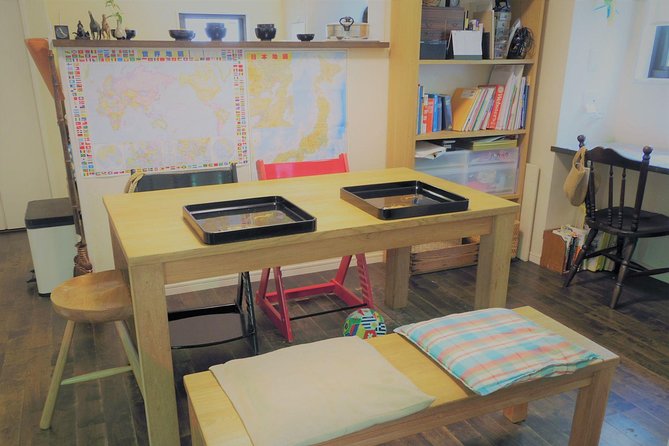
Hiroshima is known for major sights and difficult history, but a city is also understood through its neighborhoods and kitchens. This visit gives you a look at another part of Hiroshima, one that is quieter and more domestic.
The value is not only in learning how to make Japanese food. You also get context for the food. Why is sesame crushed instead of simply poured from a bottle? How does a family prepare a meal for friends? Which dishes feel ordinary at home but special to a visitor?
Machiko and Daishi are described as educated and worldly, with a strong interest in meeting people from other places. That makes the conversation an important part of the activity. The cooking gives you something to do with your hands, while the meal gives you time to ask questions and compare daily life.
You should not expect a formal lecture on Japanese culture. The cultural learning comes through the home, the food, and the conversation. That is often more useful than a scripted presentation, but it also means the quality of the social side depends on how much your group wants to engage.
More cooking in Hiroshima:
- Ramen Cooking Class at Ramen Factory in Kyoto
★ 5.0 · 1,937 reviews - Ramen & Gyoza Cooking Class in Tokyo with Local Supermarket Visit
★ 5.0 · 823 reviews - Kyoto: Ramen Cooking Class at a Ramen Factory with Souvenir
★ 4.9 · 532 reviews - Kyoto: Ramen, Gyoza, and Onigiri Cooking Class
★ 5.0 · 445 reviews
A good choice for families and special diets
This is a strong option for families because it takes place in a home and lets children participate in a practical activity. Cooking, shaping rice, mixing ingredients, and sharing a table can be easier for younger visitors than a long museum visit.
The home setting also gives families a break from restaurants and hotels. One particularly useful feature is that vegetarian and vegan menus are available. You should provide those requirements when booking so the host can plan the food.
The same applies to meat, seafood, or other dietary restrictions. The available information confirms vegetarian and vegan choices, but it does not promise that every possible allergy or preference can be handled. Ask before booking if your needs go beyond those options.
The class is also a good fit for couples, friends, and solo visitors who prefer private activities. Since only your group takes part, you do not need to match the pace or conversation style of strangers.
Is $108 per person good value?
At $108 per person, this costs more than a casual Japanese lunch or a standard group cooking class. The price includes the cooking lesson, the home-cooked meal, and gratuities, but not transport to the house.
I think the value depends on what you want from food activities. If you only want to eat okonomiyaki, this is not the most economical route. You could find a cheaper meal in Hiroshima.
If you want a private home visit, instruction, a full meal, and a chance to meet a local family, the price is easier to justify. You are paying for access to a personal setting and for about three hours of time, not only for the ingredients on the plate.
Group discounts may improve the price for larger parties. Since the activity is private, the cost can also make more sense when shared by a family or group of friends who would rather have their own session than join a large class.
The included gratuities simplify the final cost. You still need to arrange your own way to and from the meeting point, so include the streetcar ride and local transport in your budget.
Timing, meeting point, and practical planning
The class starts at 10:00 am. You meet at 1-chōme-5-20 Ujinamiyuki, Minami Ward, Hiroshima, 734-0015, Japan, and return there at the end.
The home is about 20 minutes from the city center by streetcar. Hotel pickup and drop-off are not included, so give yourself enough time to reach the address. The precise meeting instructions should be checked after booking.
A mobile ticket is available, which is handy when you are moving around Hiroshima without paper documents. Confirmation is sent within 48 hours of booking, subject to availability.
The activity is private, and service animals are allowed. It is not advertised as a hotel pickup tour, so this suits independent visitors who are comfortable getting to a residential address on their own.
Cancellation is free if you cancel at least 24 hours before the local start time. Cancellations or changes made less than 24 hours before the start are not refunded or accepted.
What to bring and how to get more from the class
Bring an appetite and a willingness to participate. This is a hands-on class, so you will get more from it if you want to chop, mix, shape, and taste rather than simply watch.
A notebook is a smart addition if you want to recreate the dishes at home. The recipes and techniques may be easy to remember in broad terms, but small details such as quantities, timing, and the texture of a dressing are worth writing down.
You may also want to note the names of ingredients and ask how they can be replaced outside Japan. That can turn the class into a useful cooking lesson long after your Hiroshima visit ends.
Wear comfortable clothing suitable for cooking. The supplied details do not specify uniforms or protective clothing, so do not assume those will be provided.
Most of all, allow the conversation to develop. The family may talk about travel, food, and life in Japan, and your questions can help make the meal more personal. This is not an activity to rush through before lunch, since the shared meal is part of the main appeal.
Who should book this Hiroshima cooking class?
I would recommend it to you if you want a private, social food experience with real contact with a local household. It is especially well suited to families, couples, small groups, and visitors who have already spent several days eating in restaurants.
It also works well for anyone who wants to bring Japanese cooking ideas home. The use of basic traditional tools, the step-by-step instruction, and the chance to write down recipes make it more useful than a meal alone.
You may want to choose another activity if you need a guaranteed menu, a central location, hotel transport, or a polished restaurant-style presentation. The ride to Minami Ward and the changing dishes are part of the format, not minor details.
Should you book it?
Book this if the idea of eating in a family home appeals to you as much as the food itself. Machiko’s kitchen, the possible presence of Daishi and the children, the hands-on techniques, and the shared table create a personal morning that a restaurant cannot copy.
Skip it if you only want Hiroshima okonomiyaki at the lowest price or if you dislike flexible menus. For everyone else, the $108 price is reasonable for a private three-hour visit that combines cooking, a home meal, and a direct connection with local life.
FAQ
How long does the Japanese cooking experience last?
The full activity lasts approximately three hours. The cooking lesson itself takes about 1.5 hours, followed by the shared meal and time in the home.
What time does the class start?
The class starts at 10:00 am.
Where does the experience meet?
You meet at 1-chōme-5-20 Ujinamiyuki, Minami Ward, Hiroshima, 734-0015, Japan. The activity ends back at the same meeting point.
Is this a private activity?
Yes. Only your group participates in the activity.
What dishes might I learn to make?
The menu can include miso soup, salad with sesame dressing, Japanese omelet, karaage, tempura, rice balls, hand-rolled sushi, mackerel, Hiroshima okonomiyaki, and green tea-flavored sweets. The exact menu varies.
Are vegetarian and vegan options available?
Yes. Vegetarian and vegan options are available.
Is transportation included?
No. Hotel pickup and drop-off are not included. The home is about a 20-minute streetcar ride from central Hiroshima.
Can I cancel for a full refund?
Yes, if you cancel at least 24 hours before the experience’s local start time. Cancellations or changes made less than 24 hours before the start are not refunded or accepted.
Just added in Hiroshima
- Iya Valley BROMPTON Slow Cycling Tour★ 5.0 · 28 reviews
- Iya Valley All Must-Sees Private Chauffeur Full-day Tour with a Driver★ 5.0 · 20 reviews
- Shore Excursion from Hiroshima Port : Private Tour in Hiroshima★ 5.0 · 17 reviews
- Hiroshima & Miyajima All-Inclusive Tour w/Licensed guide Pancho★ 5.0 · 54 reviews
- Okunoshima Rabbit Island Cycling Tour with Local Guide★ 4.5 · 17 reviews
- The Peace Memorial to Miyajima : Icons of Peace and Beauty★ 4.5 · 31 reviews
- Private Full Day Hiroshima Tour★ 4.5 · 29 reviews
- Hiroshima Saijo Sake Tasting Tour with visit to 7 Breweries★ 5.0 · 104 reviews
Hiroshima & Miyajima Day Trips, compared.
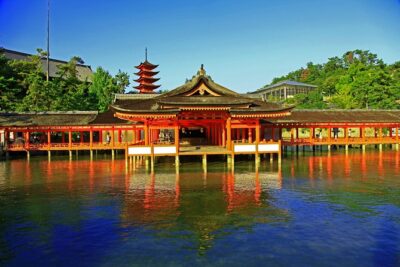
Peaceful Hiroshima & Miyajima UNESCO 1 Day Bus Tour
Read our review →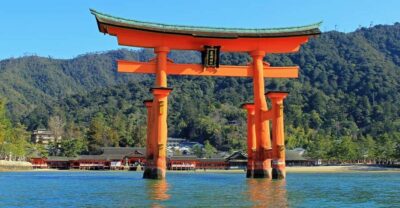
Hiroshima and Miyajima UNESCO Sites 1-Day Tour
Read our review →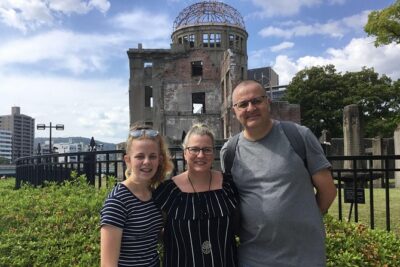
Hiroshima / Miyajima Full-day Private Tour with Government Licensed Guide
Read our review →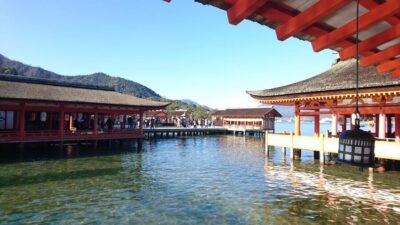
Osaka/Kyoto: Hiroshima Miyajima Bus Tour & Shinkansen Ticket
Read our review →
Hiroshima Historical Walking Tour – Why A-Bomb was Dropped
Read our review →
Hiroshima Peace (Heiwa) Walking Tour at World Heritage Sites
Read our review →
Hiroshima in a Nutshell: Morning Bike Adventure
Read our review →
Hiroshima City 4hr Private Walking Tour with Licensed Guide
Read our review →Browse the lists this tour appears in