
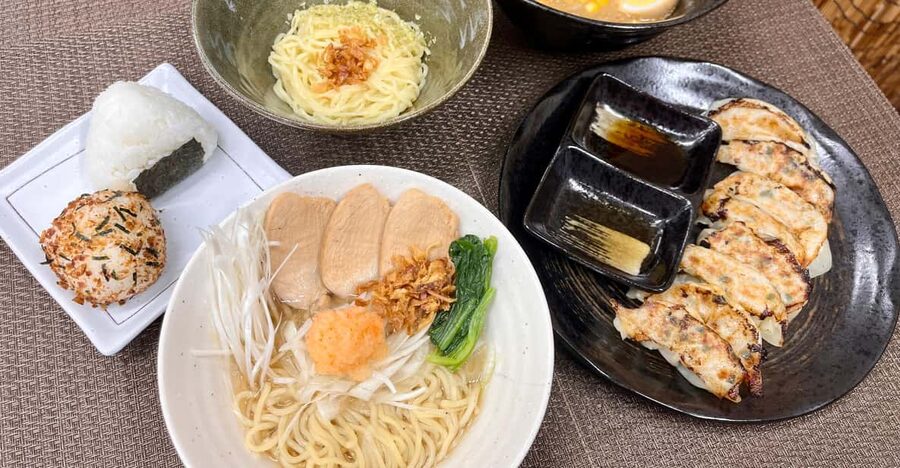
Reviewed · RAMEN TOURS & WORKSHOPS
Kyoto: Ramen, Gyoza, and Onigiri Cooking Class
The best part of this Kyoto cooking class is its useful focus: you learn ramen broth, not noodles. Noodles are easy enough to buy at home, but a good soup base is harder to copy. You also make gyoza and onigiri, so the 90 minutes cover three everyday Japanese foods rather than one elaborate dish.
I like the small groups of up to eight and the friendly English instruction. I also like that you eat what you prepare and receive recipes for ramen and gyoza. The main catch is dietary: the class cannot handle vegan, pescatarian, gluten-free, or other special diets, and the vegetarian choice only replaces pork with tofu.
Key points to know before booking
- Two ramen styles: Prepare miso and shoyu ramen with simple, home-friendly broth ingredients.
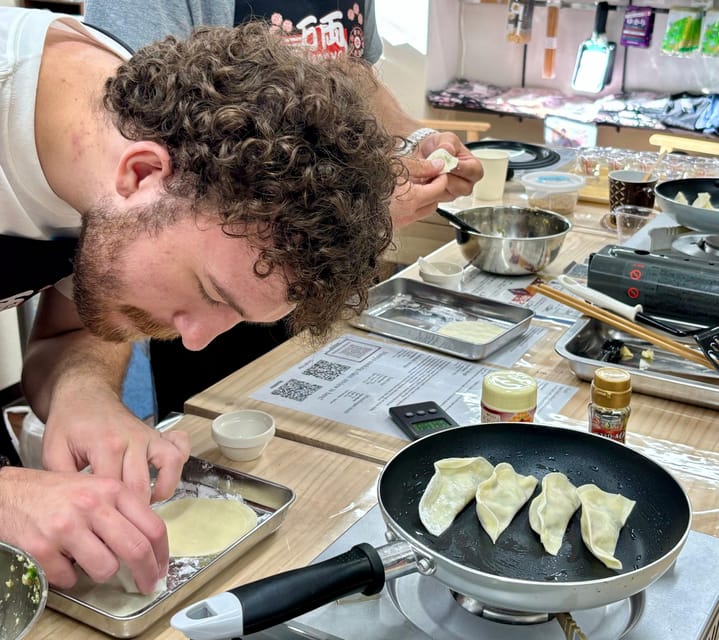
- Gyoza practice: Mix the filling, learn the folding technique, and cook the dumplings until browned.
- Onigiri shaping: Form seasoned Japanese rice balls, a practical snack you can repeat at home.
- Small English-speaking class: Groups are limited to eight, with instructors including Nori, Kairi, Aoi, and Minori.
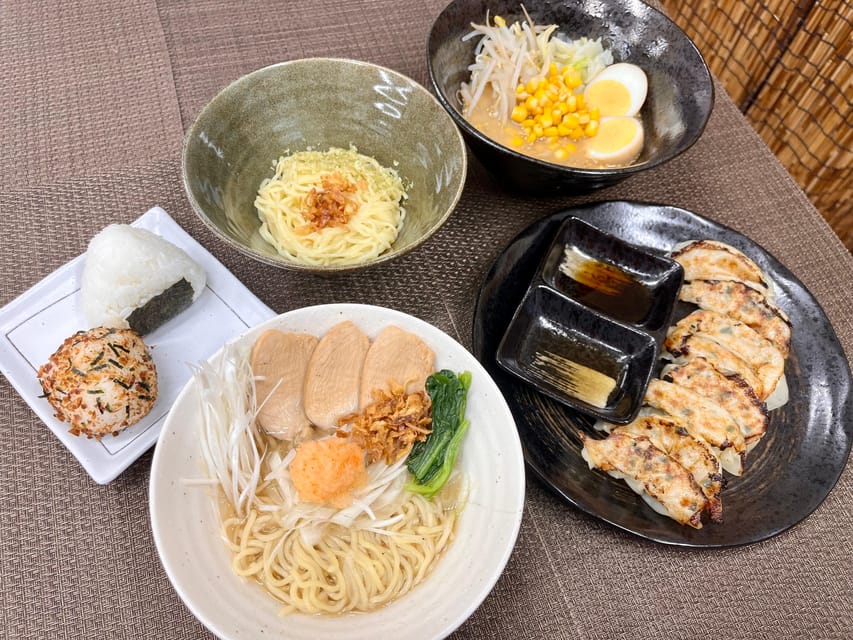
- A generous meal: You eat the ramen, gyoza, and onigiri made during the class, so arrive hungry.
- Strict food limits: No vegan, pescatarian, gluten-free, or other special-diet adjustments are offered.
What you actually cook in 90 minutes
This is a fast class, but the pace has a good reason. The ingredients are prepared ahead of time, allowing you to spend your short session cooking, folding, tasting, and asking questions instead of chopping every onion from scratch.
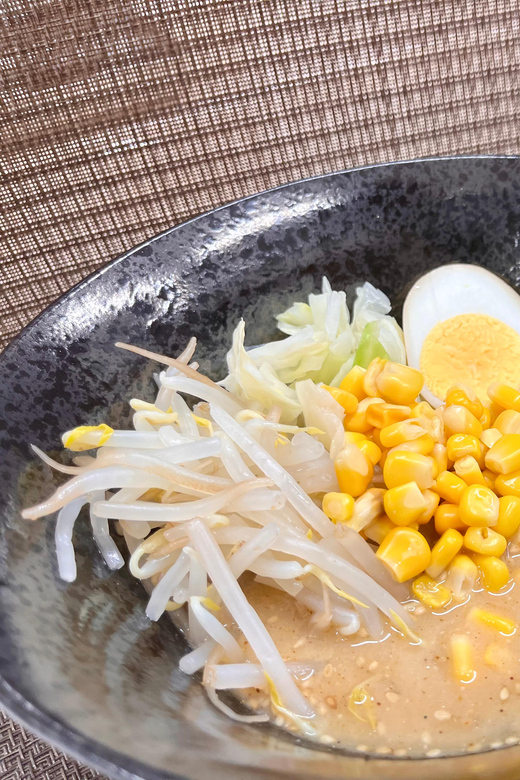
You work on two ramen preparations: miso and shoyu, or soy sauce ramen. The class concentrates on the broth, which is the most useful part to learn if you want to recreate ramen in your own kitchen. You are shown how seasonings such as soy sauce, miso, garlic, ginger, sesame oil, mirin, black pepper, and stock powder build flavor.
You do not make ramen noodles here. That may disappoint anyone hoping for a full noodle-making lesson, but it keeps the class practical. Most home cooks can buy noodles nearby or at an Asian supermarket. Making a balanced soup is the trickier skill, and that is where the class puts its time.
The toppings are deliberately simple. Miso ramen comes with boiled egg, bean sprouts, green onions, and sweet corn. Shoyu ramen includes chicken, bamboo shoots, and green vegetables. The idea is sensible: toppings should support the broth rather than overpower it.
You then prepare gyoza filling with ground pork, cabbage, onion, chives, garlic, ginger, and seasonings. The lesson covers the balance between meat, vegetables, and flavorings, followed by the part many people find hardest at home: wrapping the dumplings neatly and sealing them properly.
Finally, you shape onigiri, the compact Japanese rice balls often packed as a snack or lunch. The technique is simple but surprisingly useful. Even if your first rice ball is not perfectly shaped, you leave knowing how to make a quick alternative to sandwiches.
Other cooking classes in Kyoto people book:
- Ramen Cooking Class at Ramen Factory in Kyoto
★ 5.0 · 1,937 reviews - Kyoto: Ramen Cooking Class at a Ramen Factory with Souvenir
★ 4.9 · 532 reviews - Kyoto: Japanese Washoku Bento Small Group Cooking Class
★ 5.0 · 380 reviews
Ramen broth is the most useful lesson
I think the broth section gives this class its best value. A restaurant-style ramen bowl can look complicated, but the class breaks the soup into ingredients you can find without hunting through specialist shops.
You work with seasonings and stock rather than spending hours making a traditional stock from bones. That makes the lesson realistic for a home kitchen. The recipes include items such as chicken stock powder, oyster sauce, fish powder, lard, miso, soy sauce, sesame oil, butter, chili oil, and cooking sake.
The exact ingredient list also explains why food restrictions matter. The standard preparation includes meat, fish-based items, oyster sauce, chicken stock, and lard. If you avoid one or more of these, ask before booking, but the stated policy is firm: vegan, pescatarian, gluten-free, and other special diets cannot be accommodated.
The vegetarian menu is limited. Pork is replaced with tofu, while the other ingredients remain the same. Do not assume that this menu is vegan, pescatarian, or free of fish and shellfish products.
Gyoza is hands-on and easy to repeat
Gyoza is where you get the most direct practice. You combine the filling, learn how much to place in each wrapper, and work on folding and sealing. This is more useful than simply watching an instructor make one perfect dumpling.
The class aims for the classic shape and a secure seal. That matters because a loose gyoza can open during cooking, spilling its filling into the pan. You also learn the basic balance of meat, cabbage, onion, chives, and seasoning, which gives you room to adjust the recipe at home.
The preparation is assisted, but not passive. Ingredients are measured and ready, so you are not faced with a long shopping list or a mountain of prep work. One participant described the format as closer to assembly than from-scratch cooking. That is a fair point, and it is worth knowing if you want a serious knife-skills course.
For most people, this is a better use of 90 minutes. You get to practice the parts that are easiest to get wrong, especially filling quantity and folding. The printed recipes for ramen and gyoza also help turn a holiday activity into something you can cook again.
Onigiri adds a simple Japanese staple
Onigiri may be the least technical dish, but it rounds out the meal well. You learn how to shape rice balls evenly and prepare them as a snack or lunch. The class presents them as a flexible food, not a formal dish that requires special equipment.
This is a nice contrast with ramen. Ramen broth involves several seasonings and careful balance, while onigiri shows you how a few familiar ingredients can become a useful meal. If you have children or teenagers in your group, shaping rice can also be an easier task than working with hot pans.
The class information does not promise a wide range of fillings, so do not book expecting a long onigiri tasting. The value here is the shaping method and the chance to include another everyday Japanese food in your home cooking.
Other bowls worth queuing for in Kyoto:
- Kyoto Ramen and Gyoza Cooking Class with Professional Chefs
★ 5.0 · 282 reviews - Eat and Drink Like a Local: Tokyo Ueno Food Tour-Taverns&Ramen
★ 5.0 · 957 reviews - Ramen & Gyoza Cooking Class in Tokyo with Local Supermarket Visit
★ 5.0 · 823 reviews - Tokyo: Ramen Tasting Tour with 6 Mini Bowls of Ramen
★ 4.9 · 432 reviews
Friendly teaching in a small room
The class is taught in English, and the instructors named in the available information include Nori, Kairi, Aoi, Minori, Ayuna, Riho, Mia, and Kiara. Nori is often singled out for humor, clear explanations, and short cultural notes. Several instructors may help during a session, which is useful when everyone is cooking at once.
Groups are capped at eight. That is small enough for instructors to check your gyoza folds, correct a technique, and answer questions about ingredients. Some sessions have had only two to four participants, while a full class still remains limited enough for individual help.
The teaching style is practical rather than formal. You get brief background on the dishes, explanations of how flavors develop, and guidance at each cooking station. You can also ask general questions about Japanese cooking, including ingredients and kitchen tools.
There is a quick pace. Reviews describe making two ramen types, gyoza, and onigiri within the 90-minute session. If you prefer a slow, leisurely class with long pauses between dishes, this may feel rushed. If you want to cook and eat a lot in a short slot, the pace works in your favor.
The meal is part of the value
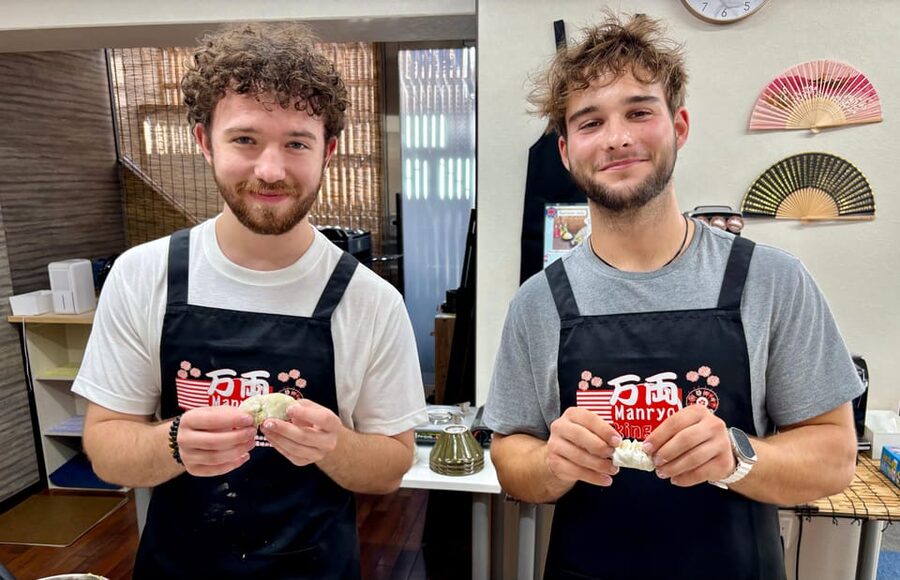
At $90 per person, this is not a cheap lunch. But the fee includes instruction, all ingredients, equipment, the food you make, printed recipes for ramen and gyoza, and free coffee and tea.
The amount of food is a major part of the calculation. You prepare two ramen styles, gyoza, and onigiri, then eat the results. Several people found the serving generous enough to leave them very full. I would not schedule a large meal immediately afterward.
You also gain recipes you can use after the trip. That makes the class more worthwhile than an activity where you simply watch a chef and leave with a few photographs. The recipes focus on dishes that are realistic for home cooks, especially the broth and gyoza.
Beer can be purchased after the meal, according to one participant, but it is not listed as included. Treat it as an optional extra, not part of the tour price.
Finding the classroom in central Kyoto
The classroom is in the basement level, B1, of the Life Building. It is one street away from the main road, so you should check Google Maps before the day of the class.
The meeting point can be found by searching for Manryo cooking class. If you take a taxi, get out near the Family Mart at Sanjo Keihan. From there, the classroom is about a two-minute walk.
This is a place where arriving ten minutes early makes sense. The side-street location is easy to miss, and a late arrival would be especially awkward in a 90-minute class. Wear comfortable shoes and clothes that allow easy movement around a cooking station.
There is no hotel pickup or drop-off. The meeting point arrangement is simple, but you are responsible for reaching the building on time.
Who will enjoy this class most
I would choose this for a couple, family, or small group that wants an active food experience rather than another restaurant meal. It also suits first-time cooks because ingredients are prepared and measured, while instructors guide the key techniques.
It works well as a late-morning lunch activity or as an afternoon meal before an evening walk around Kyoto. Since you eat everything you make, plan your day around the food rather than squeezing the class between two large restaurant bookings.
The class is open to participants aged 13 and older who can cook independently without hands-on assistance. The supplied information is inconsistent in a few user comments about younger children, but the stated requirement is 13+, so families should follow that rule when booking.
It is not suitable for wheelchair users or people with recent surgeries. The information also lists children under 12 as unsuitable, reinforcing the need to confirm the age requirement before paying.
The food restrictions need careful attention
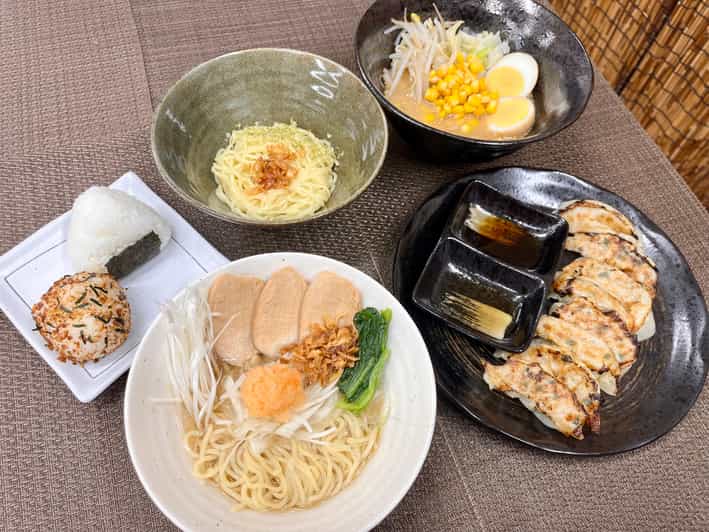
This is the biggest issue for some bookers. The class offers a regular menu and a vegetarian menu, but no vegan, pescatarian, gluten-free, or other special-diet menu.
The vegetarian option replaces pork with tofu only. Other ingredients remain unchanged, and the listed ingredients include chicken stock powder, oyster sauce, fish powder, lard, and cooking sake. If you have allergies or follow a strict diet, do not assume the tofu menu solves the problem.
A few individual experiences describe staff making special adjustments, but the official conditions say those diets cannot be accommodated. I would rely on the stated policy, contact the provider before booking if you have a serious allergy, and choose another class if your requirements cannot be met safely.
Booking details that matter
You can cancel up to 24 hours in advance for a full refund, and the reserve-now, pay-later option keeps your plans flexible. Availability and starting times vary, so check the schedule for your Kyoto dates.
Only one reservation per group is allowed. Booking extra spots under the same name can lead to all bookings being canceled, because those held places prevent other people from reserving.
Everyone entering must be taking part in the class. If your booking is for five people, only those five participants may enter. Someone who only wants to watch cannot join the classroom.
Should you book the Kyoto ramen cooking class?
Book it if you want a friendly, efficient food lesson with a meal at the end. The strongest reasons are the practical broth instruction, repeated gyoza practice, small English-speaking groups, and recipes you can use at home.
Skip it if you want to make noodles from flour, study advanced Japanese cuisine, or need vegan, pescatarian, gluten-free, or allergy-specific food. The class is also a poor fit if you dislike quick, tightly organized activities.
For everyone else, $90 buys more than a demonstration. You cook several popular dishes, learn techniques that transfer to your own kitchen, and finish with a substantial meal in central Kyoto. Arrive early, arrive hungry, and check the food rules before booking.
FAQ
How long does the cooking class last?
The class lasts 90 minutes.
What dishes will I make?
You will prepare miso ramen, shoyu ramen, gyoza, and onigiri. The class focuses on ramen broth rather than making ramen noodles.
Is the class taught in English?
Yes. The instructors teach in English.
What is included in the price?
The price includes the English-speaking instructors, ingredients, cooking equipment, the food you make, recipes for ramen and gyoza, and free coffee and tea.
Can the class accommodate vegan or gluten-free diets?
No. Vegan, pescatarian, gluten-free, and other special diets cannot be accommodated. The vegetarian menu replaces pork with tofu, but other ingredients remain the same.
Where is the meeting point?
The classroom is in B1 of the Life Building, one street away from the main road. Search for Manryo cooking class on Google Maps. By taxi, get off near the Family Mart at Sanjo Keihan, about a two-minute walk away.
More cooking classes elsewhere in Japan
- Kyoto: Afternoon Japanese Izakaya Cooking Class
★ 4.9 · 241 reviews - Izakaya Style Cooking Class
★ 5.0 · 219 reviews - Osaka: Ramen and Gyoza Cooking Class in Dotonbori
★ 5.0 · 378 reviews - Osaka: Sumo Stage Show with Bento or Snack + Fight & Photo
★ 4.3 · 364 reviews
Just added in Kyoto
- Kyoto: Private Photoshoot Service★ 5.0 · 158 reviews
- Kyoto Rickshaw Tour★ 5.0 · 210 reviews
- Izakaya Style Cooking Class★ 5.0 · 219 reviews
- Kyoto: Traditional Concert at Townhouse or Bathhouse★ 4.9 · 224 reviews
- Ninja 2-hour Hands-on Lesson by Japanese master in Kyoto -Medium★ 5.0 · 218 reviews
- Kyoto: Arashiyama Bamboo, Temple, Matcha, Monkeys & secret spots★ 5.0 · 219 reviews
- Samurai Training with Modern day Musashi in Kyoto★ 5.0 · 256 reviews
- Kyoto: Kimono Tea Ceremony with Matcha and Sweet★ 4.9 · 249 reviews
Ramen Tours & Workshops, compared.
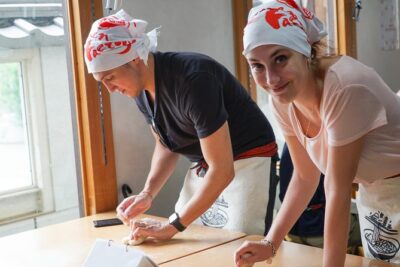
Ramen Cooking Class at Ramen Factory in Kyoto
Read our review →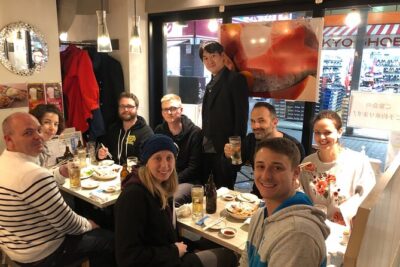
Eat and Drink Like a Local: Tokyo Ueno Food Tour-Taverns&Ramen
Read our review →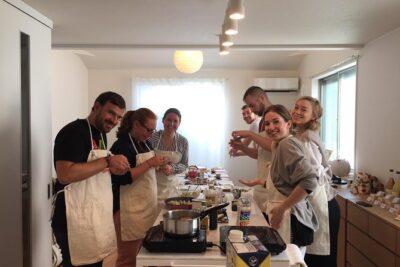
Ramen & Gyoza Cooking Class in Tokyo with Local Supermarket Visit
Read our review →
Ramen Cooking Class at a Ramen Factory with Souvenir
Read our review →
Five Must-See Highlights Walking Tour & Ramen Lunch
Read our review →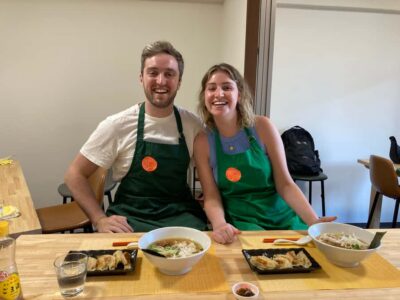
Easy Ramen Cooking Experience in Kabukicho, Shinjuku
Read our review →Browse the lists this tour appears in