
Reviewed · RAMEN TOURS & WORKSHOPS
Ramen & Gyoza Cooking Class in Tokyo with Local Supermarket Visit
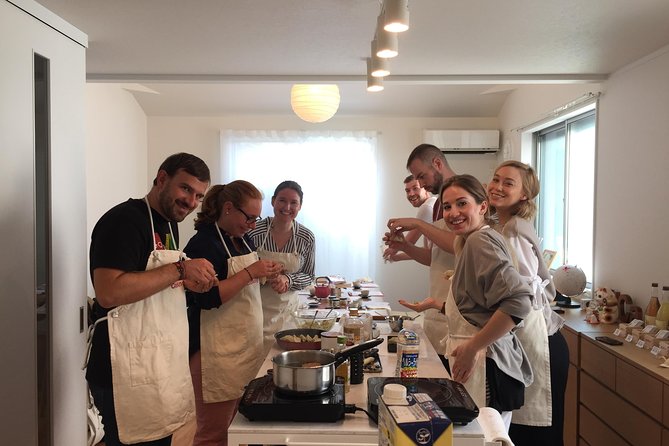
The best part of this experience is the setting: you’re welcomed into YUCa’s home kitchen in Nishiogu, away from Tokyo’s usual sightseeing circuit. She teaches ramen and gyoza in a warm, informal class, with enough cultural explanation to make the meal more than a recipe lesson.
I like the chance to make two everyday Japanese foods in one morning, and I like the small maximum of seven participants. The main consideration is that the class can be more demonstration-based than fully hands-on when the kitchen is full. The supermarket visit is also optional, so confirm that part before booking if it is a main reason for choosing this class.
Key points before you book
- Cook two Japanese staples: Prepare ramen and gyoza, then sit down to eat your own work.
- Meet YUCa at home: The class takes place in her Japanese kitchen, giving you a look at an ordinary home setting.
- Expect a friendly, social morning: Singles, couples, families, teenagers, grandparents, and beginners are all suited to the class.
- Learn practical food culture: The opening talk covers Japanese home cooking and lifestyle, while the optional supermarket visit explains local ingredients.
- Plan for a suburban Tokyo address: The meeting point is in Nishiogu, Arakawa City, not central Tokyo’s main sightseeing zone.
- Check the supermarket detail: It is listed as optional, and it has not always taken place for every booking.
A home kitchen lesson in Nishiogu
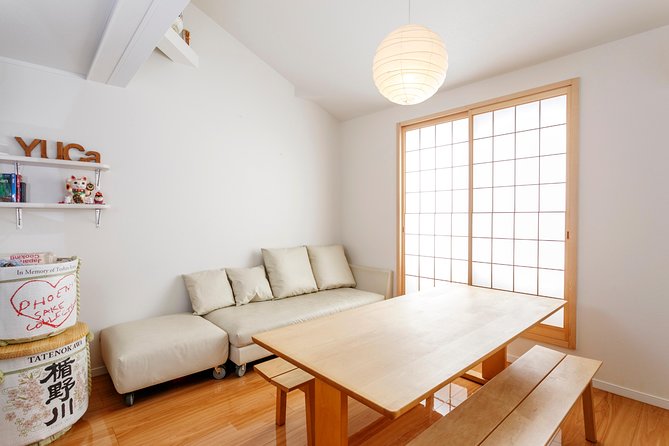
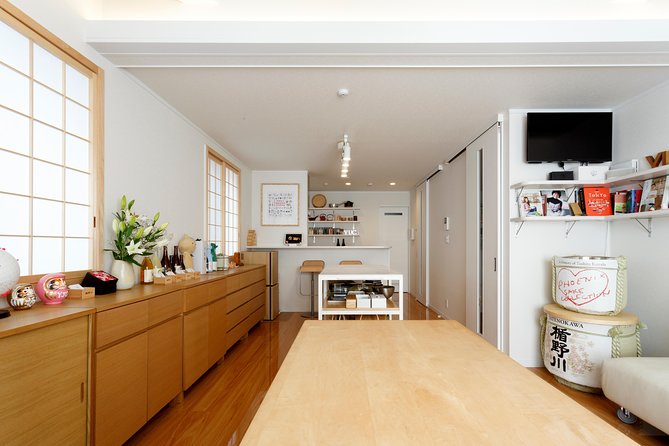
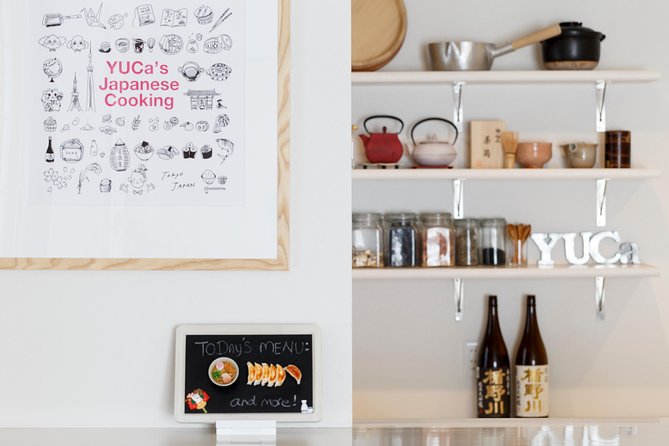
At 10:00 a.m., you meet at YUCa’s Japanese Cooking, at 2-chōme-34-8 Nishiogu in Arakawa City. This is not a restaurant kitchen or a large culinary school. It is YUCa’s own home and cooking space, which gives the morning a more personal feel.
That setting is a real part of the experience. You get a glimpse of a Japanese home kitchen rather than only watching a chef work in a commercial venue. The class also creates easy conversation with the other people at your table, which can be a nice change after days of sightseeing on your own.
The address is in a neighborhood outside the main tourist core. That means you’ll need to allow time to reach it, and you should not treat the 10:00 meeting time casually. The supplied information confirms the location is near public transportation, but it does not provide a specific station or route. Use the exact address and allow extra time for Tokyo’s sprawling rail network.
The class requires at least two people per booking and accepts a maximum of seven participants. That is a useful middle ground. You are not signing up for a huge group, but you also should not expect a private lesson unless your booking happens to fill the class.
Other bowls worth queuing for in Tokyo:
- Eat and Drink Like a Local: Tokyo Ueno Food Tour-Taverns&Ramen
★ 5.0 · 957 reviews - Tokyo: Ramen Tasting Tour with 6 Mini Bowls of Ramen
★ 4.9 · 432 reviews - Tokyo: Easy Ramen Cooking Experience in Kabukicho, Shinjuku
★ 4.6 · 321 reviews
The 10:15 introduction to Japanese home cooking
After meeting, the schedule allows for a short lecture from 10:15 to 10:30. YUCa introduces Japanese home cooking and lifestyle before the food preparation begins.
This part matters because ramen and gyoza are often treated as restaurant foods by visitors. Here, the focus is on how they fit into Japanese cooking and daily life. YUCa also explains ingredients and methods in clear English, according to the experience details and participant comments.
The introduction is brief, so this is not a long cultural lecture. That is probably a good thing for a two-and-a-half-hour food class. You get enough context to understand what you are making, then move on to the kitchen work.
YUCa’s teaching style is one of the strongest reasons to choose this class. She is described as patient, energetic, welcoming, and easy to understand. She also makes a point of involving different ages and skill levels, so you do not need previous cooking experience.
Making ramen from the bowl outward
The main cooking period runs from 10:30 to 12:30. You learn to assemble ramen, the Japanese noodle soup that has become a worldwide favorite but still varies widely from one kitchen to another.
This is presented as an approachable home-style recipe rather than a master class in restaurant ramen production. You work with vegetables and meat, learn about the components of the dish, and build the finished bowl before tasting it.
One useful detail is the rhythm of the class. While the ramen ingredients need time to cook, the group works on the gyoza. That keeps the morning moving and gives you two different kinds of kitchen work instead of waiting around for one dish.
Do not expect to spend the entire session making broth from bones or hand-pulling noodles. The available description does not promise that kind of advanced technique. One participant felt that some steps involved adding measured powder or liquid rather than doing extensive preparation from scratch. If you want a highly technical ramen course, this may feel too basic.
For most visitors, though, the simple format is part of the appeal. You can follow the process, understand the main ingredients, and recreate the dish at home without needing specialist equipment or a full day in the kitchen.
Folding gyoza while the ramen cooks
The gyoza portion adds the most tactile activity. You prepare minced pork dumplings with vegetables, fill the wrappers, and fold them by hand before they are cooked.
Families especially may like this section. Children and teenagers can take part in shaping the dumplings, and the activity gives everyone a clear task. The class is also suitable for adults who rarely cook. Folding gyoza is forgiving enough for beginners, and imperfect dumplings still make a good lunch.
The class covers different vegetables and meat, giving you a sense of how the filling can change. You should think of this as an introduction to technique rather than a long exploration of regional gyoza styles.
There is one fair warning about the phrase hands-on. The class does involve participation, but a single kitchen and a group of up to seven people mean not every person will perform every step. Some parts may be watched while YUCa demonstrates. If you prefer constant knife work and individual burners, ask about the format before you book.
More cooking in Tokyo:
- Ramen and Sushi Cooking Class with Sake Pairing Set in Tokyo
★ 5.0 · 291 reviews - Tokyo: Wagyu and 7 Japanese Dishes Cooking Class
★ 4.9 · 273 reviews - Tokyo Washoku 4-hour Cooking Class: From Market to Table
★ 5.0 · 253 reviews - Professional Ramen & Gyoza with Ramen Chef in a restaurant!
★ 5.0 · 223 reviews
Eating what you made around noon
After the preparation, you assemble the ramen bowls and eat the gyoza. This is not simply a cooking demonstration followed by a tiny sample. The meal is the payoff for the work, and many participants found the food delicious and filling enough to make the cooking feel worthwhile.
Portion size may not satisfy every appetite. One person specifically felt the food portions could be bigger, so do not book this as your only plan for a large lunch if you usually eat generously.
The meal also gives you time to talk with YUCa and the other participants. The social side is important here. The class has been enjoyed by couples, families with children from about nine upward, teenagers, older parents, and solo visitors. You can expect a shared table atmosphere rather than a silent lesson.
The food is also practical. Ramen and gyoza are dishes you can try again at home, and the class aims to explain recipes and steps clearly enough for that. Several participants specifically planned to recreate the meal after returning home.
The optional supermarket visit from 12:30 to 1:00
The schedule lists a local supermarket tour from 12:30 to 1:00. This is potentially one of the most useful parts for anyone who wants to continue cooking Japanese food after the trip.
A neighborhood supermarket shows you the ordinary ingredients behind the dishes. YUCa can explain unfamiliar products, labels, vegetables, seasonings, and other items that are difficult to understand during a quick solo shopping trip. It also takes you into a less tourist-focused part of Tokyo.
But treat this as an optional extra, not a guaranteed core feature. Some participants completed the cooking class without visiting a supermarket. In one case, the tour did not happen because a family member had become ill and the participant needed to return to the hotel. Other comments suggest the supermarket wording may not always match the experience offered on the day.
If the supermarket is your main reason for booking, contact YUCa or the booking provider before paying, and confirm that the tour is planned for your date. If it does not happen, the cooking class still operates as the central activity, but you should know exactly what you are buying.
What $122.70 means in practical terms
At $122.70 per person, this is not the cheapest way to eat ramen in Tokyo. You can buy a bowl of ramen for a small fraction of the price. The value comes from the instruction, the home setting, the cultural explanation, and the chance to prepare two dishes yourself.
The price makes more sense if you are traveling with family or friends and want an activity that works across age groups. It also suits you if you collect recipes on your trips and want something useful to take home, rather than another meal that disappears as soon as you leave the restaurant.
For a solo visitor, the minimum booking requirement of two people matters. You cannot book this as a one-person reservation under the stated conditions. Couples and small groups have an easier decision because the cooking class becomes both a meal and a shared activity.
The small group cap adds value, but it does not turn the class into private tuition. You are paying for a welcoming group experience with a local host, not for a professional culinary certification or advanced ramen training.
Who will enjoy this class most
I would point this class toward:
- Families looking for a food activity that includes children and grandparents
- Couples who want a shared morning outside central Tokyo
- Beginners who prefer clear instruction over complicated cooking techniques
- Visitors interested in Japanese home life, not only famous restaurants
- Anyone who wants recipes they can attempt at home
- People who enjoy meeting other participants during a small-group activity
You may want something else if your priority is a serious chef-led workshop, extensive individual preparation, large portions, or a guaranteed supermarket excursion.
Vegetarian participants can request a vegetarian option, but you need to provide dietary requirements when booking. The standard description refers to meat and minced pork gyoza, so do not wait until the morning of the class to explain your needs.
Timing, transport, and cancellation details
The listed start time is 10:00 a.m., with the core cooking and tasting finishing around 12:30. If the optional supermarket visit runs, the full morning ends around 1:00 p.m. The activity returns to the meeting point.
Use a mobile ticket, and bring the booking confirmation details with you. Since the meeting point is in Arakawa City, check the route carefully before the day of the class. The information confirms public transportation is nearby but does not name a particular station.
Free cancellation is available until 24 hours before the experience start time. Within 24 hours, changes and refunds are not accepted. The class also requires a minimum number of participants, so a cancellation by the provider for that reason leads to an alternate date or experience, or a full refund.
Should you book YUCa’s ramen and gyoza class?
Book it if you want a friendly, personal food experience with a local teacher and you are happy with a simple, practical approach to ramen and gyoza. YUCa’s warmth, clear English, and ability to involve children and beginners are the main strengths.
Before booking, make two checks. Confirm the supermarket visit if it matters to you, and accept that some sections may involve watching rather than constant hands-on work. With those expectations in place, the class offers good value for a memorable morning, a home-cooked meal, and recipes you can carry back to your own kitchen.
FAQ
Where does the ramen and gyoza class take place?
It takes place at YUCa’s Japanese Cooking, 2-chōme-34-8 Nishiogu, Arakawa City, Tokyo 116-0011, Japan.
What time does the experience start?
The meeting time is 10:00 a.m.
How long does the cooking class last?
The activity is listed as approximately 2 hours 30 minutes. The cooking and tasting run from 10:30 to 12:30, with an optional supermarket visit scheduled until 1:00 p.m.
What dishes will I make?
You will prepare ramen and gyoza. The gyoza uses minced pork and vegetables in the standard description.
Is the class suitable for vegetarians?
A vegetarian option is available. You must advise the provider of dietary requirements when booking.
How many people can join?
The class requires a minimum of two people per booking and has a maximum of seven participants.
Is the supermarket visit included?
The supermarket visit is listed as optional. It is scheduled for 12:30 to 1:00 p.m., but you should confirm its availability for your date.
Does the activity end at the meeting point?
Yes. The activity ends back at the meeting point.
Can I cancel for a full refund?
Yes, if you cancel at least 24 hours before the experience start time. Cancellations or changes made less than 24 hours in advance are not refunded or accepted.
Just added in Tokyo
- Nikko: Edo Wonderland Edomura Cultural Theme Park Ticket★ 4.3 · 205 reviews
- 《MEMBERS-ONLY-BAR-HOPPING》Discover Your Special Whiskey in Tokyo!★ 5.0 · 29 reviews
- Japanese Whisky Hunting《HIGH-QUALITY-ONLY》Rare Tasting Class★ 5.0 · 20 reviews
- Luxury Tokyo Sake, Cocktail, Whisky and Pairing Tour★ 5.0 · 18 reviews
- Wagyu & Sake Pairing in Shinjuku – Steak, Shabu-Shabu & More★ 5.0 · 112 reviews
- Small-Group Wagyu Beef and 7 Japanese Dishes Tokyo Cooking Class★ 5.0 · 190 reviews
- Mt. Fuji, Hakone Private Tour from Tokyo – Onsen, Arts and Nature★ 5.0 · 79 reviews
- Tokyo Cyberpunk Street Photo Tour★ 5.0 · 165 reviews
Ramen Tours & Workshops, compared.
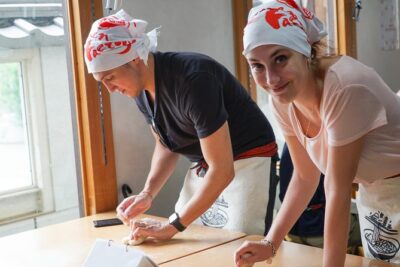
Ramen Cooking Class at Ramen Factory in Kyoto
Read our review →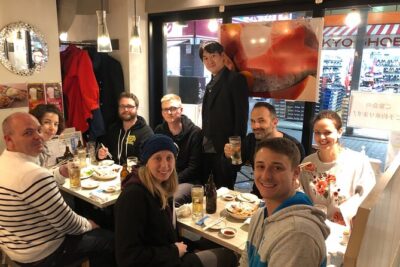
Eat and Drink Like a Local: Tokyo Ueno Food Tour-Taverns&Ramen
Read our review →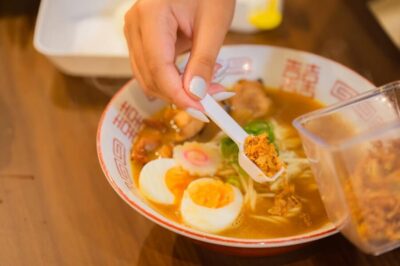
Ramen Cooking Class at a Ramen Factory with Souvenir
Read our review →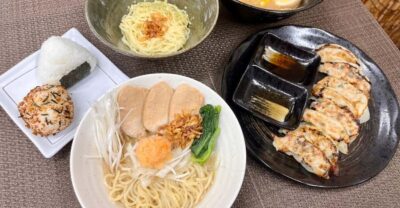
Five Must-See Highlights Walking Tour & Ramen Lunch
Read our review →
Easy Ramen Cooking Experience in Kabukicho, Shinjuku
Read our review →Browse the lists this tour appears in