
Reviewed · SAMURAI & NINJA EXPERIENCES
Private Tea Ceremony and Sake Tasting in Kyoto Samurai House
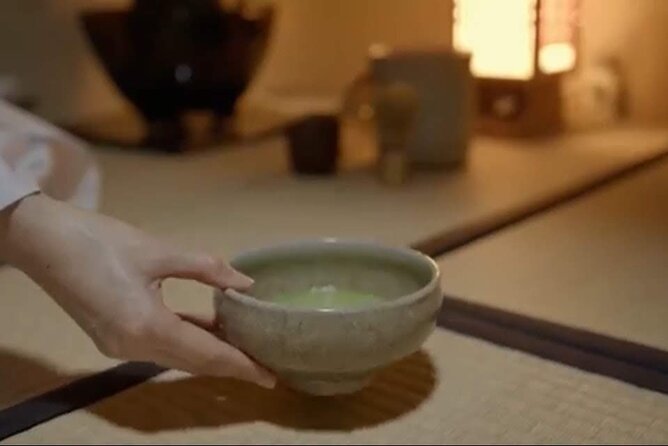
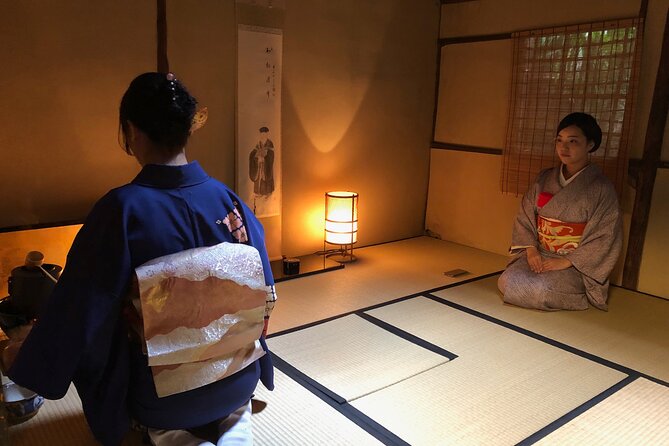
The most memorable part of this Kyoto experience is the setting: you enter a 300-year-old samurai house and share its traditional tea room with only your own party. A tea master leads the ceremony with locally sourced Uji matcha, then the mood shifts to hands-on tea making, sake, or Japanese whisky.
I like the quiet, personal format, especially if you want to ask questions without a crowd listening in. I also like the easy location, just an eight-minute walk from Kyoto Station, and the chance to take photos with a katana or in traditional clothing.
The main consideration is time. Fifty minutes passes quickly, and kimono dressing adds about 30 minutes and an extra charge. The house also has only one old toilet, so use the facilities before you arrive.
Key points to know before booking
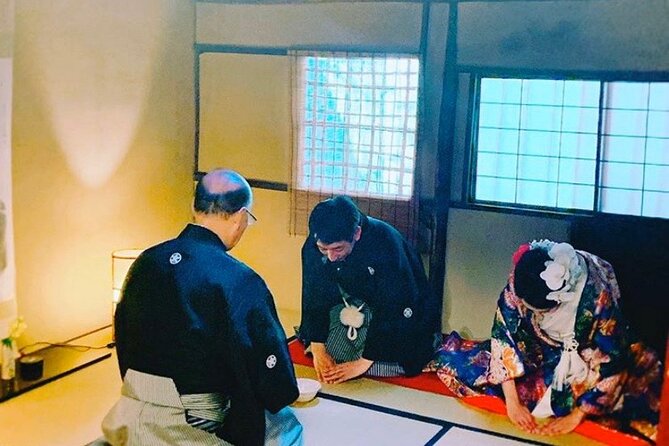
- A private tea room in a family samurai house: Your group has the property to yourselves during the visit.
- High-grade organic Uji matcha: The tea comes from Uji, Kyoto’s best-known matcha-producing area.
- Three tasting choices: Choose a matcha whisking lesson, five sake shots, or two Japanese whisky shots.
- Photo opportunities: Pose with a katana, and ladies may wear an authentic silk wedding kimono.
- Convenient Kyoto Station location: The house is about an eight-minute walk from the station.
- A short but tightly packed visit: The standard experience lasts about 50 minutes, with extra time and cost for kimono wear.
Entering a 300-year-old samurai home
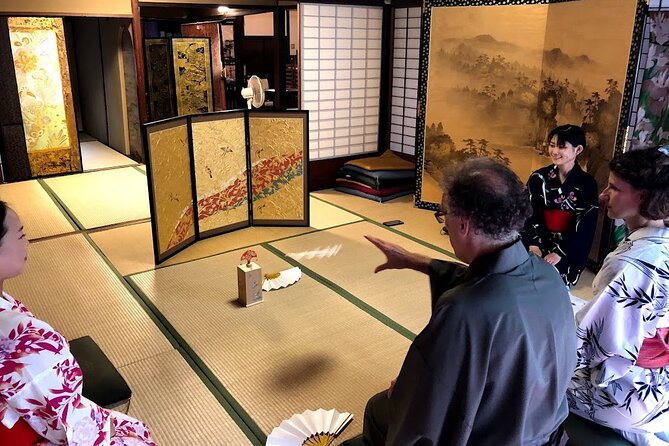
The appeal begins before the tea is served. This is not a modern cultural center with a display room built for quick photo stops. You enter a historic residence that has remained with the same family for about 300 years, with a family connection to the samurai tradition.
That setting gives the ceremony a sense of place. You are not simply learning how to whisk powdered tea. You are sitting in a room designed for calm, attention, and respectful movement, inside a home that has been used by generations of one family.
The house is on Mongakucho in Kyoto’s Shimogyo Ward, roughly an eight-minute walk from Kyoto Station. I consider that a major practical advantage. Kyoto sightseeing can involve long train rides and crowded bus routes, so an activity this close to the station is easy to fit before dinner, after arriving in the city, or between other plans.
The residence is old, and that brings limits. There is only one old toilet, so I would use the restroom at Kyoto Station or elsewhere before arriving. The activity is also not recommended for anyone weighing 120 kilograms or more.
Other tea ceremonies in Kyoto people book:
- Kyoto: Tea Ceremony in a Traditional Tea House in Kiyomizu
★ 4.9 · 3,519 reviews - Kyoto: Tea Ceremony Ju-An at Jotokuji Temple
★ 4.9 · 3,207 reviews - Kyoto: 45-Minute Tea Ceremony Lesson Experience
★ 4.3 · 2,378 reviews
A quiet introduction to the way of tea
The tea ceremony is the heart of the visit. A tea master explains the basic ideas behind the Japanese way of tea, then prepares the matcha in a traditional tea room.
You learn how the powdered green tea is handled and how the ceremony unfolds. The point is not to rush toward a cup of caffeine. The measured movements, the placement of the bowl, and the pause before drinking all encourage you to slow down.
The tea used here is high-grade organic matcha from Uji. That detail matters because matcha is not all the same. Uji has long been associated with fine green tea, and a good cup should have a fresh, rounded flavor rather than tasting simply bitter.
I would not expect a full academic lesson on tea schools or Japanese aesthetics in 50 minutes. Instead, you get a clear introduction with enough explanation to understand what you are seeing. The private arrangement is especially useful here. You can ask why a movement is done, how to hold the bowl, or what the ceremony means without feeling you are interrupting a large group.
Several visitors describe the ceremony as peaceful and meditative. That makes sense. The room and the formal pace create a sharp change from Kyoto Station, where the day usually begins with noise, signs, luggage, and crowds.
Making your own matcha with a bamboo whisk
After the formal portion, you may have the chance to whisk your own matcha with a bamboo chasen. This is where the experience becomes hands-on rather than simply observed.
Whisking looks easy until you try it. You need to work the bamboo whisk briskly enough to create a fine layer of foam, while keeping control of the bowl. The host or tea teacher can show you the basic technique and explain how the tea should be enjoyed.
I like this option for families and anyone who prefers participation over ceremony alone. Children under 20 do the matcha whisking lesson after the tea ceremony, since alcohol is not served to anyone under 20.
The tea lesson also gives you a useful memory to take home. The house sells matcha bowls and authentic silk kimono, so you can continue the ritual after returning home. You do not need to buy anything, but the option adds a practical connection between the visit and daily life.
Choosing sake or Japanese whisky instead
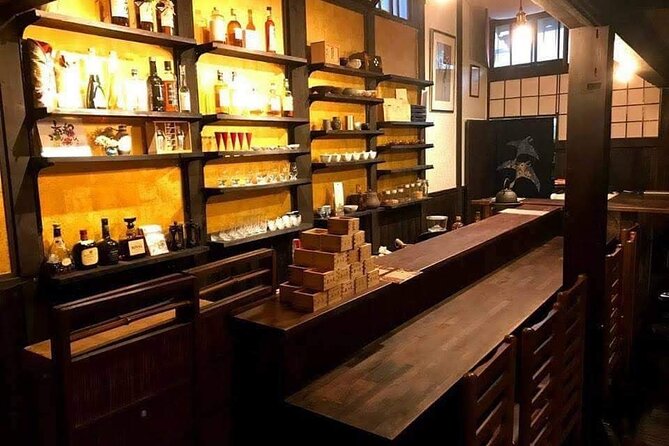
If you are over 20, you can choose an alcohol tasting instead of the matcha whisking lesson. The stated options are five sake shots or two Japanese whisky shots. You are asked to select one of the three choices: matcha whisking, sake, or whisky.
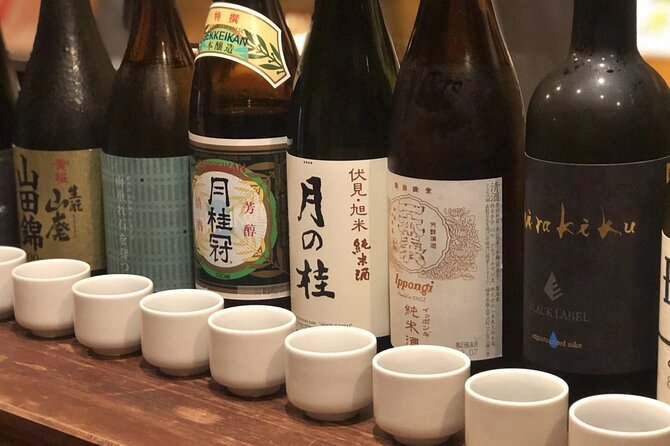
The sake tasting offers an introduction to different local styles and flavors. The host explains what you are drinking, which makes the tasting more useful than simply being handed several small glasses. If you know little about sake, this is a chance to notice differences in taste and style without committing to a full bottle.
The Japanese whisky choice is smaller, with two shots. Some visitors were offered local whisky, including Yamazaki, but I would treat that as dependent on availability rather than a guaranteed part of every booking. If whisky interests you, confirm the current selection when arranging the experience.
There is one important point to clarify before you arrive. The formal description says to choose one tasting option, while some accounts describe enjoying both sake and whisky. I would not assume both are included in the $99 price. Ask the provider what your booking covers.
Alcohol is served only to people over 20. Anyone under that age receives the matcha lesson instead, so this activity can still work for a mixed-age family, but the adults and children will have different closing activities.
Other swordplay and stealth sessions in Kyoto:
- Kyoto Samurai Experience
★ 5.0 · 1,294 reviews - Kyoto: Kendo and Samurai Experience with Uniform and Gear
★ 4.9 · 815 reviews - Kyoto: Samurai Sword Class by Experts in Traditional Arts
★ 4.9 · 657 reviews - Skip the lines Basic Ticket at SAMURAI NINJA MUSEUM KYOTO
★ 4.5 · 632 reviews
Samurai swords, silk kimono, and useful photos
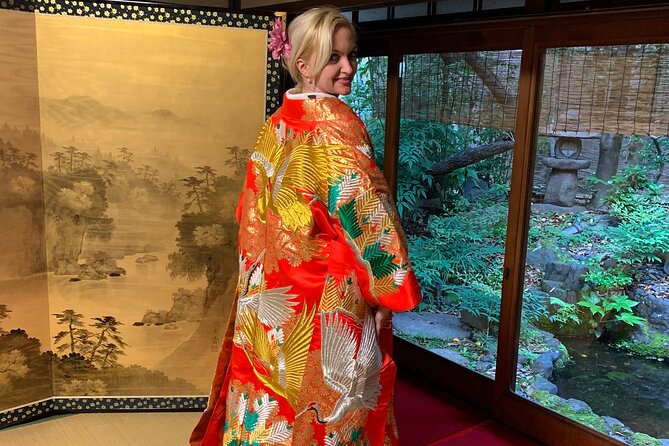
The photo portion adds a playful change of pace. You can pose with a katana, and ladies may wear an authentic silk wedding kimono. Men may have the chance to wear samurai clothing or a haori, depending on the arrangement.
These are posed photographs inside the historic house, not a full-day costume rental around Kyoto. That distinction is useful. You get a memorable record of the visit without spending hours managing formal clothing on crowded streets.
The wedding kimono is specifically limited to ladies. Wearing a kimono during the tea ceremony requires an additional 30 minutes and an extra charge. It is also limited to one group at the house, while other time slots may be available through the provider’s own website.
I would ask about the clothing plan when booking, especially if the photos are your main reason for coming. The standard experience includes a photo opportunity with the samurai theme, but the exact clothing, cost, and timing can vary by arrangement.
Photos are allowed during the visit. The hosts may also take photos for you, which helps if you want group pictures rather than a collection of selfies. Families have found the dress-up portion particularly enjoyable, and children can take part in the samurai theme without drinking alcohol.
What the 50-minute schedule feels like
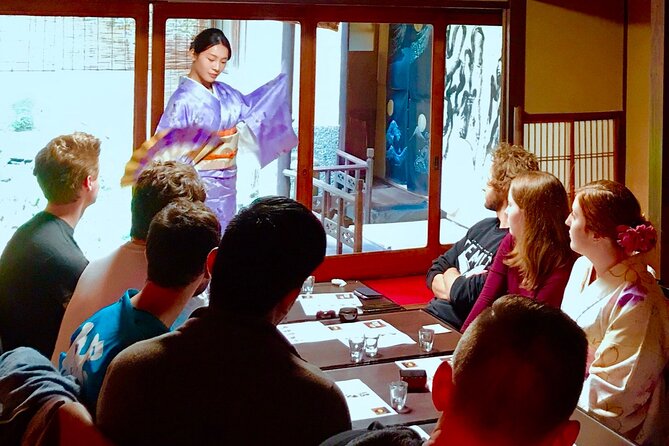
The standard visit is short, so the order matters. You can expect something close to this:
- Arrival at the Kyoto Samurai House and a welcome from the host.
- An explanation of the tea ceremony and its customs.
- A formal tea presentation using Uji matcha.
- Your selected activity: matcha whisking, sake tasting, or Japanese whisky tasting.
- Photos with a katana or traditional clothing, depending on your booking.
The exact timing may shift, especially if your group has questions or adds kimono dressing. The listed duration is approximately 50 minutes, so I would avoid scheduling a train departure or restaurant reservation immediately afterward.
For a short activity, it covers a lot. You receive cultural context, a traditional ceremony, a tasting or practical lesson, and photographs. The trade-off is that none of these parts can become a long workshop. If you want an extended tea-school lesson or a full kimono day, this is not that kind of program.
Why the private format matters
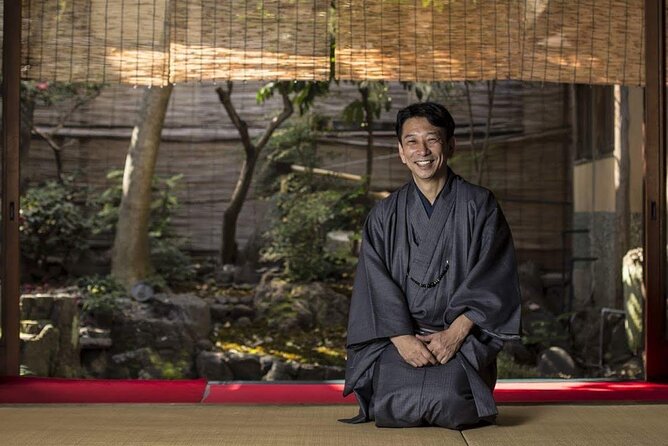
Private access changes the tone. You can ask about samurai customs, family traditions, tea etiquette, or the meaning of the utensils without worrying about holding up a large group.
The hosts are described as warm and welcoming, with fluent English used during the activity. That matters in a ceremony where small movements and unfamiliar terms can otherwise be hard to follow. The host also appears to adjust the conversation to the group, spending more time on questions when visitors show interest.
I especially like this for couples and small families. A couple can enjoy a quiet cultural moment without being folded into a bus tour. Parents can ask for help involving children. Friends can choose the alcohol tasting and keep the visit social after the formal tea.
The setting is intimate, but do not confuse private with silent. The hosts explain the ceremony and invite conversation. You get a calm room, not a museum where you are expected to stand quietly behind a rope.
Is the $99 price fair?
At $99, the value depends on what you want from a Kyoto cultural activity. You are paying for a private booking, access to a historic family home, a tea ceremony, a tasting or matcha lesson, and photo opportunities. That is more personal than a basic tea demonstration in a commercial venue.
The price looks strongest for two or more people who will make use of the private setting. The booking requires a minimum of two people, and group discounts are available. For a solo visitor, this is not a practical choice because the minimum still applies.
I would also factor in the location. Being close to Kyoto Station saves transport time and makes the experience easier to add to a packed day. The price includes more than the tea itself, but you should confirm any extra charge for kimono wear and clarify whether sake and whisky can both be included.
The experience offers better value if you care about personal attention, family history, and photographs. It offers less value if you only want to taste matcha cheaply or sample a large number of alcoholic drinks.
Who will enjoy this most?
I would recommend it most to:
- Couples looking for a calm and personal Kyoto activity.
- Families who want a cultural experience that works for children and adults.
- First-time visitors who want help understanding tea ceremony customs.
- Anyone interested in samurai-era homes and traditional Japanese interiors.
- People who want formal photos in kimono or samurai clothing.
- Visitors staying near Kyoto Station or arriving by train.
You should think twice if you dislike sitting through formal demonstrations, have limited mobility in an old residence, or want a long, elaborate costume session. The 120-kilogram recommendation and the old toilet are practical limits worth noting before you pay.
Because the booking is non-refundable and cannot be changed for any reason, I would check your schedule carefully. If the provider cancels because the minimum number is not met, you are offered another date or activity, or a full refund. Your own cancellation does not receive a refund.
My advice on booking this Kyoto tea ceremony
I would book this if you want a personal cultural encounter rather than a quick attraction. The strongest reasons are the family samurai house, the private tea room, the Uji matcha, and the chance to speak directly with the hosts.
Before paying, decide which closing activity you want. Matcha whisking is best for children and anyone who wants to learn a practical skill. Sake suits adults who want a taste of local culture, while whisky offers a smaller, more focused sampling. If you want both alcohols, ask first.
Add the kimono option only if photographs are a real priority, and allow the extra 30 minutes. For everyone else, the standard 50-minute visit gives you a compact, thoughtful introduction to tea, samurai tradition, and one historic Kyoto home.
FAQ
Where does the experience take place?
It takes place at Kyoto Samurai House, 384 Mongakucho, Shimogyo Ward, Kyoto, 600-8222, Japan.
How far is the house from Kyoto Station?
The house is about an eight-minute walk from Kyoto Station.
How long does the standard experience last?
The standard visit lasts approximately 50 minutes.
Is the activity private?
Yes. Only your own group participates in the activity.
How many people are required to book?
A minimum of two people is required.
What can I choose after the tea ceremony?
You can choose one of three options: a matcha whisking lesson, five sake shots, or two Japanese whisky shots.
Can people under 20 drink alcohol during the experience?
No. Alcohol is provided only to people over 20. Visitors under 20 receive a matcha whisking lesson after the tea ceremony.
Can I wear a kimono during the tea ceremony?
Yes, but wearing a kimono during the ceremony adds about 30 minutes and an extra cost. The wedding kimono option is for ladies only, and availability is limited.
More sake tastings elsewhere in Japan
- Kyoto Night Foodie Tour in Gion (9+ dishes + 6 Sake tastings)
★ 5.0 · 1,762 reviews - 3-Hour Kyoto Insider Sake Brewery Tour with Tastings & Pairings
★ 5.0 · 917 reviews - Arashiyama Bamboo, Temple, Monkeys, or Secret Sake Brewery
★ 4.8 · 886 reviews - Kyoto: Insider Sake Brewery Tour with Sake and Food Pairing
★ 5.0 · 704 reviews
More tea ceremonies elsewhere in Japan
- Kyoto: Table-Style Tea Ceremony at a Kyo-Machiya
★ 4.9 · 1,211 reviews - Kimono Tea Ceremony at Kyoto Maikoya, NISHIKI
★ 5.0 · 911 reviews - Kyoto: Arashiyama Bamboo Forest, Monkeys, Matcha & Temple Tour
★ 5.0 · 759 reviews - Kyoto: Tea Museum Tickets and Matcha Grinding Experience
★ 4.9 · 739 reviews
Just added in Kyoto
- Private Cooking Class Udon in Kyoto Japan★ 5.0 · 23 reviews
- Your Private Vacation Photography Session In Kyoto★ 5.0 · 110 reviews
- Kyoto: Zen Meditation at a Private Temple with a Monk★ 5.0 · 25 reviews
- Private Pewter Sake Cup Experience with a Kyoto Artisan★ 5.0 · 31 reviews
- Kyoto Wagashi(Japanese sweets) Cooking Class near Fushimiinari★ 5.0 · 60 reviews
- Private Guided Traditional Buddhist Cooking in Japan★ 5.0 · 16 reviews
- Kyoto: Gion Geisha District & Sake-in-Hand Walking Tour★ 5.0 · 37 reviews
- Kyoto:Family-Friendly Kimono & Yukata Experience at WARGO★ 5.0 · 147 reviews
Samurai & Ninja Experiences, compared.
Samurai Ninja Museum Guided tour and Experience
Read our review →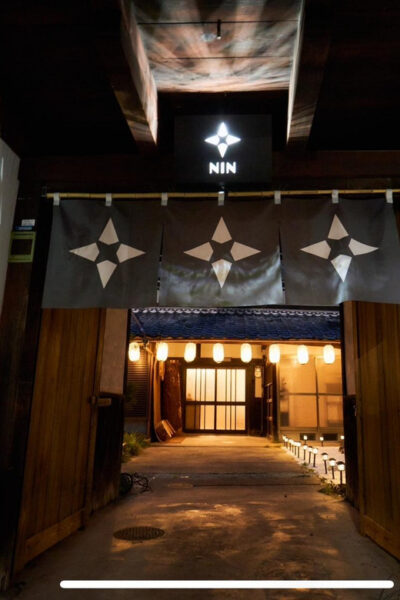
Kendo and Samurai Experience with Uniform and Gear
Read our review →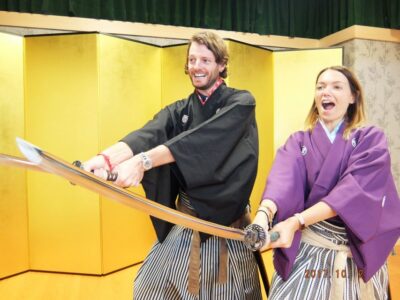
Samurai Sword Class by Experts in Traditional Arts
Read our review →
Skip the lines Basic Ticket at SAMURAI NINJA MUSEUM KYOTO
Read our review →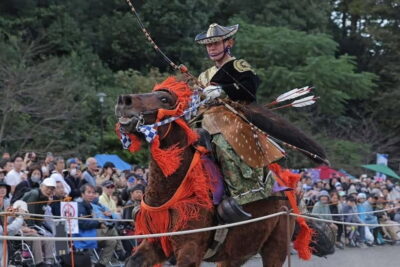
Samurai Sword & Archery Class from Samurai Descendant
Read our review →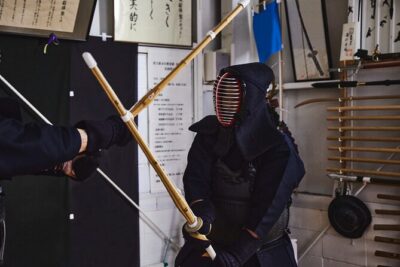
Browse the lists this tour appears in