
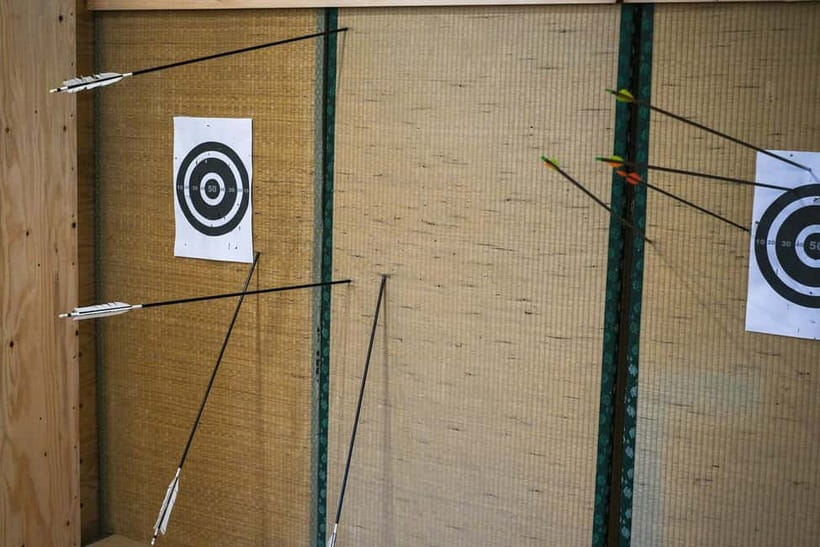
Reviewed · SAMURAI & NINJA EXPERIENCES
Tokyo Samurai Experience: Kyudo (Archery) and Swordsmanship
The best part of this Asakusa experience is the quick change from sightseer to samurai. You put on a hakama outfit, learn the posture for holding a katana, and take up a traditional Japanese bow. It is playful, but the movements connect to real Japanese martial arts traditions.
I like the mix of kyudo and swordsmanship, since you get two very different skills in one hour. I also like the friendly teaching style, with instructors such as Mori and Joe using clear English and adjusting their explanations to your level. The main consideration is time: one hour goes quickly, so this is an energetic introduction rather than a long lesson.
Key points at a glance
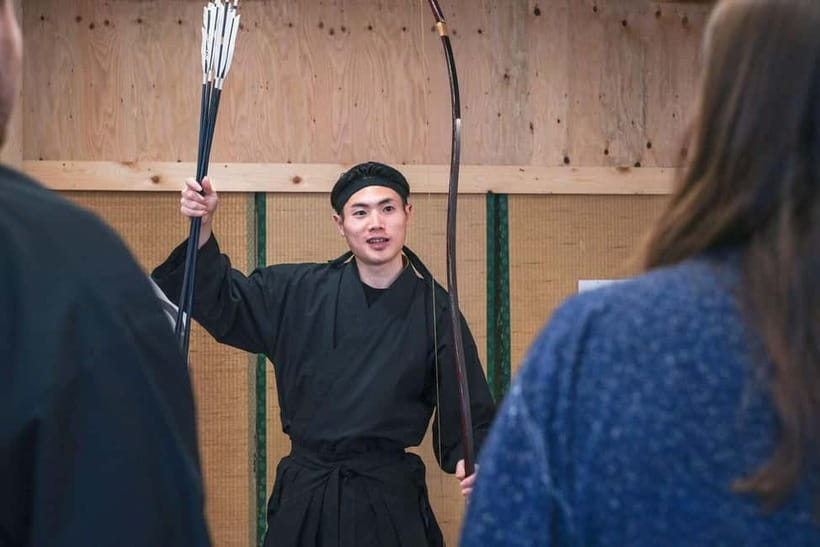
- Two martial arts in one hour: Try Japanese archery with a traditional bow, then learn basic katana posture and handling.
- Hakama sizes for many heights: Traditional clothing is included, with different sizes available before training begins.
- A samurai rank game: A short history-based game gets the group involved before the serious practice starts.
- Japanese snacks included: You get a small taste of local hospitality along with the martial arts lesson.
- Good for beginners and families: No previous experience is required, and the activity is family-friendly.
- Easy Asakusa location: The BUB Activity Center is at 2 Chome 6-11 in Taito-ku, inside the Heiwa Building on the fifth floor.
Changing into a samurai in central Asakusa
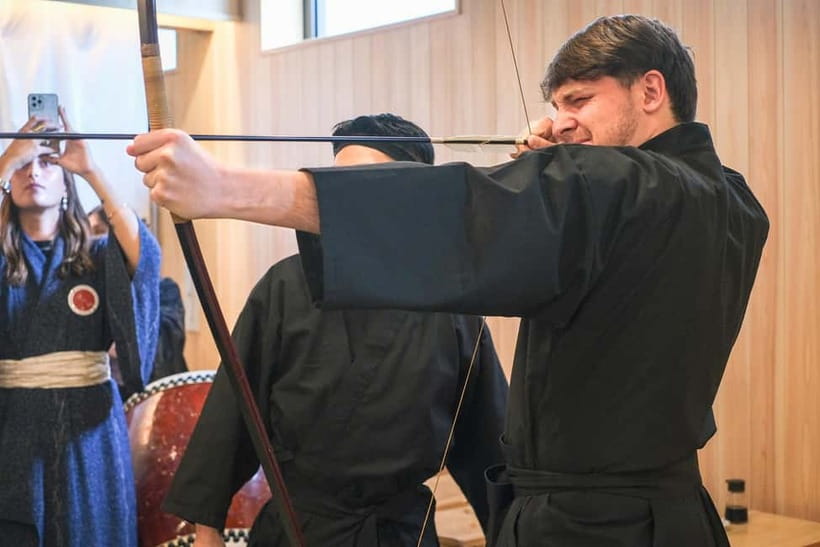
The experience takes place at BUB Activity Center, at Tokyo, Taito-ku, Asakusa, 2 Chome 6-11, Heiwa Building. You need to take the elevator to the fifth floor. That detail matters because the activity center is inside an ordinary city building, not a large street-level museum or a castle-like venue.
Arrive about 10 minutes early. This gives you time to find the building, ride upstairs, and get ready without cutting into the one-hour session. Comfortable clothes and shoes are the sensible choice. You will change into a hakama set, and the center has a range of sizes for different heights.
Putting on the clothing is not just a photo stop. It changes the feel of the activity. The hakama makes you pay more attention to your stance and movement, and it gives the session a clear sense of occasion. At the same time, remember that this is a short visitor activity, not a full historical reenactment. The focus is on trying the basics, having fun, and learning enough to appreciate the discipline behind them.
Staff help with photos during the session, which is useful because the best moments involve both hands and a carefully held pose. You can enjoy the activity instead of trying to set up your phone while holding a bow or sword.
Other samurai and ninja experiences in Tokyo people book:
- Tokyo: Samurai Restaurant Show Ticket with 2 Drinks
★ 4.5 · 1,307 reviews - Tokyo: Samurai Ninja Museum Guided tour and Experience
★ 4.6 · 1,010 reviews - Tokyo: Samurai Sword & Archery Class from Samurai Descendant
★ 5.0 · 603 reviews
The opening game turns samurai history into play
Before the martial arts practice, you get a brief introduction to samurai history and traditions. The session then adds a mini-game to determine your samurai rank. It is a smart way to get everyone involved quickly, especially if your group includes children or people who are shy about trying something new.
The game also gives the lesson a simple story. You are not only being shown equipment. You are taking part in a light contest, with the goal of earning status and eventually competing for the shogun position during the archery portion.
Do not take the ranking too seriously. Losing the game does not keep you from the main training. The activity makes that clear: the real lesson begins afterward. That balance is helpful because it keeps the mood fun without turning the session into a test.
The history section is brief, so anyone seeking a detailed account of samurai politics, warfare, or social life will need a museum or longer cultural program elsewhere. Here, history provides context for the hands-on practice.
Kyudo is not simply Western archery
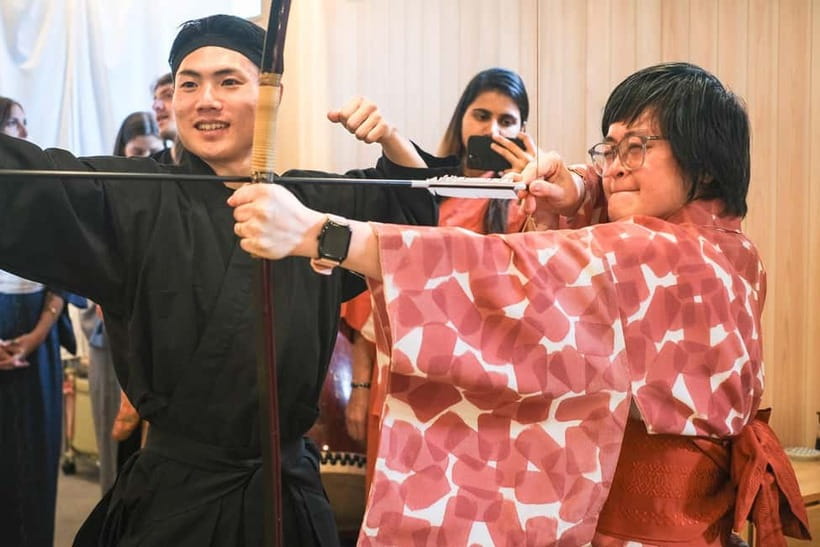
The archery section introduces kyudo, the Japanese martial art of bow shooting. You use a traditional Japanese bow and compete with your companions for the general, or shogun, position.
The important point is that kyudo is presented as its own Japanese discipline, not as a quick version of Western archery. The stance, hand position, and controlled manner of handling the bow are different enough to make the comparison interesting. Even if you have tried archery before, you should expect to learn a new set of movements.
The instructor explains the technique in English and keeps the lesson accessible to first-timers. That matters because a one-hour class has no room for complicated instructions or long technical speeches. You get direct guidance, then a chance to try the movement yourself.
The competition adds energy, but the real value is learning how much attention goes into the pose and preparation. The experience does not promise advanced archery training, and the available information does not give a formal target score or a detailed shooting sequence. Think of this as a safe, guided introduction to the feel of kyudo.
If you are visiting with friends, the contest gives you something to talk about afterward. If you are visiting with children, it creates a clear goal and keeps the activity from feeling like a lecture.
Learning the katana pose in Asakusa
After the bow work, you learn how to hold a single-edged sword, the katana, and how to form the basic samurai pose. The lesson focuses on posture and handling rather than combat.
That distinction is important. You are not being trained to fight, and the experience does not advertise sparring or sword cutting. Instead, you learn the controlled position that makes a samurai stance look convincing. The staff help you find the right pose, then take photos so you can remember the moment.
I like this part because it is easy to understand and visually clear. A well-held katana, straight posture, and hakama outfit make for strong photographs. It also gives you a small appreciation for the discipline of Japanese sword arts without pretending that an hour can replace serious study.
The sword section may suit people who are less interested in archery, while the kyudo portion gives the activity more depth than a costume photo session. Together, the two parts create a better balance. You get movement, instruction, history, and a little friendly competition.
Other martial arts sessions in Tokyo:
- Tokyo: Samurai Kendo Practice Experience
★ 4.7 · 102 reviews - Tokyo: Japanese Archery (Kyudo) Experience
★ 5.0 · 78 reviews - Samurai Experience – Learn Bushido through Kendo, in Tokyo
★ 5.0 · 68 reviews - Tokyo: Karate Experience with Former All-Japan Champion
★ 4.9 · 46 reviews
Snacks and a friendly English lesson
Traditional clothes and Japanese snacks are included. The snacks are a small part of the program, but they help break up the instruction and give you a relaxed pause during the session.
The bilingual staff are another practical strength. English is the listed language, and the activity is designed so explanations can be adjusted to your level of English. That makes a difference in a lesson based on body position. If you misunderstand a story, you can still follow along. If you misunderstand how to hold a bow or sword, the activity becomes frustrating.
Instructor names that come up in the available feedback include Mori and Joe. Mori is described as patient, while Joe is noted for being friendly and instructive. Other comments point to a fun, dynamic teaching team, with staff also offering tips about other experiences and shopping in the area.
That kind of help can be useful in Asakusa, where you may be planning several activities in one day. Still, keep the focus on the lesson itself. Extra local tips are a pleasant addition, not a promised sightseeing tour.
What the $96 price means
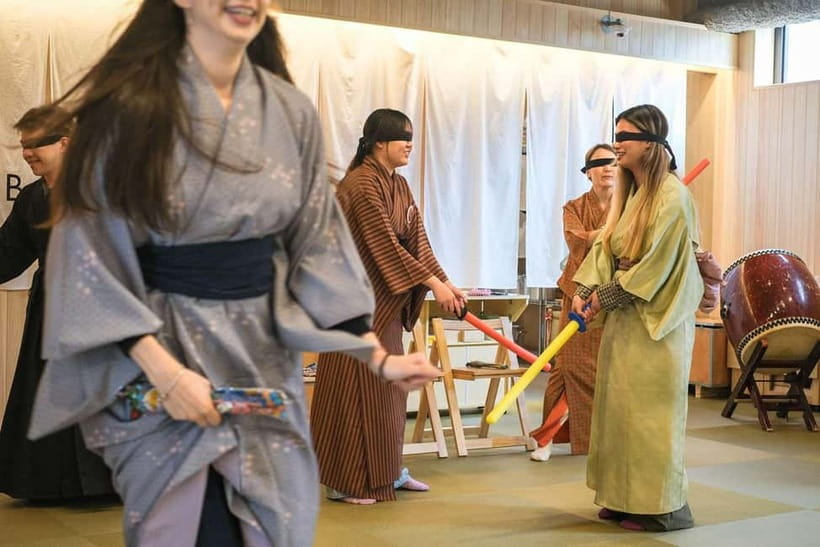
At $96 per person, this is not a bargain-priced photo stop. The price makes more sense if you value the complete package: traditional clothing, use of a bow and katana, English instruction, snacks, a history game, and staff support for photos.
You are also paying for a structured activity in central Tokyo that requires equipment, clothing in several sizes, instructors, and a suitable indoor space. For a family or small group looking for one shared activity in Asakusa, that can be fair value.
The calculation is less favorable if you only want to wear a costume and take a quick picture. You may find less expensive photo opportunities elsewhere. This activity earns its price through the chance to handle both traditional training tools and receive instruction in their basic use.
The one-hour duration keeps the cost easier to fit into a busy Tokyo plan, but it also limits what you can learn. You will not leave as a trained archer or swordsman. You will leave with a first taste of two disciplines, a set of photos, and a clearer sense of how much control these arts require.
Who will enjoy this most
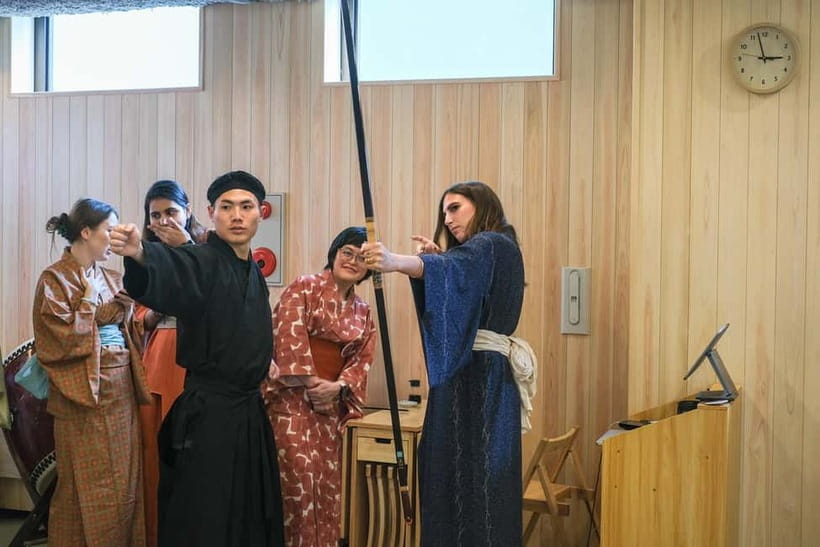
This is a strong choice for families, young adults, couples, and friends who want a hands-on cultural activity rather than another viewing stop. No prior experience is needed, and the family-friendly format keeps the lesson open to beginners.
It also suits anyone interested in Japanese history but not ready for a long lecture. The mini-game, clothing change, archery contest, sword poses, and snacks keep the pace moving.
You should think twice if your main goal is advanced martial arts instruction. The format is short, social, and introductory. It is designed to give you a memorable first encounter with kyudo and katana technique, not a detailed technical course.
The activity is wheelchair accessible, which makes it available to more visitors. Since the session involves changing clothes and handling equipment, contact the provider ahead of time if you need specific assistance beyond the stated accessibility.
Practical planning for your Asakusa day
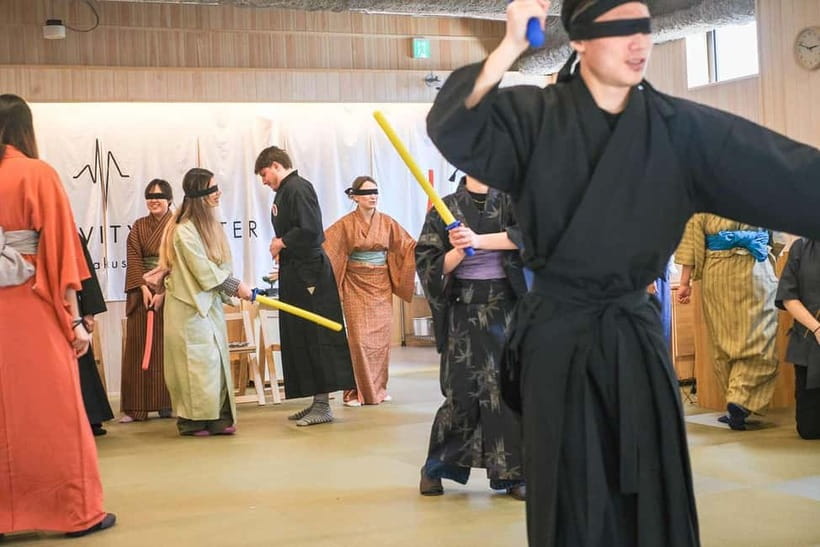
The center is in Asakusa, so you can place this activity among other visits in the district. Because it lasts one hour, it can fit into a morning or afternoon plan without taking over the day.
Arrive 10 minutes early and wear comfortable clothing under the hakama. Comfortable shoes are also requested. Alcohol and drugs are not allowed, a basic rule that is especially sensible for an activity involving bows and swords.
The meeting point can be easy to miss if you expect a large attraction entrance. Look for the Heiwa Building and take the elevator to the fifth floor. If you have trouble finding it, contact the activity provider rather than arriving late and losing part of the lesson.
The booking terms are flexible: you can cancel up to 24 hours before the activity for a full refund, and the reserve-now, pay-later option lets you hold a place without paying immediately. Check the available starting times before arranging the rest of your day.
Should you book the samurai experience?
Book it if you want a lively, beginner-friendly introduction to Japanese martial arts and like the idea of leaving Asakusa with photos in traditional clothing. The combination of kyudo, katana posture, snacks, and a short history game gives the hour more substance than a simple costume rental.
I would especially recommend it for families and groups of friends. The ranking game and shogun contest give everyone a reason to participate, while the English-speaking staff make the lesson approachable. Mori and Joe are names to look for if you want the friendly, patient teaching style noted in the available comments.
Skip it if you want a long, quiet study of samurai culture or serious technical training. At $96, the value depends on enjoying the full mix of instruction, dress-up, photos, and play. For the right visitor, that mix makes this a memorable Asakusa stop.
FAQ
Where does the Tokyo Samurai Experience take place?
It takes place at BUB Activity Center in Tokyo’s Taito-ku, Asakusa, 2 Chome 6-11, Heiwa Building. Take the elevator to the fifth floor.
How long does the activity last?
The activity lasts one hour.
How much does it cost?
The listed price is $96 per person.
Is the activity taught in English?
Yes. English-speaking bilingual staff provide the instruction and can adjust explanations to your English level.
Do I need previous archery or sword experience?
No. Prior experience is not necessary.
What activities are included?
You use a traditional Japanese bow for kyudo practice and learn the pose and handling technique for a single-edged katana. The session also includes a samurai history mini-game.
Are traditional clothes and snacks included?
Yes. Traditional hakama clothing and Japanese snacks are included.
What should I bring?
Bring comfortable shoes and comfortable clothes.
Can I cancel the booking?
You can cancel up to 24 hours in advance for a full refund. The reserve-now, pay-later option is also available.
More samurai and ninja experiences elsewhere in Japan
- Best Samurai Experience in Tokyo
★ 5.0 · 458 reviews - Ninja Experience (Family Friendly) at Samurai Ninja Museum TOKYO
★ 5.0 · 441 reviews - Tokyo: Samurai Entertainment Night Show in Kanda Shrine
★ 4.6 · 417 reviews - Tokyo Sword Experience – includes Museum Ticket/Ninja Experience
★ 5.0 · 314 reviews
Just added in Tokyo
- The 10 Tastings of Tokyo With Locals: Private Street Food Tour★ 5.0 · 48 reviews
- Small Town in the Big City: Tasting Tokyo’s Kichijoji★ 5.0 · 195 reviews
- Small Town in the Big City: Tasting Tokyo’s Kichijoji★ 5.0 · 16 reviews
- EXCLUSIVE Tokyo Secret: Kichijoji Small-Group Food & Bar Hopping★ 5.0 · 29 reviews
- Explore Kichijoji: Walk Through One of Tokyo’s Beloved Districts★ 5.0 · 21 reviews
- :Tokyo,Shibuya/ Pro Photography in Kimono / English-Friendly★ 5.0 · 26 reviews
- 【R34】Tokyo:Private Daikoku tour in Modified R34★ 4.9 · 92 reviews
- Tokyo: Allstar Food Tour★ 4.7 · 29 reviews
Samurai & Ninja Experiences, compared.
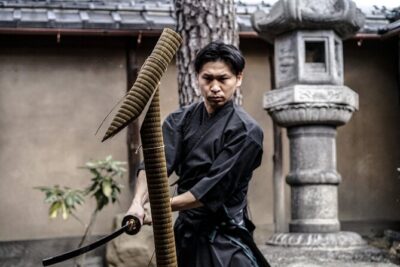
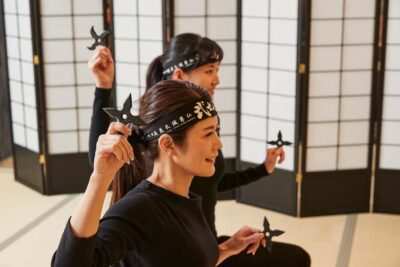
Samurai Ninja Museum Guided tour and Experience
Read our review →
Kendo and Samurai Experience with Uniform and Gear
Read our review →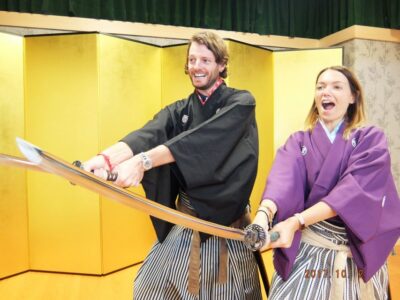
Samurai Sword Class by Experts in Traditional Arts
Read our review →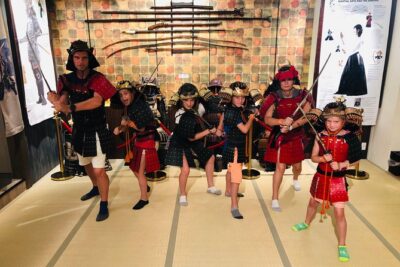
Skip the lines Basic Ticket at SAMURAI NINJA MUSEUM KYOTO
Read our review →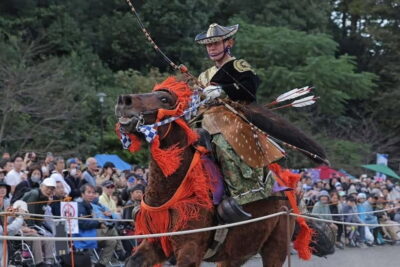
Samurai Sword & Archery Class from Samurai Descendant
Read our review →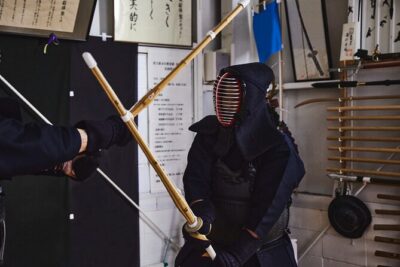
Browse the lists this tour appears in