
Reviewed · GEISHA & GION DISTRICT TOURS
2 Hour Night Walking Tour Throughout Gion with snack
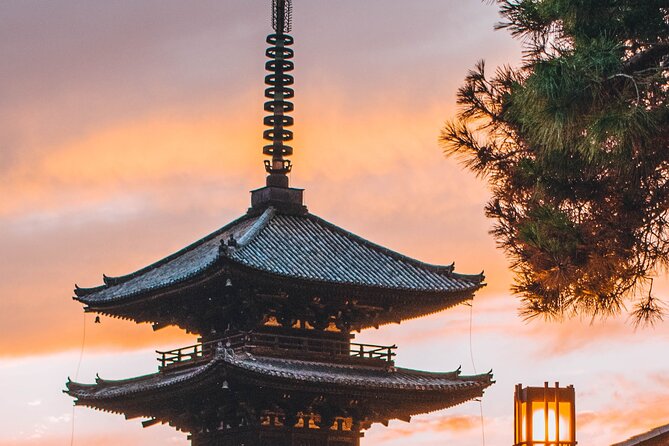
Gion changes after sunset. Lanterns glow, the narrow streets take on a quieter mood, and the line between old Kyoto and modern nightlife becomes easier to see. This two-hour walk with Simon takes you from Yasaka Shrine through the geisha district, then toward the Kamo River and Kyoto’s restaurant quarter.
I like the clear route and the practical food advice, especially if you take this early in your stay. I also like that Simon leads you beyond the main street and explains the difference between geiko and maiko. The main concern is crowd control: at busy times, the group can feel rushed, and some people have had trouble keeping sight of the guide.
Key points
- Yasaka Shrine begins the evening with Kyoto context, history, and time for photographs.
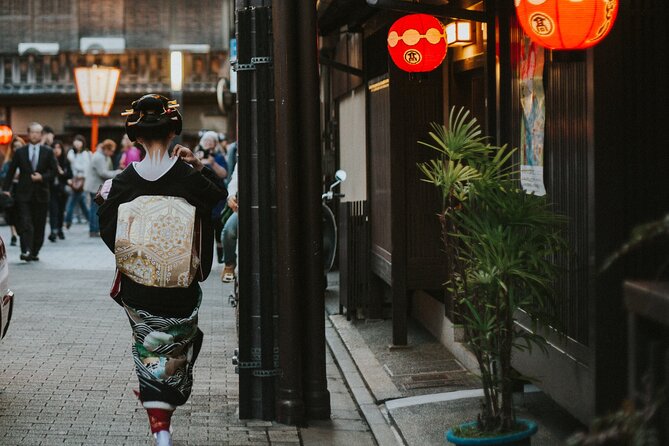
- Hanamikoji Street offers an introduction to geiko and maiko, along with a look at the old hanamachi district.
- Simon’s restaurant suggestions are useful for your next meals, including places that may not need reservations.
- Kiyamachi Street shows Kyoto’s modern entertainment side, not just its traditional image.
- The Kamo River provides a calm final stop, where locals gather and entertainers sometimes perform.
- The small group limit is 10 people, though peak periods can still feel crowded.
Why this night walk works well on your first evening
At $32.58 per person, this is less about paid admission and more about having someone connect the streets, customs, and nightlife for you. The stops themselves are free, so the value rests in the guide’s explanations, route, local suggestions, snack, and the time you save finding your bearings.
I especially like the timing for a first night in Kyoto. You get a quick sense of where Gion sits, how it connects with Shijo-Kawaramachi, and where you might return for dinner or another evening walk. Simon also gives restaurant recommendations, including options where you may not need a reservation. That can be genuinely useful in Kyoto, where a little local direction can save you from wandering hungry.
The tour is not a formal geisha performance, a food tour, or a long temple visit. It is a walking introduction to one part of the city. You should book it for orientation and conversation, not for a large number of ticketed sights.
The pace is manageable in principle, but the narrow streets and evening crowds can change the experience. Several people found Simon funny, clear, and well informed about Kyoto and Japanese culture. Others found the group hard to follow during busy periods, with one person reporting that the guide moved too quickly and was difficult to spot. If you have trouble walking quickly or dislike crowded streets, keep that limitation in mind.
Other walking tours in Kyoto people book:
- Kyoto Geisha Walking Tour: Gion District & Hidden Gems
★ 4.7 · 3,273 reviews - Kyoto: Gion Magical Night Walking Tour with Geisha Trivia
★ 4.9 · 2,393 reviews - Kyoto: Gion Geisha District Walking Tour – Stories of Geisha
★ 4.7 · 2,187 reviews
Meeting Simon at Shijo-Kawaramachi
The meeting point is outside the Disney Store at Kyoto Shijo-Kawaramachi, on the northeast corner of Shijo Street, at Kotocross Hankyu Kawaramachi. The address is in Shimogyo Ward, Kyoto 600-8001.
This is a busy central meeting area, so arrive early enough to identify the store and locate the guide. Simon has been described as punctual and easy to find, but crowd conditions can make a clear meeting system important. If you are joining during a busy season, pay attention from the start and stay near the group.
The tour returns to the same meeting point at the end. That makes the evening easier to plan, especially if you are staying near central Kyoto or want to continue on your own afterward.
The group limit is listed as 10 people. That is a reasonable size for street walking, though the experience may feel larger in peak periods. One person specifically found the group too big, while others had no issue with the pace. The difference may come down to how crowded Gion is on the night you visit.
Yasaka Shrine sets the scene
The walk begins at Yasaka Shrine, one of the best-known religious sites in Kyoto. You have about 30 minutes here, with time to look around and take photographs while Simon explains the site’s background.
This is a good opening stop because it gives you a cultural frame for the rest of the evening. Instead of treating Gion as a string of pretty streets, the guide connects the shrine with the surrounding community and traditional customs. The information is delivered while you are standing in the place itself, which is easier to absorb than a long history talk in a hotel lobby.
You should not expect a full guided visit with every detail of the shrine. Thirty minutes is enough for an introduction and a break, not an exhaustive examination. The tour is designed to keep moving, so use this stop to get comfortable with the group and listen for practical information about the neighborhood.
Bring a phone or camera if you want photographs, but remember that the evening walk is shared with others. A quick photo stop is realistic. A long personal photography session is not.
Hanamikoji Street and the world of geiko and maiko
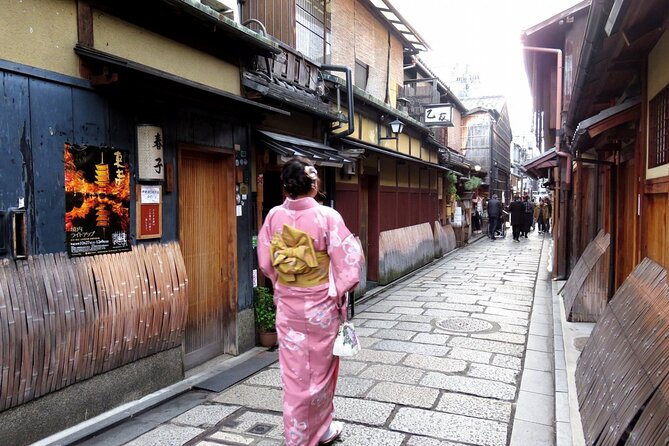
The longest traditional stop is Hanamikoji Street, where you spend about 40 minutes. This is one of the oldest examples of a hanamachi, a district associated with geisha arts and entertainment.
Simon explains the difference between geiko and maiko, terms that can easily be blurred by first-time visitors. In Kyoto, geiko refers to a professional entertainer, while maiko are apprentices. The distinction is useful because it helps you understand the people, clothing, and customs connected with the district without reducing the area to a photo opportunity.
This is also where respectful behavior matters most. The tour gives you context for a neighborhood where people live and work. You are looking at an active community, not a stage set built for sightseeing. Stay with the group, listen to guidance, and avoid treating anyone you see as a free photograph.
A few people on similar evenings have seen geisha in the area, but that is not something the tour can promise. The point is the district itself, its streets, customs, and working culture. If you happen to see geiko or maiko, consider it a bonus rather than the purpose of the booking.
Hanamikoji can become very crowded. That is the biggest practical weakness of this part of the walk. Simon may be easy to hear in a quiet lane, then harder to follow when the group reaches a packed section. Keep him in sight and avoid drifting behind for photographs.
Other evenings in the old entertainment quarters of Kyoto:
- Best of Kyoto: Gion, Geisha, Pagodas & Cobblestones
★ 4.9 · 2,058 reviews - Night Walk in Gion: Kyoto’s Geisha District
★ 4.5 · 2,003 reviews - Kyoto Night Foodie Tour in Gion (9+ dishes + 6 Sake tastings)
★ 5.0 · 1,762 reviews - Kyoto Gion Geisha District Walking Tour – The Stories of Geisha
★ 5.0 · 1,441 reviews
Kiyamachi Street shows modern Kyoto
After the traditional atmosphere of Hanamikoji, the route moves to Kiyamachi Street for about 40 minutes. Here, the focus shifts to Kyoto’s modern entertainment district.
This change is one of the tour’s strongest features. Gion is often presented as a perfectly preserved old quarter, but Kyoto is also a living city with restaurants, bars, nightlife, and locals meeting after work. Kiyamachi helps you see that second side.
Simon gives recommendations for restaurants away from the most obvious tourist choices. The useful detail is that he points out places where you may not need a reservation. That does not guarantee a table, and dinner is not part of the tour, but the advice can help you plan the rest of your evening.
Do not book this expecting a progressive dinner. The included snack is modest, and you will need to pay for any meal or drinks yourself. I would treat the food suggestions as one of the tour’s practical rewards, then decide later where to eat.
The stop also gives you a chance to ask questions. Several people found Simon entertaining and willing to explain local customs, restaurants, and the area’s layout. Others felt he sometimes spoke too much about his own experiences. If you prefer a tightly scripted history lesson, the personal style may not suit you. If you like asking questions and getting local tips, it can be an advantage.
The Kamo River brings the night to a quieter close
The final stop is the Kamo River, with about 10 minutes beside the water. It is a short pause, but it changes the mood of the walk.
The river is described as the heart of Kyoto’s entertainment area, a place where people gather and entertainers sometimes perform. After the narrow streets of Gion and Kiyamachi, the open riverbank offers room to breathe and listen to the city.
Ten minutes is not long, so think of this as a closing viewpoint rather than a full river walk. You get a sense of how the river connects the nightlife districts, then return to the meeting point.
This is also a useful place to ask a final question about where to go next. Since the tour ends back near Shijo-Kawaramachi, you can use Simon’s suggestions to continue independently, return to your hotel, or find dinner.
The snack and what is not included
The experience includes a traditional Japanese snack and a geisha chocolate. The snack adds a small taste of local culture without turning the tour into a food-focused outing.
Dinner is not included. That matters because the two-hour schedule lands in the evening, when you may be ready for a proper meal. Plan to eat before the walk or use Simon’s restaurant recommendations afterward.
The food element is best understood as a pleasant extra, not a major reason to book. The main value comes from the route, the explanations, and the chance to learn where to go next.
Simon’s guiding style
Simon is the named guide in the feedback, and his style comes through clearly. He uses humor, shares personal experience, answers questions, and talks about both historic customs and present-day Kyoto. Many people found this made the evening feel relaxed and easy to follow.
That same personal style will not suit everyone. Some people wanted more precise information about the sites and felt parts of the commentary were vague. One person considered the information inaccurate compared with other research. I would treat Simon’s explanations as a live introduction, not your only source for Kyoto history.
The best way to get value from the tour is to ask direct questions. Ask about geiko and maiko, restaurant etiquette, the differences between Gion and Kiyamachi, or where to return later. The tour is strongest when you use it as a conversation rather than simply walking behind the guide.
The guide’s English has been described as clear, with no language problem for English-speaking participants. Still, busy streets can make any walking tour harder to hear. Stay close and avoid stopping far behind the group.
Crowds, pace, and practical comfort
This is a two-hour walking experience with several route changes. You should be comfortable walking for that length, standing during explanations, and moving through crowded streets.
The tour is close to public transportation, and most people can participate. Service animals are allowed. No special admission tickets are needed for the listed stops, and the mobile ticket makes access simple.
The biggest practical issue is visibility. People have reported losing sight of the guide or finding the pace too quick during high season. A smaller group is listed, but the streets themselves may still be packed. If you want photographs, take them quickly and rejoin the group at once.
Wear comfortable shoes. That advice is ordinary but important here because the route moves between shrine grounds, traditional streets, entertainment areas, and the river. Weather also matters. The experience requires good weather, and a poor-weather cancellation offers either another date or a full refund.
There has also been a reported case where a last-minute booking was made for a time slot that had already been cancelled, followed by an apology and refund. The cancellation appears unusual, but I would avoid booking only two hours before departure if your schedule is tight. Book ahead when possible, and check your confirmation carefully.
Is $32.58 a fair price?
At $32.58 per person, the price is fair if you want a guided introduction to Gion and useful advice for the rest of your Kyoto stay. You are not paying for admission, dinner, or a long list of major sights. You are paying for access to a route, local interpretation, a snack, and practical orientation.
The value is strongest on your first night. A good guide can show you how the districts fit together and help you avoid spending the rest of your trip wandering between them. Restaurant suggestions may also save time and reduce the stress of finding somewhere to eat without a reservation.
The value is weaker if you already know Gion well, prefer to walk alone, or want a formal lecture with carefully sourced historical detail. You could visit these streets independently, but you would lose the conversation and local recommendations.
The average booking point is eight days in advance, so this is not usually treated as a same-day plan. That gives you a useful clue: reserve it early in your Kyoto schedule, then use what you learn for later evenings.
Who should book this Gion walk?
I would choose this tour for a first-time Kyoto visitor who wants a manageable evening introduction. It suits couples, solo visitors, and small groups who enjoy asking questions and moving between old and modern parts of the city.
It also works well for anyone curious about geiko and maiko but unsure how to approach the subject respectfully. The guide provides context before you walk through Hanamikoji, which is far better than arriving with only a camera and a vague idea of what you are seeing.
I would hesitate if you want a slow photography walk, a food tour, or a private experience. The route covers a lot in two hours, and busy evenings can make it feel rushed. If you book, stay near Simon, listen carefully at the start, and save longer photo stops for another visit.
Should you book the 2 Hour Night Walking Tour?
Book it if you want a friendly orientation to Gion, practical restaurant advice, and an evening route that includes both traditional streets and modern nightlife. Simon’s humor, local perspective, and willingness to answer questions are the main reasons to choose it.
Skip it if you need a highly structured history tour, dislike crowds, or want dinner included. The experience has some real weaknesses around pace and group visibility, but at $32.58 it can still be a useful first-night investment. Schedule it early in your Kyoto stay, keep your expectations realistic, and use the rest of the trip to revisit the places that catch your interest.
FAQ
How long does the walking tour last?
The tour lasts approximately two hours.
Where does the tour start?
It starts at the Disney Store at Kyoto Shijo-Kawaramachi, on the northeast corner of Shijo Street at Kotocross Hankyu Kawaramachi.
Where does the tour finish?
The tour ends back at the same meeting point.
What places are visited?
The route includes Yasaka Shrine, Hanamikoji Street, Kiyamachi Street, and the Kamo River.
Is dinner included?
No. Dinner is not included, though the experience includes a traditional Japanese snack and a geisha chocolate.
How many people can join the tour?
The activity has a maximum group size of 10 people.
Is the tour suitable for most participants?
Yes. Most people can participate, and service animals are allowed. The route involves walking for about two hours, sometimes through crowded streets.
What happens if the weather is poor?
The experience requires good weather. If it is canceled because of poor weather, you will be offered another date or a full refund. You can also cancel for a full refund up to 24 hours before the start time. Cancellations within 24 hours are not refunded.
More walking tours elsewhere in Japan
- Nishiki Market Brunch Walking Tour (7 Tastings + Brunch)
★ 5.0 · 1,355 reviews - Kyoto Arashiyama Walking Tour: Bamboo, Monkeys, Gardens & Secrets
★ 5.0 · 1,216 reviews - Kyoto Gion: 2-Hour Geisha Culture & History Walking Tour
★ 5.0 · 1,186 reviews - Kyoto: Izakaya Bars Guided Walking Tour
★ 4.9 · 815 reviews
Just added in Kyoto
- Private Cooking Class Udon in Kyoto Japan★ 5.0 · 23 reviews
- Your Private Vacation Photography Session In Kyoto★ 5.0 · 110 reviews
- Kyoto: Zen Meditation at a Private Temple with a Monk★ 5.0 · 25 reviews
- Private Pewter Sake Cup Experience with a Kyoto Artisan★ 5.0 · 31 reviews
- Kyoto Wagashi(Japanese sweets) Cooking Class near Fushimiinari★ 5.0 · 60 reviews
- Kyoto: Gion Geisha District & Sake-in-Hand Walking Tour★ 5.0 · 37 reviews
- Kyoto:Family-Friendly Kimono & Yukata Experience at WARGO★ 5.0 · 147 reviews
- Private Guided Traditional Buddhist Cooking in Japan★ 5.0 · 16 reviews
Geisha & Gion District Tours, compared.

Kyoto Geisha Walking Tour: Gion District & Hidden Gems
Read our review →
Gion Geisha District Walking Tour – Stories of Geisha
Read our review →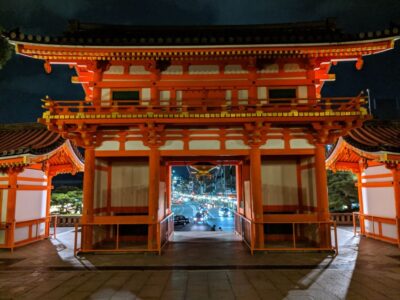
Best of Kyoto: Gion, Geisha, Pagodas & Cobblestones
Read our review →
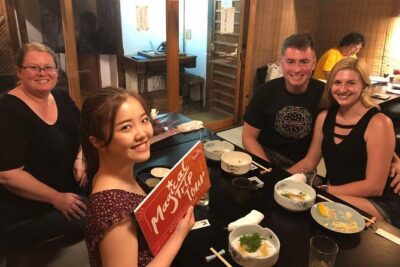
Kyoto Night Foodie Tour in Gion (9+ dishes + 6 Sake tastings)
Read our review →
Kyoto Gion: 2-Hour Geisha Culture & History Walking Tour
Read our review →
Chopsticks Making Workshop in Gion with Engraving Option
Read our review →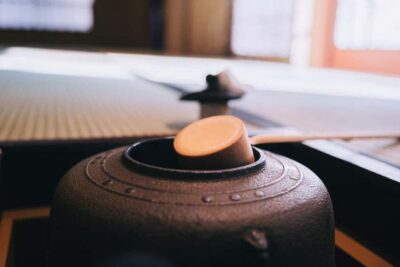
Browse the lists this tour appears in