
Reviewed · CALLIGRAPHY & CRAFT WORKSHOPS
Nagoya: Traditional Japanese Sweets-Making Workshop
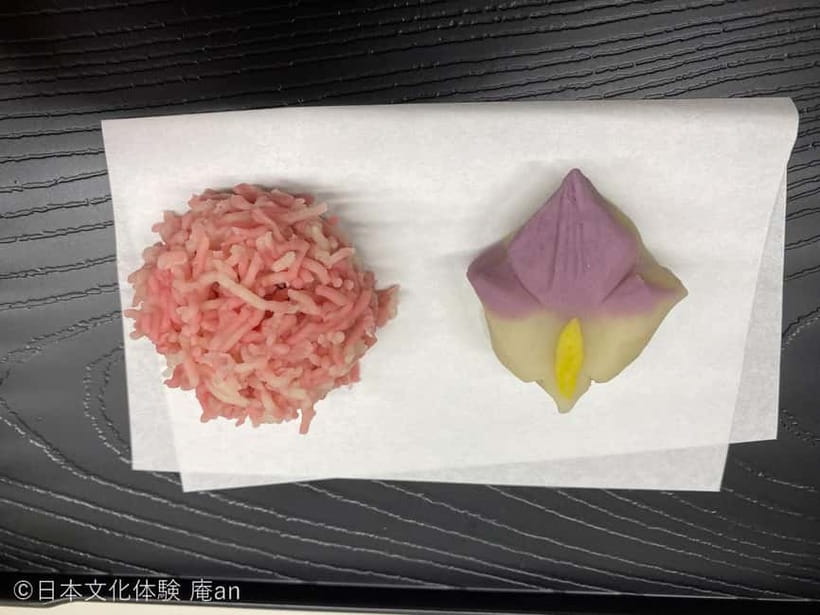
Making nerikiri is part cooking lesson, part small-scale art project. You shape bean paste into two seasonal Japanese sweets, then arrange them on a plate and eat what you made. Kyoto-produced white and red bean paste gives the class a strong connection to traditional confectionery, even though the workshop takes place in central Nagoya.
I like the low price and the compact 65-minute format. I also like that you make two sweets instead of watching a demonstration and leaving with a sample. The main consideration is communication: the instructor teaches in Japanese, with English translation provided as much as possible, so you should be comfortable following demonstrations and asking for help when needed.
Key points
- Two seasonal nerikiri sweets: The designs match the time of year, so the class changes with the season.
- Kyoto-made bean paste: You work with white and red bean paste supplied by long-established Kyoto shops.
- Eat your creations immediately: A takeout box costs an extra 100 yen if you want to carry the sweets away.
- Short, central Nagoya location: The venue is one minute from Kokusai Center Station and 13 minutes from Nagoya Station.
- Japanese-led instruction: English support is available as much as possible, but Japanese is the stated language.
- Small extra costs and stairs: A completion certificate costs 300 yen, and the third-floor venue has no elevator.
What you actually make in 65 minutes
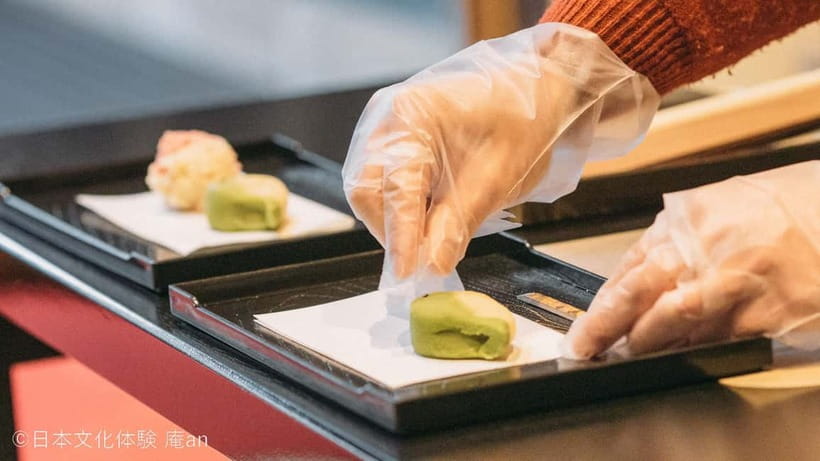
The workshop focuses on nerikiri, a refined Japanese sweet made with bean paste. You make two pieces, shaped to match the season. That seasonal element matters. Nerikiri is not simply a sweet in a bright wrapper. Its appearance often reflects flowers, leaves, weather, or other natural changes, so the finished piece has a decorative purpose as well as a culinary one.
Your raw material is white and red bean paste produced by long-established shops in Kyoto. The paste is the foundation of the sweets, and the class gives you a chance to handle a genuine traditional ingredient rather than a modern substitute. The supplied information does not specify the exact flavors or designs for each date, so you should expect the seasonal theme to vary.
The basic rhythm is easy to understand. The instructor demonstrates the work, you shape your own paste, and you place the finished sweets on a plate. The class description presents the process as hands-on, with room to try your own approach. That means the goal is not perfect pastry-shop precision. It is learning how the paste behaves and creating something you can recognize as your own.
The final step is tasting. You can eat both sweets at the venue, which makes the workshop feel complete rather than like a craft class that ends with an object in a bag. If you want to take them with you, bring an extra 100 yen for a takeout box.
Other things to make with your hands in Nagoya:
- Chopstick Making Workshop in Ginza
★ 4.8 · 1,366 reviews - Kyoto : Chopsticks Making Workshop in Gion with Engraving Option
★ 5.0 · 958 reviews - Tokyo Chopstick Making Workshop with Artisan
★ 5.0 · 466 reviews
Why the Kyoto bean paste matters
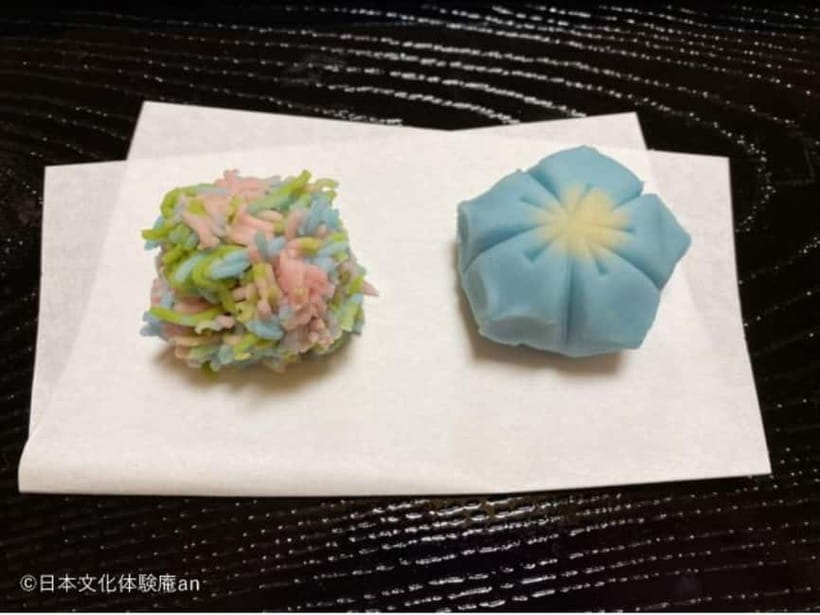
A traditional sweet is shaped by its ingredients. Here, the white and red bean paste comes from established Kyoto shops, giving you a direct link to the standards of Japanese confectionery. You are not merely forming colored dough for decoration. The paste itself is the main food you are shaping, and its taste is central to the experience.
For a first introduction to Japanese sweets, this is useful context. Many visitors know mochi, matcha, or packaged wagashi, but fewer get to see how an elegant sweet is formed by hand. Nerikiri makes that process visible. You handle the paste, adjust the shape, and see how a simple ingredient becomes something designed for the eye.
The class also gives you a better sense of why Japanese sweets are often served in small portions. Each piece is meant to be noticed. The delicate appearance and sweet bean filling work together, and the small size encourages you to focus on the texture and flavor rather than rush through a large dessert.
You should not expect a full confectionery course or a recipe you can reproduce at professional level. The supplied details do not promise a long lesson on bean cultivation, Kyoto pastry history, or advanced techniques. This is a brief, practical introduction, and its value comes from doing the work yourself.
The classroom pace and instructor support
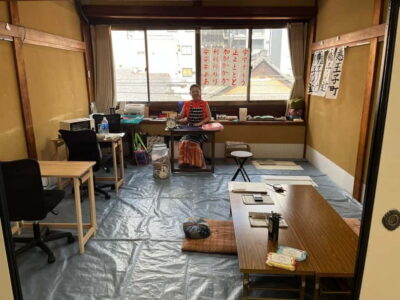
The session takes place in a classroom format. One account describes a group of about 20 people, so you should prepare for a shared lesson rather than a private appointment. That size can make the class social and approachable, but it also means the instructor cannot provide continuous one-on-one attention to every person.
The instructor demonstrates clearly and gently, according to the available feedback, and English has been used alongside Japanese in past sessions. Still, Japanese is the official language listed for the activity. English translation is provided as much as possible if you request it, so contact the venue ahead of time if language support is important to you.
This is a good setting for visual learners. You can watch the hand movements, copy the general sequence, and then receive help as you work. The instructions may feel less direct if you need every step explained in English before touching the paste. I would approach the class with a willingness to watch, try, and correct your shape as you go.
The session has received a 4.6 rating from 14 published ratings, with especially strong marks for clear instruction, friendly teaching, and the fun of making the sweets. The comments also point to English communication being good in some sessions, but the formal information remains more cautious. Treat English help as available support, not as a guaranteed fully English-language class.
Seasonal designs make each visit different
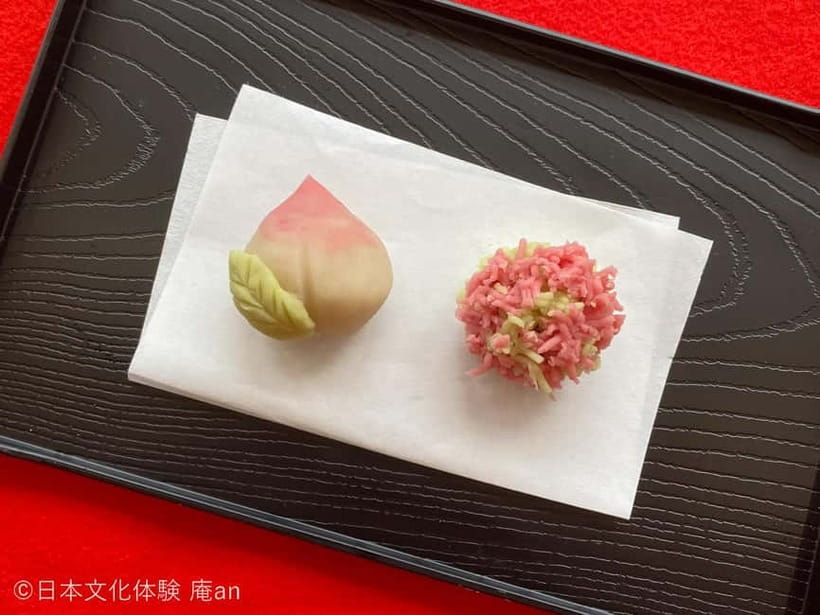
The two sweets are chosen to match the season. That gives the workshop a sense of time and place, even though the session itself is short. A design prepared for spring may look different from one offered in autumn, so the visual result is not fixed year-round.
The seasonal theme also gives you a reason to pay attention to the instructor’s shaping method. The purpose is not only to make two sweet balls and eat them. You are trying to create a recognizable form, then place it neatly on a plate. The class describes the completed plate as a small artwork, which is a fair way to understand the activity.
Do not book this expecting identical results to the instructor’s. Nerikiri is soft, and small changes in pressure or finger placement affect the shape. That is part of the fun, but it can frustrate anyone looking for a perfect souvenir. The food is meant to be eaten, and the experience rewards trying more than polishing every edge.
The seasonal approach makes this a pleasant repeat activity for someone spending more time in Nagoya. You would not necessarily make the same designs on a later visit, although the exact rotation is not provided. For a one-time visitor, it adds a little more meaning than a generic sweets craft.
A few more things to do in Nagoya worth a look
- Nagoya: Japanese Traditional Sweets making and Tea Ceremony
★ 4.9 · 76 reviews - Matcha Making Class in Tokyo with Authentic Japanese Sweets Set
★ 5.0 · 744 reviews - Matcha Making Class in Osaka with Authentic Japanese Sweets Set
★ 5.0 · 509 reviews - Tokyo: Matcha Making Experience with Mochi Sweets in Asakusa
★ 4.9 · 388 reviews
Eating at the venue or carrying the sweets away
You can eat your handmade sweets immediately after making them. This is the simplest choice, and it avoids worrying about how delicate the shapes may be during the rest of your day.
If you prefer to keep them, a takeout box costs 100 yen. The activity information does not give a storage time or transport recommendation, so ask the instructor about handling before leaving. Nerikiri is delicate by nature, and a box protects it better than carrying the pieces loose in a bag.
A completion certificate is also available for 300 yen. It is optional, and it is separate from the sweets themselves. If you want a certificate with your name printed or written on it, provide your names in advance. Otherwise, the name space will be left blank.
These small extras keep the advertised price low, but they are worth noting when you compare the total cost. The base price is about $11 per person, while the box and certificate add only modest amounts. You do not need either extra to enjoy the class.
Is $11 a good value in Nagoya?
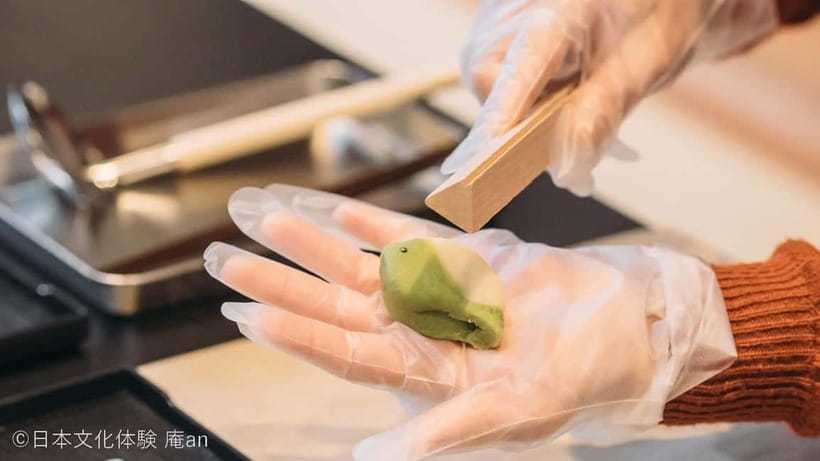
At about $11 per person, this is an inexpensive cultural activity, especially because the price covers the main sweets-making session and two handmade pieces to eat. The 65-minute length also works well when you have a crowded Nagoya schedule. You can fit it between sightseeing, shopping, or a train connection more easily than a half-day food lesson.
The value is strongest if you want to participate rather than simply sample Japanese food. A shop visit lets you buy wagashi in a minute or two. Here, you spend most of an hour learning how the sweets are formed and making your own. That hands-on part is what justifies the booking.
The value is less clear if you want a long, detailed cooking course. You will not spend several hours making multiple recipes based on the information provided. You also should not assume that matcha preparation is part of every session. One past class included an introduction to matcha making, but the core activity is the two nerikiri sweets.
For families, couples, solo visitors, and small groups, the price makes the risk fairly low. Children under two who sit on a parent’s lap are free, while the general activity is priced per person. Anyone who takes part needs a reservation and must participate to enter the venue.
Finding the venue near Nagoya Station
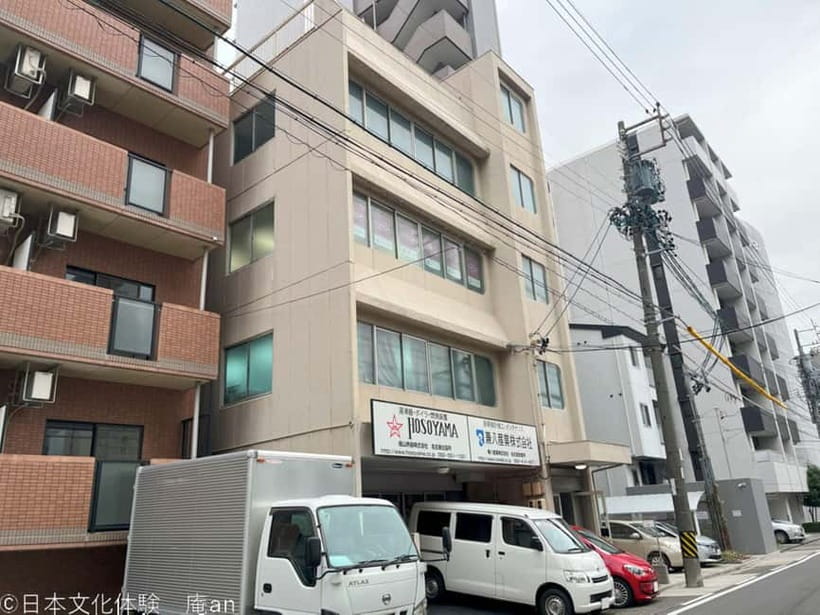
The venue is at AN Japanese Culture Experience, on the third floor. It is one minute on foot from Exit 3 of Kokusai Center Station on Nagoya’s Sakura-dori subway line.
You can also walk from Nagoya Station. The stated walk is 13 minutes from the Sakura-dori side of the station. That is practical if you are already arriving by train and do not want to make a subway transfer for such a short distance.
The location coordinates are 35.1715323, 136.891893. Use them if you are navigating with a phone, especially since the venue is not described by a large street-level landmark. Give yourself time to locate the building and go upstairs.
The room is on the third floor, and there is no elevator. That is the main physical consideration. If stairs are difficult for you, contact the provider before booking. Also remember that the class will not be held for late arrivals, so do not plan to arrive at the last minute after a train journey or a long walk.
Who will enjoy this short Japanese sweets class
I would recommend this workshop to you if you want a clear, affordable activity with a strong Japanese connection but limited time. It suits anyone curious about wagashi, food-focused visitors who want to make rather than only taste, and families looking for an activity that produces something edible.
It also works well for solo participants. You do not need to bring a group, and the classroom structure gives you a shared setting even if you arrive alone. At the same time, a group of around 20 means you should not expect a quiet, private lesson.
The workshop is a good fit for people who enjoy visual crafts. You will likely get the most from it if you care about the shape and presentation as much as the taste. It is less suitable if you dislike sweet bean paste, need a fully English-led lesson, or want a long technical course.
The class may also suit older children, but the provided information does not give a recommended age range beyond the rule for children under two. For younger children, consider whether they can follow a short classroom demonstration and handle the activity responsibly.
Booking, timing, and small practical cautions
Operating hours are 10:00 to 17:00. Reservations received after 17:00 are processed the next day, so late evening booking should not be treated as an immediate confirmation.
You can cancel up to 24 hours before the activity for a full refund. After that point, cancellation fees apply, and changing the date or time after a fee has been incurred can create another specified charge. Check the exact cancellation terms before booking rather than assuming every change is free.
The venue will not wait for delays, regardless of the reason. Nagoya Station is close, but station walks can take longer than expected, and finding a third-floor room takes a few minutes. I would aim to arrive early, particularly if you are coming from a train or carrying luggage.
Travel expenses are not reimbursed if the activity is canceled, so keep that in mind if you are making a special trip only for this class. The provider also asks you to contact them if you want to reserve the property, and people who are not participating cannot enter the venue.
Should you book the Nagoya nerikiri workshop?
Book it if you want an inexpensive, hands-on taste of Japanese culture and like the idea of eating something you shaped yourself. The Kyoto bean paste, seasonal designs, central location, and 65-minute length give the class a useful mix of authenticity and convenience.
Think twice if you need a guaranteed full-English lesson, cannot manage three flights of stairs, or want a detailed culinary course. For most visitors who can handle a Japanese-led demonstration with English help, the $11 price makes this an easy activity to add to a Nagoya day. Bring patience, arrive early, and consider the 100-yen box if your sweets need to travel.
FAQ
How long does the Japanese sweets-making workshop last?
The workshop lasts 65 minutes.
How many sweets will I make?
You will make two seasonal Japanese traditional sweets called nerikiri.
Can I eat the sweets at the venue?
Yes. You can eat your handmade sweets on the spot.
Can I take the sweets home?
Yes. A sweets takeout box is available for an extra 100 yen.
Is the workshop taught in English?
The instructor language is Japanese. English translation is provided as much as possible, and you should contact the venue if you would like English support added.
Where does the workshop take place?
It takes place on the third floor of AN Japanese Culture Experience, one minute from Exit 3 of Kokusai Center Station. It is also about a 13-minute walk from the Sakura-dori side of Nagoya Station.
Is there an elevator at the venue?
No. The venue is on the third floor and has no elevator.
Just added in Nagoya
- Kimono Rental and Tea Ceremony Experience in Inuyama★ 5.0 · 15 reviews
- Nagoya Half-day Private Custom Tour with National Licensed Guide★ 5.0 · 40 reviews
- Nagoya Full-day Private Custom Tour with National Licensed Guide★ 5.0 · 61 reviews
- Nagoya: Toyota Commemorative Museum Guided Tour★ 4.7 · 22 reviews
- Nagoya Private Custom Tour with Local Guide★ 5.0 · 15 reviews
- Nagoya: Japanese Traditional Sweets making and Tea Ceremony★ 4.9 · 76 reviews
- Nagoya: Grand Sumo Tournament Tour★ 4.8 · 44 reviews
- Nagoya: Customized Private Tour★ 4.6 · 15 reviews
Calligraphy & Craft Workshops, compared.
Chopsticks Making Workshop in Gion with Engraving Option
Read our review →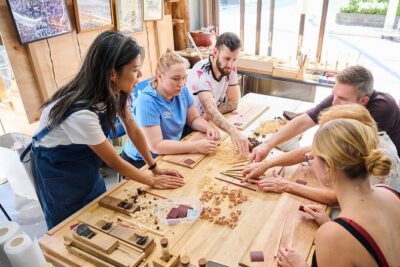

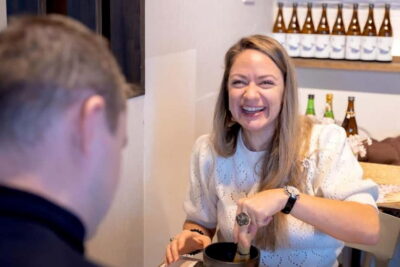
Matcha Making Experience with Mochi Sweets in Asakusa
Read our review →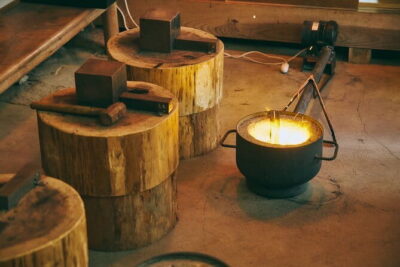
Authentic knife making experience at a blacksmith in Kyoto
Read our review →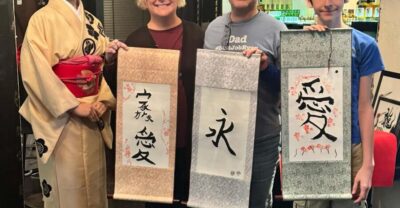
Calligraphy class at Buddhist temple in city center
Read our review →Browse the lists this tour appears in