
Reviewed · TEA CEREMONY EXPERIENCES
Matcha Making Class in Tokyo with Authentic Japanese Sweets Set
In Asakusa, you can learn to make matcha rather than simply drink it. This one-hour class covers the basics of the tea, shows you how to spot good powder, and gives you a bamboo whisk to use yourself. You finish with matcha and seasonal Japanese sweets in a traditional setting.
I like the hands-on teaching, since you make the tea instead of watching a staged performance. I also like the friendly English-speaking instructors, including Rino, Shuri, Hiya, and Nama, who explain the subject in a relaxed way. The main consideration is time: one hour gives you a pleasant introduction, not a full tea ceremony or a detailed course in Japanese confectionery.
Key details before you book
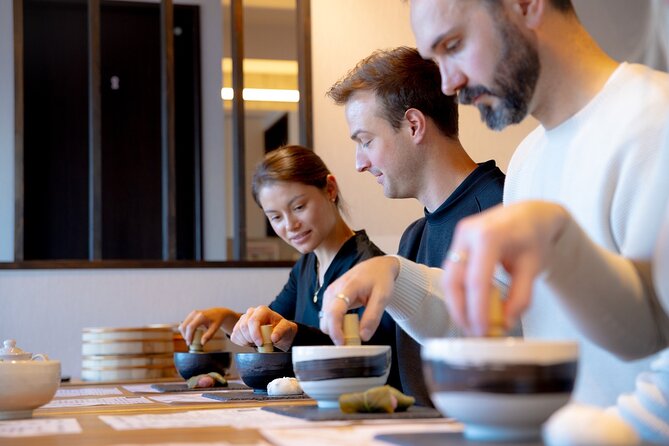
- You whisk your own matcha: The class teaches the basic movements and lets you prepare the tea with traditional tools.
- Asakusa setting: The meeting point is at Matcha Making Tokyo, 2-chōme-17-9 Kaminarimon, near public transportation.
- Seasonal sweets included: Your tea comes with traditional Japanese sweets chosen to balance matcha’s flavor.
- Friendly for first-timers: No previous tea ceremony experience is needed, and children have enjoyed taking part.
- Small-class feel is possible: The activity allows up to 30 people, though some sessions may be much smaller.
- Good short-stop value: At $21.89 per person, it fits neatly between Asakusa sightseeing stops.
A practical introduction to matcha in Asakusa
This experience is less formal than a classic Japanese tea ceremony. You are not simply seated in silence while a host prepares one perfect bowl. Instead, you learn the process yourself, ask questions, and try the whisking technique under direct guidance.
That difference matters. A formal ceremony can be beautiful, but its rules and quiet rhythm may leave you unsure about what is happening. Here, the host explains the history of matcha, how it differs from ordinary green tea, and how the powder is produced and used. You get cultural context without needing to know the etiquette first.
The class takes place in the Kaminarimon area of Asakusa, one of Tokyo’s most traditional neighborhoods. The location makes it easy to pair the activity with nearby sightseeing. You can plan it around a visit to Senso-ji, a walk along the Sumida River, or time exploring the streets around Kaminarimon.
The meeting point is Matcha Making Tokyo, at 2-chōme-17-9 Kaminarimon, Taito City. The exact route is not included with the activity, so give yourself enough time to find the address. A mobile ticket is provided, and confirmation arrives when you book.
Other tea rooms and ceremonies in Tokyo:
- Tokyo: Traditional Tea Ceremony with a Tea Master
★ 5.0 · 528 reviews - Tokyo: Matcha Making Experience with Mochi Sweets in Asakusa
★ 4.9 · 388 reviews - Tokyo: Matcha and Kimono Experience
★ 4.7 · 219 reviews
What happens during the one-hour class
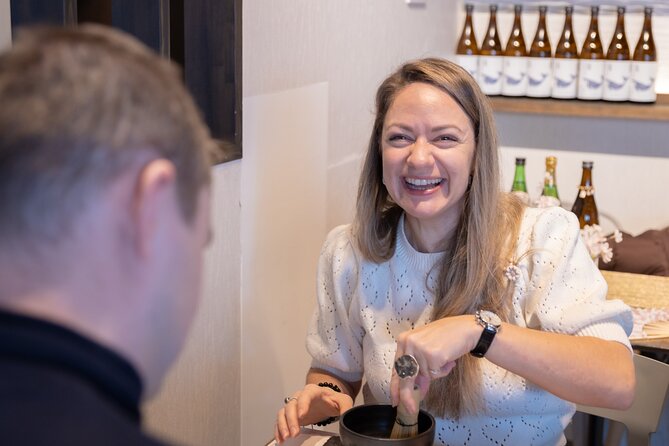
The session begins with an introduction to matcha and its place in Japanese food culture. The host uses explanations and, in some sessions, an iPad with images to show how matcha is grown and processed. You also learn the difference between matcha and green tea leaves.
That is useful groundwork. Matcha is not simply green tea brewed in hot water. The tea leaves are processed into a fine powder, and you consume the powder when you drink the finished bowl. The result has a stronger taste and a different texture from a standard cup of green tea.
You may also learn how to recognize higher-quality matcha. The class does not just present the tea as a pretty Japanese custom. It gives you practical information you can use after returning home, including tips for preparing matcha in your own kitchen.
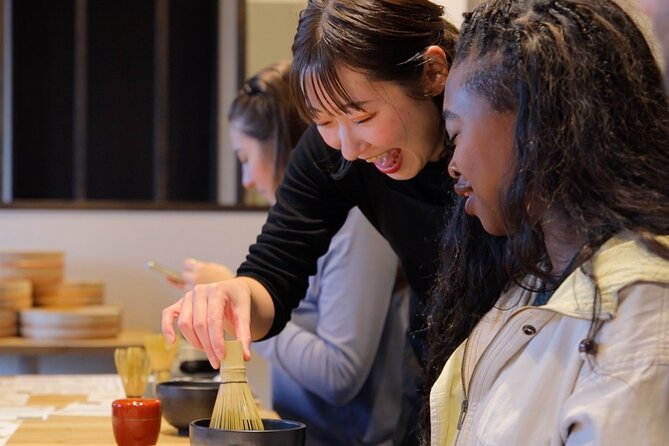
Next comes the preparation. You work with traditional tea tools, including a bamboo whisk, bowl, and scoop. The host explains the steps, then shows you how to combine the powder and water before whisking it into a smooth, foamy drink.
The whisking is the heart of the activity. It looks simple, but the speed and motion take a little practice. This is where personal guidance helps. The instructors move through the group, correct your technique, and make sure you are not left guessing.
You then drink the matcha you prepared and enjoy Japanese sweets with it. The sweets are not just an extra snack. Their sweetness softens matcha’s earthy, slightly bitter flavor, making the pairing easier to understand. If you have only tried sweetened matcha drinks, this gives you a clearer idea of traditional preparation.
The activity ends back at the meeting point. Since the class lasts about an hour, it will not take over your day. That makes it easy to add before lunch, after visiting Senso-ji, or between other plans in eastern Tokyo.
Why the hands-on format works
The strongest part of this class is the chance to make the tea yourself. A demonstration can show you the steps, but handling the whisk gives you a better sense of the craft.
I like that the instruction appears to be adjusted to the people in the room. One person may need help with the whisking motion, while another may want to ask more about matcha farming or Japanese customs. The hosts are described as patient, attentive, and comfortable with beginners.
The class also keeps the tone light. You learn about ceremony and tradition, but you are not expected to perform a long sequence of formal gestures perfectly. One instructor, Rino, is praised for making the session interactive. Shuri is described as patient and warm, with strong English. Hiya explains matcha’s history and quality, while Nama has led an engaging educational class.
Instructor assignments can change, so do not book expecting a particular person unless the operator confirms it. The important point is that the teaching style is built around participation rather than strict formality.
A calmer setting above the café
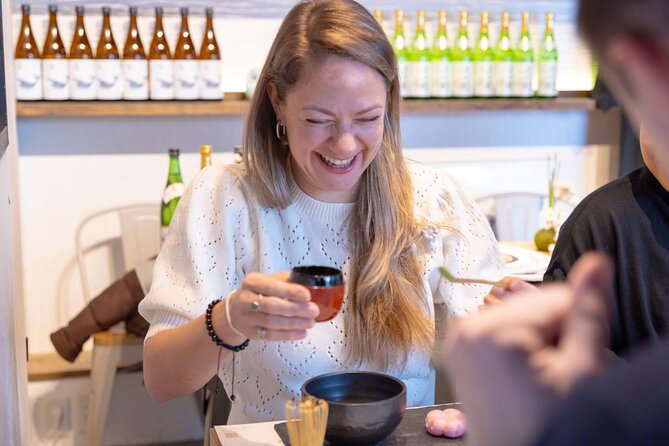
Some sessions take place in an upstairs nook of the café, with participants seated on the floor in a traditional style. That arrangement adds atmosphere and makes the class feel more personal than a standard cooking studio.
The setting is not a grand tea pavilion, and that is part of its appeal. You get a compact, informal cultural lesson in a working café environment. One account also mentions a pleasant view along the river, adding a little sightseeing value to the stop.
The room may not always be silent. The same location also hosts sushi-making classes, and a busier session could feel livelier if another class is running nearby. One class was described as quiet while another sushi group was larger and louder. If you are seeking a completely private or highly ceremonial experience, this may feel more casual than expected.
For most people, the relaxed setting is a benefit. You can focus on learning instead of worrying about making a mistake. Families in particular may prefer this approach, since children can take part without needing to sit through a long formal ceremony.
A few more things to do in Tokyo worth a look
- Matcha Making Class in Osaka with Authentic Japanese Sweets Set
★ 5.0 · 509 reviews - Kyoto: Japanese Traditional Sweets Making and Tea Ceremony
★ 4.4 · 314 reviews
Matcha and sweets: what makes the pairing worthwhile
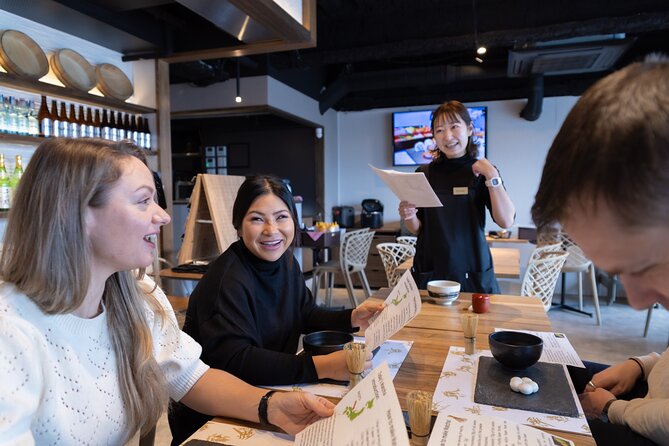
The included sweets give the class a clear finish. You prepare the tea, taste it, then try it with traditional Japanese confectionery. That contrast helps you understand why sweets are commonly served alongside matcha.
The matcha is not presented only as a fashionable café drink. You learn about its role in Japanese culture and the way the tea is prepared with care. At the same time, the class does not require you to adopt a formal tea ceremony mindset.
The sweets are seasonal, although the exact selection is not specified. That means the items can vary with the time of year. If you have food allergies or dietary restrictions, check with the operator before booking, since the available information does not list ingredients or substitutions.
A useful detail from the class format is that the tea is prepared in a traditional way, but the explanation remains practical. You leave with a better chance of making matcha at home instead of treating the experience as a one-time photo opportunity.
Is $21.89 good value?
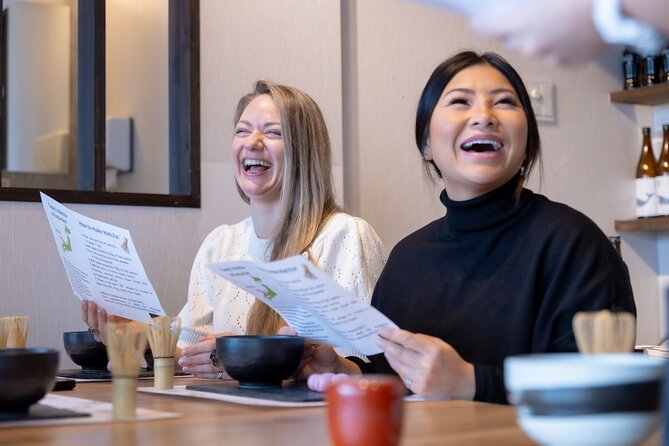
At $21.89 per person, this is a modestly priced cultural activity for central Tokyo. The fee includes an English-speaking instructor, matcha, Japanese sweets, and use of the preparation equipment during the class.
The value comes from the combination. You are not paying only for a cup of tea. You receive a short lesson, hands-on practice, cultural background, and a traditional snack. The one-hour length also helps keep the cost reasonable and makes the experience easy to fit into a packed itinerary.
I would not compare it with a full tea ceremony, a multi-course cooking class, or a private lesson. Those experiences would offer more depth and ceremony. This class is better viewed as an affordable introduction.
The group limit is 30 people, so the maximum size is not especially intimate. Still, some classes have only a few participants, and direct attention is a repeated feature of the teaching style. Group size may depend on the date and session. If personal instruction is important to you, an earlier or less popular time may offer a quieter feel, though the available details do not guarantee this.
Who should take this class?
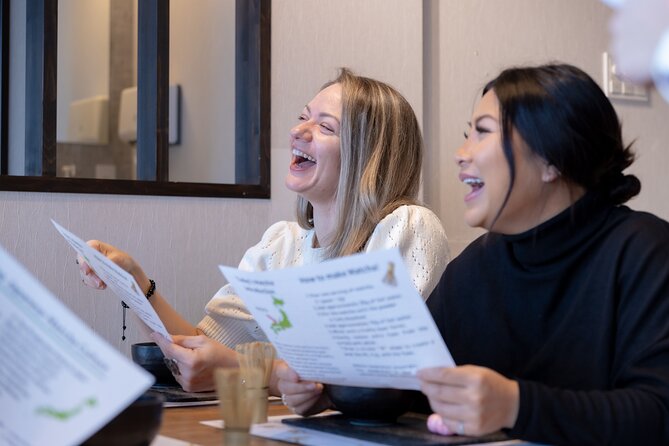
This is a strong choice for first-time visitors who want a cultural activity without giving up half a day. You learn something specific, eat something local, and return to sightseeing within about an hour.
Families should also consider it. Children aged six and nine have enjoyed the class, and the hosts make an effort to involve younger participants. The activity offers enough movement and interaction to hold attention better than a long lecture.
It suits couples, solo visitors, and friends who want a calmer break from Tokyo’s busy streets. It can also work well early in a trip, when you are still getting your bearings and want an easy introduction to Japanese customs.
You may want something else if your goal is a highly formal tea ceremony, a private experience, or extensive instruction in tea history. This class is welcoming and modern in its teaching style. Its strength is access, not ceremony for ceremony’s sake.
Planning the visit around Asakusa
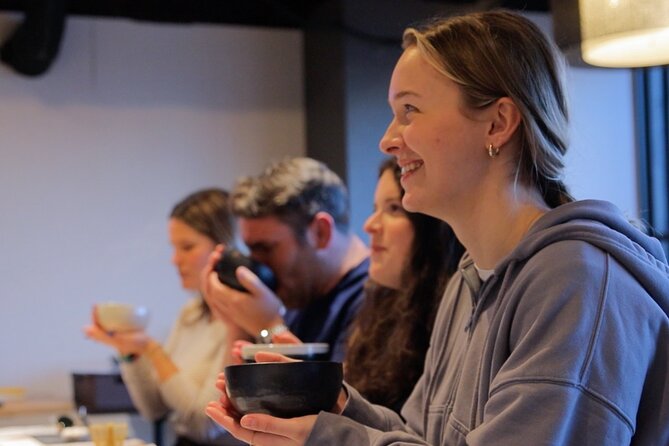
The class begins and ends at the same address, so there is no hotel pickup or drop-off. You will need to make your own way to Kaminarimon. The area is near public transportation, and the activity is easy to combine with other Asakusa plans.
Allow time to find the entrance. The address is specific, but Tokyo buildings and side streets can still slow you down, especially if you are navigating with luggage or arriving during a crowded sightseeing period.
A good plan is to place the class next to other nearby activities rather than crossing Tokyo just for the session. Visit Senso-ji, walk near the Sumida River, or explore the Kaminarimon area before or after. The class itself is short enough that it can serve as a useful pause in your day.
You can book with a mobile ticket, and confirmation is provided at booking. Service animals are allowed. The experience offers free cancellation if you cancel at least 24 hours before the scheduled start time. Cancellations or changes within 24 hours are not refunded or accepted, so keep your Tokyo schedule firm once the deadline passes.
What makes the experience memorable
The best moments here are small and practical. You learn why matcha tastes the way it does, see how the powder is prepared, and feel the whisk change the texture of the tea. Then you sit with a sweet and taste the result.
The personal contact also adds value. Hosts make time for questions, help with family photos, and share stories about Japanese culture beyond the mechanics of tea. That human side keeps the session from feeling like a packaged demonstration.
There is also a nice sense of accomplishment. By the end, you have made a bowl yourself. You may not become an expert in one hour, but you will understand the basic method and have a better chance of repeating it at home.
Should you book the Matcha Making Class?
Book it if you want a short, affordable, English-friendly cultural activity in Asakusa. You will get direct instruction, traditional tools, matcha, seasonal sweets, and useful tips for preparing the tea at home.
I would especially recommend it to families, first-time matcha drinkers, and anyone who finds a formal tea ceremony too stiff. The main limitation is the short duration and possible group size. If you want a serious study of tea or a private ceremony, choose a more specialized experience.
For most Tokyo itineraries, this class offers a pleasant hour with real participation rather than passive sightseeing. Pair it with Asakusa’s temples and riverfront, and you have an easy way to add a little Japanese food culture to the day.
FAQ
How long does the matcha class last?
The activity lasts approximately one hour.
Where does the class begin?
It begins at Matcha Making Tokyo, 2-chōme-17-9 Kaminarimon, Taito City, Tokyo 111-0034, Japan.
Where does the activity end?
The class ends back at the meeting point.
Is the class taught in English?
Yes. An English-speaking instructor leads the class.
Do I need previous tea ceremony experience?
No. The class is designed for beginners, and no prior tea ceremony experience is required.
What is included in the price?
The price includes the English-speaking instructor, matcha, Japanese sweets, and the class experience.
Are hotel transfers included?
No. Hotel pickup and drop-off are not included.
How many people can join the class?
The activity has a maximum of 30 participants.
Can I cancel for a full refund?
Yes, if you cancel at least 24 hours before the scheduled start time. Cancellations and changes made less than 24 hours before the start are not refunded or accepted.
Just added in Tokyo
- Luxury Tokyo Sake, Cocktail, Whisky and Pairing Tour★ 5.0 · 18 reviews
- Wagyu & Sake Pairing in Shinjuku – Steak, Shabu-Shabu & More★ 5.0 · 112 reviews
- Small-Group Wagyu Beef and 7 Japanese Dishes Tokyo Cooking Class★ 5.0 · 190 reviews
- Nikko: Edo Wonderland Edomura Cultural Theme Park Ticket★ 4.3 · 205 reviews
- 《MEMBERS-ONLY-BAR-HOPPING》Discover Your Special Whiskey in Tokyo!★ 5.0 · 29 reviews
- Japanese Whisky Hunting《HIGH-QUALITY-ONLY》Rare Tasting Class★ 5.0 · 20 reviews
- From Tokyo: Private Tour to Fuji/Hakone – Onsen, Art, Nature★ 5.0 · 116 reviews
- Tokyo: KABUKI Show at Kabukiza Theatre Admission Ticket★ 4.8 · 152 reviews
Tea Ceremony Experiences, compared.
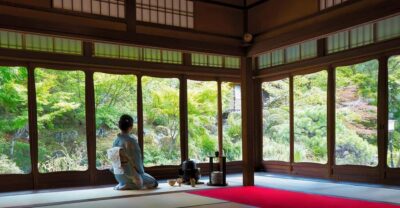
Tea Ceremony in a Traditional Tea House in Kiyomizu
Read our review →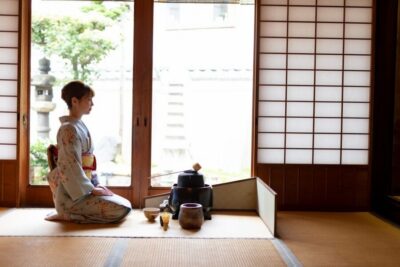
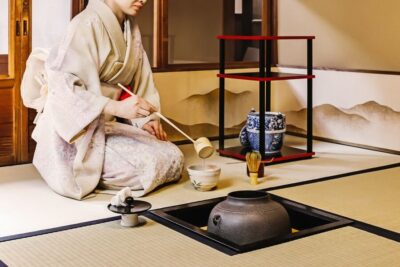
World Heritage Kyoto & Nara Uji Authentic Matcha Experience
Read our review →
Arashiyama Bamboo Forest, Monkeys, Matcha & Temple Tour
Read our review →Browse the lists this tour appears in