
Reviewed · GEISHA & GION DISTRICT TOURS
Best of Kyoto: Gion, Geisha, Pagodas & Cobblestones
Kyoto’s Gion district makes its best first impression after dark. Lanterns glow on wooden buildings, the narrow lanes quiet down, and the famous geisha quarter feels less like a sightseeing circuit and more like a living neighborhood. This two-hour walk links Gion with Higashiyama, including Yasaka Shrine, Ninenzaka, Hōkan-ji’s pagoda, and a peaceful Zen temple setting.
I like the quiet evening timing, which gives you better photographs and more room to listen. I also like the careful treatment of geisha and maiko culture, with guides such as Karim, Kevin, Ben, and Janelle explaining the work and training behind the costumes rather than reducing the women to a photo opportunity. The main drawback is practical: dark lanes can be harder to walk, and late arrivals who cannot find the guide are not refunded.
Key points to know before booking
- Two hours through Kyoto’s historic core: The route covers Yasaka Shrine, Ninenzaka, Hōkan-ji Temple, Yasui Kompira-Gu Shrine, and Gion.
- Night is the right setting: Lantern-lit streets are quieter and more atmospheric than during the day, though some sections are dark.
- Geisha culture is handled with care: Your guide explains geisha, geiko, and maiko customs and may help you understand what you see in Gion.
- A strong first-day activity: You get practical orientation, cultural background, photography spots, and suggestions for eating or drinking afterward.
- English and French guides: Private and small-group options are available, with guide quality and style varying by departure.
- Good value at $24: Food, drinks, and entry fees are not included, but the price is modest for a guided walk through Kyoto’s most famous evening district.
Why Gion works so well after dark

Gion is often pictured as Kyoto’s postcard district: wooden townhouses, stone lanes, paper lanterns, and women in formal dress moving quickly between appointments. During the day, the area can feel crowded and heavily photographed. At night, the mood changes.
This tour takes advantage of that change. You walk at a time when the streets are generally quieter, and the flicker of light on the old buildings does much of the visual work. Your guide fills in the meaning behind what you are seeing, from shrine customs to the role of the geisha districts.
The route is not simply a parade of famous photo stops. It gives you a short introduction to how Kyoto’s religious sites, entertainment districts, and traditional streets fit together. That makes it especially useful on your first day, when you are still trying to place the city on a mental map.
The guides bring different personalities. Karim is praised for a relaxed, funny manner and strong explanations of Gion culture. Kevin is described as easy to talk with and good at answering questions without overloading the group. Ben has used visual material on a tablet to explain Kyoto’s past, while Janelle and Janiel are noted for engaging storytelling and warmth.
You should not assume you will receive a particular guide unless your booking confirms it. Still, the repeated pattern is clear: the experience depends heavily on the person leading your walk, and this is a tour where a good guide can make ordinary streets meaningful.
Other evenings in the old entertainment quarters of Kyoto:
- Kyoto Geisha Walking Tour: Gion District & Hidden Gems
★ 4.7 · 3,273 reviews - Kyoto: Gion Magical Night Walking Tour with Geisha Trivia
★ 4.9 · 2,393 reviews - Kyoto: Gion Geisha District Walking Tour – Stories of Geisha
★ 4.7 · 2,187 reviews
Yasaka Shrine: a strong opening in the evening
The walk begins at one of two possible meeting locations near Gion, including the FamilyMart or Tsuruha Drug Yasaka Shrine Store area. Your exact meeting point depends on the option you book, so check it carefully before setting out.
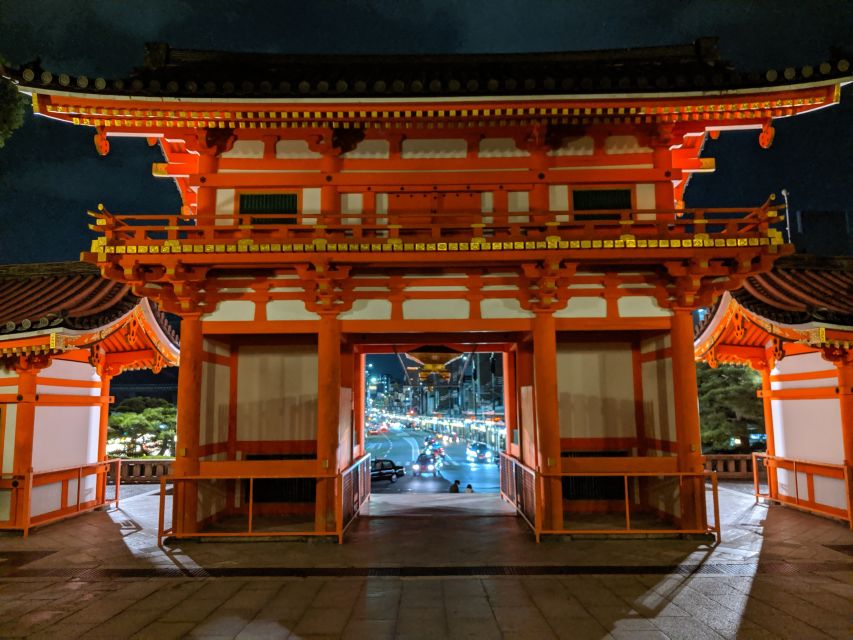
The first major stop is Yasaka Shrine, with about 20 minutes of guided time. This is a smart starting point because it places you immediately inside the cultural heart of the district. Instead of arriving in Gion with only a list of names, you begin by learning how a Shinto shrine fits into daily life and local custom.
At night, shrine grounds can feel calm and spacious. The lighting creates a different mood from a daytime visit, though it also means you will need to pay attention to where you are walking. Your guide can point out details you might otherwise pass without noticing and explain proper behavior around the shrine.
This first stop also gives your guide time to set the tone. The best part of the experience is not racing from landmark to landmark. It is getting enough context to understand why these places matter to Kyoto.
Ninenzaka: old streets and careful pacing
From Yasaka Shrine, the route continues toward Ninenzaka, where you spend about 20 minutes with your guide. Ninenzaka is known for its sloping stone street and traditional buildings. It is one of Kyoto’s most recognizable walking areas, so expect strong photo opportunities.
At night, the street has a more subdued feel. The guide may point out good angles for pictures and help you move through the area without treating it as a movie set. That matters here. Ninenzaka is beautiful, but it is also a real public street, and the best visit balances photography with respect for residents, businesses, and other people walking through.
The pace is described as comfortable rather than hurried. That is useful on uneven or sloping streets, especially after a full day of sightseeing. You will want comfortable shoes, though the supplied information does not specify accessibility details or the exact walking surface beyond the historic streets themselves.
Hōkan-ji Temple and the Yasaka Pagoda
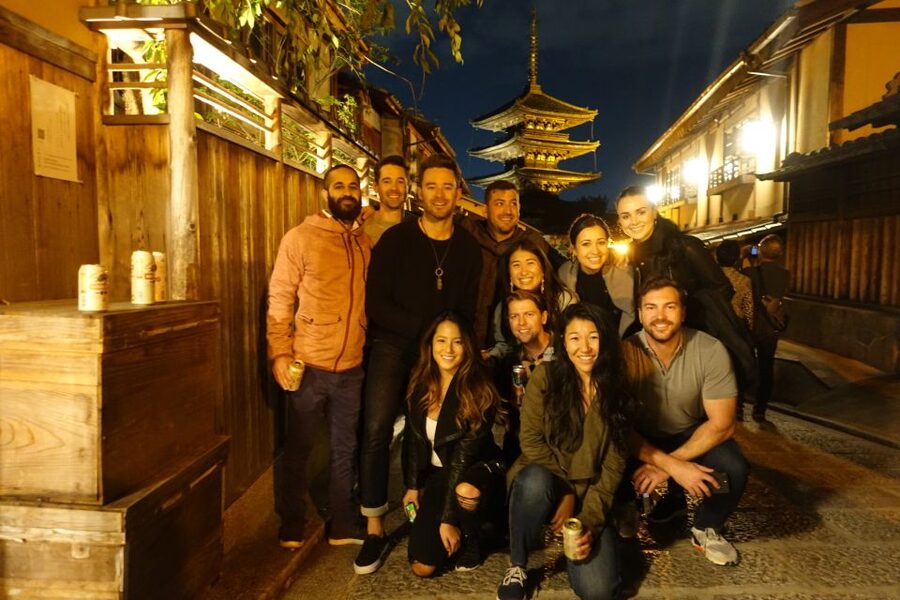
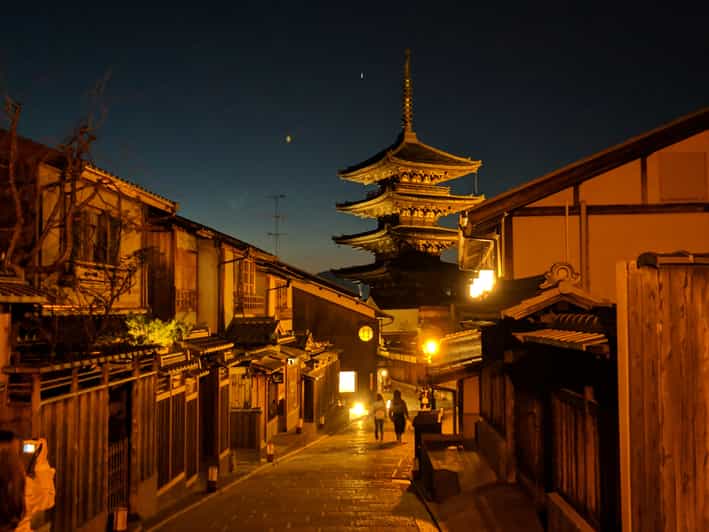
Hōkan-ji Temple is listed as a 20-minute photo stop. The temple is best known for the Yasaka Pagoda, one of the most recognizable silhouettes in old Kyoto. At night, the pagoda becomes a visual anchor as you move through the surrounding lanes.
This is likely the most photograph-focused part of the route. Your guide can help you find a useful viewpoint and explain why the pagoda is such a familiar symbol of Higashiyama. You should think of this as an exterior photo stop rather than a full temple visit, since the listed activity describes it specifically that way.
That distinction helps set expectations. If you want extended time inside temple halls or a formal temple tour, this walk is not designed for that. If you want to understand the setting and capture Kyoto’s classic evening look without spending hours on a large sightseeing circuit, the stop fits well.
Night photography can be tricky. The atmosphere is excellent, but low light makes it harder to get sharp pictures, especially on a phone. Your guide may point out photography opportunities, as some guides have done for previous groups, but you should not expect a dedicated photography lesson.
Same base, a different sort of day:
- PERFECT KYOTO 1-Day Bus Tour
★ 5.0 · 13,518 reviews - Kyoto: Fushimi Inari, Kinkakuji, Bamboo Grove 1 Day Bus Tour
★ 4.8 · 4,316 reviews - Kyoto: Tea Ceremony in a Traditional Tea House in Kiyomizu
★ 4.9 · 3,519 reviews - Kyoto: Tea Ceremony Ju-An at Jotokuji Temple
★ 4.9 · 3,207 reviews
Yasui Kompira-Gu Shrine and the quieter side of the route
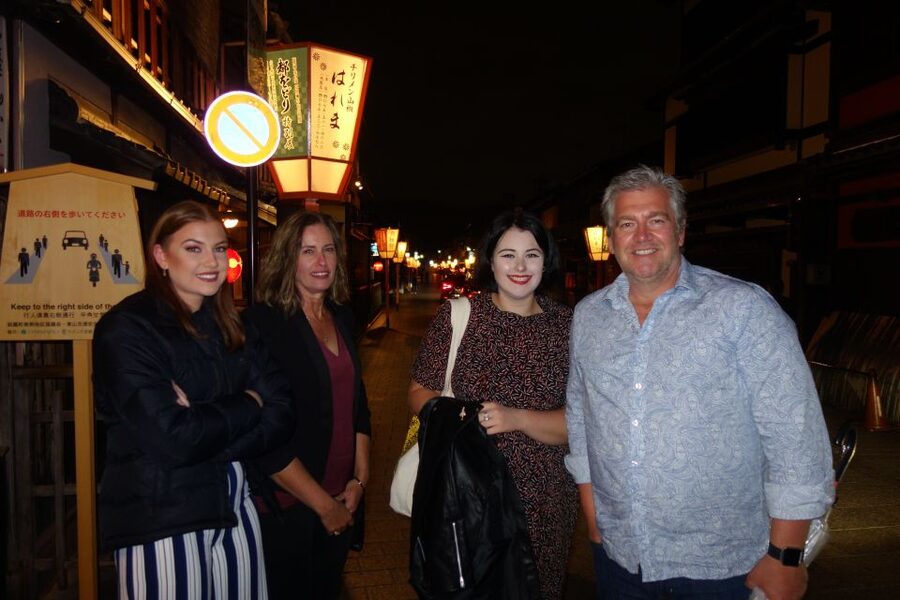
The tour then visits Yasui Kompira-Gu Shrine for about 15 minutes. This gives the walk another religious setting, different from the opening stop at Yasaka Shrine and the pagoda photo stop at Hōkan-ji.
Short visits like this work best when the guide explains the customs and purpose of the place in plain language. Several guides are praised for discussing shrines, temples, religion, and local customs in a way that is easy to follow. That is valuable if you are new to Japan and want help separating Shinto and Buddhist traditions without turning the evening into a lecture.
The stop also adds variety. You are not walking only through restaurant streets or posing at famous buildings. You are seeing how sacred spaces remain part of the neighborhood. At night, the quiet can make this feel more personal, but it also reinforces the need to keep your voice down and follow the guide’s advice about respectful behavior.
Forty-five minutes in Gion, where the tour finds its purpose
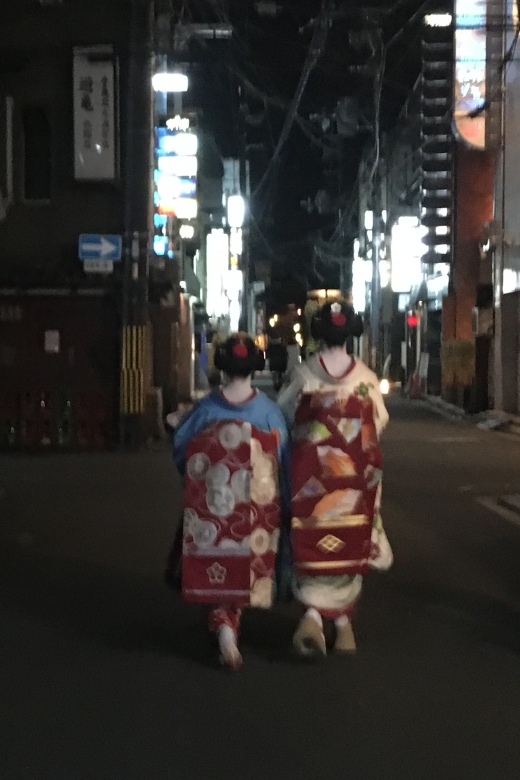
The longest part of the experience is the 45-minute guided walk through Gion. This is where the earlier stops come together. You have seen shrine grounds, a historic slope, and a famous pagoda. Now you get the social and cultural setting that made Gion famous.
Your guide explains the customs of geisha and apprentice maiko-san. The supplied information also uses the terms geiko and maiko, which you may hear during the walk. The most useful approach is to understand these women as trained professionals working within a demanding cultural tradition, not as costumed attractions placed on the street for photographs.
You might catch sight of women in full costume toward the end of the tour. That possibility is part of the appeal, but it should never be the only reason you book. Sightings depend on timing and chance, and no respectful tour can promise them.
The strongest guides add context instead of simply pointing and naming. Kevin, for example, is noted for explaining the education and training of geiko and for stressing the respect they deserve. Karim is praised for giving a thorough account of Gion’s culture while keeping the conversation relaxed. Ben has offered visual explanations and useful suggestions for places to eat, drink, and visit.
If you do see a geisha or maiko, follow your guide’s instructions. Do not block a doorway, touch anyone, or treat a person on the way to work as a public prop. One useful benefit of having a guide is that you can learn how to look without behaving carelessly.
What the $24 price really buys you
At $24 per person, this is a good-value introduction to Gion and Higashiyama. You are paying for a live guide, route planning, local explanation, and two hours of company in an area where wandering without context can leave you with little more than photographs.
The price does not include food or drinks. That is reasonable for a walking tour, and the final part of the experience can lead naturally into your own evening plans. Guides often provide suggestions for a place to eat or have a drink afterward, but those costs are yours.
Value depends on what you want. If you already know Gion well and prefer to wander alone, you may find the route too structured. If this is your first evening in Kyoto, $24 is a modest way to get background and practical orientation before exploring on your own.
Private and small-group options are available. A small group may make it easier to ask questions and hear explanations in narrow streets. A larger group can feel less personal, and the meeting instructions become more important.
Timing, weather, and walking comfort
The tour lasts two hours, with starting times varying by availability. Late afternoon departures may include more remaining daylight, while later departures offer the quietest streets and strongest lantern-lit mood. The evening setting has been praised even in cold weather, but you should dress for the season.
Winter can be genuinely cold, and summer evenings may still feel warm. The route includes old streets and some darker sections, so wear shoes you trust and keep your attention on the ground. The supplied details do not promise a flat route, step-free access, or shelter from rain.
Bring a charged phone. You may want photographs, and you also need a reliable way to contact the guide if you have trouble finding the meeting point. The guide’s phone number is shared with you, and WhatsApp is recommended if you are lost. Contact the guide at least ten minutes before the start if needed.
Do not arrive late and hope to catch up. The information for this activity says late arrivals or people unable to find the guide are not refunded. Allow extra time to reach the meeting point, especially since the exact location can vary with the option booked.
Who will get the most from this Kyoto walk
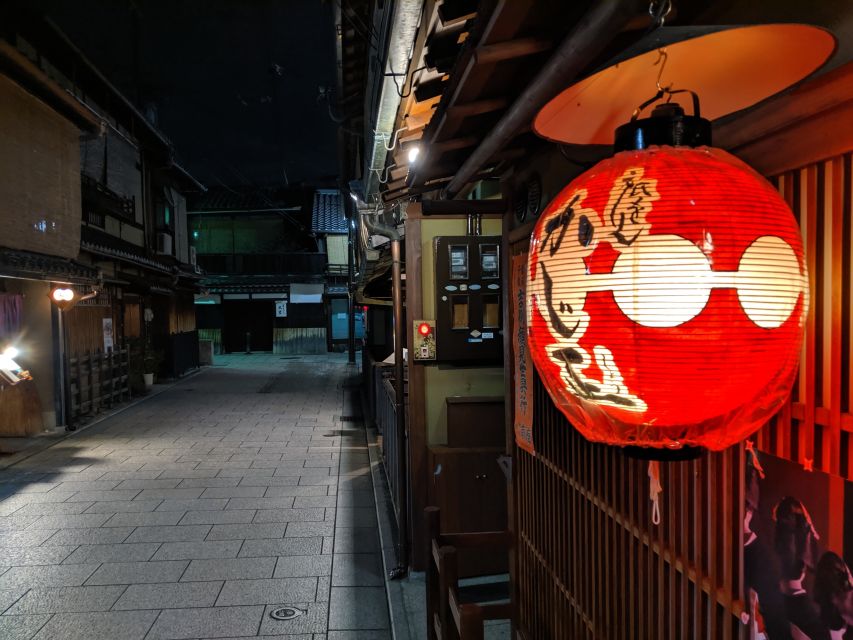
I would choose this tour for a first evening in Kyoto, particularly if you want cultural explanation without committing to a full-day activity. It suits couples, friends, solo visitors, and families with older children who can manage two hours of walking and quiet attention.
It is also useful for anyone curious about geisha culture but wary of shallow sightseeing. The guide-led approach gives you a better chance of understanding the district and behaving respectfully. You may see geisha, maiko, or geiko, but the tour still works if you do not.
You may want something else if your main goal is temple interiors, a meal, a formal geisha performance, or a guaranteed encounter with a particular person. None of those is included. This is a walking introduction, not a performance or dining experience.
English and French departures are available. Since guide style matters, check the language and group format when booking. The strongest experience will be one where you can hear clearly and ask questions comfortably.
Should you book Best of Kyoto: Gion, Geisha, Pagodas & Cobblestones?
Book it if you want a short, affordable introduction to Kyoto’s most atmospheric evening district. The route gives you the right mix: Yasaka Shrine, Ninenzaka, Hōkan-ji’s pagoda, Yasui Kompira-Gu Shrine, and a substantial final walk through Gion.
I especially recommend it for your first day or first evening. You will leave with a clearer sense of the city’s religious customs, historic streets, and geisha culture, plus ideas for what to do after the tour.
Skip it if you prefer complete independence or need a fully accessible, weatherproof route, since those details are not specified. And book with realistic expectations about geisha sightings. The real reward is the walk itself, guided well, at a time when Gion can feel quiet, graceful, and unusually close to its old character.
FAQ
How long does the Gion and Higashiyama tour last?
The tour lasts two hours.
What places does the walking tour visit?
The route includes Yasaka Shrine, Ninenzaka, Hōkan-ji Temple and its pagoda, Yasui Kompira-Gu Shrine, and the Gion district.
Is the tour held at night?
The experience is designed as an evening walk, when Gion and Higashiyama are quieter and more atmospheric.
What languages are available?
Live guides are available in English and French.
Is food included?
No. Food and drinks are not included, though the guide can provide suggestions for a place to eat or have a drink afterward.
How much does the experience cost?
The listed price is $24 per person.
Can I book a private or small-group tour?
Yes. Private and small-group options are available.
What should I do if I cannot find the meeting point?
Your guide’s phone number is shared with you. If you have trouble locating the meeting point, call the guide at least ten minutes before the tour begins. WhatsApp is recommended.
What happens if I arrive late?
Late arrivals and people who cannot find their guide are not eligible for a refund. Check the meeting point carefully because it may vary with the option booked.
Just added in Kyoto
- Kyoto: Private Photoshoot Service★ 5.0 · 158 reviews
- Kyoto Rickshaw Tour★ 5.0 · 210 reviews
- Izakaya Style Cooking Class★ 5.0 · 219 reviews
- Ninja 2-hour Hands-on Lesson by Japanese master in Kyoto -Medium★ 5.0 · 218 reviews
- Kyoto: Traditional Concert at Townhouse or Bathhouse★ 4.9 · 224 reviews
- Kyoto: Arashiyama Bamboo, Temple, Matcha, Monkeys & secret spots★ 5.0 · 219 reviews
- Kyoto Geisha District Walking Tour in Gion★ 5.0 · 232 reviews
- The right way to know Kyoto★ 5.0 · 257 reviews
Geisha & Gion District Tours, compared.
Kyoto Geisha Walking Tour: Gion District & Hidden Gems
Read our review →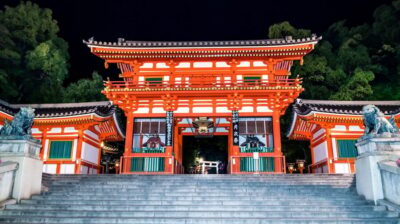
Gion Geisha District Walking Tour – Stories of Geisha
Read our review →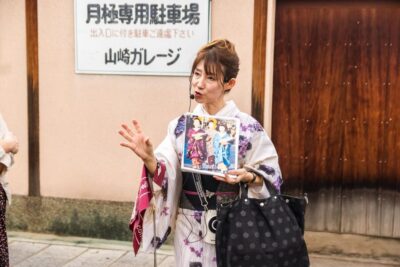
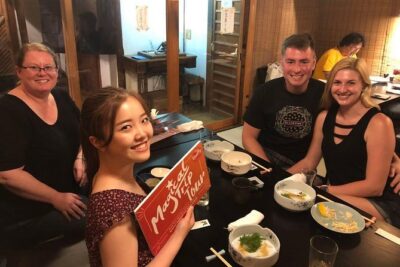
Kyoto Night Foodie Tour in Gion (9+ dishes + 6 Sake tastings)
Read our review →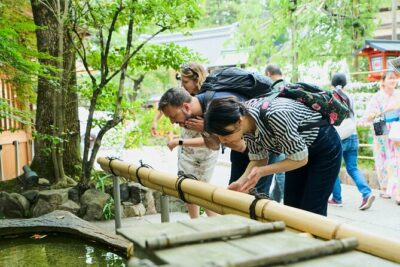
Kyoto Gion: 2-Hour Geisha Culture & History Walking Tour
Read our review →
Chopsticks Making Workshop in Gion with Engraving Option
Read our review →
Kyoto Night All-Inclusive Eats and Streets, Gion and Beyond
Read our review →Browse the lists this tour appears in