
Reviewed · RAMEN TOURS & WORKSHOPS
Exclusive Tokyo Ramen Kitchen Experience
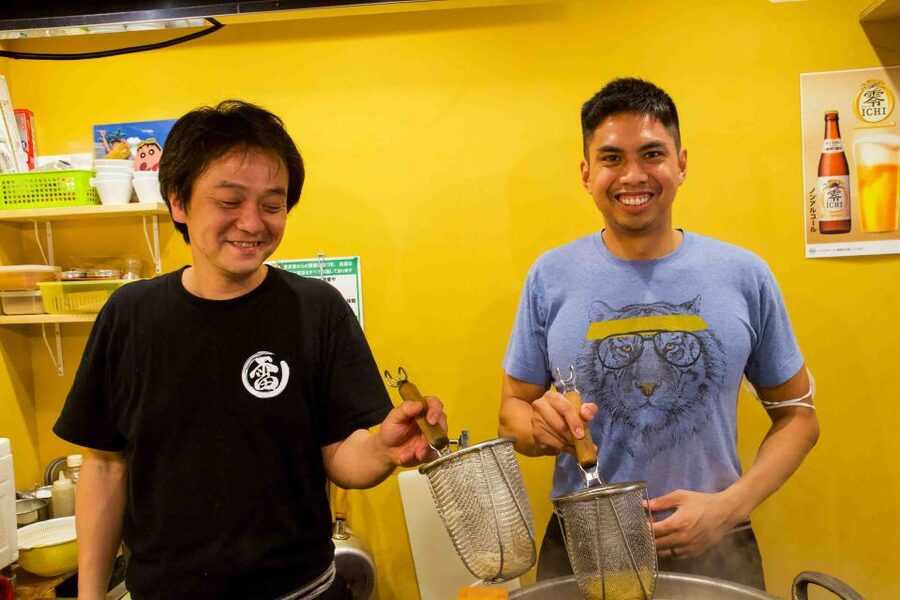
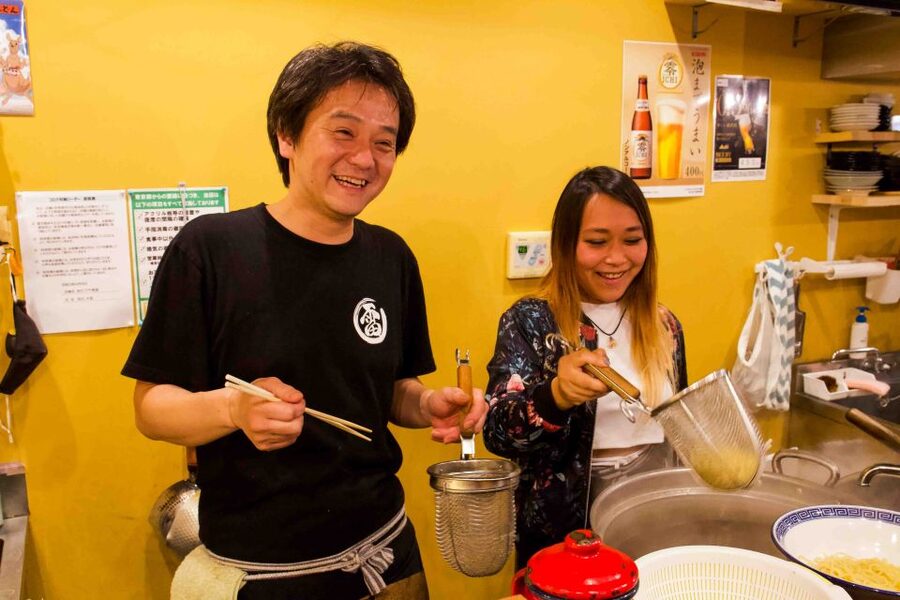
The main draw here is simple: you get behind the counter of a respected Tokyo ramen shop and see the work that diners normally never notice. You learn how broth, noodles, toppings, and seasoning come together, then prepare two small bowls of ramen rather than just watching a demonstration.
I like the close contact with the chef and the tiny group, limited to six people. I also like the chance to learn why each ingredient matters, including where it comes from. The catch is that this costs $83 for only one hour, and it is not a full from-scratch cooking class.
Key points at a glance
- Inside access: You enter a real ramen shop kitchen, an area normally closed to diners.
- Two tasting bowls: You prepare and eat two small bowls of ramen, plus two fried gyoza.
- Frank and other English-speaking guides: Frank has hosted the experience, and multiple guides may lead the session.
- Ramen education: Learn about ramen origins, regional types, broth, noodles, seasoning, and toppings.
- Small and focused: Six people or fewer allows for direct help from the guide and chef.
- Practical caution: Hot water and soup are part of the kitchen work, and the ramen contains chicken, pork, and fish.
Entering the ramen kitchen near Nezu Station
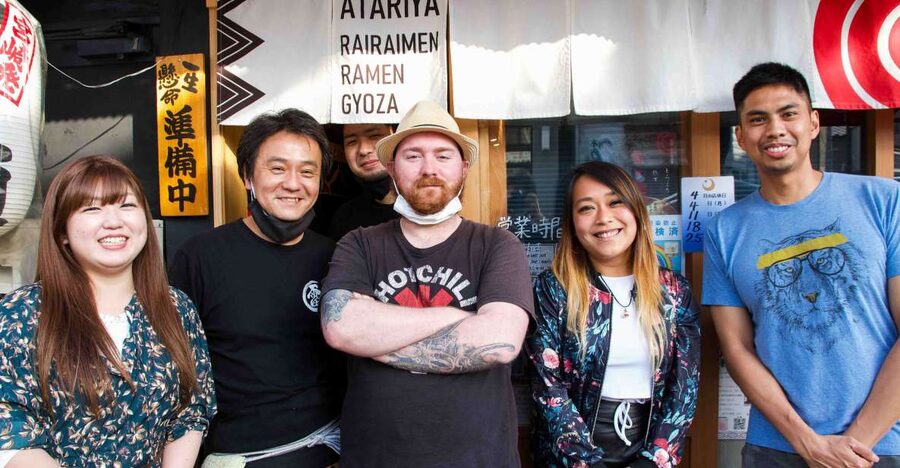
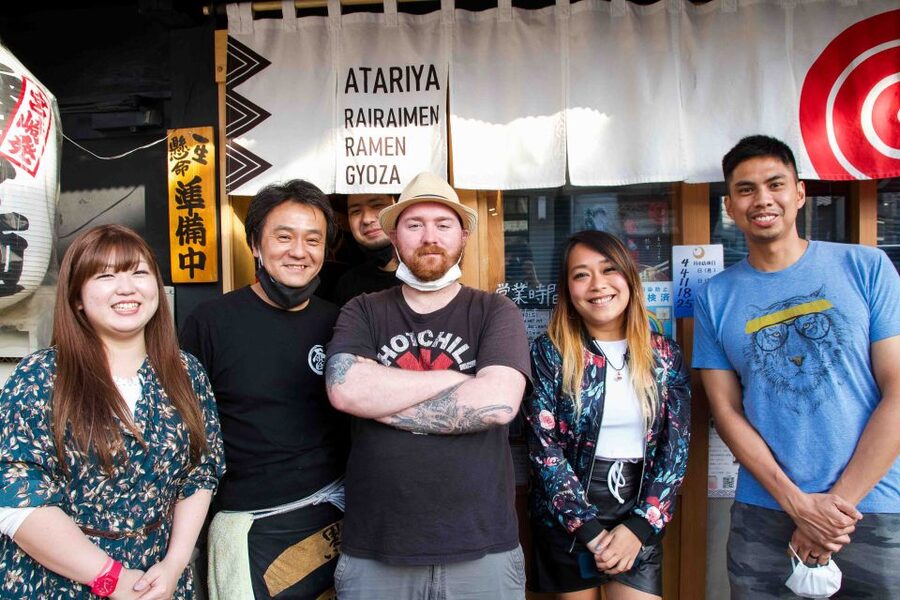
Your meeting point is in front of the Akafudado supermarket at Nezu Station, Exit 1. Look for a guide holding a Tokyo Ramen Tours sign. Nezu is in the Tokyo area of Honshu, and the station meeting point keeps the start straightforward, though you should allow enough time to find the correct exit.
The experience lasts one hour. That is short enough to fit neatly into a day of sightseeing, but it also tells you what this activity is and is not. You are not spending an afternoon slowly making stock, rolling noodles, and preparing every topping. You are getting a concentrated look at how a working ramen shop operates.
That focus is useful. A restaurant kitchen moves quickly, and a normal cooking class often removes you from the real setting. Here, you see the counter, the equipment, the hot water, the soup, and the rhythm of service. You are close to the action without needing to commit half a day.
Other bowls worth queuing for in Tokyo:
- Eat and Drink Like a Local: Tokyo Ueno Food Tour-Taverns&Ramen
★ 5.0 · 957 reviews - Ramen & Gyoza Cooking Class in Tokyo with Local Supermarket Visit
★ 5.0 · 823 reviews - Tokyo: Ramen Tasting Tour with 6 Mini Bowls of Ramen
★ 4.9 · 432 reviews
What happens behind the counter
Once inside, the guide introduces you to the shop and explains what goes into its ramen. You learn about the origins and types of ramen, then move into the practical work of preparing a bowl.
The shop has won several awards and is described as one of Tokyo’s best ramen shops. The important point for you is not the trophy claim alone. You are seeing a professional kitchen that has a reputation to protect, rather than a temporary teaching space built only for tourists.
The chef and guide explain the purpose of the ingredients and where they come from. That can change the way you eat ramen afterward. Instead of treating the broth as a single flavor, you begin to notice the balance between soup, seasoning, noodles, meat, and toppings.
You will not wait for a ten-hour broth to finish. The shop prepares that in advance, as any working restaurant must. The shortened format lets you take part in the final preparation without spending most of your visit watching a pot simmer.
This is also why the experience works best for people who want access and explanation, not a recipe to reproduce at home. A guest who expects to make every element from raw ingredients may feel the session is limited. Someone who wants to understand the kitchen and handle the finishing steps will likely find the format much more satisfying.
Making two small bowls instead of one large lesson
The hands-on section centers on putting together your ramen. You learn how the noodles and ingredients are combined, then work with the chef’s guidance to prepare your bowls.
Two small bowls are included. This is a smart tasting format because it gives you more than one serving without turning the meal into the whole point of the activity. You can pay attention to the process, then taste the result while the details are still fresh.
The two gyoza add a small side dish and give you another familiar part of Japanese restaurant food to enjoy. Do not expect a large meal from the included food. The bowls are specifically described as small, so consider this a food experience and tasting rather than a replacement for dinner.
The setting adds much of the value. At an ordinary ramen meal, you see the finished bowl arrive in seconds. Here, you are closer to the decisions behind it. You can watch the preparation, handle parts of the process, and see why the kitchen needs speed and care.
Why the one-hour format works, and where it falls short
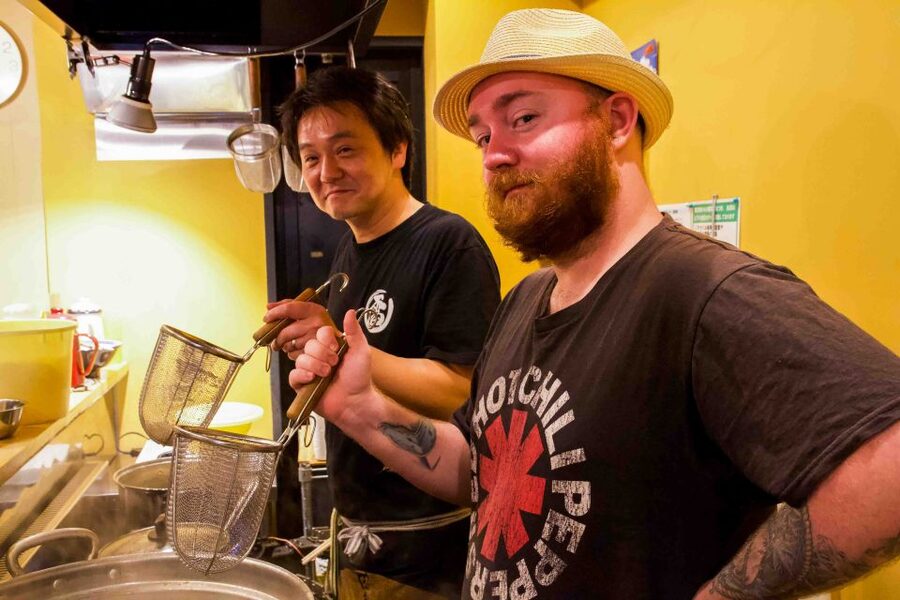
I like the tight schedule. Tokyo days fill up quickly, and a one-hour activity can fit before another meal, a museum visit, or an afternoon walk around the Nezu area. The small group also helps keep the session moving without making it feel like a large organized outing.
There is a tradeoff. One hour does not leave room for a full course on noodle making, stock preparation, or restaurant management. The experience gives you a useful window into the kitchen, not professional chef training.
The best comparison is not a standard cooking class. It is closer to a guided kitchen visit with hands-on ramen assembly and a tasting. If that sounds appealing, the short length is a strength. If you want detailed recipes, take-home instructions, or a complete cooking project, the format may feel thin for the price.
One former participant specifically wished for take-away recipes. That is a fair expectation to manage before booking. The supplied details promise explanations and hands-on preparation, but they do not promise a printed recipe or a method for recreating the broth at home.
Same base, a different sort of day:
- Mt Fuji and Hakone 1-Day Bus Tour Return by Bullet Train
★ 5.0 · 26,383 reviews - 1-Day Tokyo Bus Tour
★ 5.0 · 14,250 reviews - Tokyo: TOKYO SKYTREE® Admission ticket
★ 4.5 · 11,192 reviews - Tokyo: teamLab Planets TOKYO Digital Art Museum Entry Ticket
★ 4.6 · 9,779 reviews
The guide and chef make the difference
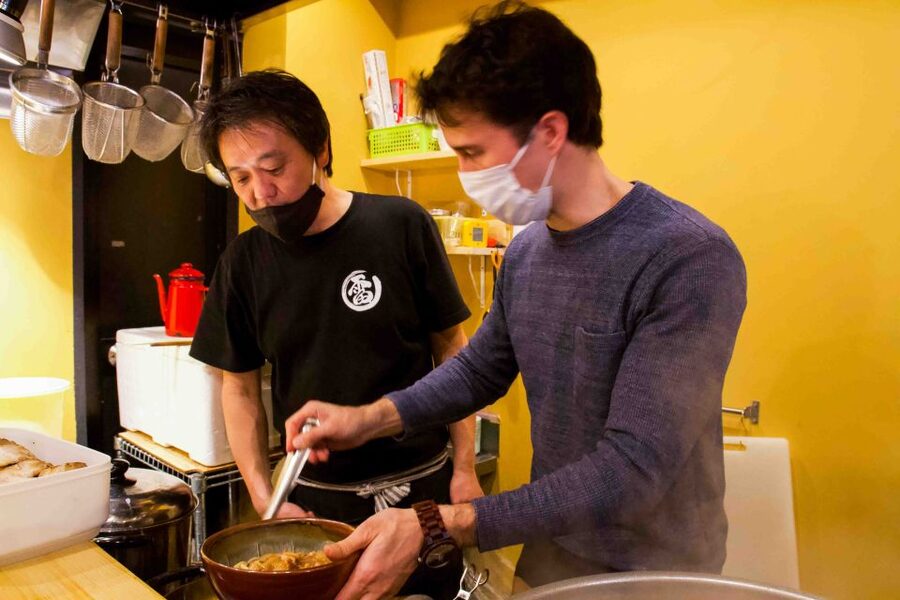
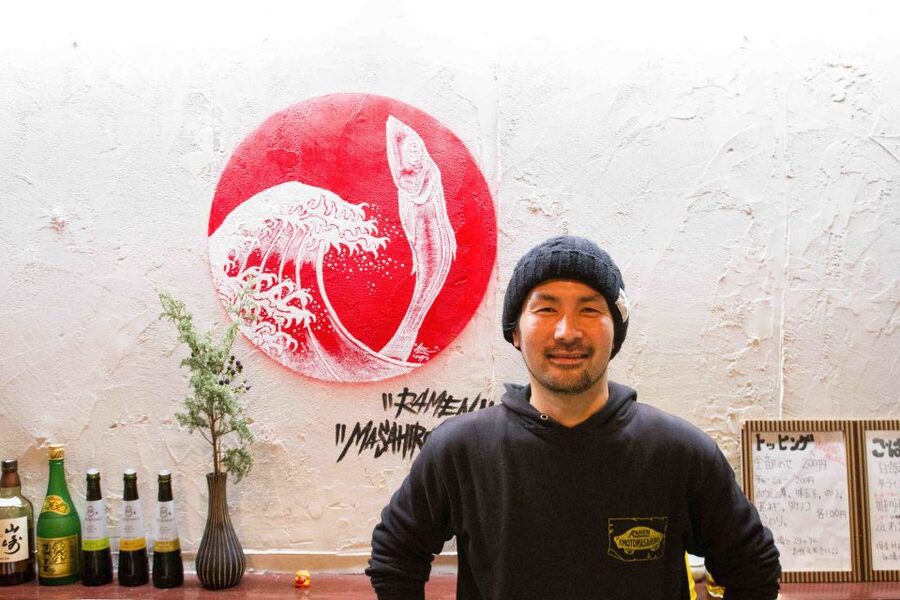
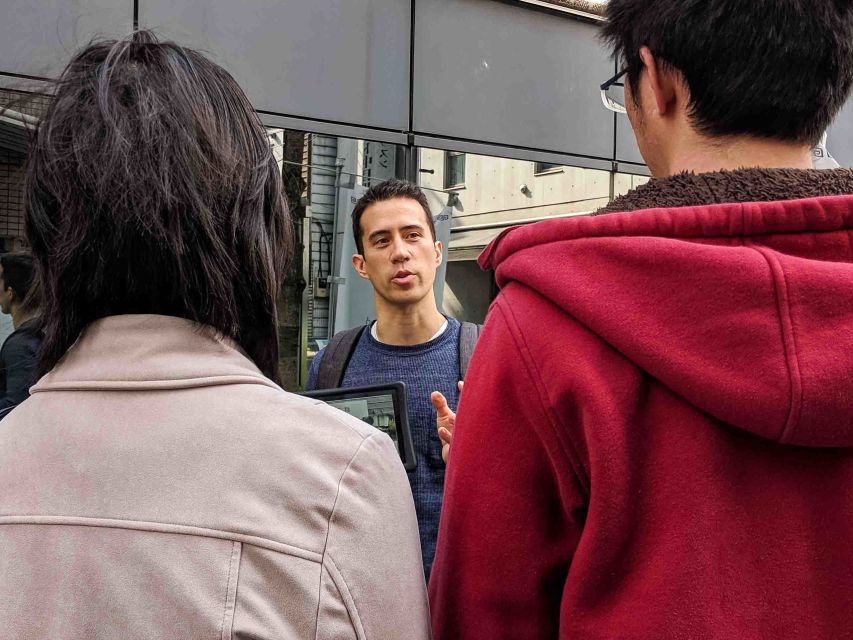
The session includes a live English-speaking guide, and the operator uses multiple guides. Frank has led the experience and was praised for his passion for ramen and his clear explanations. Your guide may be someone else, so do not book on the assumption that Frank will always lead your time slot.
The guide’s role matters because ramen can seem simple from the table. Noodles, soup, meat, and toppings look easy to name, but the small choices affect the final bowl. A good explanation turns a quick meal into a lesson in timing, texture, and balance.
The chef provides the practical side. The chef works in the actual kitchen and helps you handle the preparation. One family reported that the chef worked carefully with children aged eight and eleven, which suggests that the activity can suit older children when a parent stays attentive and follows the kitchen’s safety instructions.
The group limit of six is another real benefit. You have a better chance of hearing the guide, asking questions, and getting direct help than you would in a large food tour. It also means the experience can feel personal without requiring private-tour pricing.
The food and dietary warning
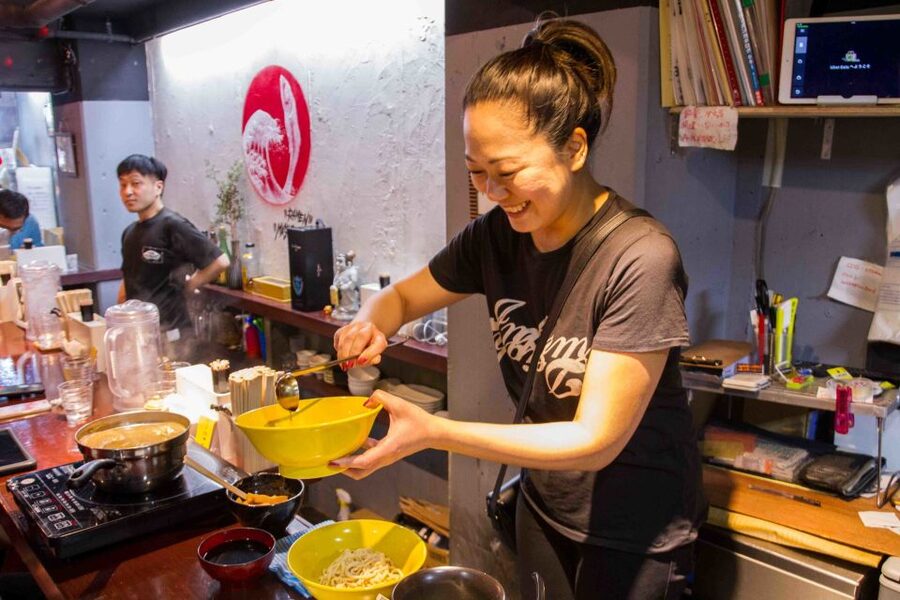
The included ramen contains chicken, pork, and fish. This is important, not a footnote. If you avoid any of these ingredients, you should confirm suitability before booking because the supplied information does not promise substitutions.
For most ramen fans, the food is a major part of the appeal. Several people described the bowls as among the best they had eaten in Japan, and one person called the ramen delicious enough to make them appreciate the dish more. The repeated praise is strongest around flavor and the pleasure of eating what you helped prepare.
The two bowls also make the meal feel generous in variety, even though each bowl is small. You get more time with the food and more opportunity to notice the differences in preparation. The two gyoza provide a simple, savory extra.
You should wear comfortable clothes. The kitchen includes hot water and soup, so this is not a place to treat the preparation casually. Listen to the chef, keep clear of hot surfaces, and expect to use care while handling the food.
Is $83 good value?
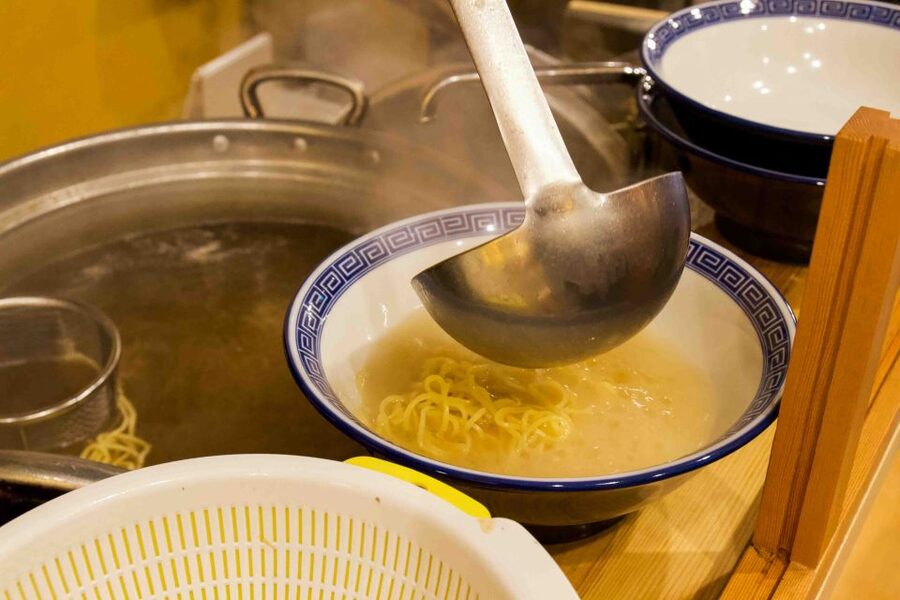
At $83 per person, this is expensive if you measure the booking only by the amount of food. You receive two small bowls and two gyoza in an hour, and you could eat a filling ramen meal in Tokyo for much less.
The value comes from the kitchen access. You are paying for the guide, the chef’s time, the small group, the explanations, and entry into a working ramen shop that does not normally offer this kind of access. The award-winning setting also gives the lesson more credibility than a generic cooking studio.
Families should do the math carefully. One family described a total of $500 for their group and felt the experience was costly, while still praising the activity itself. There is no family discount listed, so the per-person price can rise quickly for parents and children.
For a dedicated food fan, the price may be reasonable as a special Tokyo experience. For a casual eater who mainly wants lunch, it is poor value. You should decide which of those two purchases you are making before you reserve.
The booking terms offer some flexibility. You can cancel up to 24 hours in advance for a full refund, and you can reserve now and pay later. Starting times vary, so check availability when planning your day.
Who should book this experience?
I would recommend it most strongly to you if you:
- Want to see the working side of a Tokyo ramen shop
- Enjoy food experiences that explain technique and ingredients
- Prefer a small group over a large cooking demonstration
- Are happy with a shortened, hands-on format rather than a full recipe class
- Can eat chicken, pork, and fish
- Want an activity that fits into a busy Tokyo schedule
Families can consider it too, especially with children who can follow safety instructions. The chef has worked carefully with children as young as eight, but the kitchen includes hot soup and water, so parents need to stay engaged.
I would be more cautious if your main goal is to learn how to make ramen entirely from scratch. You will not spend ten hours preparing broth, and the provided information does not include a full recipe or take-home instructions.
Should you book the Tokyo ramen kitchen experience?
Book it if the words real kitchen access matter more to you than a large meal. The best parts are the small group, the chef’s guidance, the ramen lesson, and the chance to prepare two bowls in a working shop. The food receives especially strong praise, and the experience gives you a clearer sense of why good ramen takes skill.
Skip it if $83 feels too high for a one-hour activity, if you need a vegetarian or ingredient-specific option, or if you want a full cooking course. For everyone else, this is a focused and unusual way to spend an hour in Tokyo, with enough hands-on work to make the meal feel personal rather than simply observed.
FAQ
Where does the ramen experience meet?
Meet at Nezu Station, Exit 1, in front of the Akafudado supermarket. Your guide will be holding a Tokyo Ramen Tours sign.
How long does the activity last?
The experience lasts one hour. Starting times vary, so check availability when booking.
Is this a full cooking class?
No. It is a behind-the-counter experience in a real ramen shop. The broth and other parts of the preparation are made ahead of time, and you take part in putting together the ramen.
What food is included?
The booking includes two small bowls of ramen and two fried gyoza.
What ingredients are in the ramen?
The ramen contains chicken, pork, and fish.
How large is the group?
The experience is limited to six participants and includes a live English-speaking guide. Multiple guides may lead the activity, including Frank.
Just added in Tokyo
- The 10 Tastings of Tokyo With Locals: Private Street Food Tour★ 5.0 · 48 reviews
- Small Town in the Big City: Tasting Tokyo’s Kichijoji★ 5.0 · 195 reviews
- Small Town in the Big City: Tasting Tokyo’s Kichijoji★ 5.0 · 16 reviews
- EXCLUSIVE Tokyo Secret: Kichijoji Small-Group Food & Bar Hopping★ 5.0 · 29 reviews
- Explore Kichijoji: Walk Through One of Tokyo’s Beloved Districts★ 5.0 · 21 reviews
- :Tokyo,Shibuya/ Pro Photography in Kimono / English-Friendly★ 5.0 · 26 reviews
- 【R34】Tokyo:Private Daikoku tour in Modified R34★ 4.9 · 92 reviews
- Tokyo:Calligraphy &Make your original folding fan in Asakusa★ 5.0 · 62 reviews
Ramen Tours & Workshops, compared.

Ramen Cooking Class at Ramen Factory in Kyoto
Read our review →
Eat and Drink Like a Local: Tokyo Ueno Food Tour-Taverns&Ramen
Read our review →
Ramen & Gyoza Cooking Class in Tokyo with Local Supermarket Visit
Read our review →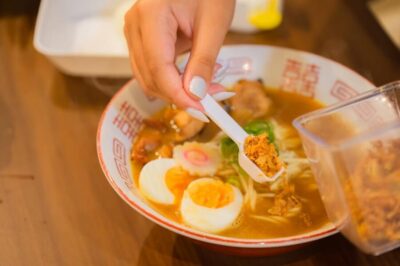
Ramen Cooking Class at a Ramen Factory with Souvenir
Read our review →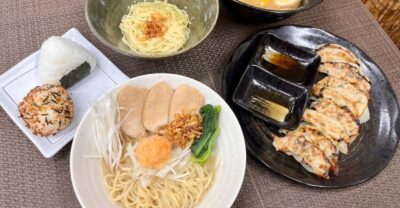
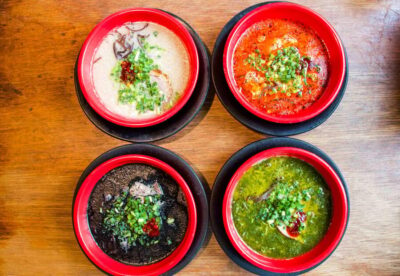
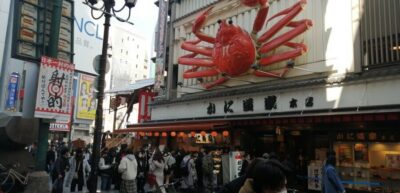
Five Must-See Highlights Walking Tour & Ramen Lunch
Read our review →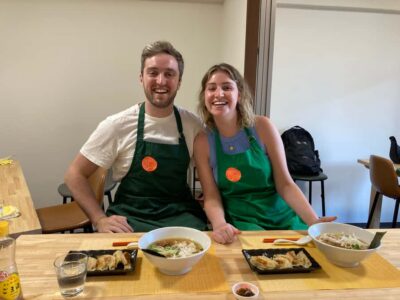
Browse the lists this tour appears in