
Reviewed · TEMPLE & SHRINE TOURS
Tokyo: Asakusa and Tokyo’s Oldest Temple Senso-ji Tour
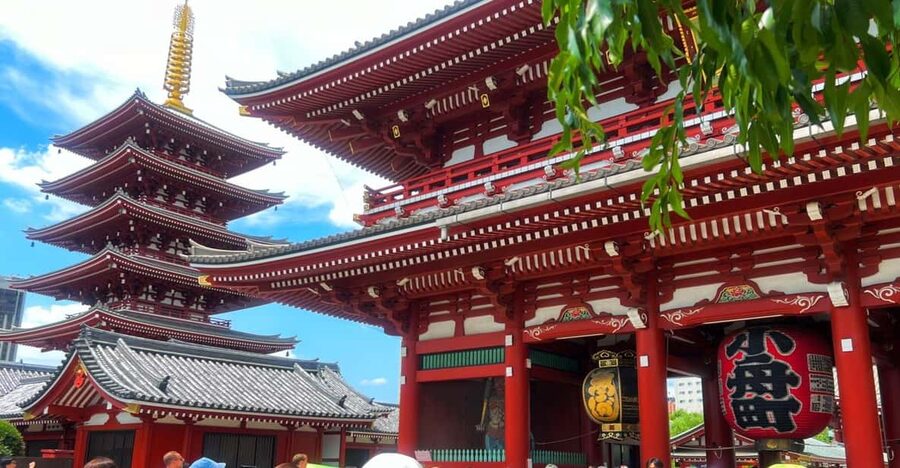
Asakusa gives you Tokyo’s traditional face in one compact walk. You pass beneath the huge Kaminarimon Gate, follow Nakamise Street toward Senso-ji, and learn how to approach a Buddhist temple and nearby Shinto shrine. The setting is famous, but the guide’s explanations turn a quick photo stop into a useful lesson in Japanese customs.
I like the small groups, which make it easier to hear and stay together, and I like the local advice on snacks, souvenirs, pottery, and places to eat. Guides including Shino, Aska, Embla, Nicolas, and Joe have been praised for clear English, good pacing, and lively stories. The main drawback is the crowd: Asakusa can be packed, and two hours gives you an excellent introduction rather than a full day in the district.
Key points at a glance
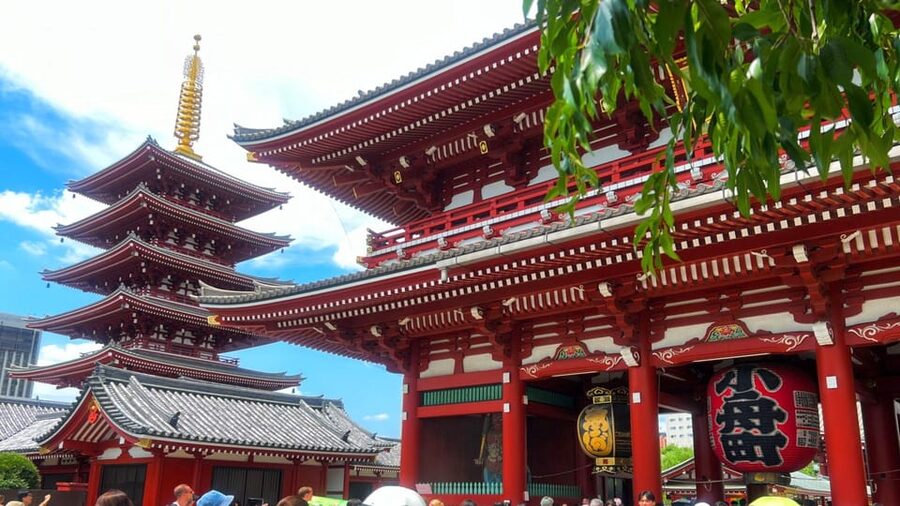
- A practical first look at old Tokyo: Kaminarimon, Nakamise Street, Senso-ji, and Asakusa Shrine fit into a clear two-hour route.
- Small groups of up to 10: You can ask questions and are less likely to lose the guide in the temple crowds.
- Useful temple etiquette: Your guide explains how to wash, pray, and behave at Senso-ji and the shrine.
- Local food and shopping tips: Expect advice on traditional sweets, souvenirs, and places worth returning to after the tour.
- Guides with different strengths: Shino is praised for local insight, Aska for cultural explanations, Embla for organization, and Nicolas and Joe for friendly storytelling.
- Good value at $14: The price is low for a live, English-language orientation in one of Tokyo’s most important historic districts.
Why Asakusa is a smart place to begin in Tokyo
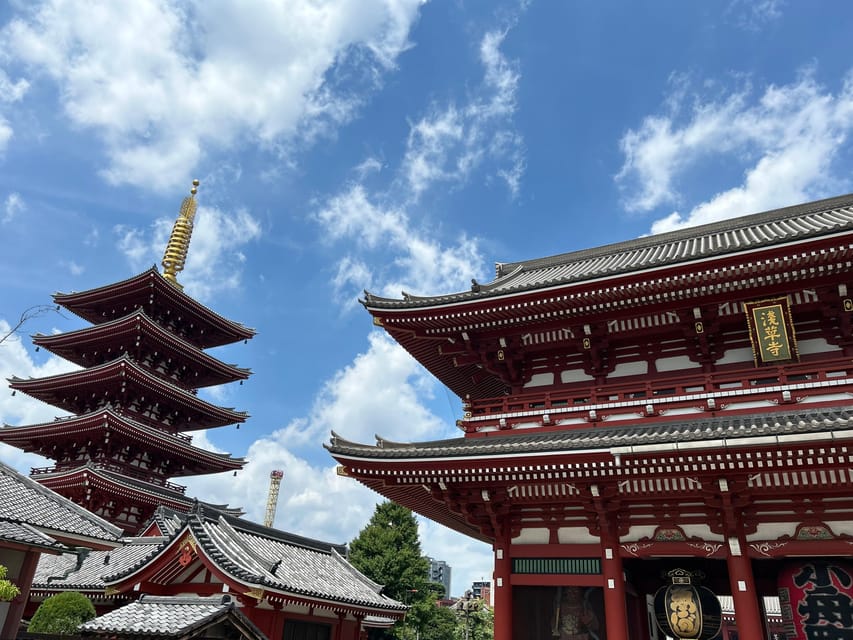
Tokyo can feel like several cities stitched together. Neon districts, quiet residential lanes, department stores, gardens, and old religious sites all share the same rail network. Asakusa is one of the easiest places to understand that contrast because the old center is still visible beneath the modern city.
This neighborhood was once the heart of Edo, the former name for Tokyo. Its streets around Senso-ji retain a strong connection to older Tokyo, though the area has also changed through war, rebuilding, tourism, and modern commerce. A guide helps you connect those layers instead of seeing only a large gate and a famous temple hall.
The tour starts at the Starbucks closest to Asakusa Station. That is a simple meeting point, but check the exact location carefully and download WhatsApp before you arrive. The organizer asks participants to use it for smooth contact, which matters in a crowded station area where several exits and meeting spots can cause confusion.
The walk lasts two hours. That is long enough for a solid introduction without taking over your whole day. I would schedule it early in your Asakusa plans, then return afterward to shop, eat, visit more temples, or explore the surrounding streets at your own speed.
Other temples and shrines in Tokyo people book:
- Tokyo: Meiji Shrine, Asakusa, Skytree Bus Tour and Cruise
★ 4.7 · 1,986 reviews - Tokyo: Asakusa Walking Tour with Sensoji Temple Visit
★ 4.8 · 1,583 reviews - Nikko: Kegon Falls, Lake Chuzenji & Toshogu Temple
★ 4.6 · 1,577 reviews
Kaminarimon Gate: an impressive start
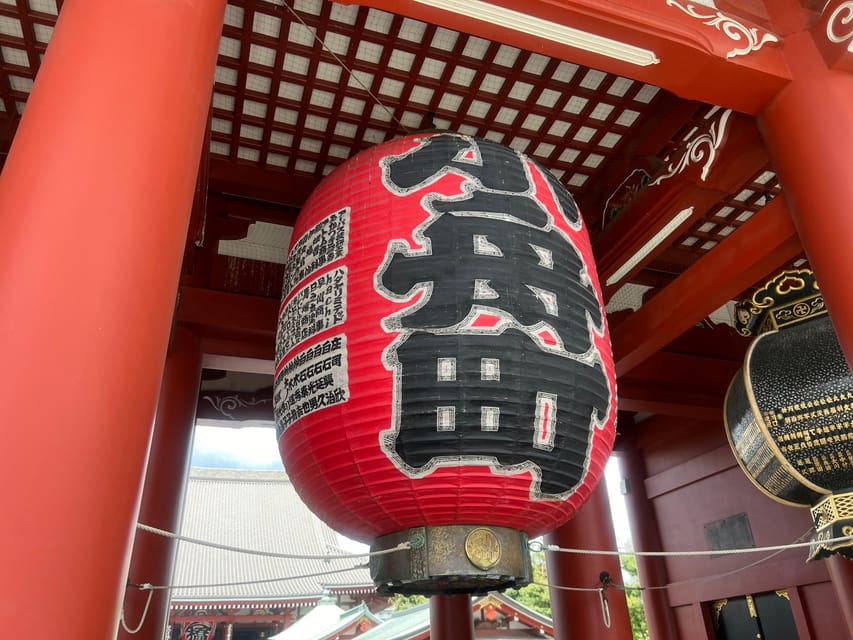
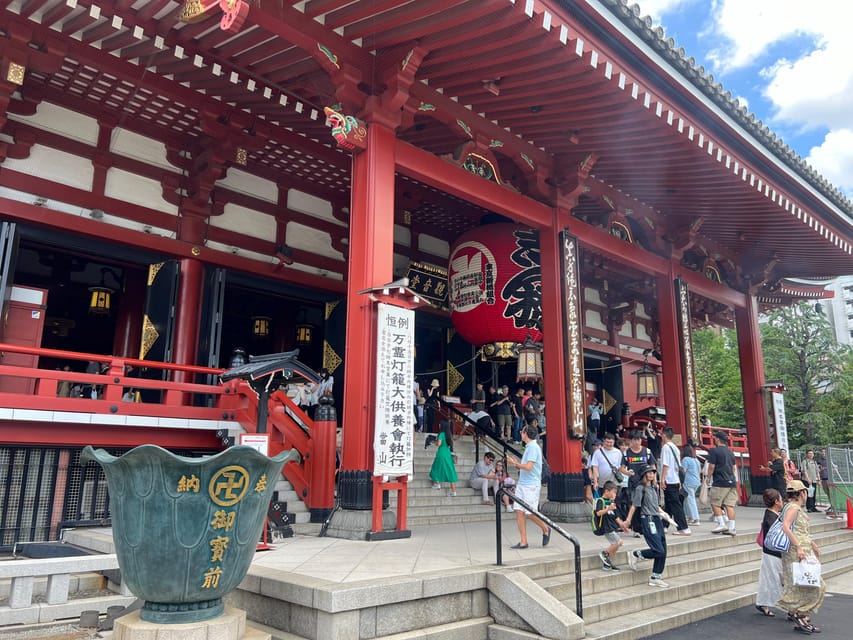
The first major stop is Kaminarimon, or the Thunder Gate. Its enormous red lantern makes it one of the most recognizable entrances in Tokyo. This is the moment when the tour feels most theatrical, with visitors stopping for pictures beneath the gate and around its large guardian figures.
A photo stop here is easy to understand on your own. The guide adds value by explaining what the gate represents and placing it in the larger story of Senso-ji and Asakusa. You also get a chance to ask basic questions before the walk moves into the shopping street.
Expect a crowd. The area can be difficult to navigate at a slow pace, particularly when people are taking pictures or waiting to enter the temple grounds. This is where a group capped at 10 helps. Several guides, including Shino and Connie, have been praised for keeping everyone together and making sure no one was left behind.
Take your picture, but do not rush away. Kaminarimon is the visual doorway to the whole district, and the guide’s short explanation gives the rest of the route a useful frame.
Nakamise Street: shopping with a story
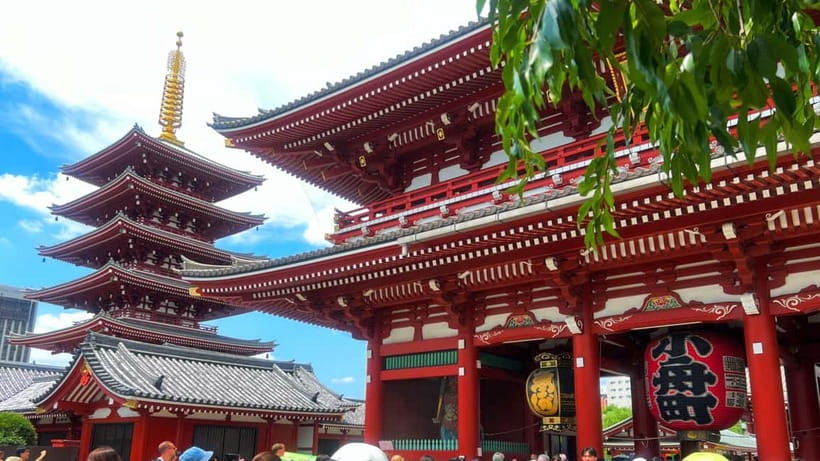
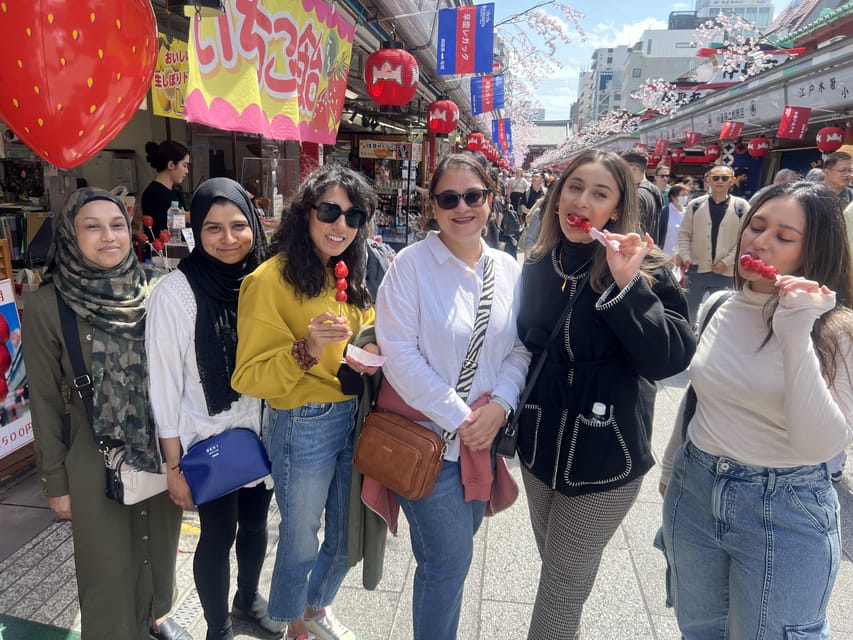
From Kaminarimon, you continue along Nakamise Shopping Street. The route is lined with traditional-style shops, colorful lanterns, souvenirs, and local sweets. It is also one of the busiest sections of the walk, so you should expect movement to be slow at times.
The value here is not simply shopping. Your guide can explain what kinds of foods and objects have a connection to the area, what makes a souvenir meaningful, and which snacks are worth trying. Several guides have pointed out local favorites, including ningyo-yaki, a small red-bean-filled cake associated with Asakusa. You may have a chance to try or buy traditional snacks, but the tour details do not promise food tastings, so bring some yen if you want to shop.
This is also a good place to save questions for later in the day. Guides have offered advice on popular restaurants, special foods, souvenirs, and even a pottery shop after the walk. That kind of practical conversation can be more useful than a long list of historical dates.
There is a tradeoff. Nakamise is highly commercial and can feel crowded, particularly at busy times. If you want a quiet old street, this is not it. The guide helps by explaining the street’s role and by pointing out details you might otherwise pass without noticing.
Senso-ji: learning how to visit Tokyo’s oldest temple
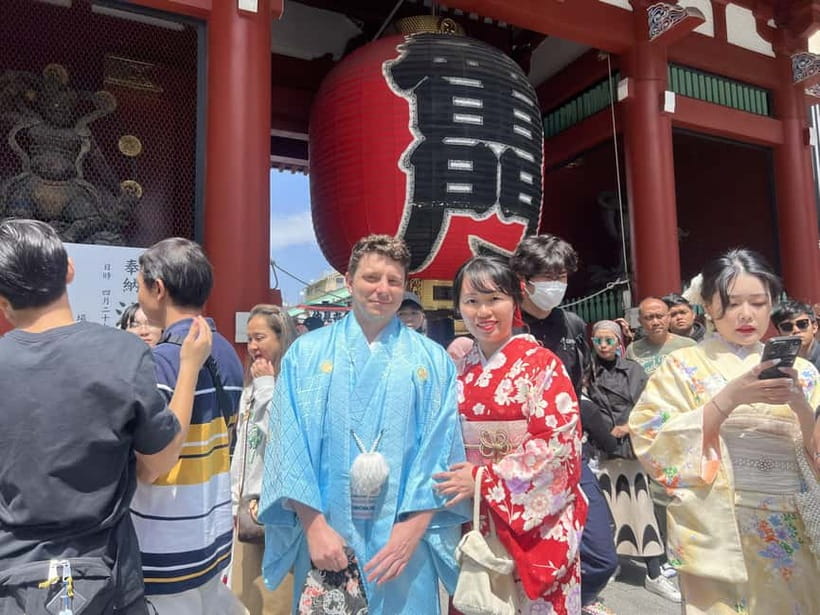
Senso-ji is the center of the tour and the reason many people book it. Founded in the seventh century, it is one of Tokyo’s oldest temples and one of the city’s best-known religious sites. The grounds include striking gates, open approach areas, and the main temple spaces that draw both worshippers and sightseers.
A guide is especially useful here because Senso-ji is not only a place to photograph. You can learn how to take part respectfully in the customs. Guides have explained the proper way to approach the temple, use the purification fountain, and pray. One guide also taught participants how to ask for a fortune, an experience some people particularly enjoyed.
The difference between a temple and a shrine is another useful lesson on this route. Senso-ji is Buddhist, while Asakusa Shrine, visited later, is Shinto. Seeing both in the same neighborhood lets you compare their customs and understand how closely different traditions have existed alongside one another in Japan.
Your guide may discuss Buddhism, local legends, the temple’s long past, and the damage and rebuilding that shaped modern Tokyo. Nicolas has been praised for making these explanations engaging and for sharing details about Buddhism. Shino has received similar praise for thorough explanations of both the temple and the shrine.
The temple is also the busiest part of the walk. Stay close to the guide, especially around gates and open courtyards. The group size helps, but you still need to pay attention. Comfortable shoes are sensible because the tour is entirely on foot and includes roughly two hours of standing and walking.
Other places of worship worth the walk in Tokyo:
- Tokyo: Nikko Toshogu Shrine and Kegon Waterfall Tour
★ 4.5 · 1,266 reviews - Tokyo Panoramic 1 Day: Meiji Shrine, Asakusa, Odaiba and SKYTREE®
★ 4.5 · 1,222 reviews - Tokyo: Zen Meditation at a Private Temple with a Monk
★ 5.0 · 510 reviews - Mt. Fuji Heritage Tour: Traditional Villages, Lakes & Shrine
★ 4.5 · 509 reviews
Asakusa Shrine: a useful contrast beside Senso-ji
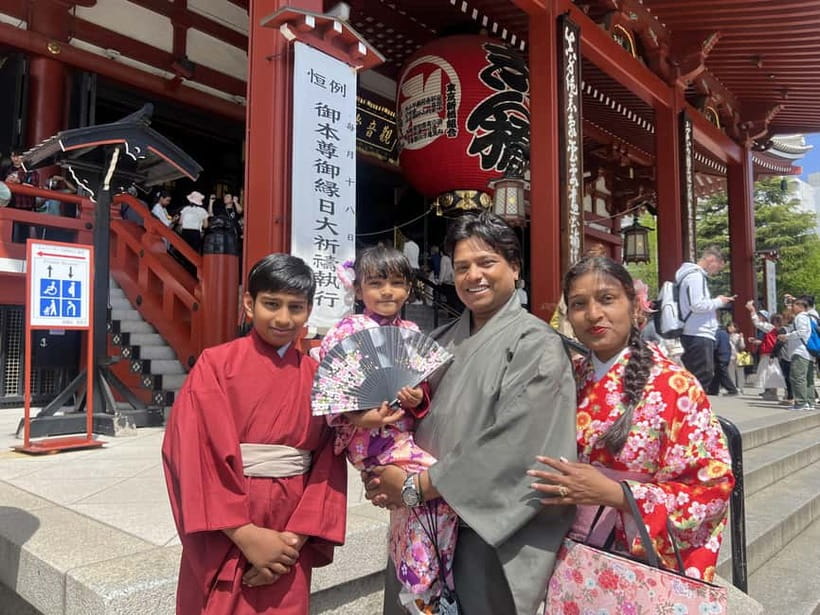
Asakusa Shrine is the final major stop. Its location close to Senso-ji makes it easy to visit both sites, but the religious difference gives the stop real purpose rather than making it another quick photo opportunity.
The guide explains Shinto customs and how to approach the shrine. This can include details about prayer and respectful behavior, giving you a second practical lesson after the Buddhist temple. Several guides have been praised for teaching these customs clearly, including Aska and Nicolas.
I like this pairing because it prevents the tour from presenting Asakusa as one single historic attraction. You see a Buddhist temple and a Shinto shrine within the same old neighborhood, then hear how Japanese traditions and local life developed around them.
The shrine stop is listed for about 30 minutes, as is the Senso-ji visit. That sounds generous, but the actual pace can depend on the crowd, group questions, and how long people spend taking photographs. If you want extensive time for worship, fortunes, or quiet observation, plan to return independently after the tour.
The guides make the difference
This is a guide-led experience, so the quality of the morning depends more on the person leading it than on the route itself. The stops are famous and easy to find. The useful part is the explanation, pacing, and local perspective.
Shino appears often among the strongest guide experiences. She was born and raised in Tokyo and has been praised for sharing local places, customs, food suggestions, and souvenir advice. She also received good marks for helping solo visitors feel comfortable and navigating packed streets without losing the group.
Aska is a strong choice for visitors who want cultural instruction. She has explained shrine etiquette, Japanese traditions, local food, and details that guidebooks often skip. In hot weather, she has also been attentive to the group’s comfort.
Embla has been praised for organization, clear English, patience, and sending useful information before the tour. Nicolas is a good fit if you enjoy stories, historical details, Buddhism, and a guide who takes time to answer questions. Joe has been described as energetic, friendly, and entertaining, with a relaxed style that feels more like exploring with a local companion.
Other guides, including Connie, Haydn, Naoya, Ryota, Yota, Jae, and Shona, have also received strong praise for friendliness, English, local recommendations, and cultural explanations. The exact guide is not guaranteed, so book this for the format and route rather than for one particular person.
What the $14 price really buys you
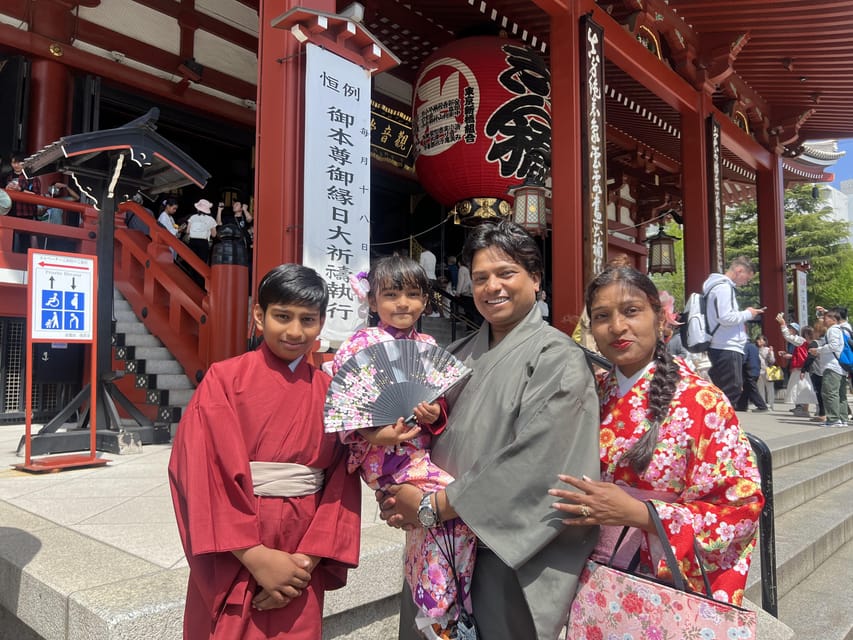
At $14 per person, this is an unusually inexpensive way to get a live introduction to a major Tokyo district. You are paying for a two-hour English-language walking tour with a guide, not for a private experience or a full-day cultural program.
The value is strongest if you are new to Tokyo, want help with temple etiquette, or prefer asking questions instead of reading signs on your phone. A short explanation about how to pray, what a fortune means, or why a shrine differs from a temple can make the rest of your Japan trip easier.
The price also works well for solo visitors. A private guide would cost far more, while a large group can make it hard to hear or ask questions. With no more than 10 participants, you get some of the social ease of a group tour without the usual crowd of 20 or 30 people.
There are limits. Admission to the temple and shopping street is included, but this is not a food tour, a museum tour, or a detailed tour of every corner of Asakusa. You should also budget separately for snacks and souvenirs if you want them.
Free cancellation up to 24 hours before the start gives you useful flexibility, and you can reserve now and pay later. Check available start times before booking, since the duration is fixed at two hours but the schedule can vary.
Who should book this walk?
I would recommend it to first-time visitors who want a clear introduction to traditional Tokyo. It suits families, solo visitors, couples, and anyone who prefers a small group and an English-speaking guide.
It is also a good choice if you have only a short time in the city. In two hours, you see the major approach to Senso-ji, the shopping street, the temple, and the shrine. You leave with enough context to explore the district on your own rather than spending the rest of the day trying to work out what you are looking at.
Culture and food fans should find useful leads here. The guide can point out local specialties, shops, and places to eat, and you can return after the formal walk. Repeat visitors can also benefit, especially if their first visit consisted mainly of photographs. One repeat visitor learned new things after having already seen Asakusa before.
I would be less enthusiastic if your main goal is solitude, extended photography, or a slow religious retreat. The core route is popular, and the crowd is part of the experience. You should also avoid booking it if you want a full-day exploration of the wider district, since the tour covers only the main historic center.
Practical advice for a smoother morning
Arrive at the Starbucks near Asakusa Station with enough time to find the exact meeting point. Use the provided coordinates, and have WhatsApp ready before the start so the guide can reach you if the group is moving or the station area is confusing.
Wear comfortable shoes and expect to walk and stand for the full two hours. The tour runs outdoors through busy streets and temple grounds, so dress for the weather. One summer participant specifically appreciated the guide’s attention to comfort in high heat.
Keep your group in sight. Asakusa’s crowds can split people up quickly, particularly near Kaminarimon and Nakamise Street. Guides have worked hard to manage this, but staying alert makes the walk easier for everyone.
Bring a few questions. Ask about foods, shopping, the temple’s Buddhist traditions, shrine etiquette, or where to continue after the tour. The strongest part of this experience is the conversation, so do not treat it as a silent march between photo stops.
Should you book the Senso-ji and Asakusa tour?
Book it if you want an affordable, well-organized introduction to old Tokyo with a small group and a live English-speaking guide. The route is compact, the price is easy to justify, and the best guides add practical lessons about prayer, food, souvenirs, and daily customs.
Skip it if you already know Asakusa well or prefer to wander alone. For everyone else, especially first-time visitors, this is a smart way to get your bearings before returning to Senso-ji and the surrounding streets on your own.
FAQ
How long does the Asakusa tour last?
The tour lasts two hours.
How much does the tour cost?
The listed price is $14 per person.
Where does the tour meet?
The meeting point is in front of the Starbucks closest to Asakusa Station. The provided coordinates are 35.71194609999999, 139.7979446.
Where does the tour finish?
The walk returns to the Starbucks near Asakusa Station.
Which language is the tour offered in?
The live guided tour is offered in English.
How large is the group?
The tour is limited to 10 participants.
Which places are included?
The route includes Kaminarimon, Nakamise Shopping Street, Senso-ji Temple, and Asakusa Shrine.
Is admission included?
Admission to Asakusa, Senso-ji Temple, and Nakamise Shopping Street is included with the walking tour.
Do I need WhatsApp?
The meeting instructions ask you to download WhatsApp so you can meet the guide and group smoothly.
Can I cancel the booking?
You can cancel up to 24 hours in advance for a full refund. You can also reserve now and pay later.
Just added in Tokyo
- Nikko: Edo Wonderland Edomura Cultural Theme Park Ticket★ 4.3 · 205 reviews
- 《MEMBERS-ONLY-BAR-HOPPING》Discover Your Special Whiskey in Tokyo!★ 5.0 · 29 reviews
- Japanese Whisky Hunting《HIGH-QUALITY-ONLY》Rare Tasting Class★ 5.0 · 20 reviews
- Luxury Tokyo Sake, Cocktail, Whisky and Pairing Tour★ 5.0 · 18 reviews
- Wagyu & Sake Pairing in Shinjuku – Steak, Shabu-Shabu & More★ 5.0 · 112 reviews
- Small-Group Wagyu Beef and 7 Japanese Dishes Tokyo Cooking Class★ 5.0 · 190 reviews
- From Tokyo: Private Tour to Fuji/Hakone – Onsen, Art, Nature★ 5.0 · 116 reviews
- Tokyo: KABUKI Show at Kabukiza Theatre Admission Ticket★ 4.8 · 152 reviews
Temple & Shrine Tours, compared.
Meiji Shrine, Asakusa, Skytree Bus Tour and Cruise
Read our review →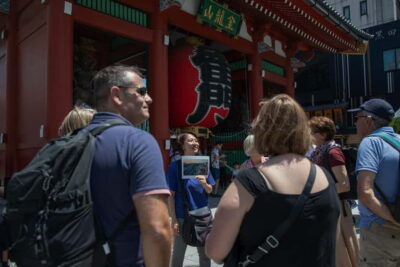
Asakusa Walking Tour with Sensoji Temple Visit
Read our review →
Kamakura & Enoshima Day Trip including Temple Tickets
Read our review →
Nikko Toshogu Shrine and Kegon Waterfall Tour
Read our review →
Tokyo Panoramic 1 Day: Meiji Shrine, Asakusa, Odaiba and SKYTREE®
Read our review →
1-Day Snow Monkeys, Zenko-ji Temple & Sake in Nagano
Read our review →Browse the lists this tour appears in