
Reviewed · CALLIGRAPHY & CRAFT WORKSHOPS
Tokyo: Calligraphy Workshop & Original T-Shirt Creation
The most memorable part of this Shinjuku workshop is making your own ink from a solid inkstick before touching brush to paper. You then work with a professional calligrapher to turn your name into kanji, practice the strokes, and create a keepsake. The ink-making ritual gives the two-hour class a calm, hands-on start.
I like the patient teaching and the small groups, which make it easier to receive personal help. I also like that you are not simply copying a character from a board: you learn what your kanji means and how its strokes fit together. The main drawback is practical: the T-shirt costs extra, so the $30 price covers the class and paper artwork, not the wearable souvenir.
Key points at a glance
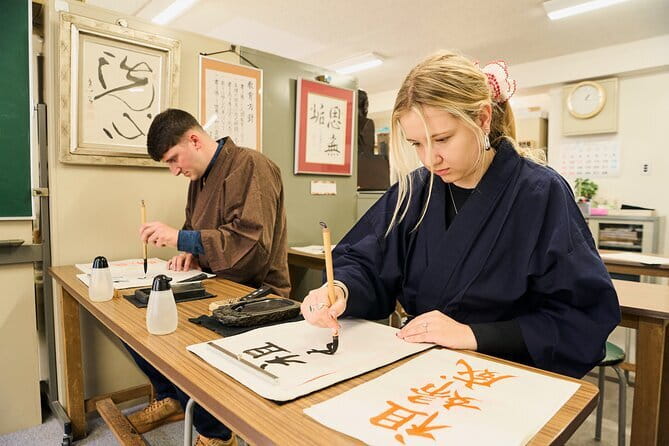
- Make ink the traditional way: Grind a solid inkstick with water before practicing.
- Turn your name into kanji: Your guide helps you choose characters with meaning.
- Learn from a real calligraphy teacher: The Japanese instructor demonstrates stroke order and brush control.
- English support throughout: Hosts such as Hiromi, Mayuko, Naoto, and Aki have helped explain the lesson.
- Choose your souvenir: Take home paper artwork, and optionally place your kanji on a T-shirt.
- A calm Shinjuku break: The workshop offers a quiet contrast to Tokyo’s busy streets.
A quiet art lesson in the middle of Shinjuku
This is not a quick brush-lettering photo stop. You spend about two hours learning the basic logic of Japanese calligraphy, then use that knowledge to make something personal.
The meeting point is the FamilyMart Okubo Station South Exit Store at 1-23-21 Hyakunincho, Shinjuku-ku. Look for a guide holding a Local Guide Stars sign. From there, the activity moves to the workshop space in Shinjuku.
The location matters because Shinjuku can be a full-on Tokyo experience: large stations, bright signs, crowds, and plenty of noise. A calligraphy class gives you a slower activity without sending you far from the city center. I would place it between sightseeing stops rather than treat it as an all-day cultural excursion.
The group is limited to 10 people. That is a useful size for this kind of lesson. Brush work is hard to learn by watching from the back of a room, and you need someone to correct your grip, pressure, and stroke direction. Smaller classes also help children and beginners feel less exposed when their first characters look uneven.
Other things to make with your hands in Tokyo:
- Chopstick Making Workshop in Ginza
★ 4.8 · 1,366 reviews - Tokyo Chopstick Making Workshop with Artisan
★ 5.0 · 466 reviews - Tokyo: Matcha Making Experience with Mochi Sweets in Asakusa
★ 4.9 · 388 reviews
Changing into workwear and preparing the ink
The session begins with a change into traditional Japanese workwear. This helps mark a clear break from ordinary sightseeing and gets you into the hands-on part of the activity.
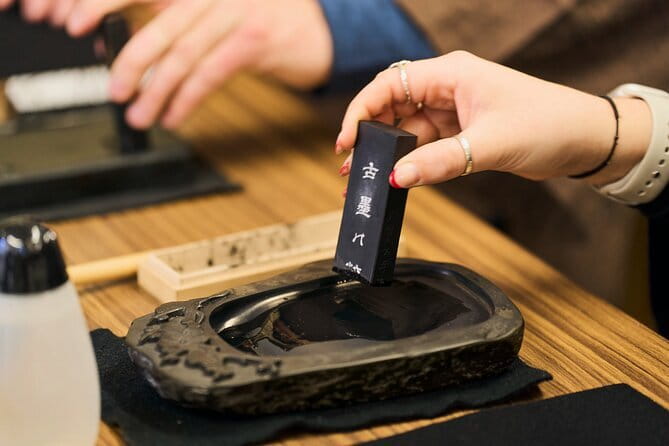
Next comes one of the best details: grinding a solid inkstick to make liquid ink. You add water to an inkstone and work the stick across its surface. The process takes patience, and that is the point. It slows your hands and attention before the lesson begins.
You are not just being shown a finished bottle of ink. You take part in the old preparation method and see how much care goes into the materials. Several people found this stage calming, and I can see why. It gives the class a quiet rhythm before the more demanding brush practice.
This is also where expectations need to be set. The ink-making process is traditional, but it is not a long historical demonstration. The workshop has only two hours, so the emphasis is on doing rather than receiving a detailed lecture on every type of ink, paper, and brush.
Learning the brush before writing your name
The professional teacher starts with basic brush techniques. You practice how to hold the brush, control the pressure, and form individual strokes. Stroke order is part of the lesson, not a minor detail. In Japanese writing, the sequence affects the shape, balance, and movement of the finished character.
The teacher also explains how characters sit beside one another. That matters when you create a name or short phrase, since a group of characters must look balanced rather than scattered across the page.
Your first attempts may be rough. That is normal, and the class is designed for beginners rather than trained calligraphers. The point is not to produce museum-quality work in one sitting. It is to feel how the brush responds and understand why a professional character looks so controlled.
The teaching style is one of the strongest parts of the experience. Guides and teachers have included Sousen, Nori, Horino, and other instructors, while English support has come from hosts including Hiromi, Mayuko, Naoto, Aki, Nono, and Frankie. The exact team can vary, but the format remains an English-led lesson with translation and explanation.
I especially like the reported balance between demonstration and individual help. The teacher shows the technique, then gives personal corrections. If the class is not full, you may receive a great deal of one-to-one attention. That can be excellent for learning, though a solo participant may feel a little pressure when all eyes are on their brush.
Turning a foreign name into meaningful kanji
The name section gives the class its personal hook. Rather than simply writing your name in Roman letters, you work with the guide to represent it in kanji.
Kanji characters carry meaning, so this is not a direct letter-for-letter translation in the same way as changing one alphabet into another. Your name is shaped into a set of characters chosen for their sound, meaning, or both. The guide explains the options and helps you understand the characters you are painting.
That makes this more useful than a souvenir with decorative symbols you cannot identify. You leave knowing what your kanji means and how the characters are arranged.
The lesson also offers a small window into Japanese writing. You learn that Japanese uses more than one writing system, and the teacher may explain how the characters developed and how they are written. One especially useful point is the relationship between meaning, pronunciation, and visual balance.
You are given room to choose kanji connected to your name or to an idea that matters to you. The available information does not promise a specific number of characters or a fixed list of choices, so the final design can vary from person to person.
Same base, a different sort of day:
- Mt Fuji and Hakone 1-Day Bus Tour Return by Bullet Train
★ 5.0 · 26,383 reviews - 1-Day Tokyo Bus Tour
★ 5.0 · 14,250 reviews - Tokyo: TOKYO SKYTREE® Admission ticket
★ 4.5 · 11,192 reviews - Tokyo: teamLab Planets TOKYO Digital Art Museum Entry Ticket
★ 4.6 · 9,779 reviews
Paper artwork or an optional T-shirt
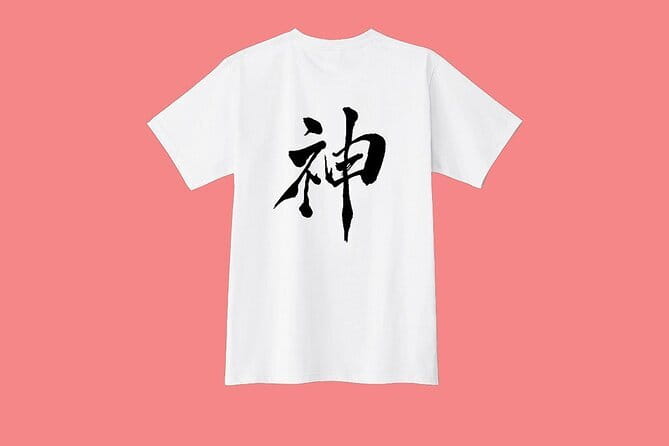
Your main included souvenir is your own calligraphy artwork on paper. This is an important detail because the T-shirt is not part of the $30 fee.
If you choose the shirt option, you write your kanji directly onto the T-shirt and create an original wearable piece. The shirt adds a fun, informal finish, especially for children, couples, or friends who want a matching memory from Tokyo. It also turns the class from a lesson into a small design project.
There is a tradeoff. The shirt costs extra, and one person specifically found it expensive. If you are mainly interested in learning calligraphy, skip it and take the paper artwork home. Some participants received a neat version of their names on paper even when they did not choose a shirt.
If you do want the T-shirt, treat it as an optional souvenir purchase rather than part of the workshop value. The base price is still reasonable for two hours with instruction, supplies, English assistance, and a take-home piece. Your final cost depends on the extra shirt charge.
A few people would have preferred a scroll or another paper format as an alternative to the shirt. That is worth keeping in mind if you want a more formal calligraphy souvenir. The standard options described here are paper artwork and the optional T-shirt.
Why the small-group format matters

A 10-person maximum is well suited to brush practice. The teacher can watch your stroke order and offer corrections before you repeat the same mistake across a full page.
This also helps if you are nervous about artistic ability. The class is meant for beginners, and its strongest theme is participation rather than perfection. You learn by trying, adjusting, and trying again.
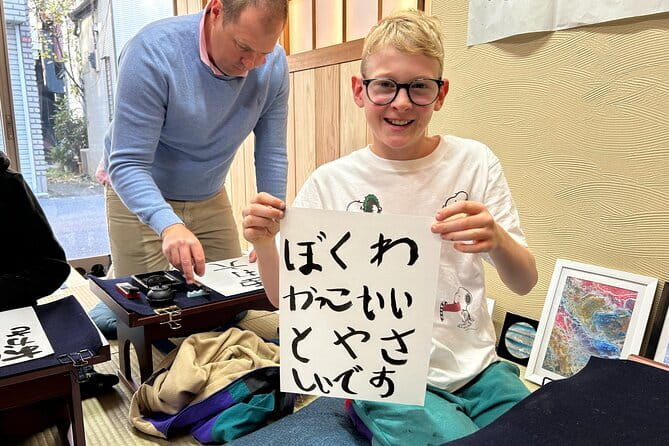
Children can take part, too. The activity has been described as enjoyable for children, and patient guidance has helped younger participants, including a toddler. You should still consider your child’s ability to sit, listen, and handle ink and brushes for two hours. The class is calm, but it is not a free-play session.
Couples and families have a clear reason to choose it: everyone can create a personal name design, compare characters, and leave with separate souvenirs. Solo visitors can benefit even more from the personal attention, though a quiet class may feel more serious than a typical group tour.
What the $30 price really buys
At $30 per person, this is good value if you want instruction rather than a quick cultural photo opportunity. The fee includes the English guide, calligraphy supplies used during class, the lesson, and your paper artwork to take home.
You are also paying for access to a professional teacher and for the time spent preparing the ink. Those details give the activity substance. You are not simply handed a brush and told to copy a design.
The cost is less attractive if your only goal is a T-shirt. Since the original shirt is extra, compare the total cost before booking if the wearable souvenir is your main reason for going.
The workshop is also a good value for a rainy day or for a break from major Tokyo sights. You get a focused indoor activity without the expense or time commitment of a full-day cultural tour. The 4.9 rating from 105 ratings suggests very strong satisfaction, but your enjoyment will depend on how much you like careful, repetitive practice.
Who will enjoy this most
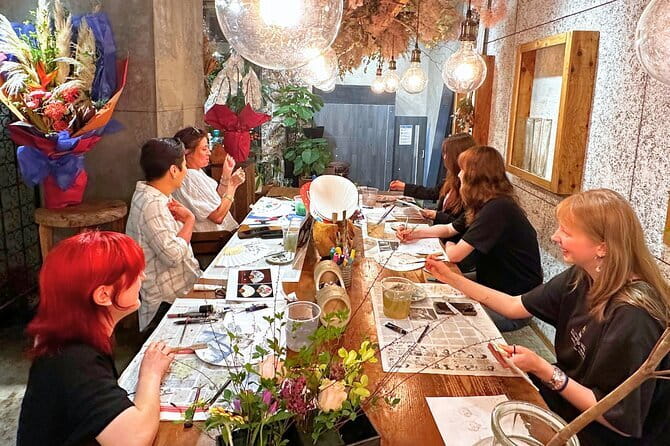
I would recommend the class to you if you want a personal souvenir, have an interest in Japanese language, or prefer making something to buying something. It suits first-time visitors who want a small piece of Japanese culture explained in English.
Art lovers will appreciate the brushwork, but you do not need drawing skills. The teacher focuses on simple techniques and gives feedback to beginners. The class can also appeal to people who enjoy quiet activities, since grinding ink and repeating strokes create a slower mood than most Shinjuku sightseeing.
Families should consider it if children are interested in hands-on activities. The class is child-friendly, though the calm pace and delicate materials may not suit every young child.
I would be more cautious about booking if you expect a polished professional result or a long lecture on Japanese calligraphy. Your work will probably look like a beginner’s work. That is part of the charm, but it is not a substitute for years of training.
Practical details before you reserve
Allow the full two hours, starting from the meeting point at FamilyMart Okubo Station South Exit Store. The activity has scheduled starting times, so check availability for the date you want.
The guide meets you at the store with a Local Guide Stars sign. Keep the meeting address handy: 1-23-21 Hyakunincho, Shinjuku-ku, Tokyo. The provided map link can help you reach the exact spot.
The class is conducted in English with a live guide. The teacher may speak Japanese while the English-speaking host translates and adds cultural explanation. This arrangement has worked well for people who wanted to ask questions and understand the meaning behind the characters.
Supplies used in class are included. Your paper artwork is included as well. Bring the expectation that the shirt is optional and priced separately.
You can cancel up to 24 hours in advance for a full refund, and the reserve-now, pay-later option keeps your plans flexible. Those terms are useful in Tokyo, where weather, jet lag, and changing sightseeing plans can affect a short activity.
Should you book the calligraphy workshop?
Book it if you want a calm, personal activity with real instruction and a souvenir that connects to your own name. The ink-making stage, the explanation of kanji, and the small-group corrections give the class more weight than a simple craft session.
I would skip the T-shirt unless you genuinely want to wear your artwork. The paper piece already gives you a lasting souvenir, and the extra shirt cost may not suit every budget.
For most visitors, the best reason to book is the mix of tradition and participation. You learn the basics from a professional calligrapher, make your own ink, and leave with work that carries a meaning you chose. That is a fine two-hour pause from Tokyo’s faster pace.
FAQ
Where does the calligraphy workshop meet?
The meeting point is the FamilyMart Okubo Station South Exit Store at 1-23-21 Hyakunincho, Shinjuku-ku, Tokyo, Japan.
How do I identify the guide?
The guide will be holding a sign that says Local Guide Stars.
How long does the activity last?
The workshop lasts two hours.
Is the workshop held in English?
Yes. The activity includes a live English-speaking guide.
How many people can join?
It is a small-group activity limited to 10 participants.
Is the T-shirt included in the price?
No. Original T-shirts are not included and cost extra.
What do I take home?
You take home your own calligraphy artwork. If you choose the optional T-shirt, you also create a wearable piece with your kanji.
Do I make the ink myself?
Yes. You grind a solid inkstick with water to prepare traditional ink during the workshop.
Is the activity suitable for children?
Yes. The workshop is designed to be enjoyable for children, and the activity has included patient guidance for young participants.
Can I cancel for a full refund?
Yes. You can cancel up to 24 hours in advance for a full refund.
Just added in Tokyo
- The 10 Tastings of Tokyo With Locals: Private Street Food Tour★ 5.0 · 48 reviews
- Small Town in the Big City: Tasting Tokyo’s Kichijoji★ 5.0 · 195 reviews
- Small Town in the Big City: Tasting Tokyo’s Kichijoji★ 5.0 · 16 reviews
- EXCLUSIVE Tokyo Secret: Kichijoji Small-Group Food & Bar Hopping★ 5.0 · 29 reviews
- Explore Kichijoji: Walk Through One of Tokyo’s Beloved Districts★ 5.0 · 21 reviews
- :Tokyo,Shibuya/ Pro Photography in Kimono / English-Friendly★ 5.0 · 26 reviews
- 【R34】Tokyo:Private Daikoku tour in Modified R34★ 4.9 · 92 reviews
- Tokyo:Calligraphy &Make your original folding fan in Asakusa★ 5.0 · 62 reviews
Calligraphy & Craft Workshops, compared.
Chopsticks Making Workshop in Gion with Engraving Option
Read our review →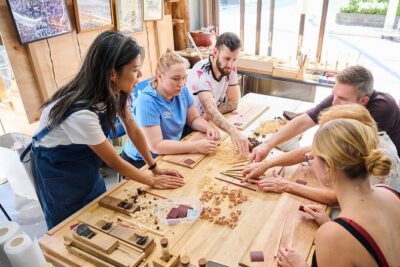

Matcha Making Experience with Mochi Sweets in Asakusa
Read our review →
Authentic knife making experience at a blacksmith in Kyoto
Read our review →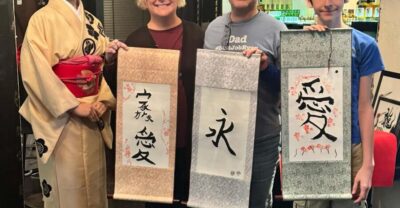
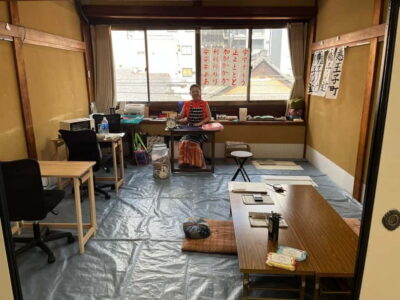
Calligraphy class at Buddhist temple in city center
Read our review →Browse the lists this tour appears in